digital media advertising

Digital Media Advertising: A Practical Guide to Reaching the Right Audience

Digital Media Advertising: Reaching the Right Audience Online

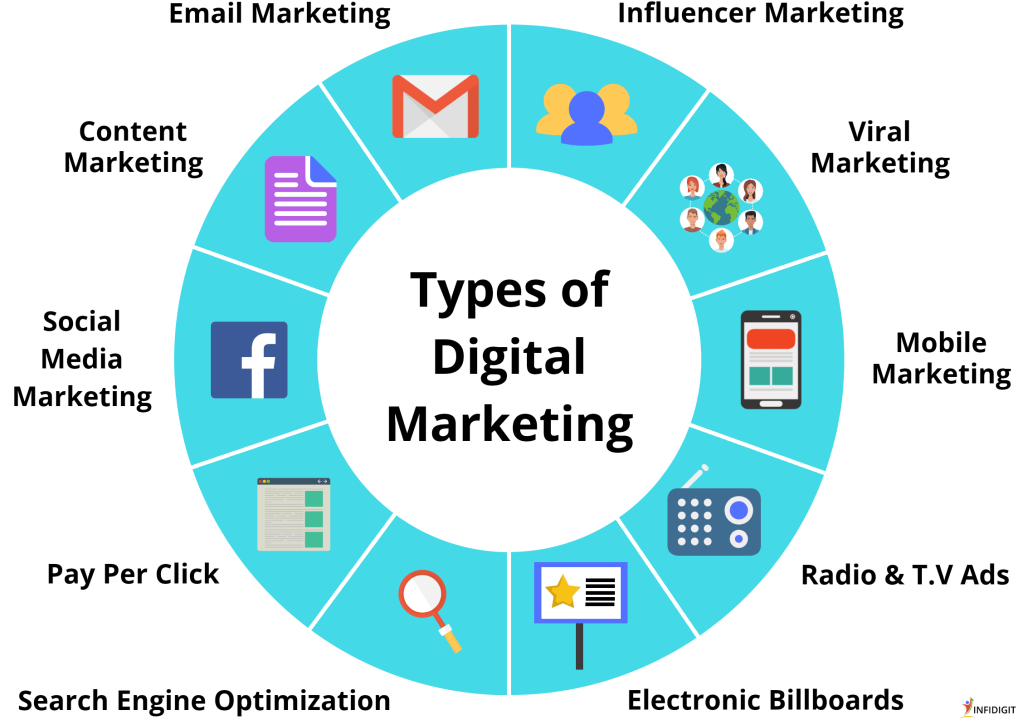
Digital media advertising helps businesses promote their products, services and ideas across online channels. From search engines and social media to websites, apps and streaming platforms, it offers a range of ways to reach potential customers where they spend their time.

Unlike traditional advertising, digital campaigns can often be adjusted while they are running. Advertisers can use performance data to understand what is working, refine their messages and make better use of their budgets.

What is digital media advertising?

Digital media advertising is paid promotion delivered through digital channels. It includes formats such as search adverts, display banners, sponsored social posts, online video adverts and audio adverts on streaming services.

Each format serves a different purpose. A search advert can reach someone actively looking for a product or service, while a social media campaign may introduce a brand to people who have not encountered it before. The best choice depends on the campaign’s audience, objectives and budget.

Common types of digital advertising

  • Search advertising: Paid listings shown on search engine results pages, often in response to a relevant query.
  • Social media advertising: Sponsored content delivered on platforms such as Instagram, Facebook, LinkedIn and TikTok.
  • Display advertising: Visual adverts placed on websites, apps and other digital properties.
  • Video advertising: Short or long-form adverts shown before, during or alongside online video content.
  • Native advertising: Paid content designed to fit the look and feel of the platform where it appears, while still being clearly identified as advertising.
  • Audio advertising: Adverts delivered through digital radio, podcasts and music-streaming services.
  • Retail media: Advertising placed on retailers’ websites, apps or other channels, often aimed at shoppers researching or buying products.

Why businesses use digital media advertising

Digital advertising can help businesses increase awareness, attract visitors to a website, generate enquiries and encourage sales. Campaigns can be tailored to different locations, interests, search behaviours or stages of the customer journey, subject to platform rules and privacy requirements.

It also provides useful measurement. Depending on the channel and tracking set-up, advertisers may be able to review impressions, clicks, video views, conversions and the cost of achieving specific outcomes. These insights can guide improvements, although results should be interpreted carefully: not every valuable interaction is easy to measure, and a click does not always lead to a sale.

Building an effective campaign

Start with a clear objective

Decide what the campaign needs to achieve. Raising awareness, bringing visitors to a website and generating qualified leads require different messages and measures of success. A clear objective helps shape the channel mix and makes it easier to assess performance.

Understand the audience

Consider who the campaign is for, what they need and where they are likely to encounter relevant content. Audience research can help inform the tone, format and placement of adverts. Avoid relying on assumptions when customer feedback, search data or previous campaign results can provide stronger evidence.

Choose suitable channels and formats

There is no single channel that works for every business. Search advertising may suit people with a clear intention to buy, while video or social advertising can be useful for introducing a brand or explaining a more complex offer. A campaign can use several channels, but each should have a defined role.

Create relevant, clear adverts

Effective advertising communicates a useful benefit and gives people a clear next step. Keep copy concise, use visuals that support the message and make sure the advert leads to a relevant landing page. The experience should be consistent from the first impression through to the action you want someone to take.

Set a realistic budget

Plan spending around the campaign’s objectives, audience and duration. Leave room to test different messages or formats, but avoid making major decisions based on limited data. Costs and competition vary between channels, industries and audiences, so regular review is important.

Measurement and optimisation

Before launching a campaign, decide which indicators will show whether it is making progress. Depending on the objective, these might include reach, engagement, website visits, enquiries or sales. Use reliable tracking where appropriate, and check that the data is being collected and reported consistently.

Optimisation is the process of improving a campaign as information becomes available. This may involve testing alternative creative, adjusting bids, refining placements or improving a landing page. Make changes thoughtfully and allow enough time to understand their effects.

Privacy, transparency and trust

Digital advertising should be responsible as well as effective. Businesses must follow relevant data-protection and advertising rules, including requirements around consent, personal data and clear identification of paid content. In the UK, guidance from the Information Commissioner’s Office and the Advertising Standards Authority can help organisations understand their responsibilities.

Respectful advertising also means being honest about what is being offered, avoiding misleading claims and considering how targeting may affect people. Clear communication helps build trust and supports better long-term relationships with customers.

Making digital advertising work for your business

Digital media advertising is most effective when it is part of a considered marketing plan. Clear objectives, useful creative, suitable channels and careful measurement provide a strong foundation. By learning from results and keeping the audience’s needs in focus, businesses can make more informed decisions and improve their campaigns over time.


Exploring Digital Media Advertising: Key Questions and Insights

  1. What is an example of digital advertising?
  2. What are the 3 types of digital media?
  3. What are the four types of digital advertising?
  4. How is advertising done on digital media?
  5. What is digital digital advertising?
  6. What are the 4 types of advertising media?
  7. What are the 5 types of digital media?
  8. What is the best digital media advertising?

What is an example of digital advertising?

An example of digital advertising is a sponsored advert that appears on social media. A clothing retailer might promote a new collection in users’ feeds, with an image, a short message and a link to its online shop. The advert can be tailored to a relevant audience and its performance measured through views, clicks and sales.

What are the 3 types of digital media?

The three commonly recognised types of digital media are owned, earned and paid media. Owned media includes channels a business controls, such as its website, blog and social media profiles. Earned media is exposure gained through others, including customer reviews, shares, mentions and press coverage. Paid media is promotion a business pays for, such as search adverts, sponsored social posts and display advertising. Used together, these channels can help a business share its message, build trust and reach a wider audience.

What are the four types of digital advertising?

There is no single official classification, but four common types of digital advertising are search, display, social media and video advertising. Search adverts appear in search engine results, display adverts use banners or other visuals on websites and apps, social media adverts are paid posts shown on platforms such as Instagram or LinkedIn, and video adverts appear before, during or alongside online videos. These categories can overlap—for example, a video advert may also be a social media advert—so the best format depends on your audience and campaign goals.

How is advertising done on digital media?

Advertising on digital media is done by creating paid content and placing it on channels such as search engines, social media platforms, websites, apps and streaming services. Businesses choose an audience, set a budget and select a format—such as a search listing, banner, video or sponsored post—then publish the campaign through an advertising platform or media partner. Performance can be tracked using measures such as views, clicks, enquiries and sales, allowing advertisers to adjust their targeting, creative or budget while the campaign runs.

What is digital digital advertising?

Digital advertising (also known as digital media advertising) is the promotion of products, services or brands through online channels such as search engines, social media, websites, apps and streaming platforms. It can include paid search results, display banners, sponsored posts, video adverts and audio adverts. Businesses use digital advertising to reach specific audiences, raise awareness, attract website visitors or encourage sales, and can measure campaign performance using relevant data.

What are the 4 types of advertising media?

The four commonly recognised types of advertising media are print, broadcast, outdoor and digital. Print includes newspapers and magazines; broadcast covers television and radio; outdoor includes billboards, posters and transport advertising; and digital spans online channels such as search engines, websites, social media and streaming platforms. The categories can vary between marketing frameworks, and many campaigns combine several types to reach audiences in different ways.

What are the 5 types of digital media?

There is no single agreed list of the five types of digital media, but in marketing they are often grouped as owned, paid, earned, shared and converged media. Owned media includes channels a business controls, such as its website and email newsletter; paid media covers advertising it pays for, such as search or social adverts; earned media is coverage or recommendations gained through others; shared media is content circulated through social platforms and communities; and converged media is where these channels work together—for example, a paid campaign that sparks social sharing and leads people to a company’s website.

What is the best digital media advertising?

There’s no single “best” type of digital media advertising for every business. The right choice depends on your goals, audience and budget: search advertising can reach people actively looking for a product or service, while social media, display and video adverts can help build awareness and interest. Start with a clear objective, choose the channels your audience uses, and measure results so you can refine your approach over time.


digital campaigns

Unlocking Success: Maximising Your Potential with Strategic Digital Campaigns

The Power of Digital Campaigns

The Power of Digital Campaigns

In today’s fast-paced digital world, businesses are constantly seeking innovative ways to reach and engage with their target audience. One powerful tool that has revolutionized marketing strategies is digital campaigns. These campaigns leverage the vast reach and interactivity of online platforms to deliver targeted messages and drive desired actions.

What Are Digital Campaigns?

Digital campaigns refer to strategic marketing efforts that use various online channels such as social media, email, search engines, and websites to promote products or services. These campaigns can take many forms, including display ads, video content, influencer partnerships, email newsletters, and more.

The Benefits of Digital Campaigns

One of the key advantages of digital campaigns is their ability to precisely target specific audiences based on demographics, interests, behaviour, and other factors. This targeted approach ensures that marketing messages reach the right people at the right time, increasing the likelihood of conversion.

Furthermore, digital campaigns offer real-time tracking and analytics capabilities that provide valuable insights into campaign performance. Marketers can monitor key metrics such as click-through rates, conversion rates, engagement levels, and ROI to optimize their strategies for maximum impact.

Tips for Successful Digital Campaigns

  • Define Clear Objectives: Clearly outline your campaign goals and key performance indicators to measure success.
  • Know Your Audience: Conduct thorough research to understand your target audience’s preferences, behaviours, and pain points.
  • Create Compelling Content: Develop engaging and relevant content that resonates with your audience and encourages action.
  • Optimize for Mobile: Ensure that your digital campaigns are mobile-friendly to reach users on smartphones and tablets.
  • Monitor and Adjust: Continuously monitor campaign performance metrics and make adjustments based on data insights to improve results.

In Conclusion

Digital campaigns have become essential components of modern marketing strategies due to their effectiveness in reaching target audiences and driving results. By leveraging the power of online platforms and adopting best practices in campaign planning and execution, businesses can enhance brand visibility, generate leads, increase sales, and foster customer loyalty in today’s competitive digital landscape.


7 Advantages of Digital Campaigns: Precision, Cost-Effectiveness, and Global Reach

  1. Precise targeting of specific audiences based on demographics, interests, and behaviour.
  2. Real-time tracking and analytics provide valuable insights into campaign performance.
  3. Cost-effective compared to traditional marketing methods such as print or TV ads.
  4. Ability to reach a global audience instantly through online channels.
  5. Enhanced interactivity allows for engaging and interactive content experiences.
  6. Opportunity for quick adjustments and optimizations based on real-time data feedback.
  7. Increased brand visibility and awareness across multiple digital platforms.


Challenges of Digital Campaigns: Addressing Ad Fatigue, Blocking, Competition, and More

  1. 1. Ad Fatigue
  2. 2. Ad Blocking
  3. 3. Competition
  4. 4. Technical Issues
  5. 5. Data Privacy Concerns
  6. 6. Costly Mistakes
  7. 7. Rapid Changes

Precise targeting of specific audiences based on demographics, interests, and behaviour.

One significant advantage of digital campaigns is their ability to precisely target specific audiences by leveraging demographics, interests, and behaviour. By tailoring marketing messages to the characteristics and preferences of a well-defined audience, businesses can increase the relevance and effectiveness of their campaigns. This targeted approach not only enhances engagement but also improves the chances of converting leads into loyal customers. The ability to reach the right people with the right message at the right time is a powerful asset that digital campaigns offer in today’s competitive marketing landscape.

Real-time tracking and analytics provide valuable insights into campaign performance.

Real-time tracking and analytics in digital campaigns offer invaluable insights into the performance and effectiveness of marketing efforts. By monitoring key metrics such as engagement levels, click-through rates, conversion rates, and return on investment (ROI) as they happen, businesses can make data-driven decisions to optimize their strategies for better results. This real-time feedback loop enables marketers to identify what is working well and what needs improvement, allowing for agile adjustments to maximise the impact of their campaigns and achieve desired outcomes efficiently.

Cost-effective compared to traditional marketing methods such as print or TV ads.

Digital campaigns offer a significant advantage in terms of cost-effectiveness when compared to traditional marketing methods like print or TV ads. With digital campaigns, businesses can reach a targeted audience at a fraction of the cost of traditional advertising channels. This affordability allows companies of all sizes to allocate their marketing budgets more efficiently and achieve measurable results without the high expenses associated with traditional media placements.

Ability to reach a global audience instantly through online channels.

The ability of digital campaigns to reach a global audience instantly through online channels is a game-changer for businesses seeking to expand their reach beyond geographical boundaries. By leveraging the power of the internet, companies can connect with potential customers worldwide in real-time, breaking down traditional barriers to entry into new markets. This instantaneous reach not only increases brand visibility on a global scale but also opens up opportunities for engagement, lead generation, and conversion across diverse demographics and regions.

Enhanced interactivity allows for engaging and interactive content experiences.

Enhanced interactivity in digital campaigns enables businesses to create engaging and interactive content experiences that captivate audiences and encourage active participation. By incorporating elements such as quizzes, polls, videos, and interactive ads, brands can establish a deeper connection with their target audience, leading to increased brand awareness, customer engagement, and ultimately, conversions. This dynamic and immersive approach not only entertains users but also provides valuable insights into consumer preferences and behaviours, allowing businesses to tailor their messaging for maximum impact.

Opportunity for quick adjustments and optimizations based on real-time data feedback.

One significant advantage of digital campaigns is the opportunity for quick adjustments and optimizations based on real-time data feedback. Unlike traditional marketing methods, digital campaigns allow marketers to monitor performance metrics in real time and make immediate changes to improve results. By analysing data on the fly, businesses can tweak their strategies, refine targeting, adjust messaging, and allocate resources more effectively to maximise campaign impact and ROI. This agility and responsiveness enable brands to stay agile in a dynamic digital landscape and continuously enhance their marketing efforts for better outcomes.

Increased brand visibility and awareness across multiple digital platforms.

One significant advantage of digital campaigns is the ability to enhance brand visibility and awareness across various digital platforms. By strategically promoting products or services through targeted online channels such as social media, search engines, and websites, businesses can effectively reach a wider audience and increase brand recognition. This increased visibility not only helps in attracting new customers but also reinforces brand identity and presence in the competitive digital landscape.

1. Ad Fatigue

One significant drawback of digital campaigns is the phenomenon of ad fatigue. When audiences are bombarded with an excessive number of digital ads across various online platforms, they may experience a sense of saturation and disinterest. This overexposure can lead to ad fatigue, causing individuals to become less responsive and engaged with the marketing messages they encounter. As a result, the effectiveness of digital campaigns can diminish as audience attention wanes, highlighting the importance of carefully managing ad frequency and diversifying content to prevent fatigue and maintain audience engagement levels.

2. Ad Blocking

The rise of ad-blocking software presents a significant challenge for digital campaigns. As more internet users adopt these tools to block online advertisements, the effectiveness of digital campaigns is compromised. Ad blocking not only restricts the reach of marketing messages but also diminishes the chances of connecting with target audiences, ultimately impacting the overall success and ROI of digital marketing efforts. Marketers must find creative ways to navigate this conundrum and adapt their strategies to engage with audiences in meaningful ways that bypass ad blockers.

3. Competition

In the realm of digital campaigns, one significant drawback is the fierce competition that exists within the saturated digital landscape. With numerous brands vying for consumers’ attention and engagement, standing out and making a lasting impact can be a daunting task. The abundance of content from various sources adds to the challenge, requiring campaigns to be exceptionally creative, strategic, and targeted in order to cut through the noise and capture the audience’s interest effectively.

4. Technical Issues

Digital campaigns are not without their challenges, and one significant con to consider is the potential for technical issues. These issues, ranging from website downtime to slow loading times and compatibility problems, can disrupt the user experience and impact the effectiveness of a campaign. Such technical hurdles not only frustrate users but also risk alienating potential customers, highlighting the importance of robust infrastructure and proactive monitoring to mitigate these setbacks in digital marketing efforts.

5. Data Privacy Concerns

Growing concerns about data privacy and online tracking practices can deter users from engaging with digital campaign content. In an era where personal data protection is a top priority for individuals, the misuse or mishandling of user information can erode trust and lead to backlash against brands running digital campaigns. As consumers become more aware of how their data is collected and used online, businesses must prioritise transparency and compliance with data protection regulations to alleviate these concerns and maintain a positive relationship with their target audience.

6. Costly Mistakes

One significant drawback of digital campaigns is the potential for costly mistakes. Errors in the planning or execution of a campaign can have detrimental financial implications, resulting in wasted resources and missed opportunities to achieve desired outcomes. Whether it’s targeting the wrong audience, poorly timed messaging, or ineffective content, these mistakes can not only drain budgets but also hinder the overall success and effectiveness of a digital campaign. It is crucial for businesses to carefully strategize and execute their digital campaigns to minimise the risk of such costly errors.

7. Rapid Changes

In the realm of digital campaigns, one significant drawback is the constant and rapid changes in digital technologies and platforms. This ever-evolving landscape demands continuous adaptation, posing a challenge for marketers to stay abreast of emerging trends and evolving best practices. The need to constantly adjust strategies to align with the latest advancements can be overwhelming and time-consuming, potentially hindering the effectiveness and efficiency of digital campaigns.

best digital campaigns 2019

Exploring the Top Digital Campaigns of 2019: A Showcase of the Best Strategies

Best Digital Campaigns of 2019

The Best Digital Campaigns of 2019

2019 was a year filled with innovative and impactful digital campaigns that captured the attention of audiences worldwide. From creative storytelling to interactive experiences, brands pushed the boundaries of digital marketing to engage and connect with consumers in new and exciting ways.

Nike: Dream Crazy

Nike’s “Dream Crazy” campaign featuring Colin Kaepernick sparked conversations and inspired audiences with its powerful message of believing in your dreams despite obstacles. The campaign resonated with viewers on a personal level, making it one of the most talked-about campaigns of the year.

Burger King: Whopper Detour

Burger King’s “Whopper Detour” campaign cleverly combined mobile technology with a bold marketing strategy. By encouraging customers to order a Whopper through their app while at a McDonald’s location, Burger King successfully drove sales and generated buzz across social media platforms.

Spotify: Wrapped 2019

Spotify’s annual “Wrapped” campaign personalised music listening experiences for users by showcasing their top songs, artists, and genres from the year. The campaign not only engaged existing users but also attracted new audiences through social sharing and personalised recommendations.

Airbnb: Night At The Louvre

Airbnb’s collaboration with the Louvre Museum offered a once-in-a-lifetime opportunity for guests to spend a night inside the iconic museum. This unique experience generated significant media coverage and showcased Airbnb’s commitment to creating unforgettable travel experiences for its customers.

Coca-Cola: #ShareACoke

Coca-Cola continued its successful “Share A Coke” campaign in 2019 by personalising bottles with popular names and encouraging consumers to share them with friends and loved ones. The campaign fostered a sense of connection and community while driving sales and brand loyalty.

In conclusion, the best digital campaigns of 2019 demonstrated the power of creativity, storytelling, and consumer engagement in shaping successful marketing strategies. As we look ahead to future trends in digital marketing, these campaigns serve as inspiration for brands seeking to make a lasting impact on their target audiences.


Top 9 Tips for Crafting Successful Digital Campaigns in 2019

  1. Leverage data analytics to understand your audience better.
  2. Utilise social media platforms for targeted advertising.
  3. Create engaging video content to capture attention quickly.
  4. Incorporate influencer marketing to expand reach and credibility.
  5. Use storytelling techniques to connect emotionally with your audience.
  6. Optimise campaigns for mobile devices as users increasingly access content on-the-go.
  7. Employ A/B testing to refine ad creatives and messaging continuously.
  8. Focus on personalisation to deliver relevant content and offers.
  9. Monitor campaign performance in real-time and adjust strategies as needed.

Leverage data analytics to understand your audience better.

In the realm of best digital campaigns in 2019, a crucial tip emerged: leveraging data analytics to gain deeper insights into your audience. By harnessing the power of data analytics, brands were able to understand their target demographics, preferences, and behaviours more effectively. This invaluable information allowed marketers to tailor their campaigns with precision, ensuring that content resonated with audiences on a personal level. In an era where consumer engagement is paramount, utilising data analytics proved to be a game-changer in creating successful and impactful digital campaigns that not only captured attention but also fostered lasting connections with customers.

Utilise social media platforms for targeted advertising.

In the realm of best digital campaigns in 2019, a crucial tip that stood out was the strategic utilisation of social media platforms for targeted advertising. By leveraging the vast reach and sophisticated targeting capabilities of platforms such as Facebook, Instagram, and Twitter, brands were able to tailor their messages to specific demographics, interests, and behaviours of their desired audience. This approach not only maximised the effectiveness of marketing efforts but also fostered meaningful connections with consumers, ultimately leading to higher engagement and conversion rates.

Create engaging video content to capture attention quickly.

In the realm of best digital campaigns in 2019, a key tip that emerged was the importance of creating engaging video content to capture attention swiftly. Video content has proven to be a powerful tool for brands to connect with their audiences in a dynamic and impactful way. By crafting compelling videos that resonate with viewers from the outset, brands can effectively grab attention and convey their message efficiently in today’s fast-paced digital landscape. This strategy not only helps to engage audiences but also enhances brand visibility and fosters meaningful connections with consumers.

Incorporate influencer marketing to expand reach and credibility.

Incorporating influencer marketing into digital campaigns in 2019 proved to be a highly effective strategy for expanding reach and enhancing credibility. By partnering with influencers who have a loyal following and strong influence within their niche, brands were able to connect with target audiences in a more authentic and engaging way. Leveraging the trust and authority that influencers hold among their followers helped brands to not only increase their reach but also build credibility and foster meaningful connections with consumers. This approach demonstrated the importance of tapping into influencer networks to amplify brand messages and drive successful digital campaigns in 2019.

Use storytelling techniques to connect emotionally with your audience.

In the realm of best digital campaigns in 2019, a key tip that stood out was the effective use of storytelling techniques to establish emotional connections with audiences. By weaving narratives that resonate on a personal level, brands were able to evoke feelings of empathy, inspiration, and relatability among consumers. Through compelling storytelling, these campaigns transcended traditional marketing approaches and fostered deeper relationships with their target audience, ultimately leading to increased engagement and brand loyalty.

Optimise campaigns for mobile devices as users increasingly access content on-the-go.

In the realm of best digital campaigns in 2019, a crucial tip emerged: optimising campaigns for mobile devices is paramount as users increasingly access content on-the-go. With the rise of mobile usage, ensuring that digital campaigns are tailored for seamless viewing and interaction on smartphones and tablets is essential to engaging audiences in today’s fast-paced, mobile-centric world. By prioritising mobile optimisation, brands can enhance user experience, reach a wider audience, and maximise the effectiveness of their digital marketing efforts.

Employ A/B testing to refine ad creatives and messaging continuously.

Employing A/B testing to refine ad creatives and messaging continuously was a key strategy that set apart the best digital campaigns of 2019. By testing different variations of ad content and messaging, brands were able to gather valuable insights into what resonated most with their target audience. This data-driven approach not only optimised campaign performance but also allowed for real-time adjustments to maximise engagement and conversions. In a competitive digital landscape, the ability to iterate and refine based on A/B testing results proved essential in creating successful and impactful marketing campaigns.

Focus on personalisation to deliver relevant content and offers.

In the realm of best digital campaigns in 2019, a key tip that stood out was the emphasis on personalisation to deliver tailored content and offers to consumers. By focusing on personalisation, brands were able to create more meaningful connections with their target audience by providing relevant and engaging experiences. This approach not only enhanced customer satisfaction but also increased engagement and conversion rates, showcasing the importance of delivering content and offers that resonate with individual preferences and needs.

Monitor campaign performance in real-time and adjust strategies as needed.

Monitoring campaign performance in real-time and adjusting strategies as needed is a crucial tip for running successful digital campaigns in 2019. By closely tracking key metrics such as engagement rates, click-through rates, and conversion rates, marketers can quickly identify what is working well and what needs improvement. This real-time data allows for agile decision-making, enabling teams to make timely adjustments to optimise campaign performance and maximise results. By staying responsive to changing trends and audience behaviour, brands can ensure that their digital campaigns remain relevant and effective in reaching their target audience.

best digital campaigns 2018

Exploring the Top Digital Campaigns of 2018: The Best in Innovative Marketing

Best Digital Campaigns of 2018

The Best Digital Campaigns of 2018

2018 was a remarkable year for digital marketing, with brands pushing boundaries and creating innovative campaigns that captured audience attention and engagement like never before. Let’s take a look at some of the standout digital campaigns that made waves in 2018:

Nike – “Dream Crazy”

Nike’s “Dream Crazy” campaign featuring Colin Kaepernick sparked widespread debate and garnered significant attention. The campaign not only highlighted social issues but also resonated with consumers, leading to increased brand loyalty and sales.

Spotify – “Wrapped”

Spotify’s “Wrapped” campaign leveraged user data to create personalised year-in-review playlists for each user. This interactive and engaging campaign not only delighted users but also encouraged social sharing, boosting Spotify’s brand visibility.

Burger King – “Whopper Detour”

Burger King’s “Whopper Detour” campaign cleverly used geofencing technology to drive foot traffic to their stores by offering discounted Whoppers to customers who ordered through the Burger King app within proximity of a McDonald’s restaurant. The innovative approach resulted in a significant increase in app downloads and sales.

KFC – “#Bitcoin Bucket”

KFC Canada’s “#Bitcoin Bucket” campaign allowed customers to purchase a bucket of chicken using cryptocurrency, specifically Bitcoin. The campaign capitalised on the hype surrounding cryptocurrency at the time, generating buzz and attracting tech-savvy customers.

Heineken – “Worlds Apart”

Heineken’s “Worlds Apart” campaign brought together individuals with opposing views on various social issues and challenged them to collaborate on a project while enjoying a Heineken together. The campaign promoted open dialogue and unity, reinforcing Heineken’s commitment to bringing people together over shared experiences.


Exploring the Top Digital Campaigns of 2018: Successes, Innovations, and Emerging Trends

  1. What were some of the most successful digital campaigns in 2018?
  2. How did brands innovate in their digital marketing strategies in 2018?
  3. Which companies stood out for their creative approach to digital campaigns in 2018?
  4. What impact did the best digital campaigns of 2018 have on brand awareness and engagement?
  5. Were there any trends or common themes among the top digital campaigns of 2018?
  6. Can you provide examples of how data and analytics were used to measure the success of digital campaigns in 2018?

What were some of the most successful digital campaigns in 2018?

In 2018, the digital marketing landscape saw a plethora of successful campaigns that left a lasting impact on audiences worldwide. Some of the most notable digital campaigns of the year included Nike’s “Dream Crazy” featuring Colin Kaepernick, Spotify’s interactive “Wrapped” campaign, Burger King’s innovative “Whopper Detour” utilising geofencing technology, KFC Canada’s buzz-worthy “#Bitcoin Bucket” campaign, and Heineken’s thought-provoking “Worlds Apart” initiative. These campaigns not only showcased creativity and ingenuity but also effectively engaged consumers and drove brand awareness and loyalty in unique ways.

How did brands innovate in their digital marketing strategies in 2018?

In 2018, brands showcased remarkable innovation in their digital marketing strategies by embracing cutting-edge technologies and creative approaches to engage with their target audiences. From leveraging user data to personalise content and enhance user experience to utilising interactive elements such as augmented reality and gamification, brands pushed boundaries to capture attention and drive meaningful interactions. Additionally, many brands focused on creating authentic and purpose-driven campaigns that resonated with consumers on a deeper level, fostering brand loyalty and advocacy. Overall, the year saw brands adopting a more customer-centric approach in their digital marketing efforts, leading to increased engagement and success in standing out in the competitive digital landscape of 2018.

Which companies stood out for their creative approach to digital campaigns in 2018?

In 2018, several companies stood out for their exceptionally creative approach to digital campaigns. Brands such as Nike, Spotify, Burger King, KFC, and Heineken made a significant impact with their innovative and engaging strategies. Nike’s “Dream Crazy” campaign featuring Colin Kaepernick sparked discussions and resonated with audiences, while Spotify’s personalised “Wrapped” campaign delighted users with tailored year-in-review playlists. Burger King’s use of geofencing in the “Whopper Detour” campaign drove foot traffic, and KFC’s “#Bitcoin Bucket” leveraged cryptocurrency hype for a unique promotion. Heineken’s “Worlds Apart” campaign fostered dialogue by bringing together individuals with contrasting views. These companies demonstrated creativity and ingenuity in their digital campaigns, setting new standards for brand engagement in the digital landscape of 2018.

What impact did the best digital campaigns of 2018 have on brand awareness and engagement?

The best digital campaigns of 2018 had a profound impact on brand awareness and engagement. These campaigns not only increased brand visibility but also fostered stronger connections with consumers through innovative storytelling and interactive experiences. By leveraging cutting-edge technology and data-driven strategies, brands were able to capture the attention of their target audience and create lasting impressions. The success of these campaigns highlighted the importance of creativity, authenticity, and relevance in driving meaningful engagement and building brand loyalty in the digital landscape.

In reviewing the best digital campaigns of 2018, it became evident that several trends and common themes emerged among the top performers. Personalisation and interactivity were key components seen across many campaigns, with brands leveraging user data to create tailored experiences that resonated with their audience. Social consciousness also played a significant role, as campaigns addressing social issues or promoting inclusivity garnered widespread attention and engagement. Additionally, the use of innovative technologies such as geofencing and cryptocurrency further showcased brands’ willingness to embrace new digital strategies to connect with consumers in unique ways. Overall, a blend of creativity, relevance, and technological innovation defined the trends observed in the top digital campaigns of 2018.

Can you provide examples of how data and analytics were used to measure the success of digital campaigns in 2018?

In 2018, data and analytics played a crucial role in measuring the success of digital campaigns. Brands utilised various metrics such as website traffic, click-through rates, conversion rates, social media engagement, and customer feedback to evaluate the effectiveness of their campaigns. For example, Spotify’s “Wrapped” campaign analysed user data to create personalised playlists and track user interactions, providing valuable insights into user preferences and behaviour. Similarly, Burger King’s “Whopper Detour” campaign monitored app downloads and store foot traffic through geofencing technology to assess the impact of their promotional strategy. These examples demonstrate how data-driven approaches were instrumental in determining the ROI and overall success of digital campaigns in 2018.