online marketing services

Unlock Your Potential with Professional Online Marketing Services

Article: Online Marketing Services

The Power of Online Marketing Services

In today’s digital age, online marketing services play a crucial role in helping businesses reach their target audience and achieve their marketing goals. With the increasing reliance on the internet for information and shopping, having a strong online presence is essential for success.

What are Online Marketing Services?

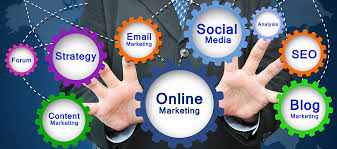
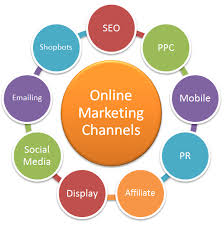
Online marketing services encompass a range of strategies and techniques aimed at promoting a business or brand on the internet. These services may include:

  • Search Engine Optimization (SEO): Optimising website content to improve search engine rankings and increase organic traffic.
  • Pay-Per-Click (PPC) Advertising: Running targeted ads on search engines and social media platforms to drive traffic and conversions.
  • Social Media Marketing: Engaging with audiences on social media platforms to build brand awareness and drive engagement.
  • Email Marketing: Sending targeted emails to prospects and customers to promote products or services.
  • Content Marketing: Creating valuable and relevant content to attract and retain a target audience.
  • Analytics and Reporting: Monitoring campaign performance and providing insights for continuous improvement.

The Benefits of Online Marketing Services

By leveraging online marketing services, businesses can benefit in various ways, including:

  • Increased Visibility: By improving search engine rankings and running targeted ads, businesses can increase their visibility online.
  • Targeted Reach: Online marketing allows businesses to target specific demographics, interests, and behaviours to reach their ideal customers.
  • Better Engagement: Social media marketing enables businesses to engage with their audience in real-time, fostering relationships and building brand loyalty.
  • Data-Driven Decisions: Through analytics tools, businesses can track the performance of their campaigns and make data-driven decisions for future strategies.

In Conclusion

In conclusion, online marketing services are essential for businesses looking to succeed in today’s competitive digital landscape. By implementing effective strategies tailored to their goals, businesses can enhance their online presence, attract new customers, and drive growth. Investing in online marketing services is an investment in the future success of your business.


Six Essential Tips for Enhancing Your Online Marketing Services

  1. 1. Create a strong online presence by having a professional website.
  2. 2. Utilize social media platforms to engage with your audience and promote your services.
  3. 3. Invest in search engine optimization (SEO) to improve your website’s visibility on search engines.
  4. 4. Consider running targeted online advertising campaigns to reach potential customers.
  5. 5. Offer valuable content such as blogs, videos, or infographics to attract and retain customers.
  6. 6. Monitor and analyse the performance of your online marketing efforts to make data-driven decisions for improvement.

1. Create a strong online presence by having a professional website.

To establish a strong online presence and make a lasting impression on potential customers, it is crucial to have a professional website. A well-designed and user-friendly website not only showcases your brand’s identity and offerings but also serves as a central hub for all your online marketing efforts. With a professional website, you can build credibility, enhance brand visibility, and provide visitors with a positive experience that encourages them to engage with your business further. Investing in a professional website is the foundation for success in the digital realm and sets the stage for effective online marketing strategies to thrive.

2. Utilize social media platforms to engage with your audience and promote your services.

To maximise the impact of your online marketing efforts, it is crucial to leverage social media platforms effectively. By actively engaging with your audience on platforms like Facebook, Instagram, and Twitter, you can build a strong connection with potential customers and promote your services in a more personalised and interactive way. Sharing valuable content, responding to comments and messages promptly, and running targeted ad campaigns can help you create a vibrant online community around your brand, ultimately driving awareness and boosting conversions.

3. Invest in search engine optimization (SEO) to improve your website’s visibility on search engines.

Investing in search engine optimization (SEO) is a crucial tip for enhancing your online marketing strategy. By optimising your website’s content and structure according to SEO best practices, you can improve its visibility on search engines like Google. This means that when potential customers search for relevant keywords related to your business, your website is more likely to appear higher in the search results, increasing organic traffic and potential leads. SEO is a long-term investment that can yield significant benefits in terms of brand exposure and online presence.

4. Consider running targeted online advertising campaigns to reach potential customers.

Consider running targeted online advertising campaigns to reach potential customers. By leveraging the power of online advertising, businesses can strategically target their ads to specific demographics, interests, and behaviours, increasing the likelihood of reaching potential customers who are most likely to engage with their products or services. This focused approach not only maximises the effectiveness of marketing efforts but also helps businesses achieve a higher return on investment by reaching the right audience at the right time.

5. Offer valuable content such as blogs, videos, or infographics to attract and retain customers.

Offering valuable content, such as blogs, videos, or infographics, is a key tip in online marketing services. By providing informative and engaging content, businesses can attract the attention of their target audience and keep them engaged. Valuable content not only helps to drive traffic to a website but also plays a crucial role in retaining customers by establishing credibility and building trust. It is an effective way to showcase expertise, address customer needs, and differentiate a brand in the competitive online landscape.

6. Monitor and analyse the performance of your online marketing efforts to make data-driven decisions for improvement.

Monitoring and analysing the performance of your online marketing efforts is a crucial tip to ensure the success of your digital strategies. By collecting and reviewing data on key metrics such as website traffic, conversion rates, and engagement levels, you can gain valuable insights into what is working well and where improvements are needed. Making data-driven decisions based on this analysis allows you to refine your online marketing campaigns, target your audience more effectively, and ultimately achieve better results.

internet marketing service

Unlocking the Potential of Professional Internet Marketing Services

The Power of Internet Marketing Services

The Power of Internet Marketing Services

In today’s digital age, internet marketing services have become essential for businesses looking to establish a strong online presence and reach their target audience effectively. Internet marketing encompasses a wide range of strategies and techniques that leverage the power of the internet to promote products or services, engage with customers, and drive business growth.

Benefits of Internet Marketing Services

One of the key benefits of internet marketing services is the ability to reach a global audience without geographical limitations. Through channels such as search engine optimisation (SEO), pay-per-click advertising (PPC), social media marketing, email marketing, and content marketing, businesses can connect with potential customers from around the world.

Internet marketing services also offer measurable results, allowing businesses to track the performance of their campaigns in real-time. This data-driven approach enables companies to make informed decisions and optimise their strategies for better outcomes.

Types of Internet Marketing Services

Internet marketing services encompass various tactics tailored to meet specific business goals. SEO focuses on improving a website’s visibility in search engine results, while PPC advertising allows businesses to display ads on search engines and pay only when users click on them.

Social media marketing involves promoting products or services on popular social platforms like Facebook, Instagram, Twitter, and LinkedIn to engage with audiences and build brand awareness. Email marketing targets customers directly through personalised messages sent via email.

The Future of Internet Marketing

As technology continues to evolve, internet marketing services will adapt to new trends and innovations. Artificial intelligence (AI), voice search optimisation, video marketing, and influencer partnerships are among the emerging strategies that businesses can leverage to stay ahead in the competitive online landscape.

By investing in internet marketing services, businesses can enhance their online visibility, attract more leads, convert prospects into customers, and ultimately drive revenue growth. In an increasingly digital world, embracing internet marketing is crucial for staying relevant and competitive in the market.


9 Essential Tips for Mastering Internet Marketing Services

  1. Understand your target audience and their online behaviour.
  2. Create a strong online presence through a professional website and social media profiles.
  3. Implement search engine optimisation (SEO) strategies to improve visibility on search engines.
  4. Utilise pay-per-click (PPC) advertising for immediate results.
  5. Produce high-quality content that is relevant and engaging to your audience.
  6. Engage with your customers through email marketing campaigns.
  7. Monitor and analyse key performance indicators (KPIs) to track the success of your campaigns.
  8. Stay updated with the latest trends and technologies in internet marketing.
  9. Regularly assess and adapt your internet marketing strategies for optimal results.

Understand your target audience and their online behaviour.

To maximise the effectiveness of your internet marketing services, it is crucial to understand your target audience and their online behaviour. By gaining insights into the preferences, interests, and habits of your potential customers, you can tailor your marketing strategies to resonate with them effectively. Understanding where and how your audience interacts online enables you to create targeted campaigns that engage with them in meaningful ways, ultimately leading to higher conversion rates and increased brand loyalty. By investing time in comprehending your target audience’s online behaviour, you can position your business for success in the competitive digital landscape.

Create a strong online presence through a professional website and social media profiles.

Creating a strong online presence through a professional website and engaging social media profiles is a fundamental tip in internet marketing services. A well-designed website acts as a virtual storefront, showcasing your brand identity and offerings to potential customers. Coupled with active and compelling social media profiles, businesses can establish credibility, connect with their target audience, and drive traffic to their online platforms. By maintaining consistency in branding and content across these channels, businesses can effectively communicate their value proposition and build lasting relationships with customers in the digital landscape.

Implement search engine optimisation (SEO) strategies to improve visibility on search engines.

Implementing search engine optimisation (SEO) strategies is crucial for improving visibility on search engines and driving organic traffic to your website. By optimising your website content, meta tags, and technical elements according to SEO best practices, you can increase your chances of ranking higher in search engine results pages. This enhanced visibility not only attracts more relevant visitors to your site but also establishes credibility and trust with both users and search engines, ultimately leading to improved online presence and better conversion rates.

Utilise pay-per-click (PPC) advertising for immediate results.

To achieve immediate results in your online marketing efforts, consider utilising pay-per-click (PPC) advertising. PPC allows businesses to display targeted ads on search engines and pay only when users click on them. This highly effective strategy not only drives immediate traffic to your website but also provides valuable data for refining your marketing campaigns. By investing in PPC advertising, businesses can quickly increase their online visibility, attract relevant leads, and generate measurable results to enhance their overall digital marketing performance.

Produce high-quality content that is relevant and engaging to your audience.

Producing high-quality content that is relevant and engaging to your audience is a fundamental tip in internet marketing services. By creating valuable and compelling content that resonates with your target audience, you can establish credibility, build trust, and attract and retain customers. Whether it’s informative blog posts, captivating videos, or interactive social media posts, delivering content that meets the needs and interests of your audience can drive traffic to your website, increase brand awareness, and ultimately lead to conversions. Quality content not only helps improve your search engine rankings but also fosters meaningful connections with your customers, encouraging them to engage with your brand and become loyal advocates.

Engage with your customers through email marketing campaigns.

To enhance your internet marketing strategy, consider engaging with your customers through targeted email marketing campaigns. Personalised emails tailored to your audience’s preferences and behaviours can help foster stronger relationships, increase brand loyalty, and drive conversions. By delivering relevant content and promotions directly to their inbox, you can keep customers informed, engaged, and interested in your products or services. Email marketing campaigns provide a valuable opportunity to connect with your audience on a more personal level and encourage them to take action, whether it’s making a purchase, signing up for an event, or simply staying updated on your latest offerings.

Monitor and analyse key performance indicators (KPIs) to track the success of your campaigns.

Monitoring and analysing key performance indicators (KPIs) is crucial in the realm of internet marketing services to evaluate the effectiveness and impact of your campaigns. By tracking metrics such as website traffic, conversion rates, click-through rates, and engagement levels, businesses can gain valuable insights into the performance of their online initiatives. This data-driven approach not only helps in measuring success but also enables businesses to make informed decisions, refine strategies, and optimise future campaigns for better results. Regularly monitoring KPIs ensures that businesses stay on track towards achieving their marketing objectives and maximising their return on investment in the digital space.

To maximise the effectiveness of your internet marketing efforts, it is crucial to stay updated with the latest trends and technologies in the field. By keeping abreast of emerging strategies such as artificial intelligence, voice search optimisation, and video marketing, businesses can adapt their online campaigns to meet evolving consumer preferences and stay ahead of the competition. Continuous learning and implementation of new tools and techniques ensure that your internet marketing services remain relevant and impactful in reaching and engaging with your target audience effectively.

Regularly assess and adapt your internet marketing strategies for optimal results.

To maximise the effectiveness of your internet marketing efforts, it is crucial to continuously evaluate and adjust your strategies. By regularly assessing the performance of your campaigns, analysing key metrics, and staying abreast of industry trends, you can identify areas for improvement and make necessary adaptations to achieve optimal results. Flexibility and a willingness to evolve are key in the dynamic world of online marketing, ensuring that your strategies remain relevant and impactful in reaching your target audience and driving business growth.

website marketing

Mastering the Art of Website Marketing: Strategies for Online Success

The Power of Website Marketing

The Power of Website Marketing

In today’s digital age, having a strong online presence is crucial for the success of any business. Website marketing plays a vital role in reaching and engaging with your target audience effectively. It encompasses various strategies and techniques aimed at driving traffic to your website, converting visitors into customers, and ultimately growing your business.

Key Aspects of Website Marketing

Website marketing involves a combination of different elements to enhance your online visibility and attract potential customers:

  • Search Engine Optimization (SEO): Optimising your website content to rank higher in search engine results pages, increasing organic traffic.
  • Content Marketing: Creating valuable and relevant content to engage users and establish your brand as an authority in your industry.
  • Social Media Marketing: Leveraging social media platforms to promote your website, engage with followers, and drive traffic.
  • Email Marketing: Sending targeted emails to subscribers to nurture leads, promote products/services, and drive conversions.
  • Pay-Per-Click Advertising (PPC): Running paid advertising campaigns to reach specific audiences and drive immediate traffic to your website.
  • Conversion Rate Optimization (CRO): Improving the user experience on your website to increase conversion rates and maximise ROI.

The Benefits of Effective Website Marketing

A well-executed website marketing strategy can yield numerous benefits for your business:

  • Increased Visibility: By implementing SEO and other marketing tactics, you can improve your website’s visibility in search results, making it easier for potential customers to find you online.
  • Higher Traffic: Engaging marketing campaigns can drive more quality traffic to your website, leading to increased brand awareness and potential sales opportunities.
  • Better Engagement: By creating compelling content and interacting with users on social media, you can build meaningful relationships with your audience and foster customer loyalty.
  • Improved Conversions: Through targeted marketing efforts and CRO strategies, you can enhance the user experience on your site and convert more visitors into paying customers.

In Conclusion

In conclusion, website marketing is a powerful tool that can help businesses thrive in the competitive digital landscape. By harnessing the right strategies and staying abreast of industry trends, you can elevate your online presence, attract more customers, and achieve sustainable growth for your business.


21 Common Questions About Website Marketing: Strategies, Effectiveness, and Best Practices

  1. How do we market a website?
  2. Why is website marketing effective?
  3. What is the most effective marketing for websites?
  4. What is a website in marketing?
  5. How can we do the marketing of a website?
  6. How I can promote my website?
  7. How effective is website marketing?
  8. How do you use a website as a marketing strategy?
  9. How do I start a marketing website?
  10. How do we market our website?
  11. What type of marketing is website marketing?
  12. How can a website help marketing?
  13. What is the best marketing strategy for website?
  14. What is website in marketing?
  15. What is Web marketing give example?
  16. What is the best marketing strategy for a website?
  17. What makes a good website marketing?
  18. What is website marketing?
  19. What is website marketing and example?
  20. What is web marketing with examples?
  21. How is website used in marketing?

How do we market a website?

Marketing a website involves a strategic approach to increase its visibility and attract relevant traffic. To effectively market a website, businesses can employ various tactics such as search engine optimisation (SEO) to improve search engine rankings, content marketing to engage users with valuable content, social media marketing to reach a wider audience, email marketing to nurture leads and drive conversions, pay-per-click advertising for targeted promotion, and conversion rate optimisation (CRO) to enhance user experience and boost conversion rates. By integrating these strategies and adapting them to the specific goals and target audience of the website, businesses can create a comprehensive marketing plan that drives traffic, generates leads, and ultimately grows their online presence.

Why is website marketing effective?

Website marketing is effective for several reasons. Firstly, it allows businesses to reach a wider audience by leveraging various online channels such as search engines, social media, and email. This increased visibility can lead to higher website traffic and brand exposure. Secondly, website marketing enables targeted communication with potential customers, making it easier to tailor messages and offers to specific demographics or interests. By engaging with the right audience at the right time, businesses can drive conversions and achieve their marketing goals more effectively. Additionally, website marketing provides valuable data and insights that help businesses understand customer behaviour, preferences, and trends, allowing for continuous improvement and optimisation of marketing strategies. Overall, the effectiveness of website marketing lies in its ability to connect businesses with their target audience in a meaningful and measurable way, driving growth and success in the digital realm.

What is the most effective marketing for websites?

When it comes to determining the most effective marketing strategy for websites, there is no one-size-fits-all answer. The effectiveness of website marketing varies depending on factors such as the nature of the business, target audience, industry trends, and budget constraints. However, some commonly acknowledged effective marketing techniques for websites include search engine optimization (SEO) to improve visibility in search results, engaging content marketing to attract and retain visitors, social media marketing to connect with audiences on various platforms, and pay-per-click (PPC) advertising for targeted promotion. Ultimately, a combination of these strategies tailored to the specific goals and needs of a website can lead to successful outcomes in driving traffic, generating leads, and increasing conversions.

What is a website in marketing?

In the realm of marketing, a website serves as a digital storefront and hub for businesses to showcase their products or services, engage with customers, and drive conversions. It acts as a central platform where companies can convey their brand identity, share valuable content, and establish credibility in the online space. A well-designed website not only enhances visibility but also plays a crucial role in attracting and retaining customers by providing relevant information, facilitating transactions, and fostering meaningful interactions. In essence, a website is an indispensable tool in modern marketing strategies, serving as the cornerstone of a company’s online presence and digital marketing efforts.

How can we do the marketing of a website?

When it comes to marketing a website, there are several key strategies that can help drive traffic and boost online visibility. Implementing search engine optimization (SEO) techniques to improve website rankings on search engine results pages is essential. Creating high-quality, engaging content that resonates with the target audience can attract visitors and establish credibility. Leveraging social media platforms for promotion, engaging with followers, and sharing valuable content can also enhance website visibility. Additionally, utilising email marketing campaigns to reach out to subscribers and running pay-per-click advertising can further expand the reach of the website. By incorporating a combination of these strategies and staying updated on digital marketing trends, businesses can effectively market their websites and achieve their online goals.

How I can promote my website?

Promoting your website effectively is essential for increasing its visibility and attracting more visitors. There are several strategies you can employ to promote your website successfully. Firstly, investing in search engine optimization (SEO) techniques can help improve your website’s ranking in search engine results, making it easier for users to find you online. Additionally, leveraging social media platforms to share your content and engage with your audience can drive traffic to your site. Email marketing campaigns, pay-per-click advertising, and creating compelling content that resonates with your target audience are also effective ways to promote your website and reach a wider audience. By combining these strategies strategically, you can enhance your website’s online presence and grow your business effectively.

How effective is website marketing?

The effectiveness of website marketing can vary depending on various factors such as the strategies employed, target audience, industry competition, and the overall execution of the marketing efforts. When implemented thoughtfully and strategically, website marketing can be highly effective in increasing online visibility, driving targeted traffic to your site, engaging with potential customers, and ultimately converting leads into sales. Regular monitoring and analysis of key performance indicators can help businesses assess the impact of their website marketing initiatives and make necessary adjustments to maximise effectiveness over time.

How do you use a website as a marketing strategy?

Utilising a website as a marketing strategy involves a multifaceted approach aimed at maximising its potential to attract and engage with target audiences effectively. Firstly, ensuring that the website is optimised for search engines through SEO techniques is crucial in improving visibility and driving organic traffic. Creating high-quality, relevant content that resonates with the target market helps establish credibility and authority in the industry. Integrating social media platforms to promote the website content and engage with followers can further amplify its reach. Additionally, employing email marketing campaigns to nurture leads and drive conversions, along with utilising PPC advertising for targeted outreach, are essential components of leveraging a website as a powerful marketing tool. By implementing these strategies cohesively, businesses can harness the full potential of their website to enhance brand awareness, generate leads, and ultimately drive business growth.

How do I start a marketing website?

Starting a marketing website involves several key steps to ensure its success. Firstly, define your target audience and establish clear goals for your website. Conduct market research to understand your competitors and identify unique selling points that set you apart. Next, choose a reliable web hosting service and domain name that reflect your brand identity. Design a visually appealing and user-friendly website layout that prioritises easy navigation and engaging content. Implement SEO strategies to improve your site’s visibility in search engine results. Lastly, create a comprehensive marketing plan that includes social media promotion, email campaigns, and other digital marketing tactics to drive traffic to your site and convert visitors into customers. By following these steps diligently, you can launch a successful marketing website that effectively promotes your products or services to your target audience.

How do we market our website?

When it comes to marketing your website, a strategic approach is essential to ensure maximum visibility and engagement with your target audience. Start by implementing a comprehensive digital marketing plan that includes elements such as search engine optimisation (SEO), content marketing, social media promotion, email campaigns, pay-per-click advertising, and conversion rate optimisation. By leveraging these tactics effectively and tailoring them to your specific business goals, you can drive traffic to your website, enhance user engagement, and ultimately increase conversions. Regularly analysing data and metrics to refine your strategies will help you stay ahead in the competitive online landscape and reach your desired marketing objectives.

What type of marketing is website marketing?

Website marketing is a form of digital marketing that focuses specifically on promoting and enhancing a company’s online presence through its website. It encompasses a range of strategies and tactics aimed at driving traffic to the website, engaging visitors, and ultimately converting them into customers. Website marketing leverages various tools such as search engine optimisation (SEO), content marketing, social media marketing, email campaigns, and pay-per-click advertising to effectively reach target audiences and achieve business objectives in the online realm. By leveraging the power of the internet, website marketing enables businesses to showcase their products or services, build brand awareness, and drive growth in the digital landscape.

How can a website help marketing?

A website plays a crucial role in marketing by serving as a central hub for businesses to showcase their products or services, communicate their brand message, and engage with their target audience. Having a well-designed and user-friendly website can enhance brand visibility, credibility, and trust among potential customers. Through strategic implementation of SEO, content marketing, social media integration, and other digital marketing tactics, a website can drive traffic, generate leads, and ultimately convert visitors into loyal customers. In essence, a website acts as a powerful marketing tool that enables businesses to reach a wider audience, establish their online presence, and achieve their marketing goals effectively.

What is the best marketing strategy for website?

When considering the best marketing strategy for a website, it is essential to tailor the approach to the specific goals and target audience of the business. A comprehensive digital marketing strategy that combines elements such as search engine optimisation (SEO), content marketing, social media engagement, email campaigns, and pay-per-click advertising can be highly effective in driving traffic and conversions. By focusing on creating valuable and relevant content, engaging with customers on social platforms, targeting specific audiences through paid advertising, and continuously optimising for search engine visibility, businesses can maximise their online presence and achieve long-term success in the competitive digital landscape.

What is website in marketing?

In the realm of marketing, a website serves as a digital hub or virtual storefront where businesses showcase their products or services to a global audience. It acts as a central point for engaging with potential customers, conveying brand messaging, and driving conversions. A website in marketing is not just a static online presence but a dynamic platform that can be optimised using various strategies such as SEO, content marketing, and social media promotion to attract and retain visitors. Essentially, a well-crafted website is an essential tool in modern marketing efforts, playing a pivotal role in establishing credibility, expanding reach, and ultimately contributing to the success of a business in the digital age.

What is Web marketing give example?

Web marketing, also known as online marketing, refers to the promotion of products or services using the internet and digital technologies. It encompasses various strategies such as search engine optimization (SEO), social media marketing, email marketing, and pay-per-click advertising to reach a wider audience and drive traffic to a website. An example of web marketing is a company using targeted Facebook ads to promote its new product range to a specific demographic group based on their interests and online behaviour. By leveraging web marketing techniques effectively, businesses can increase brand visibility, engage with customers, and ultimately boost their online presence and sales.

What is the best marketing strategy for a website?

When considering the best marketing strategy for a website, it is essential to tailor the approach to the specific goals and target audience of the business. A successful marketing strategy often involves a combination of tactics such as search engine optimisation (SEO) to improve visibility in search results, content marketing to engage users with valuable information, social media marketing to connect with audiences on various platforms, and paid advertising campaigns for immediate traffic. Ultimately, the most effective strategy is one that aligns with the business objectives, resonates with the target audience, and is continuously monitored and adjusted for optimal results.

What makes a good website marketing?

A good website marketing strategy encompasses several key elements that work together to drive success. Firstly, effective search engine optimisation (SEO) is essential to ensure your website ranks well in search results and attracts organic traffic. Compelling and relevant content that resonates with your target audience is also crucial for engaging visitors and establishing your brand as an authority in your industry. Utilising social media platforms to promote your website, interact with followers, and drive traffic can further enhance your marketing efforts. Additionally, a user-friendly website design, clear call-to-actions, and regular performance analysis are vital components of a successful website marketing strategy. By combining these elements strategically, businesses can create a strong online presence, attract more visitors, and ultimately convert them into loyal customers.

What is website marketing?

Website marketing, also known as online marketing or digital marketing, refers to the strategies and techniques used to promote a website and attract visitors. It encompasses a range of activities aimed at increasing online visibility, driving traffic, and ultimately achieving business goals such as lead generation and sales. Website marketing includes various components such as search engine optimization (SEO), content marketing, social media engagement, email campaigns, and paid advertising. By implementing effective website marketing strategies, businesses can enhance their online presence, connect with their target audience, and achieve measurable results in the competitive digital landscape.

What is website marketing and example?

Website marketing, also known as online marketing, refers to the strategies and techniques used to promote a website and attract visitors. It encompasses a range of activities such as search engine optimisation (SEO), content marketing, social media marketing, email marketing, and pay-per-click advertising. An example of website marketing would be a company creating engaging blog posts related to their industry and sharing them on social media platforms to drive traffic to their website. By utilising various online marketing tactics effectively, businesses can increase their online visibility, engage with their target audience, and ultimately achieve their digital marketing goals.

What is web marketing with examples?

Web marketing, also known as online marketing, refers to the promotion of products or services using digital channels to reach and engage with a target audience. Examples of web marketing include search engine optimization (SEO) to improve website visibility on search engines, social media marketing to connect with customers on platforms like Facebook and Instagram, email marketing to send targeted messages to subscribers, and pay-per-click (PPC) advertising to drive traffic through paid ads. These strategies are essential for businesses looking to enhance their online presence, attract potential customers, and ultimately boost sales in the competitive digital landscape.

How is website used in marketing?

The use of a website in marketing is essential for businesses looking to establish a strong online presence and engage with their target audience effectively. A website serves as a central hub where potential customers can learn about a company’s products or services, explore its brand identity, and ultimately make purchasing decisions. Through strategic website marketing tactics such as search engine optimization (SEO), content creation, social media integration, and email campaigns, businesses can drive traffic to their site, generate leads, and nurture customer relationships. A well-designed and optimised website not only enhances brand visibility but also provides a platform for businesses to showcase their offerings and differentiate themselves in the competitive digital landscape.

internet marketing

Unlocking Success: The Impact of Internet Marketing Strategies in the UK

The Power of Internet Marketing

The Power of Internet Marketing

Internet marketing, also known as online marketing or digital marketing, has revolutionised the way businesses promote their products and services. In today’s digital age, having a strong online presence is crucial for reaching and engaging with your target audience effectively.

One of the key advantages of internet marketing is its ability to reach a global audience. With the click of a button, businesses can connect with potential customers from around the world, breaking down geographical barriers and expanding their market reach.

Internet marketing offers a wide range of tools and strategies to help businesses attract, engage, and convert customers. From search engine optimisation (SEO) to social media marketing, email campaigns to pay-per-click advertising, there are numerous ways to drive traffic to your website and increase brand awareness.

Furthermore, internet marketing provides valuable insights into consumer behaviour and preferences through analytics tools. By analysing data such as website traffic, click-through rates, and conversion rates, businesses can make informed decisions to optimise their online campaigns for better results.

In conclusion, internet marketing is a powerful tool for businesses looking to grow their online presence and reach their target audience effectively. By leveraging the diverse range of digital marketing strategies available, businesses can enhance their visibility, drive traffic to their websites, and ultimately boost sales and revenue.


7 Essential Tips for Mastering Internet Marketing: Engaging Your Audience and Boosting Brand Visibility

  1. Understand your target audience and tailor your marketing strategies to meet their needs and preferences.
  2. Create high-quality, engaging content that provides value to your audience and encourages them to interact with your brand.
  3. Utilize social media platforms effectively to engage with customers, build relationships, and drive traffic to your website.
  4. Optimize your website for search engines (SEO) to improve visibility and attract organic traffic.
  5. Invest in online advertising channels such as Google Ads or social media ads to reach a wider audience and increase brand awareness.
  6. Monitor and analyse key performance indicators (KPIs) regularly to track the success of your marketing campaigns and make data-driven decisions.
  7. Stay updated on the latest trends and technologies in internet marketing to adapt quickly and stay ahead of the competition.

Understand your target audience and tailor your marketing strategies to meet their needs and preferences.

Understanding your target audience is a fundamental aspect of successful internet marketing. By gaining insights into the demographics, behaviours, and preferences of your audience, you can tailor your marketing strategies to resonate with them effectively. Whether it’s creating personalised content, engaging on specific social media platforms, or offering products/services that cater to their needs, aligning your marketing efforts with the interests of your target audience can lead to higher engagement, increased conversions, and long-term customer loyalty.

Create high-quality, engaging content that provides value to your audience and encourages them to interact with your brand.

Creating high-quality, engaging content is a fundamental tip in internet marketing that can significantly impact your brand’s online presence. By offering valuable and relevant content to your audience, you not only establish credibility and authority in your industry but also foster a deeper connection with your customers. Encouraging interaction through compelling content such as informative articles, entertaining videos, or interactive social media posts can drive engagement and build a loyal following for your brand. Remember, in the digital landscape, content is king, and delivering valuable content that resonates with your audience is key to successful internet marketing strategies.

Utilize social media platforms effectively to engage with customers, build relationships, and drive traffic to your website.

Utilising social media platforms effectively is a crucial tip in internet marketing. By engaging with customers on platforms such as Facebook, Instagram, and Twitter, businesses can build meaningful relationships and establish a loyal customer base. Through regular interaction, sharing valuable content, and responding to inquiries promptly, businesses can create a strong online presence that resonates with their target audience. Moreover, leveraging social media channels can drive significant traffic to your website, increasing brand visibility and ultimately leading to higher conversion rates.

Optimize your website for search engines (SEO) to improve visibility and attract organic traffic.

To enhance your online presence and attract a steady stream of organic traffic, it is essential to optimise your website for search engines (SEO). By implementing SEO best practices such as keyword research, meta tags optimisation, and high-quality content creation, you can improve your website’s visibility in search engine results pages. This not only helps potential customers find your site more easily but also increases the likelihood of attracting organic traffic interested in your products or services. Investing time and effort in SEO can yield long-term benefits for your online business by driving relevant traffic and improving overall visibility.

Invest in online advertising channels such as Google Ads or social media ads to reach a wider audience and increase brand awareness.

Investing in online advertising channels such as Google Ads or social media ads is a strategic tip in internet marketing that can significantly enhance a business’s reach and brand visibility. By utilising these platforms, businesses can target specific demographics, interests, and behaviours to reach a wider audience effectively. This targeted approach not only increases brand awareness but also drives traffic to the website, ultimately leading to potential conversions and sales. Incorporating online advertising into the marketing strategy can yield impressive results in expanding the business’s online presence and engaging with a broader customer base.

Monitor and analyse key performance indicators (KPIs) regularly to track the success of your marketing campaigns and make data-driven decisions.

Monitoring and analysing key performance indicators (KPIs) regularly is essential in internet marketing to gauge the effectiveness of your campaigns and make informed, data-driven decisions. By tracking metrics such as website traffic, conversion rates, click-through rates, and engagement levels, businesses can gain valuable insights into the performance of their marketing efforts. This data allows for adjustments to be made in real-time to optimise strategies for better results and ultimately drive success in reaching target audiences and achieving marketing objectives.

To succeed in internet marketing, it is crucial to stay updated on the latest trends and technologies in the digital landscape. By remaining informed and adaptive, businesses can quickly adjust their strategies to stay ahead of the competition. Keeping abreast of emerging tools and techniques allows marketers to leverage new opportunities, reach their target audience more effectively, and ultimately achieve greater success in the ever-evolving online marketplace.

automotive digital marketing

Revolutionising the Automotive Industry Through Digital Marketing Strategies

Automotive Digital Marketing

The Power of Automotive Digital Marketing

In today’s digital age, the automotive industry is rapidly evolving, and so is the way it markets its products and services. Automotive digital marketing has become a crucial strategy for car manufacturers, dealerships, and aftermarket businesses to reach their target audience effectively.

Benefits of Automotive Digital Marketing

Increased Reach: With digital marketing channels such as social media, search engines, and email campaigns, automotive businesses can reach a wider audience beyond traditional advertising methods.

Precise Targeting: Digital marketing allows for precise targeting based on demographics, interests, online behaviour, and more. This ensures that the right message reaches the right people at the right time.

Data-Driven Insights: Through analytics tools, automotive businesses can track and measure the performance of their digital marketing campaigns in real-time. This data provides valuable insights to refine strategies for better results.

Digital Marketing Strategies for the Automotive Industry

Search Engine Optimization (SEO): Optimising website content and utilising relevant keywords can improve search engine rankings and drive organic traffic to automotive websites.

Social Media Marketing: Engaging with consumers on platforms like Facebook, Instagram, and Twitter helps build brand awareness, foster customer relationships, and drive website traffic.

Paid Advertising: Utilising pay-per-click (PPC) advertising on search engines or social media platforms can increase visibility and lead generation for automotive businesses.

The Future of Automotive Digital Marketing

The future of automotive digital marketing lies in embracing emerging technologies such as artificial intelligence (AI), virtual reality (VR), and augmented reality (AR) to create immersive experiences for consumers. Personalised messaging and interactive content will continue to play a significant role in engaging with tech-savvy car buyers.

In conclusion, automotive digital marketing is essential for staying competitive in a rapidly changing industry landscape. By leveraging digital channels effectively, automotive businesses can connect with their target audience, drive sales, and build lasting relationships in the digital era.


Top 7 Automotive Digital Marketing Tips to Drive Success

  1. Utilize social media platforms to engage with potential customers
  2. Create high-quality content such as videos and blogs to showcase your expertise
  3. Optimize your website for mobile devices to reach a wider audience
  4. Invest in targeted online advertising campaigns for better ROI
  5. Utilise search engine optimization (SEO) techniques to improve visibility in search results
  6. Encourage customer reviews and testimonials to build trust with potential buyers
  7. Stay updated on the latest automotive trends and digital marketing strategies

Utilize social media platforms to engage with potential customers

In the realm of automotive digital marketing, a valuable tip is to harness the power of social media platforms to actively engage with potential customers. By creating compelling content, responding to queries, and initiating meaningful conversations on platforms like Facebook, Instagram, and Twitter, automotive businesses can establish a strong online presence and build relationships with their target audience. This approach not only enhances brand visibility but also fosters trust and loyalty among customers, ultimately driving conversions and boosting overall sales performance in the competitive automotive market.

Create high-quality content such as videos and blogs to showcase your expertise

Creating high-quality content, such as engaging videos and informative blogs, is a powerful tip in automotive digital marketing. By showcasing expertise through compelling content, car manufacturers, dealerships, and aftermarket businesses can establish credibility with their target audience. Videos highlighting product features or behind-the-scenes insights and blogs offering expert advice or industry updates not only demonstrate knowledge but also engage and educate potential customers. This approach not only enhances brand reputation but also helps drive traffic to websites and increase conversions in the competitive automotive market.

Optimize your website for mobile devices to reach a wider audience

To maximise your reach in automotive digital marketing, it is crucial to optimise your website for mobile devices. With the increasing use of smartphones and tablets, ensuring that your website is mobile-friendly allows you to connect with a broader audience on the go. By providing a seamless and responsive browsing experience on mobile devices, you can attract and engage potential customers who prefer to access information and services conveniently from their handheld devices. Mobile optimisation not only enhances user experience but also boosts your website’s visibility in search engine results, ultimately driving more traffic and potential leads to your automotive business.

Invest in targeted online advertising campaigns for better ROI

Investing in targeted online advertising campaigns is a strategic tip in automotive digital marketing that can significantly enhance return on investment (ROI). By tailoring advertisements to specific demographics, interests, and online behaviours of potential customers, automotive businesses can maximise the effectiveness of their marketing efforts. This approach not only increases the chances of reaching the right audience but also improves conversion rates and ultimately drives higher ROI. By focusing resources on targeted online advertising, automotive companies can see tangible results and achieve greater success in the competitive digital landscape.
Utilise search engine optimization (SEO) techniques to improve visibility in search results

By utilising search engine optimisation (SEO) techniques, automotive businesses can enhance their online visibility and increase their presence in search engine results. Implementing SEO strategies such as keyword optimisation, content quality improvement, and website structure enhancement can help attract more organic traffic to their websites. By appearing higher in search results, automotive companies can reach a larger audience of potential customers actively searching for relevant products or services, ultimately driving more qualified leads and boosting their online performance.

Encourage customer reviews and testimonials to build trust with potential buyers

Encouraging customer reviews and testimonials is a powerful strategy in automotive digital marketing to build trust with potential buyers. Hearing positive feedback from satisfied customers can instil confidence in prospective buyers and influence their purchasing decisions. Authentic testimonials serve as social proof of the quality and reliability of your products or services, helping to establish credibility and strengthen the relationship between your brand and consumers. By showcasing real-life experiences shared by happy customers, you create a sense of transparency and trustworthiness that resonates with potential buyers in the competitive automotive industry.

To succeed in automotive digital marketing, it is crucial to stay updated on the latest automotive trends and digital marketing strategies. By keeping abreast of industry developments, such as advancements in electric vehicles, autonomous driving technology, and changing consumer preferences, businesses can tailor their marketing efforts to resonate with their target audience effectively. Similarly, staying informed about evolving digital marketing strategies, such as social media algorithms and search engine updates, ensures that automotive brands remain competitive and relevant in a dynamic online landscape. Continuous learning and adaptation to new trends are key to driving success in automotive digital marketing campaigns.

digital marketing for startups

Empowering Startups: Harnessing the Potential of Digital Marketing

Digital Marketing for Startups

The Power of Digital Marketing for Startups

Startups face unique challenges when it comes to establishing their brand and reaching their target audience. In today’s digital age, leveraging the power of digital marketing can be a game-changer for startups looking to make a mark in the competitive business landscape.

Benefits of Digital Marketing for Startups

Cost-Effective: Traditional marketing methods can be costly and may not yield the desired results for startups with limited budgets. Digital marketing offers cost-effective solutions such as social media advertising, email marketing, and search engine optimisation (SEO) that can reach a wider audience without breaking the bank.

Targeted Reach: With digital marketing, startups can target specific demographics, interests, and behaviours of their ideal customers. This targeted approach ensures that marketing efforts are focused on reaching those most likely to be interested in the product or service being offered.

Measurable Results: One of the key advantages of digital marketing is the ability to track and measure results in real-time. Startups can analyse data from campaigns to understand what is working well and make adjustments to optimise performance, leading to better ROI.

Key Strategies for Startup Digital Marketing

a. Content Marketing: Creating valuable and engaging content that resonates with your target audience is essential for building brand awareness and credibility.

b. Social Media Marketing: Utilising social media platforms to connect with customers, promote products/services, and drive engagement can help startups build a loyal following.

c. Search Engine Optimisation (SEO): Optimising website content for search engines can improve visibility in search results, driving organic traffic to your site.

Conclusion

Digital marketing presents startups with a plethora of opportunities to grow their brand presence, engage with customers, and drive business growth. By implementing effective digital marketing strategies tailored to their unique needs, startups can level the playing field with established competitors and carve out a successful niche in their industry.


Top 9 Frequently Asked Questions About Digital Marketing for Startups

  1. Which digital marketing strategy is best?
  2. What are the 4 P’s of digital marketing?
  3. How do you create a digital marketing strategy for a startup?
  4. How to start digital marketing with no money?
  5. How do I market my startup?
  6. What are the 3 types of digital marketing?
  7. Is digital marketing good for startups?
  8. How digital marketing is very useful for startups?
  9. Which digital marketing is best for beginners?

Which digital marketing strategy is best?

When it comes to digital marketing for startups, the question of which strategy is best often arises. The truth is, there is no one-size-fits-all answer to this question. The most effective digital marketing strategy for a startup depends on various factors such as the target audience, industry niche, budget constraints, and overall business goals. It’s essential for startups to conduct thorough research, test different strategies, and continuously analyse results to determine which approach works best for their specific needs and objectives. Flexibility and adaptability are key in navigating the dynamic landscape of digital marketing to find the strategy that yields the most significant impact for a startup’s growth and success.

What are the 4 P’s of digital marketing?

In the realm of digital marketing for startups, a frequently asked question revolves around the concept of the 4 P’s of digital marketing. The 4 P’s refer to Product, Price, Place, and Promotion – key elements that form the foundation of any successful marketing strategy. For startups navigating the digital landscape, understanding how these pillars interconnect and influence one another is crucial in creating a cohesive and effective digital marketing plan. By strategically addressing each of the 4 P’s, startups can enhance their online presence, engage with their target audience, and drive sustainable growth in a competitive market environment.

How do you create a digital marketing strategy for a startup?

Creating a digital marketing strategy for a startup involves careful planning and consideration of the business’s goals, target audience, and available resources. To begin, it is essential to conduct thorough market research to understand the competitive landscape and identify the needs and preferences of the target market. Next, defining clear objectives and key performance indicators (KPIs) will help guide the strategy and measure its effectiveness. Developing a strong brand identity and messaging that resonates with the target audience is crucial for building brand awareness and credibility. Utilising a mix of digital marketing channels such as social media, content marketing, SEO, and email campaigns can help startups reach their audience effectively. Regularly monitoring and analysing campaign performance data allows for adjustments to be made in real-time to optimise results and achieve desired outcomes.

How to start digital marketing with no money?

For startups looking to kickstart their digital marketing efforts with limited financial resources, there are several cost-effective strategies to consider. Firstly, leveraging social media platforms such as Facebook, Instagram, and Twitter can provide a free and effective way to engage with your target audience. Creating compelling and shareable content can help increase brand visibility without the need for a significant budget. Additionally, utilising search engine optimisation (SEO) techniques to improve your website’s visibility in organic search results can drive traffic without requiring a financial investment. Partnering with influencers or collaborating with other businesses for cross-promotion can also be a valuable strategy for reaching a wider audience at minimal cost. By focusing on creativity, resourcefulness, and strategic planning, startups can effectively start their digital marketing journey even with limited financial resources.

How do I market my startup?

Marketing a startup effectively requires a strategic approach that leverages the power of digital tools and platforms to reach and engage with your target audience. To market your startup successfully, you should start by defining your target market, understanding their needs and preferences, and crafting a compelling brand story that resonates with them. Utilising digital marketing channels such as social media, content marketing, email campaigns, and search engine optimisation can help you create awareness, drive traffic to your website, and generate leads. Consistent monitoring and analysis of your marketing efforts are crucial to refining your strategies for optimal results and sustainable growth.

What are the 3 types of digital marketing?

In the realm of digital marketing for startups, understanding the three main types of digital marketing is crucial for crafting an effective online strategy. The three key types are search engine optimisation (SEO), social media marketing, and pay-per-click (PPC) advertising. SEO focuses on improving a website’s visibility in search engine results to drive organic traffic, while social media marketing involves leveraging platforms like Facebook, Instagram, and Twitter to engage with audiences and promote products/services. PPC advertising allows startups to target specific audiences with paid ads that appear in search engine results or on social media platforms. By utilising these three types of digital marketing in tandem, startups can enhance their online presence and reach their target customers effectively.

Is digital marketing good for startups?

The question of whether digital marketing is beneficial for startups is a common one, and the answer is a resounding yes. Digital marketing offers startups cost-effective solutions to establish their brand presence, reach their target audience, and drive business growth in today’s competitive landscape. With its ability to provide targeted reach, measurable results, and a range of strategies such as content marketing, social media marketing, and search engine optimisation (SEO), digital marketing empowers startups to connect with their ideal customers, build credibility, and achieve tangible results. Embracing digital marketing can be a game-changer for startups looking to make a mark and thrive in the digital age.

How digital marketing is very useful for startups?

Digital marketing is incredibly beneficial for startups due to its cost-effectiveness, targeted reach, and measurable results. Unlike traditional marketing methods that can be expensive and may not yield the desired outcomes for startups with limited budgets, digital marketing offers affordable solutions such as social media advertising, email marketing, and SEO that can reach a wider audience without significant financial investment. Moreover, digital marketing allows startups to target specific demographics, interests, and behaviours of their ideal customers, ensuring that their marketing efforts are focused on reaching those most likely to be interested in their products or services. Additionally, the ability to track and measure results in real-time enables startups to analyse campaign performance and make data-driven decisions to optimise their strategies for better return on investment.

Which digital marketing is best for beginners?

When starting out in the world of digital marketing, beginners often wonder which strategies are best suited for their needs. For startups looking to make a strong impact with limited resources, it is recommended to focus on foundational tactics such as social media marketing, content marketing, and search engine optimisation (SEO). These beginner-friendly digital marketing approaches can help startups build brand awareness, engage with their target audience, and drive organic traffic to their website. By mastering these fundamental strategies, beginners can establish a solid foundation for their digital marketing efforts and pave the way for future success in the competitive online landscape.

electronic marketing

Unlocking Success: The Power of Electronic Marketing Strategies

The Power of Electronic Marketing

The Power of Electronic Marketing

In today’s digital age, electronic marketing has revolutionised the way businesses promote their products and connect with customers. Also known as e-marketing or digital marketing, this strategy utilises various online channels to reach a targeted audience and drive engagement. From social media to email campaigns, electronic marketing offers a cost-effective and efficient way to boost brand visibility and increase sales.

Key Components of Electronic Marketing

Electronic marketing encompasses a wide range of tactics that businesses can leverage to achieve their marketing goals. Some key components include:

  • Social Media Marketing: Platforms like Facebook, Instagram, and Twitter allow businesses to engage with their audience in real-time, share updates, and create brand awareness.
  • Email Marketing: Sending targeted emails to potential customers can help nurture leads, promote products or services, and drive conversions.
  • Search Engine Optimization (SEO): Optimising website content for search engines improves visibility in search results, driving organic traffic to the site.
  • Pay-Per-Click Advertising (PPC): Running targeted ads on search engines or social media platforms can increase website traffic and generate leads through paid campaigns.

The Benefits of Electronic Marketing

Electronic marketing offers numerous benefits for businesses looking to expand their online presence and reach a wider audience. Some advantages include:

  • Global Reach: With the internet breaking down geographical barriers, businesses can reach customers around the world with electronic marketing campaigns.
  • Cost-Effective: Compared to traditional forms of advertising, electronic marketing is often more affordable and allows for better targeting of specific demographics.
  • Data-Driven Insights: Digital tools provide valuable data on campaign performance, customer behaviour, and ROI, allowing businesses to make informed decisions for future strategies.
  • Increased Engagement: Interactive content such as videos, quizzes, and polls can boost engagement levels with customers and build brand loyalty.

In Conclusion

The rise of electronic marketing has transformed the way businesses connect with consumers in an increasingly digital world. By embracing these digital strategies and staying ahead of trends, companies can effectively promote their products or services, drive sales growth, and build lasting relationships with their target audience.


7 Essential Tips for Mastering Electronic Marketing in the UK

  1. 1. Define your target audience clearly to tailor your marketing efforts effectively.
  2. 2. Utilise social media platforms to engage with customers and promote your products or services.
  3. 3. Create high-quality content that is relevant and valuable to your audience.
  4. 4. Implement SEO strategies to improve the visibility of your website in search engine results.
  5. 5. Use email marketing campaigns to stay connected with customers and drive conversions.
  6. 6. Analyse data and metrics regularly to track the performance of your electronic marketing efforts.
  7. 7. Stay updated on industry trends and adapt your strategies accordingly for continued success.

1. Define your target audience clearly to tailor your marketing efforts effectively.

To maximise the impact of your electronic marketing efforts, it is crucial to define your target audience clearly. By understanding the demographics, interests, and behaviours of your ideal customers, you can tailor your marketing strategies to resonate with them effectively. This targeted approach ensures that your messages reach the right people at the right time, increasing engagement and driving conversions. Identifying and defining your target audience is the foundation for a successful electronic marketing campaign that delivers measurable results and strengthens customer relationships.

2. Utilise social media platforms to engage with customers and promote your products or services.

To maximise the impact of your electronic marketing efforts, it is crucial to leverage social media platforms effectively. By actively engaging with customers on platforms like Facebook, Instagram, and Twitter, businesses can create meaningful interactions, build brand loyalty, and drive awareness for their products or services. Posting engaging content, responding to customer queries promptly, and running targeted ad campaigns are some strategies that can help businesses harness the power of social media to connect with their audience and achieve their marketing goals.

3. Create high-quality content that is relevant and valuable to your audience.

To maximise the effectiveness of your electronic marketing efforts, it is crucial to create high-quality content that resonates with your target audience. By producing relevant and valuable content, you can capture the interest of potential customers and establish credibility within your industry. Whether it’s informative blog posts, engaging social media updates, or compelling email newsletters, providing content that addresses the needs and interests of your audience can help drive engagement and build a loyal customer base. Remember, quality content is key to connecting with your audience and driving successful electronic marketing campaigns.

4. Implement SEO strategies to improve the visibility of your website in search engine results.

Implementing SEO strategies is crucial for enhancing the visibility of your website in search engine results. By optimising your website with relevant keywords, high-quality content, and user-friendly design, you can improve your search engine rankings and attract more organic traffic. SEO helps to ensure that your website appears at the top of search results when potential customers are looking for products or services related to your business. By focusing on SEO tactics, you can increase your online presence and reach a wider audience effectively.

5. Use email marketing campaigns to stay connected with customers and drive conversions.

Utilising email marketing campaigns is a powerful strategy to maintain a strong connection with customers and drive conversions in electronic marketing. By sending targeted and personalised emails, businesses can engage with their audience, provide valuable updates or offers, and encourage them to take desired actions. Whether it’s promoting new products, sharing relevant content, or offering exclusive discounts, email campaigns serve as a direct communication channel that can nurture leads and ultimately lead to increased sales and customer loyalty.

6. Analyse data and metrics regularly to track the performance of your electronic marketing efforts.

Regularly analysing data and metrics is a crucial tip in electronic marketing to effectively track the performance of your digital campaigns. By monitoring key metrics such as website traffic, conversion rates, email open rates, and social media engagement, businesses can gain valuable insights into the effectiveness of their marketing strategies. This data-driven approach allows companies to identify areas for improvement, optimise their campaigns for better results, and make informed decisions to drive success in their electronic marketing efforts.

To thrive in the dynamic landscape of electronic marketing, it is crucial to stay informed about industry trends and adjust strategies accordingly for sustained success. By keeping abreast of the latest developments, emerging technologies, and shifting consumer behaviours, businesses can proactively adapt their marketing approaches to remain competitive and relevant. Continuous learning and strategic adaptation based on industry insights are key to staying ahead in the ever-evolving world of electronic marketing.

ecommerce digital marketing strategy

Mastering the Art of Ecommerce Digital Marketing Strategy: A Guide to Online Success

The Power of Ecommerce Digital Marketing Strategy

The Power of Ecommerce Digital Marketing Strategy

In today’s digital age, having a strong ecommerce digital marketing strategy is essential for online businesses to thrive and succeed. With the increasing competition in the ecommerce industry, it’s crucial to stand out from the crowd and effectively reach your target audience.

Understanding Your Audience

One of the key elements of a successful ecommerce digital marketing strategy is understanding your target audience. By identifying their preferences, behaviours, and needs, you can tailor your marketing efforts to resonate with them effectively. Utilise data analytics tools to gather insights and create targeted campaigns that drive engagement and conversions.

Optimising Your Website

Your ecommerce website is the cornerstone of your online presence. Ensure that it is user-friendly, visually appealing, and optimised for search engines. Implementing SEO best practices, such as using relevant keywords, creating high-quality content, and improving site speed, can significantly enhance your website’s visibility and attract organic traffic.

Social Media Marketing

Social media platforms offer a valuable opportunity to connect with your audience on a more personal level. Develop a strong social media marketing strategy that includes engaging content, targeted advertising, and regular interaction with followers. Leverage social media channels to showcase your products, run promotions, and build brand loyalty.

Email Marketing Campaigns

Email marketing remains one of the most effective tools for driving sales and nurturing customer relationships. Create personalised email campaigns that deliver relevant content based on customer preferences and behaviours. Use email automation tools to send targeted messages at the right time to maximise engagement and conversions.

Measuring Performance

Monitoring and analysing the performance of your ecommerce digital marketing efforts is essential for continuous improvement. Track key metrics such as website traffic, conversion rates, click-through rates, and ROI to evaluate the effectiveness of your strategies. Use this data to make informed decisions and optimise your campaigns for better results.

Conclusion

A well-crafted ecommerce digital marketing strategy can propel your online business towards success by increasing brand awareness, driving traffic, generating leads, and ultimately boosting sales. By leveraging various digital marketing tactics strategically and adapting to changing trends, you can stay ahead in the competitive ecommerce landscape.


Top 5 FAQs on Enhancing Your Ecommerce Digital Marketing Strategy

  1. What is ecommerce digital marketing strategy?
  2. How can I improve my ecommerce website for better digital marketing?
  3. What role does social media play in ecommerce digital marketing?
  4. Why is email marketing important for ecommerce businesses?
  5. How do I measure the success of my ecommerce digital marketing strategy?

What is ecommerce digital marketing strategy?

An ecommerce digital marketing strategy refers to a comprehensive plan that online businesses implement to promote their products or services, attract customers, and drive sales through digital channels. This strategic approach involves utilising various online marketing tactics such as search engine optimisation (SEO), social media marketing, email campaigns, content marketing, and paid advertising to reach and engage with target audiences effectively. By strategically combining these digital marketing elements, businesses can enhance their online visibility, build brand awareness, increase website traffic, and ultimately boost conversions and revenue in the competitive ecommerce landscape.

How can I improve my ecommerce website for better digital marketing?

To improve your ecommerce website for better digital marketing, focus on enhancing user experience, optimising for search engines, and implementing effective conversion strategies. Start by ensuring that your website is user-friendly, visually appealing, and easy to navigate. Conduct usability tests to identify any pain points and make necessary improvements. Optimise your website for search engines by using relevant keywords, creating high-quality content, and building backlinks to increase visibility. Implement conversion rate optimisation techniques such as clear call-to-action buttons, streamlined checkout processes, and personalised product recommendations to encourage visitors to make purchases. Regularly analyse data and metrics to identify areas for improvement and refine your digital marketing strategies accordingly.

What role does social media play in ecommerce digital marketing?

Social media plays a pivotal role in ecommerce digital marketing by providing a platform for businesses to engage with their target audience, build brand awareness, drive traffic to their websites, and ultimately increase sales. Through strategic social media marketing efforts, businesses can showcase their products or services, run targeted advertising campaigns, and foster meaningful relationships with customers. Social media platforms offer valuable opportunities for direct communication, customer feedback, and user-generated content that can enhance brand credibility and loyalty. By leveraging the power of social media channels effectively, ecommerce businesses can amplify their reach, connect with potential customers on a personal level, and stay competitive in the digital marketplace.

Why is email marketing important for ecommerce businesses?

Email marketing plays a pivotal role in the success of ecommerce businesses for several reasons. It allows businesses to directly reach out to their target audience with personalised and relevant content, nurturing customer relationships and building brand loyalty. With email marketing, ecommerce businesses can promote products, announce sales or special offers, and engage customers through tailored messages that drive traffic to their website and ultimately boost sales. Additionally, email marketing provides a cost-effective way to communicate with customers, track performance metrics, and gather valuable insights for refining future marketing strategies. In essence, email marketing is a powerful tool that enables ecommerce businesses to connect with their audience effectively and drive conversions in a competitive online landscape.

How do I measure the success of my ecommerce digital marketing strategy?

Measuring the success of your ecommerce digital marketing strategy is crucial to understanding its impact and effectiveness. Key performance indicators (KPIs) such as website traffic, conversion rates, customer acquisition cost, return on investment (ROI), and customer lifetime value provide valuable insights into the performance of your campaigns. By analysing these metrics regularly and comparing them against your predefined goals, you can determine the success of your strategy and identify areas for improvement. Additionally, tracking engagement metrics like click-through rates, bounce rates, and social media interactions can help you gauge how well your audience is responding to your marketing efforts. Continuous monitoring and analysis of these metrics allow you to make data-driven decisions and optimise your ecommerce digital marketing strategy for better results.

digital marketing course

Mastering the Art of Digital Marketing: Enhance Your Skills with a Comprehensive Course

The Importance of Taking a Digital Marketing Course

The Importance of Taking a Digital Marketing Course

In today’s digital age, having a strong online presence is crucial for businesses to succeed. As technology continues to advance, traditional marketing strategies are no longer sufficient to reach and engage with target audiences effectively. This is where digital marketing comes into play.

A digital marketing course can provide individuals with the knowledge and skills needed to navigate the ever-evolving digital landscape. Whether you are a business owner looking to promote your brand online or a marketing professional aiming to enhance your career prospects, investing in a digital marketing course can offer numerous benefits.

Key Benefits of Enrolling in a Digital Marketing Course:

  • Stay Updated: Digital marketing techniques and trends are constantly evolving. A formal course can help you stay abreast of the latest developments in the industry.
  • Enhance Skills: From search engine optimisation (SEO) to social media marketing, a digital marketing course equips you with practical skills that are in high demand in today’s job market.
  • Boost Career Opportunities: By acquiring expertise in digital marketing, you can increase your employability and open up new career opportunities across various industries.
  • Drive Business Growth: For entrepreneurs and business owners, understanding digital marketing strategies is essential for expanding their reach, attracting customers, and driving revenue growth.
  • Measure Performance: A digital marketing course teaches you how to analyse data and track key performance metrics, enabling you to make informed decisions that maximise your ROI.

Whether you choose to enrol in an online course or attend classes in person, investing time and effort into learning about digital marketing can yield significant returns both personally and professionally. The skills acquired through a digital marketing course can empower you to create impactful campaigns, engage with target audiences effectively, and stay ahead of the competition in today’s fast-paced digital world.


7 Essential Tips for Selecting the Right Digital Marketing Course in the UK

  1. Research and choose a reputable digital marketing course provider.
  2. Ensure the course covers a wide range of digital marketing topics such as SEO, social media, email marketing, etc.
  3. Look for courses that offer practical hands-on experience and real-world projects.
  4. Check if the course provides industry-recognised certifications upon completion.
  5. Consider the flexibility of online courses versus in-person classes to suit your schedule.
  6. Engage with online forums or communities related to the course for additional support and networking opportunities.
  7. Stay updated with the latest trends and changes in digital marketing by following industry blogs and attending webinars.

Research and choose a reputable digital marketing course provider.

When considering enrolling in a digital marketing course, it is essential to conduct thorough research and select a reputable course provider. Choosing a trusted provider ensures that you receive high-quality education and valuable insights into the dynamic field of digital marketing. By opting for a reputable course, you can be confident that you are investing your time and resources wisely, setting yourself up for success in your digital marketing journey.

Ensure the course covers a wide range of digital marketing topics such as SEO, social media, email marketing, etc.

When considering a digital marketing course, it is essential to ensure that the curriculum covers a diverse array of topics within the field. From Search Engine Optimisation (SEO) to social media strategies and email marketing campaigns, a comprehensive course that addresses various aspects of digital marketing can provide learners with a well-rounded understanding of how to effectively reach and engage with target audiences online. By exploring a wide range of topics, individuals can acquire the knowledge and skills needed to navigate the dynamic digital landscape and implement successful marketing strategies across different platforms.

Look for courses that offer practical hands-on experience and real-world projects.

When considering a digital marketing course, it is beneficial to look for programmes that provide practical hands-on experience and real-world projects. These types of courses offer invaluable opportunities for students to apply theoretical knowledge in a practical setting, gaining first-hand experience in executing digital marketing strategies and campaigns. By working on real-world projects, participants can develop their skills, build a portfolio of work, and gain insights into the challenges and nuances of the industry. This experiential learning approach not only enhances understanding but also prepares individuals for the dynamic and competitive field of digital marketing.

Check if the course provides industry-recognised certifications upon completion.

When considering enrolling in a digital marketing course, it is essential to check if the course offers industry-recognised certifications upon completion. These certifications not only validate your expertise in the field but also enhance your credibility and employability. Employers often value candidates with recognised certifications, as they demonstrate a commitment to staying current with industry standards and best practices. By choosing a course that provides industry-recognised certifications, you can boost your professional profile and increase your chances of success in the competitive world of digital marketing.

Consider the flexibility of online courses versus in-person classes to suit your schedule.

When deciding to enrol in a digital marketing course, it is essential to consider the flexibility offered by online courses compared to in-person classes. Online courses provide the convenience of learning at your own pace and on your schedule, making them ideal for individuals with busy lifestyles or work commitments. On the other hand, in-person classes offer the benefit of face-to-face interaction with instructors and peers, fostering a collaborative learning environment. By weighing the pros and cons of each option, you can choose the format that best suits your schedule and learning preferences for a successful educational experience in digital marketing.

Engaging with online forums or communities related to your digital marketing course can provide valuable additional support and networking opportunities. By participating in discussions, sharing insights, and seeking advice from fellow learners and industry professionals, you can enhance your understanding of the course material and gain practical knowledge from real-world experiences. Networking within these communities can also help you connect with like-minded individuals, potential mentors, and even future collaborators, expanding your professional network and opening doors to new opportunities in the dynamic field of digital marketing.

To stay ahead in the dynamic field of digital marketing, it is essential to remain informed about the latest trends and developments. One effective tip is to regularly follow industry blogs and participate in webinars that focus on digital marketing. By keeping abreast of emerging strategies and changes in the digital landscape, individuals undertaking a digital marketing course can enhance their knowledge and skills, ensuring they are well-equipped to navigate and succeed in this ever-evolving industry.

digital brand marketing

Unlocking Success: The Dynamics of Digital Brand Marketing

Digital Brand Marketing

The Power of Digital Brand Marketing

In today’s fast-paced digital landscape, establishing a strong brand presence online is more important than ever. Digital brand marketing plays a crucial role in shaping how customers perceive and interact with a business in the virtual world.

Building Brand Awareness

Digital brand marketing encompasses various strategies aimed at increasing brand awareness among target audiences. Through social media campaigns, content marketing, search engine optimisation (SEO), and email marketing, businesses can reach a wider audience and create lasting impressions.

Creating Brand Loyalty

Engaging with customers through digital channels allows brands to build relationships and foster loyalty. By providing valuable content, personalised interactions, and exceptional customer service online, businesses can establish trust and loyalty that extends beyond transactions.

Driving Conversions

Effective digital brand marketing not only enhances visibility but also drives conversions. By crafting compelling calls-to-action, optimising user experience on websites and landing pages, and leveraging data analytics to refine strategies, brands can convert leads into loyal customers.

Adapting to Trends

The digital landscape is constantly evolving, with new technologies and trends emerging regularly. Successful digital brand marketing involves staying agile and adapting strategies to align with the latest trends, platforms, and consumer behaviours to remain relevant and competitive.

Measuring Success

An essential aspect of digital brand marketing is measuring success through key performance indicators (KPIs) such as website traffic, engagement rates, conversion rates, and return on investment (ROI). By analysing data and metrics, brands can refine their strategies for optimal results.

Conclusion

Digital brand marketing is an indispensable tool for businesses looking to thrive in the digital age. By strategically positioning their brands online, engaging with audiences authentically, and continuously refining their approaches based on data-driven insights, businesses can build strong brand identities that resonate with consumers in the ever-evolving digital landscape.


Essential FAQs on Digital Brand Marketing: Importance, Strategies, and Best Practices

  1. What is digital brand marketing and why is it important?
  2. How can social media be leveraged for digital brand marketing?
  3. What role does content marketing play in digital brand marketing strategies?
  4. How can businesses measure the effectiveness of their digital brand marketing efforts?
  5. What are some common trends and best practices in digital brand marketing?

What is digital brand marketing and why is it important?

Digital brand marketing refers to the strategic use of digital channels and platforms to promote and enhance a brand’s presence online. It encompasses various tactics such as social media marketing, content creation, SEO, email campaigns, and more to engage with target audiences and build brand awareness. Digital brand marketing is crucial in today’s digital age as it allows businesses to connect with their customers in real-time, create meaningful interactions, and establish a distinct identity in a competitive marketplace. By leveraging digital tools and technologies effectively, brands can strengthen customer loyalty, drive conversions, and ultimately differentiate themselves from competitors in the ever-evolving digital landscape.

How can social media be leveraged for digital brand marketing?

Social media serves as a powerful tool for digital brand marketing by offering businesses a platform to engage with their target audience on a personal level. Through strategic content creation, targeted advertising, and community building, businesses can leverage social media to increase brand visibility, drive website traffic, and foster meaningful relationships with customers. By understanding the preferences and behaviours of their audience on various social media platforms, businesses can tailor their messaging to resonate with users effectively, ultimately strengthening brand identity and loyalty in the digital realm.

What role does content marketing play in digital brand marketing strategies?

Content marketing plays a pivotal role in digital brand marketing strategies by serving as a cornerstone for engaging and connecting with target audiences. Through compelling and relevant content, businesses can establish their expertise, build credibility, and foster relationships with customers. Content marketing helps drive brand visibility, attract organic traffic, and differentiate brands in a crowded digital space. By creating valuable content that resonates with their audience’s needs and interests, businesses can enhance brand awareness, nurture leads, and ultimately drive conversions. In essence, content marketing is instrumental in shaping the perception of a brand online and cultivating long-lasting relationships with customers.

How can businesses measure the effectiveness of their digital brand marketing efforts?

Businesses can measure the effectiveness of their digital brand marketing efforts through a range of key performance indicators (KPIs) that provide valuable insights into the impact of their strategies. Metrics such as website traffic, social media engagement, conversion rates, customer acquisition costs, and return on investment (ROI) offer tangible data points to assess the success of digital campaigns. By analysing these KPIs, businesses can gain a comprehensive understanding of how their brand is performing online, identify areas for improvement, and make informed decisions to optimise their digital marketing efforts for greater impact and long-term success.

In the realm of digital brand marketing, staying abreast of common trends and best practices is paramount to achieving success in an increasingly competitive landscape. Some prevalent trends include the rise of influencer marketing, the importance of creating authentic and engaging content, the growing significance of video marketing, and the emphasis on personalisation to enhance customer experiences. Best practices often involve leveraging data analytics to inform strategy decisions, prioritising mobile optimization for seamless user experiences, integrating social media across all touchpoints, and maintaining a consistent brand voice and identity across platforms. By embracing these trends and implementing best practices, businesses can effectively navigate the digital sphere and connect with their target audiences in meaningful ways.