seo content marketing

Unlocking Success: The Impact of SEO Content Marketing Strategies

SEO Content Marketing

The Power of SEO Content Marketing

SEO content marketing is a strategic approach that combines search engine optimization (SEO) techniques with valuable and relevant content creation to attract and engage target audiences. This powerful combination not only improves a website’s visibility in search engine results but also drives organic traffic and enhances user experience.

Key Elements of SEO Content Marketing:

  • Keyword Research: Identifying relevant keywords that your target audience is searching for is essential for creating SEO-friendly content.
  • High-Quality Content: Producing informative, engaging, and original content that addresses the needs and interests of your audience is crucial for SEO success.
  • On-Page Optimization: Optimizing meta tags, headings, images, and internal links to improve the visibility of your content in search engine results.
  • Link Building: Earning high-quality backlinks from reputable websites can boost your site’s authority and improve its search engine rankings.
  • User Experience: Ensuring that your website is user-friendly, mobile-responsive, and provides valuable information to visitors can enhance SEO performance.

The Benefits of SEO Content Marketing:

By implementing an effective SEO content marketing strategy, businesses can enjoy several benefits, including:

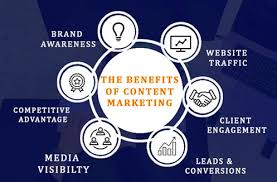
  • Increased Visibility: Ranking higher in search engine results can lead to increased visibility and exposure to a wider audience.
  • Organic Traffic Growth: Creating high-quality content that resonates with users can attract organic traffic over time without relying on paid advertising.
  • Better User Engagement: Providing valuable and relevant information can enhance user engagement and encourage repeat visits to your website.
  • Improved Brand Authority: Establishing expertise through valuable content can build trust with your audience and position your brand as a thought leader in your industry.
  • Multichannel Integration: Integrating SEO content across various digital channels can create a cohesive brand presence and reach customers at different touchpoints.

In conclusion, SEO content marketing is a powerful strategy that combines the best practices of SEO with compelling content creation to drive organic traffic, improve search engine rankings, and enhance user experience. By investing in quality content that resonates with your target audience, businesses can achieve long-term success in the competitive digital landscape.


17 Frequently Asked Questions About the Intersection of SEO and Content Marketing

  1. Does content marketing include SEO?
  2. What is an example of SEO?
  3. Is SEO a type of content marketing?
  4. What is content marketing in SEO?
  5. Why is content marketing good for SEO?
  6. How can I improve my SEO and content marketing?
  7. Which is the best strategy SEO or content marketing?
  8. What are the 3 types of SEO?
  9. How to use content marketing for SEO?
  10. What are the 4 stages of SEO?
  11. What are 3 main areas of SEO?
  12. Is SEO considered content marketing?
  13. Does SEO help with content marketing?
  14. What are the 4 types of SEO?
  15. What is SEO and how it works?
  16. What are the 7 types of SEO?
  17. How does SEO work with content?

Does content marketing include SEO?

In the realm of digital marketing, the relationship between content marketing and SEO is closely intertwined. While content marketing focuses on creating valuable, relevant, and engaging content to attract and retain a target audience, SEO plays a critical role in ensuring that this content is discoverable by search engines and ranks well in search results. In essence, content marketing and SEO work hand in hand to drive organic traffic, enhance user experience, and improve online visibility. Therefore, it is safe to say that effective content marketing strategies often incorporate SEO best practices to maximise their impact and reach a wider audience online.

What is an example of SEO?

An example of SEO (Search Engine Optimization) in the context of content marketing could be creating a blog post that is optimised for specific keywords related to your business or industry. By conducting thorough keyword research and strategically incorporating those keywords into the content, meta tags, and headings, you can improve the visibility of the blog post in search engine results. This optimisation can help your content rank higher for relevant search queries, driving organic traffic to your website and increasing the chances of attracting potential customers who are actively searching for information related to your products or services.

Is SEO a type of content marketing?

In the realm of digital marketing, the relationship between SEO and content marketing is often a topic of discussion. While SEO (search engine optimisation) and content marketing are distinct strategies, they are closely intertwined in achieving online success. SEO focuses on improving a website’s visibility in search engine results through tactics like keyword research and on-page optimisation, while content marketing involves creating valuable and engaging content to attract and retain an audience. Therefore, it can be said that SEO is not a type of content marketing per se, but rather a complementary tool that enhances the effectiveness of content marketing efforts by ensuring that the right audience discovers and engages with the content.

What is content marketing in SEO?

Content marketing in SEO refers to the strategic practice of creating and distributing valuable, relevant, and engaging content to attract and retain a target audience while also boosting search engine visibility. In essence, content marketing in SEO involves crafting high-quality content that not only meets the needs and interests of users but also aligns with search engine algorithms to improve organic search rankings. By focusing on creating informative and compelling content that resonates with both users and search engines, businesses can enhance their online presence, drive organic traffic, and establish authority in their industry through effective SEO content marketing strategies.

Why is content marketing good for SEO?

Content marketing is beneficial for SEO because it plays a crucial role in enhancing a website’s visibility and ranking on search engine results pages. By creating high-quality, relevant, and engaging content that aligns with the interests and needs of the target audience, businesses can attract organic traffic, earn backlinks from reputable sources, and establish authority in their industry. Search engines like Google value fresh and valuable content, making content marketing an effective strategy to improve search engine rankings and drive sustainable organic traffic to a website. Additionally, well-crafted content can enhance user experience, increase user engagement, and ultimately contribute to a stronger online presence for businesses looking to succeed in the digital landscape.

How can I improve my SEO and content marketing?

To enhance your SEO and content marketing efforts, it is essential to focus on several key areas. Firstly, conducting thorough keyword research to identify relevant terms and phrases that your target audience is searching for can help guide your content creation strategy. Producing high-quality, informative content that addresses the needs and interests of your audience is crucial for engaging users and improving search engine visibility. Additionally, optimising on-page elements such as meta tags, headings, and internal links can further boost your SEO performance. Building a strong backlink profile from reputable websites and ensuring a seamless user experience on your site are also important factors in enhancing both SEO and content marketing success. By consistently monitoring performance metrics and adapting your strategies based on data-driven insights, you can continuously improve your SEO and content marketing efforts for long-term growth and success.

Which is the best strategy SEO or content marketing?

When considering the question of whether SEO or content marketing is the best strategy, it’s important to understand that both elements are integral to a successful digital marketing approach. SEO focuses on optimizing a website’s visibility in search engine results, while content marketing involves creating valuable and engaging content to attract and retain audiences. In reality, the most effective strategy combines both SEO and content marketing techniques synergistically. By integrating SEO practices into high-quality content creation, businesses can enhance their online presence, drive organic traffic, and improve user engagement. Ultimately, a holistic approach that leverages the strengths of both SEO and content marketing is key to achieving sustainable growth and visibility in the digital landscape.

What are the 3 types of SEO?

In the realm of SEO, there are three primary types that play crucial roles in enhancing a website’s visibility and search engine rankings. The first type is On-Page SEO, which involves optimizing individual web pages with relevant keywords, meta tags, and high-quality content to improve their search engine performance. The second type is Off-Page SEO, which focuses on building external links from reputable websites to increase a site’s authority and credibility in the eyes of search engines. Lastly, Technical SEO involves optimizing the technical aspects of a website, such as site speed, mobile-friendliness, and structured data markup, to ensure optimal crawling and indexing by search engines. Mastering these three types of SEO can significantly boost a website’s online presence and drive organic traffic.

How to use content marketing for SEO?

To effectively utilise content marketing for SEO, businesses must focus on creating high-quality, relevant content that aligns with their target audience’s interests and needs. Conducting thorough keyword research to identify valuable search terms and incorporating them strategically into the content is essential for improving search engine visibility. Additionally, optimising on-page elements such as meta tags, headings, and internal links can enhance the content’s SEO performance. By consistently producing engaging and informative content that resonates with users and earns quality backlinks from reputable sources, businesses can strengthen their SEO efforts and drive organic traffic to their website.

What are the 4 stages of SEO?

Understanding the four stages of SEO is crucial for implementing a successful SEO content marketing strategy. The first stage is “Technical SEO,” which involves optimizing website infrastructure, such as site speed and mobile-friendliness. The second stage is “On-Page SEO,” focusing on keyword research, content optimization, and meta tags. The third stage is “Off-Page SEO,” which includes link building and establishing domain authority through high-quality backlinks. Finally, the fourth stage is “Local SEO,” targeting local audiences through location-based keywords and Google My Business optimization. By navigating through these stages effectively, businesses can enhance their online visibility and attract targeted organic traffic to their websites.

What are 3 main areas of SEO?

When it comes to SEO, there are three main areas that play a crucial role in improving a website’s visibility and search engine rankings. These areas include on-page SEO, off-page SEO, and technical SEO. On-page SEO focuses on optimizing individual web pages with relevant keywords, high-quality content, meta tags, and internal linking structure. Off-page SEO involves building quality backlinks from reputable websites to increase a site’s authority and credibility. Technical SEO deals with the technical aspects of a website, such as site speed, mobile-friendliness, and indexing issues, to ensure optimal performance in search engine results. Mastering these three key areas of SEO is essential for achieving success in the competitive digital landscape.

Is SEO considered content marketing?

In the realm of digital marketing, the question often arises: Is SEO considered content marketing? While SEO (search engine optimization) and content marketing are distinct strategies, they are closely intertwined and complement each other in driving online success. SEO focuses on optimizing a website’s visibility in search engine results through technical and strategic means, while content marketing revolves around creating valuable and engaging content to attract and retain a target audience. In essence, SEO lays the foundation for content visibility, while content marketing provides the substance that captivates and converts users. When effectively combined, SEO and content marketing work harmoniously to enhance online presence, drive organic traffic, and deliver meaningful experiences to users.

Does SEO help with content marketing?

Yes, SEO plays a crucial role in content marketing by enhancing the visibility and reach of your content. Search engine optimisation (SEO) techniques help to improve the ranking of your content in search engine results pages, making it more likely to be discovered by users searching for relevant information. By incorporating SEO best practices such as keyword research, on-page optimisation, and link building into your content marketing strategy, you can attract organic traffic, increase website visibility, and ultimately drive engagement with your target audience. In essence, SEO and content marketing work hand in hand to maximise the impact and effectiveness of your digital marketing efforts.

What are the 4 types of SEO?

In the realm of SEO content marketing, understanding the four main types of SEO is crucial for crafting an effective digital strategy. The four types of SEO include on-page SEO, off-page SEO, technical SEO, and local SEO. On-page SEO focuses on optimizing individual web pages to improve search engine rankings and user experience. Off-page SEO involves building external links and social signals to enhance a website’s authority and credibility. Technical SEO deals with the backend elements of a website to ensure it is easily crawled and indexed by search engines. Lastly, local SEO targets geographically specific searches to help businesses attract local customers. Mastering these four types of SEO can significantly impact a website’s visibility and organic traffic growth.

What is SEO and how it works?

SEO, or Search Engine Optimization, is a fundamental aspect of digital marketing that focuses on improving a website’s visibility and ranking in search engine results pages. SEO works by implementing various strategies and techniques to enhance a website’s relevance and authority in the eyes of search engines like Google. This involves optimizing content with relevant keywords, improving website structure and performance, earning high-quality backlinks, and providing a positive user experience. By aligning with search engine algorithms and best practices, SEO helps websites attract organic traffic, increase visibility, and ultimately drive more valuable leads and conversions.

What are the 7 types of SEO?

When it comes to SEO content marketing, understanding the different types of SEO is crucial for developing a comprehensive strategy. The 7 types of SEO encompass various aspects of optimisation, including on-page, off-page, technical, local, mobile, e-commerce, and voice search. Each type plays a unique role in improving a website’s visibility and ranking on search engine results pages. By incorporating these different types of SEO into your content marketing efforts, you can enhance your online presence and attract more organic traffic to your website.

How does SEO work with content?

When it comes to the relationship between SEO and content, they work hand in hand to enhance a website’s visibility and relevance in search engine results. SEO focuses on optimising various elements of a website to improve its ranking, while content plays a crucial role in providing valuable information that attracts and engages users. By incorporating relevant keywords, creating high-quality and engaging content, and optimising on-page elements, businesses can effectively align their SEO efforts with their content strategy to drive organic traffic, improve search engine rankings, and ultimately enhance the overall user experience.
online content marketing

Unlocking the Potential of Online Content Marketing Strategies

The Power of Online Content Marketing

The Power of Online Content Marketing

In today’s digital age, online content marketing has become a vital strategy for businesses looking to connect with their target audience, build brand awareness, and drive engagement. By creating and distributing valuable, relevant content online, companies can attract and retain customers while establishing themselves as industry leaders.

Benefits of Online Content Marketing

There are numerous benefits to incorporating online content marketing into your overall digital strategy:

  • Increased Visibility: Quality content helps improve your search engine rankings, making it easier for potential customers to find you online.
  • Brand Authority: By sharing valuable insights and information, you can position your brand as an authority in your industry, building trust with your audience.
  • Engagement: Compelling content encourages interaction and engagement with your audience, fostering a sense of community around your brand.
  • Lead Generation: Well-crafted content can attract leads and convert them into customers by addressing their needs and pain points.
  • Cost-Effective: Compared to traditional marketing methods, online content marketing offers a cost-effective way to reach a wider audience and drive results.

Tips for Effective Online Content Marketing

To make the most of your online content marketing efforts, consider the following tips:

  1. Know Your Audience: Understand who your target audience is and create content that resonates with their interests and needs.
  2. Create Quality Content: Focus on producing high-quality, relevant content that provides value to your audience and sets you apart from competitors.
  3. Diversify Your Content: Experiment with different types of content such as blog posts, videos, infographics, and podcasts to keep your audience engaged.
  4. Promote Your Content: Utilise social media platforms, email newsletters, and other channels to promote your content and reach a wider audience.
  5. Analyse and Optimise: Monitor the performance of your content using analytics tools and make adjustments based on data insights to improve results over time.

In Conclusion

Online content marketing is a powerful tool for businesses looking to establish a strong online presence, engage with their target audience, and drive business growth. By creating valuable and relevant content that resonates with your audience, you can build brand loyalty, attract new customers, and achieve long-term success in the digital landscape.


Mastering Online Content Marketing: 9 Essential Tips for Success

  1. Understand your target audience and tailor your content to their needs and interests.
  2. Create high-quality, engaging content that provides value to your audience.
  3. Utilise various types of content such as articles, videos, infographics, and podcasts to keep things interesting.
  4. Optimise your content for search engines with relevant keywords and meta tags.
  5. Promote your content across different online platforms to reach a wider audience.
  6. Engage with your audience through comments, messages, and social media interactions.
  7. Analyse the performance of your content using analytics tools to make data-driven decisions.
  8. Stay updated on industry trends and adjust your content strategy accordingly.
  9. Build relationships with influencers or other brands for collaborations that can expand your reach.

Understand your target audience and tailor your content to their needs and interests.

To succeed in online content marketing, it is crucial to have a deep understanding of your target audience. By identifying their needs, preferences, and interests, you can tailor your content to resonate with them effectively. This personalised approach not only enhances engagement but also builds trust and loyalty with your audience. By crafting content that speaks directly to the desires and challenges of your target demographic, you can create meaningful connections that drive results and foster long-term relationships.

Create high-quality, engaging content that provides value to your audience.

Creating high-quality, engaging content that offers genuine value to your audience is a cornerstone of successful online content marketing. By focusing on producing content that resonates with your target demographic, addresses their needs, and sparks their interest, you can establish credibility, build trust, and foster long-lasting relationships with your audience. Quality content not only attracts and retains readers but also positions your brand as a valuable resource in your industry, ultimately driving engagement and loyalty among your followers.

Utilise various types of content such as articles, videos, infographics, and podcasts to keep things interesting.

To enhance your online content marketing strategy, it is essential to utilise a diverse range of content formats, including articles, videos, infographics, and podcasts. By incorporating different types of content, you can cater to varied audience preferences and keep your online presence engaging and dynamic. Articles provide in-depth information, videos offer visual appeal and storytelling opportunities, infographics present data in a visually appealing way, and podcasts enable auditory engagement. This variety not only keeps things interesting for your audience but also helps you effectively communicate your brand message across different platforms.

Optimise your content for search engines with relevant keywords and meta tags.

To maximise the visibility and reach of your online content, it is crucial to optimise it for search engines by incorporating relevant keywords and meta tags. By strategically selecting keywords that align with your target audience’s search queries and including them in your content and meta tags, you can improve your website’s ranking in search engine results pages. This practice not only enhances discoverability but also increases the likelihood of attracting organic traffic to your website, ultimately boosting your online presence and engagement with potential customers.

Promote your content across different online platforms to reach a wider audience.

Promoting your content across various online platforms is a crucial strategy in online content marketing to broaden your reach and engage with a larger audience. By utilising social media channels, email newsletters, industry forums, and other relevant platforms, you can increase visibility for your content and attract diverse segments of your target audience. This multi-platform approach not only enhances brand awareness but also drives traffic to your website, ultimately leading to increased conversions and business growth.

Engage with your audience through comments, messages, and social media interactions.

To maximise the effectiveness of your online content marketing strategy, it is crucial to actively engage with your audience through comments, messages, and social media interactions. By responding promptly to feedback, addressing queries, and fostering discussions on various platforms, you not only demonstrate your commitment to customer satisfaction but also build a sense of community around your brand. Engaging with your audience in a meaningful way helps strengthen relationships, increase brand loyalty, and encourage ongoing interaction, ultimately driving positive results for your business in the digital realm.

Analyse the performance of your content using analytics tools to make data-driven decisions.

Analysing the performance of your content using analytics tools is crucial in online content marketing. By gathering and interpreting data metrics such as website traffic, engagement rates, and conversion rates, you can gain valuable insights into what resonates with your audience and what areas need improvement. This data-driven approach enables you to make informed decisions on refining your content strategy, targeting specific audience segments, and optimising your marketing efforts for better results and increased effectiveness in reaching your business goals.

To maximise the effectiveness of your online content marketing efforts, it is crucial to stay informed about current industry trends and adapt your content strategy accordingly. By keeping abreast of the latest developments in your field, you can ensure that your content remains relevant and engaging to your target audience. Adjusting your strategy in response to industry trends demonstrates a commitment to providing valuable and up-to-date information, helping you maintain a competitive edge and strengthen your brand’s position as a trusted source of expertise in the ever-evolving digital landscape.

Build relationships with influencers or other brands for collaborations that can expand your reach.

Building relationships with influencers or other brands for collaborations is a strategic tip in online content marketing that can significantly expand your reach and enhance your brand visibility. By partnering with influencers who have a strong following or collaborating with complementary brands, you can tap into new audiences, increase engagement, and establish credibility within your industry. These collaborations not only help you reach a wider demographic but also create opportunities for creative content creation and mutual promotion, ultimately driving growth and fostering meaningful connections with your target market.

Crafting an Effective Online Content Marketing Strategy for Success

Online Content Marketing Strategy

The Power of Online Content Marketing Strategy

In today’s digital age, a robust online content marketing strategy is crucial for businesses looking to engage with their target audience, build brand awareness, and drive conversions. Content marketing involves creating and distributing valuable, relevant, and consistent content to attract and retain a clearly defined audience.

Key Components of an Effective Online Content Marketing Strategy:

  1. Define Your Goals: Clearly outline what you want to achieve with your content marketing efforts. Whether it’s increasing website traffic, generating leads, or improving brand loyalty, setting specific goals will guide your strategy.
  2. Know Your Audience: Understanding your target audience’s needs, preferences, and pain points is essential for creating content that resonates with them. Conduct thorough research to identify your audience demographics and interests.
  3. Create High-Quality Content: Develop engaging and informative content that adds value to your audience. This can include blog posts, videos, infographics, case studies, whitepapers, and more.
  4. Optimise for SEO: Incorporate relevant keywords and optimise your content for search engines to improve its visibility online. SEO-friendly content helps drive organic traffic to your website.
  5. Promote Your Content: Utilise various channels such as social media, email marketing, influencer partnerships, and guest blogging to amplify the reach of your content. Effective promotion is key to maximising its impact.
  6. Analyse and Iterate: Monitor the performance of your content using analytics tools to track key metrics such as engagement rates, click-through rates, and conversion rates. Use this data to refine your strategy for continuous improvement.

The Benefits of a Strong Online Content Marketing Strategy:

An effective online content marketing strategy offers numerous benefits for businesses:

  • Increased Brand Visibility: Consistent publishing of high-quality content helps boost brand visibility and recognition among your target audience.
  • Enhanced Customer Engagement: Engaging content encourages interaction with customers, fostering relationships and building trust in your brand.
  • Improved Search Engine Rankings: SEO-optimised content can improve your website’s ranking on search engine results pages (SERPs), driving organic traffic.
  • Lead Generation: Valuable content attracts potential customers and nurtures them through the sales funnel towards conversion.
  • Elevated Brand Authority: Providing authoritative and informative content establishes your brand as a thought leader in your industry.

In conclusion, a well-planned online content marketing strategy is a powerful tool for businesses seeking to connect with their target audience effectively. By creating valuable content that resonates with users and promoting it across various channels, businesses can enhance their online presence, drive engagement, and ultimately achieve their marketing goals.


Seven Advantages of Online Content Marketing Strategy: Boosting Visibility, Engagement, and Authority

  1. Increased brand visibility
  2. Enhanced customer engagement
  3. Improved search engine rankings
  4. Lead generation
  5. Elevated brand authority
  6. Cost-effective compared to traditional marketing methods
  7. Ability to target specific audience segments


Challenges of Online Content Marketing Strategies: Time, Trends, and Quality Concerns

  1. 1. Content creation can be time-consuming and resource-intensive.
  2. 2. It may take time to see tangible results and ROI from content marketing efforts.
  3. 3. Keeping up with changing algorithms and trends in digital marketing can be challenging.
  4. 4. Content saturation on the internet can make it difficult to stand out and reach your target audience.
  5. 5. Inconsistent or low-quality content can damage brand reputation and credibility.

Increased brand visibility

Increased brand visibility is a significant advantage of implementing an online content marketing strategy. By consistently creating and sharing high-quality content across digital channels, businesses can enhance their presence and recognition among their target audience. With each piece of engaging content shared, the brand’s visibility expands, reaching a wider audience and reinforcing its position in the market. This increased visibility not only attracts potential customers but also establishes the brand as a reputable authority in its industry, ultimately leading to greater brand awareness and recognition.

Enhanced customer engagement

Enhanced customer engagement is a significant advantage of implementing an online content marketing strategy. By creating and sharing valuable and relevant content with your target audience, you can foster meaningful interactions, encourage feedback, and build relationships with customers. Engaged customers are more likely to interact with your brand, share your content, and become loyal advocates for your products or services. This increased engagement not only strengthens brand loyalty but also helps drive conversions and long-term customer retention.

Improved search engine rankings

One significant advantage of implementing an online content marketing strategy is the potential for improved search engine rankings. By creating high-quality, SEO-optimised content that resonates with your target audience and aligns with relevant keywords, businesses can enhance their visibility on search engine results pages (SERPs). This increased visibility not only drives organic traffic to the website but also boosts brand credibility and authority in the eyes of both users and search engines. Ultimately, improved search engine rankings through effective content marketing can lead to a higher likelihood of attracting qualified leads and converting them into loyal customers.

Lead generation

Lead generation is a significant benefit of implementing an online content marketing strategy. By creating valuable and engaging content tailored to the needs and interests of your target audience, businesses can attract potential customers and capture their interest. Through strategic content distribution across various online channels, businesses can generate leads, nurture them through the sales funnel, and ultimately convert them into loyal customers. Effective lead generation through content marketing not only increases sales opportunities but also helps build long-lasting relationships with prospects, driving business growth and success.

Elevated brand authority

Elevated brand authority is a significant advantage of implementing an online content marketing strategy. By consistently producing high-quality and informative content that positions the brand as a trusted source of information within its industry, businesses can establish themselves as thought leaders. This enhanced credibility not only builds trust with the target audience but also sets the brand apart from competitors, ultimately leading to increased brand recognition and customer loyalty.

Cost-effective compared to traditional marketing methods

Online content marketing strategy offers a significant advantage in terms of cost-effectiveness when compared to traditional marketing methods. By creating and distributing valuable content online, businesses can reach a wide audience at a fraction of the cost associated with traditional advertising channels such as print, TV, or radio. With online content marketing, businesses can engage with their target audience through various digital platforms without the high expenses typically associated with traditional marketing campaigns. This cost-efficient approach allows businesses to allocate their resources more effectively and achieve a higher return on investment in reaching and engaging with their audience.

Ability to target specific audience segments

One significant advantage of an online content marketing strategy is its ability to target specific audience segments with precision. By creating tailored content that addresses the unique needs, interests, and preferences of different demographic groups or buyer personas, businesses can effectively engage with their target audience on a more personal level. This targeted approach not only increases the relevance and value of the content to the audience but also enhances the likelihood of driving conversions and building long-term relationships with customers who resonate with the messaging.

1. Content creation can be time-consuming and resource-intensive.

One significant drawback of online content marketing strategy is that content creation can be a time-consuming and resource-intensive process. Developing high-quality and engaging content requires careful planning, research, writing, designing, and editing, which can consume a considerable amount of time and resources. Businesses may need to allocate dedicated staff or outsource content creation to meet the demands of a robust content marketing strategy, leading to increased costs and potential challenges in maintaining consistency and relevance across various digital platforms.

2. It may take time to see tangible results and ROI from content marketing efforts.

One significant drawback of online content marketing strategy is the time it may take to see tangible results and return on investment (ROI) from the efforts invested. Unlike some forms of marketing that yield immediate outcomes, content marketing often requires a long-term commitment before significant results are realised. Building brand awareness, establishing credibility, and nurturing customer relationships through valuable content can be a gradual process that demands patience and consistent effort. Businesses must understand that the benefits of content marketing may not be instantaneous but can deliver substantial returns over time with persistence and strategic execution.

Keeping up with changing algorithms and trends in digital marketing can present a significant challenge for businesses implementing an online content marketing strategy. As search engine algorithms evolve and consumer preferences shift, staying abreast of these changes is essential to maintain visibility and relevance in the online landscape. Failure to adapt to emerging trends and algorithm updates can result in diminished reach and effectiveness of content marketing efforts, highlighting the importance of continuous monitoring and adjustment to ensure sustained success in the dynamic digital marketing environment.

4. Content saturation on the internet can make it difficult to stand out and reach your target audience.

In the realm of online content marketing strategy, a significant drawback arises from the pervasive content saturation on the internet. The sheer volume of content available can create a challenging environment for businesses aiming to differentiate themselves and connect with their target audience effectively. With countless pieces of content vying for attention, standing out amidst the noise and capturing the audience’s interest becomes increasingly difficult. This saturation can dilute the impact of individual efforts, making it essential for businesses to adopt innovative and strategic approaches to cut through the clutter and make a lasting impression on their intended viewers.

5. Inconsistent or low-quality content can damage brand reputation and credibility.

Inconsistent or low-quality content within an online content marketing strategy can have detrimental effects on a brand’s reputation and credibility. When audiences encounter content that is poorly executed, inaccurate, or lacks value, they may perceive the brand as unprofessional or unreliable. This can erode trust with existing customers and deter potential customers from engaging further with the brand. Consistency and quality are essential in maintaining a positive brand image and establishing credibility in the competitive digital landscape.

Understanding Content Marketing Agency Costs: A Comprehensive Guide

The Costs of Hiring a Content Marketing Agency

Content marketing has become an essential strategy for businesses looking to engage their audience, build brand awareness, and drive conversions. While some companies choose to handle their content creation in-house, many opt to hire a content marketing agency to leverage the expertise and resources of professionals in the field. However, one common question that arises when considering hiring a content marketing agency is: how much does it cost?

Factors Influencing Costs

The costs of hiring a content marketing agency can vary widely depending on several factors:

  • Scope of Work: The complexity and scale of the project will have a significant impact on costs. A comprehensive content marketing strategy involving multiple channels and deliverables will typically cost more than a smaller, focused campaign.
  • Expertise and Experience: Agencies with a proven track record of success and specialised expertise may charge higher fees for their services.
  • Content Types: Different types of content require varying levels of effort and resources. For example, video production or interactive content may incur additional costs compared to standard blog posts or social media updates.
  • Frequency of Content Production: Regularly producing high-quality content requires ongoing time and effort. Agencies may offer different pricing models based on the frequency of content creation.
  • Additional Services: Some agencies provide additional services such as SEO optimisation, social media management, or email marketing as part of their content marketing packages. These extras can impact overall costs.

Cost Structures

Content marketing agencies typically offer several pricing structures to accommodate different client needs:

  • Project-Based Pricing: Clients pay a fixed fee for a specific project or campaign, which is agreed upon upfront based on the scope of work.
  • Retainer-Based Pricing: Clients pay a recurring monthly fee for ongoing content marketing services. This model provides consistency and allows for long-term planning.
  • Pricing Per Deliverable: Some agencies charge based on individual deliverables, such as blog posts, infographics, or videos. This allows clients to customise their package based on their needs.
  • Hourly Rates: In some cases, agencies may charge by the hour for their services. This model is less common but can be used for specific tasks or consulting work.

Evaluating ROI

When considering the costs of hiring a content marketing agency, it’s essential to evaluate the potential return on investment (ROI). A well-executed content marketing strategy can yield significant benefits in terms of increased website traffic, lead generation, brand visibility, and customer engagement. By analysing key performance metrics and tracking outcomes, businesses can determine the effectiveness of their investment in content marketing services.

In conclusion, while the costs of hiring a content marketing agency may vary depending on various factors and pricing structures, businesses should view it as an investment in their long-term success. By partnering with a reputable agency that aligns with their goals and values, companies can unlock the full potential of content marketing to achieve tangible results.


Understanding the Costs of Hiring a Content Marketing Agency: FAQs and Key Considerations

  1. 1. How much does it cost to hire a content marketing agency?
  2. 2. What factors influence the costs of hiring a content marketing agency?
  3. 3. Are there different pricing structures offered by content marketing agencies?
  4. 4. Do content marketing agencies charge based on the scope of work?
  5. 5. What additional services may impact the overall costs of hiring a content marketing agency?
  6. 6. How can businesses evaluate the ROI of investing in a content marketing agency?
  7. 7. Are there industry benchmarks for typical costs associated with content marketing agencies?
  8. 8. Can businesses customise their packages based on their specific needs and budget when working with a content marketing agency?

1. How much does it cost to hire a content marketing agency?

One of the most frequently asked questions regarding content marketing agency services is, “How much does it cost to hire a content marketing agency?” The costs of hiring a content marketing agency can vary depending on factors such as the scope of work, expertise and experience of the agency, types of content required, frequency of content production, and additional services included in the package. Different agencies offer various pricing structures, including project-based pricing, retainer-based pricing, pricing per deliverable, and hourly rates. It is essential for businesses to carefully consider these factors and evaluate the potential return on investment when determining the cost of hiring a content marketing agency.

2. What factors influence the costs of hiring a content marketing agency?

When considering the costs of hiring a content marketing agency, it is important to understand the factors that influence pricing. Several key elements can impact the overall costs, including the scope of work required, the expertise and experience of the agency, the types of content involved, the frequency of content production, and any additional services provided. The complexity and scale of the project, along with the level of specialised expertise needed, will play a significant role in determining the cost structure. By evaluating these influencing factors carefully, businesses can make informed decisions when selecting a content marketing agency that aligns with their budget and objectives.

3. Are there different pricing structures offered by content marketing agencies?

Yes, content marketing agencies typically offer different pricing structures to cater to the diverse needs of their clients. Common pricing models include project-based pricing, where clients pay a fixed fee for a specific project or campaign agreed upon upfront; retainer-based pricing, involving a recurring monthly fee for ongoing services; pricing per deliverable, where costs are based on individual content pieces like blog posts or videos; and hourly rates for specific tasks or consulting work. Each pricing structure has its advantages and may be tailored to suit the scope and requirements of the content marketing strategy being implemented.

4. Do content marketing agencies charge based on the scope of work?

Yes, content marketing agencies often charge based on the scope of work involved in a project. The complexity and scale of the content marketing campaign play a significant role in determining the overall cost. Agencies consider factors such as the number of deliverables, types of content required, level of expertise needed, and the resources involved in creating and implementing the strategy. By aligning pricing with the scope of work, agencies can provide transparent cost estimates that reflect the time, effort, and value they will bring to the client’s content marketing initiatives.

5. What additional services may impact the overall costs of hiring a content marketing agency?

When considering the overall costs of hiring a content marketing agency, it is crucial to take into account the additional services that may impact pricing. These extra services can include search engine optimisation (SEO) strategies to enhance content visibility, social media management to amplify reach and engagement, email marketing campaigns for targeted communication, and analytics reporting for tracking performance metrics. Each of these supplementary offerings contributes to a comprehensive content marketing strategy but may incur additional costs depending on the agency’s pricing structure. Businesses should carefully evaluate their needs and goals to determine which additional services are essential for achieving their desired outcomes while staying within their budget constraints.

6. How can businesses evaluate the ROI of investing in a content marketing agency?

Businesses can evaluate the return on investment (ROI) of investing in a content marketing agency by tracking key performance indicators (KPIs) that align with their business objectives. Metrics such as website traffic, lead generation, conversion rates, social media engagement, and brand visibility can provide valuable insights into the effectiveness of the content marketing strategy implemented by the agency. By analysing these KPIs over time and comparing them to the costs incurred in hiring the agency, businesses can determine the impact of their investment and make informed decisions about future collaborations with content marketing professionals.

7. Are there industry benchmarks for typical costs associated with content marketing agencies?

When it comes to the frequently asked question of whether there are industry benchmarks for typical costs associated with content marketing agencies, the answer is not straightforward. While there are general guidelines and averages available, the costs can vary significantly based on factors such as the scope of work, agency expertise, and specific client requirements. It’s essential for businesses considering hiring a content marketing agency to request detailed proposals and quotes tailored to their unique needs to get a more accurate understanding of potential costs. By engaging in thorough discussions with prospective agencies and comparing proposals, companies can gain insights into industry standards and make informed decisions regarding their content marketing investments.

8. Can businesses customise their packages based on their specific needs and budget when working with a content marketing agency?

Businesses often wonder whether they can customise their packages to align with their specific needs and budget when partnering with a content marketing agency. The answer is typically yes – many content marketing agencies offer flexible options that allow businesses to tailor their packages according to their unique requirements and financial constraints. By collaborating closely with the agency and clearly defining goals, target audience, desired outcomes, and budget limitations, businesses can work together to create a customised content marketing strategy that maximises value and delivers results within the allocated budget. This personalised approach ensures that businesses get the most out of their investment in content marketing services.

content marketing agency

Unlocking Success: The Role of a Content Marketing Agency in Your Digital Strategy

The Power of Content Marketing Agencies

The Power of Content Marketing Agencies

In today’s digital age, content is king. Businesses around the world are recognising the importance of creating high-quality, engaging content to attract and retain customers. This is where content marketing agencies come into play.

A content marketing agency is a specialised firm that focuses on creating and distributing valuable, relevant, and consistent content to attract a targeted audience. These agencies work closely with businesses to develop tailored content strategies that align with their goals and objectives.

One of the key advantages of partnering with a content marketing agency is their expertise in producing compelling content that resonates with the target audience. From blog posts and social media updates to videos and infographics, these agencies have the skills and resources to create a wide range of content types that drive engagement and build brand awareness.

Furthermore, content marketing agencies have a deep understanding of SEO (Search Engine Optimisation) best practices, helping businesses improve their online visibility and reach a larger audience. By incorporating relevant keywords and optimising content for search engines, these agencies can enhance a company’s online presence and drive organic traffic to their website.

Another benefit of working with a content marketing agency is their ability to track and measure the performance of your content initiatives. Through analytics tools and data analysis, these agencies can provide valuable insights into how your content is performing, allowing you to make informed decisions and refine your strategy for optimal results.

Overall, the role of a content marketing agency is invaluable in helping businesses create meaningful connections with their target audience through strategic, data-driven content initiatives. By leveraging the expertise and resources of these agencies, businesses can elevate their brand presence, drive customer engagement, and ultimately achieve their marketing objectives in today’s competitive digital landscape.


Top 8 FAQs About Content Marketing Agencies: Starting, Hiring, and Succeeding

  1. How do I start a content agency?
  2. What should I look for in a content marketing agency?
  3. Why should I hire a content marketing agency?
  4. How do I start a content marketing agency?
  5. How do content agencies get clients?
  6. What are the 4 main categories of content marketing?
  7. What companies are good at content marketing?
  8. What does a content marketing agency do?

How do I start a content agency?

Starting a content agency requires careful planning and strategic execution. To begin, it is essential to define your niche and target audience to differentiate your agency in the competitive market. Conduct thorough market research to understand industry trends and identify potential clients. Next, establish a strong brand identity and develop a portfolio showcasing your expertise in content creation, strategy, and marketing. Building a talented team of writers, designers, and marketers is crucial for delivering high-quality services to clients. Additionally, invest in technology and tools that streamline content production and analytics. Networking with industry professionals and actively promoting your agency through digital channels will help attract clients and grow your business effectively.

What should I look for in a content marketing agency?

When considering a content marketing agency, it is essential to look for certain key factors to ensure you are partnering with the right team for your business needs. Firstly, expertise and experience in creating engaging and relevant content across various platforms are crucial. A reputable agency should have a proven track record of delivering successful content strategies that align with your brand’s goals. Additionally, consider their knowledge of SEO best practices and their ability to measure and analyse the performance of your content. Transparency, communication, and a collaborative approach are also vital aspects to look for in a content marketing agency, as they will help foster a strong working relationship and drive effective results for your business.

Why should I hire a content marketing agency?

When considering why to hire a content marketing agency, it’s important to recognise the specialised expertise and resources they bring to the table. Content marketing agencies have a deep understanding of creating and distributing engaging content that resonates with your target audience. By partnering with a content marketing agency, you can benefit from their strategic approach to content creation, tailored to your specific goals and objectives. These agencies also possess the necessary skills in SEO best practices, enabling your business to improve online visibility and drive organic traffic. Ultimately, hiring a content marketing agency allows you to leverage their knowledge and experience to enhance your brand presence, engage customers effectively, and achieve tangible results in the competitive digital landscape.

How do I start a content marketing agency?

Starting a content marketing agency requires careful planning and strategic thinking. To begin, it is essential to define your niche and target market, identifying the specific industries or businesses you aim to serve with your content services. Next, focus on building a strong portfolio showcasing your expertise in content creation, strategy development, and digital marketing. Establishing a network of industry contacts and potential clients can also help kickstart your agency’s growth. Additionally, investing in the right tools and technologies to streamline content production and distribution processes is crucial for delivering high-quality results to your clients. Finally, staying updated on industry trends and continuously honing your skills will ensure your content marketing agency remains competitive and successful in the long run.

How do content agencies get clients?

Content marketing agencies employ various strategies to acquire clients and build lasting relationships. Firstly, many agencies leverage their online presence by showcasing their expertise through informative blogs, case studies, and social media content. This helps attract potential clients who are seeking solutions to their content marketing needs. Additionally, content agencies often engage in networking events, industry conferences, and partnerships with other businesses to expand their reach and connect with potential clients. Referrals from satisfied customers also play a significant role in bringing in new business for content agencies. By demonstrating their capabilities, delivering results, and fostering trust with clients, content agencies can effectively acquire clients and establish themselves as trusted partners in the ever-evolving world of digital marketing.

What are the 4 main categories of content marketing?

Content marketing encompasses a diverse range of strategies and approaches, with the 4 main categories being: written content, visual content, video content, and interactive content. Written content includes articles, blog posts, and whitepapers that aim to inform and educate audiences. Visual content such as infographics and images captivates viewers with compelling visuals. Video content is increasingly popular for its ability to engage and entertain audiences effectively. Interactive content like quizzes and surveys encourages active participation from users, enhancing their overall experience. Each category plays a unique role in a comprehensive content marketing strategy, catering to different audience preferences and driving engagement across various digital platforms.

What companies are good at content marketing?

When it comes to companies excelling in content marketing, several industry leaders stand out for their innovative and effective strategies. Brands like Red Bull, Coca-Cola, and HubSpot are often praised for their exceptional content marketing efforts. Red Bull, known for its high-energy brand image, has successfully leveraged content to engage its audience through extreme sports events and adrenaline-fueled storytelling. Coca-Cola’s “Content 2020” strategy focuses on creating liquid content that resonates with consumers on a personal level, fostering emotional connections with the brand. HubSpot, a pioneer in inbound marketing, provides valuable resources and educational content to help businesses succeed in the digital realm. These companies serve as prime examples of how strategic content marketing can drive brand awareness, customer loyalty, and business growth.

What does a content marketing agency do?

A content marketing agency specialises in creating and distributing valuable, relevant, and consistent content to attract and engage a targeted audience on behalf of businesses. These agencies work closely with clients to develop customised content strategies that align with their marketing goals. From crafting compelling blog posts and social media updates to producing engaging videos and infographics, content marketing agencies utilise their expertise to enhance brand visibility, drive customer engagement, and ultimately help businesses achieve their marketing objectives in the digital landscape.

online content marketing services

Unlocking the Potential of Online Content Marketing Services

Online Content Marketing Services

The Power of Online Content Marketing Services

In today’s digital age, online content marketing has become a crucial strategy for businesses looking to engage with their target audience, build brand awareness, and drive conversions. With the vast amount of information available online, it is essential for companies to create high-quality and relevant content that resonates with their customers.

What are Online Content Marketing Services?

Online content marketing services encompass a range of strategies aimed at creating and distributing valuable content to attract and retain a clearly defined audience. These services may include:

  • Content Strategy: Developing a comprehensive plan to align content creation with business goals and target audience needs.
  • Content Creation: Producing engaging and informative articles, blog posts, videos, infographics, and more to capture the audience’s interest.
  • Content Distribution: Promoting content across various online channels such as social media, email marketing, and search engines to reach a wider audience.
  • Content Analytics: Monitoring and analysing the performance of content campaigns to measure success and make data-driven decisions for future strategies.

The Benefits of Online Content Marketing Services

Effective online content marketing services offer numerous benefits for businesses:

  • Increased Brand Visibility: By consistently producing valuable content, businesses can enhance their online presence and attract more potential customers.
  • Improved Customer Engagement: Quality content helps build trust with customers and encourages them to interact with the brand through likes, shares, comments, and more.
  • Enhanced SEO Performance: Well-optimised content can improve search engine rankings and drive organic traffic to the website.
  • Higher Conversion Rates: Relevant and compelling content can influence buying decisions and convert leads into customers.

In Conclusion

In conclusion, online content marketing services play a vital role in helping businesses connect with their target audience in the digital landscape. By investing in quality content creation, distribution, and analysis, companies can establish themselves as industry leaders and drive meaningful engagement with their customers.


9 Essential Tips for Mastering Online Content Marketing Services

  1. Understand your target audience and their needs.
  2. Create high-quality, engaging content that provides value.
  3. Use SEO techniques to improve visibility in search engines.
  4. Utilise social media platforms to promote your content.
  5. Collaborate with influencers or other brands for wider reach.
  6. Analyse data and track performance to make informed decisions.
  7. Stay updated on industry trends and adapt your strategy accordingly.
  8. Encourage user interaction through comments, shares, and likes.
  9. Provide a clear call-to-action to guide users towards desired outcomes.

Understand your target audience and their needs.

To succeed in online content marketing services, it is crucial to thoroughly understand your target audience and their specific needs. By conducting thorough research and analysis, businesses can tailor their content to resonate with their audience, address their pain points, and provide valuable solutions. This deep understanding allows companies to create engaging and relevant content that not only attracts the right audience but also builds trust and fosters long-lasting relationships with customers. By putting the audience at the forefront of content creation strategies, businesses can effectively drive engagement, conversions, and brand loyalty in the competitive digital landscape.

Create high-quality, engaging content that provides value.

To succeed in online content marketing services, it is essential to focus on creating high-quality, engaging content that offers genuine value to the target audience. By producing content that is informative, entertaining, and relevant to the audience’s needs and interests, businesses can establish credibility, build trust with their customers, and drive meaningful engagement. Quality content not only attracts and retains the audience’s attention but also positions the brand as a valuable resource in its industry, ultimately leading to increased brand visibility and customer loyalty.

Use SEO techniques to improve visibility in search engines.

Utilising SEO techniques is essential for enhancing visibility in search engines as part of effective online content marketing services. By implementing strategies such as keyword research, on-page optimisation, and link building, businesses can improve their website’s ranking in search results and attract more organic traffic. SEO not only helps increase brand visibility but also ensures that the content reaches the right audience at the right time, ultimately driving conversions and achieving business goals.

Utilise social media platforms to promote your content.

To maximise the reach and impact of your online content marketing efforts, it is essential to leverage social media platforms as powerful promotional tools. By strategically sharing your content across platforms such as Facebook, Twitter, Instagram, and LinkedIn, you can engage with a wider audience, drive traffic to your website, and foster meaningful interactions with potential customers. Social media enables you to amplify the visibility of your content, increase brand awareness, and ultimately enhance your overall digital marketing strategy.

Collaborate with influencers or other brands for wider reach.

Collaborating with influencers or other brands can significantly expand the reach of your online content marketing efforts. By partnering with individuals or businesses that have a strong following or influence in your industry, you can tap into their audience and leverage their credibility to increase brand visibility and engagement. This collaborative approach not only helps you reach a wider demographic but also allows you to benefit from the unique perspectives and expertise of your partners, ultimately enhancing the effectiveness of your content marketing strategy.

Analyse data and track performance to make informed decisions.

Analysing data and tracking performance are essential components of effective online content marketing services. By monitoring key metrics such as engagement rates, conversion rates, and website traffic, businesses can gain valuable insights into the effectiveness of their content strategies. This data-driven approach allows companies to identify what is working well and what areas need improvement, enabling them to make informed decisions to optimise their content and achieve better results.

To succeed in online content marketing services, it is essential to stay informed about the latest industry trends and adapt your strategy accordingly. By keeping a close eye on emerging technologies, consumer preferences, and market dynamics, businesses can ensure that their content remains relevant and engaging. Adapting your strategy in response to industry trends not only demonstrates your flexibility but also positions your brand as a forward-thinking authority in the digital space. Embracing change and innovation can lead to increased audience engagement and long-term success in the competitive online landscape.

Encourage user interaction through comments, shares, and likes.

To enhance the effectiveness of online content marketing services, it is essential to encourage user interaction through comments, shares, and likes. By fostering engagement with the audience, businesses can build a sense of community around their content, strengthen relationships with customers, and increase brand visibility. User-generated interactions not only indicate interest and satisfaction but also contribute to organic reach and virality, amplifying the impact of the content across digital platforms.

Provide a clear call-to-action to guide users towards desired outcomes.

In the realm of online content marketing services, a valuable tip is to always provide a clear call-to-action that guides users towards desired outcomes. By incorporating a compelling and easily identifiable call-to-action in your content, such as “Sign up for our newsletter” or “Shop now,” you can prompt users to take the next step in their customer journey. This strategic approach not only enhances user engagement but also increases the likelihood of conversions, ultimately driving the desired results for your business.

saas content marketing agency

Unlocking Success: The Role of a SaaS Content Marketing Agency

The Power of SaaS Content Marketing Agencies

The Power of SaaS Content Marketing Agencies

In the competitive world of Software as a Service (SaaS), effective marketing is crucial for success. SaaS companies rely on reaching and engaging their target audience to drive conversions and grow their customer base. This is where SaaS content marketing agencies play a vital role.

What is a SaaS Content Marketing Agency?

A SaaS content marketing agency specialises in creating and distributing valuable, relevant, and consistent content to attract and retain a clearly defined audience for SaaS businesses. These agencies understand the unique challenges and opportunities within the SaaS industry and tailor their strategies to meet the specific needs of SaaS companies.

The Benefits of Working with a SaaS Content Marketing Agency

Expertise: SaaS content marketing agencies have a deep understanding of the SaaS landscape and know how to create content that resonates with target audiences in this industry.

Strategy Development: These agencies can develop comprehensive content marketing strategies that align with the goals and objectives of SaaS businesses, helping them achieve long-term success.

Content Creation: From blog posts and whitepapers to videos and infographics, SaaS content marketing agencies produce high-quality content that educates, informs, and engages potential customers.

SEO Optimisation: By incorporating search engine optimisation (SEO) best practices into their content creation process, these agencies help improve the visibility of SaaS businesses online.

Conclusion

In conclusion, partnering with a SaaS content marketing agency can give your SaaS business a competitive edge in the digital landscape. By leveraging their expertise, strategic approach, and creative content creation capabilities, you can effectively reach your target audience, drive conversions, and ultimately grow your business in the dynamic world of SaaS.


Understanding SaaS Content Marketing Agencies: Key Services and Benefits

  1. What services do SaaS content marketing agencies offer?
  2. How can a SaaS content marketing agency help my business?
  3. What makes SaaS content marketing agencies different from traditional marketing agencies?
  4. How do SaaS content marketing agencies measure the success of their campaigns?
  5. What should I look for when choosing a SaaS content marketing agency?

What services do SaaS content marketing agencies offer?

SaaS content marketing agencies offer a range of services tailored to meet the specific needs of Software as a Service businesses. These services typically include content strategy development, content creation such as blog posts, articles, whitepapers, and videos, search engine optimisation (SEO) to improve online visibility, social media marketing to engage with audiences, email marketing campaigns to nurture leads, and analytics and reporting to track performance and make data-driven decisions. By providing a comprehensive suite of services, SaaS content marketing agencies help SaaS companies effectively reach their target audience, drive conversions, and grow their business in the competitive digital landscape.

How can a SaaS content marketing agency help my business?

A SaaS content marketing agency can significantly benefit your business by leveraging its expertise in creating and distributing tailored content to engage your target audience effectively. These agencies understand the nuances of the SaaS industry and can develop strategic content marketing plans that align with your business goals. From crafting compelling blog posts and informative whitepapers to producing engaging videos and infographics, a SaaS content marketing agency can enhance your online presence, drive traffic to your website, generate leads, and ultimately boost conversions. By harnessing their skills in SEO optimisation and content strategy, these agencies can help position your SaaS business as a thought leader in the industry, increasing brand visibility and attracting potential customers.

What makes SaaS content marketing agencies different from traditional marketing agencies?

SaaS content marketing agencies differentiate themselves from traditional marketing agencies through their specialised focus on creating and distributing content tailored specifically for the Software as a Service (SaaS) industry. These agencies possess a deep understanding of the unique challenges and opportunities within the SaaS landscape, allowing them to develop targeted strategies that resonate with SaaS audiences. Unlike traditional marketing agencies that may offer a broad range of services, SaaS content marketing agencies leverage their expertise to craft high-quality content, implement SEO best practices, and drive engagement that is specifically designed to meet the needs of SaaS businesses. By aligning their efforts with the nuances of the SaaS sector, these agencies can deliver tailored solutions that help SaaS companies stand out in a competitive digital marketplace.

How do SaaS content marketing agencies measure the success of their campaigns?

SaaS content marketing agencies measure the success of their campaigns through a variety of key performance indicators (KPIs) tailored to the unique goals of SaaS businesses. Common metrics include website traffic, lead generation, conversion rates, customer acquisition cost, customer lifetime value, and overall return on investment (ROI). By analysing these KPIs, agencies can track the effectiveness of their content marketing efforts, identify areas for improvement, and demonstrate the tangible impact of their campaigns on the growth and success of SaaS companies.

What should I look for when choosing a SaaS content marketing agency?

When selecting a SaaS content marketing agency, there are several key factors to consider to ensure you make the right choice for your business. Firstly, look for an agency with experience and expertise in the SaaS industry, as they will understand the unique challenges and opportunities that come with marketing SaaS products. Additionally, consider their track record of success with previous clients and their ability to develop tailored strategies that align with your business goals. It is also important to assess their content creation capabilities, SEO knowledge, and overall approach to digital marketing to ensure they can effectively reach and engage your target audience. Transparency, communication, and a collaborative working style are also essential qualities to look for in a SaaS content marketing agency to foster a successful partnership.

digital content marketing strategy

Crafting an Effective Digital Content Marketing Strategy for Success

Digital Content Marketing Strategy

The Power of Digital Content Marketing Strategy

In today’s digital age, having a well-defined content marketing strategy is crucial for businesses looking to engage with their target audience effectively. Digital content marketing involves creating and distributing valuable, relevant, and consistent content to attract and retain a clearly defined audience.

Key Components of a Successful Digital Content Marketing Strategy:

  1. Understanding Your Audience: Before creating any content, it is essential to have a deep understanding of your target audience’s preferences, needs, and pain points. Tailoring your content to resonate with your audience will increase engagement and drive results.
  2. Setting Clear Objectives: Define specific goals for your content marketing efforts, whether it’s increasing brand awareness, generating leads, or driving website traffic. Having clear objectives will guide your strategy and help measure its success.
  3. Creating High-Quality Content: Content is king in the digital world. Develop high-quality, relevant content that provides value to your audience. This can include blog posts, videos, infographics, podcasts, and more.
  4. Optimising for SEO: Incorporate search engine optimisation (SEO) best practices into your content to improve its visibility in search engine results. Use relevant keywords, meta tags, and internal linking strategies to enhance organic traffic.
  5. Promoting Your Content: Utilise various channels such as social media platforms, email marketing, influencer partnerships, and paid advertising to promote your content and reach a wider audience. Engage with your followers and encourage sharing to increase exposure.
  6. Analysing Performance: Monitor the performance of your content marketing efforts using analytics tools. Track key metrics such as website traffic, engagement rates, conversion rates, and ROI to evaluate the effectiveness of your strategy and make data-driven decisions for future campaigns.

The Benefits of an Effective Digital Content Marketing Strategy:

A well-executed digital content marketing strategy can yield numerous benefits for businesses:

  • Increased Brand Awareness: By consistently delivering valuable content to your target audience, you can enhance brand visibility and establish credibility in your industry.
  • Improved Customer Engagement: Engaging content that resonates with your audience can foster deeper connections with customers and encourage interaction with your brand.
  • Lead Generation: Relevant and compelling content can attract potential customers to your business and nurture them through the sales funnel towards conversion.
  • Enhanced SEO Performance: Optimised content can improve search engine rankings and drive organic traffic to your website over time.
  • Multichannel Reach: By leveraging various digital channels for content distribution, you can reach a broader audience across different platforms and devices.
  • Data-Driven Decision Making: Analysing performance metrics allows you to refine your strategy based on insights gathered from user behaviour and campaign results.

In conclusion, developing a robust digital content marketing strategy is essential for businesses seeking to connect with their target audience in meaningful ways. By focusing on creating valuable content tailored to audience preferences while leveraging digital channels effectively,

businesses can drive engagement,

build brand loyalty,

generate leads,

boost SEO performance,

expand their reach,

all while making informed decisions based on data analytics.


7 Essential Tips for Crafting an Effective Digital Content Marketing Strategy

  1. Understand your target audience and tailor your content to their needs and preferences.
  2. Create high-quality, engaging content that provides value to your audience.
  3. Utilise various digital channels such as social media, email, and blogs to reach a wider audience.
  4. Consistently analyse data and metrics to track the performance of your content marketing efforts.
  5. Implement SEO strategies to improve the visibility of your content in search engine results.
  6. Collaborate with influencers or other brands to expand your reach and credibility.
  7. Stay updated on industry trends and adapt your strategy accordingly for maximum effectiveness.

Understand your target audience and tailor your content to their needs and preferences.

To succeed in digital content marketing, it is imperative to thoroughly understand your target audience and customise your content to meet their specific needs and preferences. By conducting in-depth research and analysis of your audience demographics, behaviours, and interests, you can create content that resonates with them on a personal level. Tailoring your messaging, tone, and delivery to align with what your audience values and responds to will not only increase engagement but also foster stronger connections and drive desired actions. This strategic approach ensures that your content is relevant, valuable, and impactful in capturing the attention of your target audience effectively.

Create high-quality, engaging content that provides value to your audience.

To succeed in digital content marketing, it is imperative to create high-quality, engaging content that offers genuine value to your audience. By focusing on producing content that resonates with the needs and interests of your target demographic, you can establish credibility, foster meaningful connections, and drive engagement. Providing valuable information, entertainment, or solutions through your content not only attracts and retains followers but also positions your brand as a trusted source within your industry. Remember, quality content is key to capturing and maintaining the attention of your audience in a competitive digital landscape.

Utilise various digital channels such as social media, email, and blogs to reach a wider audience.

To maximise the reach of your digital content marketing strategy, it is essential to leverage a diverse range of digital channels, including social media platforms, email marketing, and blogs. By utilising these channels effectively, you can engage with a broader audience and increase the visibility of your content. Social media allows for real-time interaction and sharing, email marketing enables direct communication with subscribers, and blogs provide a platform for in-depth content creation. Integrating these channels into your strategy can help you connect with different segments of your target audience and drive engagement across various online platforms.

Consistently analyse data and metrics to track the performance of your content marketing efforts.

It is essential to consistently analyse data and metrics to track the performance of your content marketing efforts. By monitoring key indicators such as website traffic, engagement rates, conversion metrics, and ROI, you can gain valuable insights into the effectiveness of your strategy. This data-driven approach allows you to identify what is working well and what areas may need improvement, enabling you to make informed decisions for future content campaigns. Regularly reviewing and interpreting data ensures that you can optimise your digital content marketing strategy for maximum impact and success.

Implement SEO strategies to improve the visibility of your content in search engine results.

By implementing SEO strategies as part of your digital content marketing strategy, you can significantly enhance the visibility of your content in search engine results. Optimising your content with relevant keywords, meta tags, and internal linking can help improve its ranking on search engine results pages, making it easier for your target audience to discover and engage with your content. By focusing on SEO best practices, you can increase organic traffic to your website and attract more qualified leads, ultimately boosting the overall effectiveness of your content marketing efforts.

Collaborate with influencers or other brands to expand your reach and credibility.

Collaborating with influencers or other brands can significantly enhance your digital content marketing strategy by expanding your reach and credibility. By partnering with influencers who have a strong following in your target market, you can leverage their influence to promote your content to a wider audience and gain credibility through their endorsement. Similarly, collaborating with established brands can help you tap into their existing customer base and build trust by association. These partnerships not only increase the visibility of your content but also provide an opportunity to reach new audiences and strengthen your brand’s reputation in the digital landscape.

To maximise the effectiveness of your digital content marketing strategy, it is crucial to stay informed about current industry trends and adapt your approach accordingly. By remaining updated on the latest developments in your field, you can identify emerging opportunities, anticipate changes in consumer behaviour, and fine-tune your strategy to resonate with your target audience. Adapting proactively to industry trends ensures that your content remains relevant, engaging, and impactful, ultimately helping you stay ahead of the competition and achieve long-term success in the digital landscape.

video content marketing agency

Unlocking Success: The Role of a Video Content Marketing Agency

Article: Video Content Marketing Agency

The Power of Video Content Marketing Agencies

In today’s digital age, video content has become a powerful tool for businesses to engage with their audience and drive conversions. As the demand for high-quality video content continues to rise, the role of video content marketing agencies has become increasingly crucial.

What is a Video Content Marketing Agency?

A video content marketing agency is a specialised firm that helps businesses create, distribute, and promote video content to reach their target audience effectively. These agencies combine creative storytelling with strategic marketing techniques to deliver compelling videos that resonate with viewers.

The Benefits of Working with a Video Content Marketing Agency

Professional Expertise: Video content marketing agencies have a team of skilled professionals who understand the nuances of creating engaging videos that drive results.

Strategic Approach: These agencies develop tailored strategies to ensure that your video content aligns with your marketing goals and resonates with your target audience.

Creative Excellence: From scriptwriting to production and editing, video content marketing agencies excel in delivering visually appealing and impactful videos that capture attention.

Increased Visibility: By leveraging the expertise of a video content marketing agency, businesses can enhance their online presence and reach a wider audience through various digital platforms.

Conclusion

Video content marketing agencies play a vital role in helping businesses leverage the power of video to connect with their audience in meaningful ways. By partnering with these agencies, businesses can elevate their brand presence, drive engagement, and achieve their marketing objectives through compelling visual storytelling.


Top 5 Tips for Effective Video Content Marketing: Engaging Your Audience and Boosting Visibility

  1. Understand your target audience to create relevant and engaging video content.
  2. Focus on storytelling to connect with viewers on an emotional level.
  3. Maintain a consistent brand voice and style across all video content.
  4. Utilize SEO techniques to optimize video titles, descriptions, and tags for better visibility.
  5. Engage with your audience through comments, polls, and interactive elements in your videos.

Understand your target audience to create relevant and engaging video content.

To maximise the impact of your video content marketing strategy, it is essential to have a deep understanding of your target audience. By identifying their preferences, interests, and behaviours, you can tailor your video content to resonate with them effectively. Creating relevant and engaging videos that address the specific needs and desires of your audience will not only capture their attention but also foster a stronger connection with your brand. This personalised approach is key to driving engagement and achieving success in your video content marketing efforts.

Focus on storytelling to connect with viewers on an emotional level.

To effectively engage with viewers and establish a lasting connection, it is essential for video content marketing agencies to focus on storytelling. By crafting narratives that resonate on an emotional level, agencies can capture the audience’s attention and create a meaningful impact. Emotions have the power to drive action and foster a sense of connection, making storytelling a powerful tool in building brand loyalty and driving conversions. Through compelling storytelling, video content marketing agencies can create memorable experiences that leave a lasting impression on viewers, leading to increased engagement and brand awareness.

Maintain a consistent brand voice and style across all video content.

Maintaining a consistent brand voice and style across all video content is essential for building a strong and recognisable brand identity. By ensuring that your videos convey a cohesive message and reflect your brand values consistently, you can establish trust and credibility with your audience. Consistency in brand voice and style helps to reinforce brand recall and create a unified experience for viewers, enhancing brand loyalty and engagement. Whether it’s the tone of voice, visual elements, or overall messaging, aligning your video content with your brand guidelines can help strengthen your brand presence and make a lasting impression on your target audience.

Utilize SEO techniques to optimize video titles, descriptions, and tags for better visibility.

To enhance the visibility of your video content and reach a wider audience, it is essential to incorporate SEO techniques into your video titles, descriptions, and tags. By optimising these elements with relevant keywords and phrases, you can improve the chances of your videos appearing in search engine results and attracting more viewers. Effective SEO practices not only increase the discoverability of your videos but also contribute to building a strong online presence for your brand through strategic video content marketing efforts.

Engage with your audience through comments, polls, and interactive elements in your videos.

To maximise the impact of your video content marketing strategy, it is essential to actively engage with your audience by incorporating interactive elements such as comments, polls, and other engaging features within your videos. By encouraging viewers to participate and share their thoughts, you can foster a sense of community, gather valuable feedback, and create a more immersive viewing experience. This interactive approach not only strengthens the connection with your audience but also enhances the overall effectiveness of your video content in driving engagement and building brand loyalty.

top content marketing agencies

Elevate Your Brand with the Top Content Marketing Agencies in the UK

Top Content Marketing Agencies

The Best Content Marketing Agencies to Elevate Your Brand

Content marketing has become a crucial aspect of digital strategy for businesses looking to engage their audience and drive growth. As the demand for high-quality content continues to rise, the role of content marketing agencies has become increasingly important. These agencies bring expertise, creativity, and strategic thinking to help brands stand out in a crowded online landscape. Here are some of the top content marketing agencies making waves in the industry:

Contently

Contently is a leading content marketing platform that connects businesses with top freelance writers, designers, and strategists. Their focus on storytelling and data-driven strategies has helped numerous brands create impactful content that resonates with their target audience.

Skyword

Skyword offers a comprehensive content marketing solution that combines technology, talent, and insights to deliver exceptional results for their clients. From content creation to distribution and performance tracking, Skyword helps brands achieve their content marketing goals effectively.

Brafton

Brafton is known for its integrated approach to content marketing, combining expertise in strategy, creation, and promotion to drive engagement and conversions. With a team of skilled writers and marketers, Brafton helps businesses across various industries achieve success through compelling content.

Influence & Co.

Influence & Co. specialises in helping brands establish thought leadership through high-quality content creation and distribution. Their tailored approach focuses on building trust with audiences and driving meaningful connections that lead to long-term success.

Fractl

Fractl is a full-service digital agency that excels in creating data-driven content campaigns that generate buzz and drive traffic for brands. Their innovative approach to storytelling combined with strategic promotion tactics has earned them a reputation as one of the top content marketing agencies in the industry.

Whether you are looking to increase brand awareness, generate leads, or improve customer engagement, partnering with a top content marketing agency can take your digital efforts to the next level. Consider reaching out to one of these reputable agencies to see how they can help you achieve your content marketing goals.


Top Content Marketing Agencies: Key Questions Answered

  1. What is a content marketing agency?
  2. What companies are excelling at Content Marketing?
  3. What is the best form of Content Marketing?
  4. Who does content marketing best?
  5. Who is the best content marketer?

What is a content marketing agency?

A content marketing agency is a specialised firm that offers strategic services to help businesses create, distribute, and promote valuable content to attract and engage their target audience. These agencies work closely with clients to develop customised content strategies that align with their brand objectives and marketing goals. From crafting compelling blog posts and social media content to producing informative videos and interactive infographics, a content marketing agency leverages various creative tools and platforms to enhance brand visibility, drive website traffic, and ultimately convert leads into loyal customers. By harnessing the power of storytelling and data-driven insights, content marketing agencies play a pivotal role in shaping a brand’s online presence and establishing thought leadership within their industry.

What companies are excelling at Content Marketing?

In the realm of content marketing, several companies have distinguished themselves for their exceptional prowess in crafting compelling and engaging content strategies. Brands such as Red Bull, HubSpot, and Airbnb are widely recognised for their innovative approaches to content creation that resonate with their target audiences and drive meaningful engagement. These companies leverage storytelling, creativity, and data-driven insights to deliver valuable content that not only captivates but also builds brand loyalty and drives business growth. By consistently pushing the boundaries of content marketing, these industry leaders serve as prime examples of how strategic and impactful content can elevate a brand’s presence in the digital landscape.

What is the best form of Content Marketing?

When it comes to determining the best form of content marketing, the answer largely depends on the specific goals and target audience of a business. Different forms of content marketing, such as blog posts, videos, infographics, social media posts, podcasts, and email campaigns, each have their unique strengths and can be effective in different contexts. The key is to align the chosen form of content with the overall marketing strategy and objectives of the business. By understanding the preferences and behaviours of the target audience, businesses can identify the most suitable form of content marketing to engage and resonate with their customers effectively.

Who does content marketing best?

When it comes to excelling in content marketing, several agencies stand out for their innovative strategies, creative approach, and proven track record of success. Companies like Contently, Skyword, Brafton, Influence & Co., and Fractl are often recognised as leaders in the field of content marketing. These agencies have demonstrated their ability to craft compelling narratives, engage audiences effectively, and drive meaningful results for their clients. By combining expertise in storytelling, data-driven insights, and strategic distribution, these top content marketing agencies have set the benchmark for excellence in the industry.

Who is the best content marketer?

When it comes to determining the best content marketer, there is no one-size-fits-all answer. The field of content marketing is diverse and dynamic, with numerous talented professionals and agencies excelling in different aspects of the craft. The best content marketer for a particular brand or project will depend on various factors such as industry expertise, creativity, strategic thinking, and track record of success. It is essential for businesses to evaluate their specific needs and goals when selecting a content marketing partner to ensure a tailored approach that resonates with their target audience and drives results effectively.