online marketing services company

How an Online Marketing Services Company Can Help Your Business Grow

How an Online Marketing Services Company Can Help Your Business Grow

For many businesses, being visible online is essential to attracting customers and building lasting relationships. But with so many channels, tools and tactics available, it can be difficult to know where to focus. An online marketing services company can help bring these activities together, creating a clear strategy to reach the right people and support your business goals.

What is an online marketing services company?

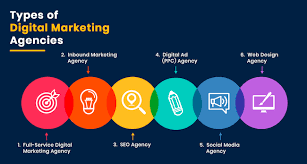
An online marketing services company helps businesses promote their products or services across digital channels. Depending on your needs, this may include search engine optimisation (SEO), paid advertising, social media marketing, email campaigns, content creation, website design and analytics.

Some companies provide a complete digital marketing service, while others specialise in particular areas. The right approach depends on your audience, budget, objectives and the resources available within your business.

Services that support your online growth

Search engine optimisation

SEO helps improve the visibility of your website in search engine results. It can involve researching relevant search terms, improving website content and structure, and addressing technical issues that affect how search engines understand your pages. SEO is usually a long-term activity: results can take time, but well-planned work can help attract people who are actively looking for what you offer.

Paid search and social advertising

Paid campaigns can put your business in front of specific audiences across search engines and social platforms. A marketing partner can help plan campaigns, choose targeting options, write adverts and monitor performance. Regular testing and optimisation can help make the most of your advertising budget.

Content marketing

Useful, relevant content can answer customers’ questions and help them make informed decisions. This might include articles, guides, videos, case studies or product pages. A content strategy connects these materials to your wider marketing goals and gives your audience a reason to return.

Social media marketing

Social media can help businesses share updates, build a community and take part in conversations with customers. The most effective approach is not necessarily to be active on every platform. It is to choose the channels that suit your audience, create content consistently and respond thoughtfully.

Email marketing

Email remains a practical way to communicate with people who have chosen to hear from your business. Campaigns may include newsletters, product updates or automated messages. Clear permissions, useful content and sensible sending frequency help keep email communications relevant.

Website design and optimisation

Your website is often a key part of the customer journey. A marketing company may help improve its design, accessibility, page speed and content, as well as make it easier for visitors to take the next step. This could mean making an enquiry, booking a service or completing a purchase.

Why work with an online marketing services company?

Working with an experienced partner can bring specialist skills and an outside perspective to your marketing. It may also help your team coordinate activity across different channels, make better use of performance data and focus on the work most likely to support your objectives.

A good company will take time to understand your business before recommending a plan. It should explain what it proposes to do, how progress will be measured and what you can realistically expect. Marketing results depend on many factors, so clear communication is important from the outset.

Choosing the right marketing partner

Before appointing a provider, consider the following:

  • Your objectives: Be clear about what you want to achieve, such as increasing enquiries, improving online sales or building awareness.
  • Relevant experience: Ask about work with businesses of a similar size, sector or level of complexity.
  • Services and approach: Check that the company’s skills match your needs and that its recommendations are tailored to your business.
  • Reporting: Find out which measures will be used and how often results will be reviewed.
  • Communication: Agree who your main contact will be, how updates will be shared and how decisions will be made.
  • Ownership and access: Confirm that you retain appropriate access to your website, advertising accounts, analytics and marketing assets.
  • Budget and terms: Make sure fees, project scope, timelines and cancellation terms are clear before work begins.

Make marketing measurable

Effective online marketing is more than publishing content or running adverts. It involves setting meaningful goals, choosing suitable channels and reviewing what happens next. Measures might include website visits, qualified enquiries, conversion rates, online sales or the cost of acquiring a customer. The right measures depend on what success means for your business.

Regular reviews help identify what is working and where adjustments may be needed. They also create an opportunity to respond to changes in customer behaviour, competition and the wider digital landscape.

Building a strategy for the long term

An online marketing services company can provide expertise, structure and practical support, but successful marketing is a partnership. The strongest results often come when a provider understands your business and customers, while your team shares its knowledge and stays involved in key decisions.

With clear goals, a considered strategy and consistent measurement, online marketing can help your business reach new audiences and create stronger connections with existing customers. The first step is to identify what you need to achieve and find a partner whose approach is transparent, collaborative and suited to your ambitions.


7 Essential Tips for Selecting an Online Marketing Services Company

  1. Define clear goals before choosing a marketing company.
  2. Check its experience in your industry.
  3. Ask for case studies and measurable results.
  4. Make sure services match your business needs.
  5. Agree on budgets, timelines and reporting.
  6. Look for clear communication and honest advice.
  7. Review performance regularly and adjust your strategy.

Define clear goals before choosing a marketing company.

Before choosing an online marketing services company, define what you want your marketing to achieve. Your goals might include increasing website enquiries, growing online sales, improving brand awareness or reaching a new audience. Clear, measurable objectives help you find a company with the right expertise, agree realistic expectations and track whether its work is delivering results.

Check its experience in your industry.

Check whether the online marketing services company has experience in your industry. A provider familiar with your market may better understand your audience, competitors and sector-specific challenges, helping it recommend relevant strategies. Ask for examples of similar work and how it measured success, while remembering that a strong approach should be tailored to your business rather than relying on a one-size-fits-all solution.

Ask for case studies and measurable results.

When choosing an online marketing services company, ask for case studies that show how it has helped businesses with goals similar to yours. Look for measurable results, such as increased qualified enquiries, higher conversion rates or improved return on advertising spend, and ask how these were tracked. Clear evidence can help you assess the company’s experience and understand what outcomes may be realistic for your business.

Make sure services match your business needs.

Before choosing an online marketing services company, identify what your business needs most. You may be looking to improve search visibility, generate more enquiries, increase online sales or strengthen your social media presence. Check that the company offers the relevant expertise and can tailor its services to your goals, audience and budget. A focused approach is often more effective than paying for a broad package that includes services you do not need.

Agree on budgets, timelines and reporting.

Agree on budgets, timelines and reporting before work begins so everyone understands what will be delivered, when it will happen and how success will be measured. Ask your online marketing services company to provide a clear breakdown of costs, set realistic milestones and explain how often you’ll receive updates. This helps avoid surprises, keeps campaigns aligned with your goals and makes it easier to see where your marketing budget is having an impact.

Look for clear communication and honest advice.

When choosing an online marketing services company, look for clear communication and honest advice. A good partner will explain its recommendations in plain English, keep you updated on progress and be open about costs, timescales and potential challenges. They should set realistic expectations rather than promise instant results, and make sure you understand how their work supports your business goals.

Review performance regularly and adjust your strategy.

Review your marketing performance regularly to understand what is working and where there is room to improve. Track useful measures, such as website visits, enquiries, conversions and campaign costs, and compare them with your business goals. An online marketing services company can help interpret the results and recommend practical changes, from refining your audience targeting to updating content or reallocating budget. Regular adjustments keep your strategy responsive to customer behaviour and changing market conditions.

top digital marketing agencies in the world

Top Digital Marketing Agencies in the World: A Guide to Choosing the Right Partner

Top Digital Marketing Agencies in the World

Choosing a digital marketing agency can help a business reach new audiences, strengthen its brand and turn online interest into measurable results. But the right partner depends on what a company needs: global campaign support, specialist expertise, creative development, or practical help with search and paid advertising.

There is no single definitive ranking of the world’s best agencies. The organisations below are among the most recognised international players, with capabilities spanning digital strategy, creative, media, technology and performance marketing.

Leading global digital marketing agencies

Accenture Song

Accenture Song combines marketing, creative services and technology consulting. It works with businesses on areas such as customer experience, digital products, brand transformation and data-led marketing. Its scale can make it a strong option for large organisations tackling complex, multi-market projects.

VML

VML is a global creative company with capabilities across brand experience, commerce, customer engagement and technology. It can suit businesses looking to connect creative campaigns with digital platforms and customer journeys across multiple regions.

Publicis Groupe

Publicis Groupe brings together creative, media, data and technology businesses, including agencies such as Digitas, Leo Burnett and Saatchi & Saatchi. Its broad network can support international campaigns, from brand strategy and media planning to digital transformation.

Omnicom

Omnicom is a major global marketing and communications group with agencies across advertising, public relations, media and digital services. Its network includes well-known creative and specialist businesses, making it a potential fit for companies seeking coordinated campaigns across markets and channels.

Dentsu

Dentsu offers marketing, media, creative and customer experience services, with a particularly strong international presence in Japan and across the Asia-Pacific region. Its mix of local market knowledge and global capabilities can be useful for brands planning growth across borders.

Havas

Havas provides services spanning advertising, media, communications and digital marketing. Its integrated approach is designed to bring different disciplines together, which may appeal to businesses looking for a connected partner rather than a collection of separate suppliers.

DEPT®

DEPT® is a digital agency working across areas such as marketing, technology, data, commerce and creative. It is known for combining digital delivery with marketing services, making it worth considering for businesses seeking support with both customer-facing campaigns and the platforms behind them.

Jellyfish

Jellyfish specialises in digital marketing, media, data and technology. Its services include search, paid media, social, creative and analytics. The agency may be a good fit for organisations seeking hands-on digital channel expertise and performance-focused support.

WPP Media

WPP Media brings together media planning, buying and related services within the wider WPP group. It can help brands plan campaigns across digital and traditional channels, using data and audience insights to guide investment in different markets.

WebFX

WebFX is a digital marketing agency known for services including search engine optimisation (SEO), pay-per-click advertising, web design and lead generation. Compared with large global networks, it can be a more focused option for businesses looking for practical, measurable support with online growth.

How to choose the right digital marketing agency

A well-known name is not automatically the right choice. Before selecting an agency, consider the following:

  • Define your goals: Be clear about whether you want more qualified leads, online sales, brand awareness, international growth or a better customer experience.
  • Match expertise to the brief: Check that the agency has relevant experience in the channels and services you need, such as SEO, paid search, social media, content or e-commerce.
  • Ask about results: Request case studies that explain the challenge, the work delivered and the outcomes achieved. Look for evidence relevant to your own sector and objectives.
  • Understand the team: Find out who will manage your account and deliver the work. A strong pitch team is less important than the people you will work with day to day.
  • Check measurement and reporting: Agree how success will be measured, how often progress will be reviewed and which metrics matter to your business.
  • Consider the working relationship: Communication, transparency and a shared understanding of your customers can be just as important as technical capability.
  • Compare scope and value: Review what is included in the fee, what may cost extra and how the agency will adapt its approach as your needs change.

Final thoughts

The top digital marketing agencies in the world offer different strengths. Global networks can provide scale and coordinated support across countries, while specialist agencies may bring deeper expertise in particular channels or industries. The best choice is the one that understands your objectives, has the right skills for the work and can show how its efforts will contribute to meaningful business results.


9 Essential Tips for Choosing the World’s Leading Digital Marketing Agencies

  1. Compare agencies’ expertise across SEO, paid media, social and content.
  2. Check independent rankings, but treat awards as only one signal.
  3. Review case studies for measurable results in your sector.
  4. Ask how the agency will tailor work to your audience and goals.
  5. Confirm who will manage your account day to day.
  6. Seek transparent pricing, reporting and contract terms.
  7. Check client references and recent reviews from multiple sources.
  8. Assess the agency’s experience in your target markets and languages.
  9. Choose a partner that shares knowledge and adapts to changing trends.

Compare agencies’ expertise across SEO, paid media, social and content.

When comparing top digital marketing agencies, look closely at their expertise across SEO, paid media, social media and content. Some agencies specialise in one or two channels, while others offer an integrated service designed to make campaigns work together. Match their strengths to your goals, and ask for relevant case studies, clear performance measures and details of the team who would handle your account.

Check independent rankings, but treat awards as only one signal.

Check independent rankings to get a sense of an agency’s reputation, expertise and performance, but look beyond its position on a list. Rankings use different criteria and may not reflect your business’s specific needs, while awards offer only one indication of quality. Consider relevant case studies, client references, industry experience and the team you would work with before making a decision.

Review case studies for measurable results in your sector.

When comparing digital marketing agencies, review case studies from businesses in your sector and look for measurable results, not just impressive creative work. Evidence such as increased qualified leads, improved conversion rates or stronger return on advertising spend can show whether an agency understands your market and can deliver outcomes relevant to your goals. Ask how those results were measured and what the agency contributed, so you can judge whether its approach is likely to work for your business.

Ask how the agency will tailor work to your audience and goals.

Ask how the agency will tailor its work to your audience and goals. A strong partner should take time to understand your customers, market and business priorities before recommending channels or tactics. Look for a clear explanation of how its approach will be adapted to reach the right people, support your objectives and measure meaningful results.

Confirm who will manage your account day to day.

Before choosing an agency, confirm who will manage your account day to day and who will carry out the work. The people presenting the proposal may not be the team you work with once the project begins, so ask about their experience, availability and responsibilities. A clear point of contact and regular communication can help keep work on track, resolve issues quickly and ensure the agency understands your business.

Seek transparent pricing, reporting and contract terms.

Seek an agency that is clear about its pricing, reporting and contract terms from the outset. Make sure you understand what the fee includes, whether there are extra costs, how often performance reports will be shared and which measures will be used to assess success. Check the contract length, notice period and any conditions for ending or changing the agreement, so you can make an informed decision and avoid surprises later.

Check client references and recent reviews from multiple sources.

Before choosing a digital marketing agency, check client references and recent reviews across several independent sources. Reviews can reveal patterns in communication, reliability and results, while speaking directly with past or current clients may give you a clearer picture of what it is like to work with the agency. Look for feedback that relates to your needs, and consider both positive and negative comments rather than relying on a single testimonial or rating.

Assess the agency’s experience in your target markets and languages.

Assess an agency’s experience in the markets and languages you want to reach. Local knowledge can help ensure campaigns reflect regional culture, customer behaviour and expectations, while native-language expertise supports clear, natural messaging. Ask for examples of work in your target markets and find out whether the agency has local teams or trusted partners who can adapt campaigns—not simply translate them.

Choose a digital marketing partner that is open about its thinking and willing to share knowledge, so your team can understand what is working and make more informed decisions. The digital landscape changes quickly, from search algorithms and social platforms to new technologies and customer habits. An effective agency keeps up with these shifts, explains which trends matter to your business and adapts its strategy when the evidence points to a better approach.

top digital marketing companies in the world

Top Digital Marketing Companies in the World: Leading Agencies to Know

Top Digital Marketing Companies in the World

Digital marketing companies help brands reach customers online through services such as search engine optimisation (SEO), paid advertising, social media, content, analytics and website development. The largest operate across multiple countries and disciplines, while specialist agencies focus on particular channels or industries.

There is no single, definitive ranking of the world’s top digital marketing companies. The right choice depends on a business’s goals, budget, location and need for specialist expertise. The organisations below are among the best-known global players, with different strengths and approaches.

Accenture Song

Accenture Song combines marketing, design, technology and consultancy. It works with organisations on customer experience, digital products, brand strategy and marketing transformation. Its scale and technology capabilities can suit larger businesses looking to connect marketing with broader digital change.

WPP

WPP is a global communications group with agencies spanning advertising, media, public relations and brand experience. Through its network, it can support international campaigns as well as services such as data-led marketing, creative production and media planning. Its breadth may be particularly useful to brands operating in several markets.

Publicis Groupe

Publicis Groupe brings together creative, media, data and technology capabilities. Its agencies help clients with areas including digital advertising, customer experience, e-commerce and marketing personalisation. The group’s range of services makes it a potential option for organisations seeking an integrated approach.

Omnicom Group

Omnicom is a global network of marketing and communications agencies. Its work spans creative advertising, media, public relations, customer relationship management and digital services. Businesses can draw on different specialist teams within the network, depending on the needs of a campaign or wider marketing programme.

Dentsu

Dentsu has a strong international presence, particularly in Japan and other parts of Asia, alongside operations in markets around the world. Its services include media, creative, customer experience and digital transformation. It may be a good fit for businesses looking to coordinate marketing across regions.

Havas

Havas offers creative, media and communications services through a connected global network. Its work includes digital campaigns, content, social media and brand strategy. The group’s integrated model is designed to bring different marketing disciplines together around a client’s business objectives.

VML

VML is a global creative company formed from the combination of VMLY&R and Wunderman Thompson. It works across brand experience, commerce, customer experience and technology, as well as creative and digital marketing. Its mix of services can support brands looking to connect storytelling with online customer journeys.

Deloitte Digital

Deloitte Digital combines creative and marketing services with consulting and technology expertise. Its projects can include customer experience design, digital platforms, marketing technology and transformation programmes. It is often suited to larger organisations with complex systems or significant operational change to manage.

AKQA

AKQA is known for work at the intersection of design, technology and brand experience. Its services include digital product design, innovation, creative campaigns and customer experiences. Brands seeking distinctive digital platforms or experiences may find its design-led approach relevant.

WebFX

WebFX is a digital marketing agency offering services such as SEO, paid search, content marketing, website development and analytics. It is a more focused agency option than the large international holding groups, and may appeal to businesses looking for a range of performance marketing services from one provider.

NP Digital

NP Digital specialises in performance marketing, with services including SEO, paid media, content and analytics. Its work is oriented towards measurable business outcomes, such as increasing qualified traffic and generating leads. As with any performance agency, businesses should agree clear targets and reporting methods before a campaign begins.

How to choose the right digital marketing company

A well-known name is not necessarily the best fit for every business. Before appointing an agency, consider:

  • Your objectives: Be clear whether you need more leads, online sales, brand awareness, improved retention or a broader digital strategy.
  • Relevant experience: Look for evidence of work with similar audiences, sectors or challenges, rather than relying on general claims.
  • Services and expertise: Check whether the agency has the specialist skills you need, such as technical SEO, paid social, e-commerce or marketing automation.
  • Measurement: Ask how performance will be tracked, which metrics matter and how often results will be reviewed.
  • Team and communication: Find out who will manage the account, who will deliver the work and how frequently you will speak with them.
  • Budget and scope: Compare proposals carefully, including what is and is not included, the expected time commitment and any additional costs.

Final thoughts

The top digital marketing companies range from global agency networks with extensive international resources to specialist firms focused on particular channels. The strongest partner is the one that understands your audience, can explain its approach clearly and can demonstrate how its work will support your business goals. Compare several options, ask for relevant case studies and agree on practical measures of success before making a decision.


Top Tips for Choosing Leading Global Digital Marketing Companies

  1. Compare global networks such as WPP, Publicis Groupe and Omnicom.
  2. Consider Accenture Song for marketing combined with digital transformation.
  3. Explore specialist firms such as VML, Dentsu and Havas.
  4. Check each company’s expertise in your industry and target markets.
  5. Review case studies for measurable results, not just awards.
  6. Ask how teams use data, AI and marketing technology.
  7. Confirm experience across the channels your customers use.
  8. Compare fees, reporting practices and contract terms.
  9. Choose a partner that communicates clearly and fits your goals.

Compare global networks such as WPP, Publicis Groupe and Omnicom.

When comparing global networks such as WPP, Publicis Groupe and Omnicom, look beyond their size and international reach. Each brings together agencies with different strengths across creative work, media planning, data, technology and customer experience, so check which team would handle your account and whether its expertise matches your goals. Ask for relevant case studies, clear reporting, named points of contact and a transparent breakdown of costs before deciding.

Consider Accenture Song for marketing combined with digital transformation.

Consider Accenture Song if your business wants to bring marketing and digital transformation together. Its combination of creative, customer-experience and technology expertise can help organisations connect brand activity with wider digital projects, such as improving online services or modernising customer journeys. Before engaging, clarify the scope, team and success measures to ensure its approach suits your goals and budget.

Explore specialist firms such as VML, Dentsu and Havas.

Explore firms such as VML, Dentsu and Havas when comparing digital marketing partners. Each has a distinct mix of creative, media and digital expertise, so look beyond the name to find the team whose experience best matches your goals, audience and markets. Ask about relevant case studies, the people who would work on your account and how success will be measured.

Check each company’s expertise in your industry and target markets.

Check each company’s experience in your industry and target markets before choosing an agency. A team familiar with your sector is more likely to understand its customers, regulations and competitive landscape, while knowledge of your target regions can help shape relevant messaging and campaigns. Ask for examples of work with similar businesses and audiences, and look for clear evidence of results—not just broad claims.

Review case studies for measurable results, not just awards.

When comparing the world’s top digital marketing companies, look beyond awards and review case studies for clear, measurable results. Strong examples explain the client’s challenge, the strategy used and the outcomes achieved, such as increased sales, qualified leads, conversion rates or organic traffic. Check that results are presented with context, including the timeframe and how success was measured, so you can judge whether the agency’s experience is relevant to your own goals.

Ask how teams use data, AI and marketing technology.

When selecting a top digital marketing company, it’s crucial to inquire about how their teams utilise data, AI, and marketing technology. Understanding their approach to these elements can provide insights into their ability to deliver innovative and effective campaigns. Data-driven strategies enable precise targeting and personalisation, ensuring that marketing efforts resonate with the intended audience. The integration of AI can enhance efficiency by automating tasks such as customer segmentation and predictive analytics, leading to more informed decision-making. Furthermore, sophisticated marketing technology platforms can streamline operations and improve campaign performance tracking. By exploring how a company leverages these tools, businesses can assess whether the agency is equipped to meet their digital marketing needs in an increasingly tech-centric landscape.

Confirm experience across the channels your customers use.

Confirm that a digital marketing company has experience across the channels your customers use, whether that’s search, social media, email, online video or paid advertising. Ask for relevant examples and find out how the agency connects these channels to create a consistent customer journey. A partner with the right mix of expertise can help you reach your audience where they are, rather than relying on tactics that may not suit your market.

Compare fees, reporting practices and contract terms.

When comparing top digital marketing companies, look beyond the headline price. Check exactly what each fee covers, whether there are extra charges and how performance will be reported, including which metrics are tracked and how often results are reviewed. Read the contract carefully for its length, renewal and cancellation terms, notice periods, and ownership of content or campaign data. Clear fees, useful reporting and flexible, transparent terms make it easier to choose an agency that suits your business.

Choose a partner that communicates clearly and fits your goals.

When choosing from the world’s leading digital marketing companies, look beyond reputation and make sure the partner understands your goals. A good agency will explain its recommendations in plain English, set clear expectations and keep you updated on progress. Choose a team whose expertise, working style and proposed measures of success fit your business, so you can build a productive partnership and track meaningful results.

digital marketing specialists

Digital Marketing Specialists: How They Help Businesses Grow Online

Digital Marketing Specialists: What They Do and How They Help Businesses Grow

In a crowded online marketplace, reaching the right people takes more than simply having a website or posting regularly on social media. Digital marketing specialists help businesses plan and deliver online activity that attracts potential customers, builds trust and supports growth.

What is a digital marketing specialist?

A digital marketing specialist uses online channels and data to promote a business, product or service. The role can cover one area of marketing, such as search engine optimisation, or combine several disciplines to create a joined-up strategy.

Depending on their experience and focus, specialists may work in-house, as part of an agency or independently. They often collaborate with business owners, designers, developers, content writers and sales teams.

What does a digital marketing specialist do?

The work typically begins with understanding a business: its goals, audience, competitors and existing marketing activity. From there, a specialist can recommend an approach and identify the channels most likely to deliver results.

Common areas of work include:

  • Search engine optimisation (SEO): Improving a website’s visibility in unpaid search results through relevant content, technical improvements and other best practices.
  • Paid advertising: Planning and managing campaigns on search engines and social media, with budgets and targeting shaped around business objectives.
  • Content marketing: Creating useful, relevant content—such as articles, guides and videos—to answer audience questions and support the customer journey.
  • Social media: Choosing suitable platforms, planning content and managing campaigns to build awareness and encourage engagement.
  • Email marketing: Developing targeted communications that nurture leads, share updates and encourage repeat business.
  • Analytics and reporting: Measuring performance, interpreting data and identifying opportunities to improve future activity.

Why work with a digital marketing specialist?

Digital marketing involves a wide range of channels, tools and techniques. A specialist can help a business make informed decisions about where to focus its time and budget. Rather than relying on guesswork, campaigns can be planned around clear objectives and reviewed using meaningful performance data.

Specialists can also bring a fresh perspective. They may spot gaps in a website, opportunities to reach a new audience or ways to make existing campaigns more effective. For smaller businesses without a dedicated marketing team, external expertise can provide access to skills that would otherwise be difficult to maintain in-house.

How to choose the right specialist

The right fit depends on a business’s goals and the support it needs. Before appointing a specialist, consider the following:

  • Relevant experience: Look for experience with similar objectives, audiences or industries, while recognising that transferable skills can be valuable too.
  • A clear process: A good specialist should explain how they assess needs, plan activity and report on progress.
  • Realistic expectations: Be cautious of guaranteed rankings or instant results. Sustainable marketing usually takes planning, testing and ongoing refinement.
  • Transparent reporting: Reports should connect activity to business goals, not just list figures without explaining what they mean.
  • Good communication: A productive working relationship depends on clear conversations, shared priorities and agreed responsibilities.

Measuring digital marketing success

Success should be measured against the purpose of a campaign. For example, a business looking to increase online sales might track enquiries, conversion rates and revenue. A campaign focused on awareness may also consider reach, relevant website visits and engagement.

Useful measurement starts with clear objectives and reliable tracking. Digital marketing specialists can help select appropriate metrics, establish a baseline and use the results to improve performance over time.

A strategic approach to online growth

Digital marketing specialists bring together strategy, channel expertise and measurement to help businesses make better use of their online presence. The most effective work is grounded in a clear understanding of the audience and business goals, with activity reviewed and adapted as results come in.

Whether a business needs support with one channel or a wider digital strategy, the right specialist can help turn online activity into a more focused and measurable part of its growth.


Top 9 FAQs About Digital Marketing Specialists: Roles, Salaries, and Specialisations

  1. What is a digital marketing specialists?
  2. Is digital marketing specialist a good job?
  3. What is the highest salary of digital marketer?
  4. What do digital marketing specialists make?
  5. What are the job responsibilities of a digital marketing specialist?
  6. What are the 3 types of digital marketing?
  7. What is the role of a digital specialist?
  8. How much does a digital marketing specialist earn?
  9. Which digital marketing Specialisation is best?

What is a digital marketing specialists?

A digital marketing specialist is a professional who helps businesses promote their products or services online. They may focus on areas such as search engine optimisation (SEO), paid advertising, social media, email marketing or content creation. By planning campaigns and analysing their performance, they help businesses reach the right audiences and work towards measurable goals.

Is digital marketing specialist a good job?

Yes, becoming a digital marketing specialist can be a rewarding career for people who enjoy combining creativity, communication and data. The work offers opportunities to develop expertise in areas such as SEO, paid advertising, content and social media, and digital skills are needed across many industries. The role can also change quickly as platforms and technology evolve, so curiosity and a willingness to keep learning are important. As with any career, whether it is a good fit depends on your interests, strengths and preferred way of working.

What is the highest salary of digital marketer?

There is no fixed maximum salary for a digital marketer, as pay varies by experience, specialism, location and employer. In the UK, experienced specialists and heads of digital marketing may earn around £60,000–£90,000 a year, while senior directors or highly sought-after consultants can earn £100,000 or more. Salaries are often higher in London and for roles involving areas such as performance marketing, analytics or strategy.

What do digital marketing specialists make?

In the UK, digital marketing specialists typically earn around £25,000–£40,000 a year, with salaries varying according to experience, location, industry and area of expertise. Senior specialists and those with in-demand skills, such as paid search, SEO or marketing analytics, may earn more, while freelance earnings depend on rates, workload and client demand. These figures are indicative rather than guaranteed, so it’s worth checking current vacancies for your location and specialism.

What are the job responsibilities of a digital marketing specialist?

A digital marketing specialist plans, delivers and evaluates online marketing activity to help a business reach its goals. Responsibilities may include researching audiences and competitors, managing SEO and paid advertising, creating or coordinating content, overseeing social media and email campaigns, and maintaining website performance. They also track results using analytics, prepare reports and recommend improvements to make campaigns more effective. The exact duties vary depending on the organisation, the specialist’s area of expertise and the size of the marketing team.

What are the 3 types of digital marketing?

There are many ways to group digital marketing, but a useful framework is **owned, earned and paid media**. Owned media includes channels a business controls, such as its website, blog and email list. Earned media is exposure gained through others, including customer reviews, press coverage and organic social shares. Paid media involves paying to reach an audience, for example through search adverts, sponsored social posts or display advertising. A strong digital marketing strategy often combines all three.

What is the role of a digital specialist?

A digital marketing specialist helps businesses reach their audiences and achieve their goals online. Their role may include planning and managing activity across channels such as search engines, social media, email and websites. They analyse audience behaviour and campaign results, then use those insights to improve performance, attract potential customers and support business growth. The exact responsibilities vary depending on the specialist’s expertise and the needs of the business.

How much does a digital marketing specialist earn?

In the UK, a digital marketing specialist typically earns around £25,000–£40,000 a year, although salaries vary by experience, location, industry and area of expertise. Entry-level roles may start at roughly £22,000–£28,000, while experienced specialists or those with in-demand skills, such as SEO, paid media or analytics, may earn £45,000 or more. Freelancers and consultants often charge a day rate instead, which depends on their experience and the scope of the work. These figures are indicative, and individual vacancies may differ.

Which digital marketing Specialisation is best?

There’s no single “best” digital marketing specialisation—it depends on your interests, strengths and career goals. SEO suits people who enjoy research and long-term growth, while paid advertising (PPC) may appeal if you like working with budgets, testing and performance data. Content marketing is a good fit for strong writers and storytellers; social media focuses on building communities and engagement; and analytics suits those who enjoy interpreting data. Consider which skills you enjoy using and where businesses need support, then build expertise in one area while developing a broad understanding of digital marketing.

web marketing company

How to Choose the Right Web Marketing Company for Your Business

What Does a Web Marketing Company Do?

A web marketing company helps businesses attract, engage and convert customers online. It can bring together digital strategy, creative work and performance analysis to help a business reach the right people and make better use of its online presence.

Whether you run a local shop, a growing service business or a national brand, the right approach depends on your goals, audience and budget. Understanding what a web marketing company can offer is a useful first step towards deciding which support your business needs.

Services offered by a web marketing company

Web marketing covers a range of activities. Some companies provide a complete service, while others specialise in particular channels. Common services include:

  • Search engine optimisation (SEO): Improving a website’s content, structure and technical performance so it can appear more prominently in relevant search results.
  • Paid advertising: Planning and managing campaigns on search engines, social media and other advertising platforms.
  • Content marketing: Creating useful articles, guides, videos and other content that answers customers’ questions and builds trust.
  • Social media marketing: Developing a suitable presence on social platforms and publishing content that supports business objectives.
  • Website design and development: Building or improving websites so they are clear, accessible and easy to use across different devices.
  • Email marketing: Creating relevant campaigns to inform subscribers, nurture prospects and encourage repeat business.
  • Analytics and reporting: Measuring activity and outcomes to understand what is working and where improvements may be needed.

Why work with a web marketing company?

Online marketing involves more than simply posting on social media or launching an advert. A coordinated strategy can help ensure that different channels support the same business goals. For example, useful website content can support SEO, provide material for social posts and help answer questions from potential customers.

A web marketing company may also bring specialist knowledge and tools that a business does not have in-house. This can save time and make it easier to plan, deliver and assess campaigns. The value depends on the quality of the work, the clarity of the strategy and how closely it is aligned with the business’s needs.

How to choose the right company

Before contacting potential partners, think about what you want to achieve. You might be looking to increase qualified enquiries, improve online sales, build awareness or make your website easier to use. Clear objectives make it easier to compare proposals and judge progress.

When evaluating a web marketing company, consider the following:

  • Relevant experience: Ask about work with businesses facing similar challenges. Look for clear examples rather than broad promises.
  • A considered strategy: A suitable partner should ask about your audience, offering and goals before recommending channels or tactics.
  • Transparent reporting: Find out what will be measured, how often results will be shared and what the figures mean for your business.
  • Clear communication: Agree who your main contact will be, how decisions will be made and how frequently you will speak.
  • Realistic expectations: Be cautious of guarantees about rankings, sales or results. Digital marketing outcomes depend on many factors and often take time.
  • Clear costs and ownership: Check what is included in the fee, how long the agreement lasts and who owns your website, data and advertising accounts.

Measuring success

Success should be measured against your objectives, not just the number of clicks or social media followers. Depending on the campaign, useful measures might include relevant website visits, enquiries, sales, conversion rates or the cost of gaining a new customer.

It is also important to consider the quality of results. A campaign that brings in fewer visitors may still be valuable if those visitors are more likely to become customers. Regular reviews can help a business and its marketing partner learn what is effective and adjust the plan accordingly.

Building a productive partnership

The strongest relationships are collaborative. A web marketing company brings digital expertise, while you bring detailed knowledge of your business, customers and industry. Sharing accurate information, agreeing priorities and providing timely feedback can help the work stay relevant and focused.

Choosing a web marketing company is not simply a matter of finding the longest list of services. It is about finding a partner who understands your objectives, communicates clearly and can explain how its work supports your business. With a well-planned approach and realistic measures of progress, online marketing can become a valuable part of long-term business growth.


8 Essential Tips for Building a Successful Web Marketing Company

  1. Define a clear niche and target audience.
  2. Build a fast, mobile-friendly website.
  3. Showcase results with concise case studies.
  4. Use SEO to attract relevant visitors.
  5. Create useful, engaging content regularly.
  6. Track leads and conversions carefully.
  7. Set clear goals and report progress.
  8. Keep client communication prompt and transparent.

Define a clear niche and target audience.

A web marketing company is more effective when it has a clearly defined niche and target audience. By focusing on a particular industry, type of business or marketing challenge, it can develop deeper expertise and offer services that better match clients’ needs. Understanding the ideal audience—including its goals, challenges and customers—also helps the company create more relevant campaigns, communicate its value clearly and stand out in a competitive market.

Build a fast, mobile-friendly website.

A fast, mobile-friendly website helps visitors find what they need without frustration, whether they’re browsing on a phone, tablet or computer. Make sure pages load quickly, text is easy to read and buttons are simple to tap. A smooth mobile experience can encourage people to stay longer, get in touch or make a purchase, while also supporting your visibility in search results. Regularly test your website on different devices and improve any pages that feel slow or difficult to use.

Showcase results with concise case studies.

Showcase your impact with concise case studies that explain the client’s challenge, the work you carried out and the results achieved. Include specific, relevant measures—such as increased enquiries, improved conversion rates or stronger search visibility—and add a brief client quote where possible. Clear evidence helps potential customers understand the value of your services and builds confidence in your web marketing company.

Use SEO to attract relevant visitors.

Use SEO to attract relevant visitors by making your website easy for search engines and people to understand. Research the phrases your potential customers use, then create useful, well-structured content that answers their questions and reflects your services. A web marketing company can also improve technical elements such as page speed, mobile usability and site structure. Focus on attracting visitors who are genuinely looking for what your business offers, rather than chasing traffic for its own sake.

Create useful, engaging content regularly.

Create useful, engaging content regularly to give your audience a reason to return to your website and interact with your business. Share clear, relevant information that answers customers’ questions, solves common problems or offers a fresh perspective. A web marketing company can help plan a consistent schedule and adapt content for channels such as your website, email and social media. Focus on quality and usefulness rather than publishing for the sake of it, and review performance to learn what resonates with your audience.

Track leads and conversions carefully.

Track leads and conversions carefully to understand which parts of your web marketing are bringing genuine business results. Record key actions such as enquiries, bookings, purchases and newsletter sign-ups, and note which channels or campaigns led to them. Reviewing this information regularly can help your web marketing company identify what is working, improve underperforming activity and focus your budget on the approaches most likely to deliver value.

Set clear goals and report progress.

Set clear goals with your web marketing company from the outset, such as increasing qualified enquiries, growing online sales or improving website engagement. Agree how progress will be measured and how often results will be reviewed. Regular, straightforward reporting helps you see what is working, identify areas that need attention and make informed decisions about the next steps.

Keep client communication prompt and transparent.

Keep client communication prompt and transparent by responding to enquiries in a timely manner, sharing clear updates and being honest about progress, costs and any challenges. Regular, straightforward communication helps clients understand what is happening, make informed decisions and feel confident that their marketing is in good hands.

cim digital marketing

CIM Digital Marketing: Skills, Qualifications and Career Opportunities

CIM and Digital Marketing: Building Skills for a Changing Industry

Digital marketing has become an essential part of how organisations attract customers, build relationships and grow. From search engines and social media to email, content and paid advertising, businesses need people who can bring digital channels together and use them effectively. The Chartered Institute of Marketing (CIM) offers professional learning and qualifications to help marketers develop the knowledge and skills to meet that challenge.

What is CIM?

The Chartered Institute of Marketing is a professional body for marketers. It provides training, qualifications, resources and opportunities for professional development. Its courses are designed for people at different stages of their careers, from those starting out to experienced marketers looking to strengthen their strategic capabilities.

CIM’s digital marketing learning covers the principles and practices behind online marketing. Depending on the course and level, this may include planning digital activity, understanding audiences, creating content, using data and evaluating campaign performance.

What does digital marketing involve?

Digital marketing is the promotion of products, services or organisations through online channels. It can include:

  • Search engine optimisation (SEO): improving a website’s visibility in organic search results.
  • Paid search and digital advertising: reaching audiences through paid placements across search engines, websites and platforms.
  • Social media marketing: using social platforms to share content, engage audiences and support business goals.
  • Content marketing: creating useful and relevant material to inform, attract or retain customers.
  • Email marketing: communicating with subscribers and customers through targeted email campaigns.
  • Analytics and measurement: assessing results to understand what is working and where activity could improve.

These channels are most effective when they support a clear strategy. That means understanding the audience, setting measurable objectives, choosing suitable channels and reviewing performance regularly.

Why study digital marketing with CIM?

A structured course can help learners build a broad understanding of digital marketing rather than focusing on a single platform or tactic. CIM study may be useful for people who want to:

  • develop practical marketing knowledge;
  • understand how digital channels contribute to wider business objectives;
  • improve their ability to plan and evaluate campaigns;
  • strengthen their professional credentials; or
  • prepare for a move into a marketing role or a new area of responsibility.

Courses and qualification requirements can change, so prospective learners should check the current CIM website for details of available programmes, entry criteria, assessment methods and approved study options.

Skills that matter in digital marketing

Digital tools and platforms change frequently, but several underlying skills remain valuable. Marketers need to communicate clearly, think critically and understand how customer needs shape decisions. They also benefit from being comfortable with data, able to test ideas and willing to adapt when results or circumstances change.

Strategic thinking is especially important. A strong campaign is not simply a collection of posts or adverts; it has a defined purpose and fits the organisation’s wider marketing activity. Marketers should be able to explain what success looks like, choose appropriate measures and use the findings to make informed improvements.

Choosing the right learning path

The best route depends on your experience, career goals and preferred way of learning. Before enrolling, consider your current knowledge, the time you can commit and the areas you want to develop. Compare course content and assessment formats, and check whether the programme suits your role or intended career direction.

It is also worth considering how you will apply what you learn. Practical projects, workplace experience and regular reflection can help turn course concepts into useful skills. Digital marketing changes quickly, so ongoing learning is often just as important as gaining a qualification.

Conclusion

CIM digital marketing study can provide a structured way to develop marketing knowledge and build confidence across online channels. For aspiring and established marketers alike, the value comes from combining recognised learning with practical experience, curiosity and a commitment to measuring results. In a fast-moving industry, those foundations can help professionals make more informed decisions and create digital activity that supports real business objectives.


Understanding CIM Digital Marketing: Answers to 8 Common Questions

  1. Is CIM Level 6 a degree?
  2. Is CIM digital marketing worth it?
  3. Is CIM equivalent to a degree?
  4. What is CIM qualification?
  5. How much does a CIM course cost?
  6. What is CIM qualification equivalent to?
  7. What is CIM marketing qualification?
  8. Is CIM hard to pass?

Is CIM Level 6 a degree?

No. A CIM Level 6 qualification is not a university degree, but it is set at the same level as a bachelor’s degree on the UK qualifications framework. It provides advanced professional marketing knowledge and may support career progression, but it does not award a bachelor’s degree. Check the specific qualification and its recognition with CIM or the relevant education provider.

Is CIM digital marketing worth it?

CIM digital marketing qualifications can be worthwhile if you want structured learning, a recognised professional credential and a stronger understanding of how digital channels support wider marketing objectives. They may be particularly useful for people starting a marketing career or looking to build on practical experience. The value depends on your goals, budget and preferred way of learning, so compare the course content, costs and assessment requirements with other options before enrolling. A qualification can strengthen your knowledge, but practical experience and keeping up with changes in the digital industry remain important.

Is CIM equivalent to a degree?

CIM qualifications are professional marketing qualifications, not university degrees, so they are not generally considered equivalent to a bachelor’s degree. Some awards may be positioned at a comparable level within a qualifications framework, but that does not make them the same qualification or guarantee they will meet a university or employer’s degree requirements. Check the specific CIM award and the criteria of the organisation you are applying to.

What is CIM qualification?

A CIM qualification is a professional marketing qualification awarded by the Chartered Institute of Marketing (CIM). It helps learners develop practical knowledge and skills in areas such as marketing strategy, planning and digital marketing. Qualifications are available at different levels, so the right option depends on your experience and career goals; course content, entry requirements and assessments vary by programme.

How much does a CIM course cost?

The cost of a CIM course varies depending on the qualification, study centre and learning format. You may also need to budget for registration, assessment and membership fees, which may be charged separately, as well as VAT where applicable. Check the latest fees with CIM or an approved study centre, and ask whether payment plans or funding options are available.

What is CIM qualification equivalent to?

A CIM qualification’s equivalent depends on its level. In the UK, CIM qualifications are mapped to the Regulated Qualifications Framework (RQF): for example, Level 4 is broadly comparable in level to the first year of undergraduate study, while Level 6 is at bachelor’s-degree level and Level 7 is at postgraduate level. This describes the level of learning, not an automatic equivalence to a university degree or the same subject-specific credits. Check the details of the particular CIM qualification with CIM or the relevant awarding body.

What is CIM marketing qualification?

A CIM marketing qualification is a professional qualification awarded by the Chartered Institute of Marketing, designed to develop practical marketing knowledge and skills. CIM offers programmes at different levels, from introductory study to advanced qualifications, covering areas such as marketing strategy, customer insight, planning and digital marketing. The right option depends on your experience and career goals, so check CIM’s current course details for entry requirements, assessments and available study routes.

Is CIM hard to pass?

CIM can be challenging, but it is achievable with consistent preparation. The difficulty depends on your experience, the qualification and its assessment format, which may include assignments, case studies or exams. Make sure you understand the syllabus and assessment criteria, set aside regular study time and practise applying marketing concepts to real business situations. With a clear plan and steady effort, many learners find the workload manageable.

How an Internet Marketing Specialist Can Help Your Business Grow

What Does an Internet Marketing Specialist Do?

An internet marketing specialist helps businesses attract, engage and convert customers online. They plan and manage digital campaigns, use data to measure performance and identify ways to improve results. Depending on a business’s goals, their work may cover search engines, social media, email, paid advertising and website content.

The role of an internet marketing specialist

Internet marketing brings together several channels and disciplines. A specialist may focus on one area, such as search engine optimisation (SEO), or coordinate activity across a broader digital strategy. Their role is to connect the right message with the right audience, then use evidence to understand what is working.

Typical responsibilities include:

  • Researching audiences, competitors and relevant search terms
  • Planning and managing digital marketing campaigns
  • Improving website content and user journeys
  • Creating or coordinating email and social media activity
  • Managing paid search and social advertising
  • Monitoring website traffic, leads, sales and other key metrics
  • Reporting results and recommending improvements

Key areas of internet marketing

Search engine optimisation

SEO aims to improve a website’s visibility in organic search results. This can involve researching keywords, improving page content, addressing technical issues and earning relevant links from other websites. SEO is a long-term activity: results often take time and depend on the competitiveness of a market.

Paid advertising

Paid campaigns can help a business reach potential customers through search engines, social media and other digital platforms. An internet marketing specialist may select audiences, write adverts, manage budgets and test different approaches. Regular monitoring helps keep campaigns relevant and makes it easier to see whether advertising is delivering value.

Content and social media

Useful content can answer customers’ questions, explain a service and build trust. Specialists may plan articles, landing pages, videos or social posts as part of a wider content strategy. The best format and channel depend on the audience and the purpose of the campaign.

Email marketing

Email can help businesses nurture relationships with existing and prospective customers. Campaigns might include newsletters, service updates or automated messages. Good practice includes sending relevant content, respecting consent and providing a clear way to unsubscribe.

Why businesses work with an internet marketing specialist

Online marketing channels change quickly, and it can be difficult for businesses to keep up while managing day-to-day operations. A specialist can bring focused knowledge, help prioritise activity and make better use of available time and budget.

They can also help ensure that different channels support the same business objectives. For example, a search campaign, a landing page and a follow-up email should work together to make the customer journey clear and consistent.

How to choose the right specialist

Look for someone who takes time to understand your business, customers and goals before recommending tactics. A good specialist should be able to explain their approach in plain language, describe how progress will be measured and set realistic expectations.

When comparing providers, consider:

  • Relevant experience: Have they worked with similar businesses or challenges?
  • Clear objectives: Can they connect their proposed activity to measurable business goals?
  • Transparent reporting: Will you understand what has been done and what the results mean?
  • Ethical practice: Do they follow platform rules and respect privacy and marketing permissions?
  • Communication: Are they responsive and clear about responsibilities, costs and timelines?

Measuring success

Success should be measured against the purpose of the campaign. Website visits may matter for an awareness campaign, while enquiries, bookings or sales may be more important for a conversion-focused one. Useful measures can include conversion rate, cost per lead, return on advertising spend and repeat customer activity.

Numbers need context. A rise in traffic is not necessarily valuable if visitors are not relevant, and a campaign may need time to produce meaningful results. Regular analysis helps a specialist understand performance and make informed adjustments.

Building a stronger online presence

An internet marketing specialist can help a business make its online activity more focused, consistent and measurable. The strongest results usually come from a clear strategy, a good understanding of customers and ongoing testing rather than a one-off campaign. With the right expertise and realistic objectives, digital marketing can become a practical part of sustainable business growth.


9 Essential Tips for Excelling as an Internet Marketing Specialist

  1. Understand your target audience.
  2. Set clear, measurable goals.
  3. Build strong SEO skills.
  4. Create useful, engaging content.
  5. Use analytics to guide decisions.
  6. Test campaigns regularly.
  7. Keep up with platform changes.
  8. Respect privacy and data laws.
  9. Communicate results clearly.

Understand your target audience.

Understanding your target audience is essential for an internet marketing specialist. Research who your customers are, what they need and how they make decisions, then use those insights to shape your messaging, content and choice of channels. The more relevant your marketing feels to the people you want to reach, the more likely it is to earn their attention and encourage them to take action.

Set clear, measurable goals.

Set clear, measurable goals before launching an internet marketing campaign so you can judge whether it is delivering results. Rather than aiming to “get more traffic”, set a specific target, such as increasing relevant website visits by 15% over three months or generating 20 qualified enquiries each month. Clear goals help an internet marketing specialist choose the right channels, allocate your budget effectively and track progress, while giving you a sound basis for refining the strategy.

Build strong SEO skills.

Building strong SEO skills is essential for an internet marketing specialist. A solid understanding of keyword research, on-page optimisation, technical SEO and link building can help improve a website’s visibility in search results and attract more relevant visitors. SEO is constantly evolving, so keep up with search engine updates, practise analysing performance data and focus on creating useful content that meets people’s needs.

Create useful, engaging content.

An internet marketing specialist should create useful, engaging content that answers customers’ questions and gives them a reason to spend time with your business. Focus on what your audience needs, whether that’s practical advice, clear explanations or helpful product information, and present it in an appealing format. Relevant, well-written content can build trust, encourage people to explore your website and support your wider marketing goals.

Use analytics to guide decisions.

Use analytics to guide decisions by regularly reviewing how people find and use your website, which campaigns generate enquiries or sales, and where potential customers drop off. Focus on metrics that relate to your business goals, rather than traffic alone, and use the insights to refine your content, targeting and budget. Testing changes over time helps an internet marketing specialist understand what works and make more informed, effective decisions.

Test campaigns regularly.

Test your internet marketing campaigns regularly to find out what resonates with your audience and what could work better. Try different headlines, images, calls to action or audience segments, changing one element at a time where possible. Track the results against clear goals, such as enquiries or sales, and use what you learn to refine future campaigns. Regular testing helps you make informed decisions and get more from your marketing budget.

Keep up with platform changes.

Keep up with platform changes to make sure your internet marketing strategies remain effective. Search engines and social media platforms regularly update their algorithms, tools and advertising policies, which can affect how your content reaches people. Follow official announcements and trusted industry sources, then review your campaigns and analytics to see whether any adjustments are needed.

Respect privacy and data laws.

An internet marketing specialist should respect privacy and data protection laws at every stage of a campaign. This means collecting only the information a business genuinely needs, explaining clearly how it will be used, storing it securely and obtaining valid consent where required—for example, before sending marketing emails or using non-essential cookies. Following UK GDPR and PECR requirements helps protect customers, build trust and reduce the risk of complaints or penalties.

Communicate results clearly.

An internet marketing specialist should communicate results clearly, using straightforward language and focusing on the measures that matter to the business. Explain what the data shows, how campaign activity contributed to the results and where there is room to improve. Clear, regular updates help clients understand the value of their investment and make informed decisions about what to do next.

full service digital agency

How a Full Service Digital Agency Can Help Your Business Grow

What Is a Full-Service Digital Agency?

A full-service digital agency helps businesses plan, create and improve their presence online. Rather than coordinating several specialist suppliers, a business can work with one team across services such as website design, digital marketing, content creation and analytics.

The exact mix of services varies from agency to agency. The aim, however, is usually the same: to bring different parts of a digital strategy together so they support shared business goals.

What services can a full-service digital agency provide?

A full-service agency may offer a combination of the following:

  • Strategy: Researching audiences, competitors and opportunities, then setting priorities and measurable objectives.
  • Website design and development: Planning and building websites that are clear, accessible and effective across devices.
  • Search engine optimisation (SEO): Improving a website’s visibility in organic search through technical improvements, useful content and relevant optimisation.
  • Paid media: Planning and managing advertising across search engines, social platforms and other digital channels.
  • Social media: Developing channel plans, creating content and supporting conversations with audiences.
  • Content and creative: Producing copy, photography, video, design and other assets that communicate a brand’s message.
  • Email marketing: Creating campaigns and automated communications to engage customers and support retention.
  • Analytics and reporting: Measuring performance and using the findings to guide improvements.

Why choose a full-service agency?

Working with one agency can make it easier to keep activity aligned. For example, insights from a paid campaign can inform website content, while SEO research can help shape the structure of a new site. When teams share information and work towards the same objectives, each part of a campaign can contribute to the bigger picture.

A single point of contact can also simplify communication and project management. Instead of briefing several separate suppliers, a business may be able to coordinate its work through one account or project team.

Full-service support can be useful for businesses that need help across several channels but do not have the time or in-house expertise to manage every specialism themselves. It can also provide access to a broader range of skills as needs change.

What to look for in an agency

“Full service” can mean different things, so it is worth looking beyond the label. Before choosing an agency, consider:

  • Relevant experience: Does the agency understand your sector, audience or type of challenge?
  • A clear approach: Can it explain how it will understand your goals, recommend activity and measure progress?
  • Joined-up thinking: Do its specialists collaborate, or are services delivered in separate silos?
  • Transparent reporting: Will you be able to see what work has been done and how results are measured?
  • Good communication: Are responsibilities, timings, costs and points of contact clearly explained?
  • The right fit: Does the agency’s working style suit your team and the level of support you need?

Ask for examples of relevant work and find out how success was evaluated. A credible agency should be willing to discuss both its methods and the limitations of what digital activity can achieve.

Is a full-service digital agency right for your business?

The right choice depends on your goals and resources. A business with a small, well-defined requirement may be better served by a specialist agency. If you need connected support across your website, marketing and content, a full-service team may offer a more coordinated approach.

Before starting a conversation, identify the outcomes you want to achieve, the audiences you need to reach and any constraints around budget or timing. This gives an agency a useful starting point and helps you judge whether its recommendations are practical and relevant.

Bringing digital activity together

A full-service digital agency can help businesses make their online activity more coherent, from the first strategic decisions to ongoing optimisation. The value lies not simply in having many services under one roof, but in making those services work together towards clear objectives.

With the right goals, communication and measurement in place, an agency partnership can give a business the expertise and support to build a stronger digital presence over time.


Understanding Full-Service Digital Agencies: Key Questions and Answers for UK Businesses

  1. What is a full-service digital agency?
  2. What services does a full-service digital agency offer?
  3. How can a full-service digital agency help my business grow?
  4. How much does it cost to hire a full-service digital agency in the UK?
  5. What are the benefits of using a full-service digital agency instead of several specialists?
  6. How do I choose the right full-service digital agency for my business?
  7. How long does it take to see results from working with a digital agency?
  8. How does a full-service digital agency measure campaign success?
  9. Can a full-service digital agency work with my in-house marketing team?

What is a full-service digital agency?

A full-service digital agency provides a range of online services under one roof, helping businesses plan, build and improve their digital presence. Depending on the agency, this may include strategy, website design and development, SEO, paid advertising, social media, content creation and analytics. By bringing these skills together, an agency can help ensure each part of a business’s digital activity works towards shared goals.

What services does a full-service digital agency offer?

A full-service digital agency can support a business across a range of online activities, including digital strategy, website design and development, search engine optimisation (SEO), paid advertising, social media, content creation, email marketing and performance analytics. The services available vary between agencies, so it’s worth checking that their expertise matches your goals and that they can bring the different channels together into a clear, joined-up plan.

How can a full-service digital agency help my business grow?

A full-service digital agency can help your business grow by bringing strategy, website design, SEO, paid advertising, social media and content together around your goals. It can identify opportunities to reach the right audience, improve your online experience and turn more visitors into customers. By tracking results across channels and refining activity over time, the agency can help you make informed decisions and focus your budget on what works.

How much does it cost to hire a full-service digital agency in the UK?

The cost of hiring a full-service digital agency in the UK varies depending on the work involved, the agency’s experience and the level of ongoing support you need. A one-off project, such as a website build, may be priced separately, while ongoing services such as SEO, paid advertising and content marketing are often charged as a monthly retainer. Ask for a clear breakdown of fees, deliverables and any third-party costs, and compare proposals based on the value and expertise offered—not price alone.

What are the benefits of using a full-service digital agency instead of several specialists?

Using a full-service digital agency means one team can coordinate your strategy, website and marketing, helping each part work towards the same goals. This can simplify communication, reduce the time spent managing multiple suppliers and make it easier to track performance across channels. You also benefit from a broader mix of expertise under one roof, while avoiding the gaps or duplication that can arise when separate specialists work in isolation.

How do I choose the right full-service digital agency for my business?

To choose the right full-service digital agency, start by defining your business goals, target audience and the support you need. Look for an agency with relevant experience, a clear process and a portfolio that demonstrates the quality of its work. Ask how its specialists collaborate, how it measures results, and what reporting and communication you can expect. Compare proposals carefully, including scope, fees and timings, and choose a team that listens, explains its recommendations clearly and feels like a good fit for your business.

How long does it take to see results from working with a digital agency?

The time it takes to see results depends on your goals, starting point and the services involved. Paid advertising and website improvements may generate early signs of progress, while SEO, brand awareness and sustained audience growth usually take longer. A digital agency should agree clear objectives and milestones with you, report on performance regularly and adjust its approach as the data comes in.

How does a full-service digital agency measure campaign success?

A full-service digital agency measures campaign success against the goals agreed at the outset, using relevant metrics such as website traffic, search visibility, engagement, leads, sales and return on investment. It tracks performance across channels, analyses the results and shares clear reports explaining what is working and where improvements may be needed. The measures used will depend on the campaign: for example, a brand awareness campaign may focus on reach, while a lead-generation campaign may prioritise qualified enquiries and their cost.

Can a full-service digital agency work with my in-house marketing team?

Yes. A full-service digital agency can work alongside your in-house marketing team, providing specialist skills, extra capacity or support for specific projects. The agency can take responsibility for agreed areas of work while your team leads overall strategy, or both teams can collaborate across planning, delivery and reporting. Clear roles, regular communication and shared goals help ensure everyone is working in the same direction.

online marketing strategist

Crafting Success: The Essential Role of an Online Marketing Strategist

The Role of an Online Marketing Strategist in Today’s Digital Landscape

In the fast-paced world of digital marketing, the role of an online marketing strategist is more crucial than ever. As businesses strive to reach and engage with their target audiences in the online realm, the expertise and guidance of a skilled strategist can make all the difference in achieving success.

What Does an Online Marketing Strategist Do?

An online marketing strategist is responsible for developing and implementing comprehensive digital marketing strategies to help businesses achieve their goals. This involves a deep understanding of various online channels, such as social media, search engine optimisation (SEO), pay-per-click advertising, email marketing, and content creation.

By conducting market research, analysing data, and staying abreast of industry trends, an online marketing strategist can identify opportunities for growth and devise tailored strategies to maximise a business’s online presence and visibility.

The Importance of Strategy in Digital Marketing

Effective digital marketing is not just about posting content or running ads; it requires a strategic approach that aligns with a business’s objectives and target audience. An online marketing strategist plays a key role in creating cohesive and results-driven campaigns that resonate with customers and drive conversions.

Furthermore, in today’s competitive digital landscape, having a well-defined strategy is essential for standing out from the crowd and making a meaningful impact. An online marketing strategist can help businesses differentiate themselves through innovative tactics and compelling storytelling that captivates audiences.

Driving Business Growth Through Strategic Marketing

Ultimately, the goal of an online marketing strategist is to drive business growth by leveraging the power of digital channels effectively. Whether it’s increasing brand awareness, generating leads, or boosting sales, a well-crafted digital strategy can pave the way for success in today’s interconnected world.

By continuously evaluating performance metrics, refining strategies based on insights, and adapting to changing market dynamics, an online marketing strategist ensures that businesses stay ahead of the curve and remain relevant in the eyes of their target audience.

In Conclusion

In conclusion, the role of an online marketing strategist is indispensable for businesses looking to thrive in the digital age. By combining creativity with data-driven insights and strategic thinking, these professionals help businesses navigate the complexities of online marketing and achieve tangible results that propel them towards success.


Mastering Online Marketing: 6 Essential Tips for Strategic Success

  1. Understand your target audience and their preferences.
  2. Stay updated with the latest trends in digital marketing.
  3. Create a strong online presence through various channels.
  4. Set clear and measurable goals for your online marketing campaigns.
  5. Analyse data regularly to track the performance of your strategies.
  6. Engage with your audience through interactive content and social media.

Understand your target audience and their preferences.

To excel as an online marketing strategist, it is essential to thoroughly understand your target audience and their preferences. By delving into the demographics, behaviours, and interests of your audience, you can tailor your marketing efforts to resonate with them effectively. This insight allows you to craft compelling messages, choose the right channels for engagement, and deliver content that truly speaks to the needs and desires of your audience. Ultimately, by putting your audience at the centre of your strategy, you can build stronger connections, drive engagement, and achieve meaningful results in the competitive digital landscape.

To excel as an online marketing strategist, it is imperative to stay updated with the latest trends in digital marketing. The digital landscape is constantly evolving, with new technologies, platforms, and consumer behaviours shaping the way businesses engage with their audiences online. By keeping abreast of emerging trends and best practices, a marketing strategist can adapt their strategies to remain relevant and effective in reaching and resonating with target audiences. Continuous learning and staying ahead of the curve are key to success in navigating the dynamic world of digital marketing.

Create a strong online presence through various channels.

To maximise the impact of your digital marketing efforts, it is essential for an online marketing strategist to create a robust online presence across multiple channels. By strategically utilising platforms such as social media, search engines, email marketing, and content creation, businesses can effectively reach and engage with their target audience. A strong online presence not only enhances brand visibility but also builds credibility and trust among customers. Through cohesive and consistent messaging across different channels, an online marketing strategist can establish a compelling digital footprint that resonates with audiences and drives business growth.

Set clear and measurable goals for your online marketing campaigns.

Setting clear and measurable goals for your online marketing campaigns is essential for success in the digital landscape. By defining specific objectives, such as increasing website traffic, generating leads, or improving conversion rates, you create a roadmap that guides your marketing efforts and allows you to track progress effectively. Clear goals provide focus and direction, enabling you to allocate resources efficiently and make data-driven decisions to optimise campaign performance. With measurable goals in place, you can assess the effectiveness of your strategies, identify areas for improvement, and ultimately achieve meaningful results that align with your business objectives.

Analyse data regularly to track the performance of your strategies.

Regularly analysing data is a crucial tip for online marketing strategists to track the effectiveness of their strategies. By monitoring key performance metrics and interpreting data insights, strategists can gain valuable information about the impact of their campaigns, identify areas for improvement, and make informed decisions to optimise future marketing efforts. Data analysis not only provides valuable feedback on strategy performance but also helps in adjusting tactics in real-time to ensure maximum ROI and success in the ever-evolving digital landscape.

Engage with your audience through interactive content and social media.

To maximise the impact of your online marketing strategy, it is essential to engage with your audience through interactive content and social media. By creating compelling and interactive posts, such as polls, quizzes, or live videos, you can foster a sense of connection and dialogue with your followers. Social media platforms offer a dynamic space to interact with your audience in real-time, gather feedback, and build relationships that strengthen brand loyalty. Embracing interactive content and engaging with your audience on social media not only enhances the overall user experience but also helps to drive meaningful interactions and conversions for your business.

top content marketing agencies

Elevate Your Brand with the Top Content Marketing Agencies in the UK

Top Content Marketing Agencies

The Best Content Marketing Agencies to Elevate Your Brand

Content marketing has become a crucial aspect of digital strategy for businesses looking to engage their audience and drive growth. As the demand for high-quality content continues to rise, the role of content marketing agencies has become increasingly important. These agencies bring expertise, creativity, and strategic thinking to help brands stand out in a crowded online landscape. Here are some of the top content marketing agencies making waves in the industry:

Contently

Contently is a leading content marketing platform that connects businesses with top freelance writers, designers, and strategists. Their focus on storytelling and data-driven strategies has helped numerous brands create impactful content that resonates with their target audience.

Skyword

Skyword offers a comprehensive content marketing solution that combines technology, talent, and insights to deliver exceptional results for their clients. From content creation to distribution and performance tracking, Skyword helps brands achieve their content marketing goals effectively.

Brafton

Brafton is known for its integrated approach to content marketing, combining expertise in strategy, creation, and promotion to drive engagement and conversions. With a team of skilled writers and marketers, Brafton helps businesses across various industries achieve success through compelling content.

Influence & Co.

Influence & Co. specialises in helping brands establish thought leadership through high-quality content creation and distribution. Their tailored approach focuses on building trust with audiences and driving meaningful connections that lead to long-term success.

Fractl

Fractl is a full-service digital agency that excels in creating data-driven content campaigns that generate buzz and drive traffic for brands. Their innovative approach to storytelling combined with strategic promotion tactics has earned them a reputation as one of the top content marketing agencies in the industry.

Whether you are looking to increase brand awareness, generate leads, or improve customer engagement, partnering with a top content marketing agency can take your digital efforts to the next level. Consider reaching out to one of these reputable agencies to see how they can help you achieve your content marketing goals.


Top Content Marketing Agencies: Key Questions Answered

  1. What is a content marketing agency?
  2. What companies are excelling at Content Marketing?
  3. What is the best form of Content Marketing?
  4. Who does content marketing best?
  5. Who is the best content marketer?

What is a content marketing agency?

A content marketing agency is a specialised firm that offers strategic services to help businesses create, distribute, and promote valuable content to attract and engage their target audience. These agencies work closely with clients to develop customised content strategies that align with their brand objectives and marketing goals. From crafting compelling blog posts and social media content to producing informative videos and interactive infographics, a content marketing agency leverages various creative tools and platforms to enhance brand visibility, drive website traffic, and ultimately convert leads into loyal customers. By harnessing the power of storytelling and data-driven insights, content marketing agencies play a pivotal role in shaping a brand’s online presence and establishing thought leadership within their industry.

What companies are excelling at Content Marketing?

In the realm of content marketing, several companies have distinguished themselves for their exceptional prowess in crafting compelling and engaging content strategies. Brands such as Red Bull, HubSpot, and Airbnb are widely recognised for their innovative approaches to content creation that resonate with their target audiences and drive meaningful engagement. These companies leverage storytelling, creativity, and data-driven insights to deliver valuable content that not only captivates but also builds brand loyalty and drives business growth. By consistently pushing the boundaries of content marketing, these industry leaders serve as prime examples of how strategic and impactful content can elevate a brand’s presence in the digital landscape.

What is the best form of Content Marketing?

When it comes to determining the best form of content marketing, the answer largely depends on the specific goals and target audience of a business. Different forms of content marketing, such as blog posts, videos, infographics, social media posts, podcasts, and email campaigns, each have their unique strengths and can be effective in different contexts. The key is to align the chosen form of content with the overall marketing strategy and objectives of the business. By understanding the preferences and behaviours of the target audience, businesses can identify the most suitable form of content marketing to engage and resonate with their customers effectively.

Who does content marketing best?

When it comes to excelling in content marketing, several agencies stand out for their innovative strategies, creative approach, and proven track record of success. Companies like Contently, Skyword, Brafton, Influence & Co., and Fractl are often recognised as leaders in the field of content marketing. These agencies have demonstrated their ability to craft compelling narratives, engage audiences effectively, and drive meaningful results for their clients. By combining expertise in storytelling, data-driven insights, and strategic distribution, these top content marketing agencies have set the benchmark for excellence in the industry.

Who is the best content marketer?

When it comes to determining the best content marketer, there is no one-size-fits-all answer. The field of content marketing is diverse and dynamic, with numerous talented professionals and agencies excelling in different aspects of the craft. The best content marketer for a particular brand or project will depend on various factors such as industry expertise, creativity, strategic thinking, and track record of success. It is essential for businesses to evaluate their specific needs and goals when selecting a content marketing partner to ensure a tailored approach that resonates with their target audience and drives results effectively.