
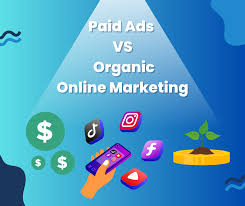
The Power of Paid Online Marketing
In today’s digital age, paid online marketing has become a crucial strategy for businesses looking to reach their target audience and drive conversions. With the vast number of users spending hours online every day, leveraging paid online marketing can significantly boost brand visibility and engagement.
Benefits of Paid Online Marketing
Targeted Reach: Paid online marketing allows businesses to target specific demographics, interests, and behaviours of their audience, ensuring that their ads are seen by the right people at the right time.
Instant Results: Unlike organic marketing efforts that take time to gain traction, paid online marketing delivers instant results in terms of website traffic, leads, and sales.
Measurable ROI: With tools like Google Analytics and social media insights, businesses can track the performance of their paid campaigns in real-time and measure the return on investment accurately.
Types of Paid Online Marketing
Search Engine Marketing (SEM): This involves placing ads on search engine result pages based on specific keywords relevant to your business. Google Ads is a popular SEM platform.
Social Media Advertising: Platforms like Facebook, Instagram, Twitter, and LinkedIn offer robust advertising options to target users based on their demographics, interests, and online behaviour.
Display Advertising: Banner ads placed on websites or mobile apps can help increase brand awareness and drive traffic to your website through visual content.
Tips for Successful Paid Online Marketing Campaigns
To make the most out of your paid online marketing efforts, consider the following tips:
- Set Clear Goals: Define your objectives – whether it’s increasing website traffic, generating leads, or boosting sales – to tailor your campaigns accordingly.
- Create Compelling Ad Copy: Craft engaging ad copy with strong calls-to-action that resonate with your target audience.
- A/B Testing: Experiment with different ad creatives, targeting options, and landing pages to identify what works best for your audience.
- Monitor Performance: Regularly monitor key metrics like click-through rates (CTR), conversion rates, and cost per acquisition (CPA) to optimise your campaigns for better results.
In Conclusion
Paid online marketing offers businesses a powerful way to amplify their online presence and drive meaningful results in a competitive digital landscape. By leveraging targeted strategies across various platforms, businesses can connect with their audience effectively and achieve their marketing goals efficiently.
Understanding Paid Online Marketing: Answers to 8 Common Questions
- What is paid online marketing?
- How does paid online marketing differ from organic marketing?
- What are the benefits of investing in paid online marketing?
- Which platforms offer paid online marketing opportunities?
- How can businesses measure the effectiveness of their paid online marketing campaigns?
- What budget should businesses allocate for paid online marketing?
- Are there any best practices to follow when running a paid online marketing campaign?
- Can businesses target specific audiences with paid online marketing?
What is paid online marketing?
Paid online marketing refers to the practice of promoting products or services on digital platforms through paid advertising methods. This form of marketing involves businesses investing in online ads to reach their target audience and drive desired actions, such as website visits, lead generation, or sales. Paid online marketing encompasses various channels, including search engine marketing (SEM), social media advertising, display advertising, and more. By allocating budget towards paid campaigns, businesses can enhance their online visibility, engage with potential customers effectively, and achieve measurable results in terms of brand awareness and conversions.
How does paid online marketing differ from organic marketing?
Paid online marketing differs from organic marketing in the way it involves paid advertising to promote products or services on digital platforms. While organic marketing focuses on building a brand’s online presence through content creation, SEO, and social media engagement without direct payment for visibility, paid online marketing relies on investing in targeted ads to reach specific audiences quickly. Paid strategies offer immediate results and precise targeting options, allowing businesses to control their messaging and reach a broader audience effectively. In contrast, organic marketing requires time and consistent effort to build credibility and visibility through non-paid channels. Both approaches complement each other in a comprehensive digital marketing strategy, with paid online marketing providing a more immediate impact and organic efforts fostering long-term growth and brand loyalty.
What are the benefits of investing in paid online marketing?
Investing in paid online marketing offers a multitude of benefits for businesses seeking to enhance their digital presence and drive results. One key advantage is the ability to target specific demographics, interests, and behaviours of the audience, ensuring that ads reach the right people at the right time. Paid online marketing also provides instant results in terms of increased website traffic, leads, and sales, unlike organic efforts that may take time to yield outcomes. Furthermore, businesses can measure the return on investment accurately through tools like Google Analytics and social media insights, enabling them to track performance in real-time and make data-driven decisions for future campaigns.
Which platforms offer paid online marketing opportunities?
Various digital platforms provide paid online marketing opportunities for businesses to reach their target audience effectively. Some popular platforms include Google Ads, which offers search engine marketing (SEM) options to display ads on Google search result pages, and social media platforms like Facebook, Instagram, Twitter, and LinkedIn that provide robust advertising solutions to target users based on their demographics and interests. Additionally, display advertising on websites and mobile apps can also be utilised to increase brand visibility through visual content. By leveraging the diverse opportunities offered by these platforms, businesses can enhance their online presence and drive conversions through strategic paid marketing campaigns.
How can businesses measure the effectiveness of their paid online marketing campaigns?
Businesses can measure the effectiveness of their paid online marketing campaigns through various key performance indicators (KPIs) that provide valuable insights into the campaign’s performance. Metrics such as click-through rates (CTR), conversion rates, return on ad spend (ROAS), cost per acquisition (CPA), and overall return on investment (ROI) allow businesses to track and analyse the impact of their campaigns. By monitoring these KPIs closely and using tools like Google Analytics or social media insights, businesses can assess the success of their paid online marketing efforts, make data-driven decisions for optimisation, and ultimately achieve their marketing objectives efficiently.
What budget should businesses allocate for paid online marketing?
When it comes to determining the budget for paid online marketing, businesses should consider several factors such as their industry, target audience, marketing goals, and the competitiveness of the digital landscape. There is no one-size-fits-all answer to this question as budgets can vary significantly depending on the specific needs and objectives of each business. It is advisable for businesses to conduct thorough research, analyse past performance data, and set clear objectives to determine an appropriate budget that aligns with their overall marketing strategy and expected ROI. Additionally, businesses should be prepared to adjust their budget based on campaign performance and market dynamics to maximise the effectiveness of their paid online marketing efforts.
Are there any best practices to follow when running a paid online marketing campaign?
When running a paid online marketing campaign, it is essential to follow best practices to maximise its effectiveness. Some key guidelines include setting clear and measurable goals, conducting thorough audience research to target the right demographics, creating compelling ad copy with strong calls-to-action, continuously monitoring and analysing campaign performance metrics, and regularly optimising based on data-driven insights. By adhering to these best practices, businesses can enhance the success of their paid online marketing campaigns and achieve their desired outcomes efficiently.
Can businesses target specific audiences with paid online marketing?
In the realm of paid online marketing, businesses have the valuable capability to target specific audiences with precision and efficiency. By utilising advanced targeting tools and data analytics offered by platforms such as Google Ads and social media advertising channels, businesses can tailor their marketing campaigns to reach audiences based on demographics, interests, behaviours, and even online interactions. This targeted approach not only enhances the relevance of ads but also increases the likelihood of engaging with potential customers who are more likely to convert. Ultimately, the ability to target specific audiences is a key advantage of paid online marketing that empowers businesses to maximise their reach and impact in today’s digital landscape.