
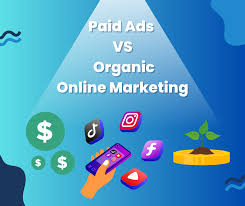
paid online marketing

Unlocking Success: The Impact of Paid Online Marketing Strategies

The Power of Paid Online Marketing

The Power of Paid Online Marketing

In today’s digital age, paid online marketing has become a crucial strategy for businesses looking to reach their target audience and drive conversions. With the vast number of users spending hours online every day, leveraging paid online marketing can significantly boost brand visibility and engagement.

Benefits of Paid Online Marketing

Targeted Reach: Paid online marketing allows businesses to target specific demographics, interests, and behaviours of their audience, ensuring that their ads are seen by the right people at the right time.

Instant Results: Unlike organic marketing efforts that take time to gain traction, paid online marketing delivers instant results in terms of website traffic, leads, and sales.

Measurable ROI: With tools like Google Analytics and social media insights, businesses can track the performance of their paid campaigns in real-time and measure the return on investment accurately.

Types of Paid Online Marketing

Search Engine Marketing (SEM): This involves placing ads on search engine result pages based on specific keywords relevant to your business. Google Ads is a popular SEM platform.

Social Media Advertising: Platforms like Facebook, Instagram, Twitter, and LinkedIn offer robust advertising options to target users based on their demographics, interests, and online behaviour.

Display Advertising: Banner ads placed on websites or mobile apps can help increase brand awareness and drive traffic to your website through visual content.

Tips for Successful Paid Online Marketing Campaigns

To make the most out of your paid online marketing efforts, consider the following tips:

  • Set Clear Goals: Define your objectives – whether it’s increasing website traffic, generating leads, or boosting sales – to tailor your campaigns accordingly.
  • Create Compelling Ad Copy: Craft engaging ad copy with strong calls-to-action that resonate with your target audience.
  • A/B Testing: Experiment with different ad creatives, targeting options, and landing pages to identify what works best for your audience.
  • Monitor Performance: Regularly monitor key metrics like click-through rates (CTR), conversion rates, and cost per acquisition (CPA) to optimise your campaigns for better results.

In Conclusion

Paid online marketing offers businesses a powerful way to amplify their online presence and drive meaningful results in a competitive digital landscape. By leveraging targeted strategies across various platforms, businesses can connect with their audience effectively and achieve their marketing goals efficiently.


Understanding Paid Online Marketing: Answers to 8 Common Questions

  1. What is paid online marketing?
  2. How does paid online marketing differ from organic marketing?
  3. What are the benefits of investing in paid online marketing?
  4. Which platforms offer paid online marketing opportunities?
  5. How can businesses measure the effectiveness of their paid online marketing campaigns?
  6. What budget should businesses allocate for paid online marketing?
  7. Are there any best practices to follow when running a paid online marketing campaign?
  8. Can businesses target specific audiences with paid online marketing?

What is paid online marketing?

Paid online marketing refers to the practice of promoting products or services on digital platforms through paid advertising methods. This form of marketing involves businesses investing in online ads to reach their target audience and drive desired actions, such as website visits, lead generation, or sales. Paid online marketing encompasses various channels, including search engine marketing (SEM), social media advertising, display advertising, and more. By allocating budget towards paid campaigns, businesses can enhance their online visibility, engage with potential customers effectively, and achieve measurable results in terms of brand awareness and conversions.

How does paid online marketing differ from organic marketing?

Paid online marketing differs from organic marketing in the way it involves paid advertising to promote products or services on digital platforms. While organic marketing focuses on building a brand’s online presence through content creation, SEO, and social media engagement without direct payment for visibility, paid online marketing relies on investing in targeted ads to reach specific audiences quickly. Paid strategies offer immediate results and precise targeting options, allowing businesses to control their messaging and reach a broader audience effectively. In contrast, organic marketing requires time and consistent effort to build credibility and visibility through non-paid channels. Both approaches complement each other in a comprehensive digital marketing strategy, with paid online marketing providing a more immediate impact and organic efforts fostering long-term growth and brand loyalty.

What are the benefits of investing in paid online marketing?

Investing in paid online marketing offers a multitude of benefits for businesses seeking to enhance their digital presence and drive results. One key advantage is the ability to target specific demographics, interests, and behaviours of the audience, ensuring that ads reach the right people at the right time. Paid online marketing also provides instant results in terms of increased website traffic, leads, and sales, unlike organic efforts that may take time to yield outcomes. Furthermore, businesses can measure the return on investment accurately through tools like Google Analytics and social media insights, enabling them to track performance in real-time and make data-driven decisions for future campaigns.

Which platforms offer paid online marketing opportunities?

Various digital platforms provide paid online marketing opportunities for businesses to reach their target audience effectively. Some popular platforms include Google Ads, which offers search engine marketing (SEM) options to display ads on Google search result pages, and social media platforms like Facebook, Instagram, Twitter, and LinkedIn that provide robust advertising solutions to target users based on their demographics and interests. Additionally, display advertising on websites and mobile apps can also be utilised to increase brand visibility through visual content. By leveraging the diverse opportunities offered by these platforms, businesses can enhance their online presence and drive conversions through strategic paid marketing campaigns.

How can businesses measure the effectiveness of their paid online marketing campaigns?

Businesses can measure the effectiveness of their paid online marketing campaigns through various key performance indicators (KPIs) that provide valuable insights into the campaign’s performance. Metrics such as click-through rates (CTR), conversion rates, return on ad spend (ROAS), cost per acquisition (CPA), and overall return on investment (ROI) allow businesses to track and analyse the impact of their campaigns. By monitoring these KPIs closely and using tools like Google Analytics or social media insights, businesses can assess the success of their paid online marketing efforts, make data-driven decisions for optimisation, and ultimately achieve their marketing objectives efficiently.

What budget should businesses allocate for paid online marketing?

When it comes to determining the budget for paid online marketing, businesses should consider several factors such as their industry, target audience, marketing goals, and the competitiveness of the digital landscape. There is no one-size-fits-all answer to this question as budgets can vary significantly depending on the specific needs and objectives of each business. It is advisable for businesses to conduct thorough research, analyse past performance data, and set clear objectives to determine an appropriate budget that aligns with their overall marketing strategy and expected ROI. Additionally, businesses should be prepared to adjust their budget based on campaign performance and market dynamics to maximise the effectiveness of their paid online marketing efforts.

Are there any best practices to follow when running a paid online marketing campaign?

When running a paid online marketing campaign, it is essential to follow best practices to maximise its effectiveness. Some key guidelines include setting clear and measurable goals, conducting thorough audience research to target the right demographics, creating compelling ad copy with strong calls-to-action, continuously monitoring and analysing campaign performance metrics, and regularly optimising based on data-driven insights. By adhering to these best practices, businesses can enhance the success of their paid online marketing campaigns and achieve their desired outcomes efficiently.

Can businesses target specific audiences with paid online marketing?

In the realm of paid online marketing, businesses have the valuable capability to target specific audiences with precision and efficiency. By utilising advanced targeting tools and data analytics offered by platforms such as Google Ads and social media advertising channels, businesses can tailor their marketing campaigns to reach audiences based on demographics, interests, behaviours, and even online interactions. This targeted approach not only enhances the relevance of ads but also increases the likelihood of engaging with potential customers who are more likely to convert. Ultimately, the ability to target specific audiences is a key advantage of paid online marketing that empowers businesses to maximise their reach and impact in today’s digital landscape.

Navigating the Dynamic Performance Marketing World: Strategies for Success

The World of Performance Marketing: Driving Success in the Digital Age

Performance marketing has emerged as a powerful strategy in the digital landscape, offering businesses a targeted and measurable approach to reaching their audience and driving growth. In today’s fast-paced world, where competition is fierce and consumer behaviour is constantly evolving, performance marketing has become essential for companies looking to maximise their online presence and achieve tangible results.

What is Performance Marketing?

Performance marketing is a comprehensive strategy that focuses on driving specific actions or outcomes, such as clicks, conversions, or sales. Unlike traditional marketing approaches that rely on broad messaging and brand awareness, performance marketing is highly data-driven and results-oriented. It allows businesses to track the effectiveness of their campaigns in real-time and optimise them for maximum impact.

The Key Components of Performance Marketing

Performance marketing encompasses a range of tactics and channels, including:

  • Search Engine Marketing (SEM): Utilising paid search advertising to drive traffic to websites based on relevant keywords.
  • Affiliate Marketing: Partnering with third-party affiliates who promote products or services in exchange for a commission on sales.
  • Social Media Advertising: Leveraging platforms like Facebook, Instagram, and LinkedIn to target specific audiences with tailored ads.
  • Email Marketing: Sending targeted emails to segmented lists to nurture leads and drive conversions.
  • Content Marketing: Creating valuable content that attracts and engages audiences while subtly promoting products or services.

The Benefits of Performance Marketing

One of the primary advantages of performance marketing is its measurability. Businesses can track key performance indicators (KPIs) such as click-through rates, conversion rates, return on ad spend (ROAS), and more in real-time. This data-driven approach allows for continuous optimisation of campaigns to improve results and maximise ROI.

Furthermore, performance marketing offers unparalleled targeting capabilities, enabling businesses to reach specific demographics, interests, behaviours, and even individual users with precision. This level of granularity ensures that marketing efforts are directed towards those most likely to convert, increasing efficiency and reducing wasted ad spend.

The Future of Performance Marketing

In an increasingly digital world where consumers are inundated with advertising messages from all directions, the need for targeted, relevant marketing has never been greater. As technology continues to advance and consumer expectations evolve, performance marketing will play an even more significant role in helping businesses cut through the noise and connect with their audience effectively.

By embracing the principles of performance marketing – data-driven decision-making, precise targeting, continuous optimisation – businesses can stay ahead of the curve and drive success in the ever-evolving digital landscape.

Contact us today to explore how performance marketing can elevate your brand’s online presence and drive meaningful results for your business.


Understanding Performance Marketing: Key Concepts, Strategies, and Success Stories

  1. What is performance marketing and how does it differ from traditional marketing?
  2. What are the key components of a successful performance marketing strategy?
  3. How can businesses measure the success of their performance marketing campaigns?
  4. What are some common metrics used to evaluate the effectiveness of performance marketing?
  5. How does performance marketing help businesses reach their target audience more effectively?
  6. What role does data play in driving decisions within a performance marketing campaign?
  7. Can you provide examples of successful performance marketing campaigns in different industries?

What is performance marketing and how does it differ from traditional marketing?

Performance marketing is a targeted and results-driven approach that focuses on specific actions or outcomes, such as clicks, conversions, or sales. Unlike traditional marketing, which often relies on broad messaging and brand awareness, performance marketing is highly data-driven and measurable. The key difference lies in its accountability – performance marketing allows businesses to track the effectiveness of their campaigns in real-time, optimise them based on data insights, and achieve a clear return on investment (ROI). By leveraging digital channels and precise targeting capabilities, performance marketing enables businesses to reach their desired audience with precision and efficiency, driving tangible results while maximising cost-effectiveness.

What are the key components of a successful performance marketing strategy?

To create a successful performance marketing strategy, it is essential to focus on key components that drive results and achieve business objectives. These components typically include a well-defined target audience, clear campaign objectives, strategic selection of relevant channels (such as SEM, social media, and email marketing), compelling and engaging content, robust tracking and analytics tools for measuring performance, continuous optimization based on data insights, and a strong emphasis on testing and refining tactics to maximise ROI. By integrating these elements cohesively, businesses can develop a comprehensive performance marketing strategy that effectively reaches and engages their target audience while driving desired actions and outcomes.

How can businesses measure the success of their performance marketing campaigns?

Businesses can measure the success of their performance marketing campaigns through a variety of key performance indicators (KPIs) that reflect the campaign’s effectiveness in achieving its objectives. Common metrics used to evaluate performance marketing campaigns include click-through rates, conversion rates, return on ad spend (ROAS), cost per acquisition (CPA), and customer lifetime value (CLV). By tracking these metrics and analysing the data collected, businesses can gain valuable insights into the impact of their campaigns, identify areas for improvement, and make informed decisions to optimise future marketing efforts for maximum results.

What are some common metrics used to evaluate the effectiveness of performance marketing?

In the world of performance marketing, several key metrics are commonly used to assess the effectiveness of campaigns and strategies. These metrics include click-through rate (CTR), conversion rate, return on ad spend (ROAS), cost per acquisition (CPA), and customer lifetime value (CLV). CTR measures the percentage of users who click on an ad or link, indicating engagement and interest. Conversion rate tracks the proportion of visitors who complete a desired action, such as making a purchase or filling out a form. ROAS calculates the revenue generated for every pound spent on advertising, providing insight into campaign profitability. CPA determines the cost associated with acquiring a new customer, helping to optimise marketing budgets efficiently. Finally, CLV estimates the total value that a customer is expected to bring to a business over their entire relationship, guiding long-term marketing strategies and customer retention efforts. By analysing these metrics comprehensively, businesses can gauge the impact of their performance marketing initiatives and make informed decisions to drive success in the digital realm.

How does performance marketing help businesses reach their target audience more effectively?

Performance marketing empowers businesses to reach their target audience more effectively by leveraging data-driven strategies and precise targeting capabilities. Unlike traditional marketing approaches that rely on broad messaging, performance marketing allows businesses to tailor their campaigns to specific demographics, interests, behaviours, and even individual users. By analysing real-time metrics such as click-through rates and conversion rates, businesses can optimise their campaigns for maximum impact, ensuring that their messages resonate with the right audience at the right time. This level of granularity not only increases the efficiency of marketing efforts but also enhances the overall return on investment (ROI) by directing resources towards those most likely to convert. Ultimately, performance marketing enables businesses to engage with their target audience in a more personalised and relevant manner, driving meaningful results and fostering long-term customer relationships.

What role does data play in driving decisions within a performance marketing campaign?

Data plays a crucial role in driving decisions within a performance marketing campaign. By analysing and interpreting data related to key performance indicators (KPIs) such as click-through rates, conversion rates, and return on ad spend (ROAS), marketers can gain valuable insights into the effectiveness of their campaigns. This data-driven approach allows for informed decision-making, enabling marketers to optimise targeting, messaging, and budget allocation to maximise results and return on investment. In essence, data empowers marketers to make strategic choices that drive success and ensure that their performance marketing efforts are aligned with the goals of the campaign.

Can you provide examples of successful performance marketing campaigns in different industries?

Certainly! Successful performance marketing campaigns can be found across various industries, showcasing the versatility and effectiveness of this targeted approach. In the e-commerce sector, companies like Amazon have excelled in leveraging performance marketing tactics to drive conversions and increase sales through personalised recommendations and retargeting strategies. In the travel industry, Expedia’s use of search engine marketing (SEM) and affiliate partnerships has proven highly successful in reaching travellers at different stages of their journey. Additionally, in the healthcare sector, companies like Babylon Health have effectively utilised content marketing and social media advertising to raise awareness and acquire new customers. These examples highlight how performance marketing can be tailored to suit the unique needs and objectives of different industries while delivering measurable results.