
best digital agency websites

Best Digital Agency Websites: Standout Designs and What Makes Them Work

Best Digital Agency Websites: What Makes Them Stand Out?

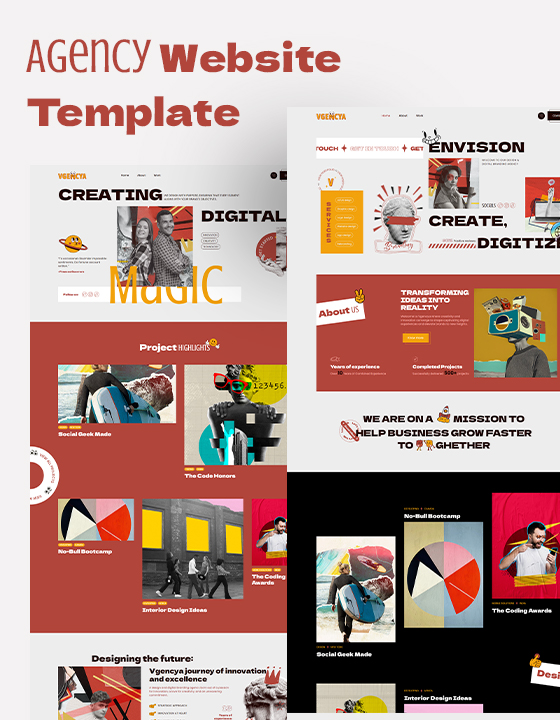
A digital agency’s website has an important job to do. It needs to show what the agency can create, explain how it works and give potential clients a clear reason to get in touch. The best digital agency websites do all of this without making the experience feel complicated.

Whether you are looking for inspiration or choosing an agency for your own project, exploring leading agency websites can reveal what works well. Here are the features that set the strongest examples apart.

A clear point of view

The best agency websites make their character clear from the start. Their choice of words, imagery, colour and layout all support a distinctive point of view. A bold creative studio might use expressive visuals, while a strategy-led agency may favour a more measured, editorial style.

There is no single look that every agency should follow. What matters is that the design feels considered and consistent, rather than interchangeable with every other agency website.

Work that takes centre stage

Prospective clients want to see what an agency can do. Strong portfolio pages present selected projects with enough context to make them meaningful. They explain the challenge, the agency’s contribution and the outcome, rather than relying on attractive screenshots alone.

Good case studies are also easy to browse. Clear categories, useful summaries and high-quality images help visitors find relevant work without having to search through a long list of projects.

A compelling first impression

The opening screen should quickly communicate who the agency helps and what it does. It can be visually ambitious, but the message should remain easy to understand. Visitors should not have to guess whether the agency specialises in branding, web design, digital marketing, development or a combination of services.

Effective headlines are specific and natural. They give people a reason to keep exploring without filling the page with vague claims or industry jargon.

Motion with a purpose

Animation, video and interactive features can make an agency website memorable. Used well, they guide attention, demonstrate a capability or add character to the experience. Used without restraint, they can slow the site down and make information harder to access.

The best examples balance visual impact with usability. Motion should feel smooth, work across devices and never get in the way of reading or navigation. Visitors should also be able to access key content when animations are reduced or unavailable.

Straightforward navigation

Creative design should not come at the cost of clarity. A well-organised website makes it easy to find the essentials, such as services, work, about information and contact details. Navigation labels should be familiar and descriptive, especially when visitors are viewing the site on a small screen.

A clear route to the next step matters, too. Whether that is viewing a case study, booking a conversation or sending an enquiry, the call to action should be easy to spot.

Strong performance and accessibility

A beautifully designed website still needs to work well. Fast loading times, responsive layouts and reliable forms all contribute to a better experience. These details matter to users and can also support a site’s visibility in search results.

Accessibility should be part of the design process from the beginning. Readable text, sufficient colour contrast, keyboard-friendly controls, useful image descriptions and captions for video help make a website more inclusive.

Evidence that builds trust

Good agency websites support their claims with evidence. This might include detailed case studies, client feedback, relevant awards or clear information about the team and its approach. The strongest proof is specific and verifiable, rather than a collection of unsupported superlatives.

It should also be easy to understand what happens after making contact. A short explanation of the agency’s process can help prospective clients feel more confident about taking the next step.

How to assess a digital agency website

When comparing agency websites, look beyond the visual style. Consider these questions:

  • Can you quickly understand what the agency does?
  • Does its portfolio show work relevant to your needs?
  • Do case studies explain the thinking and results behind each project?
  • Is the website easy to use on a mobile phone?
  • Does it load quickly and make its content accessible?
  • Is there a clear and approachable way to get in touch?

Finding inspiration without copying

Looking at the best digital agency websites can help you identify useful ideas, from better case-study formats to clearer navigation. The aim is not to copy another agency’s style. It is to understand why certain choices work and adapt those principles to your own audience, goals and brand.

Ultimately, the strongest agency website is one that combines original thinking with a genuinely helpful experience. It looks distinctive, explains its value clearly and makes it easy for the right clients to take the next step.


Best Digital Agency Websites: 9 Frequently Asked Questions

  1. What makes a digital agency website one of the best?
  2. Which digital agency websites are considered the best?
  3. What features should the best digital agency websites include?
  4. How can I find inspiration from leading digital agency websites?
  5. How do the best agency websites showcase their work and case studies?
  6. What should I look for when choosing a digital agency based on its website?
  7. How important are website speed and mobile design for a digital agency website?
  8. How can a digital agency website balance creativity with usability?
  9. How often should a digital agency update its website?

What makes a digital agency website one of the best?

A digital agency website stands out when it combines distinctive design with a clear, easy-to-use experience. It should explain what the agency does, showcase relevant work through thoughtful case studies, and make it simple for visitors to get in touch. Fast loading, mobile-friendly layouts, accessible content and genuine evidence of results help build trust and turn a strong first impression into a lasting one.

Which digital agency websites are considered the best?

There is no definitive list of the best digital agency websites, as the right choice depends on what you value. Websites from agencies such as Instrument, ustwo, AKQA and Clay are often admired for their distinctive design, engaging portfolio work and clear presentation of their services. The strongest examples combine visual creativity with fast performance, easy navigation, accessibility and clear evidence of the agency’s results.

What features should the best digital agency websites include?

The best digital agency websites combine a distinctive, professional design with clear information about the agency’s services, expertise and approach. They should showcase relevant work through detailed case studies, make navigation and contact details easy to find, and include clear calls to action. Fast loading times, mobile-friendly layouts and accessible content are essential, while client testimonials or other credible evidence can help build trust. Any animation or interactive features should enhance the experience without distracting from the information visitors need.

How can I find inspiration from leading digital agency websites?

To find inspiration from leading digital agency websites, explore their portfolios, case studies and service pages, paying attention to how they present their work, explain their expertise and guide visitors through the site. Notice useful details such as navigation, typography, imagery, animation and calls to action, and consider how these choices support the agency’s audience and goals. Use what you learn to shape ideas that suit your own brand and customers rather than copying another website outright.

How do the best agency websites showcase their work and case studies?

The best agency websites showcase their work through carefully selected projects and clear, engaging case studies. Rather than relying on visuals alone, they explain the client’s challenge, the agency’s approach and the results achieved, helping visitors understand the thinking behind each project. Strong imagery, concise writing and easy-to-navigate portfolio categories make the work simple to explore, while relevant examples help prospective clients see how the agency could meet their own needs.

What should I look for when choosing a digital agency based on its website?

When choosing a digital agency based on its website, look for clear information about its services, experience and approach, along with case studies that show relevant work and explain the results. Client testimonials and other credible evidence can help build trust, while an easy-to-use, accessible website suggests the agency cares about the quality of its digital experiences. Check that its communication feels clear and that you can easily find out what happens next or get in touch.

How important are website speed and mobile design for a digital agency website?

Website speed and mobile design are essential for a digital agency website. Visitors expect pages to load quickly and work smoothly on phones and tablets; slow loading or awkward layouts can cause them to leave before viewing your work or making an enquiry. A fast, responsive site also makes it easier to explore case studies and services on any device, while supporting accessibility and search visibility. For an agency, the website is part of its portfolio, so a polished experience across screen sizes helps demonstrate the quality of its digital work.

How can a digital agency website balance creativity with usability?

A digital agency website can balance creativity with usability by making visual ideas support, rather than compete with, the visitor’s needs. Use distinctive design, animation and imagery to express the agency’s personality, while keeping navigation familiar, text easy to read and key information simple to find. Ensure the site works smoothly on mobile, loads quickly and offers clear calls to action. When creative features make the experience more engaging without slowing people down or obscuring content, the website can feel original and effortless to use.

How often should a digital agency update its website?

A digital agency should review its website regularly and update it whenever its services, positioning or portfolio changes. As a general rule, check key details every few months and carry out a more thorough review at least once a year. Add new case studies as projects are completed, keep team and contact information current, and refresh outdated content or technology. Regular updates help the site stay accurate, useful and reflective of the agency’s best work.
seo internet marketing

SEO Internet Marketing: A Practical Guide to Growing Your Business Online

SEO and Internet Marketing: A Practical Guide to Growing Your Online Presence

SEO and internet marketing help businesses reach people online, attract potential customers and build lasting relationships with their audiences. Used together, they can make it easier for customers to find your business, understand what you offer and take the next step.

What is SEO?

Search engine optimisation (SEO) is the process of improving a website so that it can appear more prominently in relevant, unpaid search results. It involves understanding what people are searching for and making sure your website provides useful, accessible information in response.

SEO is not a quick fix or a guarantee of a particular position in search results. It is an ongoing process that combines sound technical foundations, helpful content and a positive experience for visitors.

What does internet marketing include?

Internet marketing is a broad term for promoting a business through online channels. Depending on your goals and audience, it may include:

  • SEO: Improving visibility in unpaid search results.
  • Content marketing: Creating useful articles, guides, videos and other resources.
  • Paid search advertising: Paying to show adverts for selected search terms.
  • Social media marketing: Sharing content and engaging with audiences on social platforms.
  • Email marketing: Sending relevant updates and offers to people who have chosen to hear from you.
  • Conversion optimisation: Making it easier for website visitors to enquire, subscribe or buy.

These channels work best when they support a clear strategy rather than being treated as separate activities.

How SEO supports your wider marketing

SEO can help your business connect with people who are already looking for information, products or services like yours. Search insights can also reveal the questions customers ask and the language they use. That information can guide your website content, advertising and social media activity.

At the same time, other marketing channels can strengthen your SEO efforts. For example, a useful article promoted through email or social media may reach more readers and earn attention from relevant websites. The aim is not simply to generate clicks, but to offer a consistent and helpful experience wherever people encounter your business.

Key elements of an effective SEO strategy

Understand your audience and search intent

Start by identifying the people you want to reach and what they hope to achieve. Someone searching for general advice may need an informative guide, while someone comparing providers may be looking for clear service details, pricing information or customer reviews.

Choose topics based on genuine customer needs, not just search phrases with high estimated traffic. Relevant visitors are more valuable than large numbers of people who are unlikely to need what you offer.

Create helpful, trustworthy content

Write for people first. Provide clear answers, explain unfamiliar terms and make your content easy to scan. Use descriptive headings and organise information in a logical order. Keep details accurate and review important pages when your services or advice change.

Each page should have a clear purpose. Avoid repeating the same information across multiple pages or adding content solely to include keywords. Search engines aim to surface useful results, and visitors are more likely to trust content that is genuinely relevant to them.

Build a sound technical foundation

Technical SEO helps search engines access and understand your website. Important considerations include:

  • A site structure that is easy to navigate.
  • Pages that work well on mobile devices.
  • Fast, reliable page loading.
  • Secure browsing using HTTPS.
  • Clear page titles and descriptions.
  • Working internal links and helpful error pages.
  • Accessible content, including meaningful image descriptions where appropriate.

Technical improvements should also benefit your visitors. A fast, accessible website is easier for people to use as well as easier for search engines to process.

Earn relevant links and recognition

Links from other websites can help people discover your content and provide useful context about your business. Focus on creating resources worth referencing and building genuine relationships within your sector. Avoid schemes that promise large numbers of links or rely on manipulative tactics, which can put your website at risk.

Measuring results

Choose measures that reflect your business goals. These might include relevant organic visits, enquiries, online sales, newsletter sign-ups or visits to key service pages. Rankings and traffic can offer useful context, but they do not always show whether marketing is contributing to business growth.

Use analytics and search performance tools to identify patterns, check which pages are working and find opportunities to improve. Results can take time, so assess progress over a suitable period rather than reacting to every short-term change.

Common mistakes to avoid

  • Expecting SEO to deliver immediate results.
  • Choosing keywords without considering the visitor’s needs.
  • Publishing large amounts of thin or repetitive content.
  • Ignoring mobile usability, accessibility or page speed.
  • Focusing on rankings while overlooking enquiries and sales.
  • Using misleading claims or buying links to manipulate search results.

Bringing it all together

SEO is an important part of internet marketing, but it is most effective when connected to a broader plan. Begin with clear objectives, understand your audience and create a website that offers useful information and a straightforward experience. Then use relevant marketing channels to help the right people find it.

With regular measurement and thoughtful improvements, SEO and internet marketing can support steady, sustainable growth for your business.


Top 6 Benefits of SEO Internet Marketing for Business Success

  1. Improves visibility in search results.
  2. Attracts relevant website visitors.
  3. Builds trust in your brand.
  4. Supports long-term business growth.
  5. Helps generate more enquiries and sales.
  6. Makes marketing performance measurable.


Challenges in SEO Internet Marketing: Delayed Results, Unpredictable Rankings, Costly Campaigns, and Reputation Risks

  1. SEO can take time to deliver results.
  2. Search rankings can change unexpectedly.
  3. Paid campaigns may become costly.
  4. Poor tactics can harm your website’s reputation.

Improves visibility in search results.

SEO internet marketing can improve your visibility in search results, helping more potential customers discover your business when they look for products, services or information you offer. By creating relevant content and making your website easy for search engines to understand, you can increase the chances of appearing for useful searches and attract more people to your site.

Attracts relevant website visitors.

One of the key benefits of SEO internet marketing is its ability to attract relevant visitors to your website. By creating useful content around the words and questions your potential customers search for, your business can appear when people are actively looking for the products, services or information you provide. This can bring in visitors who are more likely to engage, enquire or make a purchase.

Builds trust in your brand.

SEO internet marketing can help build trust in your brand by making your business easier to find when people search for relevant information, products or services. Helpful, accurate content, a professional website and a positive user experience show potential customers that your business understands their needs. Over time, consistently appearing in relevant search results can strengthen brand recognition and give people greater confidence in choosing you.

Supports long-term business growth.

SEO internet marketing supports long-term business growth by helping your website attract relevant visitors over time. By creating useful content, improving your site and building visibility in search results, you can keep reaching potential customers without relying solely on paid advertising. As your online presence grows, it can generate more enquiries, strengthen trust in your brand and provide a lasting foundation for future growth.

Helps generate more enquiries and sales.

SEO internet marketing can help generate more enquiries and sales by making your business easier to find when potential customers are searching for relevant products or services. By bringing the right people to useful, clear pages—and making it simple for them to get in touch or make a purchase—SEO can turn online visibility into valuable business opportunities.

Makes marketing performance measurable.

One of the key benefits of SEO internet marketing is that its performance can be measured. Analytics tools can show how people find your website, which pages they visit and whether they go on to enquire or make a purchase. By tracking these results over time, businesses can see what is working, identify areas for improvement and make more informed decisions about their marketing budget.

SEO can take time to deliver results.

One drawback of SEO internet marketing is that it can take time to deliver results. Search engines need to discover and assess changes to your website, while building visibility and trust often requires consistent effort over several months. This means SEO may not suit businesses looking for an immediate increase in enquiries or sales, so it’s important to set realistic expectations and consider short-term marketing activity alongside your longer-term SEO work.

Search rankings can change unexpectedly.

One drawback of SEO internet marketing is that search rankings can change unexpectedly. Search engines regularly update their algorithms, and competitors may improve their websites or content, causing your pages to move up or down in results. This can affect website traffic and enquiries, even when you have not made any changes yourself. Regularly reviewing performance and keeping your content useful and up to date can help, but rankings can never be guaranteed.

Paid campaigns can help businesses reach customers quickly, but costs may rise rapidly in competitive markets. If budgets, audience targeting and performance are not monitored carefully, a campaign can spend money without generating enough enquiries or sales to justify the investment. Regularly reviewing results and setting clear spending limits can help keep costs under control.

Poor tactics can harm your website’s reputation.

Poor SEO tactics can harm your website’s reputation and make it harder for customers to trust your business. Practices such as keyword stuffing, buying low-quality links or publishing misleading content may lead to a poor user experience and damage your credibility. Search engines may also reduce a site’s visibility if they consider its methods manipulative. Focusing instead on useful content, honest communication and sustainable optimisation helps protect your reputation over the long term.