
affordable digital marketing agency

How to Choose an Affordable Digital Marketing Agency for Your Business

How to Choose an Affordable Digital Marketing Agency

Digital marketing can help businesses reach new customers, build brand awareness and grow sales. But for small businesses and start-ups, the cost of getting started can feel daunting. The good news is that working with an affordable digital marketing agency does not have to mean settling for poor-quality work. With the right approach, you can find a partner that fits your budget and focuses on the results that matter to your business.

What does “affordable” really mean?

An affordable agency is not necessarily the one with the lowest price. It is one that offers a clear, relevant service at a cost your business can sustain, and can explain how that work supports your goals.

Marketing needs vary. A local business may benefit most from improving its visibility in local search, while an online retailer might prioritise paid advertising, email marketing or product-page optimisation. Paying for services you do not need can be just as wasteful as choosing a package that is too limited to make a difference.

Start with your business goals

Before approaching agencies, think about what you want your marketing to achieve. For example, you may want to:

  • Increase relevant traffic to your website
  • Generate more enquiries or sales
  • Improve your visibility in search results
  • Reach a specific audience on social media
  • Encourage existing customers to return

Clear goals help an agency recommend the right services and give you a more useful way to assess progress. “More followers” or “more traffic” can be useful indicators, but they should connect to a wider business objective.

Choose services that match your priorities

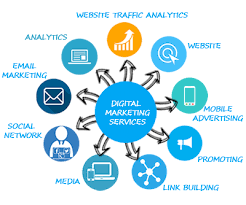
Digital marketing covers a range of activities, and not every business needs them all at once. A focused plan might include:

  • Search engine optimisation (SEO): Improving your website and content so potential customers can find you through search engines.
  • Paid search and social advertising: Promoting your business to selected audiences through paid campaigns.
  • Content marketing: Creating useful articles, guides and other content that answers customers’ questions.
  • Social media marketing: Building awareness and engaging with customers on relevant platforms.
  • Email marketing: Sharing useful updates and offers with people who have chosen to hear from you.
  • Website optimisation: Making your website clearer, easier to use and better at encouraging visitors to take action.

A good agency should be willing to explain why it recommends particular services, how they work together and what can reasonably be achieved within your budget.

Look for transparency and clear reporting

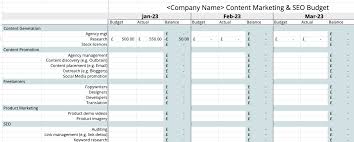
Before you agree to work together, ask what is included in the fee. Find out how often the agency will communicate with you, who will carry out the work and how results will be reported. Make sure you understand any additional costs, such as advertising spend, software or website development.

Reports should be understandable and relevant to your goals. Rather than relying only on impressive-looking figures, look for an explanation of what has changed, what the agency has learned and what it plans to do next.

Check the agency’s approach, not just its price

When comparing agencies, consider how well they understand your business and customers. A useful first conversation should include questions about your aims, audience, previous marketing and available budget. Be cautious of anyone promising guaranteed rankings, instant success or a fixed number of sales. Digital marketing takes time, and outcomes depend on factors such as competition, your offer, your website and the quality of your data.

Ask for relevant examples of previous work, but remember that past results do not guarantee future performance. Look for a thoughtful process, realistic expectations and a willingness to adapt the strategy as evidence comes in.

Make the most of a limited budget

You do not need to do everything at once. Start with the activity most closely connected to your immediate business needs, then review the results before expanding your plan. You can also make your budget go further by:

  • Sharing your business priorities and knowledge of your customers with the agency
  • Making sure your website is ready to turn visitors into enquiries or customers
  • Reusing strong content across relevant channels
  • Agreeing a manageable scope of work and reviewing it regularly
  • Tracking meaningful outcomes, such as qualified enquiries, sales or repeat purchases

Good collaboration can save time and help an agency make better-informed decisions. You remain the expert on your business; the agency brings the specialist skills and structured approach to help communicate its value.

Questions to ask a digital marketing agency

  • What would you prioritise for a business like mine, and why?
  • What is included in your fee, and what costs extra?
  • How will we measure progress?
  • Who will manage the work and be my main point of contact?
  • How often will we review the strategy and results?
  • Will I retain access to my website, advertising accounts and marketing data?
  • Are there minimum terms or cancellation requirements?

Find an affordable digital marketing agency that fits

The right affordable digital marketing agency should offer more than a low monthly fee. It should understand your objectives, recommend a practical plan and be open about the work, costs and expected timescales. By focusing on the services your business needs most and reviewing progress regularly, you can invest in digital marketing with greater confidence.

Take time to compare your options, ask clear questions and choose a partner whose approach feels suited to your business. A sensible, well-managed plan can provide a strong foundation for sustainable growth.


Affordable Digital Marketing Agencies: 7 Benefits for Small Businesses

  1. Fits smaller business budgets.
  2. Provides access to specialist expertise.
  3. Helps reach more potential customers.
  4. Offers flexible services to suit your needs.
  5. Supports measurable marketing goals.
  6. Can improve online visibility over time.
  7. Lets you focus on running your business.


Considerations When Choosing an Affordable Digital Marketing Agency: Limited Services, Slower Progress, and Hidden Costs

  1. Lower-cost packages may offer a limited range of services.
  2. Smaller budgets can mean slower progress or fewer campaign tests.
  3. Check for extra fees, minimum terms and unclear reporting.

Fits smaller business budgets.

An affordable digital marketing agency can make professional marketing support accessible to smaller businesses without putting too much pressure on cash flow. By offering flexible packages or prioritising the services your business needs most, it helps you make better use of your budget while building your online presence and reaching potential customers.

Provides access to specialist expertise.

An affordable digital marketing agency gives your business access to specialist expertise without the cost of building a full in-house team. From SEO and paid advertising to content and social media, experienced professionals can bring the right skills to your campaigns and help you make informed decisions. This means you can benefit from specialist knowledge while keeping your marketing costs manageable.

Helps reach more potential customers.

An affordable digital marketing agency can help your business reach more potential customers without stretching your budget. By using channels such as search engines, social media and email, the agency can help put your products or services in front of people who are more likely to be interested. This wider, more targeted reach can build awareness, attract relevant visitors to your website and create more opportunities to win new customers.

Offers flexible services to suit your needs.

An affordable digital marketing agency can offer flexible services that adapt to your business’s needs, goals and budget. Rather than paying for a fixed package of services you may not use, you can focus on the areas that matter most right now—whether that’s SEO, social media, paid advertising or content creation. As your business grows or priorities change, your marketing support can evolve with it, helping you make the most of your budget at every stage.

Supports measurable marketing goals.

An affordable digital marketing agency can help your business set clear, measurable marketing goals without stretching your budget. By tracking relevant results such as website visits, qualified enquiries, sales or email sign-ups, the agency can show what is working and where improvements are needed. This makes it easier to focus your investment on activity that supports your business objectives and review progress over time.

Can improve online visibility over time.

An affordable digital marketing agency can help improve your online visibility over time by building a consistent strategy around channels such as search engine optimisation, useful content and social media. Rather than relying on costly, short-term campaigns, steady work can help more potential customers discover your business, strengthen your presence in search results and build recognition with your target audience. Results may take time, but regular reviews and adjustments can help ensure your budget is focused on activity that supports lasting growth.

Lets you focus on running your business.

Working with an affordable digital marketing agency gives you more time to focus on running your business. Instead of managing campaigns, updating your website and keeping up with changing online trends yourself, you can leave the marketing work to experienced professionals. This frees you to concentrate on serving customers, supporting your team and handling day-to-day operations, while keeping your marketing moving forward within a budget that works for you.

Lower-cost packages may offer a limited range of services.

Lower-cost digital marketing packages may cover only a limited range of services, such as basic social media posting or occasional SEO work. If your business needs a broader strategy, you may have to pay extra for services such as content creation, paid advertising or detailed reporting. This can make it harder to coordinate your marketing and may mean the package does not fully address your goals, so check exactly what is included before signing up.

Smaller budgets can mean slower progress or fewer campaign tests.

A smaller budget can mean slower progress, as there may be less time or resource available to build, optimise and expand campaigns. It can also limit how many ideas an agency can test at once, making it harder to quickly identify which messages, audiences or channels perform best. This does not mean an affordable campaign cannot deliver results, but it may require realistic timescales, clear priorities and a gradual approach to testing.

Check for extra fees, minimum terms and unclear reporting.

One potential drawback of an affordable digital marketing agency is that the headline price may not tell the whole story. Check whether services such as advertising spend, content creation or website updates cost extra, and make sure you understand any minimum contract term or cancellation fees. Reporting should also be clear and easy to understand, showing what work has been completed and how it relates to your goals. Before signing, ask for all costs, terms and reporting arrangements in writing so you know exactly what to expect.
best digital marketing services

Best Digital Marketing Services: How to Choose the Right Mix for Your Business

Best Digital Marketing Services: How to Choose the Right Mix for Your Business

The best digital marketing services help your business reach the right people, earn their trust and turn interest into action. But there is no single service that works best for every organisation. The right approach depends on your goals, audience, budget and the way customers make decisions.

For some businesses, search engine optimisation (SEO) is a valuable long-term investment. Others may need paid advertising to generate enquiries quickly, or email marketing to build stronger relationships with existing customers. Often, the best results come from combining several services as part of a well-planned strategy.

What are digital marketing services?

Digital marketing services use online channels to promote a business, product or service. They can include improving your website, increasing visibility in search results, creating useful content, running advertising campaigns and measuring how people interact with your brand.

A good digital marketing plan connects these activities rather than treating them as separate tasks. For example, useful content can support SEO, social media can help distribute that content, and email marketing can encourage interested visitors to return.

SEO: build visibility in search results

SEO helps your website appear when people search online for relevant products, services or information. It can involve improving website content, organising pages clearly, making technical improvements and earning links from reputable sites.

SEO is often a longer-term activity. Results can take time, but well-optimised pages may continue to attract relevant visitors over time. It can be particularly useful for businesses whose customers research their options before getting in touch.

When assessing an SEO service, look for a clear plan based on your audience and business priorities. Be wary of promises of guaranteed rankings: search results are influenced by many factors and cannot be guaranteed by an agency.

Paid search and online advertising: reach people sooner

Paid advertising can put your business in front of potential customers across search engines, social media and other online platforms. Search advertising can reach people actively looking for a particular solution, while display and social campaigns can help introduce your brand to new audiences.

Paid campaigns can be adjusted and measured, making them useful for testing messages and generating traffic within a defined period. However, results depend on more than the advertising budget. Targeting, landing-page quality, campaign structure and ongoing optimisation all matter.

Before investing, decide what success means. It might be online sales, completed forms, phone calls or another meaningful action. Tracking these outcomes helps you understand whether your advertising is delivering value.

Content marketing: give your audience a reason to engage

Content marketing involves creating and sharing useful material, such as articles, guides, videos, case studies and newsletters. Strong content answers customers’ questions, explains your expertise and helps people make informed decisions.

Content can support other parts of your marketing too. A helpful article may bring visitors from search, provide material for social media and give your sales team a useful resource to share with prospective customers.

The best content is created with a clear audience and purpose in mind. Publishing frequently is not enough on its own; material should be accurate, relevant and genuinely useful.

Social media marketing: build awareness and conversation

Social media marketing can help businesses share content, introduce products and take part in conversations with customers. The most suitable platforms depend on where your audience spends time and what you want to achieve.

Organic social media focuses on regular posts and community interaction. Paid social media uses advertising to reach selected audiences and can support specific campaigns. Many businesses use a combination of the two.

A considered social media strategy is more effective than trying to be active everywhere. Choose suitable platforms, set realistic goals and create content that fits each channel.

Email marketing: nurture customer relationships

Email marketing gives businesses a direct way to communicate with people who have chosen to receive updates. It can be used for newsletters, product announcements, useful advice and carefully planned customer journeys.

Effective email marketing is relevant, well-timed and respectful of subscribers’ preferences. Businesses should follow applicable data protection and electronic marketing rules, make it easy to unsubscribe and avoid sending messages that recipients have not agreed to receive.

Website design and conversion rate optimisation

Your website is often where digital marketing activity leads, so it needs to make a good impression and help visitors take the next step. That might mean making a purchase, requesting a quote, booking an appointment or getting in touch.

Website design and conversion rate optimisation (CRO) focus on making the experience clearer and more effective. This can include improving page speed, simplifying navigation, refining calls to action and making forms easier to complete. A well-designed website should also work reliably on mobile devices and be accessible to a broad range of users.

Analytics and reporting: understand what is working

Analytics helps you assess how people find and use your website, and whether your marketing is supporting your goals. Useful reporting connects activity to outcomes rather than focusing only on figures such as impressions or page views.

Before a campaign begins, decide which measures matter. Depending on your objectives, these might include qualified enquiries, sales, cost per lead, repeat purchases or the revenue generated by a campaign. Regular reviews can help you make informed adjustments.

How to choose the best digital marketing services

Start by identifying the challenge you need to solve. Are you looking to increase awareness, attract more relevant website visitors, generate enquiries or improve repeat sales? A clear objective makes it easier to choose suitable services and assess their impact.

  • Understand your audience: Find out what your customers need, where they search and how they prefer to engage with businesses.
  • Set a realistic budget: Consider both the cost of delivering the work and any advertising spend.
  • Check the approach: Look for a provider that explains its recommendations and how the work will be measured.
  • Ask about reporting: Agree on useful measures and how often results will be reviewed.
  • Consider the whole customer journey: Marketing can attract visitors, but your website, service and follow-up also influence whether they become customers.

Choosing a connected approach

The best digital marketing services are not necessarily the most numerous or the most expensive. They are the ones that suit your goals and work together. A business looking for long-term visibility might prioritise SEO and content, while a time-sensitive campaign may benefit from paid advertising. Email marketing and a well-performing website can support both.

Begin with clear objectives, choose services that address them and measure the results. With a considered strategy and regular improvements, digital marketing can help your business build visibility, strengthen customer relationships and support sustainable growth.


Top 5 Tips for Selecting the Best Digital Marketing Services

  1. Choose an agency with proven results in your industry.
  2. Prioritise SEO and useful content to build lasting traffic.
  3. Use paid search and social ads to reach specific audiences.
  4. Track conversions, not just clicks and impressions.
  5. Look for clear reporting, fair pricing and flexible support.

Choose an agency with proven results in your industry.

Choose an agency with proven results in your industry, as it is more likely to understand your audience, market challenges and what motivates customers to take action. Ask to see relevant case studies, examples of previous work and the results achieved, such as increased enquiries, sales or website traffic. A reputable agency should be able to explain how its experience applies to your goals without making unrealistic promises.

Prioritise SEO and useful content to build lasting traffic.

Prioritise SEO and useful content to build lasting traffic to your website. By understanding what your audience is searching for and creating clear, genuinely helpful pages that answer their questions, you can improve your visibility in search results and attract more relevant visitors over time. SEO takes patience, but quality content supported by a well-structured, technically sound website can continue to bring in traffic long after it is published.

Use paid search and social ads to reach specific audiences.

Use paid search and social media advertising to reach people who are most likely to be interested in your products or services. Paid search can connect you with customers actively looking for a solution, while social ads let you target audiences by factors such as interests, location and behaviour. Set clear campaign goals, choose your audience carefully and monitor results so you can refine your adverts and make the most of your budget.

Track conversions, not just clicks and impressions.

Clicks and impressions can show whether your digital marketing is attracting attention, but they don’t reveal whether it is delivering business results. Track conversions—such as purchases, quote requests, bookings or newsletter sign-ups—to understand which campaigns are prompting people to take meaningful action. Set up conversion tracking before a campaign begins, then use the results to identify what is working, refine your approach and focus your budget on activity that supports your goals.

Look for clear reporting, fair pricing and flexible support.

When choosing a digital marketing service, look for clear reporting that shows what work has been done and how it is contributing to your goals. Pricing should be fair, transparent and easy to understand, with any extra costs explained upfront. Flexible support is important too: a good provider will listen to your needs, adapt as your business changes and offer help at a level that suits your team and budget.

seo internet marketing

SEO Internet Marketing: A Practical Guide to Growing Your Business Online

SEO and Internet Marketing: A Practical Guide to Growing Your Online Presence

SEO and internet marketing help businesses reach people online, attract potential customers and build lasting relationships with their audiences. Used together, they can make it easier for customers to find your business, understand what you offer and take the next step.

What is SEO?

Search engine optimisation (SEO) is the process of improving a website so that it can appear more prominently in relevant, unpaid search results. It involves understanding what people are searching for and making sure your website provides useful, accessible information in response.

SEO is not a quick fix or a guarantee of a particular position in search results. It is an ongoing process that combines sound technical foundations, helpful content and a positive experience for visitors.

What does internet marketing include?

Internet marketing is a broad term for promoting a business through online channels. Depending on your goals and audience, it may include:

  • SEO: Improving visibility in unpaid search results.
  • Content marketing: Creating useful articles, guides, videos and other resources.
  • Paid search advertising: Paying to show adverts for selected search terms.
  • Social media marketing: Sharing content and engaging with audiences on social platforms.
  • Email marketing: Sending relevant updates and offers to people who have chosen to hear from you.
  • Conversion optimisation: Making it easier for website visitors to enquire, subscribe or buy.

These channels work best when they support a clear strategy rather than being treated as separate activities.

How SEO supports your wider marketing

SEO can help your business connect with people who are already looking for information, products or services like yours. Search insights can also reveal the questions customers ask and the language they use. That information can guide your website content, advertising and social media activity.

At the same time, other marketing channels can strengthen your SEO efforts. For example, a useful article promoted through email or social media may reach more readers and earn attention from relevant websites. The aim is not simply to generate clicks, but to offer a consistent and helpful experience wherever people encounter your business.

Key elements of an effective SEO strategy

Understand your audience and search intent

Start by identifying the people you want to reach and what they hope to achieve. Someone searching for general advice may need an informative guide, while someone comparing providers may be looking for clear service details, pricing information or customer reviews.

Choose topics based on genuine customer needs, not just search phrases with high estimated traffic. Relevant visitors are more valuable than large numbers of people who are unlikely to need what you offer.

Create helpful, trustworthy content

Write for people first. Provide clear answers, explain unfamiliar terms and make your content easy to scan. Use descriptive headings and organise information in a logical order. Keep details accurate and review important pages when your services or advice change.

Each page should have a clear purpose. Avoid repeating the same information across multiple pages or adding content solely to include keywords. Search engines aim to surface useful results, and visitors are more likely to trust content that is genuinely relevant to them.

Build a sound technical foundation

Technical SEO helps search engines access and understand your website. Important considerations include:

  • A site structure that is easy to navigate.
  • Pages that work well on mobile devices.
  • Fast, reliable page loading.
  • Secure browsing using HTTPS.
  • Clear page titles and descriptions.
  • Working internal links and helpful error pages.
  • Accessible content, including meaningful image descriptions where appropriate.

Technical improvements should also benefit your visitors. A fast, accessible website is easier for people to use as well as easier for search engines to process.

Earn relevant links and recognition

Links from other websites can help people discover your content and provide useful context about your business. Focus on creating resources worth referencing and building genuine relationships within your sector. Avoid schemes that promise large numbers of links or rely on manipulative tactics, which can put your website at risk.

Measuring results

Choose measures that reflect your business goals. These might include relevant organic visits, enquiries, online sales, newsletter sign-ups or visits to key service pages. Rankings and traffic can offer useful context, but they do not always show whether marketing is contributing to business growth.

Use analytics and search performance tools to identify patterns, check which pages are working and find opportunities to improve. Results can take time, so assess progress over a suitable period rather than reacting to every short-term change.

Common mistakes to avoid

  • Expecting SEO to deliver immediate results.
  • Choosing keywords without considering the visitor’s needs.
  • Publishing large amounts of thin or repetitive content.
  • Ignoring mobile usability, accessibility or page speed.
  • Focusing on rankings while overlooking enquiries and sales.
  • Using misleading claims or buying links to manipulate search results.

Bringing it all together

SEO is an important part of internet marketing, but it is most effective when connected to a broader plan. Begin with clear objectives, understand your audience and create a website that offers useful information and a straightforward experience. Then use relevant marketing channels to help the right people find it.

With regular measurement and thoughtful improvements, SEO and internet marketing can support steady, sustainable growth for your business.


Top 6 Benefits of SEO Internet Marketing for Business Success

  1. Improves visibility in search results.
  2. Attracts relevant website visitors.
  3. Builds trust in your brand.
  4. Supports long-term business growth.
  5. Helps generate more enquiries and sales.
  6. Makes marketing performance measurable.


Challenges in SEO Internet Marketing: Delayed Results, Unpredictable Rankings, Costly Campaigns, and Reputation Risks

  1. SEO can take time to deliver results.
  2. Search rankings can change unexpectedly.
  3. Paid campaigns may become costly.
  4. Poor tactics can harm your website’s reputation.

Improves visibility in search results.

SEO internet marketing can improve your visibility in search results, helping more potential customers discover your business when they look for products, services or information you offer. By creating relevant content and making your website easy for search engines to understand, you can increase the chances of appearing for useful searches and attract more people to your site.

Attracts relevant website visitors.

One of the key benefits of SEO internet marketing is its ability to attract relevant visitors to your website. By creating useful content around the words and questions your potential customers search for, your business can appear when people are actively looking for the products, services or information you provide. This can bring in visitors who are more likely to engage, enquire or make a purchase.

Builds trust in your brand.

SEO internet marketing can help build trust in your brand by making your business easier to find when people search for relevant information, products or services. Helpful, accurate content, a professional website and a positive user experience show potential customers that your business understands their needs. Over time, consistently appearing in relevant search results can strengthen brand recognition and give people greater confidence in choosing you.

Supports long-term business growth.

SEO internet marketing supports long-term business growth by helping your website attract relevant visitors over time. By creating useful content, improving your site and building visibility in search results, you can keep reaching potential customers without relying solely on paid advertising. As your online presence grows, it can generate more enquiries, strengthen trust in your brand and provide a lasting foundation for future growth.

Helps generate more enquiries and sales.

SEO internet marketing can help generate more enquiries and sales by making your business easier to find when potential customers are searching for relevant products or services. By bringing the right people to useful, clear pages—and making it simple for them to get in touch or make a purchase—SEO can turn online visibility into valuable business opportunities.

Makes marketing performance measurable.

One of the key benefits of SEO internet marketing is that its performance can be measured. Analytics tools can show how people find your website, which pages they visit and whether they go on to enquire or make a purchase. By tracking these results over time, businesses can see what is working, identify areas for improvement and make more informed decisions about their marketing budget.

SEO can take time to deliver results.

One drawback of SEO internet marketing is that it can take time to deliver results. Search engines need to discover and assess changes to your website, while building visibility and trust often requires consistent effort over several months. This means SEO may not suit businesses looking for an immediate increase in enquiries or sales, so it’s important to set realistic expectations and consider short-term marketing activity alongside your longer-term SEO work.

Search rankings can change unexpectedly.

One drawback of SEO internet marketing is that search rankings can change unexpectedly. Search engines regularly update their algorithms, and competitors may improve their websites or content, causing your pages to move up or down in results. This can affect website traffic and enquiries, even when you have not made any changes yourself. Regularly reviewing performance and keeping your content useful and up to date can help, but rankings can never be guaranteed.

Paid campaigns can help businesses reach customers quickly, but costs may rise rapidly in competitive markets. If budgets, audience targeting and performance are not monitored carefully, a campaign can spend money without generating enough enquiries or sales to justify the investment. Regularly reviewing results and setting clear spending limits can help keep costs under control.

Poor tactics can harm your website’s reputation.

Poor SEO tactics can harm your website’s reputation and make it harder for customers to trust your business. Practices such as keyword stuffing, buying low-quality links or publishing misleading content may lead to a poor user experience and damage your credibility. Search engines may also reduce a site’s visibility if they consider its methods manipulative. Focusing instead on useful content, honest communication and sustainable optimisation helps protect your reputation over the long term.