
The Basics of Digital Marketing
Digital marketing has become an essential component of any successful business strategy in today’s digital age. It encompasses a wide range of online tactics and techniques aimed at reaching and engaging with target audiences to promote products or services. Whether you are a small startup or a large corporation, understanding the basics of digital marketing is crucial for driving growth and staying competitive in the market.
Key Components of Digital Marketing
Website: A well-designed and user-friendly website serves as the foundation of your online presence. It is where potential customers can learn more about your business, products, and services.
Search Engine Optimization (SEO): SEO involves optimising your website to improve its visibility on search engines like Google. By using relevant keywords and creating high-quality content, you can increase organic traffic to your site.
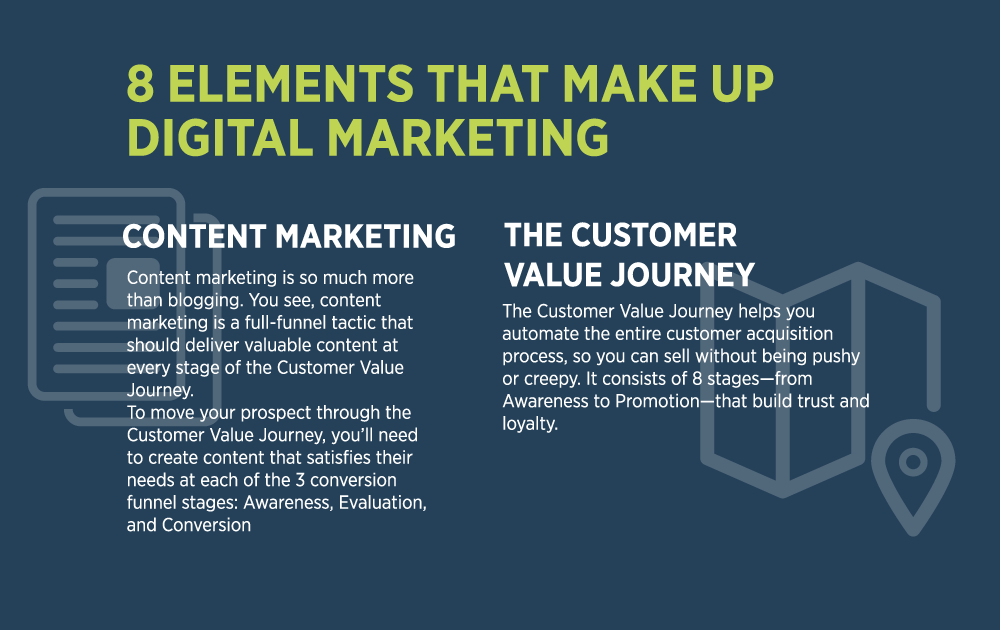
Content Marketing: Content marketing focuses on creating valuable and relevant content to attract and engage your target audience. This can include blog posts, videos, infographics, and social media posts.
Social Media Marketing: Social media platforms such as Facebook, Instagram, Twitter, and LinkedIn offer powerful tools for connecting with customers, building brand awareness, and driving traffic to your website.
Email Marketing: Email marketing involves sending targeted messages to subscribers to promote products or services, share updates, or nurture leads. Personalised email campaigns can help build customer relationships and drive conversions.
The Benefits of Digital Marketing
Digital marketing offers numerous benefits for businesses looking to expand their online presence and reach a wider audience:
- Increased Visibility: By implementing SEO strategies and leveraging social media platforms, you can increase your brand’s visibility online.
- Better Targeting: Digital marketing allows you to target specific demographics based on factors such as location, interests, and behaviour.
- Data-driven Insights: With digital marketing tools like analytics software, you can track performance metrics in real-time and make data-driven decisions to optimise your campaigns.
- Cost-effective: Compared to traditional marketing methods, digital marketing is often more cost-effective and offers a higher return on investment (ROI).
In Conclusion
Understanding the basics of digital marketing is essential for businesses looking to thrive in the digital landscape. By utilising various online tactics such as SEO, content marketing, social media marketing, and email campaigns, you can effectively reach your target audience, drive engagement, and ultimately grow your business in today’s competitive market.
Essential FAQs on Digital Marketing: Key Concepts and Benefits for Businesses
- What is digital marketing?
- Why is digital marketing important for businesses?
- What are the key components of digital marketing?
- How can SEO help improve online visibility?
- What is content marketing and why is it valuable?
- How does social media marketing benefit businesses?
- What role does email marketing play in a digital marketing strategy?
- How can businesses measure the success of their digital marketing campaigns?
- What are the benefits of investing in digital marketing for small businesses?
What is digital marketing?
Digital marketing encompasses a broad range of online strategies and tactics aimed at promoting products or services to target audiences through digital channels. It involves leveraging various platforms such as websites, search engines, social media, email, and content to reach and engage with customers. Digital marketing is essential for businesses looking to establish a strong online presence, increase brand awareness, drive traffic to their websites, and ultimately generate leads and conversions. By utilising tools like SEO, content marketing, social media advertising, and email campaigns, businesses can effectively connect with their target audience in the digital landscape.
Why is digital marketing important for businesses?
Digital marketing is crucial for businesses in today’s digital age because it offers a cost-effective and efficient way to reach and engage with target audiences. By leveraging online channels such as websites, social media, email, and search engines, businesses can increase their visibility, build brand awareness, and drive customer engagement. Digital marketing also provides valuable data insights that allow businesses to track performance metrics in real-time and make informed decisions to optimise their marketing strategies. Ultimately, digital marketing enables businesses to connect with customers on a more personal level, generate leads, drive conversions, and stay competitive in the ever-evolving digital landscape.
What are the key components of digital marketing?
A common question often asked about basic digital marketing is, “What are the key components of digital marketing?” The key components of digital marketing encompass various strategies and tactics aimed at enhancing online presence and engaging with target audiences effectively. These components typically include a well-designed website as the foundation, search engine optimisation (SEO) to improve visibility on search engines, content marketing to provide valuable information to the audience, social media marketing for brand awareness and engagement, and email marketing for targeted communication with subscribers. Understanding and implementing these key components are essential for businesses looking to succeed in the digital realm and reach their marketing goals efficiently.
How can SEO help improve online visibility?
Search Engine Optimization (SEO) plays a crucial role in enhancing online visibility by improving a website’s ranking on search engine results pages. By strategically incorporating relevant keywords, creating high-quality content, and optimising meta tags and descriptions, SEO helps search engines like Google understand the relevance and value of a website’s content. This, in turn, increases the chances of the website appearing higher in search results when users enter related queries. Ultimately, a well-executed SEO strategy can drive organic traffic to a website, attract more visitors, and improve overall online visibility, making it easier for potential customers to find and engage with the business.
What is content marketing and why is it valuable?
Content marketing is a strategic approach that involves creating and distributing valuable, relevant, and consistent content to attract and engage a target audience. This type of marketing focuses on providing information, entertainment, or education to potential customers rather than directly promoting a product or service. Content marketing is valuable because it helps build brand awareness, establish credibility and authority in the industry, drive traffic to websites, and nurture relationships with customers. By offering valuable content that addresses the needs and interests of your audience, you can increase engagement, generate leads, and ultimately drive conversions for your business.
How does social media marketing benefit businesses?
Social media marketing offers a multitude of benefits for businesses looking to enhance their online presence and connect with their target audience. By leveraging social media platforms such as Facebook, Instagram, Twitter, and LinkedIn, businesses can increase brand awareness, engage with customers in real-time, drive website traffic, and generate leads. Social media marketing also provides valuable insights into consumer preferences and behaviours, allowing businesses to tailor their marketing strategies effectively. Additionally, social media platforms offer cost-effective advertising options that enable businesses to reach a wider audience and achieve measurable results. Overall, social media marketing is a powerful tool that can help businesses build stronger relationships with customers and ultimately drive business growth in the digital age.
What role does email marketing play in a digital marketing strategy?
Email marketing plays a crucial role in a comprehensive digital marketing strategy by enabling businesses to directly connect with their target audience in a personalised and cost-effective manner. Through targeted email campaigns, businesses can nurture leads, build brand loyalty, promote products or services, and drive conversions. Email marketing allows for tailored messaging based on customer preferences and behaviours, making it a powerful tool for engaging with customers at different stages of the buyer’s journey. With the ability to track metrics such as open rates, click-through rates, and conversions, businesses can gain valuable insights to refine their email marketing strategies and achieve measurable results in driving engagement and revenue.
How can businesses measure the success of their digital marketing campaigns?
Businesses can measure the success of their digital marketing campaigns through various key performance indicators (KPIs) that align with their specific goals and objectives. These KPIs may include website traffic, conversion rates, click-through rates, social media engagement, email open rates, and return on investment (ROI). By tracking and analysing these metrics using tools such as Google Analytics and social media insights, businesses can gain valuable insights into the effectiveness of their campaigns and make data-driven decisions to optimise future strategies. Regular monitoring and evaluation of KPIs allow businesses to assess the impact of their digital marketing efforts and make adjustments to improve overall performance and achieve desired outcomes.
What are the benefits of investing in digital marketing for small businesses?
Investing in digital marketing offers a multitude of benefits for small businesses looking to establish a strong online presence and compete in the digital marketplace. By leveraging digital marketing strategies such as search engine optimisation (SEO), social media marketing, and email campaigns, small businesses can increase their visibility, reach a targeted audience, and drive engagement with potential customers. Digital marketing also provides cost-effective solutions compared to traditional marketing methods, allowing small businesses to maximise their return on investment (ROI) and compete with larger competitors on a level playing field. Additionally, the data-driven insights gained from digital marketing efforts enable small businesses to track performance metrics in real-time, make informed decisions, and continually optimise their marketing strategies for long-term success.