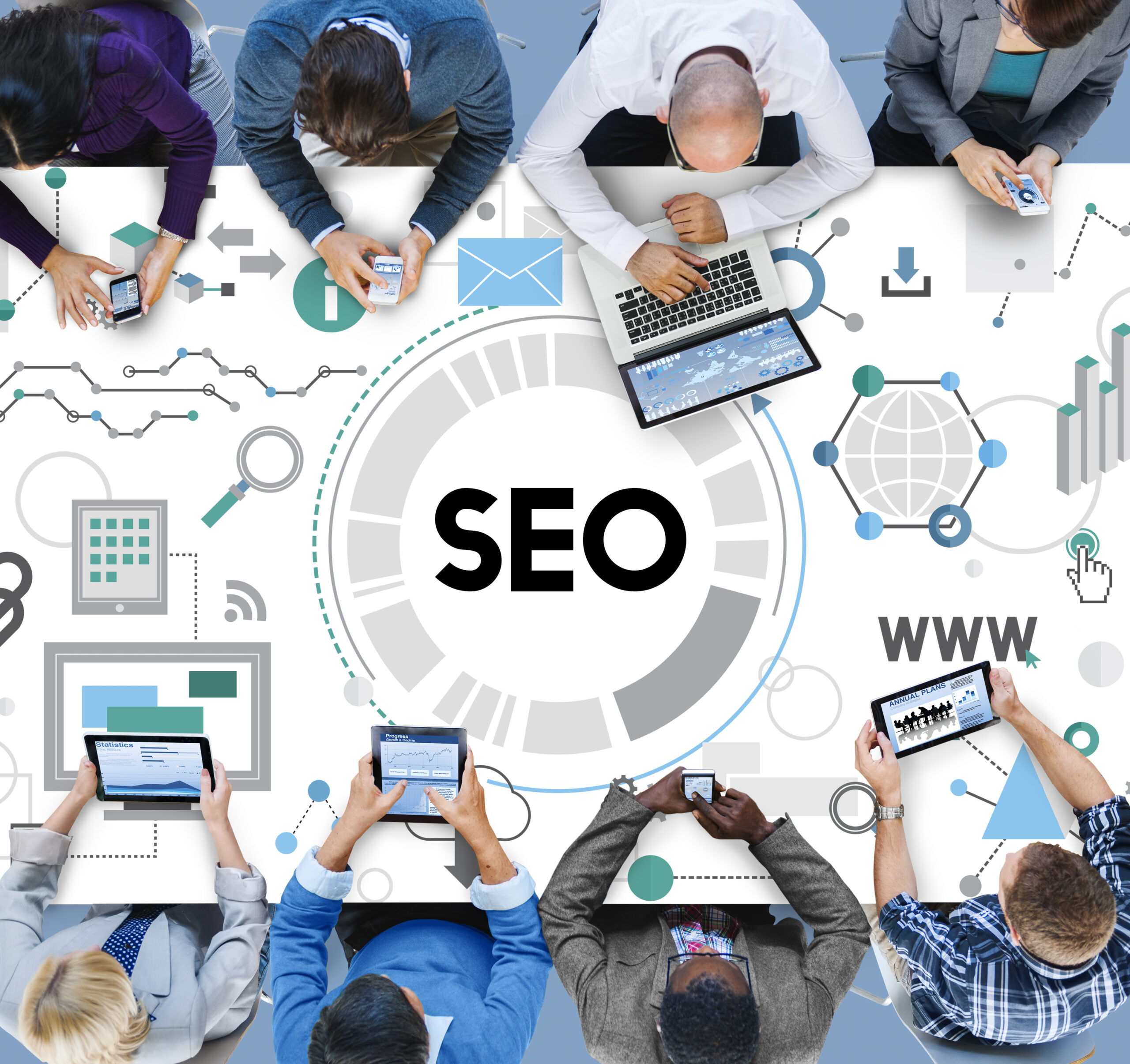
b2b digital marketing strategy

Unlocking Success: The Essential Guide to B2B Digital Marketing Strategy

The Power of B2B Digital Marketing Strategy

In the dynamic world of business-to-business (B2B) marketing, having a well-defined digital strategy is essential for success. With the rise of digital technologies and online platforms, B2B companies have more opportunities than ever to reach and engage with their target audience in a meaningful way.

Understanding B2B Digital Marketing

B2B digital marketing involves the use of online channels and tactics to promote products or services to other businesses. Unlike business-to-consumer (B2C) marketing, B2B marketing often focuses on building relationships, providing valuable information, and addressing the specific needs of other businesses.

The Key Elements of a Successful B2B Digital Marketing Strategy:

  1. Targeted Content: Creating high-quality, relevant content that addresses the pain points and challenges of your target audience is crucial in B2B marketing. This can include blog posts, whitepapers, case studies, and more.
  2. SEO and SEM: Optimising your website for search engines (SEO) and using search engine marketing (SEM) tactics such as pay-per-click advertising can help increase your visibility online and drive targeted traffic to your site.
  3. Social Media Marketing: Utilising social media platforms like LinkedIn, Twitter, and Facebook to share content, engage with prospects, and build relationships with key stakeholders in the industry.
  4. Email Marketing: Sending targeted email campaigns to nurture leads, provide valuable information, and keep your audience engaged with your brand over time.
  5. Data Analysis: Monitoring key performance indicators (KPIs) such as website traffic, conversion rates, lead generation metrics, and more to track the effectiveness of your digital marketing efforts and make data-driven decisions for future strategies.

The Benefits of a Strong B2B Digital Marketing Strategy

A well-executed B2B digital marketing strategy can offer numerous benefits for businesses looking to grow their customer base and increase revenue. Some key advantages include:

  • Increased Brand Awareness: By establishing a strong online presence through targeted digital marketing efforts, you can enhance brand visibility among potential customers in your industry.
  • Lead Generation: Effective digital marketing tactics such as content marketing and SEO can help attract qualified leads to your website who are more likely to convert into customers.
  • Improved Customer Engagement: Engaging with prospects through social media, email campaigns, and other channels allows you to build relationships with potential clients over time and nurture them through the sales funnel.
  • Metric-Driven Results: Digital marketing provides valuable data insights that allow you to measure the success of your campaigns in real-time and make adjustments as needed to optimise performance.

In conclusion, developing a robust B2B digital marketing strategy is essential for businesses looking to stay competitive in today’s digital landscape. By leveraging the power of online channels effectively, B2B companies can reach their target audience more efficiently, drive lead generation efforts, build lasting relationships with clients, and ultimately achieve their business goals.


Top 5 Benefits of a B2B Digital Marketing Strategy: Boost Visibility, Generate Leads, Engage Customers, Gain Insights, and Save Costs

  1. Increased brand visibility among target B2B audience
  2. Effective lead generation through targeted digital tactics
  3. Enhanced customer engagement and relationship building
  4. Access to valuable data insights for informed decision-making
  5. Cost-effective compared to traditional B2B marketing methods


Challenges in B2B Digital Marketing: Navigating High Competition, Prolonged Sales Cycles, and Resource Demands

  1. High Competition
  2. Longer Sales Cycles
  3. Resource Intensive

Increased brand visibility among target B2B audience

One significant advantage of implementing a B2B digital marketing strategy is the increased brand visibility among the target B2B audience. By strategically leveraging online channels and tailored content, businesses can enhance their presence in front of key decision-makers and industry professionals. This heightened visibility not only helps to establish brand authority and credibility but also increases the likelihood of being top-of-mind when potential clients are seeking solutions within the industry. Ultimately, greater brand visibility among the target B2B audience can lead to enhanced recognition, trust, and engagement, paving the way for meaningful business relationships and opportunities.

Effective lead generation through targeted digital tactics

One of the key advantages of a B2B digital marketing strategy is its ability to drive effective lead generation through targeted digital tactics. By utilising channels such as content marketing, SEO, social media, and email campaigns, businesses can reach their specific target audience with tailored messages that address their needs and pain points. This targeted approach not only attracts qualified leads to the business but also increases the likelihood of converting these leads into valuable customers. Ultimately, effective lead generation through targeted digital tactics allows B2B companies to maximise their marketing efforts and achieve tangible results in terms of acquiring new business opportunities.

Enhanced customer engagement and relationship building

An important advantage of implementing a B2B digital marketing strategy is the ability to enhance customer engagement and build strong relationships with clients. By leveraging various online channels such as social media, email campaigns, and targeted content, businesses can interact with their audience on a more personal level, providing valuable information and addressing their specific needs. This proactive approach not only fosters trust and loyalty but also allows companies to better understand their customers’ preferences and tailor their offerings accordingly, ultimately leading to long-term relationships and repeat business.

Access to valuable data insights for informed decision-making

One significant advantage of implementing a B2B digital marketing strategy is the access to valuable data insights that can guide informed decision-making. By analysing key performance indicators such as website traffic, conversion rates, and lead generation metrics, businesses can gain a deeper understanding of their target audience’s behaviour and preferences. This data-driven approach enables companies to make strategic adjustments to their marketing efforts, optimise campaign performance, and ultimately achieve better results. With actionable insights derived from digital analytics, businesses can make informed decisions that drive growth and success in the competitive B2B landscape.

Cost-effective compared to traditional B2B marketing methods

One significant advantage of a B2B digital marketing strategy is its cost-effectiveness when compared to traditional B2B marketing methods. By leveraging online channels such as social media, email campaigns, and search engine marketing, businesses can reach a larger audience at a fraction of the cost of traditional print or TV advertising. Digital marketing allows for targeted campaigns that focus on specific demographics or industries, reducing wastage and ensuring that marketing budgets are allocated efficiently. This cost-effective approach not only helps businesses save money but also provides a higher return on investment by reaching the right audience with tailored messaging.

High Competition

In the realm of B2B digital marketing, one significant drawback is the intense competition that businesses face. With numerous companies all striving to capture the attention of the same target audience, standing out in a crowded digital landscape can be a daunting task. The high level of competition means that businesses must work even harder to differentiate themselves, craft compelling messaging, and deliver valuable content that resonates with their audience to effectively cut through the noise and make a lasting impact.

Longer Sales Cycles

One significant drawback of B2B digital marketing strategy is the longer sales cycles involved. Unlike in B2C marketing, where transactions can be more immediate, B2B sales cycles tend to be extended and intricate. This means that businesses need to invest a considerable amount of effort and resources into nurturing leads over an extended period to guide them through the complex buying process. The prolonged nature of these sales cycles can pose challenges in terms of maintaining momentum, managing expectations, and ensuring consistent engagement with potential clients throughout the decision-making journey.

Resource Intensive

One significant drawback of implementing a comprehensive B2B digital marketing strategy is its resource-intensive nature. To execute such a strategy effectively, businesses need to allocate substantial time, expertise, and financial resources. This can pose a challenge for some companies, especially smaller businesses or those with limited budgets, as the investment required may be beyond their means. The need for skilled professionals, advanced tools and technologies, and ongoing monitoring and optimisation can make it difficult for some businesses to fully embrace the potential benefits of B2B digital marketing.

best digital campaigns 2019

Exploring the Top Digital Campaigns of 2019: A Showcase of the Best Strategies

Best Digital Campaigns of 2019

The Best Digital Campaigns of 2019

2019 was a year filled with innovative and impactful digital campaigns that captured the attention of audiences worldwide. From creative storytelling to interactive experiences, brands pushed the boundaries of digital marketing to engage and connect with consumers in new and exciting ways.

Nike: Dream Crazy

Nike’s “Dream Crazy” campaign featuring Colin Kaepernick sparked conversations and inspired audiences with its powerful message of believing in your dreams despite obstacles. The campaign resonated with viewers on a personal level, making it one of the most talked-about campaigns of the year.

Burger King: Whopper Detour

Burger King’s “Whopper Detour” campaign cleverly combined mobile technology with a bold marketing strategy. By encouraging customers to order a Whopper through their app while at a McDonald’s location, Burger King successfully drove sales and generated buzz across social media platforms.

Spotify: Wrapped 2019

Spotify’s annual “Wrapped” campaign personalised music listening experiences for users by showcasing their top songs, artists, and genres from the year. The campaign not only engaged existing users but also attracted new audiences through social sharing and personalised recommendations.

Airbnb: Night At The Louvre

Airbnb’s collaboration with the Louvre Museum offered a once-in-a-lifetime opportunity for guests to spend a night inside the iconic museum. This unique experience generated significant media coverage and showcased Airbnb’s commitment to creating unforgettable travel experiences for its customers.

Coca-Cola: #ShareACoke

Coca-Cola continued its successful “Share A Coke” campaign in 2019 by personalising bottles with popular names and encouraging consumers to share them with friends and loved ones. The campaign fostered a sense of connection and community while driving sales and brand loyalty.

In conclusion, the best digital campaigns of 2019 demonstrated the power of creativity, storytelling, and consumer engagement in shaping successful marketing strategies. As we look ahead to future trends in digital marketing, these campaigns serve as inspiration for brands seeking to make a lasting impact on their target audiences.


Top 9 Tips for Crafting Successful Digital Campaigns in 2019

  1. Leverage data analytics to understand your audience better.
  2. Utilise social media platforms for targeted advertising.
  3. Create engaging video content to capture attention quickly.
  4. Incorporate influencer marketing to expand reach and credibility.
  5. Use storytelling techniques to connect emotionally with your audience.
  6. Optimise campaigns for mobile devices as users increasingly access content on-the-go.
  7. Employ A/B testing to refine ad creatives and messaging continuously.
  8. Focus on personalisation to deliver relevant content and offers.
  9. Monitor campaign performance in real-time and adjust strategies as needed.

Leverage data analytics to understand your audience better.

In the realm of best digital campaigns in 2019, a crucial tip emerged: leveraging data analytics to gain deeper insights into your audience. By harnessing the power of data analytics, brands were able to understand their target demographics, preferences, and behaviours more effectively. This invaluable information allowed marketers to tailor their campaigns with precision, ensuring that content resonated with audiences on a personal level. In an era where consumer engagement is paramount, utilising data analytics proved to be a game-changer in creating successful and impactful digital campaigns that not only captured attention but also fostered lasting connections with customers.

Utilise social media platforms for targeted advertising.

In the realm of best digital campaigns in 2019, a crucial tip that stood out was the strategic utilisation of social media platforms for targeted advertising. By leveraging the vast reach and sophisticated targeting capabilities of platforms such as Facebook, Instagram, and Twitter, brands were able to tailor their messages to specific demographics, interests, and behaviours of their desired audience. This approach not only maximised the effectiveness of marketing efforts but also fostered meaningful connections with consumers, ultimately leading to higher engagement and conversion rates.

Create engaging video content to capture attention quickly.

In the realm of best digital campaigns in 2019, a key tip that emerged was the importance of creating engaging video content to capture attention swiftly. Video content has proven to be a powerful tool for brands to connect with their audiences in a dynamic and impactful way. By crafting compelling videos that resonate with viewers from the outset, brands can effectively grab attention and convey their message efficiently in today’s fast-paced digital landscape. This strategy not only helps to engage audiences but also enhances brand visibility and fosters meaningful connections with consumers.

Incorporate influencer marketing to expand reach and credibility.

Incorporating influencer marketing into digital campaigns in 2019 proved to be a highly effective strategy for expanding reach and enhancing credibility. By partnering with influencers who have a loyal following and strong influence within their niche, brands were able to connect with target audiences in a more authentic and engaging way. Leveraging the trust and authority that influencers hold among their followers helped brands to not only increase their reach but also build credibility and foster meaningful connections with consumers. This approach demonstrated the importance of tapping into influencer networks to amplify brand messages and drive successful digital campaigns in 2019.

Use storytelling techniques to connect emotionally with your audience.

In the realm of best digital campaigns in 2019, a key tip that stood out was the effective use of storytelling techniques to establish emotional connections with audiences. By weaving narratives that resonate on a personal level, brands were able to evoke feelings of empathy, inspiration, and relatability among consumers. Through compelling storytelling, these campaigns transcended traditional marketing approaches and fostered deeper relationships with their target audience, ultimately leading to increased engagement and brand loyalty.

Optimise campaigns for mobile devices as users increasingly access content on-the-go.

In the realm of best digital campaigns in 2019, a crucial tip emerged: optimising campaigns for mobile devices is paramount as users increasingly access content on-the-go. With the rise of mobile usage, ensuring that digital campaigns are tailored for seamless viewing and interaction on smartphones and tablets is essential to engaging audiences in today’s fast-paced, mobile-centric world. By prioritising mobile optimisation, brands can enhance user experience, reach a wider audience, and maximise the effectiveness of their digital marketing efforts.

Employ A/B testing to refine ad creatives and messaging continuously.

Employing A/B testing to refine ad creatives and messaging continuously was a key strategy that set apart the best digital campaigns of 2019. By testing different variations of ad content and messaging, brands were able to gather valuable insights into what resonated most with their target audience. This data-driven approach not only optimised campaign performance but also allowed for real-time adjustments to maximise engagement and conversions. In a competitive digital landscape, the ability to iterate and refine based on A/B testing results proved essential in creating successful and impactful marketing campaigns.

Focus on personalisation to deliver relevant content and offers.

In the realm of best digital campaigns in 2019, a key tip that stood out was the emphasis on personalisation to deliver tailored content and offers to consumers. By focusing on personalisation, brands were able to create more meaningful connections with their target audience by providing relevant and engaging experiences. This approach not only enhanced customer satisfaction but also increased engagement and conversion rates, showcasing the importance of delivering content and offers that resonate with individual preferences and needs.

Monitor campaign performance in real-time and adjust strategies as needed.

Monitoring campaign performance in real-time and adjusting strategies as needed is a crucial tip for running successful digital campaigns in 2019. By closely tracking key metrics such as engagement rates, click-through rates, and conversion rates, marketers can quickly identify what is working well and what needs improvement. This real-time data allows for agile decision-making, enabling teams to make timely adjustments to optimise campaign performance and maximise results. By staying responsive to changing trends and audience behaviour, brands can ensure that their digital campaigns remain relevant and effective in reaching their target audience.

airbnb digital marketing

Unlocking Success: The Impact of Airbnb’s Digital Marketing Strategies

Airbnb Digital Marketing

The Power of Airbnb’s Digital Marketing Strategies

In the competitive world of hospitality and travel, Airbnb has emerged as a major player, revolutionising the way people book accommodations worldwide. Central to Airbnb’s success is its strategic and innovative approach to digital marketing.

Personalised User Experience

Airbnb leverages data analytics and user behaviour insights to provide a personalised experience for its users. By recommending listings based on past searches and preferences, Airbnb enhances user engagement and encourages repeat bookings.

Compelling Visual Content

Visual storytelling plays a crucial role in Airbnb’s digital marketing strategy. High-quality images and videos showcase properties in an appealing light, helping users envision their stay and making the booking process more enticing.

Social Media Engagement

Airbnb actively engages with its audience on social media platforms, sharing user-generated content, travel tips, and behind-the-scenes stories. By fostering a sense of community and authenticity, Airbnb strengthens its brand presence and connects with users on a personal level.

SEO Optimisation

Airbnb invests in search engine optimisation (SEO) to ensure its platform ranks high in search results. By optimising keywords, metadata, and content across its website, Airbnb attracts organic traffic and increases visibility among potential guests.

Influencer Partnerships

Collaborating with influencers and travel bloggers allows Airbnb to reach new audiences and tap into niche markets. Influencers share their experiences staying at Airbnb properties, generating buzz and driving interest in unique accommodations offered on the platform.

Conclusion

Airbnb’s digital marketing strategies exemplify creativity, data-driven decision-making, and a commitment to enhancing the user experience. By leveraging technology and engaging with customers across various digital channels, Airbnb continues to lead the way in redefining the hospitality industry.


Exploring Airbnb’s Digital Marketing Strategies: Insights into Data Analytics, Visual Content, and Social Media Engagement

  1. 1. How does Airbnb use data analytics in its digital marketing strategies?
  2. 2. What role does visual content play in Airbnb’s digital marketing approach?
  3. 3. How does Airbnb engage with users on social media platforms?
  4. 4. What SEO techniques does Airbnb employ to enhance its online visibility?
  5. 5. How does Airbnb collaborate with influencers in its marketing efforts?
  6. 6. What are some examples of successful user-generated content campaigns by Airbnb?
  7. 7. How has Airbnb’s digital marketing strategy contributed to its success in the hospitality industry?

1. How does Airbnb use data analytics in its digital marketing strategies?

Airbnb harnesses the power of data analytics in its digital marketing strategies to enhance user engagement and personalisation. By analysing user behaviour, preferences, and search patterns, Airbnb gains valuable insights that inform targeted marketing campaigns and recommendations. This data-driven approach allows Airbnb to tailor its messaging, content, and promotions to individual users, creating a more personalised and relevant experience. Through continuous analysis and optimisation of data, Airbnb optimises its digital marketing efforts to drive user acquisition, retention, and overall business growth.

2. What role does visual content play in Airbnb’s digital marketing approach?

Visual content plays a pivotal role in Airbnb’s digital marketing approach, serving as a powerful tool to captivate and engage users. By showcasing high-quality images and videos of properties, Airbnb creates an immersive experience that allows potential guests to visualise their stay and make informed booking decisions. The visually appealing content not only highlights the unique features of each listing but also evokes emotions and inspires wanderlust, ultimately driving user engagement and increasing conversion rates. In essence, visual storytelling is integral to Airbnb’s strategy, enabling the platform to communicate its brand identity effectively and differentiate itself in the competitive travel industry.

3. How does Airbnb engage with users on social media platforms?

Airbnb excels in engaging with users on social media platforms by adopting a strategic and interactive approach. Through its active presence on platforms such as Instagram, Facebook, and Twitter, Airbnb shares captivating user-generated content, travel tips, and behind-the-scenes stories that resonate with its audience. By fostering a sense of community and authenticity, Airbnb encourages users to participate in conversations, share their experiences, and connect with the brand on a personal level. This engagement not only strengthens Airbnb’s brand presence but also builds trust and loyalty among its followers, ultimately enhancing the overall user experience across social media channels.

4. What SEO techniques does Airbnb employ to enhance its online visibility?

Airbnb employs a range of SEO techniques to enhance its online visibility and ensure prominent placement in search engine results. One key strategy is the optimisation of relevant keywords across its website, including property descriptions, location details, and user-generated content. Additionally, Airbnb focuses on creating high-quality and engaging content that resonates with both users and search engine algorithms. By implementing best practices in on-page SEO, such as meta tags, headers, and internal linking, Airbnb enhances its organic search performance and attracts a wider audience of potential guests seeking unique accommodations around the world.

5. How does Airbnb collaborate with influencers in its marketing efforts?

Airbnb strategically collaborates with influencers as part of its marketing efforts to reach new audiences and enhance brand visibility. By partnering with influencers who resonate with their target demographic, Airbnb leverages the influencers’ credibility and reach to promote unique accommodations and travel experiences offered on the platform. Influencers share authentic content showcasing their stays at Airbnb properties, highlighting the value and appeal of booking through Airbnb. These partnerships not only drive engagement and interest among followers but also contribute to building a community around shared travel experiences, ultimately strengthening Airbnb’s position in the competitive hospitality market.

6. What are some examples of successful user-generated content campaigns by Airbnb?

Airbnb has successfully implemented several user-generated content campaigns that have resonated with its audience and showcased the unique experiences offered by its hosts. One notable example is the “Airbnb Experiences” campaign, where users share their memorable moments and adventures while staying at Airbnb properties. This campaign not only highlights the diverse range of activities available to guests but also fosters a sense of community and authenticity. Another successful user-generated content initiative by Airbnb is the “Night At” series, where lucky guests have the opportunity to stay in unusual accommodations like underwater bedrooms or floating houses, creating buzz and generating excitement among both participants and onlookers. These campaigns demonstrate Airbnb’s ability to harness user-generated content effectively to promote its brand and engage with its global audience.

7. How has Airbnb’s digital marketing strategy contributed to its success in the hospitality industry?

Airbnb’s digital marketing strategy has been instrumental in propelling the company to success within the hospitality industry. By harnessing the power of data analytics, personalised user experiences, compelling visual content, social media engagement, SEO optimisation, and influencer partnerships, Airbnb has effectively differentiated itself and captured the attention of a global audience. These strategic initiatives have not only increased brand visibility and user engagement but also fostered a sense of community and trust among users. Ultimately, Airbnb’s innovative approach to digital marketing has played a pivotal role in establishing its position as a market leader and reshaping the way people book accommodations worldwide.

5s of digital marketing

Mastering the 5 S’s of Digital Marketing: A Comprehensive Guide for Success

The 5 S’s of Digital Marketing: A Comprehensive Guide

In the ever-evolving landscape of digital marketing, understanding the core principles is essential for success. One such framework that serves as a foundation for effective digital marketing strategies is the 5 S’s model. Let’s delve into each of the 5 S’s to gain insights into how they can shape your digital marketing efforts.

Strategy

Strategy forms the backbone of any successful digital marketing campaign. It involves setting clear objectives, identifying target audiences, and outlining the tactics to achieve your goals. A well-defined strategy helps align your efforts towards a common purpose and ensures that every action contributes to your overall objectives.

Segmentation

Segmentation involves dividing your target audience into distinct groups based on shared characteristics such as demographics, behaviours, or preferences. By segmenting your audience, you can tailor your messaging and content to resonate with specific groups, increasing engagement and conversion rates.

Search Engine Optimization (SEO)

SEO plays a crucial role in enhancing your online visibility and driving organic traffic to your website. By optimising your website content for relevant keywords, improving site structure, and earning quality backlinks, you can improve your search engine rankings and attract more qualified leads to your business.

Social Media Marketing

Social media platforms offer a powerful channel for engaging with your audience, building brand awareness, and driving traffic to your website. Effective social media marketing involves creating compelling content, engaging with followers, and leveraging paid advertising to reach a wider audience and achieve your marketing objectives.

Measurement & Analytics

Measurement and analytics are essential for evaluating the performance of your digital marketing efforts and making data-driven decisions. By tracking key metrics such as website traffic, conversion rates, and engagement levels, you can identify areas for improvement, optimise campaigns in real-time, and maximise the return on investment (ROI) of your marketing activities.

By incorporating the 5 S’s of digital marketing into your strategy, you can create a cohesive approach that drives results and helps you stay ahead in today’s competitive digital landscape. Remember that continuous learning and adaptation are key to mastering these principles and achieving sustainable growth in the digital realm.


Understanding the 5S Framework and Key Concepts in Digital Marketing: FAQs

  1. How do you set goals in digital marketing?
  2. What are 5d where digital marketing revolves?
  3. What are the 5S in digital marketing?
  4. What are the 5’s of marketing approach?
  5. What is the 5S framework?
  6. What are the 7 C’s of digital marketing?
  7. What is the 5S methodology in marketing?
  8. What is the goal of digital marketing?

How do you set goals in digital marketing?

Setting goals in digital marketing is a crucial step towards defining the direction and success of your campaigns. To establish effective goals, start by aligning them with your overall business objectives. Consider what you aim to achieve, whether it’s increasing brand awareness, driving website traffic, generating leads, or boosting sales. Your goals should be specific, measurable, achievable, relevant, and time-bound (SMART). By setting clear and realistic targets, you can track progress, evaluate performance, and make informed decisions to optimise your digital marketing efforts for maximum impact.

What are 5d where digital marketing revolves?

The 5 D’s that form the core of digital marketing are Strategy, Segmentation, Search Engine Optimization (SEO), Social Media Marketing, and Measurement & Analytics. These fundamental pillars encompass the essential elements of a successful digital marketing campaign. Strategy guides the overarching plan, Segmentation targets specific audience groups, SEO boosts online visibility, Social Media Marketing engages with audiences on various platforms, and Measurement & Analytics provide valuable insights for refining strategies and maximising performance. Understanding and implementing these 5 D’s are crucial for businesses looking to thrive in the digital landscape and achieve their marketing objectives effectively.

What are the 5S in digital marketing?

The 5S in digital marketing refer to Strategy, Segmentation, Search Engine Optimization (SEO), Social Media Marketing, and Measurement & Analytics. These five pillars form the foundation of a successful digital marketing strategy. Strategy involves setting clear objectives and tactics, Segmentation helps in targeting specific audience groups, SEO enhances online visibility, Social Media Marketing drives engagement, and Measurement & Analytics provide insights for continuous improvement. Understanding and implementing the 5S of digital marketing can help businesses effectively reach their target audience, increase brand awareness, and achieve measurable results in the digital realm.

What are the 5’s of marketing approach?

The 5 S’s of marketing approach encompass Strategy, Segmentation, Search Engine Optimization (SEO), Social Media Marketing, and Measurement & Analytics. Each ‘S’ represents a fundamental aspect of digital marketing strategy that collectively contribute to the success of a campaign. Strategy involves setting clear objectives and tactics, Segmentation focuses on understanding and targeting specific audience groups, SEO enhances online visibility, Social Media Marketing engages with audiences on various platforms, and Measurement & Analytics provides insights for data-driven decision-making. By incorporating these 5 S’s into their marketing approach, businesses can create a comprehensive strategy that maximises their online presence and drives meaningful results.

What is the 5S framework?

The 5S framework in digital marketing refers to a strategic model that encompasses five key elements essential for effective marketing campaigns. These elements, namely Strategy, Segmentation, Search Engine Optimization (SEO), Social Media Marketing, and Measurement & Analytics, form the foundation of successful digital marketing initiatives. By understanding and implementing each component of the 5S framework, businesses can develop targeted strategies, engage with their audience effectively, improve online visibility, leverage social media channels for brand promotion, and measure the performance of their campaigns to drive continuous improvement and achieve desired outcomes in the digital realm.

What are the 7 C’s of digital marketing?

The 7 C’s of digital marketing are a set of principles that provide a comprehensive framework for understanding and implementing effective marketing strategies in the digital realm. While the 5 S’s focus on key elements such as strategy, segmentation, SEO, social media marketing, and measurement, the 7 C’s delve deeper into aspects like content, context, consistency, community, customization, communication, and conversion. By considering these additional factors, businesses can create more engaging and personalised experiences for their target audience, ultimately driving greater success in their digital marketing efforts.

What is the 5S methodology in marketing?

The 5S methodology in marketing refers to a structured framework that encompasses Strategy, Segmentation, Search Engine Optimization (SEO), Social Media Marketing, and Measurement & Analytics. Each ‘S’ represents a key aspect of digital marketing strategy and implementation. Strategy involves setting clear objectives and tactics to achieve marketing goals, while Segmentation focuses on dividing target audiences into distinct groups for tailored messaging. SEO aims to improve online visibility through optimisation techniques, and Social Media Marketing leverages platforms for engagement and brand awareness. Measurement & Analytics play a crucial role in evaluating performance and making data-driven decisions for continuous improvement in marketing efforts. By following the 5S methodology, marketers can create effective campaigns that resonate with their audience and drive measurable results in the digital landscape.

What is the goal of digital marketing?

The goal of digital marketing is to leverage online channels and technologies to reach and engage with target audiences, ultimately driving desired actions that align with the overarching business objectives. Whether it’s increasing brand awareness, generating leads, driving website traffic, or boosting sales, the primary aim of digital marketing is to deliver measurable results and create meaningful interactions with customers in the digital realm. By crafting strategic campaigns, optimising online presence, and utilising data-driven insights, businesses can effectively connect with their audience, build relationships, and achieve sustainable growth in today’s competitive digital landscape.

online marketing strategist

Crafting Success: The Essential Role of an Online Marketing Strategist

The Role of an Online Marketing Strategist in Today’s Digital Landscape

In the fast-paced world of digital marketing, the role of an online marketing strategist is more crucial than ever. As businesses strive to reach and engage with their target audiences in the online realm, the expertise and guidance of a skilled strategist can make all the difference in achieving success.

What Does an Online Marketing Strategist Do?

An online marketing strategist is responsible for developing and implementing comprehensive digital marketing strategies to help businesses achieve their goals. This involves a deep understanding of various online channels, such as social media, search engine optimisation (SEO), pay-per-click advertising, email marketing, and content creation.

By conducting market research, analysing data, and staying abreast of industry trends, an online marketing strategist can identify opportunities for growth and devise tailored strategies to maximise a business’s online presence and visibility.

The Importance of Strategy in Digital Marketing

Effective digital marketing is not just about posting content or running ads; it requires a strategic approach that aligns with a business’s objectives and target audience. An online marketing strategist plays a key role in creating cohesive and results-driven campaigns that resonate with customers and drive conversions.

Furthermore, in today’s competitive digital landscape, having a well-defined strategy is essential for standing out from the crowd and making a meaningful impact. An online marketing strategist can help businesses differentiate themselves through innovative tactics and compelling storytelling that captivates audiences.

Driving Business Growth Through Strategic Marketing

Ultimately, the goal of an online marketing strategist is to drive business growth by leveraging the power of digital channels effectively. Whether it’s increasing brand awareness, generating leads, or boosting sales, a well-crafted digital strategy can pave the way for success in today’s interconnected world.

By continuously evaluating performance metrics, refining strategies based on insights, and adapting to changing market dynamics, an online marketing strategist ensures that businesses stay ahead of the curve and remain relevant in the eyes of their target audience.

In Conclusion

In conclusion, the role of an online marketing strategist is indispensable for businesses looking to thrive in the digital age. By combining creativity with data-driven insights and strategic thinking, these professionals help businesses navigate the complexities of online marketing and achieve tangible results that propel them towards success.


Mastering Online Marketing: 6 Essential Tips for Strategic Success

  1. Understand your target audience and their preferences.
  2. Stay updated with the latest trends in digital marketing.
  3. Create a strong online presence through various channels.
  4. Set clear and measurable goals for your online marketing campaigns.
  5. Analyse data regularly to track the performance of your strategies.
  6. Engage with your audience through interactive content and social media.

Understand your target audience and their preferences.

To excel as an online marketing strategist, it is essential to thoroughly understand your target audience and their preferences. By delving into the demographics, behaviours, and interests of your audience, you can tailor your marketing efforts to resonate with them effectively. This insight allows you to craft compelling messages, choose the right channels for engagement, and deliver content that truly speaks to the needs and desires of your audience. Ultimately, by putting your audience at the centre of your strategy, you can build stronger connections, drive engagement, and achieve meaningful results in the competitive digital landscape.

To excel as an online marketing strategist, it is imperative to stay updated with the latest trends in digital marketing. The digital landscape is constantly evolving, with new technologies, platforms, and consumer behaviours shaping the way businesses engage with their audiences online. By keeping abreast of emerging trends and best practices, a marketing strategist can adapt their strategies to remain relevant and effective in reaching and resonating with target audiences. Continuous learning and staying ahead of the curve are key to success in navigating the dynamic world of digital marketing.

Create a strong online presence through various channels.

To maximise the impact of your digital marketing efforts, it is essential for an online marketing strategist to create a robust online presence across multiple channels. By strategically utilising platforms such as social media, search engines, email marketing, and content creation, businesses can effectively reach and engage with their target audience. A strong online presence not only enhances brand visibility but also builds credibility and trust among customers. Through cohesive and consistent messaging across different channels, an online marketing strategist can establish a compelling digital footprint that resonates with audiences and drives business growth.

Set clear and measurable goals for your online marketing campaigns.

Setting clear and measurable goals for your online marketing campaigns is essential for success in the digital landscape. By defining specific objectives, such as increasing website traffic, generating leads, or improving conversion rates, you create a roadmap that guides your marketing efforts and allows you to track progress effectively. Clear goals provide focus and direction, enabling you to allocate resources efficiently and make data-driven decisions to optimise campaign performance. With measurable goals in place, you can assess the effectiveness of your strategies, identify areas for improvement, and ultimately achieve meaningful results that align with your business objectives.

Analyse data regularly to track the performance of your strategies.

Regularly analysing data is a crucial tip for online marketing strategists to track the effectiveness of their strategies. By monitoring key performance metrics and interpreting data insights, strategists can gain valuable information about the impact of their campaigns, identify areas for improvement, and make informed decisions to optimise future marketing efforts. Data analysis not only provides valuable feedback on strategy performance but also helps in adjusting tactics in real-time to ensure maximum ROI and success in the ever-evolving digital landscape.

Engage with your audience through interactive content and social media.

To maximise the impact of your online marketing strategy, it is essential to engage with your audience through interactive content and social media. By creating compelling and interactive posts, such as polls, quizzes, or live videos, you can foster a sense of connection and dialogue with your followers. Social media platforms offer a dynamic space to interact with your audience in real-time, gather feedback, and build relationships that strengthen brand loyalty. Embracing interactive content and engaging with your audience on social media not only enhances the overall user experience but also helps to drive meaningful interactions and conversions for your business.

online content marketing

Unlocking the Potential of Online Content Marketing Strategies

The Power of Online Content Marketing

The Power of Online Content Marketing

In today’s digital age, online content marketing has become a vital strategy for businesses looking to connect with their target audience, build brand awareness, and drive engagement. By creating and distributing valuable, relevant content online, companies can attract and retain customers while establishing themselves as industry leaders.

Benefits of Online Content Marketing

There are numerous benefits to incorporating online content marketing into your overall digital strategy:

  • Increased Visibility: Quality content helps improve your search engine rankings, making it easier for potential customers to find you online.
  • Brand Authority: By sharing valuable insights and information, you can position your brand as an authority in your industry, building trust with your audience.
  • Engagement: Compelling content encourages interaction and engagement with your audience, fostering a sense of community around your brand.
  • Lead Generation: Well-crafted content can attract leads and convert them into customers by addressing their needs and pain points.
  • Cost-Effective: Compared to traditional marketing methods, online content marketing offers a cost-effective way to reach a wider audience and drive results.

Tips for Effective Online Content Marketing

To make the most of your online content marketing efforts, consider the following tips:

  1. Know Your Audience: Understand who your target audience is and create content that resonates with their interests and needs.
  2. Create Quality Content: Focus on producing high-quality, relevant content that provides value to your audience and sets you apart from competitors.
  3. Diversify Your Content: Experiment with different types of content such as blog posts, videos, infographics, and podcasts to keep your audience engaged.
  4. Promote Your Content: Utilise social media platforms, email newsletters, and other channels to promote your content and reach a wider audience.
  5. Analyse and Optimise: Monitor the performance of your content using analytics tools and make adjustments based on data insights to improve results over time.

In Conclusion

Online content marketing is a powerful tool for businesses looking to establish a strong online presence, engage with their target audience, and drive business growth. By creating valuable and relevant content that resonates with your audience, you can build brand loyalty, attract new customers, and achieve long-term success in the digital landscape.


Mastering Online Content Marketing: 9 Essential Tips for Success

  1. Understand your target audience and tailor your content to their needs and interests.
  2. Create high-quality, engaging content that provides value to your audience.
  3. Utilise various types of content such as articles, videos, infographics, and podcasts to keep things interesting.
  4. Optimise your content for search engines with relevant keywords and meta tags.
  5. Promote your content across different online platforms to reach a wider audience.
  6. Engage with your audience through comments, messages, and social media interactions.
  7. Analyse the performance of your content using analytics tools to make data-driven decisions.
  8. Stay updated on industry trends and adjust your content strategy accordingly.
  9. Build relationships with influencers or other brands for collaborations that can expand your reach.

Understand your target audience and tailor your content to their needs and interests.

To succeed in online content marketing, it is crucial to have a deep understanding of your target audience. By identifying their needs, preferences, and interests, you can tailor your content to resonate with them effectively. This personalised approach not only enhances engagement but also builds trust and loyalty with your audience. By crafting content that speaks directly to the desires and challenges of your target demographic, you can create meaningful connections that drive results and foster long-term relationships.

Create high-quality, engaging content that provides value to your audience.

Creating high-quality, engaging content that offers genuine value to your audience is a cornerstone of successful online content marketing. By focusing on producing content that resonates with your target demographic, addresses their needs, and sparks their interest, you can establish credibility, build trust, and foster long-lasting relationships with your audience. Quality content not only attracts and retains readers but also positions your brand as a valuable resource in your industry, ultimately driving engagement and loyalty among your followers.

Utilise various types of content such as articles, videos, infographics, and podcasts to keep things interesting.

To enhance your online content marketing strategy, it is essential to utilise a diverse range of content formats, including articles, videos, infographics, and podcasts. By incorporating different types of content, you can cater to varied audience preferences and keep your online presence engaging and dynamic. Articles provide in-depth information, videos offer visual appeal and storytelling opportunities, infographics present data in a visually appealing way, and podcasts enable auditory engagement. This variety not only keeps things interesting for your audience but also helps you effectively communicate your brand message across different platforms.

Optimise your content for search engines with relevant keywords and meta tags.

To maximise the visibility and reach of your online content, it is crucial to optimise it for search engines by incorporating relevant keywords and meta tags. By strategically selecting keywords that align with your target audience’s search queries and including them in your content and meta tags, you can improve your website’s ranking in search engine results pages. This practice not only enhances discoverability but also increases the likelihood of attracting organic traffic to your website, ultimately boosting your online presence and engagement with potential customers.

Promote your content across different online platforms to reach a wider audience.

Promoting your content across various online platforms is a crucial strategy in online content marketing to broaden your reach and engage with a larger audience. By utilising social media channels, email newsletters, industry forums, and other relevant platforms, you can increase visibility for your content and attract diverse segments of your target audience. This multi-platform approach not only enhances brand awareness but also drives traffic to your website, ultimately leading to increased conversions and business growth.

Engage with your audience through comments, messages, and social media interactions.

To maximise the effectiveness of your online content marketing strategy, it is crucial to actively engage with your audience through comments, messages, and social media interactions. By responding promptly to feedback, addressing queries, and fostering discussions on various platforms, you not only demonstrate your commitment to customer satisfaction but also build a sense of community around your brand. Engaging with your audience in a meaningful way helps strengthen relationships, increase brand loyalty, and encourage ongoing interaction, ultimately driving positive results for your business in the digital realm.

Analyse the performance of your content using analytics tools to make data-driven decisions.

Analysing the performance of your content using analytics tools is crucial in online content marketing. By gathering and interpreting data metrics such as website traffic, engagement rates, and conversion rates, you can gain valuable insights into what resonates with your audience and what areas need improvement. This data-driven approach enables you to make informed decisions on refining your content strategy, targeting specific audience segments, and optimising your marketing efforts for better results and increased effectiveness in reaching your business goals.

To maximise the effectiveness of your online content marketing efforts, it is crucial to stay informed about current industry trends and adapt your content strategy accordingly. By keeping abreast of the latest developments in your field, you can ensure that your content remains relevant and engaging to your target audience. Adjusting your strategy in response to industry trends demonstrates a commitment to providing valuable and up-to-date information, helping you maintain a competitive edge and strengthen your brand’s position as a trusted source of expertise in the ever-evolving digital landscape.

Build relationships with influencers or other brands for collaborations that can expand your reach.

Building relationships with influencers or other brands for collaborations is a strategic tip in online content marketing that can significantly expand your reach and enhance your brand visibility. By partnering with influencers who have a strong following or collaborating with complementary brands, you can tap into new audiences, increase engagement, and establish credibility within your industry. These collaborations not only help you reach a wider demographic but also create opportunities for creative content creation and mutual promotion, ultimately driving growth and fostering meaningful connections with your target market.

digital marketing 2018

Exploring the Evolution of Digital Marketing in 2018

Digital Marketing Trends in 2018: A Look Back

The year 2018 marked a significant period of transformation in the digital marketing landscape. As technology continued to evolve at a rapid pace, marketers found themselves adapting to new tools and strategies to engage their audiences more effectively. Here’s a look back at some of the key trends that defined digital marketing in 2018.

The Rise of Artificial Intelligence

Artificial intelligence (AI) began to play a pivotal role in digital marketing strategies. From chatbots providing customer service on websites to AI-driven analytics offering deeper insights into consumer behaviour, businesses started leveraging AI to enhance personalisation and efficiency. This trend set the stage for more sophisticated AI applications in the years that followed.

Video Content Dominance

Video content continued its upward trajectory, becoming an essential component of digital marketing strategies. Platforms like YouTube, Instagram Stories, and Facebook Live gained popularity as marketers realised that video content was more engaging and shareable than traditional text-based content. The success of video marketing highlighted the need for brands to create visually compelling stories.

Voice Search Optimisation

With the increasing adoption of smart speakers and voice assistants like Amazon Alexa and Google Assistant, voice search optimisation emerged as a crucial trend in 20

Marketers began focusing on optimising their content for voice queries, which are typically longer and more conversational than text searches.

Influencer Marketing Maturation

While influencer marketing was not new in 2018, it saw significant maturation as brands became more strategic in their partnerships with influencers. Authenticity became a key focus, with businesses seeking influencers whose values aligned with their brand message to ensure genuine connections with audiences.

Data Privacy Concerns

The introduction of the General Data Protection Regulation (GDPR) by the European Union brought data privacy concerns to the forefront in 20

Marketers had to navigate stricter regulations regarding data collection and user consent, prompting a shift towards greater transparency and trust-building with consumers.

The Impact Moving Forward

The trends observed in 2018 laid the groundwork for future developments in digital marketing. As technology continues to advance, marketers must remain adaptable and forward-thinking to stay ahead of the curve.

In conclusion, 2018 was a year of significant change and growth in digital marketing, driven by technological advancements and evolving consumer expectations. By embracing these changes, businesses were better positioned to connect with their audiences in meaningful ways.


Top 5 Digital Marketing Tips for 2018: Boost Engagement and Reach

  1. Utilize video content for higher engagement
  2. Focus on creating quality and relevant content for your target audience
  3. Optimize your website for mobile devices to reach more users
  4. Utilize social media platforms effectively to connect with your audience
  5. Implement data analytics to track and improve your digital marketing strategies

Utilize video content for higher engagement

In 2018, one of the most impactful tips in digital marketing was the emphasis on utilising video content to achieve higher engagement levels. Video content emerged as a powerful tool for brands to connect with their audiences in a more compelling and interactive way. By incorporating videos into their marketing strategies, businesses were able to convey their messages more effectively, evoke emotions, and create memorable experiences for viewers. This trend not only boosted engagement but also helped brands stand out in a crowded online landscape, making video content an essential component of successful digital marketing campaigns.

Focus on creating quality and relevant content for your target audience

In the realm of digital marketing in 2018, a key tip that emerged was the importance of focusing on creating high-quality and relevant content tailored to your specific target audience. By understanding the interests, needs, and preferences of your audience, businesses were able to deliver content that resonated with them on a deeper level. This approach not only helped in building trust and credibility but also fostered stronger connections with customers, ultimately leading to increased engagement and conversions.

Optimize your website for mobile devices to reach more users

In 2018, a crucial tip for successful digital marketing was to optimise your website for mobile devices in order to reach a broader audience. With the increasing use of smartphones and tablets, ensuring that your website is mobile-friendly became essential for engaging users on the go. By prioritising mobile optimisation, businesses were able to provide a seamless browsing experience, improve user satisfaction, and ultimately expand their reach to attract more visitors and potential customers.

Utilize social media platforms effectively to connect with your audience

In 2018, one crucial tip for successful digital marketing was to utilise social media platforms effectively to connect with your audience. Social media provided a powerful channel for businesses to engage with their target demographic, build brand awareness, and foster meaningful relationships with customers. By creating compelling and relevant content tailored to each platform, businesses could establish a strong online presence and drive user engagement. Leveraging the interactive nature of social media allowed brands to listen to feedback, address customer inquiries promptly, and showcase their unique value propositions in a more personalised manner.

Implement data analytics to track and improve your digital marketing strategies

In 2018, one crucial tip for successful digital marketing was the implementation of data analytics to track and enhance marketing strategies. By utilising data analytics tools, businesses were able to gain valuable insights into the performance of their digital campaigns, allowing them to make informed decisions and adjustments for improved results. This emphasis on data-driven decision-making not only provided a deeper understanding of customer behaviour and preferences but also enabled marketers to optimise their strategies effectively in order to achieve greater success in reaching their target audience.

marketing advertising

Mastering the Art of Marketing Advertising: Strategies for Success

The Power of Marketing Advertising

The Power of Marketing Advertising

Marketing advertising plays a crucial role in promoting products and services, creating brand awareness, and driving sales. It is a strategic communication tool that businesses use to reach their target audience and influence consumer behaviour.

Benefits of Marketing Advertising

Effective marketing advertising can:

  • Build Brand Awareness: By consistently showcasing your brand through various advertising channels, you can increase recognition and familiarity among consumers.
  • Drive Sales: Well-executed advertising campaigns can attract new customers, encourage repeat business, and ultimately boost sales revenue.
  • Engage Customers: Engaging and creative advertisements can capture the attention of your target audience, sparking interest and interaction with your brand.
  • Establish Credibility: Through strategic messaging and storytelling, advertising can help build trust and credibility for your brand in the eyes of consumers.
  • Stay Competitive: In today’s competitive market landscape, effective advertising can help differentiate your brand from competitors and stand out in the crowd.

Types of Marketing Advertising

There are various forms of marketing advertising, including:

  • Digital Advertising: Utilising online platforms such as social media, search engines, display ads, and email marketing to reach a digital audience.
  • Print Advertising: Traditional print mediums like newspapers, magazines, brochures, and flyers for targeted offline marketing campaigns.
  • Broadcast Advertising: Television and radio commercials that reach a wide audience through visual and audio storytelling.
  • Outdoor Advertising: Billboards, posters, bus wraps, and other outdoor signage for high-visibility brand exposure.

In conclusion, marketing advertising is a powerful tool that businesses can leverage to connect with their target audience effectively. By understanding the benefits of advertising and utilising various channels strategically, businesses can drive growth, enhance brand visibility, and achieve their marketing objectives.


Understanding Marketing Advertising: Key Questions Answered for Business Success

  1. What is marketing advertising and why is it important?
  2. How can businesses benefit from marketing advertising?
  3. What are the different types of marketing advertising channels available?
  4. How can I create an effective marketing advertising campaign?
  5. What metrics should I track to measure the success of my marketing advertising efforts?

What is marketing advertising and why is it important?

Marketing advertising is a strategic communication tool used by businesses to promote their products or services to a target audience. It involves creating and delivering persuasive messages through various channels to influence consumer behaviour, build brand awareness, and drive sales. Marketing advertising is important because it helps businesses connect with their customers, differentiate themselves from competitors, and establish a strong brand presence in the market. By effectively utilising advertising strategies, businesses can engage with their audience, convey their value proposition, and ultimately achieve their marketing objectives.

How can businesses benefit from marketing advertising?

Businesses can benefit significantly from marketing advertising in several ways. Firstly, it helps in building brand awareness by reaching a wide audience and establishing recognition for the products or services offered. Additionally, marketing advertising can drive sales by attracting new customers and encouraging repeat business through compelling messaging and promotions. Furthermore, it allows businesses to engage with their target audience effectively, creating opportunities for interaction and relationship-building. Ultimately, marketing advertising enables businesses to stay competitive in the market, differentiate themselves from competitors, and ultimately achieve their growth objectives.

What are the different types of marketing advertising channels available?

When exploring the diverse landscape of marketing advertising, it’s common to inquire about the various types of channels available for reaching target audiences effectively. These channels encompass a wide range of mediums, including digital platforms such as social media, search engines, and email marketing, which offer extensive reach and engagement opportunities. Additionally, traditional avenues like print advertising in newspapers and magazines, broadcast advertising on television and radio, as well as outdoor signage such as billboards and posters, provide tangible visibility for brands. Understanding the multitude of marketing advertising channels allows businesses to craft comprehensive strategies that resonate with their audience across different touchpoints and maximise their impact in the competitive market environment.

How can I create an effective marketing advertising campaign?

Creating an effective marketing advertising campaign involves careful planning, strategic execution, and a deep understanding of your target audience. Start by defining clear objectives for your campaign and identifying key performance indicators to measure success. Conduct thorough market research to understand consumer preferences, behaviours, and trends. Tailor your messaging and creative content to resonate with your target audience, ensuring consistency across all advertising channels. Utilise a mix of digital, print, broadcast, and outdoor advertising mediums to reach a diverse audience. Regularly monitor and analyse campaign performance data to make informed adjustments and optimise results. By following these steps and staying agile in response to feedback, you can create a compelling and impactful marketing advertising campaign that drives engagement and delivers results for your brand.

What metrics should I track to measure the success of my marketing advertising efforts?

When evaluating the success of marketing advertising efforts, it is essential to track various metrics to gauge performance accurately. Some key metrics to consider include conversion rates, click-through rates, return on investment (ROI), cost per acquisition (CPA), and customer lifetime value (CLV). Conversion rates indicate the percentage of users who take a desired action after viewing an ad, such as making a purchase or signing up for a newsletter. Click-through rates measure the number of clicks on an ad relative to the number of impressions it receives. ROI helps assess the profitability of advertising campaigns by comparing the revenue generated to the costs incurred. CPA calculates the average cost required to acquire a new customer through advertising efforts. Lastly, CLV estimates the total value a customer brings to a business over their entire relationship. By tracking these metrics and analysing their trends over time, businesses can gain valuable insights into the effectiveness of their marketing advertising strategies and make informed decisions for future campaigns.

best digital campaigns 2018

Exploring the Top Digital Campaigns of 2018: The Best in Innovative Marketing

Best Digital Campaigns of 2018

The Best Digital Campaigns of 2018

2018 was a remarkable year for digital marketing, with brands pushing boundaries and creating innovative campaigns that captured audience attention and engagement like never before. Let’s take a look at some of the standout digital campaigns that made waves in 2018:

Nike – “Dream Crazy”

Nike’s “Dream Crazy” campaign featuring Colin Kaepernick sparked widespread debate and garnered significant attention. The campaign not only highlighted social issues but also resonated with consumers, leading to increased brand loyalty and sales.

Spotify – “Wrapped”

Spotify’s “Wrapped” campaign leveraged user data to create personalised year-in-review playlists for each user. This interactive and engaging campaign not only delighted users but also encouraged social sharing, boosting Spotify’s brand visibility.

Burger King – “Whopper Detour”

Burger King’s “Whopper Detour” campaign cleverly used geofencing technology to drive foot traffic to their stores by offering discounted Whoppers to customers who ordered through the Burger King app within proximity of a McDonald’s restaurant. The innovative approach resulted in a significant increase in app downloads and sales.

KFC – “#Bitcoin Bucket”

KFC Canada’s “#Bitcoin Bucket” campaign allowed customers to purchase a bucket of chicken using cryptocurrency, specifically Bitcoin. The campaign capitalised on the hype surrounding cryptocurrency at the time, generating buzz and attracting tech-savvy customers.

Heineken – “Worlds Apart”

Heineken’s “Worlds Apart” campaign brought together individuals with opposing views on various social issues and challenged them to collaborate on a project while enjoying a Heineken together. The campaign promoted open dialogue and unity, reinforcing Heineken’s commitment to bringing people together over shared experiences.


Exploring the Top Digital Campaigns of 2018: Successes, Innovations, and Emerging Trends

  1. What were some of the most successful digital campaigns in 2018?
  2. How did brands innovate in their digital marketing strategies in 2018?
  3. Which companies stood out for their creative approach to digital campaigns in 2018?
  4. What impact did the best digital campaigns of 2018 have on brand awareness and engagement?
  5. Were there any trends or common themes among the top digital campaigns of 2018?
  6. Can you provide examples of how data and analytics were used to measure the success of digital campaigns in 2018?

What were some of the most successful digital campaigns in 2018?

In 2018, the digital marketing landscape saw a plethora of successful campaigns that left a lasting impact on audiences worldwide. Some of the most notable digital campaigns of the year included Nike’s “Dream Crazy” featuring Colin Kaepernick, Spotify’s interactive “Wrapped” campaign, Burger King’s innovative “Whopper Detour” utilising geofencing technology, KFC Canada’s buzz-worthy “#Bitcoin Bucket” campaign, and Heineken’s thought-provoking “Worlds Apart” initiative. These campaigns not only showcased creativity and ingenuity but also effectively engaged consumers and drove brand awareness and loyalty in unique ways.

How did brands innovate in their digital marketing strategies in 2018?

In 2018, brands showcased remarkable innovation in their digital marketing strategies by embracing cutting-edge technologies and creative approaches to engage with their target audiences. From leveraging user data to personalise content and enhance user experience to utilising interactive elements such as augmented reality and gamification, brands pushed boundaries to capture attention and drive meaningful interactions. Additionally, many brands focused on creating authentic and purpose-driven campaigns that resonated with consumers on a deeper level, fostering brand loyalty and advocacy. Overall, the year saw brands adopting a more customer-centric approach in their digital marketing efforts, leading to increased engagement and success in standing out in the competitive digital landscape of 2018.

Which companies stood out for their creative approach to digital campaigns in 2018?

In 2018, several companies stood out for their exceptionally creative approach to digital campaigns. Brands such as Nike, Spotify, Burger King, KFC, and Heineken made a significant impact with their innovative and engaging strategies. Nike’s “Dream Crazy” campaign featuring Colin Kaepernick sparked discussions and resonated with audiences, while Spotify’s personalised “Wrapped” campaign delighted users with tailored year-in-review playlists. Burger King’s use of geofencing in the “Whopper Detour” campaign drove foot traffic, and KFC’s “#Bitcoin Bucket” leveraged cryptocurrency hype for a unique promotion. Heineken’s “Worlds Apart” campaign fostered dialogue by bringing together individuals with contrasting views. These companies demonstrated creativity and ingenuity in their digital campaigns, setting new standards for brand engagement in the digital landscape of 2018.

What impact did the best digital campaigns of 2018 have on brand awareness and engagement?

The best digital campaigns of 2018 had a profound impact on brand awareness and engagement. These campaigns not only increased brand visibility but also fostered stronger connections with consumers through innovative storytelling and interactive experiences. By leveraging cutting-edge technology and data-driven strategies, brands were able to capture the attention of their target audience and create lasting impressions. The success of these campaigns highlighted the importance of creativity, authenticity, and relevance in driving meaningful engagement and building brand loyalty in the digital landscape.

In reviewing the best digital campaigns of 2018, it became evident that several trends and common themes emerged among the top performers. Personalisation and interactivity were key components seen across many campaigns, with brands leveraging user data to create tailored experiences that resonated with their audience. Social consciousness also played a significant role, as campaigns addressing social issues or promoting inclusivity garnered widespread attention and engagement. Additionally, the use of innovative technologies such as geofencing and cryptocurrency further showcased brands’ willingness to embrace new digital strategies to connect with consumers in unique ways. Overall, a blend of creativity, relevance, and technological innovation defined the trends observed in the top digital campaigns of 2018.

Can you provide examples of how data and analytics were used to measure the success of digital campaigns in 2018?

In 2018, data and analytics played a crucial role in measuring the success of digital campaigns. Brands utilised various metrics such as website traffic, click-through rates, conversion rates, social media engagement, and customer feedback to evaluate the effectiveness of their campaigns. For example, Spotify’s “Wrapped” campaign analysed user data to create personalised playlists and track user interactions, providing valuable insights into user preferences and behaviour. Similarly, Burger King’s “Whopper Detour” campaign monitored app downloads and store foot traffic through geofencing technology to assess the impact of their promotional strategy. These examples demonstrate how data-driven approaches were instrumental in determining the ROI and overall success of digital campaigns in 2018.

top marketing companies

Elevate Your Brand with the Top Marketing Companies in the UK

Top Marketing Companies

The Best Marketing Companies That Can Elevate Your Brand

Marketing is a crucial aspect of any business, and choosing the right marketing company can make a significant difference in your brand’s success. With so many options available, it can be challenging to determine which marketing companies are truly the best in the industry. Here are some of the top marketing companies that have a proven track record of delivering exceptional results:

WPP

WPP is one of the largest marketing conglomerates in the world, offering a wide range of services including advertising, public relations, and digital marketing. With a global presence and a portfolio of well-known clients, WPP has established itself as a leader in the industry.

Ogilvy

Ogilvy is renowned for its creative campaigns and strategic approach to marketing. The agency has a long history of producing iconic advertisements and helping brands connect with their target audiences in meaningful ways.

Publicis Groupe

Publicis Groupe is another major player in the marketing industry, offering services such as media planning, digital transformation, and data analytics. The company’s innovative approach to marketing has earned it a reputation for driving business growth for its clients.

Dentsu Group

Dentsu Group is a leading marketing agency based in Japan with a strong global presence. Known for its expertise in media planning and buying, Dentsu Group helps brands reach their target audiences effectively across various channels.

These are just a few examples of top marketing companies that excel in different aspects of the industry. When choosing a marketing partner for your business, consider factors such as expertise, creativity, and proven results to ensure that you find a company that can help elevate your brand to new heights.


Top 11 Frequently Asked Questions About Leading Marketing Companies

  1. What’s the best marketing agency?
  2. What are the top 10 advertising agencies?
  3. What are the marketing Big 5 companies?
  4. What is the largest marketing agency?
  5. Who are the best digital marketing companies?
  6. What are the top media and marketing companies?
  7. Who is the biggest marketing company?
  8. Which is the best company for marketing?
  9. What are the top 10 marketing agencies?
  10. What are the big 4 marketing companies?
  11. What are the top 4 advertising firms?

What’s the best marketing agency?

When searching for the best marketing agency, it’s important to consider a variety of factors that align with your specific business needs and goals. The “best” marketing agency can vary depending on various criteria such as industry expertise, creative capabilities, track record of success, client testimonials, and budget considerations. It’s advisable to conduct thorough research, request proposals, and schedule consultations with potential agencies to determine which one is the right fit for your brand. Ultimately, the best marketing agency is one that understands your brand identity and objectives, communicates effectively, and delivers results-driven strategies tailored to help you achieve your marketing goals.

What are the top 10 advertising agencies?

When it comes to the question of identifying the top 10 advertising agencies, the answer can vary depending on different factors such as industry expertise, creativity, client satisfaction, and overall impact. Some of the most frequently mentioned names in discussions about top advertising agencies include global giants like WPP, Omnicom Group, Publicis Groupe, Interpublic Group, and Dentsu Group. These agencies have a strong track record of delivering innovative campaigns for a diverse range of clients across various industries. However, the landscape of advertising is constantly evolving, with new players emerging and disrupting traditional models. It’s essential to consider not just size and reputation but also factors like creativity, digital capabilities, and strategic thinking when evaluating the top advertising agencies in today’s dynamic market.

What are the marketing Big 5 companies?

The term “marketing Big 5 companies” refers to the five largest and most influential marketing conglomerates in the industry. These companies, often referred to as the “Big 5,” include WPP, Omnicom Group, Publicis Groupe, Interpublic Group, and Dentsu Group. Each of these companies offers a wide range of marketing services, from advertising and branding to digital marketing and media planning. With their global reach and extensive client portfolios, the Big 5 companies play a significant role in shaping the marketing landscape and setting industry standards for excellence.

What is the largest marketing agency?

When it comes to the question of which is the largest marketing agency, WPP often takes the spotlight. WPP is a global marketing conglomerate that stands out as one of the largest and most influential agencies in the industry. With a wide range of services spanning advertising, public relations, and digital marketing, WPP has built a reputation for its extensive reach and diverse portfolio of clients. The agency’s global presence and innovative approach to marketing have solidified its position as a powerhouse in the world of marketing agencies.

Who are the best digital marketing companies?

When it comes to identifying the best digital marketing companies, several factors come into play. The top digital marketing companies are often distinguished by their innovative strategies, proven track record of success, diverse range of services, and ability to adapt to the ever-evolving digital landscape. Companies such as WPP, Ogilvy, Publicis Groupe, and Dentsu Group are recognised for their expertise in digital marketing and their ability to deliver impactful campaigns that drive results for their clients. Ultimately, the best digital marketing company for your business will depend on your specific needs and goals, so it’s essential to research and evaluate different companies to find the right fit for your brand.

What are the top media and marketing companies?

When seeking information on the top media and marketing companies, it is essential to consider industry leaders known for their innovative strategies and impactful campaigns. Companies such as WPP, Ogilvy, Publicis Groupe, and Dentsu Group are often recognised for their excellence in media planning, creative advertising, digital marketing, and data analytics. These companies have a proven track record of delivering successful campaigns for a diverse range of clients, making them go-to choices for businesses looking to elevate their brand presence in the competitive marketing landscape.

Who is the biggest marketing company?

When it comes to determining the biggest marketing company, WPP often takes the spotlight as one of the largest marketing conglomerates globally. With a diverse portfolio of services encompassing advertising, public relations, and digital marketing, WPP has solidified its position as a powerhouse in the industry. Its extensive reach and impressive client roster contribute to its reputation as a major player in the marketing world.

Which is the best company for marketing?

When seeking the best company for marketing, it is essential to consider various factors such as industry expertise, creative capabilities, track record of success, and alignment with your brand’s goals. While there are several top marketing companies renowned for their innovative strategies and impactful campaigns, the ideal choice ultimately depends on your specific needs and objectives. Conducting thorough research, reading client testimonials, and requesting case studies can help you make an informed decision when selecting a marketing partner that can effectively elevate your brand and drive tangible results.

What are the top 10 marketing agencies?

One of the most frequently asked questions in the realm of marketing is, “What are the top 10 marketing agencies?” This question often arises as businesses and individuals seek guidance on selecting a reputable and effective marketing partner. While the specific rankings may vary depending on industry trends and individual preferences, some well-known names consistently appear on lists of top marketing agencies. Companies like WPP, Ogilvy, Publicis Groupe, and Dentsu Group are often recognised for their innovative approaches, creative campaigns, and proven track records of driving business growth for their clients. Conducting thorough research and considering factors such as expertise, industry experience, and client testimonials can help individuals make informed decisions when choosing a marketing agency that aligns with their goals and objectives.

What are the big 4 marketing companies?

When it comes to the big players in the marketing industry, the term “Big 4” often refers to the largest and most influential marketing conglomerates globally. These companies include WPP, Omnicom Group, Publicis Groupe, and Interpublic Group. Each of these marketing giants offers a wide range of services spanning advertising, public relations, digital marketing, and more. With their extensive client portfolios and global reach, the Big 4 marketing companies have established themselves as leaders in the industry, setting trends and shaping the future of marketing strategies worldwide.

What are the top 4 advertising firms?

When it comes to identifying the top advertising firms in the industry, several names consistently stand out for their exceptional work and impact. Some of the top 4 advertising firms renowned for their creativity, strategic approach, and client success include WPP, Ogilvy, Publicis Groupe, and Dentsu Group. These companies have established themselves as leaders in the advertising world, with a proven track record of delivering innovative campaigns that resonate with audiences and drive business growth for their clients.