
digital marketing for real estate agents

Digital Marketing for Real Estate Agents: A Practical Guide for Estate Agents

Digital Marketing for Estate Agents: A Practical Guide

For estate agents, a strong digital presence can help attract new instructions, connect buyers and renters with suitable properties, and build trust in the local market. The most effective approach is not simply to advertise everywhere. It is to reach the right people with useful, accurate information and make it easy for them to take the next step.

From local search and property portals to social media and email, each channel can play a part in a joined-up digital marketing strategy.

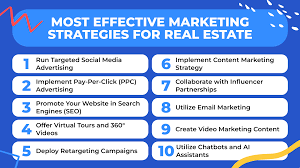
Start with a clear digital strategy

Before investing in marketing, decide what you want it to achieve. Your priorities might include winning more valuation appointments, increasing enquiries for particular properties, growing your landlord portfolio or improving awareness in a specific area.

Set measurable objectives, such as the number of qualified enquiries, valuation bookings or completed registrations you want to generate. These give you a clearer way to assess which activities are working and where your budget is best spent.

Make your website work harder

Your website is often one of the first places prospective clients go to find out about your agency. It should be easy to use on mobile, load quickly and make essential information simple to find.

Useful features include:

  • Clear property search and filtering
  • High-quality photographs, floor plans and virtual tours
  • Prominent contact details and enquiry forms
  • Information about your sales, lettings and valuation services
  • Local guides and advice for buyers, sellers, landlords and tenants
  • Accessible design and straightforward navigation

Make the next step clear on every key page. A visitor looking at a property may want to arrange a viewing, while a homeowner may be ready to request a valuation.

Build visibility in local search

Estate agency is closely tied to location, so local search engine optimisation (SEO) is particularly valuable. When people search online for an estate agent or property in their area, a well-maintained website and business profile can help your agency be found.

Keep your business name, address, telephone number and opening hours consistent across your website and online directories. Claim and update your Google Business Profile, adding accurate service information, recent photographs and relevant updates. Encourage clients to leave honest reviews, and respond to feedback professionally.

Your website can also answer the questions people ask when making property decisions. Create useful pages for the towns, neighbourhoods or areas you serve, and include genuinely helpful information rather than simply repeating location names. Local market updates, school and transport information, and guides to the buying or renting process can all provide value.

Create property marketing that informs and inspires

Online property listings are often a prospective buyer’s or tenant’s first introduction to a home. Clear, accurate particulars help people understand what is on offer and decide whether to enquire.

Use well-lit photography and make sure images represent the property fairly. Floor plans can help viewers understand the layout, while video and virtual tours offer another way to explore a home. Write descriptions that highlight practical details as well as appealing features, and ensure that important information is accurate and easy to understand.

Good presentation matters, but trust matters too. Avoid exaggerated claims or details that could give people a misleading impression. Review listings regularly so that availability, pricing and property information remain up to date.

Use social media with purpose

Social media can help estate agents build local recognition and keep in touch with their community. It is most effective when it offers more than a stream of property listings.

Consider sharing a mix of content, such as:

  • New instructions and recently sold or let properties
  • Short property tours and behind-the-scenes videos
  • Local events, businesses and neighbourhood highlights
  • Practical advice for sellers, buyers, landlords and tenants
  • Team news and client stories, shared with permission
  • Answers to common questions about the property process

Choose platforms that suit your audience and the type of content you can produce consistently. Reply to comments and messages promptly, and make sure any advertising is clearly presented as advertising.

Reach the right audience with paid advertising

Paid search and social advertising can help promote a valuation service, a new development or a property with a particular audience in mind. Search advertising can reach people actively looking for an estate agent or property service, while social campaigns can introduce your brand to people in selected locations.

Start with a specific objective and a defined budget. Use relevant landing pages, clear calls to action and carefully chosen targeting. Track enquiries and their quality, not just clicks or impressions. If a campaign attracts attention but few suitable leads, review the audience, message and landing page before increasing spend.

Stay in touch through email marketing

Email can help you maintain relationships with past clients and nurture people who are still deciding what to do. A useful newsletter might include local market insights, new instructions, moving advice or landlord updates.

Segment your contacts where possible, so people receive information relevant to their interests. For example, buyers, sellers, landlords and tenants may need different updates. Make sure your email activity follows applicable data protection and electronic marketing requirements, and give recipients a clear way to manage their preferences or unsubscribe.

Turn enquiries into conversations

Digital marketing can generate interest, but prompt and helpful follow-up is what turns many enquiries into real conversations. Make sure enquiries from your website, portals and social channels are monitored and assigned to someone who can respond.

A customer relationship management (CRM) system can help your team keep track of enquiries, viewing requests, valuation leads and follow-ups. Use it to provide a consistent service, while keeping personal information secure and collecting only what is needed.

Measure, learn and improve

Review performance regularly to understand what is contributing to your business goals. Useful measures may include:

  • Website visits and the pages people view
  • Calls, form submissions and valuation requests
  • Enquiries generated by each marketing channel
  • Viewing bookings and the quality of leads
  • Email engagement and unsubscribe rates
  • The cost of acquiring a qualified enquiry or instruction

Use analytics in line with relevant privacy requirements, and avoid relying on a single metric. A campaign with fewer enquiries may still be valuable if it reaches people more likely to instruct your agency.

Put trust at the centre of your marketing

Property decisions are significant, so people need to feel that they can rely on the information and advice they receive. Keep property details accurate, use client testimonials only with permission, and be clear about fees, services and next steps. Make sure marketing and data-handling practices meet the rules that apply to your business.

Build a consistent presence

Effective digital marketing for estate agents is an ongoing effort. A useful website, strong local visibility, engaging property content and responsive follow-up work best when they support one another. Begin with clear goals, focus on the channels your audience uses and review the results regularly.

By being helpful, consistent and transparent online, estate agents can strengthen local relationships and make it easier for future clients to choose their services.


Maximising Real Estate Success: The Top 5 Benefits of Digital Marketing for Agents

  1. Reach more local buyers, sellers, landlords and tenants.
  2. Generate enquiries around the clock.
  3. Showcase properties with engaging photos and videos.
  4. Build trust through reviews and useful advice.
  5. Measure results and focus your marketing budget.


Challenges of Digital Marketing for Estate Agents: Costs, Competition, and Changing Landscapes

  1. Can be costly to maintain.
  2. Competition for online attention is high.
  3. Results may take time to appear.
  4. Leads can be poor quality.
  5. Platforms and algorithms change frequently.
  6. Negative reviews can affect reputation.
  7. Marketing requires ongoing time and expertise.

Reach more local buyers, sellers, landlords and tenants.

Digital marketing helps estate agents connect with more local buyers, sellers, landlords and tenants by reaching people where they already search, browse and spend time online. Local SEO, targeted social media campaigns and useful area-specific content can put your agency in front of people looking for property or expert advice nearby. This wider local reach can build awareness, attract relevant enquiries and help you stay connected with the community.

Generate enquiries around the clock.

Digital marketing helps estate agents generate enquiries around the clock, even when the office is closed. A well-designed website, property listings and online enquiry forms let prospective buyers, tenants, sellers and landlords browse information and get in touch whenever it suits them. This makes it easier to capture interest outside normal working hours, so the team can follow up promptly the next day.

Showcase properties with engaging photos and videos.

Engaging photos and videos help estate agents bring properties to life online, giving potential buyers and tenants a better sense of each home before they book a viewing. High-quality images can highlight attractive features, while video tours offer a more immersive look at the layout and feel of a property. This can capture attention, encourage more relevant enquiries and help listings stand out in a competitive market.

Build trust through reviews and useful advice.

Digital marketing gives estate agents practical ways to build trust before a client even gets in touch. Honest online reviews offer prospective sellers, buyers, landlords and tenants insight into other people’s experiences, while useful advice—such as local market updates, viewing tips and clear guides to the moving process—shows that your agency understands their needs. By responding professionally to feedback and sharing accurate, helpful information consistently, you can strengthen your reputation and make people more confident about choosing your services.

Measure results and focus your marketing budget.

Digital marketing makes it easier for estate agents to see which activities are delivering results. By tracking enquiries, valuation requests and completed instructions across channels, you can identify where your most valuable leads come from and focus your budget on what works. Regularly reviewing performance also helps you spot underperforming campaigns early, make informed adjustments and avoid spending money on marketing that isn’t reaching the right audience.

Can be costly to maintain.

Digital marketing can be costly for estate agents to maintain, particularly when it involves paid advertising, professional photography, website updates, email platforms and specialist support. These expenses can add up over time, while results may take a while to appear. Without a clear budget and regular checks on performance, it can be difficult to know which activities are generating worthwhile enquiries and where to focus spending.

Competition for online attention is high.

Competition for online attention is high, making it difficult for estate agents to stand out among property portals, local competitors and promoted social media content. Even well-presented listings can be overlooked if they are not reaching the right audience, so agents may need to invest time and budget in strong photography, engaging content and targeted advertising. Without a clear point of difference and a consistent strategy, marketing efforts can get lost in the noise.

Results may take time to appear.

One drawback of digital marketing for estate agents is that results may take time to appear. Strategies such as improving search rankings, building a social media following and earning trust through useful content usually need consistent effort before they generate a noticeable increase in enquiries or instructions. This can be challenging when an agency needs leads quickly, so it is important to set realistic expectations, monitor progress and balance longer-term marketing with activities that may deliver results sooner.

Leads can be poor quality.

One drawback of digital marketing for estate agents is that it can generate poor-quality leads. Online adverts and enquiry forms may attract people who are browsing casually, are not ready to move, or fall outside the agency’s target area or budget range. Sorting through these enquiries takes time and can distract staff from serious buyers, sellers, landlords and tenants. Clear advertising, well-designed forms and prompt qualification questions can help agents focus on the prospects most likely to become clients.

Platforms and algorithms change frequently.

One challenge of digital marketing for estate agents is that platforms and algorithms change frequently. Updates to search engines and social media can affect which listings and posts people see, sometimes reducing reach or increasing advertising costs without warning. Agents need to keep up with these changes, review performance regularly and adapt their strategies, which can take time and resources away from other parts of the business.

Negative reviews can affect reputation.

Negative reviews can quickly affect an estate agent’s reputation, as prospective clients often check online feedback before choosing who to trust with a sale, purchase or tenancy. Even a small number of critical comments may create doubts, particularly if they go unanswered or appear alongside repeated complaints. Agents can help limit the impact by responding promptly and professionally, addressing genuine concerns and encouraging satisfied clients to share honest feedback.

Marketing requires ongoing time and expertise.

Digital marketing requires ongoing time and expertise, which can be challenging for busy estate agents already managing viewings, valuations and client enquiries. Creating engaging content, updating property listings, responding to online messages and monitoring campaign performance all need regular attention. Without the right skills or a consistent commitment, marketing can become ineffective or fall behind competitors. Agents may need to invest in training, specialist software or external support, adding to the overall cost.

hotel internet marketing

Hotel Internet Marketing: A Practical Guide to Attracting More Guests

Hotel Internet Marketing: A Practical Guide to Attracting More Guests

Hotel internet marketing is the way a hotel uses online channels to reach potential guests, build trust and encourage bookings. It covers everything from a well-designed website and search engine visibility to social media, email and online reviews.

A strong marketing plan helps a hotel stand out in a crowded market. It can also encourage more guests to book directly, while supporting visibility on online travel agencies (OTAs) and other booking platforms. The key is to make each part of the online experience useful, consistent and easy to act on.

Build a website that turns visits into bookings

A hotel website is often the first place a potential guest goes after discovering a property. It should quickly answer the questions that matter: where the hotel is, what the rooms are like, what facilities are available and how much a stay might cost.

Make sure the website:

  • Works smoothly on mobile phones, tablets and desktop computers.
  • Displays clear, up-to-date room descriptions, photographs and facilities.
  • Makes rates, availability and booking options easy to find.
  • Explains the hotel’s location, transport links and nearby attractions.
  • Includes clear contact details and answers to common questions.
  • Loads quickly and offers a straightforward, secure booking process.

Strong photography can help guests imagine their stay, but it should accurately represent the property. Clear information and an uncomplicated booking journey build confidence and reduce the chance that a visitor will leave to look elsewhere.

Improve visibility in search engines

Search engine optimisation (SEO) helps a hotel appear when people search for relevant accommodation. That might include searches for a hotel in a particular town, a place to stay near a venue, or accommodation with specific facilities.

Start by identifying the phrases prospective guests are likely to use. Create useful pages around the hotel’s location, rooms, facilities and guest needs. For example, a hotel could provide practical information about parking, family stays, accessible rooms or nearby event venues—where these are genuinely relevant.

Local SEO is especially important for hotels. Keep the hotel’s name, address and telephone number consistent across its website and business listings. Complete and maintain its Google Business Profile, including opening information, photographs and a link to the official website. Encourage guests to leave honest reviews and respond to them professionally.

SEO takes time. Focus on accurate information and helpful content rather than trying to repeat keywords unnaturally or promising instant results.

Use online travel agencies strategically

OTAs can introduce a hotel to people who may not otherwise have discovered it. They can be particularly useful for reaching international travellers and guests comparing several properties. However, bookings through third-party platforms may involve commission and give the hotel less control over the guest relationship.

Rather than treating OTAs and direct bookings as an either-or choice, consider how they can work together. Keep listings accurate, use compelling imagery and monitor performance by channel. Make the hotel’s own website an attractive option too, with clear information, a reliable booking experience and benefits that are genuinely available to direct customers.

Any direct-booking offer should be clear and easy to understand. Depending on the hotel, this could include a flexible rate, a small added extra or a package tailored to a particular type of stay. Check the terms of third-party agreements before advertising rate comparisons or exclusive offers.

Make reviews part of the marketing plan

Reviews influence how prospective guests assess a hotel. They also offer useful insight into what guests value and where the experience could improve.

Invite guests to share feedback after their stay without pressuring them to leave a positive review. Reply to reviews in a timely, considered way. Thank guests for positive feedback and address criticism calmly, acknowledging the concern and explaining any appropriate next steps. Avoid sharing personal or booking details in a public response.

Patterns in reviews can be valuable. If guests repeatedly mention a particular strength, consider featuring it in relevant marketing. If they raise the same concern, work with the team to address the underlying issue rather than relying on a response alone.

Share the hotel’s story on social media

Social media can help a hotel showcase its atmosphere, people and surroundings. Useful content might include room and restaurant photography, local recommendations, seasonal events, behind-the-scenes moments and updates about facilities.

Choose platforms that suit the hotel and its audience instead of trying to post everywhere. A consistent schedule is more useful than a burst of activity followed by long periods of silence. Use captions that provide context, check image permissions and respond to genuine questions and comments.

Social media is not only a sales channel. It can help potential guests understand what makes the hotel distinctive and give past guests a reason to stay connected.

Use email to encourage repeat stays

Email marketing can keep a hotel in touch with past guests and people who have chosen to receive updates. Messages could include seasonal packages, local events, new facilities or ideas for a return visit.

Keep emails relevant and focused. Use clear subject lines, make the main offer easy to understand and include a direct route to find out more or book. Follow UK data protection and electronic marketing rules, including obtaining the appropriate consent and providing a simple way to unsubscribe.

Where possible, tailor messages to guests’ interests or previous stays, while using personal information responsibly. A thoughtful, occasional email is more likely to be welcomed than frequent messages with little value.

Consider paid search and social advertising

Paid advertising can help a hotel reach people who are actively looking for accommodation or are likely to be interested in a particular type of stay. Search adverts may be useful for location-based searches, while social advertising can promote packages, facilities or seasonal campaigns.

Set a clear objective before spending money. Decide whether the campaign is intended to generate bookings, promote an event or increase awareness of a new offer. Use relevant landing pages, define a budget and track what happens after someone clicks. Review performance regularly and adjust targeting, creative and spend based on results.

Measure what matters

Website visits alone do not show whether marketing is working. Choose measures that connect to business goals, such as:

  • Website enquiries and completed direct bookings.
  • Conversion rates and booking abandonment.
  • Revenue and average booking value by marketing channel.
  • Performance of specific offers or campaigns.
  • Review volume, ratings and common feedback themes.
  • Repeat bookings and email engagement.

Use analytics and booking-system data to understand how guests discover the hotel and what helps them make a decision. Ensure tracking is set up appropriately and respects privacy requirements. Comparing results over time can reveal which activities deserve more attention and which need to change.

Bring the guest experience and marketing together

The most effective hotel internet marketing reflects the real experience of staying at the property. Promises in adverts, website copy and social posts should match what guests find on arrival. When marketing and service are aligned, it is easier to earn positive feedback, repeat visits and recommendations.

Begin with the basics: a helpful website, accurate listings, a considered review process and a clear way to measure bookings. Then build on those foundations with relevant content, email and carefully managed advertising. A consistent approach can help a hotel reach the right guests, communicate what makes it special and turn online interest into a rewarding stay.


8 Essential Tips for Enhancing Hotel Internet Marketing Success

  1. Optimise the hotel website for mobile bookings.
  2. Use local keywords to improve search visibility.
  3. Keep room rates and availability up to date.
  4. Showcase guest reviews across key channels.
  5. Post fresh photos and offers on social media.
  6. Make booking simple with clear calls to action.
  7. Use email campaigns to encourage repeat stays.
  8. Track campaign results and adjust your approach.

Optimise the hotel website for mobile bookings.

Optimise the hotel website for mobile bookings by making it fast, easy to navigate and simple to use on a smaller screen. Keep room details, prices and availability clear, and make the booking button easy to find without excessive scrolling. Use short forms, mobile-friendly payment options and clear confirmation messages to reduce friction at every step. Regularly test the full booking journey on different devices so guests can reserve a stay quickly and confidently, wherever they are.

Use local keywords to improve search visibility.

Use local keywords to help your hotel appear in searches from people planning a stay in your area. Include your town, neighbourhood and nearby landmarks naturally in your website copy, page titles and descriptions—for example, “boutique hotel in Bath” or “accommodation near Edinburgh Waverley Station”. Focus on phrases that reflect what guests are actually looking for, and make sure the information is accurate and useful rather than simply repeating place names.

Keep room rates and availability up to date.

Keep room rates and availability up to date across your website and booking platforms so guests can see accurate information and book with confidence. Check that prices, room types, restrictions and availability match across channels, and update them promptly when circumstances change. Inconsistencies can frustrate potential guests, lead to abandoned bookings or create avoidable problems after a reservation is made.

Showcase guest reviews across key channels.

Showcase genuine guest reviews across your website, social media and other relevant marketing channels to help prospective visitors feel confident about booking. Choose recent, representative feedback that reflects what makes your hotel special, and always present it accurately and with permission where required. Respond to reviews professionally, including constructive criticism, to show that you value guest feedback and are committed to improving the experience.

Post fresh photos and offers on social media.

Post fresh photos and offers on social media to give potential guests a timely glimpse of what makes your hotel worth visiting. Share authentic images of rooms, dining, facilities and nearby attractions, alongside seasonal packages or special events. Keep details accurate, make the offer easy to understand and include a clear link to find out more or book. Regular, relevant updates help keep your hotel visible and give followers a reason to engage.

Make booking simple with clear calls to action.

Make booking simple by showing guests exactly what to do next. Use clear, visible calls to action such as “Check availability” or “Book your stay”, and place them where visitors are likely to need them, including on room pages and mobile screens. Keep the booking process straightforward, with as few steps as possible and no unexpected costs, so guests can move from browsing to confirming their stay with confidence.

Use email campaigns to encourage repeat stays.

Use email campaigns to keep your hotel in touch with past guests and encourage them to book again. Send occasional, relevant updates featuring seasonal offers, local events or experiences that suit their interests, with a clear link to your booking page. Make each message useful rather than overly sales-focused, and ensure recipients have agreed to receive marketing emails and can unsubscribe easily.

Track campaign results and adjust your approach.

Track the results of each marketing campaign to understand what is attracting guests and generating bookings. Monitor useful measures such as website visits, enquiries, booking conversions and revenue, and compare performance across channels. Use these insights to refine your approach: invest more in activities that deliver results, improve underperforming campaigns and test changes to messaging, offers or targeting. Regular reviews help ensure your marketing stays relevant and makes the best use of your budget.