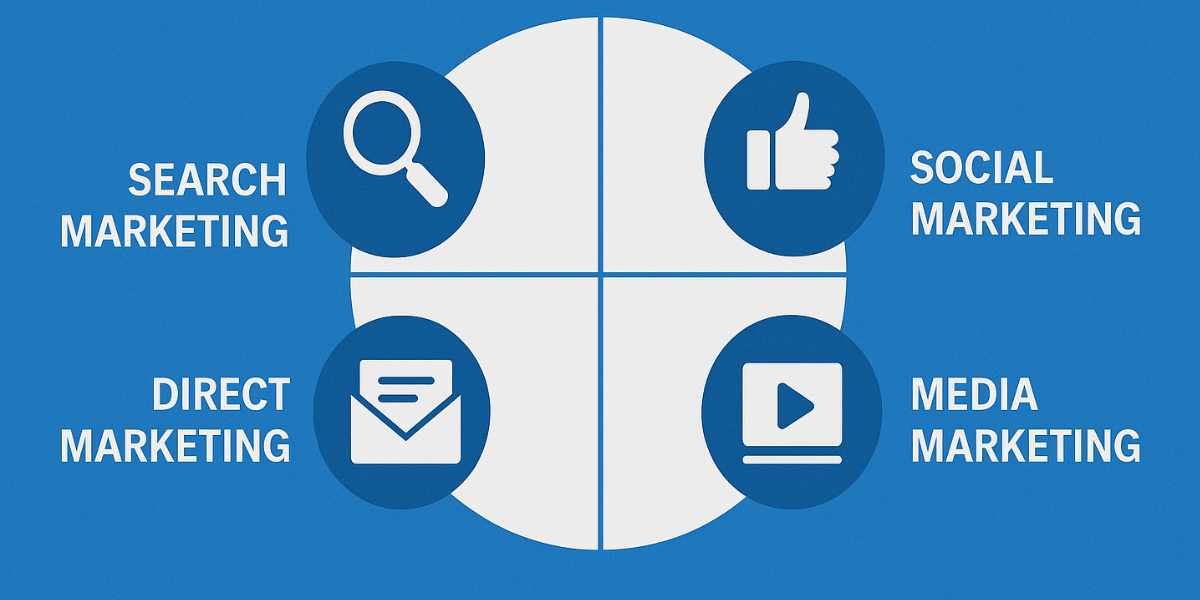
affordable digital marketing

Affordable Digital Marketing: Practical Ways to Grow Your Business on a Budget

Affordable Digital Marketing: How to Get More from Your Budget

Digital marketing can help businesses reach new customers, build trust and grow sales. But effective marketing does not have to mean a large budget. With clear priorities, the right channels and regular measurement, businesses of all sizes can make their marketing spend work harder.

Start with a clear goal

Before investing in marketing, decide what you want it to achieve. You might want to attract more enquiries, increase online sales, grow your email list or raise awareness in a particular area. A specific goal makes it easier to choose suitable activities and judge whether they are working.

Keep your targets realistic and measurable. For example, rather than aiming simply to “get more customers”, set a target to increase qualified enquiries by a certain amount over a defined period.

Focus on the channels your customers use

It is tempting to try every platform at once, but spreading a small budget too thinly can make it difficult to see results. Think about where your audience looks for information and which channels suit your business.

  • Search engine optimisation (SEO): Improve your website so it is easier for people to find through relevant search results. SEO can take time, but useful content and a well-structured website can provide lasting value.
  • Social media: Choose platforms that fit your audience and share helpful, engaging content consistently. You do not need to be active everywhere.
  • Email marketing: Build a permission-based mailing list and send useful updates, offers or advice. Email can be a cost-effective way to stay in touch with existing and potential customers.
  • Paid advertising: Search and social adverts can help you reach specific audiences quickly. Start with a modest test budget and monitor the results before increasing your spend.

Make your website work harder

Your website is often the first place a potential customer goes to learn about your business. Make sure it clearly explains what you offer, who you help and what visitors should do next. Use straightforward navigation, up-to-date contact details and clear calls to action.

It is also worth checking that your website works well on mobile devices and loads promptly. A confusing or slow website can undermine the effort and money spent bringing people to it.

Create useful content you can reuse

Good content answers the questions your customers are already asking. This could include a practical guide, a frequently asked questions page, a short video or a customer story. Focus on being genuinely useful rather than publishing for the sake of it.

One piece of content can often be adapted for several channels. A detailed article, for example, might provide ideas for social posts, an email newsletter and a short video. Reusing content thoughtfully saves time while keeping your message consistent.

Use data to guide your decisions

You do not need complicated tools to understand whether your marketing is helping. Track a few relevant measures, such as website visits, enquiries, sales or email sign-ups. Review them regularly and compare results with your original goals.

Look beyond likes and views. These can indicate interest, but they do not always show whether your activity is bringing in the right customers. Choose measures that connect to the outcomes your business needs.

Test before you scale

Affordable marketing is often about learning efficiently. Try one approach at a time, such as a new advert, a different email subject line or a revised landing page. Give the test enough time to produce useful information, then keep what works and adjust what does not.

Small, well-measured experiments can reduce the risk of committing too much budget to an idea before you know whether it suits your audience.

Know when to get support

Doing marketing in-house can be a good way to manage costs, particularly when your needs are straightforward. However, specialist support may help you avoid wasted time and improve results in areas such as website development, SEO, advertising or strategy.

If you work with an agency or freelancer, ask what is included, how success will be measured and how often you will receive updates. A clear scope and shared goals help keep the work focused on your priorities.

Make your budget count

Affordable digital marketing is not simply about choosing the cheapest option. It is about investing in the activities most likely to support your goals, measuring their impact and improving over time. Start with a clear plan, focus on your customers and build on what the evidence tells you.


7 Budget-Friendly Digital Marketing Tips for Small Businesses

  1. Focus on one or two social platforms your customers use.
  2. Create useful posts with free design tools.
  3. Reuse content across your website, email and social channels.
  4. Build an email list and send occasional helpful updates.
  5. Use local keywords to improve search visibility.
  6. Ask happy customers for reviews and referrals.
  7. Track results with free analytics and repeat what works.

Focus on one or two social platforms your customers use.

Focus on one or two social media platforms your customers already use, rather than trying to be everywhere at once. This makes it easier to post consistently, create content that suits each platform and build genuine relationships with your audience. Choose platforms that fit your business and goals, then review engagement and enquiries to see where your effort is making the biggest difference.

Create useful posts with free design tools.

Create useful posts with free design tools to share advice, answer common customer questions or explain your services in a clear, eye-catching way. Tools such as Canva offer templates that make it easier to produce polished graphics without hiring a designer, while keeping your brand colours and style consistent. Focus on helpful content rather than overly promotional posts, and adapt each design for the social platforms your audience uses.

Reuse content across your website, email and social channels.

Reuse useful content across your website, email and social channels to make your marketing budget go further. For example, turn a website article into a short email, a series of social posts or a simple video. Adapt the format and wording for each channel, while keeping the key message consistent. This helps you reach people in different places without having to create something entirely new each time.

Build an email list and send occasional helpful updates.

Build an email list by inviting customers and website visitors to sign up for useful updates, and always ask for their permission first. Send occasional emails with practical advice, relevant news or special offers rather than filling inboxes with constant promotions. Email marketing can be an affordable way to stay connected, build trust and encourage repeat business—especially when each message gives subscribers a clear reason to read and engage.

Use local keywords to improve search visibility.

Use local keywords to help nearby customers find your business in search results. Include the towns, neighbourhoods or regions you serve in relevant places on your website, such as service pages, page titles and business descriptions. Keep the wording natural and make sure it reflects the areas you genuinely cover. This simple, low-cost step can improve your visibility for local searches and attract people who are more likely to become customers.

Ask happy customers for reviews and referrals.

Ask happy customers to leave an honest review or recommend your business to someone who may need your services. Reviews can build trust with potential customers, while referrals can bring in new business through word of mouth. Make it easy by sharing a direct link to your review page or providing a short message customers can pass on. Always ask politely, never pressure people, and don’t offer rewards in exchange for positive reviews.

Track results with free analytics and repeat what works.

Use free analytics tools to see which marketing activities are bringing people to your website, generating enquiries or leading to sales. Check a few useful measures regularly, such as visits, clicks and conversions, rather than trying to track everything. When you spot a channel or piece of content that performs well, repeat the approach and refine it over time. This helps you spend your budget on what delivers value instead of guessing.
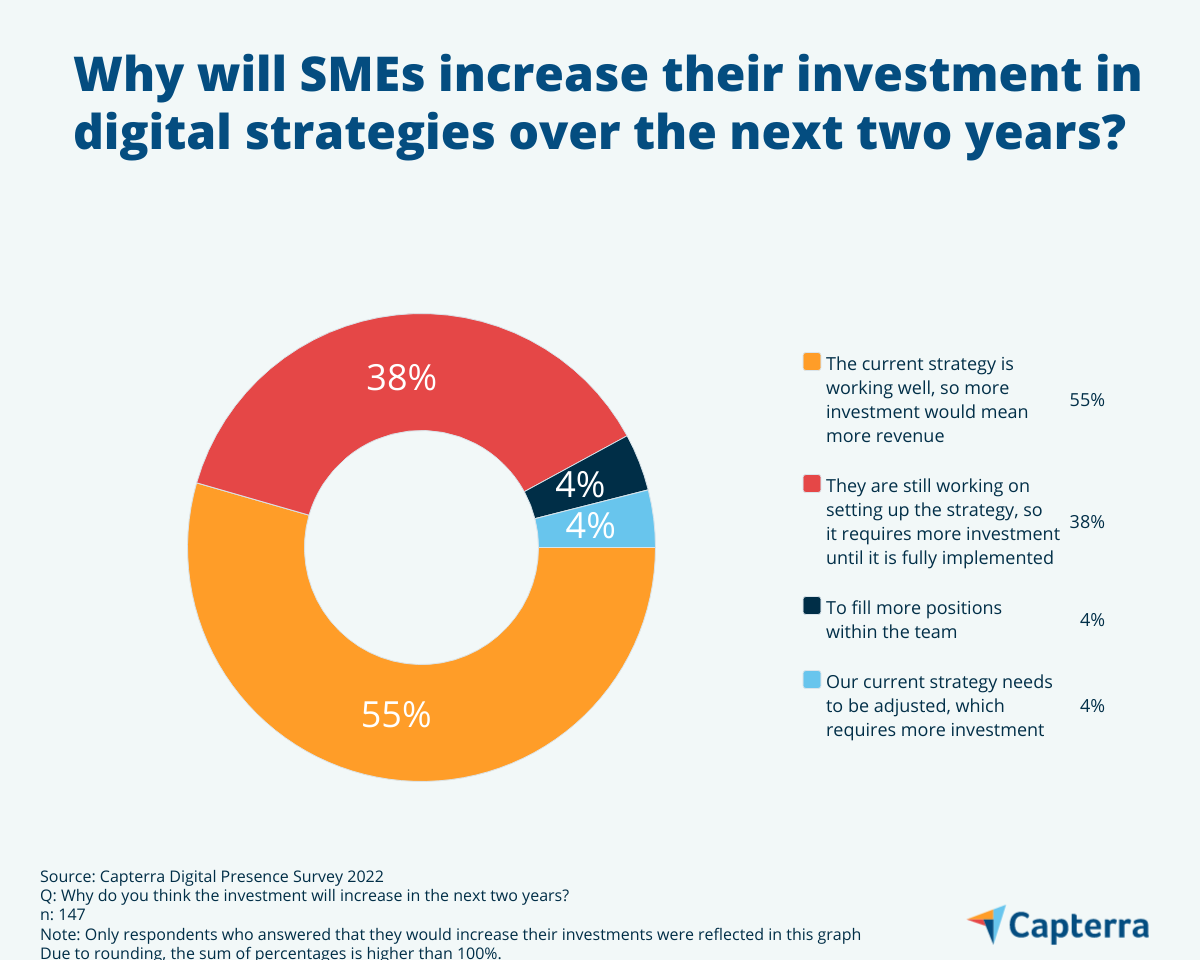
retail digital marketing

Retail Digital Marketing: Strategies to Reach Customers and Grow Your Business

Retail Digital Marketing: How to Reach Customers and Grow Your Business

Retail digital marketing brings together the online channels and tools retailers use to attract customers, encourage purchases and build lasting relationships. Whether a business sells through a high-street shop, an online store or both, a clear digital strategy can help it stand out in a competitive market.

Today’s shoppers often move between channels before making a purchase. They might discover a product on social media, compare prices on a search engine, visit a shop to see it in person and place their order online. Retail marketing works best when these touchpoints feel connected and make it easy for customers to choose how they browse and buy.

Build a strong digital foundation

A retailer’s website is often the centre of its digital presence. It should load quickly, work well on mobile devices and make products easy to find. Clear descriptions, useful photography, transparent delivery information and a straightforward checkout all help customers make confident decisions.

For businesses with physical locations, local search visibility is also important. Keep opening hours, contact details and location information accurate across relevant platforms. Helpful local pages can make it easier for nearby customers to discover the shop, check availability or plan a visit.

Help customers find your products

Search engine optimisation (SEO) can bring relevant visitors to a retailer’s website over time. Product and category pages should use clear, descriptive language that reflects how customers search. Useful buying guides, comparisons and answers to common questions can also help a business appear for searches made earlier in the shopping journey.

Paid search advertising can complement organic visibility, particularly for seasonal promotions, new product launches or competitive product categories. Campaigns are more effective when they lead to relevant landing pages and make the next step clear. Retailers should monitor performance regularly and adjust budgets towards activity that delivers meaningful results.

Use social media to inspire and engage

Social media gives retailers a way to showcase products, share useful ideas and communicate their brand personality. The right platform depends on the audience and the type of products being sold. Short videos, demonstrations, customer stories and behind-the-scenes content can help bring products to life.

Social channels can also support customer service. Responding promptly and helpfully to questions, comments and feedback shows customers that the business is listening. Paid social advertising can extend the reach of content and help retailers target audiences by factors such as interests, location or previous interactions, subject to platform settings and applicable privacy requirements.

Make email marketing useful

Email remains a practical way to keep in touch with customers, share product news and promote relevant offers. Rather than sending the same message to everyone, retailers can group subscribers by their preferences or shopping behaviour, where they have the appropriate permission and data to do so.

Welcome emails, back-in-stock alerts, post-purchase guidance and replenishment reminders can be useful when they arrive at the right time. Every message should offer genuine value, use clear language and include a straightforward way to manage preferences or unsubscribe.

Create a connected shopping experience

Customers expect a consistent experience across a retailer’s website, shop, social channels and customer service. Digital marketing can support this by making information easy to access across channels. For example, customers may want to check whether an item is available locally, reserve a product online or choose between home delivery and collection.

Consistency matters, too. Product details, pricing, promotions and brand messaging should be aligned wherever customers encounter the business. A smooth experience helps reduce confusion and builds trust.

Personalise thoughtfully

Relevant recommendations and tailored offers can make shopping more convenient. Retailers might use browsing or purchase history to suggest related products, provided they handle customer information responsibly and in line with applicable data protection and marketing rules.

Personalisation should feel helpful rather than intrusive. Be transparent about how customer data is used, collect only what is needed and give people meaningful choices. Trust is a key part of the customer experience, not an optional extra.

Measure what matters

Digital marketing produces a wide range of data, but not every metric is equally useful. Retailers should choose measures that reflect their goals, such as qualified website visits, conversion rate, average order value, repeat purchases or the cost of acquiring a customer.

Use analytics to understand how customers move from discovery to purchase and where they may be dropping out. Testing different headlines, images, offers or landing pages can reveal what works best. Results should be interpreted in context: a campaign might support store visits or future purchases even if those outcomes are not immediately visible in online sales data.

Plan for seasonal demand

Retail demand often changes around holidays, sales periods, product launches and local events. Planning campaigns in advance gives teams time to prepare creative assets, check stock, coordinate offers and make sure websites can handle increased traffic. Seasonal activity should also fit the brand and provide a clear reason for customers to act.

Make digital marketing work for your retail business

Effective retail digital marketing is not about using every channel at once. It is about understanding customers, choosing the channels that suit the business and delivering a consistent, useful experience. With a strong website, relevant content, well-managed campaigns and thoughtful measurement, retailers can build visibility, encourage sales and strengthen customer relationships over time.


Essential FAQs About Retail Digital Marketing: Strategies, Channels, and Success Measurement

  1. What is retail digital marketing?
  2. Why is digital marketing important for retailers?
  3. Which digital marketing channels work best for retail businesses?
  4. How can retailers attract more customers online?
  5. How can a retailer improve its website conversion rate?
  6. How can social media help retailers increase sales?
  7. How can retailers use email marketing effectively?
  8. How much should a retail business spend on digital marketing?
  9. How can retailers measure the success of their digital marketing campaigns?

What is retail digital marketing?

Retail digital marketing is the use of online channels and tools to promote a retailer’s products, attract customers and encourage sales. It can include a retailer’s website, search engine optimisation, paid advertising, social media, email marketing and online marketplaces. A well-planned approach helps customers discover products, shop across online and physical channels, and stay connected with the brand.

Why is digital marketing important for retailers?

Digital marketing is important for retailers because it helps them reach customers where they research, compare and shop. A strong online presence can increase brand visibility, attract more relevant visitors and make it easier for people to discover products, check availability and buy—whether online or in-store. It also gives retailers ways to communicate directly with customers, promote timely offers and measure which activities are working, so they can make better-informed decisions and build lasting customer relationships.

Which digital marketing channels work best for retail businesses?

The most effective digital marketing channels depend on your products, audience and goals, but many retail businesses benefit from a mix of search engine optimisation (SEO), paid search, social media and email marketing. SEO helps shoppers find your products when they are actively searching, while paid campaigns can promote specific products, offers or seasonal ranges. Social media is useful for building awareness and showcasing products, and email can encourage repeat purchases with relevant updates and offers. Retailers with physical shops may also benefit from local search listings. Start with the channels your customers use, measure the results and focus your budget on what works.

How can retailers attract more customers online?

Retailers can attract more customers online by making their website easy to find, use and trust. Improve search visibility with clear product descriptions and helpful content, and use social media, email and targeted advertising to reach the right audiences. Strong product photography, transparent delivery and returns information, customer reviews and a simple checkout can turn visits into sales. Track results regularly so you can focus on the channels and messages that bring in valuable customers.

How can a retailer improve its website conversion rate?

A retailer can improve its website conversion rate by making it easy for customers to find the right products and complete a purchase. Use clear product descriptions, high-quality images, accurate stock information and visible delivery and returns details. Simplify navigation and checkout, ensure the site works well on mobile and offer familiar, secure payment options. Customer reviews and clear calls to action can build confidence, while testing changes to page layouts, offers and checkout steps helps reveal what works best. Track results regularly and use customer feedback to spot and fix points of friction.

How can social media help retailers increase sales?

Social media can help retailers increase sales by putting products in front of relevant audiences and making it easy for people to discover, consider and buy them. Engaging posts, product demonstrations, customer reviews and targeted advertising can build interest and direct shoppers to an online store or local shop. Retailers can also use social channels to answer questions, share offers and provide a convenient route to purchase. For the best results, choose platforms that suit your customers, keep product information accurate and track which activity leads to meaningful actions, such as website visits, enquiries or sales.

How can retailers use email marketing effectively?

Retailers can use email marketing effectively by sending timely, relevant messages that offer genuine value, such as product updates, useful guides, exclusive offers and back-in-stock alerts. Segmenting subscribers by their interests or purchase history can make emails more personal, while clear subject lines and mobile-friendly layouts help recipients engage. Always obtain the appropriate consent, explain how customer data is used and make it easy to update preferences or unsubscribe. Track results such as clicks, conversions and repeat purchases, then use those insights to improve future campaigns.

How much should a retail business spend on digital marketing?

There’s no one-size-fits-all budget for retail digital marketing. The right amount depends on your goals, profit margins, growth plans, competition and the channels your customers use. Start by setting clear objectives and choosing a budget you can sustain, then track results such as sales, customer acquisition costs and repeat purchases. Review performance regularly and adjust spending towards the activities delivering the strongest return, while allowing enough time and budget to test new approaches.

How can retailers measure the success of their digital marketing campaigns?

Retailers can measure the success of digital marketing campaigns by setting clear goals and tracking relevant metrics, such as website visits, conversion rates, online and in-store sales, average order value, email sign-ups and repeat purchases. Use analytics tools and campaign tracking links to see which channels and messages are driving results, and compare performance with your objectives and previous campaigns. It is also useful to consider the cost of acquiring customers and the return on marketing spend, while recognising that some campaigns may influence a purchase without being the final point of contact. Regularly reviewing the data helps retailers refine their activity and invest in what works best.

sme digital marketing

SME Digital Marketing: A Practical Guide for Small Businesses

SME Digital Marketing: A Practical Guide to Growing Your Business Online

For small and medium-sized enterprises (SMEs), digital marketing can be an effective way to reach new customers, build stronger relationships and compete in busy markets. The good news is that you do not need a large budget or a complicated strategy to get started. A clear understanding of your audience, consistent activity and a willingness to learn can make a meaningful difference.

What is digital marketing?

Digital marketing is the promotion of a business through online channels. These may include your website, search engines, social media, email and online advertising. The right mix depends on your customers, your goals and the time and budget available.

For an SME, digital marketing is not about being everywhere at once. It is about choosing the channels most likely to help your business and using them well.

Start with clear goals

Before investing in marketing, decide what you want it to achieve. Your goals might include:

  • Attracting more visitors to your website
  • Generating enquiries or sales
  • Increasing repeat purchases
  • Building awareness in a local area
  • Growing an email subscriber list

Set targets that are specific and measurable. For example, you could aim to increase qualified website enquiries over the next three months. Clear goals make it easier to choose suitable tactics and understand whether they are working.

Make your website work harder

Your website is often the first place potential customers go to learn about your business. It should explain what you offer, who it is for and what visitors should do next. Make important information easy to find, including your contact details, services, prices where appropriate and customer reviews.

A good website should also work well on mobile devices, load promptly and be accessible to as many people as possible. Clear calls to action, such as “Request a quote” or “Book a consultation”, can help guide visitors towards the next step.

Use search engines to reach people at the right moment

Search engine optimisation (SEO) helps your website appear in relevant search results. Begin with the phrases your customers are likely to use when looking for your products or services. Include useful, naturally written information on your website that answers their questions.

Local businesses can also benefit from keeping their business listings accurate and complete. Consistent contact details, opening hours, service information and genuine customer reviews can help people find and assess your business.

SEO usually takes time, so it is best viewed as a long-term activity rather than a quick fix. Avoid promising instant results or using tactics that put short-term rankings ahead of useful content and a good customer experience.

Choose social media channels carefully

Social media can help SMEs share expertise, introduce their team and keep in touch with customers. You do not need to be active on every platform. Focus on the channels your audience uses and where your business can contribute something worthwhile.

Plan a manageable schedule. A mix of helpful advice, behind-the-scenes updates, product or service information and customer stories can keep your content varied. Respond to comments and messages in a timely, professional way, and make sure any promotional claims are accurate.

Build relationships with email marketing

Email marketing gives you a direct way to share news, useful content and relevant offers with people who have chosen to hear from you. A simple newsletter can help maintain relationships between purchases or enquiries.

Keep messages focused, make it easy for subscribers to understand what they will receive, and provide a clear way to unsubscribe. Follow the relevant data protection and electronic marketing rules, including obtaining consent where required.

Use paid advertising thoughtfully

Paid search and social media advertising can help you reach specific audiences or promote a time-sensitive offer. Start with a defined objective and a modest test budget. Track what happens after someone clicks, not just how many clicks an advert receives.

For example, measure enquiries, bookings or sales alongside advertising costs. Testing different messages and audiences can help you improve performance, but avoid spending more until you have a reasonable indication that the campaign is reaching the right people.

Measure, learn and improve

Digital marketing works best when it is reviewed regularly. Use website and campaign analytics to understand where visitors come from, which pages they use and what actions they take. Choose a small number of meaningful measures that relate to your goals.

Results may take time, and not every tactic will suit every business. Review what is working, make one or two changes at a time and keep learning from customer feedback. Consistency and useful communication are often more valuable than chasing every new trend.

A manageable approach to SME digital marketing

A strong digital marketing plan does not have to be complicated. Set clear goals, improve your website, focus on the channels your customers use and measure the results. By taking practical steps and building on what works, SMEs can develop a more visible and effective online presence over time.


Essential Digital Marketing FAQs for SMEs: Strategies, Budgeting, and Measuring Success

  1. What is digital marketing, and why is it important for SMEs?
  2. Which digital marketing channels are most effective for small businesses?
  3. How much should an SME spend on digital marketing?
  4. How can an SME measure the success of its digital marketing?
  5. How long does it take for digital marketing to produce results for an SME?

What is digital marketing, and why is it important for SMEs?

Digital marketing is the promotion of a business through online channels such as websites, search engines, social media, email and digital advertising. For SMEs, it can be a cost-effective way to reach potential customers, raise brand awareness and generate enquiries or sales. It also helps businesses connect with specific audiences and measure results, making it easier to understand what is working and improve their marketing over time.

Which digital marketing channels are most effective for small businesses?

The most effective digital marketing channels depend on your audience, goals and budget, but many small businesses benefit from a clear, mobile-friendly website supported by search engine optimisation (SEO), particularly local SEO for reaching nearby customers. Social media can help build awareness and engage with customers, while email marketing is useful for nurturing existing contacts and encouraging repeat business. Paid search or social advertising can deliver quicker visibility, but it is best to start with a modest budget and track enquiries or sales. Rather than trying every channel, focus on the ones your customers use and measure which bring the most valuable results.

How much should an SME spend on digital marketing?

There’s no single budget that suits every SME. The right amount depends on your goals, industry, growth plans and the channels your customers use. Start with a budget your business can sustain, decide what you want it to achieve, and track results such as enquiries, sales and the cost of acquiring a customer. Review performance regularly and adjust your spending towards the activities that deliver the best value.

How can an SME measure the success of its digital marketing?

An SME can measure the success of its digital marketing by tracking results against clear business goals, such as website enquiries, online sales, bookings or repeat purchases. Use tools such as website analytics and each platform’s reporting dashboards to see where visitors come from, what they do and which campaigns lead to valuable actions. Focus on a few relevant measures rather than likes or clicks alone, and review performance regularly so you can invest more in what works and improve what does not.

How long does it take for digital marketing to produce results for an SME?

There’s no fixed timescale: results depend on your goals, industry, budget and the channels you use. Paid advertising may generate traffic or enquiries soon after a campaign launches, while SEO and content marketing typically take several months to build momentum. For an SME, it’s best to set realistic targets, track meaningful measures such as qualified leads or sales, and review performance regularly. Consistent activity and ongoing adjustments can help improve results over time.

saas digital marketing

SaaS Digital Marketing: A Practical Guide to Sustainable Growth

SaaS Digital Marketing: A Practical Guide to Growing Your Software Business

Software as a service (SaaS) has changed how businesses and consumers buy and use software. Instead of paying for a product once, customers typically subscribe and access it online. This model creates exciting opportunities for growth, but it also brings a distinctive marketing challenge: success depends not only on winning new customers, but on helping them stay, get value and renew.

SaaS digital marketing brings together the channels, content and customer experiences that attract potential users, turn them into paying customers and support long-term growth. Here’s how to build an approach that works across the customer journey.

What makes SaaS marketing different?

Many SaaS businesses operate on recurring subscriptions. That means a customer’s value is often realised over time, rather than at the point of a single purchase. Marketing therefore needs to connect closely with product experience, customer support and sales.

Potential customers may want to compare several products, try a free plan or book a demonstration before making a decision. After signing up, they need to understand the product and reach a useful outcome quickly. If they do not, they may cancel before the business has earned back the cost of acquiring them.

A strong SaaS marketing strategy considers the complete journey:

  • Awareness: Help the right audience discover the product.
  • Consideration: Explain how it works and why it may suit their needs.
  • Conversion: Make it easy to start a trial, request a demo or subscribe.
  • Onboarding: Help new customers reach value and build good habits.
  • Retention and expansion: Encourage ongoing use, renewal and suitable upgrades.

Define your audience and positioning

Effective marketing starts with a clear understanding of who the product is for. A SaaS platform may serve different industries, company sizes or job roles, but trying to speak to everyone can make its message vague.

Research your most successful customers. What problem were they trying to solve? What alternatives did they consider? Which product features matter most to them? Use these insights to create practical audience profiles and sharpen your positioning.

Your messaging should quickly communicate:

  • Who the product is designed for
  • The problem it helps solve
  • The outcome customers can expect
  • What makes the product different from alternatives

Be specific and credible. Clear examples are usually more persuasive than broad claims about being “the best” or “revolutionary”.

Build a website that supports the buying journey

Your website is often the first place prospective customers go to assess your product. It should make the value proposition easy to understand and give visitors a relevant next step.

Useful SaaS website content can include product pages, feature explanations, pricing information, customer stories, integrations, security details and frequently asked questions. The right mix depends on how your customers make decisions. For example, a small business user may prefer to start a trial, while an enterprise buyer may need a consultation, detailed documentation and reassurance about compliance.

Make calls to action clear and consistent. Options such as “Start a free trial”, “Book a demo” or “See how it works” should match the visitor’s likely level of interest. Avoid asking for unnecessary information too early in the process.

Use content and search to attract relevant prospects

Search engine optimisation (SEO) can help SaaS businesses reach people actively looking for solutions. Start by researching the questions and terms used by your target audience. These may relate to a problem, a particular task, a product category or comparisons between tools.

Create genuinely useful content around those needs. Depending on your product and audience, this might include:

  • Guides that explain how to solve a specific problem
  • Product tutorials and practical templates
  • Comparison pages that fairly explain key differences
  • Case studies showing how customers use the product
  • Industry insights based on credible research or expertise

Content should be accurate, easy to navigate and written for people, not just search engines. Include a relevant next step, but make sure the content remains useful even if the reader is not ready to buy.

Combine channels thoughtfully

There is no single channel that suits every SaaS business. The best mix depends on the audience, price point, sales cycle and available resources. Common options include:

  • Search marketing: SEO and paid search can reach people looking for a solution.
  • Social media: Useful for sharing expertise, building a community and reaching professional audiences.
  • Email marketing: Supports lead nurturing, onboarding and ongoing customer communication.
  • Partnerships: Integrations, referrals and co-marketing can introduce the product to relevant audiences.
  • Webinars and events: Help explain complex products and build trust with prospective buyers.
  • Review platforms: Customer feedback can support product discovery and comparison.

Rather than spreading effort across every channel, test the options most likely to reach your intended customers. Measure the quality of the resulting leads and customers, not simply the amount of traffic or engagement.

Make trials and demonstrations count

Free trials and product demonstrations can reduce uncertainty, but they are not a strategy on their own. The experience should help prospective customers understand whether the product suits their needs.

For a free trial, keep the sign-up process straightforward and guide new users towards a meaningful first task. Use helpful prompts, sample data or short tutorials where appropriate. For a demonstration, tailor the conversation to the prospect’s goals rather than presenting every feature in sequence.

Track whether trial users complete important actions and where they encounter friction. This can reveal whether the issue lies with the product, onboarding, messaging or the type of audience being attracted.

Prioritise onboarding and retention

Acquiring a subscriber is only the beginning. Effective onboarding helps customers understand the product, complete key tasks and see its value. This can include welcome emails, in-product guidance, training sessions, help articles and access to customer support.

Retention should be supported throughout the customer relationship. Monitor product usage, gather feedback and make it easy for customers to get help. If customers stop using an important feature or fail to reach a key milestone, timely support may prevent avoidable frustration.

Marketing also has a role after conversion. Educational content, product updates, customer communities and relevant upgrade information can help users get more from their subscription. Communications should be useful and appropriate, rather than simply frequent.

Measure the metrics that matter

SaaS marketing works best when performance is measured across the full customer journey. Useful metrics may include:

  • Customer acquisition cost (CAC): The cost of acquiring a customer, calculated using a clearly defined method.
  • Customer lifetime value (LTV): An estimate of the revenue or gross profit expected from a customer over their relationship with the business.
  • Conversion rate: The proportion of people who complete a chosen action, such as starting a trial or subscribing.
  • Churn rate: The proportion of customers or recurring revenue lost over a defined period.
  • Activation rate: The proportion of new users who complete actions associated with getting value from the product.
  • Net revenue retention: A measure of recurring revenue retained from existing customers, including expansion and contraction.

Metrics need context. Definitions can vary, so document how each figure is calculated and compare like with like. A large volume of leads may look positive, for instance, but matter less if those leads rarely become suitable, retained customers.

Test, learn and improve

SaaS marketing is an ongoing process. Use customer interviews, support conversations, sales feedback and analytics to identify what is working and where people get stuck. Then test focused improvements, such as clearer pricing information, a revised onboarding email or a more relevant landing page.

Change one important element at a time where possible, and allow enough data to gather before drawing conclusions. Not every experiment will succeed, but each should help the team understand its audience and product more clearly.

Build growth around customer value

The strongest SaaS digital marketing does more than generate clicks or sign-ups. It connects a clear promise with a useful product experience and ongoing customer support. By understanding your audience, choosing suitable channels, measuring meaningful outcomes and helping customers succeed, you can build a more sustainable foundation for growth.


Key Insights into SaaS Digital Marketing: Addressing 7 Frequently Asked Questions

  1. What is SaaS digital marketing?
  2. How is SaaS marketing different from traditional marketing?
  3. Which digital marketing channels work best for SaaS businesses?
  4. How can a SaaS business generate more qualified leads?
  5. How can SaaS companies improve free-trial and demo conversion rates?
  6. Which metrics should SaaS marketers track?
  7. How can SaaS businesses reduce customer churn and improve retention?

What is SaaS digital marketing?

SaaS digital marketing is the use of online channels and strategies to promote software-as-a-service products and guide customers through the full subscription journey. It can include search engine optimisation, content marketing, paid advertising, email campaigns, social media and product-led onboarding. Unlike marketing a one-off purchase, SaaS marketing focuses not only on attracting subscribers, but also on helping them get value from the software, stay engaged and continue their subscription.

How is SaaS marketing different from traditional marketing?

SaaS marketing differs from traditional marketing because the relationship with a customer continues after the initial sale. While traditional marketing often focuses on promoting a product and securing a one-off purchase, SaaS marketing must also encourage users to sign up, get value from the software, keep using it and renew their subscription. This makes onboarding, customer retention and ongoing engagement especially important, alongside acquisition. SaaS businesses also rely on metrics such as recurring revenue, churn and customer lifetime value to understand whether their marketing is delivering sustainable growth.

Which digital marketing channels work best for SaaS businesses?

The best digital marketing channels for a SaaS business depend on its audience, product and sales cycle. SEO and content marketing can attract people researching a problem, while paid search can reach prospects actively looking for a solution. Email marketing is useful for nurturing leads and supporting onboarding, and social media, webinars and partnerships can help build trust and reach relevant communities. Rather than using every channel, test a focused mix and measure which ones bring in customers who stay and get value from your product.

How can a SaaS business generate more qualified leads?

A SaaS business can generate more qualified leads by focusing on the customers most likely to benefit from its product. Define clear ideal-customer profiles, then create useful, targeted content that addresses their needs and the problems they are actively trying to solve. Use SEO, paid campaigns, webinars and relevant partnerships to reach these audiences, and make landing pages and calls to action specific to each offer. Qualify enquiries with appropriate questions or lead-scoring criteria, then use personalised follow-up to guide promising prospects towards a trial, demo or conversation with sales. Regularly review which channels lead to customers who convert and stay, rather than judging success by lead volume alone.

How can SaaS companies improve free-trial and demo conversion rates?

SaaS companies can improve free-trial and demo conversion rates by making the next step simple and showing value early. Keep sign-up forms short, set clear expectations and tailor the experience to each audience. During a trial, use helpful onboarding, in-product prompts and relevant emails to guide users towards a meaningful first result. For demos, focus on the prospect’s goals and challenges rather than presenting every feature. Track where users drop off, ask for feedback and test changes such as different calls to action, trial lengths or onboarding steps. The aim is to help prospective customers quickly understand how the product can solve their problem.

Which metrics should SaaS marketers track?

SaaS marketers should track metrics across the entire customer journey, not just website traffic or sign-ups. Key measures include customer acquisition cost (CAC), conversion rates, trial-to-paid rate, customer lifetime value (LTV), churn, customer retention and monthly or annual recurring revenue (MRR/ARR). Activation and product engagement metrics can show whether new users are reaching value, while net revenue retention reveals how recurring revenue changes as existing customers renew, upgrade or downgrade. Choose metrics that match your business goals, define how each is calculated and review them together to understand both growth and customer health.

How can SaaS businesses reduce customer churn and improve retention?

SaaS businesses can reduce churn by helping customers achieve value quickly and consistently. Start with a smooth onboarding experience that guides users towards the features and actions most relevant to their goals, then offer helpful training, responsive support and clear educational content. Monitor product usage and customer feedback to spot signs of frustration or declining engagement early, and reach out with practical help before customers decide to leave. Regularly review cancellation reasons, improve the product in response to recurring issues, and make pricing and renewal terms transparent. Retention is strongest when customers can see ongoing value in their subscription.

marketing online

Marketing Online: A Practical Guide for Businesses

Marketing Online: A Practical Guide for Businesses

Online marketing helps businesses reach people where they spend much of their time: on search engines, websites, social media and email. It can raise awareness, attract potential customers and encourage repeat business. The most effective approach is not to use every channel at once, but to choose the ones that suit your audience and goals.

What is online marketing?

Online marketing, also known as digital marketing, is the promotion of a business, product or service through internet-based channels. It includes activities such as improving a website’s visibility in search results, publishing useful content, running digital adverts and communicating with customers by email.

These channels can work together. For example, a helpful article may bring visitors to your website through search, while an email newsletter keeps interested readers up to date with your business.

Start with clear goals

Before choosing your channels, decide what you want your marketing to achieve. You might want to increase website visits, generate enquiries, make more online sales or build awareness of a new service. Clear goals make it easier to plan your activity and judge whether it is working.

It is also useful to understand your audience. Consider what they need, the questions they ask and where they look for information. This helps you create relevant messages instead of relying on broad, generic promotions.

Build a useful website

Your website is often the first place a potential customer encounters your business. It should explain what you offer, who you help and what visitors can do next. Make sure key information is easy to find, pages load reliably and the site works well on mobile devices.

Clear calls to action can guide visitors towards useful next steps, such as making an enquiry, booking an appointment or signing up for updates. Trust matters too: accurate contact details, straightforward pricing information and customer reviews can help people feel confident about choosing your business.

Use content and search marketing

Search engine optimisation (SEO) is the process of making your website easier for search engines and people to understand. Useful pages, descriptive headings, clear page titles and relevant information can help your site appear for searches related to your products or services. SEO takes time, so it is best viewed as an ongoing investment rather than a quick fix.

Content marketing supports this work by providing information that is genuinely useful to your audience. Articles, guides, videos and frequently asked questions can answer common queries and demonstrate your expertise. Good content should be clear, accurate and written for people first.

Choose social media channels thoughtfully

Social media can help businesses share updates, talk with customers and build a recognisable presence. The right platform depends on your audience and the kind of content you can create. A consistent, considered presence is often more effective than trying to post on every platform.

Use social channels to be helpful and engaging, not only to promote offers. Respond to questions where appropriate, share useful material and keep your information up to date. Each platform has its own style, so adapt your content rather than copying the same post everywhere.

Consider paid advertising

Online advertising can put your business in front of people who are searching for particular products or services, or who fit a chosen audience profile. Search adverts, display adverts and social media campaigns are common options.

Set a budget and define what a successful result looks like before a campaign begins. Track relevant outcomes, such as enquiries or sales, as well as clicks and impressions. Start with a manageable test, review the results and make changes based on what you learn.

Make email marketing relevant

Email is a direct way to share news, useful advice and offers with people who have chosen to hear from your business. A good email should have a clear purpose, a useful subject line and content that is relevant to its recipients.

Respect people’s preferences and follow applicable data protection and electronic marketing rules. Make it straightforward for subscribers to manage their preferences or unsubscribe, and take care with how personal information is collected and used.

Measure and improve

Online marketing provides data that can help you understand how people find and use your website. Depending on your goals, you could monitor visits, search visibility, enquiries, sales or email engagement. Focus on a small set of meaningful measures rather than collecting numbers without a clear reason.

Review your results regularly. If a channel is bringing in the right audience, consider how to build on that success. If something is underperforming, check whether the message, audience, landing page or offer needs adjusting. Testing small changes can provide useful insight without requiring a complete overhaul.

Bring your activity together

The strongest online marketing plans connect each channel to a shared purpose. A clear website, useful content, thoughtful social media, well-targeted advertising and relevant emails can reinforce one another. Start with your audience and business goals, choose a realistic mix of activities and improve your approach over time.

Online marketing is not a one-off task. It is an ongoing way to help the right people discover your business, understand what you offer and take the next step.


Six Key Advantages of Online Marketing for Expanding Your Business

  1. Reach customers beyond your local area
  2. Target specific audiences
  3. Measure campaign performance
  4. Adjust campaigns quickly
  5. Promote your business cost-effectively
  6. Build lasting customer relationships


Challenges of Online Marketing: Navigating Competition, Costs, Delays, Privacy, and Rapid Feedback

  1. High competition for attention
  2. Paid adverts can be costly
  3. Results may take time
  4. Privacy rules require care
  5. Online feedback can spread quickly

Reach customers beyond your local area

Online marketing can help your business reach potential customers well beyond your local area. A website, search engines and social media make it possible for people across the UK—and, where relevant, further afield—to discover your products or services. This wider reach can open up new markets and create opportunities for growth without the cost of opening additional premises.

Target specific audiences

One of the main advantages of online marketing is the ability to target specific audiences. Businesses can tailor campaigns to reach people based on factors such as location, interests, age group or previous interactions with their website. This helps make messages more relevant to potential customers and can reduce wasted advertising spend. By reviewing campaign results, businesses can refine their targeting over time and focus on the audiences most likely to be interested in what they offer.

Measure campaign performance

One of the key advantages of marketing online is the ability to measure campaign performance. Businesses can track useful data, such as website visits, clicks, enquiries and sales, to see which activities are delivering results. This makes it easier to understand what resonates with your audience, adjust campaigns when needed and make better-informed decisions about where to invest your marketing budget.

Adjust campaigns quickly

One of the key advantages of online marketing is the ability to adjust campaigns quickly. Performance data can show which messages, audiences and channels are working, making it easier to refine adverts, update content or shift your budget while a campaign is running. This flexibility helps businesses respond to changing customer needs and make better use of their marketing spend.

Promote your business cost-effectively

Online marketing can help you promote your business cost-effectively, with options to suit a range of budgets. From sharing useful content on social media to running targeted adverts, you can focus your efforts on the people most likely to be interested in your products or services. By tracking results and adjusting your approach, you can make better use of your budget and invest in the channels that work best.

Build lasting customer relationships

Marketing online can help businesses build lasting customer relationships through regular, relevant communication. Email newsletters, social media and helpful website content give customers useful reasons to stay connected, while feedback and direct conversations help businesses understand what people need. By responding thoughtfully and sharing information that matters to their audience, businesses can earn trust, encourage repeat purchases and turn satisfied customers into advocates.

High competition for attention

One drawback of marketing online is the high competition for people’s attention. Businesses are competing with countless adverts, posts, emails and other content, making it difficult for any single message to stand out. As a result, brands may need to invest more time and money in creating useful, distinctive content and reaching the right audience. Even then, customers can quickly scroll past or ignore messages that feel irrelevant or repetitive.

Paid online adverts can be costly, particularly in competitive markets where businesses bid against one another for visibility. Costs may build quickly if campaigns are not carefully targeted or regularly monitored, and clicks do not always lead to enquiries or sales. Setting a clear budget, choosing relevant audiences and tracking results can help businesses manage spending and understand whether their adverts are delivering value.

Results may take time

One drawback of online marketing is that results may take time. Building search visibility, growing an engaged audience and earning customers’ trust rarely happens overnight. Businesses may need to publish useful content consistently, refine their campaigns and review performance over several months before seeing meaningful results. This can make online marketing challenging when quick returns are expected, so it helps to set realistic goals and allow time for steady progress.

Privacy rules require care

Online marketing involves collecting and using personal information, so businesses must handle it carefully and follow relevant privacy and data protection rules. This can mean obtaining consent where required, explaining how information is used, storing it securely and giving people a clear way to manage their preferences. Getting these details wrong can damage customer trust and lead to complaints or legal consequences.

Online feedback can spread quickly

Online feedback can spread quickly, which means both praise and criticism may reach a large audience in a short time. A negative review or customer complaint can affect a business’s reputation before it has a chance to respond. Monitoring comments and replying promptly, calmly and constructively can help address concerns and show that customer feedback is taken seriously.

hotel digital marketing

Hotel Digital Marketing: A Practical Guide to Reaching More Guests

Hotel Digital Marketing: A Practical Guide to Reaching More Guests

Travellers now research and compare hotels across search engines, booking platforms, social media and review sites before deciding where to stay. For hotels, a strong digital marketing strategy helps build visibility, earn trust and encourage more guests to book directly.

Digital marketing is not just about running adverts. It brings together a hotel’s website, content, online reputation, email communications and paid campaigns to create a consistent experience from the first search to the final booking.

Make your website easy to find and use

A hotel website should be more than an online brochure. It should help potential guests understand what makes the property right for them and make it straightforward to check availability and book.

Start with the essentials: clear descriptions of rooms and facilities, high-quality photography, accurate contact details and useful information about the local area. Make sure rates and availability are easy to find, and explain the benefits of booking directly where applicable.

Mobile usability is especially important. Guests should be able to browse rooms, read key details and complete a booking on a phone without unnecessary steps. A slow or confusing booking journey can lead people to abandon the process or look elsewhere.

Use search engine optimisation to attract relevant visitors

Search engine optimisation (SEO) can help a hotel appear when travellers look for accommodation in a particular destination or for a specific type of stay. Useful pages might cover room types, facilities, nearby attractions, events and practical travel information.

Write naturally for guests rather than filling pages with repeated keywords. For example, a hotel could provide useful guidance on getting to the property, exploring the neighbourhood or choosing a room for a family break. Keep business details consistent across the website and relevant local listings, and ensure pages are technically sound and quick to load.

Build a distinctive brand through content

Good content gives prospective guests a clearer sense of what staying at the hotel will be like. Photography, short videos, local guides and stories about the property can all help communicate its character.

Content should be accurate and useful, not simply promotional. A guide to local restaurants or seasonal activities may help travellers plan their trip while introducing them to the hotel. Sharing this material through the website, email and social channels can extend its reach.

Use social media to inspire and engage

Social media can showcase the experience a hotel offers, from its rooms and dining to its location and events. Choose channels that suit the audience and the content the hotel can produce consistently. Clear, engaging posts are more valuable than trying to maintain a presence everywhere.

Use social platforms to respond to questions, share updates and encourage guests to engage. Any guest content should be shared with permission, and promotional claims should reflect what the hotel can genuinely deliver.

Manage reviews and online reputation

Reviews play an important part in travellers’ decision-making. Monitor feedback on relevant review and booking platforms, and respond in a timely, professional manner. Thank guests for positive comments and address concerns constructively without becoming defensive.

Feedback can also reveal recurring issues with the guest experience. When patterns emerge, share them with the appropriate teams and consider what can be improved. A thoughtful response does not guarantee a booking, but it shows prospective guests that feedback is taken seriously.

Combine direct marketing with booking platforms

Online travel agencies can introduce a hotel to travellers who might not otherwise find it. A well-managed direct booking channel can also give the hotel more control over its relationship with guests and its marketing communications.

Make the direct booking option easy to find and explain any genuine advantages clearly. These might include flexible terms, a room preference or an added service, depending on what the hotel can provide. Ensure that pricing and availability are managed carefully across channels.

Use email to encourage repeat stays

Email can help a hotel stay in touch with guests who have agreed to receive marketing communications. Messages might include seasonal offers, local events or relevant information for an upcoming stay. Personalisation can make emails more useful, but it should be based on appropriate data and handled in line with privacy requirements.

Keep emails focused, make the next step clear and give recipients a simple way to manage their preferences or unsubscribe. Avoid sending messages so frequently that they become unwelcome.

Measure what is working

Effective hotel marketing relies on measurement, not guesswork. Track meaningful outcomes such as website visits, booking enquiries, direct bookings, conversion rates and campaign costs. Where possible, review performance by channel and audience to understand which activities are contributing to results.

Use the findings to refine the strategy. If visitors reach a room page but do not continue to booking, for example, the hotel could review the page content, loading speed and booking process. Changes should be tested and assessed over time rather than judged on a single result.

Bring the guest journey together

Hotel digital marketing works best when each channel supports a consistent experience. A search result, social post, website page and booking confirmation should all provide accurate information and reflect the same brand.

By making it easier for travellers to discover the hotel, understand its offer and book with confidence, hotels can build stronger online visibility and lasting guest relationships. The most effective approach is one that combines useful content, a smooth booking journey, attentive communication and regular measurement.


Top 5 Digital Marketing Tips for Boosting Your Hotel’s Online Presence

  1. Optimise your website for mobile bookings.
  2. Use local SEO to attract nearby travellers.
  3. Share high-quality room photos on social media.
  4. Encourage guests to leave online reviews.
  5. Track campaign results and refine your strategy.

Optimise your website for mobile bookings.

Optimise your website for mobile bookings by making it fast, easy to navigate and simple to use on a smaller screen. Keep room details, prices and availability clear, and make the booking process as short as possible, with easy-to-tap buttons and minimal form fields. Test the full journey on different phones and tablets, from checking availability to receiving confirmation, so guests can book confidently wherever they are.

Use local SEO to attract nearby travellers.

Use local SEO to help nearby travellers find your hotel when they search for places to stay in the area. Keep your Google Business Profile and other local listings accurate, including your address, contact details, opening information and website link. Add helpful location-specific content to your website, such as nearby attractions, transport links and local events, and encourage guests to leave honest reviews. These steps can improve your visibility in local search results and give potential guests useful information when they’re choosing where to stay.

Share high-quality room photos on social media.

Share high-quality room photos on social media to help potential guests picture themselves staying at your hotel. Use bright, well-composed images that show the room’s best features, from its natural light and décor to the view or thoughtful finishing touches. Keep photos accurate and representative of what guests can expect, and add a concise caption with useful details or a link to book.

Encourage guests to leave online reviews.

Encourage guests to leave an online review after their stay by making it easy and choosing a natural moment to ask, such as in a post-stay email. Keep the request friendly and straightforward, and never pressure guests or offer incentives in return for positive feedback. Reviews can help future travellers make informed choices, while giving your hotel valuable insight into what guests appreciate and where their experience could be improved. Respond to feedback professionally and thank guests for taking the time to share it.

Track campaign results and refine your strategy.

Track the results of each hotel marketing campaign to understand what is attracting potential guests and generating bookings. Monitor relevant measures, such as website visits, enquiries, direct bookings and campaign costs, then compare performance across channels. Use these insights to refine your strategy: invest more in approaches that deliver value, adjust underperforming campaigns and test changes to improve results over time.

lead generation in digital marketing

Lead Generation in Digital Marketing: A Practical Guide

Lead Generation in Digital Marketing: A Practical Guide

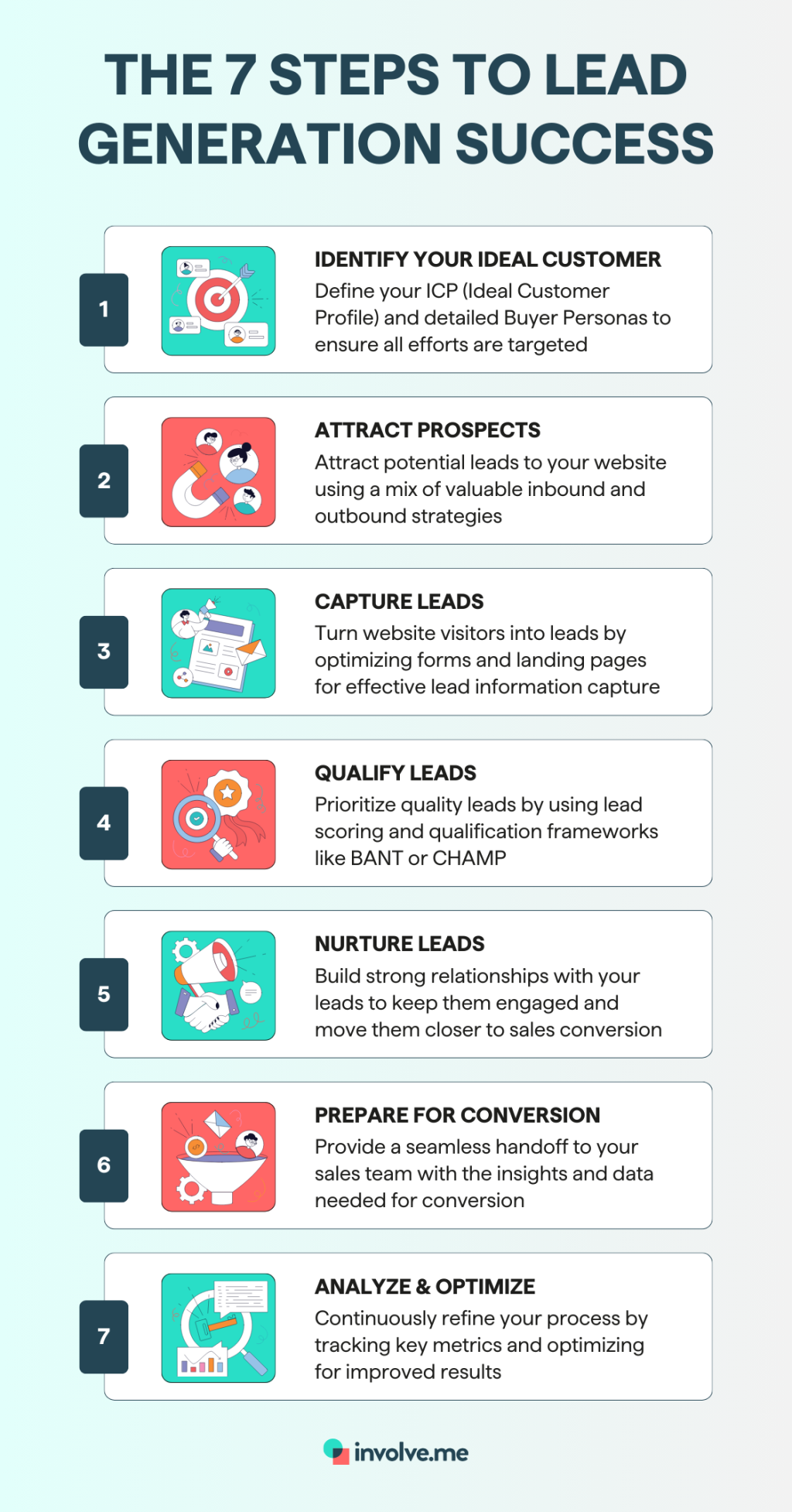
Lead generation is the process of attracting people who may be interested in your products or services and encouraging them to take a meaningful next step. In digital marketing, that step might be signing up for a newsletter, requesting a quote, booking a consultation or making an enquiry.

Effective lead generation is about more than collecting contact details. It means reaching the right people, offering something relevant and making it easy for them to continue their journey with your business.

Why lead generation matters

A steady flow of suitable leads can help a business build relationships with potential customers and create more opportunities for sales. It also gives marketing and sales teams a clearer picture of what audiences are looking for.

When lead generation is aligned with your business goals, it can help you:

  • Reach people who are more likely to be interested in your offering
  • Build an audience you can communicate with over time
  • Understand which marketing channels are producing enquiries
  • Improve the path from a first visit to a purchase or booking

Start with your audience and offer

Before choosing channels or creating a campaign, be clear about who you want to reach. Consider the problems your ideal customers are trying to solve, what information they need and what might prevent them from getting in touch.

Then develop an offer that gives them a useful reason to act. Depending on your business, this could be a practical guide, a product demonstration, a consultation, a sample, a quotation or a helpful email series. The offer should be relevant to your audience and clearly connected to what you provide.

Common digital lead generation channels

Search engine optimisation

Search engine optimisation (SEO) helps your website appear when people look for information, products or services related to your business. Useful pages that answer specific questions can attract visitors who are already researching a need. Clear calls to action can then guide them towards an enquiry or sign-up.

Paid search and social advertising

Paid advertising can put your offer in front of a defined audience more quickly than organic channels. Search ads can reach people actively looking for a solution, while social advertising can introduce your business to people based on relevant interests or characteristics. Test different messages and audiences, and monitor the quality of the leads as well as the number generated.

Content marketing

Articles, videos, case studies and guides can help potential customers understand a topic and assess their options. Strong content builds trust by being genuinely useful rather than simply promotional. You can include a relevant next step, such as downloading a guide or arranging a conversation.

Email marketing

Email can help you stay in touch with people who have chosen to hear from your business. Share useful advice, updates and relevant offers, and make it easy for recipients to manage their preferences or unsubscribe. Avoid sending messages to people who have not given the necessary permission.

Social media

Social platforms can support lead generation through useful posts, conversations, live events and targeted campaigns. Rather than treating every post as a sales pitch, focus on sharing information that helps your audience and gives them a natural reason to visit your website or contact your team.

Make your website work harder

Your website often plays a central role in turning interest into action. Make sure each important page explains what you offer, who it is for and what visitors can do next. Calls to action should be specific and easy to find—for example, “Request a quote” is clearer than “Click here”.

Keep forms as short as practical. Ask only for information you need at that stage, and explain how the information will be used. A clear privacy notice can help visitors make an informed choice.

Qualify and nurture leads

Not every lead is ready to buy. Some people may be comparing providers or gathering information, while others may be prepared to make a decision soon. A simple lead qualification process can help your team prioritise enquiries according to factors such as their needs, timing and fit with your services.

For people who are not ready to take the next step, consider a relevant follow-up journey. This might include helpful emails, a case study or an invitation to a webinar. Keep communications useful and respectful, and make sure they reflect the preferences people have given.

Measure what matters

Track performance against clear objectives. Useful measures may include:

  • The number of leads generated by each channel
  • The proportion of leads that meet your criteria
  • The conversion rate from website visits to enquiries
  • The cost of acquiring a lead
  • The proportion of leads that become customers
  • The time it takes for a lead to progress through your sales process

Lead volume alone can be misleading. A campaign that generates fewer but better-matched enquiries may be more valuable than one that produces a high number of unsuitable contacts. Review results regularly and use them to improve your targeting, offer and follow-up.

Respect privacy and build trust

Good lead generation depends on trust. Be clear about what someone is signing up for, collect only the data you need and handle it responsibly. For UK businesses, marketing activities must comply with applicable data protection and electronic marketing rules, including the UK GDPR and Privacy and Electronic Communications Regulations (PECR). Requirements can vary depending on the type of communication and audience, so check the relevant guidance for your circumstances.

Build a process, not just a campaign

Successful lead generation is an ongoing process: understand your audience, create a useful offer, attract the right people, make it easy to respond and follow up appropriately. By measuring lead quality as well as quantity, your business can learn which activities are worth improving and where to invest next.


8 Key Benefits of Lead Generation in Digital Marketing

  1. Attracts potential customers who are interested in your products or services.
  2. Builds a steady pipeline of sales opportunities.
  3. Helps target specific audiences more effectively.
  4. Makes marketing performance easier to measure.
  5. Supports personalised communication with prospects.
  6. Can increase website enquiries and conversions.
  7. Helps businesses understand customer needs.
  8. Offers scalable ways to grow your audience.


Drawbacks of Lead Generation in Digital Marketing

  1. Can be costly to run.
  2. May attract low-quality leads.
  3. Results can take time.
  4. Requires ongoing testing and follow-up.

Attracts potential customers who are interested in your products or services.

Lead generation helps your business attract people who are already interested in the products or services you offer. By sharing relevant content, useful offers and targeted campaigns, you can connect with potential customers who are more likely to engage with your brand and take the next step, whether that is making an enquiry, requesting a quote or completing a purchase.

Builds a steady pipeline of sales opportunities.

Lead generation helps build a steady pipeline of sales opportunities by attracting and capturing the details of people interested in your products or services. Rather than relying solely on occasional enquiries, your business can nurture potential customers over time with relevant information and timely follow-ups. This gives your sales team a more consistent flow of prospects to engage with and can make future revenue easier to plan.

Helps target specific audiences more effectively.

Lead generation helps businesses target specific audiences more effectively by focusing marketing on people who are more likely to need or value their products and services. Using factors such as interests, online behaviour and previous interactions, businesses can tailor their messages and offers to suit different groups. This makes campaigns more relevant, helps use marketing budgets efficiently and can attract higher-quality enquiries.

Makes marketing performance easier to measure.

Lead generation makes marketing performance easier to measure by linking campaigns to clear, trackable actions, such as form submissions, calls or consultation bookings. By monitoring how many leads each channel generates, how much they cost and how many become customers, businesses can see what is working and where to invest their budget. This makes it easier to refine campaigns and focus on activity that delivers meaningful results.

Supports personalised communication with prospects.

Lead generation gives businesses valuable insight into what prospects are interested in, making it easier to tailor communication to their needs and stage in the buying journey. By sharing relevant advice, offers and follow-ups, rather than sending the same message to everyone, businesses can build trust, create a more engaging experience and help prospects make informed decisions.

Can increase website enquiries and conversions.

Lead generation can increase website enquiries and conversions by guiding interested visitors towards a clear next step, such as requesting a quote, booking a consultation or signing up for updates. With relevant offers, straightforward forms and well-placed calls to action, businesses can make it easier for potential customers to get in touch and turn their interest into measurable action.

Helps businesses understand customer needs.

Lead generation can help businesses gain a clearer understanding of customer needs by revealing what people are interested in and what challenges they are trying to solve. Enquiries, form responses and interactions with useful content can highlight common questions, preferences and concerns. By analysing these insights, businesses can refine their products, services and marketing messages to better meet their audience’s expectations.

Offers scalable ways to grow your audience.

Lead generation offers scalable ways to grow your audience by helping you reach more potential customers through channels such as search, social media, email and paid advertising. You can start with a focused campaign, measure how well it performs and expand the activities that bring in relevant leads. This makes it easier to grow your reach over time while adapting your approach to your budget, capacity and business goals.

Can be costly to run.

Lead generation can be costly to run, particularly when it involves paid advertising, specialist tools, content creation or dedicated staff time. Campaigns may also need ongoing testing and refinement before they produce a reliable return, and not every enquiry will become a customer. Setting a clear budget, tracking the cost and quality of leads, and reviewing performance regularly can help businesses focus their investment on the activities that deliver the greatest value.

May attract low-quality leads.

Lead generation can attract low-quality leads if a campaign reaches too broad an audience or its offer appeals to people who are unlikely to become customers. This can leave sales teams spending time on enquiries that are a poor fit, have little genuine interest or are not ready to buy. To reduce this, businesses should target carefully, set clear expectations in their advertising and assess lead quality—not just the number of contacts collected.

Results can take time.

One drawback of lead generation in digital marketing is that results can take time. Building awareness, earning trust and attracting the right prospects rarely happen overnight, particularly with approaches such as SEO and content marketing. Even paid campaigns may need time to gather data and be refined before they deliver consistent, high-quality leads. Businesses should set realistic expectations, monitor progress and allow enough time for their strategy to develop.

Requires ongoing testing and follow-up.

Lead generation requires ongoing testing and follow-up to deliver consistent results. Campaigns, audiences and messages may perform differently over time, so businesses need to regularly review their data and refine what they do. Leads also need timely, relevant communication; without it, potential customers may lose interest or choose a competitor. This takes continued time and resources, rather than being a one-off task.

digital marketing and communication

Digital Marketing and Communication: Building Stronger Connections Online

Digital Marketing and Communication: Building Stronger Connections Online

Digital marketing and communication are closely connected. Marketing helps businesses reach the right people, while communication builds the trust and understanding that turn an audience into a community of customers. When the two work together, a business can share a consistent message, create meaningful experiences and support lasting relationships.

What is digital marketing?

Digital marketing is the promotion of a business, product or service through online channels. These may include websites, search engines, social media, email and digital advertising. The right mix depends on a business’s goals, audience and resources.

Common digital marketing activities include:

  • Search engine optimisation (SEO): Improving a website so it can be found more easily through relevant search results.
  • Content marketing: Creating useful articles, guides, videos and other content for an intended audience.
  • Social media marketing: Sharing content and engaging with people on social platforms.
  • Email marketing: Sending relevant updates, offers and information to people who have chosen to hear from a business.
  • Online advertising: Using paid placements to reach specific audiences or encourage particular actions.

Why communication matters

Digital channels make it possible to communicate quickly and on a large scale. But simply publishing more content does not guarantee that people will notice, understand or trust a message. Effective communication starts with listening: learning what an audience needs, what questions it has and which channels it prefers.

Clear communication can help a business explain what it offers, set realistic expectations and make it easier for customers to take the next step. It also gives people a reason to engage, whether that means asking a question, signing up for updates or making a purchase.

Creating a consistent message

People may encounter a business through a search result, a social media post, an email or its website. Each interaction should feel recognisably connected to the same brand. Consistency does not mean using identical wording everywhere. It means keeping the core message, tone and visual identity aligned while adapting the format to suit each channel.

A useful starting point is to define:

  • Who the business is trying to reach.
  • What those people need or want to know.
  • What makes the business’s offer relevant.
  • What action readers should take next.
  • How the brand should sound across different channels.

Choose channels with purpose

Being active on every digital platform is not always practical or effective. A better approach is to focus on the channels that suit the audience and the business’s objectives. For example, a detailed guide may work well on a website, while a short update may be better suited to social media. Email can be useful for sharing information with subscribers, provided messages remain relevant and easy to manage.

Each channel should have a clear role. A website might provide comprehensive information, social media might support conversation and discovery, and email might keep an opted-in audience informed. Together, these channels can create a more connected customer experience.

Make content useful and accessible

Good digital communication is centred on the audience, not just the organisation. Content should answer genuine questions, use plain language and avoid unnecessary jargon. It should also be accessible: use clear headings, descriptive links, readable layouts and alternative text for meaningful images.

Useful content can take many forms, including how-to articles, FAQs, product information, case studies and short videos. The format matters less than whether the content is accurate, relevant and easy to understand.

Measure what matters

Digital marketing provides data that can help businesses understand how their communications are performing. The right measures depend on the goal. Website visits may indicate interest, while enquiries, sign-ups or sales may offer a clearer view of action taken. Engagement figures can provide context, but they should not be treated as success on their own.

Reviewing results regularly helps a business identify what is working and where improvements may be needed. It is also important to interpret data carefully, taking account of the audience, campaign timing and other factors that could affect performance.

Build trust over time

Trust grows through consistent, honest communication. Businesses should be clear about what they offer, respond thoughtfully to feedback and avoid promises they cannot support. They should also respect people’s privacy and follow applicable data protection and marketing rules, including requirements around consent and unsubscribing from marketing emails.

Not every interaction needs to lead directly to a sale. Helpful advice, timely answers and straightforward information can all contribute to a positive relationship with a brand.

Bringing digital marketing and communication together

Effective digital marketing is more than choosing platforms or publishing campaigns. It is an ongoing process of understanding an audience, sharing useful information, listening to responses and improving the experience. When communication is clear and marketing activity has a defined purpose, businesses can make better use of their digital channels and create stronger connections with the people they serve.


Top 5 FAQs on Digital Marketing and Communication: Understanding Strategies, Costs, and Success Metrics

  1. What is digital marketing and how does it work?
  2. Which digital marketing channels are best for my business?
  3. How can I improve my digital marketing communication?
  4. How much does digital marketing cost?
  5. How can I measure the success of a digital marketing campaign?

What is digital marketing and how does it work?

Digital marketing is the promotion of a business, product or service through online channels such as search engines, websites, social media, email and digital advertising. It works by helping a business reach relevant audiences, share useful or persuasive messages, and encourage actions such as visiting a website, making an enquiry or completing a purchase. By measuring results—such as visits, engagement and conversions—businesses can understand what is effective and refine their marketing over time.

Which digital marketing channels are best for my business?

The best digital marketing channels depend on your business goals, audience and budget. Consider where your customers spend time online and how they prefer to find information: SEO can help people discover your website through search engines, social media can build awareness and encourage conversation, while email can nurture relationships with subscribers. Paid advertising may help you reach a specific audience quickly, but it needs careful planning and monitoring. Rather than trying to use every channel, choose the ones that suit your customers and focus on measuring results so you can refine your approach over time.

How can I improve my digital marketing communication?

To improve your digital marketing communication, start by understanding your audience and the questions, needs and channels that matter to them. Set clear goals, use plain and consistent language, and tailor your message to each platform rather than sharing the same content everywhere. Create useful, accessible content, make the next step clear and respond promptly to comments or enquiries. Finally, review performance regularly—using measures such as engagement, enquiries and conversions—and use what you learn to refine your approach.

How much does digital marketing cost?

The cost of digital marketing varies depending on your goals, the channels you use and the level of support you need. A focused SEO or social media campaign may require a smaller budget than a multi-channel strategy involving paid advertising, content creation and ongoing management. Costs can also depend on how competitive your market is and whether you work with an agency, a freelancer or an in-house team. A good starting point is to set clear objectives and agree a budget, then review performance regularly to understand what is delivering value.

How can I measure the success of a digital marketing campaign?

Measure the success of a digital marketing campaign by comparing its results with the goals set before launch. Choose relevant key performance indicators (KPIs), such as website visits, engagement, enquiries, email sign-ups or sales, and track them using tools such as website analytics and advertising dashboards. Consider both the number and quality of responses, the campaign’s cost and return on investment, and how results compare with previous activity. Reviewing these measures regularly can show what is working and where adjustments may improve performance.

online marketing services for small businesses

Online Marketing Services for Small Businesses: A Practical Guide

Online Marketing Services for Small Businesses: A Practical Guide

For a small business, online marketing can help you reach new customers, build trust and encourage repeat business. The right approach does not have to involve a large budget or a complicated strategy. It starts with understanding your audience, choosing the channels that suit your goals and making steady improvements over time.

What are online marketing services?

Online marketing services help businesses promote their products or services across digital channels. Depending on your needs, they may include website design, search engine optimisation (SEO), paid advertising, social media management, email marketing and content creation.

Some businesses manage these activities in-house, while others work with an agency or freelancer. A marketing partner can provide specialist skills, help set priorities and give you more time to focus on running your business.

Key online marketing services for small businesses

Website design and optimisation

Your website is often the first place potential customers go to learn about your business. It should explain what you offer, who you help and how to get in touch. A well-designed website should also work smoothly on mobile devices, load quickly and make it easy for visitors to take the next step.

That step might be making a purchase, booking an appointment, requesting a quote or signing up for updates. Clear calls to action and useful, accurate information can make a real difference.

Search engine optimisation

SEO helps improve your website’s visibility in unpaid search results. It can include researching the phrases your customers use, improving website content, organising pages clearly and making technical improvements that help search engines understand your site.

For businesses serving a particular area, local SEO can be especially useful. Keeping your business details consistent online and maintaining a complete local business profile can help nearby customers find you. SEO usually takes time, so it is best viewed as a long-term investment rather than a quick fix.

Paid search and social advertising

Paid advertising can put your business in front of a selected audience more quickly than organic marketing. Search adverts can reach people looking for a particular product or service, while social media adverts can be targeted by factors such as location, interests or behaviours.

Start with a clear objective and a manageable budget. Track what happens after someone clicks, not just how many clicks an advert receives. Enquiries, bookings and sales are more useful measures of success.

Social media marketing

Social media gives small businesses a way to share updates, demonstrate expertise and talk directly with customers. You do not need to be active on every platform. Choose the channels your audience uses and focus on posting useful, relevant content consistently.

A simple plan might include product or service information, answers to common questions, customer stories and behind-the-scenes updates. Responding to comments and messages promptly can help build stronger relationships.

Email marketing

Email is a direct way to stay in touch with people who have chosen to hear from your business. You could use it to share news, helpful advice, special offers or reminders. Keep messages relevant, make them easy to read on a mobile and include a clear next step.

Always collect consent appropriately and make it straightforward for recipients to unsubscribe. Following data protection and electronic marketing rules is an essential part of responsible email marketing.

Content creation and analytics

Useful content—such as articles, guides, videos or case studies—can answer customer questions and show what makes your business distinctive. Analytics can then help you understand which pages and campaigns attract attention and which lead to meaningful results.

How to choose the right services

Begin with your business goals. If you need more local enquiries, local SEO and a clear website may be a sensible starting point. If you are launching a new offer, paid advertising could help you test demand. If customers often return, email marketing may support repeat business.

Before choosing a provider, ask what work is included, how progress will be reported and how success will be measured. Look for clear communication, realistic expectations and a plan that fits your budget. Be cautious of promises such as guaranteed rankings or instant results.

Make your marketing work harder

Online marketing is most effective when its parts support one another. A useful social media post can lead people to a relevant website page; that page can encourage them to enquire or join your mailing list. Review your results regularly, keep what is working and adjust what is not.

With clear goals and the right mix of services, small businesses can build a stronger online presence without trying to do everything at once. Start with the basics, learn from your customers and grow your marketing as your business develops.


Essential Tips for Small Businesses: Maximising Online Marketing Services

  1. Set a clear budget before choosing marketing services.
  2. Choose channels your customers actually use.
  3. Check results with simple, measurable goals.
  4. Ask for transparent pricing and regular reports.
  5. Start small, then invest more in what works.

Set a clear budget before choosing marketing services.

Set a clear budget before choosing online marketing services so you can focus on options that are realistic for your business. Consider both the initial cost and any ongoing fees, and leave room to test and refine your approach. A clear budget also helps you compare providers, prioritise the channels most likely to support your goals and measure whether your marketing is delivering value.

Choose channels your customers actually use.

Choose marketing channels your customers actually use, rather than trying to be everywhere at once. Think about where your audience looks for information, compares options and spends time online, then focus your effort there. For example, a local service business may benefit from a well-maintained Google Business Profile, while a visually led brand might find social media more effective. Concentrating on the right channels helps you use your time and budget wisely, create more relevant content and build stronger connections with potential customers.

Check results with simple, measurable goals.

Set simple, measurable goals so you can see whether your online marketing is making a difference. Rather than aiming to “get more visibility”, track specific outcomes such as website enquiries, online sales, email sign-ups or visits from local search. Choose a time period, check your results regularly and compare them with your starting point. This makes it easier to spot what is working, adjust what is not and spend your marketing budget where it can have the greatest impact.

Ask for transparent pricing and regular reports.

Before choosing an online marketing provider, ask for clear, transparent pricing so you know what is included and whether there are any extra costs. Agree how often you will receive reports and what they will cover, such as website visits, enquiries, sales or campaign performance. Regular, straightforward updates make it easier to see what is working, understand how your budget is being used and decide what to improve next.

Start small, then invest more in what works.

Start with a manageable online marketing budget and test a few activities that match your goals, such as local SEO, email marketing or a small paid advertising campaign. Track meaningful results, including enquiries, bookings and sales, rather than focusing only on likes or clicks. Once you know which channels are bringing in the right customers, invest more in those and scale back what is not delivering. This measured approach helps you make better use of your budget while learning what works for your business.

How to Choose the Right Digital Marketing Partner

How to Choose the Right Digital Marketing Partner

Growing a business online takes more than a presence on social media or a well-designed website. It takes a clear strategy, consistent effort and the ability to understand what is working. A digital marketing partner can bring these elements together, helping your business reach the right people and make more of its online opportunities.

What is a digital marketing partner?

A digital marketing partner works with your business to plan, deliver and improve marketing across digital channels. Depending on your needs, this might include search engine optimisation (SEO), paid advertising, content, social media, email marketing, website design or analytics.

The word “partner” matters. The best relationship is not simply about outsourcing a list of tasks. It is a collaborative process built around your goals, your customers and the realities of your business.

Why work with a digital marketing partner?

Digital marketing can be difficult to manage alongside the day-to-day demands of running a business. A trusted partner can offer specialist skills, an outside perspective and a more joined-up approach to your marketing.

  • Access to expertise: Draw on experience across different channels without needing to build every capability in-house.
  • A clearer strategy: Connect marketing activity to business objectives, rather than relying on disconnected campaigns.
  • More time to focus: Get support with planning and delivery while your team concentrates on its core work.
  • Ongoing improvement: Review performance, learn from the results and refine activity over time.

What should you look for?

A focus on your business goals

Marketing should support a clear outcome, whether that is generating qualified enquiries, increasing online sales or building awareness in a particular market. A good partner will ask questions about your business before recommending channels or tactics.

Clear communication

You should know what is being done, why it is being done and how progress will be reported. Look for straightforward explanations, agreed responsibilities and regular conversations that leave room for questions and feedback.

A joined-up approach

Digital channels often work best when they support one another. For example, useful content can support SEO, while paid advertising can help bring that content to a wider audience. A partner should consider how the different parts of your marketing fit together.

Useful reporting

Reports should help you make decisions, not just present a long list of figures. Ask how performance will be measured and how the results will relate to your objectives. The right measures will depend on the work, but they should give you a meaningful view of progress.

An honest and realistic outlook

Digital marketing takes time, testing and consistent attention. Be cautious of guarantees that sound too good to be true. A reliable partner will explain what is achievable, outline the factors that may affect results and be open about what needs to improve.

Questions to ask before you choose

Before appointing a digital marketing partner, consider asking:

  • How will you learn about our business and customers?
  • Which activities do you recommend, and why?
  • Who will manage our work and keep us updated?
  • How will you measure progress?
  • What will you need from our team?
  • How will the strategy change if results or priorities change?

Make the partnership work

A successful relationship depends on collaboration. Share your business priorities, customer insights and feedback. Agree on realistic goals and make sure everyone understands their role. Your marketing partner should bring expertise and guidance, while your team brings the knowledge and perspective that only comes from being close to the business.

It is also worth reviewing the partnership regularly. Look at what has been delivered, what the results suggest and whether the activity still reflects your priorities. Regular reviews help keep the work relevant as your business and the digital landscape evolve.

Find a digital marketing partner that fits

The right digital marketing partner will do more than carry out individual tasks. They will take the time to understand your business, communicate clearly and help you make informed decisions about your online growth.

Start with your goals, ask thoughtful questions and look for a working relationship based on trust and transparency. With the right support, digital marketing can become a more focused, measurable and valuable part of your business.


Understanding the Role and Responsibilities of a Digital Marketing Partner: Key FAQs Answered

  1. What does it mean to be a marketing partner?
  2. What do marketing partners do?
  3. What is a Google marketing partner?
  4. What is the role of a marketing partner?
  5. What exactly does a digital marketer do?
  6. What is digital marketing partner?
  7. What does a digital marketing person do?
  8. What are the positions on a digital marketing team?
  9. What is the 3-3-3 rule for marketing?

What does it mean to be a marketing partner?

Being a marketing partner means working collaboratively with a business to understand its goals, reach the right audience and support sustainable growth. Rather than simply carrying out individual tasks, a marketing partner helps shape the strategy, recommends suitable channels, delivers agreed activity and reviews performance over time. The relationship is built on clear communication, shared priorities and a good understanding of the business, so marketing decisions are connected to real needs and objectives.

What do marketing partners do?

Marketing partners help businesses plan, deliver and improve their marketing. Depending on your needs, they may provide expertise in areas such as strategy, branding, SEO, paid advertising, content, social media, email campaigns and performance reporting. A good marketing partner takes time to understand your goals and customers, recommends suitable activities and works with your team to measure results and refine the approach.

What is a Google marketing partner?

A Google marketing partner is a company that has met Google’s requirements for the Google Partners programme, which focuses on Google Ads expertise, campaign performance and client growth. Partner status can indicate that an agency has certified professionals and experience managing Google Ads campaigns, but it does not guarantee results or mean Google endorses every service the company provides. Check that the partner’s experience, approach and reporting suit your business needs.

What is the role of a marketing partner?

A marketing partner works alongside your business to plan and deliver marketing that supports your goals. They can provide specialist expertise, help identify the right audiences and channels, manage campaigns, and measure performance. Rather than simply carrying out individual tasks, a good partner takes time to understand your business, communicates clearly and uses results to refine the approach.

What exactly does a digital marketer do?

A digital marketer helps a business reach and engage customers online. Their work may include planning campaigns, creating content, managing social media, improving a website’s visibility in search results, running paid adverts and analysing performance. The exact responsibilities vary depending on the business and its goals, but the aim is to use suitable digital channels to build awareness, attract potential customers and support growth.

What is digital marketing partner?

A digital marketing partner is a person or agency that works with your business to plan, deliver and improve your online marketing. Depending on your goals, they may support areas such as search engine optimisation (SEO), paid advertising, social media, content, email marketing or website development. Rather than simply completing one-off tasks, a good partner takes time to understand your business and customers, recommends suitable strategies and measures progress against agreed objectives.

What does a digital marketing person do?

A digital marketing person helps a business attract and engage customers online. Their work may include planning campaigns, managing social media, creating content, improving a website’s visibility in search results, running online adverts and reviewing performance data. The exact responsibilities vary, but the aim is to reach the right audience, support business goals and improve results over time.

What are the positions on a digital marketing team?

A digital marketing team may include a digital marketing manager or strategist to plan campaigns and coordinate activity, alongside specialists in SEO, paid advertising, social media, content, email marketing, web design and analytics. Larger teams may also have copywriters, designers, developers and account managers, while smaller businesses often combine several roles or work with an external digital marketing partner. The positions needed depend on your goals, budget and the channels you use.

What is the 3-3-3 rule for marketing?

The 3-3-3 rule for marketing has no single agreed definition, but it is often used as a simple reminder to capture someone’s attention quickly, communicate a clear and relevant message, and follow up consistently. In digital campaigns, that can mean using the opening seconds of an advert or post to earn attention, focusing on a few key benefits rather than overwhelming people with information, and planning timely follow-up across suitable channels. The exact interpretation varies, so it is best treated as a practical guideline rather than a fixed marketing formula.