
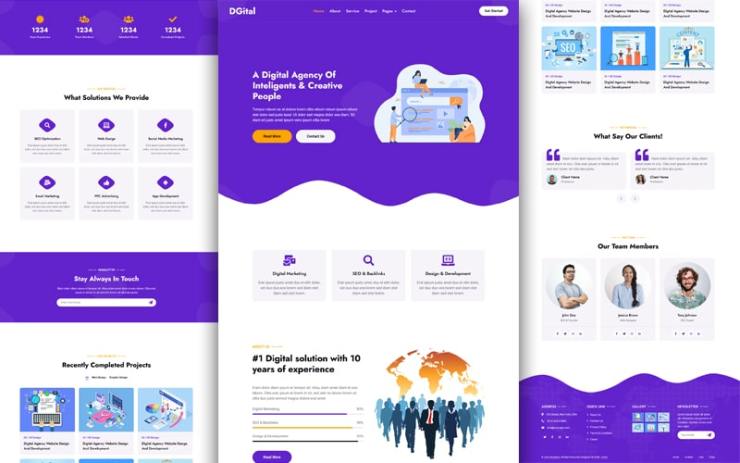
digital agency website

Enhancing Your Online Presence: The Power of a Well-Designed Digital Agency Website

The Importance of a Well-Designed Digital Agency Website

The Importance of a Well-Designed Digital Agency Website

In today’s digital age, having a strong online presence is crucial for businesses to succeed. A well-designed digital agency website plays a key role in attracting and engaging potential clients, showcasing services and expertise, and ultimately driving business growth.

Professional Image

Your website is often the first point of contact between your agency and potential clients. A professionally designed website conveys credibility, trustworthiness, and expertise in the digital space. It sets the tone for how visitors perceive your agency and can make a lasting impression.

Showcasing Services

A digital agency website serves as a platform to showcase your range of services, expertise, and past projects. Through compelling visuals, informative content, and user-friendly navigation, you can effectively communicate what sets your agency apart from the competition and why clients should choose you.

User Experience

User experience is paramount in web design. A well-designed website ensures that visitors can easily navigate through pages, find information quickly, and engage with your content seamlessly. By prioritising user experience, you can keep visitors on your site longer and increase the likelihood of conversion.

SEO Benefits

Optimising your digital agency website for search engines is essential for improving visibility online. By incorporating relevant keywords, meta tags, quality content, and responsive design practices, you can enhance your site’s SEO performance and attract organic traffic from search engines.

Lead Generation

A well-designed website with clear calls-to-action can effectively generate leads for your agency. By strategically placing contact forms, newsletter sign-ups, or consultation requests throughout your site, you can capture visitor information and nurture leads into valuable clients.

In conclusion, a well-designed digital agency website is more than just an online presence – it is a powerful tool for attracting clients, showcasing expertise, enhancing user experience, improving SEO performance, and generating leads. Investing in professional web design is an investment in the future success of your agency.


8 Essential Tips for Creating an Effective Digital Agency Website

  1. Ensure your website has a clean and professional design that reflects your agency’s brand.
  2. Make it easy for visitors to contact you by including clear contact information on every page.
  3. Display your portfolio of work prominently to showcase your expertise and experience.
  4. Optimize your website for mobile devices to ensure a seamless user experience across all platforms.
  5. Include client testimonials or case studies to build credibility and trust with potential clients.
  6. Regularly update your blog or news section with relevant content to demonstrate industry knowledge and expertise.
  7. Incorporate strong calls-to-action throughout the site to encourage visitors to take the next step, such as requesting a quote or scheduling a consultation.
  8. Monitor website analytics regularly to track performance and make data-driven improvements.

Ensure your website has a clean and professional design that reflects your agency’s brand.

It is crucial to ensure that your digital agency website features a clean and professional design that accurately reflects your agency’s brand identity. A visually appealing and cohesive design not only enhances the credibility of your agency but also helps to establish a strong brand presence online. By incorporating elements that align with your brand’s values and messaging, you can create a memorable user experience that resonates with visitors and reinforces trust in your services. Remember, first impressions matter, and a well-designed website can make a significant impact on how potential clients perceive your agency.

Make it easy for visitors to contact you by including clear contact information on every page.

To enhance user experience and encourage visitor engagement, it is essential for a digital agency website to make it easy for visitors to contact them. One effective tip is to include clear contact information on every page of the website. By prominently displaying contact details such as phone numbers, email addresses, and a contact form throughout the site, visitors can quickly and easily reach out with inquiries or requests for more information. This simple yet impactful strategy not only improves accessibility but also demonstrates transparency and accessibility, building trust with potential clients.

Display your portfolio of work prominently to showcase your expertise and experience.

Displaying your portfolio of work prominently on your digital agency website is essential to showcase your expertise and experience to potential clients. By highlighting past projects, case studies, and success stories, you can demonstrate the quality of your work and the results you have achieved for previous clients. A visually appealing and well-organised portfolio not only enhances credibility but also helps visitors understand the range of services you offer and the level of professionalism they can expect from your agency.

Optimize your website for mobile devices to ensure a seamless user experience across all platforms.

To enhance user experience across all platforms, it is essential for digital agency websites to be optimised for mobile devices. By ensuring that your website is responsive and functions smoothly on smartphones and tablets, you can provide a seamless browsing experience for visitors accessing your site on the go. Optimising for mobile not only improves usability but also demonstrates your commitment to meeting the needs of a diverse audience, ultimately leading to increased engagement and satisfaction with your online presence.

Include client testimonials or case studies to build credibility and trust with potential clients.

Incorporating client testimonials or case studies on your digital agency website is a powerful way to establish credibility and trust with potential clients. By showcasing positive feedback from satisfied clients or highlighting successful projects through case studies, you provide social proof of your agency’s expertise and reliability. This not only helps to build trust with visitors but also demonstrates the value and quality of your services, ultimately encouraging potential clients to choose your agency for their digital needs.

Regularly update your blog or news section with relevant content to demonstrate industry knowledge and expertise.

To establish credibility and showcase industry expertise, it is essential for a digital agency to regularly update its blog or news section with relevant content. By sharing insightful articles, case studies, and industry trends, the agency can demonstrate its in-depth knowledge and keep visitors engaged. This practice not only helps to position the agency as a thought leader but also improves search engine visibility and encourages repeat visits from potential clients seeking valuable insights.

Incorporate strong calls-to-action throughout the site to encourage visitors to take the next step, such as requesting a quote or scheduling a consultation.

To maximise visitor engagement and drive conversion on your digital agency website, it is essential to incorporate strong calls-to-action strategically throughout the site. By prompting visitors to take the next step, whether it’s requesting a quote, scheduling a consultation, or signing up for a newsletter, you can guide them towards meaningful interactions that can lead to potential business opportunities. Clear and compelling calls-to-action not only encourage user engagement but also help streamline the customer journey and ultimately boost your agency’s success in converting visitors into valuable clients.

Monitor website analytics regularly to track performance and make data-driven improvements.

Monitoring website analytics regularly is essential for a digital agency website to track performance and make data-driven improvements. By analysing metrics such as traffic sources, user behaviour, conversion rates, and engagement levels, agencies can gain valuable insights into how their website is performing and identify areas for enhancement. This data-driven approach allows agencies to make informed decisions to optimise the user experience, refine marketing strategies, and ultimately achieve better results online.
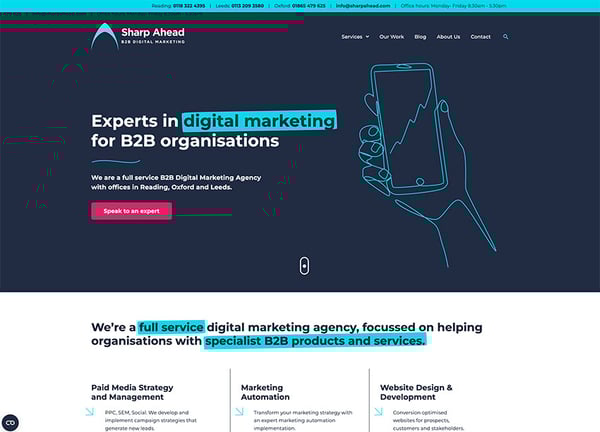
b2b digital marketing agency

Elevate Your Business with a Leading B2B Digital Marketing Agency

The Role of a B2B Digital Marketing Agency in Driving Business Growth

In today’s competitive business landscape, having a strong online presence is crucial for success. This is where B2B digital marketing agencies play a vital role in helping businesses reach their target audience, generate leads, and drive revenue growth.

Understanding B2B Digital Marketing

B2B digital marketing involves promoting products or services from one business to another through online channels. Unlike B2C marketing, which targets individual consumers, B2B marketing focuses on reaching decision-makers within other businesses.

The Importance of a B2B Digital Marketing Agency

A B2B digital marketing agency brings expertise and experience to the table when it comes to developing and implementing effective online strategies. These agencies understand the unique challenges of targeting businesses and can tailor campaigns to resonate with this specific audience.

Key Services Offered by B2B Digital Marketing Agencies:

  • Search Engine Optimization (SEO): Optimising website content to improve organic search rankings and increase visibility among potential clients.
  • Pay-Per-Click (PPC) Advertising: Running targeted advertising campaigns on search engines and social media platforms to drive traffic and generate leads.
  • Content Marketing: Creating valuable content such as blogs, whitepapers, and case studies to engage prospects and establish thought leadership in the industry.
  • Social Media Marketing: Leveraging social media platforms to build brand awareness, engage with followers, and drive website traffic.
  • Email Marketing: Sending personalised emails to nurture leads, promote products or services, and maintain relationships with existing clients.

The Benefits of Partnering with a B2B Digital Marketing Agency:

  • Expertise: Access to a team of professionals with in-depth knowledge of digital marketing strategies tailored for the B2B sector.
  • Data-Driven Approach: Utilising analytics tools to track campaign performance, measure ROI, and make data-driven decisions for continuous improvement.
  • Saves Time and Resources: Outsourcing digital marketing efforts allows businesses to focus on core operations while experts handle their online presence.
  • Scalability: Agencies can adjust strategies based on business goals, market trends, and campaign performance to ensure scalability and long-term success.

In Conclusion

A B2B digital marketing agency serves as a strategic partner for businesses looking to expand their reach, attract high-quality leads, and drive growth in the digital realm. By leveraging the expertise of these agencies, organisations can stay ahead of the competition and achieve their business objectives effectively.


9 Essential Tips for Success in B2B Digital Marketing

  1. Understand your target audience and their needs.
  2. Create a strong brand identity to stand out in the market.
  3. Invest in creating high-quality content for your clients.
  4. Utilize social media platforms to engage with potential clients.
  5. Implement SEO strategies to improve online visibility and attract leads.
  6. Offer personalized services tailored to each client’s specific requirements.
  7. Build strong relationships with other businesses for potential collaborations.
  8. Track and analyse data to measure the effectiveness of your campaigns.
  9. Stay updated with the latest trends and technologies in digital marketing.

Understand your target audience and their needs.

To succeed in B2B digital marketing, it is essential to thoroughly understand your target audience and their specific needs. By conducting thorough research and analysis, a B2B digital marketing agency can identify the pain points, challenges, and preferences of the businesses they are targeting. This insight allows for the development of tailored strategies that resonate with the audience, ultimately leading to more effective campaigns and better results. By putting the audience at the centre of their efforts, B2B digital marketers can create meaningful connections and drive business growth for their clients.

Create a strong brand identity to stand out in the market.

In the realm of B2B digital marketing, establishing a robust brand identity is paramount to differentiate your business and make a lasting impression on your target audience. A strong brand identity not only sets you apart from competitors but also builds trust and credibility with potential clients. By defining key brand elements such as your unique value proposition, visual aesthetics, and messaging tone, you can create a cohesive and memorable brand that resonates with prospects in the market. Investing in crafting a distinct brand identity is an essential strategy for B2B digital marketing agencies aiming to stand out and leave a lasting impact in the competitive landscape.

Invest in creating high-quality content for your clients.

Investing in creating high-quality content for your clients is a crucial strategy for a B2B digital marketing agency. By producing informative and engaging content tailored to the needs and interests of your target audience, you can establish credibility, build trust, and position your clients as industry leaders. Whether it’s in the form of blog posts, whitepapers, case studies, or videos, compelling content not only attracts potential customers but also nurtures existing relationships, driving engagement and ultimately contributing to business growth.

Utilize social media platforms to engage with potential clients.

To maximise the impact of your B2B digital marketing efforts, it is essential to leverage social media platforms effectively in engaging with potential clients. By establishing a strong presence on platforms such as LinkedIn, Twitter, and Facebook, businesses can interact with their target audience, share valuable content, and build relationships that drive lead generation and brand awareness. Engaging with potential clients through social media not only showcases your expertise and credibility but also allows for direct communication that can foster trust and loyalty within the B2B space.

Implement SEO strategies to improve online visibility and attract leads.

To enhance online visibility and attract valuable leads, it is essential for a B2B digital marketing agency to implement effective SEO strategies. By optimising website content, utilising relevant keywords, and improving site structure, businesses can increase their organic search rankings and reach a wider audience of potential clients. SEO plays a crucial role in driving traffic to the website, establishing credibility in the industry, and ultimately generating quality leads that are more likely to convert into customers.

Offer personalized services tailored to each client’s specific requirements.

In the realm of B2B digital marketing agencies, a key tip for success lies in offering personalised services that cater to each client’s unique needs and requirements. By taking the time to understand the intricacies of a client’s business, industry, and target audience, agencies can tailor their strategies and solutions to deliver maximum impact. This personalised approach not only fosters strong client relationships but also ensures that the digital marketing efforts align closely with the client’s goals, ultimately leading to enhanced results and business growth.

Build strong relationships with other businesses for potential collaborations.

Building strong relationships with other businesses is a valuable tip for B2B digital marketing agencies looking to enhance their reach and drive growth. By fostering connections and seeking potential collaborations, agencies can tap into new opportunities, expand their network, and leverage collective expertise to deliver innovative solutions to clients. These partnerships not only open doors to new markets but also enable mutual support and knowledge sharing, ultimately leading to long-term success in the competitive digital marketing landscape.

Track and analyse data to measure the effectiveness of your campaigns.

Tracking and analysing data is a crucial aspect of any B2B digital marketing strategy. By monitoring key metrics such as website traffic, conversion rates, and engagement levels, businesses can gain valuable insights into the effectiveness of their campaigns. This data-driven approach allows companies to identify what is working well and where improvements can be made, enabling them to make informed decisions for optimising their marketing efforts and achieving better results in reaching and engaging with their target audience.

To succeed in the ever-evolving landscape of B2B digital marketing, it is essential for businesses to stay updated with the latest trends and technologies. By keeping abreast of industry developments, including emerging digital marketing strategies, tools, and platforms, a B2B digital marketing agency can adapt its approach to better reach and engage target audiences. This proactive stance not only demonstrates a commitment to innovation but also ensures that campaigns remain relevant and effective in an increasingly competitive online environment.

Embracing a Client-Focused Approach for Business Success

The Importance of Being Client Focused in Business

Being client focused is a key principle that successful businesses embrace to build strong relationships, foster loyalty, and drive growth. At the core of being client focused is the understanding that customers are not just transactions but valuable partners in your business journey.

Understanding Your Clients

Truly being client focused starts with understanding your clients on a deeper level. It’s about going beyond demographics and transactional data to grasp their needs, preferences, challenges, and aspirations. By taking the time to listen and empathise with your clients, you can tailor your products or services to meet their specific requirements.

Building Trust and Loyalty

When you prioritise the needs of your clients, you build trust and loyalty that can set you apart from competitors. Clients appreciate businesses that genuinely care about their well-being and success. By consistently delivering value and exceptional service, you create a bond that goes beyond mere transactions.

Providing Personalised Solutions

A client-focused approach involves providing personalised solutions that address the unique circumstances of each client. This could mean customising products or services, offering tailored recommendations, or providing ongoing support and guidance. By showing that you understand and value each client as an individual, you demonstrate your commitment to their satisfaction.

Driving Business Growth

Ultimately, being client focused is not just about building relationships; it’s also about driving business growth. Satisfied clients are more likely to become repeat customers, refer others to your business, and provide valuable feedback for improvement. By putting your clients at the centre of your business strategy, you create a solid foundation for sustainable growth and success.

Conclusion

In today’s competitive business landscape, being client focused is not just a nice-to-have; it’s a necessity for long-term success. By prioritising the needs of your clients, building trust and loyalty, providing personalised solutions, and driving growth through customer satisfaction, you can create a thriving business that stands out in the market.


7 Essential Tips for a Client-Focused Approach

  1. Listen actively to understand client needs.
  2. Communicate clearly and regularly.
  3. Personalise your approach for each client.
  4. Be responsive and timely in addressing concerns.
  5. Deliver on promises and exceed expectations.
  6. Seek feedback to improve client satisfaction.
  7. Build trust through transparency and integrity.

Listen actively to understand client needs.

Listening actively to understand client needs is a fundamental aspect of being client focused. By tuning in to what clients are saying, both verbally and non-verbally, businesses can gain valuable insights into their preferences, challenges, and expectations. Active listening shows clients that their opinions are valued and helps businesses tailor their products or services to better meet client needs. This approach not only fosters stronger relationships but also enables businesses to provide more effective solutions that resonate with clients on a deeper level.

Communicate clearly and regularly.

To truly embody a client-focused approach, it is essential to communicate clearly and regularly with your clients. By maintaining open lines of communication, you demonstrate transparency, build trust, and ensure that your clients are always informed and engaged. Regular updates and clear explanations of processes or decisions not only help manage expectations but also show your commitment to understanding and meeting the needs of your clients effectively. Consistent communication fosters strong relationships and sets the foundation for successful collaboration and mutual growth.

Personalise your approach for each client.

To truly embody a client-focused mindset, it is crucial to personalise your approach for each client. By taking the time to understand their unique needs, preferences, and goals, you can tailor your interactions and solutions to create a more meaningful and impactful relationship. Personalisation shows that you value and respect each client as an individual, ultimately building trust, loyalty, and long-term partnerships. This attention to detail not only enhances the client experience but also sets you apart as a business that genuinely cares about the well-being and success of those you serve.

Be responsive and timely in addressing concerns.

To truly embody a client-focused approach, it is essential to be responsive and timely in addressing concerns. By promptly acknowledging and resolving client issues, you demonstrate that their satisfaction is your top priority. This proactive approach not only builds trust and loyalty but also shows that you value their feedback and are committed to delivering exceptional service. Being responsive and timely in addressing concerns can significantly enhance the overall client experience and strengthen your relationship with clients.

Deliver on promises and exceed expectations.

In cultivating a client-focused approach, it is crucial to uphold promises made and strive to surpass expectations. By consistently delivering on commitments and going the extra mile to exceed what clients anticipate, businesses can establish trust, build credibility, and foster long-lasting relationships. This commitment to reliability and excellence not only showcases dedication to client satisfaction but also sets the foundation for continued success and growth in the competitive business landscape.

Seek feedback to improve client satisfaction.

Seeking feedback is a crucial aspect of being client focused as it allows businesses to gain valuable insights into their clients’ experiences and preferences. By actively soliciting feedback, whether through surveys, reviews, or direct communication, businesses can identify areas for improvement and make necessary adjustments to enhance client satisfaction. This proactive approach not only demonstrates a commitment to listening to clients but also shows a willingness to adapt and evolve based on their feedback, ultimately leading to stronger relationships and increased loyalty.

Build trust through transparency and integrity.

Building trust through transparency and integrity is a fundamental aspect of being client focused. By being open and honest in your interactions with clients, you demonstrate respect for their intelligence and build a foundation of trust that can lead to long-lasting relationships. Integrity, in ensuring that your actions align with your words, further solidifies this trust and showcases your commitment to ethical business practices. Clients appreciate transparency and integrity as they provide assurance that their best interests are at the forefront of your business dealings.