The Importance of a Well-Designed Digital Agency Website
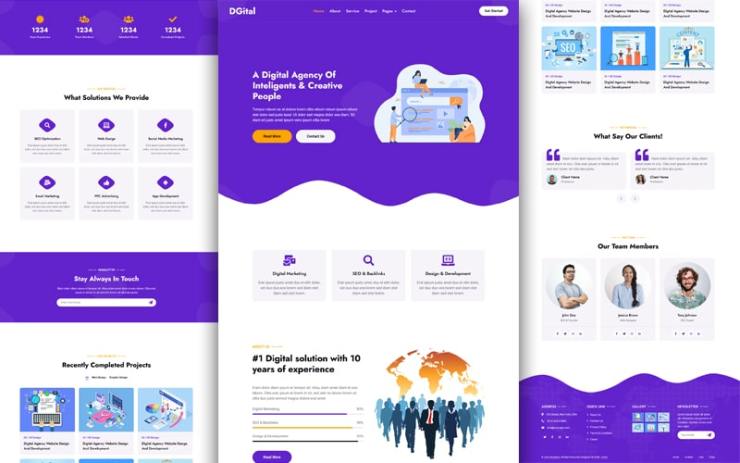
In today’s digital age, having a strong online presence is crucial for businesses to succeed. A well-designed digital agency website plays a key role in attracting and engaging potential clients, showcasing services and expertise, and ultimately driving business growth.
Professional Image
Your website is often the first point of contact between your agency and potential clients. A professionally designed website conveys credibility, trustworthiness, and expertise in the digital space. It sets the tone for how visitors perceive your agency and can make a lasting impression.
Showcasing Services
A digital agency website serves as a platform to showcase your range of services, expertise, and past projects. Through compelling visuals, informative content, and user-friendly navigation, you can effectively communicate what sets your agency apart from the competition and why clients should choose you.
User Experience
User experience is paramount in web design. A well-designed website ensures that visitors can easily navigate through pages, find information quickly, and engage with your content seamlessly. By prioritising user experience, you can keep visitors on your site longer and increase the likelihood of conversion.
SEO Benefits
Optimising your digital agency website for search engines is essential for improving visibility online. By incorporating relevant keywords, meta tags, quality content, and responsive design practices, you can enhance your site’s SEO performance and attract organic traffic from search engines.
Lead Generation
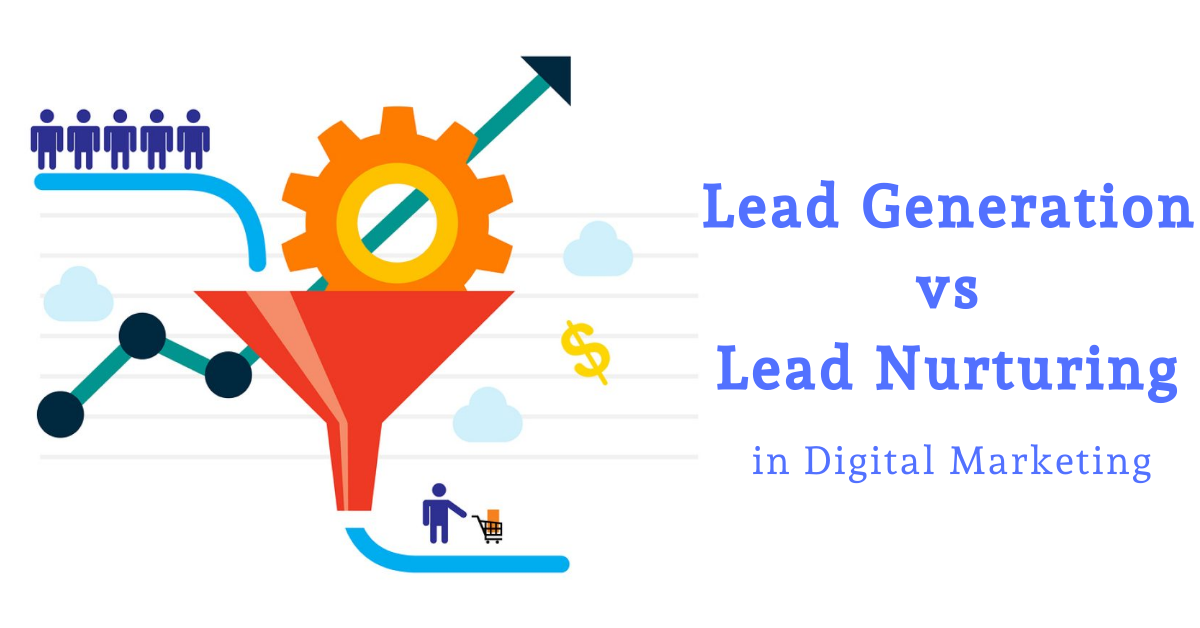
A well-designed website with clear calls-to-action can effectively generate leads for your agency. By strategically placing contact forms, newsletter sign-ups, or consultation requests throughout your site, you can capture visitor information and nurture leads into valuable clients.
In conclusion, a well-designed digital agency website is more than just an online presence – it is a powerful tool for attracting clients, showcasing expertise, enhancing user experience, improving SEO performance, and generating leads. Investing in professional web design is an investment in the future success of your agency.
8 Essential Tips for Creating an Effective Digital Agency Website
- Ensure your website has a clean and professional design that reflects your agency’s brand.
- Make it easy for visitors to contact you by including clear contact information on every page.
- Display your portfolio of work prominently to showcase your expertise and experience.
- Optimize your website for mobile devices to ensure a seamless user experience across all platforms.
- Include client testimonials or case studies to build credibility and trust with potential clients.
- Regularly update your blog or news section with relevant content to demonstrate industry knowledge and expertise.
- Incorporate strong calls-to-action throughout the site to encourage visitors to take the next step, such as requesting a quote or scheduling a consultation.
- Monitor website analytics regularly to track performance and make data-driven improvements.
Ensure your website has a clean and professional design that reflects your agency’s brand.
It is crucial to ensure that your digital agency website features a clean and professional design that accurately reflects your agency’s brand identity. A visually appealing and cohesive design not only enhances the credibility of your agency but also helps to establish a strong brand presence online. By incorporating elements that align with your brand’s values and messaging, you can create a memorable user experience that resonates with visitors and reinforces trust in your services. Remember, first impressions matter, and a well-designed website can make a significant impact on how potential clients perceive your agency.
Make it easy for visitors to contact you by including clear contact information on every page.
To enhance user experience and encourage visitor engagement, it is essential for a digital agency website to make it easy for visitors to contact them. One effective tip is to include clear contact information on every page of the website. By prominently displaying contact details such as phone numbers, email addresses, and a contact form throughout the site, visitors can quickly and easily reach out with inquiries or requests for more information. This simple yet impactful strategy not only improves accessibility but also demonstrates transparency and accessibility, building trust with potential clients.
Display your portfolio of work prominently to showcase your expertise and experience.
Displaying your portfolio of work prominently on your digital agency website is essential to showcase your expertise and experience to potential clients. By highlighting past projects, case studies, and success stories, you can demonstrate the quality of your work and the results you have achieved for previous clients. A visually appealing and well-organised portfolio not only enhances credibility but also helps visitors understand the range of services you offer and the level of professionalism they can expect from your agency.
Optimize your website for mobile devices to ensure a seamless user experience across all platforms.
To enhance user experience across all platforms, it is essential for digital agency websites to be optimised for mobile devices. By ensuring that your website is responsive and functions smoothly on smartphones and tablets, you can provide a seamless browsing experience for visitors accessing your site on the go. Optimising for mobile not only improves usability but also demonstrates your commitment to meeting the needs of a diverse audience, ultimately leading to increased engagement and satisfaction with your online presence.
Include client testimonials or case studies to build credibility and trust with potential clients.
Incorporating client testimonials or case studies on your digital agency website is a powerful way to establish credibility and trust with potential clients. By showcasing positive feedback from satisfied clients or highlighting successful projects through case studies, you provide social proof of your agency’s expertise and reliability. This not only helps to build trust with visitors but also demonstrates the value and quality of your services, ultimately encouraging potential clients to choose your agency for their digital needs.
Regularly update your blog or news section with relevant content to demonstrate industry knowledge and expertise.
To establish credibility and showcase industry expertise, it is essential for a digital agency to regularly update its blog or news section with relevant content. By sharing insightful articles, case studies, and industry trends, the agency can demonstrate its in-depth knowledge and keep visitors engaged. This practice not only helps to position the agency as a thought leader but also improves search engine visibility and encourages repeat visits from potential clients seeking valuable insights.
Incorporate strong calls-to-action throughout the site to encourage visitors to take the next step, such as requesting a quote or scheduling a consultation.
To maximise visitor engagement and drive conversion on your digital agency website, it is essential to incorporate strong calls-to-action strategically throughout the site. By prompting visitors to take the next step, whether it’s requesting a quote, scheduling a consultation, or signing up for a newsletter, you can guide them towards meaningful interactions that can lead to potential business opportunities. Clear and compelling calls-to-action not only encourage user engagement but also help streamline the customer journey and ultimately boost your agency’s success in converting visitors into valuable clients.
Monitor website analytics regularly to track performance and make data-driven improvements.
Monitoring website analytics regularly is essential for a digital agency website to track performance and make data-driven improvements. By analysing metrics such as traffic sources, user behaviour, conversion rates, and engagement levels, agencies can gain valuable insights into how their website is performing and identify areas for enhancement. This data-driven approach allows agencies to make informed decisions to optimise the user experience, refine marketing strategies, and ultimately achieve better results online.