ppc advertising

Maximising Your ROI with PPC Advertising Strategies

The Power of PPC Advertising

The Power of PPC Advertising

Pay-Per-Click (PPC) advertising is a powerful digital marketing strategy that allows businesses to reach their target audience effectively. In PPC advertising, advertisers pay a fee each time their ad is clicked, providing a cost-effective way to drive traffic to websites and generate leads.

How Does PPC Advertising Work?

PPC ads are displayed on search engine results pages (such as Google) and other platforms where advertisers bid on keywords relevant to their target audience. When a user searches for a keyword that matches the advertiser’s bid, the ad is displayed prominently at the top of the search results.

The Benefits of PPC Advertising

  • Immediate Results: Unlike organic search engine optimisation (SEO), PPC advertising delivers immediate results by placing your ads in front of potential customers right away.
  • Targeted Reach: With PPC advertising, you can target specific demographics, locations, and interests to ensure your ads are seen by the right audience.
  • Measurable ROI: PPC campaigns provide detailed analytics that allow you to track the performance of your ads in real-time. This data helps you make informed decisions to maximise your return on investment.
  • Cost-Effective: With PPC advertising, you only pay when someone clicks on your ad, making it a cost-effective way to drive traffic and conversions for your business.

Key Strategies for Successful PPC Campaigns

To make the most of your PPC advertising efforts, consider implementing these key strategies:

  1. Keyword Research: Conduct thorough keyword research to identify relevant keywords that align with your business goals and target audience.
  2. Compelling Ad Copy: Create engaging ad copy that entices users to click on your ads and take action on your website.
  3. Landing Page Optimisation: Ensure that your landing pages are optimised for conversions and provide a seamless user experience for visitors who click on your ads.
  4. A/B Testing: Test different ad variations, keywords, and landing pages to identify what resonates best with your audience and improves campaign performance.

In conclusion, PPC advertising offers businesses a valuable opportunity to increase brand visibility, drive targeted traffic, and achieve measurable results in the competitive digital landscape. By implementing effective strategies and monitoring performance closely, businesses can harness the power of PPC advertising to grow their online presence and reach their marketing goals.


Essential FAQs About PPC Advertising: Understanding Costs, Benefits, and Best Practices

  1. What is PPC advertising and how does it work?
  2. What are the benefits of using PPC advertising for my business?
  3. How much does PPC advertising cost?
  4. How can I measure the success of my PPC campaigns?
  5. What platforms can I use for running PPC ads?
  6. Do I need a specialist to manage my PPC campaigns?
  7. How do I choose the right keywords for my PPC ads?
  8. What are some common mistakes to avoid when running PPC campaigns?

What is PPC advertising and how does it work?

PPC advertising, short for Pay-Per-Click advertising, is a digital marketing strategy where advertisers pay a fee each time their ad is clicked. It is a cost-effective way for businesses to drive targeted traffic to their websites and generate leads. In PPC advertising, advertisers bid on keywords relevant to their target audience, and when a user searches for those keywords, the ad is displayed prominently at the top of search engine results pages. This immediate visibility allows businesses to reach potential customers at the right moment and track the performance of their ads in real-time through detailed analytics. By leveraging PPC advertising effectively, businesses can increase brand exposure, drive conversions, and achieve measurable ROI in the competitive online landscape.

What are the benefits of using PPC advertising for my business?

Utilising PPC advertising for your business offers a multitude of benefits that can significantly impact your online presence and marketing efforts. One key advantage is the immediate results it provides, allowing your ads to reach potential customers swiftly. Additionally, PPC advertising enables targeted reach, ensuring that your ads are displayed to specific demographics, locations, and interests relevant to your business. Moreover, the measurable ROI and cost-effectiveness of PPC campaigns empower businesses to track performance in real-time and optimise their strategies for maximum return on investment. Overall, leveraging PPC advertising can enhance brand visibility, drive traffic, and ultimately boost conversions for your business in the competitive digital landscape.

How much does PPC advertising cost?

The cost of PPC advertising can vary depending on several factors, including the competitiveness of your industry, the keywords you target, and your campaign objectives. With PPC advertising, you have control over your budget by setting daily or monthly limits on how much you are willing to spend. Additionally, you only pay when someone clicks on your ad, making it a cost-effective way to reach your target audience and drive traffic to your website. It’s important to consider the potential return on investment (ROI) that PPC advertising can provide in terms of generating leads, increasing sales, and boosting brand visibility. By carefully planning and monitoring your PPC campaigns, you can maximise the value of your advertising budget and achieve meaningful results for your business.

How can I measure the success of my PPC campaigns?

Measuring the success of your PPC campaigns is essential for evaluating their effectiveness and making informed decisions to optimise performance. Key metrics to consider include click-through rate (CTR), conversion rate, cost per acquisition (CPA), return on ad spend (ROAS), and overall return on investment (ROI). By tracking these metrics and analysing campaign data, you can gain valuable insights into what is working well and where improvements can be made. Additionally, using tools like Google Analytics and conversion tracking can provide detailed performance data to help you assess the impact of your PPC efforts accurately. Regular monitoring and analysis of these metrics will allow you to refine your strategies, allocate budgets effectively, and ultimately maximise the success of your PPC campaigns.

What platforms can I use for running PPC ads?

When it comes to running PPC ads, there are several platforms available for advertisers to choose from. Some of the most popular platforms for PPC advertising include Google Ads, which allows you to display ads on Google search results and partner websites; Microsoft Advertising (formerly Bing Ads), which targets users on the Bing search engine; social media platforms like Facebook Ads and Instagram Ads, offering highly targeted ad placements based on user demographics and interests; and other networks such as LinkedIn Ads for B2B targeting, Twitter Ads for real-time engagement, and Amazon Advertising for product-focused campaigns. Each platform has its unique features and audience reach, allowing advertisers to tailor their PPC campaigns to best suit their marketing objectives and target audience.

Do I need a specialist to manage my PPC campaigns?

When it comes to PPC advertising, the question of whether you need a specialist to manage your campaigns is a common one. While it is possible to set up and run PPC campaigns on your own, working with a specialist can offer significant benefits. A PPC specialist brings expertise in keyword research, ad copywriting, campaign optimisation, and performance tracking that can help maximise the effectiveness of your campaigns. Their knowledge of industry best practices and experience in managing PPC accounts can lead to improved results, higher ROI, and a more strategic approach to reaching your target audience. Ultimately, partnering with a PPC specialist can save you time and resources while delivering better outcomes for your advertising efforts.

How do I choose the right keywords for my PPC ads?

Choosing the right keywords for your PPC ads is crucial for the success of your campaign. Start by conducting thorough keyword research to identify relevant terms that align with your business objectives and target audience. Consider using keyword research tools to discover high-performing keywords with moderate competition. It’s essential to select keywords that are specific, relevant, and likely to attract users who are interested in your products or services. Additionally, focus on long-tail keywords that reflect user intent and have a higher chance of converting into leads or sales. Regularly monitor and refine your keyword selection based on performance data to optimise your PPC ads for maximum impact and return on investment.

What are some common mistakes to avoid when running PPC campaigns?

When running PPC campaigns, it is crucial to avoid common mistakes that can hinder the effectiveness of your advertising efforts. Some key errors to steer clear of include neglecting keyword research, setting overly broad targeting parameters, failing to track and analyse campaign performance, ignoring ad relevance and quality score factors, and not optimising landing pages for conversions. By addressing these pitfalls and implementing best practices in your PPC campaigns, you can maximise your return on investment and achieve success in reaching your target audience with compelling ads that drive meaningful results.

digital advertising

Unlocking the Potential of Digital Advertising: A Guide to Success in the Digital Age

The Power of Digital Advertising

The Power of Digital Advertising

Digital advertising has revolutionised the way businesses promote their products and services in today’s digital age. With the rise of the internet and social media, digital advertising offers a powerful platform to reach target audiences with precision and effectiveness.

Targeted Reach

One of the key advantages of digital advertising is its ability to target specific demographics, interests, and behaviours. Through data analytics and audience segmentation, advertisers can deliver personalised messages to the right people at the right time. This targeted approach increases the likelihood of engaging potential customers and driving conversions.

Measurable Results

Unlike traditional forms of advertising, digital advertising provides detailed insights into campaign performance. Advertisers can track metrics such as click-through rates, conversion rates, and return on investment in real-time. This data allows for continuous optimisation of ad campaigns to maximise effectiveness and achieve desired outcomes.

Cost-Effective Solutions

Digital advertising offers cost-effective solutions for businesses of all sizes. With flexible budgeting options, advertisers can set their own spending limits and adjust campaigns based on performance. This scalability ensures that resources are allocated efficiently to generate maximum impact and value for money.

Engaging Creativity

The dynamic nature of digital advertising allows for creative flexibility in content creation. From interactive banners to video ads, advertisers have a range of formats to captivate audiences and convey brand messages effectively. Creative storytelling combined with strategic targeting enhances engagement and fosters brand loyalty.

Conclusion

In conclusion, digital advertising presents a plethora of opportunities for businesses to connect with consumers in a meaningful way. By harnessing the power of data-driven insights, measurable results, cost-effective solutions, and engaging creativity, advertisers can elevate their brand presence and drive growth in today’s competitive marketplace.


Six Essential Tips for Effective Digital Advertising Strategies

  1. 1. Clearly define your target audience to ensure your ads reach the right people.
  2. 2. Use compelling visuals and concise, engaging copy to grab viewers’ attention.
  3. 3. A/B test different ad creatives to identify what resonates best with your audience.
  4. 4. Monitor and analyse key metrics such as click-through rates and conversions to measure ad performance.
  5. 5. Utilise retargeting strategies to re-engage users who have previously interacted with your ads or website.
  6. 6. Stay updated on industry trends and platform changes to adapt your digital advertising strategies accordingly.

1. Clearly define your target audience to ensure your ads reach the right people.

In the realm of digital advertising, a crucial tip for success is to clearly define your target audience. By identifying and understanding the demographics, interests, and behaviours of your ideal customers, you can tailor your ads to resonate with the right people. This targeted approach not only increases the relevance and effectiveness of your advertising campaigns but also maximises engagement and conversions. Ensuring that your ads reach the right audience is fundamental in driving meaningful results and achieving your marketing objectives in the digital landscape.

2. Use compelling visuals and concise, engaging copy to grab viewers’ attention.

When it comes to digital advertising, utilising compelling visuals and concise, engaging copy is crucial to capturing viewers’ attention effectively. By incorporating visually appealing graphics and succinct yet impactful messaging, advertisers can create a powerful first impression that resonates with their target audience. These elements work hand in hand to draw viewers in, convey key brand messages, and encourage further interaction with the ad content. In a competitive online landscape, the combination of striking visuals and compelling copy can make all the difference in driving engagement and achieving campaign objectives.

3. A/B test different ad creatives to identify what resonates best with your audience.

A crucial tip in digital advertising is to conduct A/B testing on various ad creatives to determine which resonates most effectively with your target audience. By comparing different versions of your ads, you can gather valuable insights into what elements, messaging, or visuals appeal most to your audience. This data-driven approach allows you to refine your advertising strategy and optimise campaigns for better engagement and conversion rates, ultimately leading to more successful outcomes in reaching and connecting with your audience online.

4. Monitor and analyse key metrics such as click-through rates and conversions to measure ad performance.

Monitoring and analysing key metrics, such as click-through rates and conversions, is essential in evaluating the performance of digital advertising campaigns. By tracking these metrics, advertisers can gain valuable insights into the effectiveness of their ads and make data-driven decisions to optimise future campaigns. Click-through rates indicate the level of audience engagement, while conversions provide a direct measure of campaign success in terms of desired actions taken by users. Regularly reviewing and interpreting these metrics allows advertisers to refine their strategies, improve targeting, and ultimately maximise the return on investment in digital advertising efforts.

5. Utilise retargeting strategies to re-engage users who have previously interacted with your ads or website.

Utilising retargeting strategies in digital advertising is a powerful technique to re-engage users who have previously interacted with your ads or website. By targeting these users with personalised ads based on their past interactions, businesses can increase brand recall, encourage conversions, and nurture leads further along the sales funnel. Retargeting helps reinforce brand awareness and keeps your business top-of-mind for potential customers, ultimately boosting the effectiveness of your advertising efforts and driving better results.

To maximise the effectiveness of your digital advertising campaigns, it is crucial to stay informed about industry trends and platform updates. By keeping abreast of the latest developments in the digital advertising landscape, you can adapt your strategies to align with current best practices and leverage new opportunities for reaching your target audience. Continuous learning and adaptation based on industry trends will help ensure that your digital advertising efforts remain relevant and impactful in an ever-evolving online environment.

marketing campaign

Unlocking Success: The Art of Crafting a Winning Marketing Campaign

The Power of a Successful Marketing Campaign

The Power of a Successful Marketing Campaign

In today’s competitive business landscape, a well-executed marketing campaign can make all the difference between success and obscurity. A marketing campaign is a strategic effort to promote a product or service through various channels to reach and engage with target audiences.

Key Components of a Marketing Campaign

A successful marketing campaign requires careful planning and execution. Key components include:

  • Clear Objectives: Define specific goals for the campaign, whether it’s increasing brand awareness, driving sales, or launching a new product.
  • Target Audience: Identify and understand your target audience to tailor your messaging and tactics effectively.
  • Compelling Message: Craft a compelling message that resonates with your audience and sets you apart from competitors.
  • Multichannel Approach: Utilise various channels such as social media, email marketing, SEO, and paid advertising to reach your audience wherever they are.
  • Measurement and Analysis: Monitor key metrics to track the success of the campaign and make data-driven decisions for future improvements.

The Impact of a Successful Marketing Campaign

A successful marketing campaign can have a profound impact on your business, including:

  • Increased Brand Awareness: Reach new audiences and strengthen brand recognition among existing customers.
  • Boosted Sales: Drive conversions and generate revenue through targeted promotional efforts.
  • Cultivated Customer Relationships: Engage with customers on a personal level, building loyalty and trust in your brand.
  • Elevated Market Positioning: Differentiate yourself from competitors and establish yourself as a leader in your industry.

In Conclusion

A well-planned and executed marketing campaign has the potential to transform your business by connecting you with your target audience, driving engagement, and ultimately achieving your business objectives. By investing time and resources into developing an effective marketing strategy, you can propel your brand to new heights in today’s competitive marketplace.


9 Essential Tips for Crafting a Successful Marketing Campaign

  1. Define clear goals and objectives for your campaign.
  2. Understand your target audience and tailor your message to resonate with them.
  3. Utilise various marketing channels to reach a wider audience.
  4. Create compelling and engaging content that grabs attention.
  5. Monitor and analyse the performance of your campaign regularly.
  6. Stay consistent with your branding across all marketing materials.
  7. Incorporate feedback from customers to improve future campaigns.
  8. Consider using influencers or partnerships to expand reach.
  9. Don’t forget to measure the ROI of your campaign to determine its success.

Define clear goals and objectives for your campaign.

To maximise the effectiveness of your marketing campaign, it is essential to define clear goals and objectives from the outset. By establishing specific targets such as increasing brand awareness, driving website traffic, or boosting sales, you provide a roadmap for your campaign’s direction and success. Clear goals not only keep your team focused but also enable you to measure the impact of your efforts and make informed decisions to optimise performance throughout the campaign.

Understand your target audience and tailor your message to resonate with them.

To maximise the effectiveness of your marketing campaign, it is crucial to thoroughly understand your target audience and tailor your message to resonate with their needs, preferences, and behaviours. By crafting a message that speaks directly to the desires and pain points of your audience, you can establish a meaningful connection that drives engagement and conversion. Personalising your communication strategy based on audience insights not only enhances the relevance of your campaign but also cultivates trust and loyalty among potential customers.

Utilise various marketing channels to reach a wider audience.

To maximise the reach and impact of your marketing campaign, it is essential to leverage a variety of marketing channels to connect with a broader audience. By utilising multiple channels such as social media, email marketing, search engine optimisation (SEO), and online advertising, you can effectively engage with diverse demographics and increase brand visibility. This multi-channel approach not only expands your reach but also enhances brand awareness and drives conversions by reaching potential customers through their preferred platforms.

Create compelling and engaging content that grabs attention.

To maximise the impact of your marketing campaign, it is crucial to create compelling and engaging content that captivates your audience’s attention from the outset. By crafting content that is both informative and entertaining, you can effectively communicate your message and differentiate your brand in a crowded digital landscape. Whether through captivating visuals, thought-provoking storytelling, or interactive elements, engaging content plays a pivotal role in capturing and retaining the interest of your target audience, ultimately driving the success of your campaign.

Monitor and analyse the performance of your campaign regularly.

To ensure the success of your marketing campaign, it is crucial to monitor and analyse its performance regularly. By tracking key metrics and analysing data, you can gain valuable insights into what is working well and where improvements are needed. This ongoing evaluation allows you to make informed decisions, refine your strategies, and maximise the effectiveness of your campaign in reaching and engaging with your target audience.

Stay consistent with your branding across all marketing materials.

It is crucial to maintain consistency in your branding across all marketing materials to establish a strong and recognisable identity for your brand. By ensuring that your logo, colours, fonts, and messaging remain consistent across various channels such as social media, print materials, and website, you create a cohesive brand image that builds trust and familiarity with your audience. Consistency in branding helps reinforce your brand’s values and personality, making it easier for customers to recognise and connect with your brand wherever they encounter it.

Incorporate feedback from customers to improve future campaigns.

Incorporating feedback from customers is a valuable tip to enhance the effectiveness of future marketing campaigns. By listening to and analysing customer feedback, businesses can gain valuable insights into what resonates with their target audience and what areas need improvement. This customer-centric approach not only helps in refining messaging and strategies but also fosters stronger relationships with customers by showing that their opinions are valued. Implementing feedback-driven adjustments can lead to more targeted and impactful campaigns that drive better results and ultimately contribute to long-term success in the ever-evolving marketing landscape.

Consider using influencers or partnerships to expand reach.

Consider leveraging influencers or forming strategic partnerships to broaden the reach of your marketing campaign. Collaborating with influencers who have a strong following in your target market can help amplify your message and connect with a wider audience authentically. Similarly, partnering with complementary brands or businesses can create synergies that benefit both parties and expand your campaign’s visibility. By tapping into the networks of influencers or partners, you can extend the reach of your campaign and increase its impact significantly.

Don’t forget to measure the ROI of your campaign to determine its success.

It is crucial not to overlook the importance of measuring the Return on Investment (ROI) of your marketing campaign to assess its effectiveness and success. By analysing the ROI, you can gain valuable insights into the impact of your campaign on revenue generation and overall business performance. Tracking and evaluating the ROI allows you to make informed decisions, optimise future campaigns, and allocate resources efficiently to achieve maximum results.

digital marketing services

Unlocking the Potential of Digital Marketing Services

The Power of Digital Marketing Services

The Power of Digital Marketing Services

In today’s digital age, having a strong online presence is essential for businesses to succeed. This is where digital marketing services play a crucial role in helping companies reach their target audience and achieve their goals.

What are Digital Marketing Services?

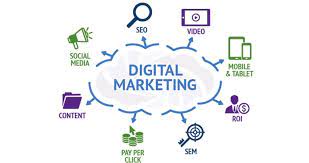
Digital marketing services encompass a wide range of strategies and techniques aimed at promoting products or services online. These services include search engine optimisation (SEO), social media marketing, pay-per-click advertising, content marketing, email marketing, and more.

The Benefits of Digital Marketing Services

One of the key benefits of digital marketing services is the ability to reach a global audience quickly and cost-effectively. Through targeted campaigns, businesses can connect with potential customers in different geographical locations and drive traffic to their websites.

Moreover, digital marketing allows for real-time tracking and analysis of campaign performance. This data-driven approach enables businesses to make informed decisions and optimise their strategies for better results.

Why Invest in Digital Marketing Services?

Investing in digital marketing services is essential for businesses looking to stay competitive in today’s market. With more consumers turning to the internet to research products and make purchases, having a strong online presence is crucial for attracting and retaining customers.

By leveraging digital marketing services, businesses can increase brand awareness, generate leads, drive sales, and ultimately grow their bottom line. The ability to target specific demographics and track campaign performance makes digital marketing a highly effective tool for achieving business objectives.

Conclusion

In conclusion, digital marketing services offer businesses a powerful way to connect with their target audience, drive engagement, and achieve measurable results. By utilising the right mix of strategies tailored to their unique needs, companies can unlock the full potential of digital marketing and propel their business forward in the digital age.


7 Essential Tips for Enhancing Your Digital Marketing Services

  1. 1. Understand your target audience to tailor your digital marketing strategies accordingly.
  2. 2. Utilize social media platforms effectively to engage with customers and promote your services.
  3. 3. Invest in search engine optimization (SEO) to improve the visibility of your website in search results.
  4. 4. Create high-quality content that is relevant and valuable to your audience for better engagement.
  5. 5. Use email marketing campaigns to nurture leads and maintain communication with existing customers.
  6. 6. Monitor and analyse key performance indicators (KPIs) regularly to track the success of your digital marketing efforts.
  7. 7. Stay updated with the latest trends and technologies in digital marketing to stay ahead of the competition.

1. Understand your target audience to tailor your digital marketing strategies accordingly.

To maximise the effectiveness of your digital marketing efforts, it is crucial to have a deep understanding of your target audience. By knowing your audience’s demographics, preferences, behaviour, and needs, you can tailor your digital marketing strategies to resonate with them effectively. This targeted approach allows you to create content and campaigns that are more likely to engage and convert your audience, ultimately leading to better results and a higher return on investment for your business.

2. Utilize social media platforms effectively to engage with customers and promote your services.

Utilising social media platforms effectively is a crucial tip in digital marketing services. By engaging with customers on platforms such as Facebook, Twitter, Instagram, and LinkedIn, businesses can build relationships, increase brand awareness, and promote their services to a wider audience. Through strategic content creation, active participation in conversations, and targeted advertising campaigns, businesses can leverage the power of social media to drive engagement, generate leads, and ultimately boost sales.

3. Invest in search engine optimization (SEO) to improve the visibility of your website in search results.

Investing in search engine optimisation (SEO) is a crucial tip for enhancing the visibility of your website in search results. By implementing SEO strategies such as keyword research, on-page optimisation, and link building, you can improve your website’s ranking on search engines like Google. This increased visibility not only drives organic traffic to your site but also boosts your online presence, making it easier for potential customers to find and engage with your business. SEO is a long-term investment that can yield significant benefits in terms of brand visibility and lead generation.

4. Create high-quality content that is relevant and valuable to your audience for better engagement.

Creating high-quality content that is both relevant and valuable to your target audience is a crucial tip in digital marketing services. By offering content that resonates with your audience’s needs and interests, you can enhance engagement and build trust with potential customers. Whether it’s informative blog posts, engaging social media updates, or compelling video content, providing valuable information can help establish your brand as a credible source within your industry. This approach not only boosts engagement but also increases the likelihood of converting leads into loyal customers.

5. Use email marketing campaigns to nurture leads and maintain communication with existing customers.

Utilising email marketing campaigns is a valuable strategy in digital marketing services to nurture leads and uphold communication with current customers. By sending targeted and personalised emails, businesses can engage with potential leads at various stages of the sales funnel, providing them with relevant content and offers to guide them towards conversion. Additionally, maintaining regular communication through email campaigns enables businesses to stay top-of-mind with existing customers, fostering loyalty and encouraging repeat purchases. Email marketing proves to be an effective tool for building relationships, driving engagement, and ultimately boosting sales in the competitive digital landscape.

6. Monitor and analyse key performance indicators (KPIs) regularly to track the success of your digital marketing efforts.

Monitoring and analysing key performance indicators (KPIs) regularly is essential to track the success of your digital marketing efforts. By keeping a close eye on metrics such as website traffic, conversion rates, engagement levels, and return on investment (ROI), you can gain valuable insights into the effectiveness of your campaigns. This data-driven approach allows you to identify what is working well and where improvements can be made, enabling you to make informed decisions to optimise your digital marketing strategies for better results.

To stay ahead of the competition in the realm of digital marketing services, it is crucial to stay updated with the latest trends and technologies. By remaining informed about emerging tools and strategies, businesses can adapt proactively to changes in consumer behaviour and market dynamics. This proactive approach not only ensures that companies stay relevant in a rapidly evolving digital landscape but also positions them as industry leaders capable of delivering innovative solutions to meet the needs of their target audience effectively.

digital marketing strategy

Mastering the Art of Crafting a Digital Marketing Strategy for Success

The Power of a Strong Digital Marketing Strategy

The Power of a Strong Digital Marketing Strategy

In today’s fast-paced digital world, having a well-defined digital marketing strategy is essential for businesses looking to succeed online. A digital marketing strategy outlines how a company will use various online channels to reach its target audience, engage with customers, and achieve its marketing goals.

Key Components of a Digital Marketing Strategy

A successful digital marketing strategy typically includes the following key components:

  • Target Audience Analysis: Understanding your target audience is crucial for creating relevant and engaging content that resonates with them.
  • Goal Setting: Clearly defining your marketing objectives helps you measure the success of your campaigns and make data-driven decisions.
  • Content Strategy: Developing high-quality content that adds value to your audience and supports your overall marketing goals.
  • SEO and SEM: Optimising your website for search engines (SEO) and running targeted search engine marketing (SEM) campaigns to increase visibility and drive traffic.
  • Social Media Marketing: Leveraging social media platforms to connect with your audience, build brand awareness, and drive engagement.
  • Email Marketing: Utilising email campaigns to nurture leads, promote products or services, and maintain customer relationships.
  • Data Analytics: Monitoring and analysing key performance indicators (KPIs) to track the effectiveness of your digital marketing efforts and make informed decisions for future strategies.

The Benefits of an Effective Digital Marketing Strategy

An effective digital marketing strategy can provide numerous benefits for businesses, including:

  • Increased Brand Awareness: By reaching a wider audience online, businesses can enhance their brand visibility and recognition.
  • Better Customer Engagement: Engaging with customers through various digital channels allows businesses to build stronger relationships and foster customer loyalty.
  • Higher Conversion Rates: Targeted digital marketing efforts can lead to higher conversion rates as they reach audiences more likely to be interested in the products or services offered.
  • Data-Driven Decisions: Access to real-time data analytics enables businesses to track performance metrics accurately and adjust their strategies based on insights gained from the data.

In Conclusion

A well-crafted digital marketing strategy is not just an option but a necessity in today’s competitive landscape. By investing time and resources into developing a comprehensive strategy that aligns with your business goals, you can unlock the full potential of digital marketing and drive sustainable growth for your business.


Essential FAQs on Crafting and Implementing a Successful Digital Marketing Strategy

  1. What is a digital marketing strategy and why is it important?
  2. How do you develop an effective digital marketing strategy?
  3. What are the key components of a successful digital marketing strategy?
  4. How can social media be integrated into a digital marketing strategy?
  5. What role does content play in a digital marketing strategy?
  6. How do you measure the success of a digital marketing strategy?
  7. What are some common challenges businesses face when implementing a digital marketing strategy?

What is a digital marketing strategy and why is it important?

A digital marketing strategy is a comprehensive plan that outlines how a business will leverage various online channels to achieve its marketing objectives and connect with its target audience. It involves defining goals, identifying target audiences, selecting appropriate digital platforms, creating engaging content, and measuring performance to drive successful outcomes. Having a well-defined digital marketing strategy is crucial for businesses in today’s digital age as it helps increase brand visibility, engage with customers effectively, drive website traffic, generate leads, and ultimately boost sales. By aligning digital marketing efforts with overall business goals, companies can stay competitive, build brand loyalty, and adapt to the evolving online landscape to maximise their success.

How do you develop an effective digital marketing strategy?

Developing an effective digital marketing strategy involves a strategic approach that begins with a deep understanding of your target audience and business goals. Start by conducting thorough research to identify your target market, their preferences, and online behaviours. Define clear and measurable objectives that align with your overall marketing goals. Next, select the most appropriate digital channels to reach your audience, such as social media, SEO, email marketing, and content marketing. Create engaging and relevant content that resonates with your audience while maintaining consistency across all channels. Regularly monitor and analyse key performance indicators to evaluate the success of your strategy and make necessary adjustments for continuous improvement. By following these steps and staying agile in response to market trends, you can develop a robust digital marketing strategy that drives results for your business.

What are the key components of a successful digital marketing strategy?

When it comes to crafting a successful digital marketing strategy, understanding the key components is crucial. These components typically include target audience analysis to tailor content effectively, goal setting to measure campaign success, content strategy for engaging material, SEO and SEM for optimal online visibility, social media marketing for audience connection, email marketing for lead nurturing, and data analytics for performance evaluation. By integrating these essential elements into a cohesive strategy, businesses can enhance brand awareness, drive customer engagement, boost conversion rates, and make informed decisions based on actionable insights.

How can social media be integrated into a digital marketing strategy?

Integrating social media into a digital marketing strategy can significantly enhance a company’s online presence and engagement with its target audience. By leveraging various social media platforms such as Facebook, Instagram, Twitter, and LinkedIn, businesses can connect with customers in real-time, share valuable content, run targeted advertising campaigns, and build a community around their brand. Social media integration allows businesses to humanise their brand, foster customer relationships, drive website traffic, and ultimately increase brand awareness and loyalty. By strategically incorporating social media into their digital marketing strategy, companies can create a cohesive and impactful online presence that resonates with their audience.

What role does content play in a digital marketing strategy?

Content plays a pivotal role in a digital marketing strategy as it serves as the foundation for engaging and connecting with the target audience. High-quality and relevant content not only attracts potential customers but also educates, informs, and entertains them. In the digital landscape, where competition is fierce, compelling content can differentiate a brand from its competitors and establish credibility and authority in the industry. Whether it’s blog posts, videos, social media updates, or email newsletters, well-crafted content is essential for driving traffic to websites, increasing brand awareness, enhancing customer engagement, and ultimately converting leads into loyal customers.

How do you measure the success of a digital marketing strategy?

Measuring the success of a digital marketing strategy is essential to determine its effectiveness and make informed decisions for future campaigns. Key performance indicators (KPIs) such as website traffic, conversion rates, click-through rates, social media engagement, and return on investment (ROI) are commonly used to evaluate the performance of digital marketing efforts. By tracking and analysing these metrics, businesses can gain valuable insights into the impact of their strategies, identify areas for improvement, and refine their approach to achieve their marketing goals efficiently.

What are some common challenges businesses face when implementing a digital marketing strategy?

When implementing a digital marketing strategy, businesses often encounter several common challenges that can impact the success of their efforts. One prevalent challenge is the rapidly evolving digital landscape, which requires businesses to stay updated with the latest trends and technologies to remain competitive. Another challenge is the abundance of data available, making it essential for businesses to effectively analyse and interpret data to make informed decisions. Additionally, resource constraints, such as budget limitations and lack of skilled personnel, can hinder the execution of a comprehensive digital marketing strategy. Overcoming these challenges requires careful planning, flexibility, and a proactive approach to adapt to changes in the digital marketing environment.

digital marketing strategist

Crafting Success: The Essential Role of a Digital Marketing Strategist in Today’s Online Landscape

The Role of a Digital Marketing Strategist

The Role of a Digital Marketing Strategist

In today’s digital age, businesses are constantly seeking ways to reach and engage with their target audience online. This is where a digital marketing strategist plays a crucial role. A digital marketing strategist is responsible for developing and implementing comprehensive digital marketing strategies to help businesses achieve their goals and grow their online presence.

Key Responsibilities of a Digital Marketing Strategist:

  • Market Research: A digital marketing strategist conducts in-depth market research to understand the target audience, competitors, and industry trends. This information helps in developing effective marketing strategies.
  • Strategy Development: Based on the market research findings, the strategist creates a customised digital marketing plan that outlines the goals, tactics, and channels to be used to achieve success.
  • Campaign Management: The strategist oversees the execution of digital marketing campaigns across various platforms such as social media, email, search engines, and websites. They monitor campaign performance and make adjustments as needed to optimise results.
  • Data Analysis: Using analytics tools, the strategist analyses campaign data to measure performance metrics such as website traffic, conversion rates, and ROI. This data-driven approach helps in refining strategies for better outcomes.
  • Trend Monitoring: Staying updated on the latest trends in digital marketing is essential for a strategist to adapt strategies accordingly and stay ahead of the competition.

Skills Required for a Digital Marketing Strategist:

A successful digital marketing strategist possesses a combination of creative thinking, analytical skills, technical knowledge, and strategic planning abilities. Key skills include:

  • Digital Marketing Expertise
  • Analytical Thinking
  • Strategic Planning
  • Excellent Communication Skills
  • Data Analysis Proficiency
  • Adaptability to Change

In conclusion, a digital marketing strategist plays a vital role in helping businesses navigate the complex world of online marketing. By developing innovative strategies and leveraging data-driven insights, they contribute to the growth and success of businesses in today’s competitive digital landscape.


Essential FAQs About Becoming and Thriving as a Digital Marketing Strategist

  1. What a digital marketing strategist do?
  2. What is the role of a marketing strategist?
  3. What skills are required for Marketing Strategist?
  4. What skills should a digital strategist have?
  5. What is the salary of a digital marketing technology strategist?
  6. How do you become a digital strategist?
  7. What do Marketing Strategist do?
  8. What is the salary of a digital marketing strategist in India?
  9. Who is a digital media strategist?
  10. What is the role of marketing strategist?
  11. Is digital strategy a good career?
  12. What skills should a digital marketer have?
  13. What is the salary of a digital strategist?
  14. What is strategic digital marketing?
  15. What does a digital marketing strategist do in Google?
  16. What is a digital media strategist?
  17. What does a strategist do in marketing?
  18. Who is the best digital marketing strategist?
  19. What is the highest salary in digital marketing?
  20. Why a digital marketing strategist?
  21. What digital marketing strategist do?
  22. What is the difference between a digital marketing manager and a strategist?
  23. What does a digital marketing strategist?
  24. How do I become a digital marketing strategist?

What a digital marketing strategist do?

A digital marketing strategist plays a pivotal role in the online success of businesses by developing and implementing tailored digital marketing strategies. Their primary responsibilities include conducting thorough market research to understand target audiences and industry trends, creating customised marketing plans that outline goals and tactics, managing digital campaigns across various platforms, analysing campaign data to measure performance metrics, and staying updated on the latest trends in digital marketing. Through a combination of creative thinking, analytical skills, and strategic planning abilities, digital marketing strategists help businesses navigate the ever-evolving digital landscape to achieve their marketing objectives and grow their online presence effectively.

What is the role of a marketing strategist?

The role of a marketing strategist is to develop and implement comprehensive plans that guide a company’s marketing efforts towards achieving its goals. Specifically, a digital marketing strategist focuses on leveraging online platforms and tools to reach and engage with the target audience effectively. They conduct market research, analyse data, and create tailored strategies that encompass various digital channels such as social media, search engines, email, and websites. By monitoring campaign performance and adjusting tactics as needed, a marketing strategist ensures that the company’s online presence is optimised for success in today’s competitive digital landscape.

What skills are required for Marketing Strategist?

To excel as a Marketing Strategist in the digital realm, a diverse skill set is essential. Strong analytical abilities are crucial for interpreting data and making informed decisions. Creativity plays a pivotal role in developing innovative marketing campaigns that resonate with the target audience. Effective communication skills are necessary for conveying ideas and strategies clearly to stakeholders. Technical proficiency in digital tools and platforms is also vital for successful implementation of marketing strategies. Adaptability to evolving trends and a strategic mindset are key traits that enable Marketing Strategists to navigate the dynamic landscape of digital marketing effectively.

What skills should a digital strategist have?

When considering the essential skills required for a digital marketing strategist, a diverse set of capabilities comes into play. Firstly, a digital strategist should possess a deep understanding of digital marketing concepts and tools to effectively navigate the online landscape. Analytical thinking is crucial for interpreting data and deriving actionable insights to drive strategic decisions. Strong strategic planning abilities enable the strategist to develop comprehensive digital marketing plans tailored to meet specific business objectives. Excellent communication skills are essential for conveying ideas clearly and collaborating with team members effectively. Proficiency in data analysis allows the strategist to measure campaign performance and optimise strategies based on measurable results. Adaptability to changing trends and technologies is also key for staying ahead in the dynamic field of digital marketing.

What is the salary of a digital marketing technology strategist?

The salary of a digital marketing technology strategist can vary depending on factors such as experience, location, industry, and the size of the company. In the UK, the average salary for a digital marketing technology strategist ranges from £30,000 to £60,000 per year. However, experienced professionals with a proven track record of success and expertise in emerging technologies may command higher salaries. It is essential for individuals considering this career path to research current market trends and salary benchmarks to negotiate a competitive compensation package that reflects their skills and contributions in the field of digital marketing technology strategy.

How do you become a digital strategist?

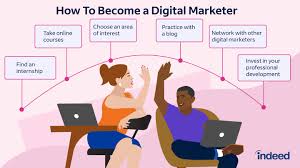
To become a digital strategist, individuals typically start by acquiring a strong foundation in digital marketing principles and techniques. This often involves obtaining relevant qualifications or certifications in areas such as digital marketing, social media marketing, SEO, and data analytics. Practical experience through internships or entry-level positions in digital marketing roles can also be beneficial in gaining hands-on skills and industry insights. Continuous learning and staying updated on the latest trends in digital marketing are essential for aspiring digital strategists to develop their expertise and adapt to the ever-evolving landscape of online marketing. Networking with professionals in the field and seeking mentorship opportunities can further enhance one’s knowledge and career prospects as a successful digital strategist.

What do Marketing Strategist do?

Marketing strategists play a pivotal role in the digital landscape by developing and implementing comprehensive marketing plans to help businesses achieve their objectives. They conduct thorough market research to understand target audiences, competitors, and industry trends. Marketing strategists then use this information to create customised strategies that outline specific goals, tactics, and channels for reaching and engaging with the target audience effectively. They oversee the execution of marketing campaigns across various digital platforms, analyse campaign performance data to measure success metrics, and continuously adapt strategies based on insights gained. Ultimately, marketing strategists are instrumental in driving business growth and enhancing brand visibility in the competitive online space.

What is the salary of a digital marketing strategist in India?

One frequently asked question regarding digital marketing strategists in India is about their salary range. The salary of a digital marketing strategist in India can vary based on factors such as experience, skills, location, and the size of the company. On average, a digital marketing strategist in India can expect to earn a competitive salary that ranges from INR 4-10 lakhs per annum for entry-level positions, while experienced professionals with a strong track record may command higher salaries upwards of INR 15-20 lakhs per annum or more. It’s important to note that salaries can also be influenced by industry demand and specific job responsibilities within the field of digital marketing strategy.

Who is a digital media strategist?

A digital media strategist is a professional who specialises in developing and implementing strategic plans to effectively promote brands, products, or services across various digital platforms. They possess a deep understanding of digital marketing channels such as social media, search engines, email marketing, and online advertising. A digital media strategist leverages their expertise to create targeted campaigns that engage with the target audience and drive desired outcomes. By analysing data and trends, they refine strategies to maximise the impact of digital media efforts and help businesses achieve their marketing goals in the ever-evolving online landscape.

What is the role of marketing strategist?

The role of a marketing strategist, particularly in the digital realm, encompasses developing and implementing comprehensive plans to promote products or services effectively. A marketing strategist analyses market trends, consumer behaviour, and competitor activities to identify opportunities for growth. They craft strategies that define target audiences, positioning, messaging, and channels to reach potential customers. In the digital landscape, a marketing strategist focuses on leveraging online platforms such as social media, search engines, email campaigns, and websites to drive brand awareness and engagement. Their goal is to create impactful campaigns that resonate with the target audience and ultimately contribute to the overall success of the business.

Is digital strategy a good career?

The question “Is digital strategy a good career?” is a common inquiry among individuals considering a path in the field of digital marketing. The answer lies in the dynamic nature of the digital landscape and the increasing demand for skilled professionals who can navigate and leverage its complexities. A career in digital strategy offers opportunities for creativity, innovation, and strategic thinking, as well as the chance to make a significant impact on businesses’ online success. With the continuous growth of digital platforms and technologies, pursuing a career in digital strategy can be rewarding for those who are passionate about staying ahead of trends, analysing data-driven insights, and driving meaningful outcomes for businesses in today’s competitive market.

What skills should a digital marketer have?

When considering the skills required for a digital marketing strategist, a diverse and comprehensive skill set is essential. A successful digital marketer should possess expertise in various areas, including but not limited to digital marketing strategies, data analysis, content creation, social media management, search engine optimisation (SEO), and email marketing. Additionally, strong analytical thinking, creativity, communication skills, and the ability to adapt to evolving trends and technologies are crucial for effective performance in the dynamic field of digital marketing. By combining these skills with a strategic mindset and a passion for continuous learning, a digital marketer can excel in creating impactful campaigns and driving successful outcomes for businesses in the digital realm.

What is the salary of a digital strategist?

One of the frequently asked questions regarding digital marketing strategists is about their salary. The salary of a digital strategist can vary depending on factors such as experience, location, industry, and the size of the company. In the United Kingdom, the average salary for a digital strategist ranges from £25,000 to £50,000 per year, with senior-level positions commanding higher salaries. It is important to note that salaries may also include additional benefits such as bonuses, commissions, and healthcare packages. Digital strategists with a proven track record of success and expertise in implementing effective digital marketing campaigns are often able to negotiate higher salaries in line with their skills and contributions to the organisation.

What is strategic digital marketing?

Strategic digital marketing refers to the thoughtful planning and execution of online marketing initiatives with a clear focus on achieving specific business objectives. A digital marketing strategist plays a key role in developing a strategic approach that aligns with the overall goals of a business. This involves analysing market trends, understanding target audience behaviours, selecting appropriate digital channels, and creating tailored campaigns to maximise engagement and conversions. Strategic digital marketing goes beyond just promoting products or services online; it involves creating a cohesive and data-driven strategy that drives sustainable growth and delivers measurable results for businesses in the ever-evolving digital landscape.

What does a digital marketing strategist do in Google?

A digital marketing strategist at Google plays a pivotal role in developing and implementing comprehensive digital marketing strategies to enhance the online presence and visibility of businesses on Google’s platforms. They are responsible for conducting market research, analysing data, and creating customised marketing plans tailored to meet the goals of their clients. Additionally, they oversee the execution of digital marketing campaigns on various Google channels such as Google Ads, Google Analytics, and Google My Business. By leveraging their expertise in digital marketing trends and tools provided by Google, these strategists help businesses reach their target audience effectively and achieve measurable results in the competitive online landscape.

What is a digital media strategist?

A digital media strategist is a professional who specialises in developing and implementing strategic plans to maximise a company’s online presence and engagement through various digital channels. They are responsible for creating targeted campaigns across platforms such as social media, websites, email, and search engines to reach the desired audience effectively. A digital media strategist combines creativity with data-driven insights to optimise marketing efforts, increase brand visibility, and drive business growth in the competitive digital landscape.

What does a strategist do in marketing?

In the realm of marketing, a strategist plays a pivotal role in shaping and executing effective campaigns to promote products or services. Specifically, a digital marketing strategist focuses on devising comprehensive plans that leverage various online platforms to reach and engage with target audiences. These professionals conduct market research, develop tailored strategies, manage campaigns across digital channels, analyse data to measure performance, and stay abreast of industry trends. By blending creativity with analytical insights, a strategist in marketing crafts compelling narratives and utilises data-driven approaches to drive business growth and enhance brand visibility in the ever-evolving digital landscape.

Who is the best digital marketing strategist?

When it comes to the question of who is the best digital marketing strategist, it is important to understand that excellence in this field is subjective and can vary depending on specific needs and goals. The best digital marketing strategist for one business may not necessarily be the best for another. Factors such as industry expertise, creativity, strategic thinking, adaptability, and proven track record of delivering results all play a role in determining the effectiveness of a digital marketing strategist. Ultimately, the “best” strategist is one who can tailor their approach to meet the unique requirements of a business and drive tangible outcomes in the ever-evolving digital landscape.

What is the highest salary in digital marketing?

In the field of digital marketing, the highest salary can vary depending on various factors such as experience, expertise, location, and the specific role within the industry. Senior digital marketing strategists with extensive experience and a proven track record of success in leading digital campaigns for large corporations or agencies are likely to command higher salaries compared to entry-level professionals. Salaries can also differ based on the region or country where the individual is employed, with major cities and hubs for digital marketing typically offering higher compensation packages. Overall, while there is no fixed highest salary in digital marketing, professionals who continuously enhance their skills and stay abreast of industry trends have the potential to earn lucrative incomes in this dynamic and competitive field.

Why a digital marketing strategist?

Businesses today need a digital marketing strategist to navigate the ever-evolving landscape of online marketing. A digital marketing strategist brings expertise in crafting tailored strategies that align with business goals, reach target audiences effectively, and drive measurable results. By leveraging data-driven insights, staying abreast of industry trends, and implementing innovative tactics across various digital channels, a digital marketing strategist plays a pivotal role in helping businesses stand out in the competitive online space and achieve sustainable growth.

What digital marketing strategist do?

A digital marketing strategist plays a pivotal role in the online success of businesses by developing and implementing tailored digital marketing strategies. Their responsibilities include conducting market research to understand the target audience and industry trends, creating customised digital marketing plans, managing campaigns across various platforms, analysing data to measure performance metrics, and staying updated on the latest digital marketing trends. With a blend of creative thinking, analytical skills, and strategic planning abilities, digital marketing strategists help businesses navigate the dynamic digital landscape and achieve their online objectives effectively.

What is the difference between a digital marketing manager and a strategist?

When comparing a digital marketing manager to a strategist, the key distinction lies in their respective roles and responsibilities within a digital marketing team. A digital marketing manager typically focuses on overseeing the day-to-day execution of marketing campaigns, managing budgets, coordinating with various teams, and analysing performance metrics. On the other hand, a digital marketing strategist is more involved in developing overarching marketing strategies, conducting market research, identifying target audiences, setting goals, and creating comprehensive plans to achieve business objectives. While both positions are essential for a successful digital marketing effort, the strategist’s focus is on shaping long-term strategies and guiding the overall direction of the marketing initiatives, whereas the manager’s role is more operational and tactical in nature.

What does a digital marketing strategist?

A digital marketing strategist plays a pivotal role in crafting and executing comprehensive digital marketing strategies to help businesses achieve their online objectives. Their primary responsibilities include conducting market research to understand the target audience and industry landscape, developing customised marketing plans that outline goals and tactics, managing digital campaigns across various platforms, analysing campaign data to measure performance metrics, and staying abreast of the latest trends in digital marketing. By leveraging their expertise in digital marketing, strategic planning abilities, analytical skills, and creativity, a digital marketing strategist contributes significantly to enhancing a business’s online presence and driving growth in the competitive digital realm.

How do I become a digital marketing strategist?

To become a digital marketing strategist, individuals typically need a combination of education, experience, and skills. A common path is to obtain a degree in marketing, digital marketing, or a related field to build a strong foundation of knowledge. It is also beneficial to gain practical experience through internships or entry-level positions in digital marketing to understand the industry dynamics and tools used. Developing key skills such as analytical thinking, creativity, strategic planning, and proficiency in digital marketing tools is essential. Continuous learning and staying updated on the latest trends in digital marketing are crucial for aspiring professionals looking to excel as digital marketing strategists.


advertising agency

Unlocking Success: The Vital Role of Your Advertising Agency

The Role of an Advertising Agency in Today’s Marketing Landscape

The Role of an Advertising Agency in Today’s Marketing Landscape

Advertising agencies play a crucial role in helping businesses promote their products and services effectively in today’s competitive market. These agencies are dedicated to creating and executing strategic advertising campaigns that resonate with target audiences and drive results.

Services Offered by Advertising Agencies

Advertising agencies offer a wide range of services to meet the diverse needs of their clients. These services may include:

  • Creative Development: Crafting compelling ad concepts, visuals, and messaging that capture the attention of consumers.
  • Media Planning and Buying: Strategically selecting the most appropriate channels to reach the target audience and negotiating media placements.
  • Digital Marketing: Managing online advertising campaigns across various digital platforms, such as social media, search engines, and websites.
  • Market Research: Conducting research to understand consumer behaviour, market trends, and competitor strategies to inform advertising strategies.
  • Branding: Developing brand identities, logos, and messaging that differentiate a business from its competitors.

The Benefits of Working with an Advertising Agency

Collaborating with an advertising agency offers several advantages for businesses looking to enhance their marketing efforts:

  • Expertise: Agencies have specialised knowledge and experience in creating effective advertising campaigns that deliver results.
  • Creative Resources: Access to talented creatives who can bring fresh ideas and innovative concepts to campaigns.
  • Cost-Effective Solutions: Agencies can leverage their industry connections to negotiate better rates for media placements and production services.
  • Data-Driven Strategies: Utilising data analytics and market insights to optimise campaign performance and maximise ROI.

In Conclusion

In today’s fast-paced marketing landscape, partnering with an advertising agency can provide businesses with the expertise, resources, and strategic guidance needed to stand out amidst the competition. By harnessing the power of creative storytelling, data-driven insights, and targeted messaging, businesses can effectively reach their target audience and drive growth through impactful advertising campaigns.


Mastering Advertising: 6 Essential Tips for Agency Success

  1. Understand your client’s brand and target audience thoroughly.
  2. Stay updated with the latest trends in advertising and marketing.
  3. Create innovative and eye-catching campaigns to grab attention.
  4. Focus on building strong relationships with clients for long-term partnerships.
  5. Track and analyse the performance of your campaigns to make data-driven decisions.
  6. Collaborate with a talented team of creatives, strategists, and marketers for successful outcomes.

Understand your client’s brand and target audience thoroughly.

To create successful advertising campaigns, it is essential for an advertising agency to have a deep understanding of their client’s brand identity and target audience. By thoroughly comprehending the client’s brand values, messaging, and unique selling points, the agency can develop tailored strategies that resonate with the intended audience. Understanding the target audience’s demographics, preferences, and behaviours enables the agency to craft messages that are relevant and engaging, ultimately leading to more effective communication and better results for the client’s marketing efforts.

It is essential for advertising agencies to stay updated with the latest trends in advertising and marketing to remain competitive and relevant in today’s dynamic industry. By keeping abreast of emerging technologies, consumer behaviours, and innovative strategies, agencies can adapt their approaches to meet the evolving needs of clients and target audiences. Being proactive in monitoring trends allows agencies to offer fresh and effective solutions that resonate with consumers, drive engagement, and deliver measurable results for their clients.

Create innovative and eye-catching campaigns to grab attention.

To maximise impact and engagement, it is essential for advertising agencies to create innovative and eye-catching campaigns that captivate audiences’ attention. By pushing the boundaries of creativity and design, agencies can differentiate their clients’ brands in a crowded marketplace, leaving a lasting impression on consumers. Crafting campaigns that are not only visually appealing but also emotionally resonant can drive brand awareness, spark interest, and ultimately lead to increased customer engagement and loyalty.

Focus on building strong relationships with clients for long-term partnerships.

Fostering strong relationships with clients is a fundamental tip for advertising agencies looking to establish long-term partnerships. By prioritising open communication, understanding client needs, and delivering exceptional results, agencies can build trust and loyalty that extends beyond individual projects. Investing in client relationships not only enhances collaboration and creativity but also paves the way for continued success and mutual growth. Building a solid foundation based on trust and respect is key to sustaining fruitful partnerships that benefit both the agency and its clients in the long run.

Track and analyse the performance of your campaigns to make data-driven decisions.

Tracking and analysing the performance of your advertising campaigns is essential for making informed, data-driven decisions. By closely monitoring key metrics such as engagement rates, conversion rates, and ROI, you can gain valuable insights into the effectiveness of your campaigns and identify areas for improvement. This data-driven approach allows advertising agencies to optimise strategies, allocate resources more efficiently, and ultimately achieve better results for their clients in today’s dynamic marketing landscape.

Collaborate with a talented team of creatives, strategists, and marketers for successful outcomes.

Collaborating with a talented team of creatives, strategists, and marketers is essential for achieving successful outcomes in the realm of advertising. By bringing together individuals with diverse skill sets and perspectives, businesses can tap into a wealth of creativity, strategic thinking, and market expertise. This collaborative approach not only fosters innovation and fresh ideas but also ensures that advertising campaigns are well-rounded, impactful, and tailored to resonate with target audiences. Working with a cohesive team that is dedicated to achieving shared goals can lead to the development of compelling campaigns that drive results and elevate brand visibility in a competitive landscape.

marketing companies

Empowering Business Growth: The Impact of Marketing Companies in Today’s Market Landscape

The Role of Marketing Companies in Today’s Business Landscape

The Role of Marketing Companies in Today’s Business Landscape

Marketing companies play a crucial role in helping businesses thrive in today’s competitive market environment. These companies are dedicated to promoting products and services, building brand awareness, and driving sales through strategic marketing initiatives.

Services Offered by Marketing Companies

Marketing companies offer a wide range of services to meet the diverse needs of businesses. These services may include:

  • Digital Marketing: This encompasses online strategies such as social media marketing, search engine optimisation (SEO), pay-per-click advertising, email marketing, and content creation.
  • Traditional Marketing: This includes print advertising, direct mail campaigns, radio and television commercials, and outdoor advertising.
  • Brand Development: Marketing companies help businesses create and maintain a strong brand identity that resonates with their target audience.
  • Market Research: Companies conduct market research to gather insights into consumer behaviour, preferences, and trends to inform marketing strategies.
  • Public Relations: Managing a company’s public image through media relations, crisis communication, and strategic messaging is another key service offered by marketing firms.

The Benefits of Hiring a Marketing Company

Businesses can benefit significantly from partnering with a marketing company. Some advantages include:

  • Expertise: Marketing professionals have the knowledge and skills to develop effective campaigns that drive results.
  • Cost-Effectiveness: Outsourcing marketing activities can be more cost-effective than hiring an in-house team.
  • Innovation: Marketing companies are often at the forefront of industry trends and can bring fresh ideas to the table.
  • Focused Strategy: By working with a dedicated team of experts, businesses can focus on their core operations while leaving the marketing efforts to professionals.

In Conclusion

In conclusion, marketing companies play a vital role in helping businesses navigate the complexities of today’s business landscape. Their expertise, creativity, and strategic approach are instrumental in driving growth and success for their clients. By leveraging the services of a reputable marketing company, businesses can position themselves for long-term success in an ever-evolving market environment.


Top 5 Marketing Tips for Companies: Enhancing Strategy and Engagement

  1. Understand your target audience thoroughly to tailor your marketing strategies effectively.
  2. Utilize various marketing channels such as social media, email, and SEO to reach a wider audience.
  3. Monitor and analyse the performance of your marketing campaigns to make data-driven decisions.
  4. Build strong relationships with customers through personalized communication and excellent customer service.
  5. Stay updated with the latest marketing trends and technologies to stay ahead of the competition.

Understand your target audience thoroughly to tailor your marketing strategies effectively.

To maximise the effectiveness of your marketing strategies, it is essential to have a deep understanding of your target audience. By thoroughly comprehending the needs, preferences, and behaviours of your audience, you can tailor your marketing efforts in a way that resonates with them on a personal level. This targeted approach not only enhances engagement but also increases the likelihood of converting leads into loyal customers. In essence, understanding your target audience is the cornerstone of successful marketing campaigns that drive meaningful results and foster long-term relationships with your customer base.

Utilize various marketing channels such as social media, email, and SEO to reach a wider audience.

To maximise your reach and engagement, it is essential for marketing companies to leverage a diverse range of marketing channels, including social media platforms, email campaigns, and search engine optimisation (SEO). By utilising these different channels effectively, businesses can expand their audience reach and connect with potential customers across various online touchpoints. This multi-channel approach not only increases visibility but also enhances brand awareness and drives meaningful interactions with a wider audience base.

Monitor and analyse the performance of your marketing campaigns to make data-driven decisions.

Monitoring and analysing the performance of your marketing campaigns is essential for making data-driven decisions that can drive the success of your business. By tracking key metrics and analysing the results, you can gain valuable insights into what strategies are working well and where adjustments may be needed. This data-driven approach allows marketing companies to refine their tactics, allocate resources effectively, and ultimately achieve better results for their clients.

Build strong relationships with customers through personalized communication and excellent customer service.

Building strong relationships with customers is essential for the success of any business. By focusing on personalised communication and providing excellent customer service, marketing companies can create a meaningful connection with their target audience. Tailoring messages to individual preferences and needs shows customers that they are valued and understood, fostering loyalty and trust. Additionally, delivering exceptional customer service goes a long way in building a positive brand reputation and encouraging repeat business. By prioritising personalised communication and outstanding customer care, marketing companies can enhance customer satisfaction and drive long-term success for their clients.

Staying updated with the latest marketing trends and technologies is essential for businesses looking to stay ahead of the competition. In today’s rapidly evolving digital landscape, being aware of emerging strategies and tools can give companies a competitive edge by enabling them to adapt their marketing efforts effectively and connect with their target audience in innovative ways. By staying informed and embracing new trends, businesses can position themselves as industry leaders and drive sustained growth in a dynamic market environment.

seo optimization agency

Maximising Online Visibility: The Role of an SEO Optimization Agency

The Importance of SEO Optimization Agency in Boosting Online Visibility

The Importance of SEO Optimization Agency in Boosting Online Visibility

In today’s digital age, having a strong online presence is crucial for businesses to succeed. Search Engine Optimization (SEO) plays a key role in improving a website’s visibility and driving organic traffic. However, navigating the complex world of SEO can be challenging for many businesses.

This is where an SEO optimization agency comes into play. An experienced agency specialising in SEO can help businesses enhance their online visibility and reach their target audience effectively. Here are some reasons why partnering with an SEO optimization agency is essential:

Expertise and Experience

SEO optimization agencies have a team of experts who are well-versed in the latest trends and techniques in search engine optimization. They have the knowledge and experience to develop tailored strategies that align with your business goals and target audience.

Time and Resource Efficiency

Managing SEO requires time, effort, and resources that many businesses may not have. By outsourcing your SEO needs to an agency, you can focus on other core aspects of your business while professionals handle your website’s optimization.

Improved Online Visibility

An SEO optimization agency can help improve your website’s search engine rankings, making it more visible to potential customers searching for relevant keywords. Increased visibility can lead to higher organic traffic and better chances of converting visitors into customers.

Data-Driven Approach

SEO agencies use data analytics tools to track the performance of your website and make informed decisions based on real-time data. This data-driven approach allows them to continuously optimise your site for better results and ROI.

Stay Ahead of Competition

In today’s competitive online landscape, staying ahead of the competition is crucial for business success. An SEO optimization agency can help you stay updated with industry trends, algorithm changes, and best practices to ensure that your website remains competitive in search engine results.

In conclusion, partnering with an SEO optimization agency can significantly benefit your business by boosting online visibility, driving organic traffic, and ultimately increasing revenue. If you want to take your online presence to the next level, consider working with a reputable SEO agency to achieve your digital marketing goals.


Maximise Your Online Success: 9 Benefits of Partnering with an SEO Optimisation Agency

  1. Expertise in the latest SEO trends and techniques
  2. Customised strategies tailored to your business goals
  3. Saves time and resources for other core business activities
  4. Improves online visibility and search engine rankings
  5. Drives organic traffic to your website
  6. Utilises data analytics for informed decision-making
  7. Helps you stay ahead of the competition in search results
  8. Provides ongoing optimisation for better ROI
  9. Professional guidance on industry best practices


Seven Drawbacks to Consider When Hiring an SEO Optimisation Agency

  1. Costly service fees may be prohibitive for small businesses with limited budgets.
  2. Results of SEO efforts may take time to show, requiring patience and ongoing investment.
  3. Some SEO agencies may use unethical practices that could harm your website’s reputation in the long run.
  4. Lack of direct control over the SEO process when outsourcing to an agency.
  5. Difficulty in finding a reliable and trustworthy SEO agency among the multitude of options available.
  6. Communication challenges can arise if there is a lack of clarity or understanding between the business owner and the agency.
  7. High competition in the SEO industry can lead to agencies prioritising larger clients over smaller ones.

An SEO optimization agency offers valuable expertise in the latest SEO trends and techniques, providing businesses with a competitive edge in the ever-evolving digital landscape. By staying abreast of industry developments and algorithm updates, these agencies can develop tailored strategies that align with a client’s specific goals and target audience. With a deep understanding of current best practices, an SEO agency can effectively optimise a website to improve its search engine rankings and enhance online visibility, ultimately driving organic traffic and boosting overall performance.

Customised strategies tailored to your business goals

One of the key advantages of partnering with an SEO optimization agency is the ability to receive customised strategies that are specifically tailored to your business goals. These agencies have the expertise to understand your unique needs and objectives, allowing them to develop personalised SEO plans that align with your long-term vision. By crafting bespoke strategies, an SEO agency can help maximise the effectiveness of your online presence and drive targeted traffic to your website, ultimately leading to increased visibility and potential growth opportunities for your business.

Saves time and resources for other core business activities

An SEO optimization agency offers the valuable benefit of saving time and resources for businesses to focus on their core activities. By entrusting the intricacies of search engine optimization to experts, companies can allocate their energy and resources towards enhancing product development, improving customer service, or expanding their market reach. This efficiency not only streamlines operations but also allows businesses to maximise productivity and competitiveness in their industry.

Improves online visibility and search engine rankings

An SEO optimization agency excels in enhancing online visibility and boosting search engine rankings for businesses. By implementing strategic SEO techniques and staying abreast of search engine algorithms, these agencies can significantly improve a website’s visibility to potential customers searching for related keywords. This increased online presence not only drives organic traffic but also elevates the website’s ranking in search engine results pages, ultimately leading to improved brand awareness and higher chances of customer engagement.

Drives organic traffic to your website

One of the key benefits of partnering with an SEO optimization agency is its ability to drive organic traffic to your website. By employing strategic SEO techniques and best practices, such as keyword research, on-page optimization, and quality content creation, an SEO agency can help improve your website’s search engine rankings. This increased visibility in search results can attract more relevant visitors to your site organically, leading to a higher chance of converting them into valuable customers or clients.

Utilises data analytics for informed decision-making

An SEO optimization agency offers the valuable benefit of utilising data analytics for informed decision-making. By leveraging data-driven insights, these agencies can track and analyse the performance of a website in real-time. This approach allows them to make strategic decisions based on concrete data, leading to more effective SEO strategies and continuous optimisation for better results. The use of data analytics ensures that every decision made is backed by evidence, ultimately enhancing the overall effectiveness of the SEO efforts and driving tangible outcomes for businesses.

Helps you stay ahead of the competition in search results

An SEO optimization agency offers the invaluable benefit of helping businesses stay ahead of the competition in search engine results. By implementing strategic SEO techniques and staying updated on industry trends and algorithm changes, these agencies can enhance a website’s visibility and ranking position. This proactive approach ensures that businesses maintain a competitive edge in the online landscape, attracting more organic traffic and potential customers compared to competitors who may not be prioritising their SEO efforts.

Provides ongoing optimisation for better ROI

An SEO optimization agency excels in providing ongoing optimisation strategies that lead to better Return on Investment (ROI) for businesses. By continuously monitoring and refining SEO tactics based on data analysis and industry trends, these agencies ensure that a website maintains high visibility in search engine results, driving organic traffic and enhancing conversion rates. This proactive approach not only improves the website’s performance over time but also maximises the ROI by delivering sustainable results that align with the business objectives.

Professional guidance on industry best practices

An SEO optimization agency provides invaluable professional guidance on industry best practices, ensuring that your website adheres to the latest standards and trends in search engine optimisation. With their expertise and up-to-date knowledge, they can recommend strategies and techniques that align with current search engine algorithms, helping to improve your online visibility and drive organic traffic effectively. By following industry best practices under the guidance of an SEO agency, you can stay ahead of the competition and maximise the potential of your online presence.

Costly service fees may be prohibitive for small businesses with limited budgets.

For small businesses with limited budgets, one significant drawback of hiring an SEO optimization agency is the potentially high service fees involved. The cost of engaging professional SEO services can be prohibitive for smaller enterprises, making it challenging for them to allocate resources towards their online marketing efforts. This financial barrier may prevent small businesses from accessing the expertise and support needed to enhance their online visibility and compete effectively in the digital landscape.

Results of SEO efforts may take time to show, requiring patience and ongoing investment.

One drawback of engaging with an SEO optimization agency is that the results of SEO efforts may not be immediate and could take time to manifest. Achieving significant improvements in search engine rankings and organic traffic requires a strategic approach and ongoing investment of time and resources. This delay in seeing tangible results can test the patience of businesses seeking quick outcomes from their SEO efforts. However, it is important to understand that SEO is a long-term strategy that builds sustainable online visibility over time, and patience is key to reaping the full benefits of search engine optimisation.

Some SEO agencies may use unethical practices that could harm your website’s reputation in the long run.

Some SEO agencies may resort to unethical practices in an attempt to achieve quick results, which could ultimately harm your website’s reputation in the long run. Tactics such as keyword stuffing, buying backlinks, or cloaking may lead to penalties from search engines and damage the credibility of your site. It is important to choose an SEO optimization agency that adheres to ethical standards and focuses on sustainable strategies for long-term success without risking your online reputation.

Lack of direct control over the SEO process when outsourcing to an agency.

When outsourcing SEO to an agency, one significant drawback is the lack of direct control over the SEO process. Businesses may find it challenging to closely monitor and oversee every aspect of their SEO strategy when it is being handled by an external agency. This lack of direct control can lead to concerns about transparency, communication gaps, and the ability to make immediate adjustments or address issues promptly. Businesses must carefully consider this con and establish clear communication channels and expectations with the SEO agency to mitigate potential challenges that may arise from the lack of direct control over the SEO process.

Difficulty in finding a reliable and trustworthy SEO agency among the multitude of options available.

In the realm of SEO optimization agencies, one notable challenge is the difficulty in discerning a truly reliable and trustworthy agency amidst the vast array of options available. With numerous agencies claiming expertise and promising exceptional results, businesses often face the daunting task of distinguishing genuine professionals from those who may fall short of expectations. This con underscores the importance of thorough research, careful consideration of credentials, and seeking client testimonials to ensure that the chosen SEO agency aligns with the specific needs and goals of the business.

Communication challenges can arise if there is a lack of clarity or understanding between the business owner and the agency.

Communication challenges can arise within an SEO optimization agency when there is a lack of clarity or understanding between the business owner and the agency. Miscommunication or differing expectations can hinder the effectiveness of the SEO strategies implemented by the agency. It is essential for both parties to maintain open and transparent communication to ensure that goals are aligned, objectives are clear, and progress is tracked effectively. Clear communication is key to a successful partnership between a business owner and an SEO agency, enabling them to work together towards achieving desired results in boosting online visibility and driving organic traffic.

High competition in the SEO industry can lead to agencies prioritising larger clients over smaller ones.

In the competitive landscape of the SEO industry, one significant drawback is that agencies may prioritise larger clients over smaller ones. Due to the high demand for SEO services and the need to secure big contracts to sustain business growth, some agencies might allocate more resources and attention to larger clients who bring in substantial revenue. As a result, smaller businesses or clients with limited budgets may find themselves receiving less priority and support from SEO agencies, potentially impacting the quality of service and outcomes they receive. This imbalance in attention can hinder the growth and online visibility of smaller clients in an industry where competition for top rankings is fierce.

Unlocking Success: The Role of a Digital Marketing Agency in Today’s Business Landscape

The Power of Digital Marketing Agencies in Today’s Business Landscape

The Power of Digital Marketing Agencies in Today’s Business Landscape

In the fast-paced and ever-evolving digital world, businesses are constantly seeking ways to stand out and reach their target audience effectively. This is where digital marketing agencies play a crucial role. These agencies are equipped with the expertise and tools to help businesses navigate the complex online landscape and achieve their marketing goals.

What Do Digital Marketing Agencies Offer?

Digital marketing agencies offer a wide range of services tailored to meet the unique needs of businesses in the digital realm. From search engine optimisation (SEO) and pay-per-click (PPC) advertising to social media management and content creation, these agencies provide comprehensive solutions to enhance a brand’s online presence.

The Benefits of Working with a Digital Marketing Agency

Collaborating with a digital marketing agency can yield numerous benefits for businesses. These include:

  • Expertise: Digital marketing agencies have specialists in various areas, ensuring that your campaigns are executed by professionals with in-depth knowledge.
  • Cost-Effectiveness: Outsourcing your digital marketing efforts to an agency can be more cost-effective than hiring an in-house team, especially for small and medium-sized businesses.
  • Data-Driven Strategies: Digital marketing agencies leverage data analytics to develop strategies that are based on insights and metrics, leading to more targeted and effective campaigns.
  • Scalability: Agencies have the resources to scale your campaigns as your business grows, ensuring that your online presence remains strong and competitive.

Choosing the Right Digital Marketing Agency

When selecting a digital marketing agency to partner with, it is essential to consider factors such as their track record, client testimonials, range of services offered, and communication style. A good fit between your business goals and the agency’s capabilities is key to a successful collaboration.

In Conclusion

In today’s digital age, having a strong online presence is vital for business success. Digital marketing agencies play a pivotal role in helping businesses navigate the complexities of the digital landscape and reach their target audience effectively. By leveraging their expertise and resources, businesses can unlock new opportunities for growth and achieve their marketing objectives.


Essential FAQs About Digital Marketing Agencies: Insights and Industry Leaders

  1. Who are the Big 6 digital marketing agencies?
  2. What do digital agencies do?
  3. Is a digital agency a good business?
  4. What is an digital marketing agency?
  5. What are the top 5 advertising agencies?
  6. How do I position my digital marketing agency?
  7. What are the top 7 types of digital marketing?
  8. What is the digital marketing agency?

Who are the Big 6 digital marketing agencies?

In the realm of digital marketing, the term “Big 6” often refers to some of the largest and most prominent digital marketing agencies in the industry. While the specific composition of the Big 6 may vary depending on factors such as revenue, client base, and global presence, some well-known names that are frequently included in this category are WPP, Omnicom Group, Publicis Groupe, Interpublic Group (IPG), Dentsu Group, and Havas Group. These agencies have established themselves as leaders in the field, offering a wide range of services and solutions to help businesses navigate the digital landscape and achieve their marketing objectives effectively.

What do digital agencies do?

Digital agencies play a pivotal role in the modern business landscape by offering a wide range of services aimed at enhancing a brand’s online presence and reaching its target audience effectively. From developing comprehensive digital marketing strategies to managing social media channels, creating engaging content, implementing SEO tactics, running PPC campaigns, and analysing data for insights, digital agencies provide tailored solutions to help businesses thrive in the competitive online environment. Their expertise lies in leveraging the latest technologies and trends to drive brand visibility, engagement, and ultimately, business growth in the digital realm.

Is a digital agency a good business?

The question of whether a digital agency is a good business is a common one among entrepreneurs and business owners looking to venture into the digital marketing industry. The answer largely depends on various factors, such as market demand, competition, expertise within the agency, and the ability to adapt to evolving digital trends. When well-positioned and equipped with skilled professionals, a digital agency can indeed be a lucrative and rewarding business opportunity. Success in this field often hinges on delivering high-quality services, staying abreast of industry developments, and building strong client relationships to drive sustainable growth and profitability.

What is an digital marketing agency?

A digital marketing agency is a professional service provider that specialises in creating and implementing online marketing strategies to help businesses promote their products or services on digital platforms. These agencies utilise a range of digital channels such as social media, search engines, email, and websites to reach and engage with target audiences effectively. By leveraging their expertise in areas like search engine optimisation (SEO), pay-per-click (PPC) advertising, content marketing, and social media management, digital marketing agencies help businesses enhance their online presence, drive traffic to their websites, generate leads, and ultimately increase conversions and revenue.

What are the top 5 advertising agencies?

When it comes to top advertising agencies in the digital marketing landscape, several renowned names stand out for their innovative strategies and impactful campaigns. Some of the top 5 advertising agencies globally include WPP, Omnicom Group, Publicis Groupe, Interpublic Group, and Dentsu Group. These agencies have established themselves as industry leaders with a track record of delivering successful advertising campaigns for a diverse range of clients across various sectors. Their expertise in creative storytelling, data-driven insights, and multi-channel marketing approaches make them go-to partners for businesses looking to elevate their brand presence in the digital realm.

How do I position my digital marketing agency?

Positioning your digital marketing agency effectively is crucial to stand out in a competitive market and attract the right clients. To position your agency successfully, you need to define your unique selling proposition (USP) that sets you apart from competitors. Identify your target audience and tailor your services to meet their specific needs and pain points. Showcase your expertise and success stories through case studies, testimonials, and a strong online presence. Consistency in branding, messaging, and service delivery will help build trust and credibility with potential clients. By focusing on delivering value and demonstrating your capabilities, you can position your digital marketing agency as a trusted partner for businesses looking to enhance their online presence and achieve their marketing goals.

What are the top 7 types of digital marketing?

In the realm of digital marketing, there are seven key types that businesses often utilise to enhance their online presence and engage with their target audience effectively. These include search engine optimisation (SEO), pay-per-click (PPC) advertising, social media marketing, content marketing, email marketing, influencer marketing, and affiliate marketing. Each type offers unique opportunities for businesses to connect with their customers, drive traffic to their websites, and ultimately increase conversions. By understanding and leveraging these different types of digital marketing strategies, businesses can create comprehensive and impactful campaigns that resonate with their audience in today’s competitive online landscape.

What is the digital marketing agency?

A digital marketing agency is a professional service provider that specialises in assisting businesses with their online marketing efforts. These agencies utilise various digital channels and strategies to promote brands, products, and services to a target audience on the internet. From search engine optimisation (SEO) and social media marketing to email campaigns and pay-per-click advertising, a digital marketing agency offers a range of services aimed at enhancing a brand’s online presence and driving engagement. By leveraging their expertise in the digital landscape, these agencies help businesses reach their marketing goals effectively in today’s highly competitive online environment.