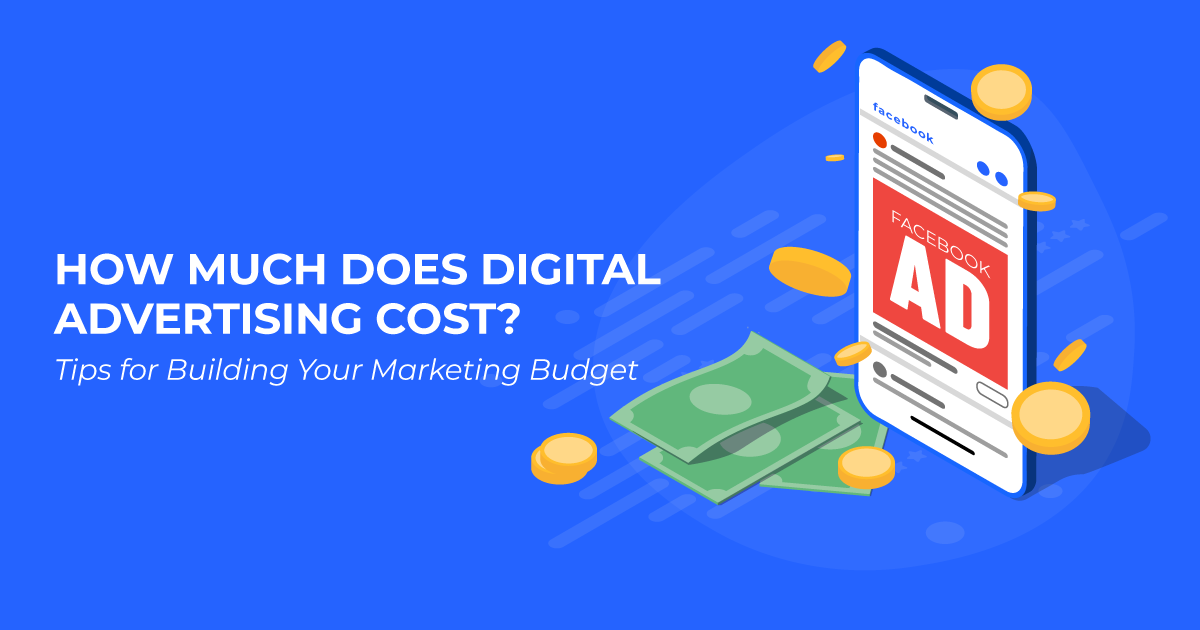
online advertising costs

Online Advertising Costs: A Practical Guide to Budgeting for Your Campaigns

Online Advertising Costs: What Should You Budget?

Online advertising can help businesses reach new customers, generate enquiries and increase sales. But there is no single price for an online campaign. Costs vary according to the platform, audience, competition, campaign objectives and the way the advertising is managed.

Understanding how online advertising is charged can help you set a sensible budget, compare options and judge whether your campaigns are delivering value.

How online advertising is priced

Most digital advertising platforms offer several pricing models. The right one depends on what you want people to do after seeing an advert.

  • Cost per click (CPC): You pay when someone clicks on your advert. This is common in search advertising and can suit campaigns focused on website visits or enquiries.
  • Cost per thousand impressions (CPM): You pay for every thousand times an advert is shown. CPM is often used to build awareness and reach a particular audience.
  • Cost per acquisition (CPA): You measure spend against a completed action, such as a purchase, booking or enquiry. The platform may optimise towards that action, but the actual cost depends on campaign performance.
  • Cost per view (CPV): Video platforms may charge when someone watches a video for a set period or interacts with it.

These terms describe ways of buying or measuring advertising. They do not guarantee a particular result. A low cost per click, for example, is not necessarily good value if those clicks do not lead to useful outcomes.

What affects the cost?

Competition

Advertisers often compete to reach the same people. Popular search terms, locations and audience groups can attract higher prices, particularly in competitive industries such as finance, property and legal services.

Your audience and location

The size and specificity of your target audience can affect costs. Reaching people in a small area or targeting a narrow set of interests may reduce the available audience, while broad campaigns can generate more reach but may include people who are less likely to become customers.

Campaign objective and format

A campaign designed to generate purchases may need different creative, targeting and tracking from one intended to introduce a new brand to potential customers. Search adverts, display banners, social media adverts and video campaigns also have different pricing and production requirements.

Ad quality and relevance

Platforms consider factors such as how relevant an advert is to its audience and the experience offered by the landing page. Strong, clear adverts and useful landing pages can support better performance. They cannot remove competition, but they can help make a budget work harder.

Seasonality

Advertising prices and audience behaviour can change throughout the year. Demand may rise around seasonal events, holidays or key shopping periods. It is worth allowing for these variations when planning a campaign.

Budgeting for an online campaign

There is no universal minimum budget that suits every business. A useful starting point is to decide what the campaign needs to achieve, how many potential customers you want to reach and what a valuable outcome is worth to your business.

Set a test budget that is large enough to gather meaningful information, but small enough to manage the risk. Allow time to test different adverts, audiences and landing pages. Once you know which combinations are working, you can make informed decisions about whether to increase, adjust or pause your spend.

It is also important to distinguish between media spend and the other costs involved in running a campaign. Your total budget may include:

  • Advertising spend paid to platforms such as Google, Meta or LinkedIn
  • Campaign planning and management
  • Copywriting, design, photography or video production
  • Website or landing-page work
  • Analytics, tracking and reporting

If you work with an agency or freelancer, check how their fees are structured. They may charge a fixed fee, an hourly rate, a percentage of advertising spend or a combination. Ask what is included and whether platform spend is billed separately. In the UK, also check whether prices are quoted inclusive or exclusive of VAT.

How to assess whether advertising is worth the cost

Measure campaigns against outcomes that matter to your business, not just clicks or impressions. Depending on your objective, useful measures might include:

  • Cost per qualified enquiry
  • Cost per sale or booking
  • Conversion rate
  • Revenue generated compared with advertising spend
  • New customers acquired and their longer-term value

Accurate measurement depends on setting up conversion tracking properly. Make sure you know which actions are being counted, how calls or offline sales are recorded, and whether the figures include repeat customers. Results can also take time to assess, especially for businesses with longer sales cycles.

Ways to make your budget go further

  • Be specific about your objective: Choose a clear goal before selecting a platform or campaign format.
  • Target thoughtfully: Focus on relevant locations, audiences and search terms, then refine based on results.
  • Improve the landing page: Make it easy for visitors to understand your offer and take the next step.
  • Test one change at a time: Comparing adverts or audiences systematically makes results easier to interpret.
  • Review performance regularly: Use reliable data to adjust spend rather than making decisions based on impressions alone.
  • Allow for creative costs: Effective advertising relies on good messaging and suitable images or video, not just media spend.

The bottom line

Online advertising costs depend on your market, your goals and the way your campaigns are planned and managed. The most useful budget is not necessarily the largest one; it is a budget tied to clear objectives, measured against meaningful results and adjusted as you learn.

Before launching a campaign, work out what you can afford, clarify all fees and decide how success will be measured. That gives you a stronger basis for comparing channels and investing with confidence.


Eight Advantages of Cost-Effective Online Advertising for Businesses

  1. Flexible budgets suit businesses of different sizes.
  2. You can control daily or monthly spend.
  3. Costs are measurable in real time.
  4. Campaigns can be adjusted quickly.
  5. Targeting helps reduce wasted spend.
  6. You can test adverts before scaling up.
  7. Clear metrics help assess return on investment.
  8. Different pricing models suit different goals.


Challenges of Online Advertising: Rising Costs, Uncertain Results, and Additional Fees

  1. Costs can rise quickly in competitive markets.
  2. Results are not guaranteed, even with a sizeable budget.
  3. Creative, management and tracking fees can add to media spend.

Flexible budgets suit businesses of different sizes.

Online advertising offers flexible budgets, making it accessible to businesses of all sizes. You can start with a modest amount, set daily or campaign spending limits, and adjust your budget as results come in. This lets small businesses test what works without committing to a large upfront spend, while larger organisations can scale successful campaigns to reach more people.

You can control daily or monthly spend.

A key advantage of online advertising is the control it gives you over your budget. You can set a daily or monthly spending limit to suit your business, then adjust it as your needs change. This makes it easier to manage costs, test different campaigns and avoid spending more than planned.

Costs are measurable in real time.

One of the key advantages of online advertising costs is that they can be measured in real time. You can monitor spend, clicks, impressions and conversions as a campaign runs, making it easier to see what is working and where your budget is going. If an advert is underperforming, you can adjust the targeting, creative or spend promptly, helping you make informed decisions and get more value from your budget.

Campaigns can be adjusted quickly.

One of the key advantages of online advertising is that campaigns can be adjusted quickly. If an advert is not reaching the right audience or delivering the results you want, you can change its budget, targeting, message or creative without waiting for a new print run or media booking. This flexibility makes it easier to respond to performance and market changes, test different approaches and focus your spend on what works best.

Targeting helps reduce wasted spend.

One of the key advantages of online advertising is the ability to target specific audiences. By focusing your budget on people most likely to be interested in your products or services—based on factors such as location, interests, search behaviour or demographics—you can avoid paying to reach as many irrelevant users. This can reduce wasted spend and help make each advertising pound work harder.

You can test adverts before scaling up.

One of the advantages of online advertising is that you can test adverts on a small budget before committing more money. Try different headlines, images, audiences or offers, then compare the results to see what attracts the right customers. Once you’ve identified what works, you can scale up with greater confidence, while pausing or refining adverts that aren’t delivering value.

Clear metrics help assess return on investment.

Clear metrics make it easier to assess the return on investment from online advertising. By tracking measures such as clicks, enquiries, sales and cost per conversion, businesses can see which campaigns are delivering value and where their budget is being spent effectively. This insight helps them refine their adverts, adjust spending and focus on the channels that contribute most to their goals.

Different pricing models suit different goals.

One of the advantages of online advertising is the choice of pricing models, allowing businesses to match spend to their goals. For example, cost-per-click can suit campaigns focused on website visits, while cost-per-thousand-impressions can help build brand awareness. If the priority is generating leads or sales, measuring cost per acquisition can make it easier to assess how much each result costs. Choosing the right model helps businesses plan campaigns around the outcomes that matter to them.

Costs can rise quickly in competitive markets.

In competitive markets, online advertising costs can rise quickly as businesses bid against one another for the same keywords, audiences and placements. This can push up the price of each click or impression, making it harder to stay within budget—particularly for smaller businesses. Regularly reviewing campaign performance, refining targeting and setting clear spending limits can help keep costs under control.

Results are not guaranteed, even with a sizeable budget.

A sizeable advertising budget does not guarantee results. Campaign performance depends on factors such as audience demand, competition, the quality of your adverts and landing pages, and how well the campaign is managed. You may spend a significant amount without generating the expected number of clicks, enquiries or sales, so it is important to set realistic expectations, monitor performance and adjust your approach as you learn.

Creative, management and tracking fees can add to media spend.

The cost of an online advertising campaign can be higher than the media spend alone. Creating effective adverts may involve copywriting, design, photography or video production, while campaign management and performance tracking can bring further fees. These additional costs should be included in your budget from the outset, so you have a realistic picture of the total investment and can judge whether the campaign is delivering value.
cim digital marketing

CIM Digital Marketing: Skills, Qualifications and Career Opportunities

CIM and Digital Marketing: Building Skills for a Changing Industry

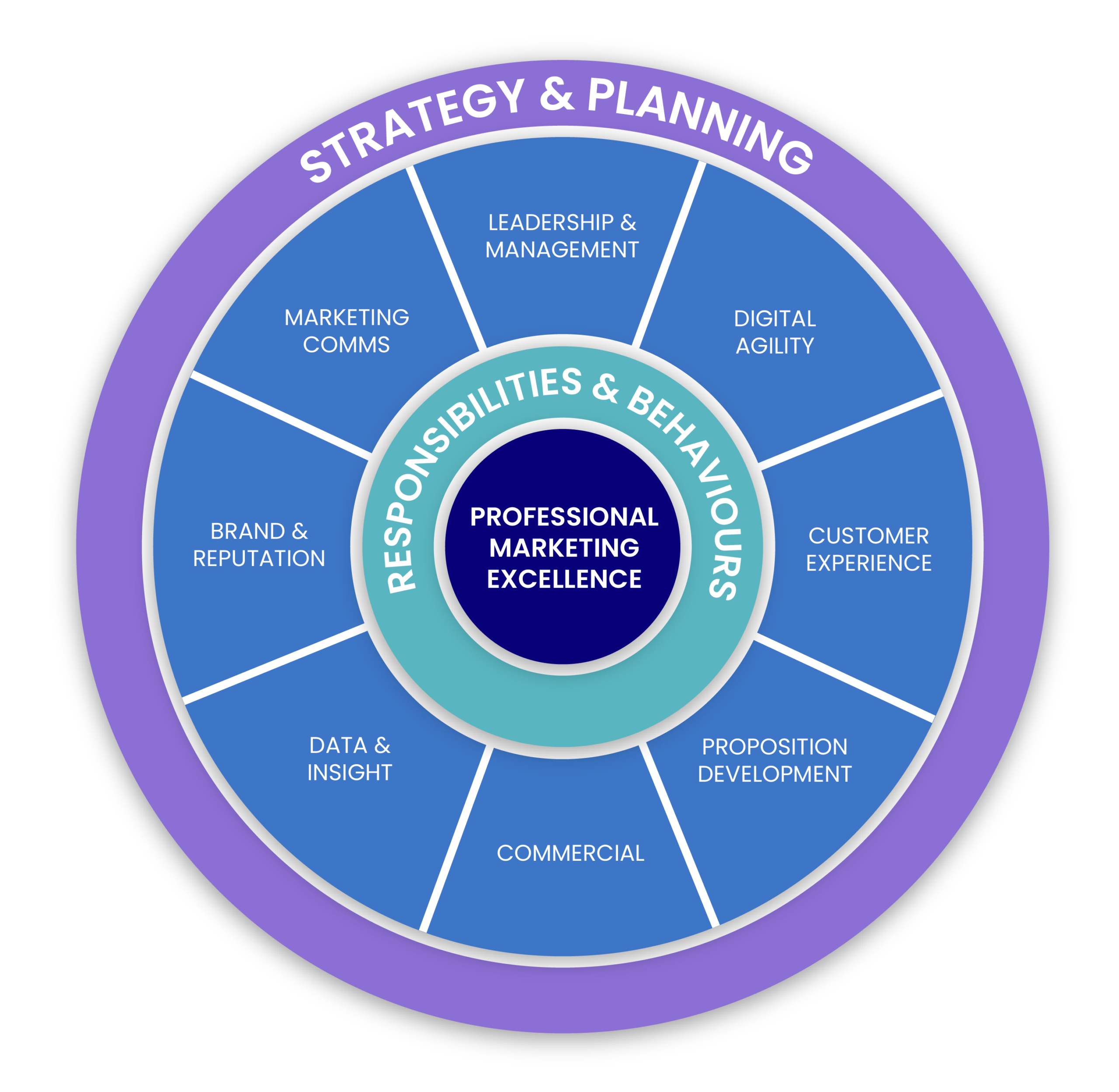
Digital marketing has become an essential part of how organisations attract customers, build relationships and grow. From search engines and social media to email, content and paid advertising, businesses need people who can bring digital channels together and use them effectively. The Chartered Institute of Marketing (CIM) offers professional learning and qualifications to help marketers develop the knowledge and skills to meet that challenge.

What is CIM?

The Chartered Institute of Marketing is a professional body for marketers. It provides training, qualifications, resources and opportunities for professional development. Its courses are designed for people at different stages of their careers, from those starting out to experienced marketers looking to strengthen their strategic capabilities.

CIM’s digital marketing learning covers the principles and practices behind online marketing. Depending on the course and level, this may include planning digital activity, understanding audiences, creating content, using data and evaluating campaign performance.

What does digital marketing involve?

Digital marketing is the promotion of products, services or organisations through online channels. It can include:

  • Search engine optimisation (SEO): improving a website’s visibility in organic search results.
  • Paid search and digital advertising: reaching audiences through paid placements across search engines, websites and platforms.
  • Social media marketing: using social platforms to share content, engage audiences and support business goals.
  • Content marketing: creating useful and relevant material to inform, attract or retain customers.
  • Email marketing: communicating with subscribers and customers through targeted email campaigns.
  • Analytics and measurement: assessing results to understand what is working and where activity could improve.

These channels are most effective when they support a clear strategy. That means understanding the audience, setting measurable objectives, choosing suitable channels and reviewing performance regularly.

Why study digital marketing with CIM?

A structured course can help learners build a broad understanding of digital marketing rather than focusing on a single platform or tactic. CIM study may be useful for people who want to:

  • develop practical marketing knowledge;
  • understand how digital channels contribute to wider business objectives;
  • improve their ability to plan and evaluate campaigns;
  • strengthen their professional credentials; or
  • prepare for a move into a marketing role or a new area of responsibility.

Courses and qualification requirements can change, so prospective learners should check the current CIM website for details of available programmes, entry criteria, assessment methods and approved study options.

Skills that matter in digital marketing

Digital tools and platforms change frequently, but several underlying skills remain valuable. Marketers need to communicate clearly, think critically and understand how customer needs shape decisions. They also benefit from being comfortable with data, able to test ideas and willing to adapt when results or circumstances change.

Strategic thinking is especially important. A strong campaign is not simply a collection of posts or adverts; it has a defined purpose and fits the organisation’s wider marketing activity. Marketers should be able to explain what success looks like, choose appropriate measures and use the findings to make informed improvements.

Choosing the right learning path

The best route depends on your experience, career goals and preferred way of learning. Before enrolling, consider your current knowledge, the time you can commit and the areas you want to develop. Compare course content and assessment formats, and check whether the programme suits your role or intended career direction.

It is also worth considering how you will apply what you learn. Practical projects, workplace experience and regular reflection can help turn course concepts into useful skills. Digital marketing changes quickly, so ongoing learning is often just as important as gaining a qualification.

Conclusion

CIM digital marketing study can provide a structured way to develop marketing knowledge and build confidence across online channels. For aspiring and established marketers alike, the value comes from combining recognised learning with practical experience, curiosity and a commitment to measuring results. In a fast-moving industry, those foundations can help professionals make more informed decisions and create digital activity that supports real business objectives.


Understanding CIM Digital Marketing: Answers to 8 Common Questions

  1. Is CIM Level 6 a degree?
  2. Is CIM digital marketing worth it?
  3. Is CIM equivalent to a degree?
  4. What is CIM qualification?
  5. How much does a CIM course cost?
  6. What is CIM qualification equivalent to?
  7. What is CIM marketing qualification?
  8. Is CIM hard to pass?

Is CIM Level 6 a degree?

No. A CIM Level 6 qualification is not a university degree, but it is set at the same level as a bachelor’s degree on the UK qualifications framework. It provides advanced professional marketing knowledge and may support career progression, but it does not award a bachelor’s degree. Check the specific qualification and its recognition with CIM or the relevant education provider.

Is CIM digital marketing worth it?

CIM digital marketing qualifications can be worthwhile if you want structured learning, a recognised professional credential and a stronger understanding of how digital channels support wider marketing objectives. They may be particularly useful for people starting a marketing career or looking to build on practical experience. The value depends on your goals, budget and preferred way of learning, so compare the course content, costs and assessment requirements with other options before enrolling. A qualification can strengthen your knowledge, but practical experience and keeping up with changes in the digital industry remain important.

Is CIM equivalent to a degree?

CIM qualifications are professional marketing qualifications, not university degrees, so they are not generally considered equivalent to a bachelor’s degree. Some awards may be positioned at a comparable level within a qualifications framework, but that does not make them the same qualification or guarantee they will meet a university or employer’s degree requirements. Check the specific CIM award and the criteria of the organisation you are applying to.

What is CIM qualification?

A CIM qualification is a professional marketing qualification awarded by the Chartered Institute of Marketing (CIM). It helps learners develop practical knowledge and skills in areas such as marketing strategy, planning and digital marketing. Qualifications are available at different levels, so the right option depends on your experience and career goals; course content, entry requirements and assessments vary by programme.

How much does a CIM course cost?

The cost of a CIM course varies depending on the qualification, study centre and learning format. You may also need to budget for registration, assessment and membership fees, which may be charged separately, as well as VAT where applicable. Check the latest fees with CIM or an approved study centre, and ask whether payment plans or funding options are available.

What is CIM qualification equivalent to?

A CIM qualification’s equivalent depends on its level. In the UK, CIM qualifications are mapped to the Regulated Qualifications Framework (RQF): for example, Level 4 is broadly comparable in level to the first year of undergraduate study, while Level 6 is at bachelor’s-degree level and Level 7 is at postgraduate level. This describes the level of learning, not an automatic equivalence to a university degree or the same subject-specific credits. Check the details of the particular CIM qualification with CIM or the relevant awarding body.

What is CIM marketing qualification?

A CIM marketing qualification is a professional qualification awarded by the Chartered Institute of Marketing, designed to develop practical marketing knowledge and skills. CIM offers programmes at different levels, from introductory study to advanced qualifications, covering areas such as marketing strategy, customer insight, planning and digital marketing. The right option depends on your experience and career goals, so check CIM’s current course details for entry requirements, assessments and available study routes.

Is CIM hard to pass?

CIM can be challenging, but it is achievable with consistent preparation. The difficulty depends on your experience, the qualification and its assessment format, which may include assignments, case studies or exams. Make sure you understand the syllabus and assessment criteria, set aside regular study time and practise applying marketing concepts to real business situations. With a clear plan and steady effort, many learners find the workload manageable.

digital marketing agency ads

Digital Marketing Agency Ads: A Practical Guide to Reaching the Right Audience

Digital Marketing Agency Ads: How Paid Advertising Can Help Your Business Grow

Digital marketing agency ads can help businesses reach the right people, generate leads and increase sales. From search engine campaigns to social media promotions, paid advertising gives brands a way to appear in front of potential customers when they are looking for a product, service or solution.

Running effective campaigns involves more than setting a budget and publishing an advert. It takes careful planning, relevant creative, audience insight and regular optimisation. A digital marketing agency can bring these elements together to make advertising more focused and measurable.

What are digital marketing agency ads?

The phrase can refer to two things: adverts created and managed by a digital marketing agency for its clients, or adverts an agency uses to promote its own services. In either case, the fundamentals are similar. A successful campaign needs a clear objective, a well-defined audience, a compelling message and a way to measure results.

Agencies may manage campaigns across platforms such as Google Ads, Microsoft Advertising, Meta, LinkedIn, TikTok and other digital channels. The right mix depends on the audience, the offer and the outcome a business wants to achieve.

Common types of digital advertising

  • Paid search: Search adverts can appear when people look for specific products or services. They are often useful for reaching audiences with a clear and immediate need.
  • Paid social: Adverts on social platforms can introduce a brand, promote an offer or encourage people to take action. Targeting options may include interests, location and other audience characteristics.
  • Display advertising: Image-based adverts can appear across websites and apps, helping businesses build awareness or reconnect with previous visitors.
  • Video advertising: Video can explain a product, demonstrate a service or tell a brand story across social platforms and video networks.
  • Remarketing: Remarketing campaigns show adverts to people who have already visited a website or interacted with a business, subject to platform settings and applicable privacy requirements.
  • Professional network advertising: Platforms such as LinkedIn can help businesses reach specific professional audiences, particularly in business-to-business marketing.

What a digital marketing agency can do

A digital marketing agency can support the full advertising process, from initial research to ongoing campaign management. This may include:

  • Defining campaign goals and key performance indicators.
  • Researching audiences, competitors and search terms.
  • Choosing suitable advertising platforms and formats.
  • Writing advert copy and developing creative assets.
  • Setting up tracking and conversion measurement.
  • Managing budgets, bids and audience targeting.
  • Testing different messages, formats and landing pages.
  • Reviewing performance and recommending improvements.

Good campaign management is an ongoing process. An agency should use performance data to identify what is working, what needs attention and where the budget may be better spent.

How to make digital advertising more effective

Start with a specific objective

Decide what the campaign needs to achieve. The objective might be to increase brand awareness, generate enquiries, sell products or encourage bookings. A clear goal helps determine the right platform, campaign structure and measures of success.

Understand the audience

Effective advertising speaks to the needs and motivations of its intended audience. Consider what potential customers are looking for, what questions they have and what might prevent them from taking action. Audience research can help shape both the advert and the page people visit after clicking it.

Make the message clear

People often see adverts briefly, so the main benefit should be easy to understand. Use straightforward language, explain what makes the offer relevant and include a clear call to action. Avoid promising results that cannot be substantiated.

Connect adverts to relevant landing pages

An advert may attract attention, but the landing page needs to continue the conversation. It should match the advert’s message, provide useful information and make the next step clear. A slow, confusing or unrelated page can undermine an otherwise strong campaign.

Measure meaningful results

Clicks and impressions can help show how an advert is performing, but they do not always reveal its business value. Depending on the campaign, useful measures may include qualified leads, completed purchases, cost per acquisition, return on advertising spend or the quality of enquiries.

Choosing an agency to manage your ads

When comparing agencies, look beyond broad promises. Ask how they will learn about your business, choose platforms, report on results and manage your budget. It is also worth clarifying who owns the advertising accounts, how often performance will be reviewed and what is included in the agency’s fees.

Clear communication matters. A good working relationship should include understandable reporting, realistic expectations and a shared view of what success means. The agency should be able to explain its recommendations in plain language and show how campaign decisions relate to your objectives.

Final thoughts

Digital marketing agency ads can help businesses reach new audiences and turn interest into action, but results depend on strategy as well as spend. The strongest campaigns combine a clear objective, relevant targeting, persuasive creative and a useful destination for the audience.

Whether you manage advertising in-house or work with an agency, regular testing and thoughtful measurement can help you make better decisions over time. Treat paid advertising as part of a wider marketing plan, and ensure each campaign supports a meaningful business goal.


Top 5 Tips for Effective Digital Marketing Agency Advertising

  1. Target a clearly defined audience.
  2. Lead with a measurable client benefit.
  3. Show proof with case studies or results.
  4. Use a clear, specific call to action.
  5. Test and optimise different ad creatives.

Target a clearly defined audience.

Targeting a clearly defined audience helps make your digital marketing agency ads more relevant and effective. Consider who you want to reach, what challenges they face and which platforms they use, then tailor your messaging and creative to their needs. Focused targeting can reduce wasted spend and increase the likelihood of attracting quality enquiries, while regular performance reviews help you refine your audience over time.

Lead with a measurable client benefit.

Lead with a measurable client benefit to show potential customers what your agency can help them achieve. Instead of making broad claims such as “we deliver great marketing”, highlight a specific, evidence-based outcome, such as increasing qualified enquiries, reducing cost per lead or improving online sales. Use clear figures only when they can be substantiated, and explain the context behind them. A concrete benefit makes your advert more credible, helps the right clients recognise its relevance and gives them a clear reason to find out more.

Show proof with case studies or results.

Show proof of your agency’s impact by sharing relevant case studies or results. Explain the client’s challenge, the strategy you used and the outcome, using clear figures where possible, such as increased enquiries, sales or website traffic. Make sure the evidence is accurate, recent and presented with the client’s permission. Specific, credible examples help potential clients understand what your agency can do and build confidence in your advertising claims.

Use a clear, specific call to action.

Use a clear, specific call to action so people know exactly what to do next. Rather than a vague phrase such as “Find out more”, try wording that reflects your goal, such as “Book a free consultation”, “Shop the collection” or “Download the guide”. Make sure the action is easy to understand and matches the advert and landing page.

Test and optimise different ad creatives.

Test and optimise different ad creatives to discover what resonates most with your audience. Experiment with variations in headlines, images, video, calls to action and messaging, while changing one element at a time where possible. Track meaningful results, such as qualified leads or sales, rather than clicks alone, and use what you learn to refine future adverts. Regular testing helps keep campaigns relevant and make better use of your advertising budget.

how to do digital marketing

How to Do Digital Marketing: A Practical Guide to Growing Your Business

How to Do Digital Marketing: A Practical Guide

Digital marketing helps businesses reach and engage customers through online channels. It can include search engines, social media, email, websites, online advertising and more. The best results come from choosing the right mix of channels, understanding your audience and improving your activity over time—not simply posting everywhere.

Whether you run a small business or are developing a larger marketing plan, these steps can help you get started.

Set clear marketing goals

Begin by deciding what you want your digital marketing to achieve. A clear goal gives your activity direction and helps you judge whether it is working.

Your goals might include:

  • Increasing sales or bookings
  • Generating enquiries or leads
  • Building awareness of your business
  • Growing an email subscriber list
  • Encouraging repeat purchases

Make goals specific and measurable. For example, instead of aiming to “get more website traffic”, you might aim to increase relevant organic visits by 15% over the next six months.

Understand your audience

Effective marketing starts with knowing who you want to reach. Consider what your ideal customers need, what problems they are trying to solve and how they choose between different options.

Useful sources of insight include customer conversations, sales enquiries, reviews, website analytics and research into your market. You can use this information to create audience profiles covering factors such as customers’ needs, interests, location and preferred ways of finding information.

Focus on useful insights rather than assumptions. A clear understanding of your audience will help you choose suitable messages, channels and offers.

Make your website work hard

Your website is often the place where people decide whether to take the next step. Make sure it clearly explains what you offer, who it is for and what visitors should do next.

Check that your website:

  • Works well on mobile phones and tablets
  • Loads quickly and is easy to navigate
  • Uses clear, helpful language
  • Includes prominent calls to action, such as “Get a quote” or “Book a consultation”
  • Provides accurate contact details and relevant trust signals
  • Can be used by people with different access needs

Review important pages regularly, especially those that attract visitors from search, social media or advertising.

Create useful content

Content marketing means creating and sharing material that helps your audience. This could include service pages, articles, videos, guides, case studies, email newsletters or social posts.

Start with the questions customers ask most often. Explain your products or services clearly, share practical advice and show how your business can help. Good content should be accurate, original and written for people—not just created to include keywords.

Plan content around your business goals and publish at a pace you can maintain. A small number of useful, well-presented pieces is often more valuable than frequent posts with little substance.

Improve your visibility in search

Search engine optimisation (SEO) helps people find your website when they look for relevant products, services or information. SEO is a long-term activity, but some fundamentals can make a strong start:

  • Research the words and questions your audience uses when searching
  • Write clear page titles and headings that accurately describe each page
  • Create helpful content that answers genuine questions
  • Use descriptive links between related pages on your site
  • Keep your business information accurate and consistent, particularly for local searches
  • Make your website fast, mobile-friendly and easy for search engines to understand

Avoid tactics that promise quick rankings through keyword stuffing or artificial links. Focus on building a useful website and a good experience for visitors.

Choose social media channels carefully

You do not need to be active on every social media platform. Choose the channels your audience uses and that suit your business. For example, a visually led brand may benefit from image or video platforms, while a business selling to other organisations might prioritise professional networks.

Share a balanced mix of content, such as advice, updates, product information and behind-the-scenes material. Make time to respond to comments and messages. Social media is most effective when it supports genuine communication, not just one-way promotion.

Use email marketing thoughtfully

Email can help you build relationships with people who have chosen to hear from your business. You might send useful updates, new content, event invitations or relevant offers.

Keep emails focused and make it easy for readers to understand why they are receiving them. Use a clear subject line, include a straightforward way to unsubscribe and only send marketing emails where you have the appropriate permission or other lawful basis. In the UK, businesses must follow applicable data protection and electronic marketing rules, including UK GDPR and the Privacy and Electronic Communications Regulations (PECR).

Consider paid advertising

Paid digital advertising can help you reach a defined audience or promote a specific offer. Options include search adverts, social media adverts, display advertising and sponsored content.

Before spending money, decide what action you want people to take and how you will measure it. Start with a controlled budget, test different audiences and messages, and check that the landing page matches the advert. Pause or adjust campaigns that are not delivering useful results.

Measure what matters

Use analytics and platform reporting to understand how people find and interact with your marketing. Choose measures that relate to your goals rather than focusing only on figures such as likes or page views.

Depending on your objectives, useful measures could include:

  • Qualified enquiries and conversion rate
  • Sales, bookings or revenue
  • Cost per lead or cost per sale
  • Relevant website visits and search visibility
  • Email sign-ups, clicks and unsubscribes
  • Repeat purchases or customer retention

Make sure tracking is configured appropriately and respect people’s privacy choices. If you use cookies or similar technologies, check the rules that apply and provide suitable information and controls.

Test, learn and improve

Digital marketing works best as an ongoing cycle. Review your results regularly, identify what is performing well and make one or two considered changes at a time. You could test different headlines, images, calls to action or audience groups.

Give changes enough time to produce meaningful data, but do not continue investing in activity that consistently fails to support your goals. Keep a record of what you try and what you learn.

Build a simple digital marketing plan

A practical plan does not need to be complicated. Write down:

  1. Your main business and marketing goals
  2. The audience you want to reach
  3. The channels most likely to reach that audience
  4. The content or campaigns you will create
  5. Your budget, responsibilities and timescales
  6. The measures you will use to assess progress

Start with a manageable number of activities, do them consistently and refine your approach using evidence. By combining clear goals, useful content, suitable channels and regular measurement, you can build digital marketing that supports sustainable business growth.


Mastering Digital Marketing: 7 Essential Tips for Success

  1. Set clear, measurable marketing goals.
  2. Know your audience and tailor your messages.
  3. Create useful, engaging content consistently.
  4. Optimise your website for mobile and search.
  5. Use social media channels your audience prefers.
  6. Test adverts and emails, then refine them.
  7. Track results and focus on what works.

Set clear, measurable marketing goals.

Set clear, measurable marketing goals so you know what your digital activity is working towards and can assess its impact. Rather than aiming to “get more customers”, choose a specific target, such as increasing online enquiries by 15% over the next three months or growing your email subscribers by 200. Make sure each goal is relevant to your business, has a timescale and can be tracked using reliable data. This will help you focus your time and budget on the marketing activities most likely to make a difference.

Know your audience and tailor your messages.

Know your audience and tailor your messages to their needs, interests and priorities. Think about the questions they ask, the challenges they face and what matters when choosing a product or service. Use these insights to create relevant content and choose the channels they are most likely to use. A clear, personal message is more likely to capture attention, build trust and encourage people to take the next step.

Create useful, engaging content consistently.

Create useful, engaging content consistently to give your audience a reason to pay attention and return to your business. Share helpful advice, answer common questions and explain how your products or services can meet customers’ needs. Choose formats that suit your audience—such as articles, videos, email updates or social media posts—and follow a realistic schedule you can maintain. Focus on quality and relevance rather than posting for the sake of it, and use audience feedback and performance data to improve what you create.

Optimise your website for mobile and search so people can find you and use your site easily, wherever they are. Make sure pages load quickly, text is easy to read on smaller screens and navigation is straightforward. Use clear page titles, descriptive headings and helpful content that answers the questions your audience is searching for. A fast, accessible, mobile-friendly website creates a better experience for visitors and can support your visibility in search results.

Use social media channels your audience prefers.

Choose the social media channels your audience already uses, rather than trying to be active on every platform. Find out where your customers spend their time and what kind of content they engage with, then focus your efforts there. This helps you share relevant posts, build stronger connections and make better use of your time and budget.

Test adverts and emails, then refine them.

Test different versions of your adverts and emails to find out what resonates with your audience. Try changing one element at a time, such as the headline, image, subject line or call to action, and compare results using relevant measures like clicks, enquiries or sales. Use what you learn to refine future campaigns, while giving each test enough time and reach to produce meaningful results.

Track results and focus on what works.

Track your digital marketing results to understand which activities are bringing in valuable visits, enquiries or sales. Choose measures that match your goals, such as conversion rates, cost per lead or repeat purchases, and review them regularly. Put more time and budget into the channels and messages that perform well, and adjust or stop those that do not. Keep testing small changes so you can build on what works and make better-informed decisions over time.

global marketing agency

How to Choose the Right Global Marketing Agency for Your Business

What Does a Global Marketing Agency Do?

As businesses reach customers across borders, marketing needs to work across different markets, cultures and languages. A global marketing agency helps organisations plan and deliver campaigns in multiple countries while keeping their brand recognisable and consistent.

Whether a business is preparing to enter a new market or coordinating activity across an established international footprint, the right agency can bring strategy, creative expertise and local insight together.

What is a global marketing agency?

A global marketing agency supports brands that want to reach audiences in more than one country. Its work may include developing an international marketing strategy, adapting campaigns for local markets and coordinating channels such as websites, social media, search, advertising and public relations.

Some agencies operate through offices around the world, while others work with trusted local partners. In either case, the aim is to balance a clear global brand with marketing that feels relevant to people in each market.

Why businesses work with global marketing agencies

Expanding into a new country can create opportunities, but it also brings challenges. Customer expectations, buying habits, regulations and popular channels can vary considerably from one market to another. A campaign that performs well in the UK may need to be adapted before it will resonate elsewhere.

A global marketing agency can help businesses:

  • Reach new audiences: Identify suitable markets and develop plans to connect with potential customers.
  • Adapt brand messaging: Make communications relevant to local audiences without losing the brand’s overall identity.
  • Coordinate campaigns: Bring teams, channels and activity together across different regions.
  • Use local knowledge: Take account of cultural context, language and market conditions.
  • Measure performance: Track results across markets and use the findings to improve future activity.

Global consistency and local relevance

One of the central challenges of international marketing is deciding what should stay consistent and what should change. A strong brand needs recognisable values, visual identity and positioning. At the same time, campaign content may need to reflect local language, customer needs and cultural norms.

This is sometimes described as a “glocal” approach: maintaining a clear global direction while tailoring execution for each market. The balance will depend on the business, its audience and the product or service it offers.

Services a global marketing agency may offer

The services available vary between agencies, but may include:

  • International marketing and market-entry strategy
  • Brand development and positioning
  • Website design, development and localisation
  • Search engine optimisation and paid search
  • Social media strategy and management
  • Content creation, translation and transcreation
  • Creative campaigns and digital advertising
  • Analytics, reporting and performance optimisation

Not every business needs every service. The right mix depends on its objectives, resources and the markets it plans to serve.

Choosing the right agency

Before appointing an agency, consider your goals and the practical support you need. Look for experience relevant to your sector and target markets, and ask how the agency combines central strategy with local expertise.

It is also worth discussing communication, project management, reporting and how success will be measured. Clear responsibilities and shared expectations can make it easier to coordinate activity across countries and time zones.

Building an international marketing strategy

Successful global marketing starts with research. Businesses need to understand the size and characteristics of each opportunity, who their competitors are and how prospective customers make decisions. From there, they can prioritise markets, set objectives and choose the most appropriate channels.

Campaigns should then be tested and measured in each market. Local performance can reveal where messaging, targeting or channel choices need to change. Regular review helps businesses learn as they grow, rather than assuming that one approach will work everywhere.

Growing with a global marketing agency

A global marketing agency can help businesses bring international strategy and local execution together. By combining clear brand direction with relevant, market-specific activity, organisations can build stronger connections with audiences around the world.

The best results come from a close working relationship: one built on shared objectives, open communication and a willingness to learn from each market.


8 Benefits of a Global Marketing Agency: Expanding Reach and Building Consistency Across International Markets

  1. Reaches customers across international markets.
  2. Builds a consistent global brand.
  3. Adapts campaigns for local audiences.
  4. Brings specialist marketing expertise.
  5. Coordinates activity across regions.
  6. Supports international market entry.
  7. Measures results across countries.
  8. Helps businesses scale worldwide.


Challenges of Engaging a Global Marketing Agency: Costs, Coordination, and Cultural Considerations

  1. Can be costly to hire and manage.
  2. Local expertise may vary between markets.
  3. Coordinating across time zones can be difficult.
  4. Cultural differences may be overlooked.
  5. Brand consistency can limit local flexibility.
  6. Communication may become complex.
  7. Results can take time to measure.

Reaches customers across international markets.

A global marketing agency helps your business reach customers across international markets by shaping campaigns for different audiences, languages and local preferences. With the right mix of global strategy and market-specific insight, your brand can connect with potential customers in more countries and build a consistent presence worldwide.

Builds a consistent global brand.

A global marketing agency helps create a consistent brand experience across countries and channels. By setting clear guidelines for your messaging, visuals and values, it ensures people can recognise your brand wherever they encounter it. Local campaigns can still be adapted to suit cultural differences and customer expectations, while remaining true to the same overall identity.

Adapts campaigns for local audiences.

A global marketing agency adapts campaigns to suit local audiences, taking account of language, culture, customer expectations and regional trends. This helps ensure that messages feel relevant and natural in each market, while staying true to the brand’s overall identity.

Brings specialist marketing expertise.

A global marketing agency brings together specialist expertise across disciplines such as international strategy, market research, creative development, digital advertising and localisation. This gives businesses access to skills and experience that may be difficult to build in-house, while helping ensure campaigns are shaped by people who understand both the marketing channels and the needs of different markets.

Coordinates activity across regions.

A global marketing agency coordinates activity across regions, helping teams work towards shared goals while keeping campaigns organised and consistent. By aligning timelines, messaging and channels across markets, it can reduce duplicated effort and make it easier to share ideas and learnings. Local teams can still adapt campaigns to suit their audiences, while the overall brand remains clear and recognisable.

Supports international market entry.

A global marketing agency can help businesses enter international markets with greater confidence. Its research and local market knowledge can inform decisions about target audiences, competitors, messaging and the most effective channels, while support with localisation helps ensure campaigns feel relevant in each country. This can make it easier to avoid costly missteps and build a strong foundation for growth abroad.

Measures results across countries.

A global marketing agency can measure campaign results across countries, giving businesses a clearer picture of what is working in each market. By comparing performance using consistent metrics, it can identify successful approaches, spot areas for improvement and help allocate budgets more effectively. Local insights also ensure that differences in audience behaviour and market conditions are taken into account.

Helps businesses scale worldwide.

A global marketing agency helps businesses scale worldwide by planning and coordinating marketing across multiple markets. With the right research, local insight and consistent brand messaging, it can help a business reach new audiences, adapt to regional needs and build a stronger presence internationally.

Can be costly to hire and manage.

One potential drawback of working with a global marketing agency is the cost. Fees can be higher than those of a local agency, particularly when a campaign spans several markets, languages and channels. Managing the relationship can also take time and resources, as businesses may need to coordinate teams, approvals and budgets across different regions. Before committing, it’s worth clarifying what is included in the fees and making sure the agency’s expertise and expected results justify the investment.

Local expertise may vary between markets.

A global marketing agency may not have the same level of local expertise in every market it serves. Its knowledge of customer behaviour, cultural nuances, language and regulations can vary between regions, which may lead to campaigns that feel less relevant or miss important local considerations. Businesses should ask how an agency sources local insight and who will review work in each market before launching campaigns.

Coordinating across time zones can be difficult.

Coordinating across time zones can make working with a global marketing agency more challenging. Meetings may fall outside normal working hours, responses can take longer, and deadlines may be affected when teams are waiting for feedback from another region. Clear communication, agreed response times and careful planning can help reduce delays, but businesses should still consider how time differences will affect day-to-day collaboration.

Cultural differences may be overlooked.

A potential drawback of working with a global marketing agency is that cultural differences may be overlooked. A campaign designed to work across several countries can miss local customs, humour, values or sensitivities, making its message feel irrelevant or even cause offence. Without genuine local insight and careful adaptation, a brand risks weakening trust with the very audiences it hopes to reach.

Brand consistency can limit local flexibility.

One potential drawback of working with a global marketing agency is that the need for brand consistency can limit local flexibility. To maintain a unified identity across markets, an agency may rely on shared messaging, visuals and campaign guidelines, leaving less room to respond to local customs, customer preferences or emerging trends. If these rules are applied too rigidly, marketing can feel less relevant to local audiences. A strong approach should protect the core brand while allowing suitable adaptations for each market.

Communication may become complex.

Communication can become more complex when working with a global marketing agency, particularly when teams are spread across countries, time zones and languages. Delays in responses, differing expectations or unclear responsibilities can make it harder to coordinate campaigns and keep everyone informed. Agreeing clear points of contact, regular check-ins and well-defined processes can help reduce misunderstandings.

Results can take time to measure.

One potential drawback of working with a global marketing agency is that results can take time to measure. International campaigns often run across several markets, channels and time zones, and it may take months to gather enough reliable data to understand what is working. Differences in customer behaviour, reporting systems and sales cycles can also make comparisons more complex. Businesses should agree clear goals and measurement methods with their agency from the outset, while allowing enough time for meaningful results to emerge.

digital marketing and advertising

Unlocking Success: The Synergy of Digital Marketing and Advertising

The Power of Digital Marketing and Advertising

The Power of Digital Marketing and Advertising

In today’s fast-paced digital age, businesses are constantly seeking new ways to reach and engage with their target audience. Digital marketing and advertising have emerged as powerful tools to connect with customers in a more personalised and effective manner.

Benefits of Digital Marketing

Digital marketing offers numerous benefits compared to traditional forms of advertising. One of the key advantages is the ability to target specific demographics with precision. Through techniques such as search engine optimisation (SEO), social media marketing, email campaigns, and pay-per-click (PPC) advertising, businesses can tailor their messages to resonate with their ideal customers.

Furthermore, digital marketing provides valuable data and analytics that allow businesses to track the performance of their campaigns in real-time. This data-driven approach enables companies to make informed decisions and optimise their strategies for better results.

The Role of Digital Advertising

Digital advertising complements digital marketing efforts by amplifying brand awareness and driving conversions. Platforms like Google Ads, Facebook Ads, Instagram Ads, and display networks offer a variety of targeting options to reach potential customers at different stages of the buying journey.

By leveraging compelling ad creatives, engaging copywriting, and strategic placement, businesses can capture the attention of their audience and drive them towards desired actions such as making a purchase or signing up for a newsletter.

The Future of Digital Marketing

As technology continues to evolve, so does the landscape of digital marketing and advertising. Innovations such as artificial intelligence (AI), augmented reality (AR), voice search optimisation, and influencer partnerships are reshaping how brands interact with consumers online.

Businesses that embrace these trends and adapt their strategies accordingly will be well-positioned to stay ahead in an increasingly competitive marketplace.

In conclusion,

Digital marketing and advertising offer endless possibilities for businesses looking to expand their reach, connect with customers on a deeper level, and drive growth. By harnessing the power of digital tools and staying abreast of industry trends, companies can unlock new opportunities for success in the digital realm.


Top 7 Essential Tips for Mastering Digital Marketing and Advertising

  1. Understand your target audience to create relevant and engaging content.
  2. Utilize social media platforms to reach a wider audience and engage with customers.
  3. Optimize your website for search engines (SEO) to increase visibility online.
  4. Use email marketing campaigns to nurture leads and build customer relationships.
  5. Track and analyse data regularly to measure the success of your campaigns and make informed decisions.
  6. Experiment with different advertising channels to find the most effective ones for your business.
  7. Stay updated on the latest trends in digital marketing to remain competitive in the market.

Understand your target audience to create relevant and engaging content.

To maximise the effectiveness of your digital marketing and advertising efforts, it is crucial to understand your target audience thoroughly. By gaining insights into their preferences, behaviours, and needs, you can create content that resonates with them on a personal level. Crafting relevant and engaging content tailored to your audience’s interests not only enhances brand perception but also increases the likelihood of driving meaningful interactions and conversions. Remember, knowing your audience is the key to delivering impactful messages that connect with them authentically in the digital space.

Utilize social media platforms to reach a wider audience and engage with customers.

To maximise your digital marketing and advertising efforts, it is essential to utilise social media platforms effectively. By leveraging the reach and engagement capabilities of platforms such as Facebook, Instagram, Twitter, and LinkedIn, businesses can connect with a broader audience and foster meaningful interactions with customers. Sharing compelling content, running targeted ads, and actively engaging with followers can help build brand loyalty, drive website traffic, and ultimately boost conversions. Embracing social media as a key component of your marketing strategy can significantly enhance your online presence and contribute to the overall success of your business.

Optimize your website for search engines (SEO) to increase visibility online.

To enhance your online presence and attract more potential customers, it is crucial to optimise your website for search engines through effective search engine optimisation (SEO) strategies. By improving your website’s visibility in search engine results pages, you can increase organic traffic, boost brand awareness, and ultimately drive conversions. Implementing SEO best practices such as keyword research, on-page optimisation, quality content creation, and link building can significantly improve your website’s ranking and ensure that your target audience can easily find you online.

Use email marketing campaigns to nurture leads and build customer relationships.

Utilising email marketing campaigns is a strategic approach in digital marketing and advertising to nurture leads and cultivate lasting customer relationships. By delivering targeted and personalised content directly to subscribers’ inboxes, businesses can engage with their audience on a more intimate level, providing valuable information, promotions, and updates. This consistent communication not only helps in converting leads into customers but also fosters loyalty and trust over time, ultimately leading to increased brand engagement and customer retention.

Track and analyse data regularly to measure the success of your campaigns and make informed decisions.

Tracking and analysing data regularly is a crucial tip in digital marketing and advertising. By monitoring key metrics such as website traffic, conversion rates, click-through rates, and engagement levels, businesses can gain valuable insights into the performance of their campaigns. This data-driven approach not only helps in measuring the success of marketing efforts but also enables companies to make informed decisions on where to allocate resources for optimal results. By continuously evaluating and adjusting strategies based on data analysis, businesses can enhance their overall digital marketing effectiveness and achieve greater success in reaching their target audience.

Experiment with different advertising channels to find the most effective ones for your business.

To maximise the impact of your digital marketing efforts, it is crucial to experiment with various advertising channels to identify the most effective ones tailored to your business needs. By testing different platforms such as social media, search engine ads, display networks, and email campaigns, you can gain valuable insights into which channels resonate best with your target audience. This strategic approach allows you to allocate resources efficiently and focus on the channels that yield the highest return on investment, ultimately driving success in your digital marketing and advertising endeavours.

To stay competitive in the market, it is crucial to stay updated on the latest trends in digital marketing and advertising. The digital landscape is constantly evolving, with new technologies and strategies emerging regularly. By keeping abreast of these developments, businesses can adapt their marketing efforts to meet changing consumer preferences and behaviours. This proactive approach not only helps companies stay ahead of the curve but also enables them to engage with their target audience more effectively and drive better results for their campaigns.

digital ad

Unlocking the Potential of Digital Advertising: Strategies for Success

The Power of Digital Advertising

The Power of Digital Advertising

In today’s digital age, advertising has evolved significantly, with businesses shifting their focus to online platforms to reach their target audiences. Digital advertising has become a powerful tool for brands to connect with consumers in a more targeted and effective way.

One of the key advantages of digital advertising is its ability to reach a vast audience across various online channels. From social media platforms like Facebook and Instagram to search engines like Google, businesses have numerous options to showcase their products or services to potential customers.

Furthermore, digital advertising offers unparalleled targeting capabilities. Through data analytics and user behaviour tracking, businesses can tailor their ads to specific demographics, interests, and behaviours. This level of personalisation ensures that ads are delivered to the right people at the right time, increasing the likelihood of conversion.

Another benefit of digital advertising is its cost-effectiveness compared to traditional forms of advertising such as print or TV commercials. With digital ads, businesses can set budgets based on their needs and track the performance of their campaigns in real-time. This allows for adjustments to be made quickly to maximise ROI.

Moreover, digital advertising provides valuable insights into consumer behaviour and campaign performance through metrics such as click-through rates, conversions, and engagement levels. This data-driven approach enables businesses to make informed decisions and refine their strategies for optimal results.

In conclusion, digital advertising has revolutionised the way businesses promote their products and engage with consumers. Its flexibility, targeting capabilities, cost-effectiveness, and measurability make it an indispensable tool for any modern marketing strategy.


Understanding Digital Advertising: Key Questions and Insights for Businesses

  1. What is digital advertising and how does it work?
  2. What are the benefits of using digital ads for my business?
  3. How can I target specific audiences with digital advertising?
  4. What are the key metrics to measure the success of a digital ad campaign?
  5. How can I create effective and engaging digital ads?

What is digital advertising and how does it work?

Digital advertising refers to the practice of promoting products or services using online platforms such as websites, social media, search engines, and mobile apps. It involves creating and displaying ads to target specific audiences based on factors like demographics, interests, and online behaviour. Digital advertising works by leveraging various tools and technologies, including ad networks, targeting algorithms, and analytics to deliver ads to the right audience at the right time. Through data tracking and analysis, advertisers can measure the performance of their campaigns in real-time and make adjustments to optimise results. This dynamic and data-driven approach sets digital advertising apart from traditional forms of marketing, offering businesses a more efficient way to reach their target customers in the digital landscape.

What are the benefits of using digital ads for my business?

Utilising digital ads for your business offers a myriad of benefits that can significantly enhance your marketing efforts and overall success. One key advantage is the ability to reach a vast and targeted audience across various online platforms, allowing you to connect with potential customers in a more personalised and effective manner. Additionally, digital advertising provides cost-effective solutions compared to traditional forms of advertising, enabling businesses to set budgets based on their needs and track campaign performance in real-time. The data-driven nature of digital ads also offers valuable insights into consumer behaviour, allowing for strategic adjustments to maximise ROI. Overall, leveraging digital ads for your business can lead to increased brand visibility, higher engagement levels, and ultimately drive conversions and growth.

How can I target specific audiences with digital advertising?

To target specific audiences with digital advertising, businesses can utilise a range of advanced targeting options available on online platforms. By leveraging demographic data, interests, behaviours, and browsing history of users, businesses can create customised audience segments to deliver tailored ads to the right people. Utilising tools such as social media ad managers and Google Ads allows businesses to set parameters such as age, location, interests, and even online behaviours to ensure that their ads reach the most relevant audience. This precise targeting not only increases the effectiveness of digital advertising campaigns but also maximises return on investment by reaching those most likely to engage with the brand.

What are the key metrics to measure the success of a digital ad campaign?

When evaluating the success of a digital ad campaign, several key metrics play a crucial role in determining its effectiveness. Metrics such as click-through rate (CTR), conversion rate, return on investment (ROI), cost per acquisition (CPA), and engagement levels are commonly used to measure the performance of digital ads. CTR indicates the percentage of users who clicked on the ad, while conversion rate measures the proportion of users who took a desired action, such as making a purchase or signing up for a newsletter. ROI helps assess the profitability of the campaign, while CPA calculates the cost incurred to acquire each customer. Additionally, monitoring engagement metrics like time spent on site, bounce rate, and social shares provides insights into how well the ad resonates with the target audience. By analysing these key metrics, advertisers can refine their strategies and optimise their campaigns for better results.

How can I create effective and engaging digital ads?

Creating effective and engaging digital ads requires a strategic approach that considers the target audience, messaging, design, and placement. To start, it is essential to understand the preferences and behaviours of your target audience to tailor your ads accordingly. Crafting compelling and relevant messaging that resonates with your audience is crucial in capturing their attention. Visual elements such as eye-catching graphics or videos can enhance the appeal of your ads. Additionally, choosing the right platforms for ad placement based on where your target audience spends their time online can significantly impact the success of your campaign. Regularly monitoring ad performance metrics and making adjustments based on data insights will help refine your ads for maximum effectiveness and engagement.

Enhancing Your Digital Strategy with Expert Online Marketing Consulting Services

The Power of Online Marketing Consulting Services

In today’s digital age, having a strong online presence is crucial for the success of any business. With the vast array of marketing strategies available, navigating the online landscape can be overwhelming. This is where online marketing consulting services come into play.

Online marketing consulting services offer businesses expert guidance and support in developing and executing effective digital marketing strategies. Whether you are a small start-up or a well-established company, leveraging the expertise of online marketing consultants can help you maximise your online reach and drive growth.

Benefits of Online Marketing Consulting Services

Strategic Planning: Online marketing consultants work closely with businesses to develop customised strategies that align with their goals and target audience. By conducting thorough research and analysis, consultants can identify opportunities for growth and create a roadmap for success.

Digital Advertising: From pay-per-click campaigns to social media advertising, online marketing consultants have the expertise to optimise your advertising efforts for maximum ROI. They can help you reach your target audience effectively and efficiently through targeted campaigns.

Search Engine Optimisation (SEO): Improving your website’s visibility on search engines is essential for driving organic traffic. Online marketing consultants can provide SEO audits, keyword research, and content optimisation strategies to boost your search engine rankings.

Social Media Management: Maintaining an active presence on social media platforms is key to engaging with your audience and building brand awareness. Online marketing consultants can develop social media strategies tailored to your business objectives and manage your social media accounts effectively.

Choosing the Right Online Marketing Consultant

When selecting an online marketing consultant for your business, it is essential to consider their experience, track record, and approach to digital marketing. Look for consultants who have a proven history of delivering results for clients in your industry and who demonstrate a deep understanding of current digital trends.

By partnering with a reputable online marketing consultant, you can gain valuable insights into the ever-evolving world of digital marketing and stay ahead of the competition. Invest in professional guidance today to unlock the full potential of your online presence and drive sustainable growth for your business.


Maximising Success: Six Essential Tips for Effective Online Marketing Consultancy

  1. Understand your client’s business goals and target audience thoroughly.
  2. Offer tailored online marketing strategies based on the client’s needs and budget.
  3. Stay updated with the latest digital marketing trends and tools to provide effective solutions.
  4. Provide regular performance reports and analytics to track the success of campaigns.
  5. Communicate clearly and regularly with clients to ensure transparency and trust.
  6. Continuously evaluate and adjust strategies to improve results and ROI.

Understand your client’s business goals and target audience thoroughly.

To maximise the effectiveness of online marketing consulting services, it is essential to have a deep understanding of your client’s business goals and target audience. By thoroughly comprehending the objectives and aspirations of the business, consultants can tailor strategies that align with these goals and drive meaningful results. Similarly, gaining insight into the target audience allows for the creation of targeted campaigns that resonate with potential customers, ultimately leading to increased engagement and conversions. Understanding both the business goals and target audience is fundamental in crafting successful online marketing strategies that deliver tangible outcomes for clients.

Offer tailored online marketing strategies based on the client’s needs and budget.

By offering tailored online marketing strategies based on the client’s specific needs and budget, online marketing consulting services can provide a personalised approach to digital growth. This customised strategy ensures that resources are optimally allocated to achieve the client’s objectives effectively and efficiently. Whether it involves targeted advertising, search engine optimisation, or social media management, aligning the strategy with the client’s budget ensures a cost-effective solution that maximises results and delivers a strong return on investment.

To excel in the field of online marketing consulting services, it is essential to stay updated with the latest digital marketing trends and tools. By keeping abreast of industry developments, consultants can offer clients innovative and effective solutions that align with current best practices. Embracing new technologies and strategies allows consultants to adapt to the ever-changing digital landscape, ensuring that they provide valuable insights and recommendations that drive success for their clients.

Provide regular performance reports and analytics to track the success of campaigns.

To ensure the effectiveness of online marketing consulting services, it is essential to provide regular performance reports and analytics to track the success of campaigns. By monitoring key metrics and analysing data insights, businesses can gain valuable feedback on the performance of their digital marketing strategies. These reports not only help in assessing the impact of campaigns but also enable consultants to make data-driven decisions for continuous improvement and optimisation. Regular reporting and analytics play a crucial role in measuring ROI, identifying areas for enhancement, and ultimately achieving long-term success in online marketing efforts.

Communicate clearly and regularly with clients to ensure transparency and trust.

Effective communication is key in the realm of online marketing consulting services. By communicating clearly and regularly with clients, consultants can establish transparency and build trust throughout the collaboration process. Keeping clients informed about progress, strategies, and results fosters a strong client-consultant relationship, ensuring that goals are aligned and expectations are met. Transparent communication not only enhances client satisfaction but also paves the way for successful outcomes in the dynamic world of digital marketing.

Continuously evaluate and adjust strategies to improve results and ROI.

To maximise the effectiveness of online marketing consulting services, it is crucial to continuously evaluate and adjust strategies to enhance results and return on investment (ROI). By monitoring key performance indicators and analysing data, businesses can identify areas for improvement and make informed decisions to optimise their digital marketing efforts. This iterative approach allows for agility in responding to market trends and consumer behaviour, ultimately leading to greater success in achieving business objectives through online marketing initiatives.

digital advertising

Unlocking the Potential of Digital Advertising: A Guide to Success in the Digital Age

The Power of Digital Advertising

The Power of Digital Advertising

Digital advertising has revolutionised the way businesses promote their products and services in today’s digital age. With the rise of the internet and social media, digital advertising offers a powerful platform to reach target audiences with precision and effectiveness.

Targeted Reach

One of the key advantages of digital advertising is its ability to target specific demographics, interests, and behaviours. Through data analytics and audience segmentation, advertisers can deliver personalised messages to the right people at the right time. This targeted approach increases the likelihood of engaging potential customers and driving conversions.

Measurable Results

Unlike traditional forms of advertising, digital advertising provides detailed insights into campaign performance. Advertisers can track metrics such as click-through rates, conversion rates, and return on investment in real-time. This data allows for continuous optimisation of ad campaigns to maximise effectiveness and achieve desired outcomes.

Cost-Effective Solutions

Digital advertising offers cost-effective solutions for businesses of all sizes. With flexible budgeting options, advertisers can set their own spending limits and adjust campaigns based on performance. This scalability ensures that resources are allocated efficiently to generate maximum impact and value for money.

Engaging Creativity

The dynamic nature of digital advertising allows for creative flexibility in content creation. From interactive banners to video ads, advertisers have a range of formats to captivate audiences and convey brand messages effectively. Creative storytelling combined with strategic targeting enhances engagement and fosters brand loyalty.

Conclusion

In conclusion, digital advertising presents a plethora of opportunities for businesses to connect with consumers in a meaningful way. By harnessing the power of data-driven insights, measurable results, cost-effective solutions, and engaging creativity, advertisers can elevate their brand presence and drive growth in today’s competitive marketplace.


Six Essential Tips for Effective Digital Advertising Strategies

  1. 1. Clearly define your target audience to ensure your ads reach the right people.
  2. 2. Use compelling visuals and concise, engaging copy to grab viewers’ attention.
  3. 3. A/B test different ad creatives to identify what resonates best with your audience.
  4. 4. Monitor and analyse key metrics such as click-through rates and conversions to measure ad performance.
  5. 5. Utilise retargeting strategies to re-engage users who have previously interacted with your ads or website.
  6. 6. Stay updated on industry trends and platform changes to adapt your digital advertising strategies accordingly.

1. Clearly define your target audience to ensure your ads reach the right people.

In the realm of digital advertising, a crucial tip for success is to clearly define your target audience. By identifying and understanding the demographics, interests, and behaviours of your ideal customers, you can tailor your ads to resonate with the right people. This targeted approach not only increases the relevance and effectiveness of your advertising campaigns but also maximises engagement and conversions. Ensuring that your ads reach the right audience is fundamental in driving meaningful results and achieving your marketing objectives in the digital landscape.

2. Use compelling visuals and concise, engaging copy to grab viewers’ attention.

When it comes to digital advertising, utilising compelling visuals and concise, engaging copy is crucial to capturing viewers’ attention effectively. By incorporating visually appealing graphics and succinct yet impactful messaging, advertisers can create a powerful first impression that resonates with their target audience. These elements work hand in hand to draw viewers in, convey key brand messages, and encourage further interaction with the ad content. In a competitive online landscape, the combination of striking visuals and compelling copy can make all the difference in driving engagement and achieving campaign objectives.

3. A/B test different ad creatives to identify what resonates best with your audience.

A crucial tip in digital advertising is to conduct A/B testing on various ad creatives to determine which resonates most effectively with your target audience. By comparing different versions of your ads, you can gather valuable insights into what elements, messaging, or visuals appeal most to your audience. This data-driven approach allows you to refine your advertising strategy and optimise campaigns for better engagement and conversion rates, ultimately leading to more successful outcomes in reaching and connecting with your audience online.

4. Monitor and analyse key metrics such as click-through rates and conversions to measure ad performance.

Monitoring and analysing key metrics, such as click-through rates and conversions, is essential in evaluating the performance of digital advertising campaigns. By tracking these metrics, advertisers can gain valuable insights into the effectiveness of their ads and make data-driven decisions to optimise future campaigns. Click-through rates indicate the level of audience engagement, while conversions provide a direct measure of campaign success in terms of desired actions taken by users. Regularly reviewing and interpreting these metrics allows advertisers to refine their strategies, improve targeting, and ultimately maximise the return on investment in digital advertising efforts.

5. Utilise retargeting strategies to re-engage users who have previously interacted with your ads or website.

Utilising retargeting strategies in digital advertising is a powerful technique to re-engage users who have previously interacted with your ads or website. By targeting these users with personalised ads based on their past interactions, businesses can increase brand recall, encourage conversions, and nurture leads further along the sales funnel. Retargeting helps reinforce brand awareness and keeps your business top-of-mind for potential customers, ultimately boosting the effectiveness of your advertising efforts and driving better results.

To maximise the effectiveness of your digital advertising campaigns, it is crucial to stay informed about industry trends and platform updates. By keeping abreast of the latest developments in the digital advertising landscape, you can adapt your strategies to align with current best practices and leverage new opportunities for reaching your target audience. Continuous learning and adaptation based on industry trends will help ensure that your digital advertising efforts remain relevant and impactful in an ever-evolving online environment.