best digital marketing services

Best Digital Marketing Services: How to Choose the Right Mix for Your Business

Best Digital Marketing Services: How to Choose the Right Mix for Your Business

The best digital marketing services help your business reach the right people, earn their trust and turn interest into action. But there is no single service that works best for every organisation. The right approach depends on your goals, audience, budget and the way customers make decisions.

For some businesses, search engine optimisation (SEO) is a valuable long-term investment. Others may need paid advertising to generate enquiries quickly, or email marketing to build stronger relationships with existing customers. Often, the best results come from combining several services as part of a well-planned strategy.

What are digital marketing services?

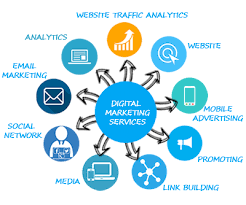
Digital marketing services use online channels to promote a business, product or service. They can include improving your website, increasing visibility in search results, creating useful content, running advertising campaigns and measuring how people interact with your brand.

A good digital marketing plan connects these activities rather than treating them as separate tasks. For example, useful content can support SEO, social media can help distribute that content, and email marketing can encourage interested visitors to return.

SEO: build visibility in search results

SEO helps your website appear when people search online for relevant products, services or information. It can involve improving website content, organising pages clearly, making technical improvements and earning links from reputable sites.

SEO is often a longer-term activity. Results can take time, but well-optimised pages may continue to attract relevant visitors over time. It can be particularly useful for businesses whose customers research their options before getting in touch.

When assessing an SEO service, look for a clear plan based on your audience and business priorities. Be wary of promises of guaranteed rankings: search results are influenced by many factors and cannot be guaranteed by an agency.

Paid search and online advertising: reach people sooner

Paid advertising can put your business in front of potential customers across search engines, social media and other online platforms. Search advertising can reach people actively looking for a particular solution, while display and social campaigns can help introduce your brand to new audiences.

Paid campaigns can be adjusted and measured, making them useful for testing messages and generating traffic within a defined period. However, results depend on more than the advertising budget. Targeting, landing-page quality, campaign structure and ongoing optimisation all matter.

Before investing, decide what success means. It might be online sales, completed forms, phone calls or another meaningful action. Tracking these outcomes helps you understand whether your advertising is delivering value.

Content marketing: give your audience a reason to engage

Content marketing involves creating and sharing useful material, such as articles, guides, videos, case studies and newsletters. Strong content answers customers’ questions, explains your expertise and helps people make informed decisions.

Content can support other parts of your marketing too. A helpful article may bring visitors from search, provide material for social media and give your sales team a useful resource to share with prospective customers.

The best content is created with a clear audience and purpose in mind. Publishing frequently is not enough on its own; material should be accurate, relevant and genuinely useful.

Social media marketing: build awareness and conversation

Social media marketing can help businesses share content, introduce products and take part in conversations with customers. The most suitable platforms depend on where your audience spends time and what you want to achieve.

Organic social media focuses on regular posts and community interaction. Paid social media uses advertising to reach selected audiences and can support specific campaigns. Many businesses use a combination of the two.

A considered social media strategy is more effective than trying to be active everywhere. Choose suitable platforms, set realistic goals and create content that fits each channel.

Email marketing: nurture customer relationships

Email marketing gives businesses a direct way to communicate with people who have chosen to receive updates. It can be used for newsletters, product announcements, useful advice and carefully planned customer journeys.

Effective email marketing is relevant, well-timed and respectful of subscribers’ preferences. Businesses should follow applicable data protection and electronic marketing rules, make it easy to unsubscribe and avoid sending messages that recipients have not agreed to receive.

Website design and conversion rate optimisation

Your website is often where digital marketing activity leads, so it needs to make a good impression and help visitors take the next step. That might mean making a purchase, requesting a quote, booking an appointment or getting in touch.

Website design and conversion rate optimisation (CRO) focus on making the experience clearer and more effective. This can include improving page speed, simplifying navigation, refining calls to action and making forms easier to complete. A well-designed website should also work reliably on mobile devices and be accessible to a broad range of users.

Analytics and reporting: understand what is working

Analytics helps you assess how people find and use your website, and whether your marketing is supporting your goals. Useful reporting connects activity to outcomes rather than focusing only on figures such as impressions or page views.

Before a campaign begins, decide which measures matter. Depending on your objectives, these might include qualified enquiries, sales, cost per lead, repeat purchases or the revenue generated by a campaign. Regular reviews can help you make informed adjustments.

How to choose the best digital marketing services

Start by identifying the challenge you need to solve. Are you looking to increase awareness, attract more relevant website visitors, generate enquiries or improve repeat sales? A clear objective makes it easier to choose suitable services and assess their impact.

  • Understand your audience: Find out what your customers need, where they search and how they prefer to engage with businesses.
  • Set a realistic budget: Consider both the cost of delivering the work and any advertising spend.
  • Check the approach: Look for a provider that explains its recommendations and how the work will be measured.
  • Ask about reporting: Agree on useful measures and how often results will be reviewed.
  • Consider the whole customer journey: Marketing can attract visitors, but your website, service and follow-up also influence whether they become customers.

Choosing a connected approach

The best digital marketing services are not necessarily the most numerous or the most expensive. They are the ones that suit your goals and work together. A business looking for long-term visibility might prioritise SEO and content, while a time-sensitive campaign may benefit from paid advertising. Email marketing and a well-performing website can support both.

Begin with clear objectives, choose services that address them and measure the results. With a considered strategy and regular improvements, digital marketing can help your business build visibility, strengthen customer relationships and support sustainable growth.


Top 5 Tips for Selecting the Best Digital Marketing Services

  1. Choose an agency with proven results in your industry.
  2. Prioritise SEO and useful content to build lasting traffic.
  3. Use paid search and social ads to reach specific audiences.
  4. Track conversions, not just clicks and impressions.
  5. Look for clear reporting, fair pricing and flexible support.

Choose an agency with proven results in your industry.

Choose an agency with proven results in your industry, as it is more likely to understand your audience, market challenges and what motivates customers to take action. Ask to see relevant case studies, examples of previous work and the results achieved, such as increased enquiries, sales or website traffic. A reputable agency should be able to explain how its experience applies to your goals without making unrealistic promises.

Prioritise SEO and useful content to build lasting traffic.

Prioritise SEO and useful content to build lasting traffic to your website. By understanding what your audience is searching for and creating clear, genuinely helpful pages that answer their questions, you can improve your visibility in search results and attract more relevant visitors over time. SEO takes patience, but quality content supported by a well-structured, technically sound website can continue to bring in traffic long after it is published.

Use paid search and social ads to reach specific audiences.

Use paid search and social media advertising to reach people who are most likely to be interested in your products or services. Paid search can connect you with customers actively looking for a solution, while social ads let you target audiences by factors such as interests, location and behaviour. Set clear campaign goals, choose your audience carefully and monitor results so you can refine your adverts and make the most of your budget.

Track conversions, not just clicks and impressions.

Clicks and impressions can show whether your digital marketing is attracting attention, but they don’t reveal whether it is delivering business results. Track conversions—such as purchases, quote requests, bookings or newsletter sign-ups—to understand which campaigns are prompting people to take meaningful action. Set up conversion tracking before a campaign begins, then use the results to identify what is working, refine your approach and focus your budget on activity that supports your goals.

Look for clear reporting, fair pricing and flexible support.

When choosing a digital marketing service, look for clear reporting that shows what work has been done and how it is contributing to your goals. Pricing should be fair, transparent and easy to understand, with any extra costs explained upfront. Flexible support is important too: a good provider will listen to your needs, adapt as your business changes and offer help at a level that suits your team and budget.

digital marketing and communication

Digital Marketing and Communication: Building Stronger Connections Online

Digital Marketing and Communication: Building Stronger Connections Online

Digital marketing and communication are closely connected. Marketing helps businesses reach the right people, while communication builds the trust and understanding that turn an audience into a community of customers. When the two work together, a business can share a consistent message, create meaningful experiences and support lasting relationships.

What is digital marketing?

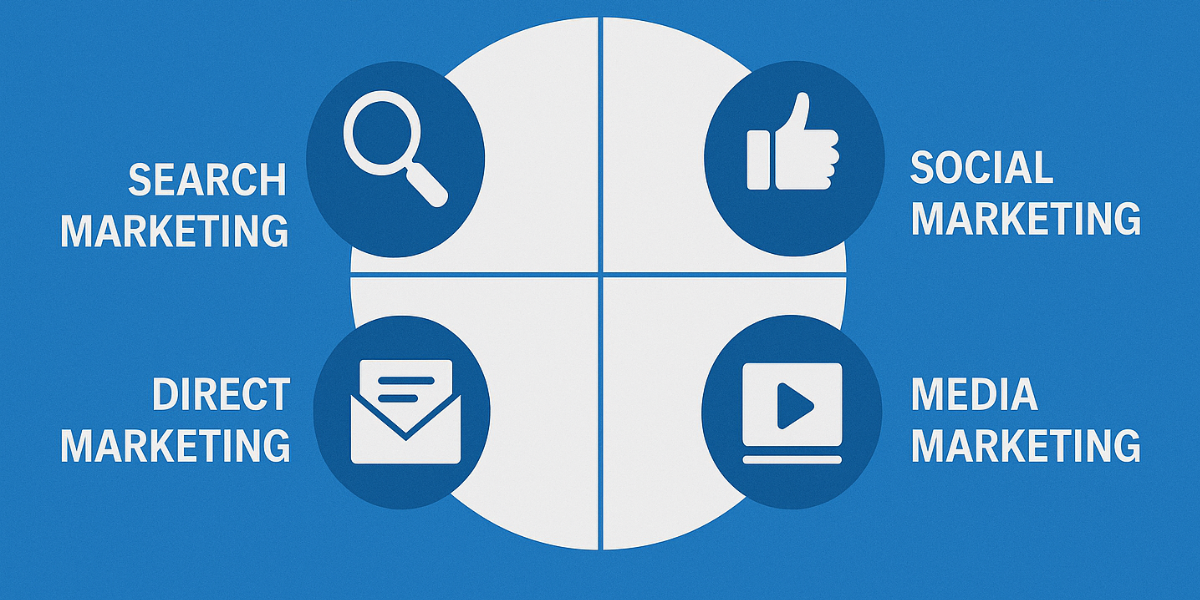
Digital marketing is the promotion of a business, product or service through online channels. These may include websites, search engines, social media, email and digital advertising. The right mix depends on a business’s goals, audience and resources.

Common digital marketing activities include:

  • Search engine optimisation (SEO): Improving a website so it can be found more easily through relevant search results.
  • Content marketing: Creating useful articles, guides, videos and other content for an intended audience.
  • Social media marketing: Sharing content and engaging with people on social platforms.
  • Email marketing: Sending relevant updates, offers and information to people who have chosen to hear from a business.
  • Online advertising: Using paid placements to reach specific audiences or encourage particular actions.

Why communication matters

Digital channels make it possible to communicate quickly and on a large scale. But simply publishing more content does not guarantee that people will notice, understand or trust a message. Effective communication starts with listening: learning what an audience needs, what questions it has and which channels it prefers.

Clear communication can help a business explain what it offers, set realistic expectations and make it easier for customers to take the next step. It also gives people a reason to engage, whether that means asking a question, signing up for updates or making a purchase.

Creating a consistent message

People may encounter a business through a search result, a social media post, an email or its website. Each interaction should feel recognisably connected to the same brand. Consistency does not mean using identical wording everywhere. It means keeping the core message, tone and visual identity aligned while adapting the format to suit each channel.

A useful starting point is to define:

  • Who the business is trying to reach.
  • What those people need or want to know.
  • What makes the business’s offer relevant.
  • What action readers should take next.
  • How the brand should sound across different channels.

Choose channels with purpose

Being active on every digital platform is not always practical or effective. A better approach is to focus on the channels that suit the audience and the business’s objectives. For example, a detailed guide may work well on a website, while a short update may be better suited to social media. Email can be useful for sharing information with subscribers, provided messages remain relevant and easy to manage.

Each channel should have a clear role. A website might provide comprehensive information, social media might support conversation and discovery, and email might keep an opted-in audience informed. Together, these channels can create a more connected customer experience.

Make content useful and accessible

Good digital communication is centred on the audience, not just the organisation. Content should answer genuine questions, use plain language and avoid unnecessary jargon. It should also be accessible: use clear headings, descriptive links, readable layouts and alternative text for meaningful images.

Useful content can take many forms, including how-to articles, FAQs, product information, case studies and short videos. The format matters less than whether the content is accurate, relevant and easy to understand.

Measure what matters

Digital marketing provides data that can help businesses understand how their communications are performing. The right measures depend on the goal. Website visits may indicate interest, while enquiries, sign-ups or sales may offer a clearer view of action taken. Engagement figures can provide context, but they should not be treated as success on their own.

Reviewing results regularly helps a business identify what is working and where improvements may be needed. It is also important to interpret data carefully, taking account of the audience, campaign timing and other factors that could affect performance.

Build trust over time

Trust grows through consistent, honest communication. Businesses should be clear about what they offer, respond thoughtfully to feedback and avoid promises they cannot support. They should also respect people’s privacy and follow applicable data protection and marketing rules, including requirements around consent and unsubscribing from marketing emails.

Not every interaction needs to lead directly to a sale. Helpful advice, timely answers and straightforward information can all contribute to a positive relationship with a brand.

Bringing digital marketing and communication together

Effective digital marketing is more than choosing platforms or publishing campaigns. It is an ongoing process of understanding an audience, sharing useful information, listening to responses and improving the experience. When communication is clear and marketing activity has a defined purpose, businesses can make better use of their digital channels and create stronger connections with the people they serve.


Top 5 FAQs on Digital Marketing and Communication: Understanding Strategies, Costs, and Success Metrics

  1. What is digital marketing and how does it work?
  2. Which digital marketing channels are best for my business?
  3. How can I improve my digital marketing communication?
  4. How much does digital marketing cost?
  5. How can I measure the success of a digital marketing campaign?

What is digital marketing and how does it work?

Digital marketing is the promotion of a business, product or service through online channels such as search engines, websites, social media, email and digital advertising. It works by helping a business reach relevant audiences, share useful or persuasive messages, and encourage actions such as visiting a website, making an enquiry or completing a purchase. By measuring results—such as visits, engagement and conversions—businesses can understand what is effective and refine their marketing over time.

Which digital marketing channels are best for my business?

The best digital marketing channels depend on your business goals, audience and budget. Consider where your customers spend time online and how they prefer to find information: SEO can help people discover your website through search engines, social media can build awareness and encourage conversation, while email can nurture relationships with subscribers. Paid advertising may help you reach a specific audience quickly, but it needs careful planning and monitoring. Rather than trying to use every channel, choose the ones that suit your customers and focus on measuring results so you can refine your approach over time.

How can I improve my digital marketing communication?

To improve your digital marketing communication, start by understanding your audience and the questions, needs and channels that matter to them. Set clear goals, use plain and consistent language, and tailor your message to each platform rather than sharing the same content everywhere. Create useful, accessible content, make the next step clear and respond promptly to comments or enquiries. Finally, review performance regularly—using measures such as engagement, enquiries and conversions—and use what you learn to refine your approach.

How much does digital marketing cost?

The cost of digital marketing varies depending on your goals, the channels you use and the level of support you need. A focused SEO or social media campaign may require a smaller budget than a multi-channel strategy involving paid advertising, content creation and ongoing management. Costs can also depend on how competitive your market is and whether you work with an agency, a freelancer or an in-house team. A good starting point is to set clear objectives and agree a budget, then review performance regularly to understand what is delivering value.

How can I measure the success of a digital marketing campaign?

Measure the success of a digital marketing campaign by comparing its results with the goals set before launch. Choose relevant key performance indicators (KPIs), such as website visits, engagement, enquiries, email sign-ups or sales, and track them using tools such as website analytics and advertising dashboards. Consider both the number and quality of responses, the campaign’s cost and return on investment, and how results compare with previous activity. Reviewing these measures regularly can show what is working and where adjustments may improve performance.

traditional and digital marketing

Traditional and Digital Marketing: How to Choose the Right Mix for Your Business

Traditional and Digital Marketing: Finding the Right Balance

Marketing helps businesses reach potential customers, explain what they offer and build lasting relationships. The ways of doing this have expanded considerably: alongside familiar methods such as print advertising and direct mail, businesses can now connect with audiences through websites, search engines, social media and email.

Traditional and digital marketing are sometimes presented as competing approaches. In practice, they can work well together. The right mix depends on a business’s audience, goals, budget and the way its customers prefer to receive information.

What is traditional marketing?

Traditional marketing refers to established channels that generally reach people offline. Common examples include:

  • Newspaper and magazine advertising
  • Television and radio adverts
  • Leaflets, brochures and direct mail
  • Outdoor advertising, such as posters and billboards
  • Events, exhibitions and sponsorship

These channels can help a business build recognition across a local area or reach audiences who may not spend much time online. A well-placed advert, useful leaflet or memorable radio campaign can make a brand easy to recognise.

What is digital marketing?

Digital marketing uses online channels and technologies to promote a business, product or service. It can include:

  • Websites and search engine optimisation (SEO)
  • Paid search and online display advertising
  • Social media marketing
  • Email marketing
  • Online video and content marketing

Digital channels make it possible to reach specific audiences, adapt campaigns quickly and track many aspects of performance. For example, a business can see how many people visited a webpage after clicking an advert, or which email links received the most attention.

Key differences

Audience and reach

Traditional marketing can be effective when a business wants to reach a broad audience in a particular place or through a widely used medium. Digital marketing can offer more precise audience targeting, although its reach depends on the platforms and campaigns selected.

Measurement

Some traditional campaigns are harder to measure directly. Businesses can use tools such as customer surveys, promotional codes or dedicated phone numbers to understand their impact. Digital campaigns often provide more immediate performance data, but figures such as clicks and views do not always show whether a campaign has contributed to meaningful business results.

Cost and flexibility

Costs vary across both approaches. A local leaflet campaign may be affordable for a small business, while a major television campaign can require a substantial budget. Digital campaigns can often be started on a smaller scale and adjusted as results come in, but competition for attention and advertising space can still make them costly.

Customer interaction

Traditional advertising is often one-way: a business shares a message with an audience. Digital channels can make two-way communication easier, allowing customers to comment, ask questions, share content or sign up for updates. That interaction also means businesses need to respond thoughtfully and consistently.

The benefits of combining both approaches

A coordinated marketing plan can use traditional and digital channels to reinforce the same message. For instance, a printed advert might direct readers to a website, while an event could encourage visitors to follow a social media account or join an email list.

Using several relevant channels can help a business connect with people at different points in their decision-making. Someone might first notice a brand on a poster, search for it online later and then visit its website before making an enquiry. Consistent branding and clear messaging make these interactions feel connected.

How to choose the right mix

Before choosing channels, consider a few practical questions:

  • Who are you trying to reach? Think about your customers’ needs, habits and preferred ways of finding information.
  • What do you want to achieve? Objectives might include increasing awareness, generating enquiries, encouraging repeat purchases or promoting a specific offer.
  • Where does your audience spend time? Choose channels based on evidence about your audience rather than assumptions.
  • How will you measure success? Decide in advance which outcomes matter, such as enquiries, sales, event attendance or website visits.
  • Can you deliver consistently? A campaign needs suitable time, resources and follow-up to make the most of the interest it generates.

It is also useful to test ideas on a manageable scale. Review the results, learn what worked and refine the plan. Measurement should focus on meaningful outcomes, not just the number of impressions or clicks.

Conclusion

Traditional and digital marketing each offer useful ways to connect with customers. Traditional channels can provide a tangible presence and reach audiences in specific settings, while digital marketing offers flexible ways to target, communicate and assess performance. Neither approach is automatically right for every business.

The strongest strategy is built around clear goals and a sound understanding of the audience. By choosing relevant channels and keeping the message consistent, businesses can make traditional and digital marketing work together.


Maximise Your Marketing: Integrating Traditional and Digital Strategies for Success

  1. Know your audience before choosing channels.
  2. Use print or radio to build local awareness.
  3. Keep branding consistent across every channel.
  4. Track digital campaigns with clear metrics.
  5. Combine traditional reach with digital follow-up.

Know your audience before choosing channels.

Before choosing marketing channels, take time to understand who you want to reach. Consider your audience’s needs, interests and habits, including where they look for information and how they prefer to communicate. This helps you focus your budget and effort on channels they are more likely to notice and trust, rather than spreading your message too widely. Use customer feedback and campaign results to keep refining your approach.

Use print or radio to build local awareness.

Use print or radio advertising to raise awareness among people in your local area. A well-placed advert in a community newspaper, local magazine or radio station can help your business reach nearby customers and build familiarity. Keep the message clear, highlight what makes your business relevant to the community, and include an easy next step, such as visiting your website or getting in touch.

Keep branding consistent across every channel.

Keep your branding consistent across every channel so customers can recognise and trust your business, whether they see a printed advert, visit your website or find you on social media. Use the same logo, colours, tone of voice and key messages wherever possible, adapting the format to suit each platform without losing your brand’s identity.

Track digital campaigns with clear metrics.

Track digital campaigns using clear metrics that link to your business goals. For example, monitor website visits, enquiries, sales or email sign-ups rather than focusing only on likes and clicks. Set a baseline before a campaign begins, use tracking tools consistently and review results regularly. This helps you understand which channels and messages are working, where to adjust your budget and how digital activity supports your wider marketing efforts.

Combine traditional reach with digital follow-up.

Combine the broad reach of traditional marketing with the precision of digital follow-up. A leaflet, poster, radio advert or event can introduce your business to a wide audience; a clear call to action—such as visiting a dedicated webpage, scanning a QR code or following your social media account—can then guide interested people online. From there, you can share useful information, answer questions and encourage enquiries or purchases. Use trackable links or campaign-specific codes to see which activity brings people to your digital channels and refine your approach over time.

online marketing solutions

Online Marketing Solutions: A Practical Guide to Growing Your Business

Online Marketing Solutions: A Practical Guide to Growing Your Business

Online marketing helps businesses reach potential customers, build brand awareness and encourage sales through digital channels. From search engines and social media to email and paid advertising, there are many ways to connect with an audience. The best approach is not to use every channel at once, but to choose the right mix for your goals, customers and budget.

What are online marketing solutions?

Online marketing solutions are the strategies, services and tools businesses use to promote their products or services on the internet. They can include planning a digital strategy, creating content, improving a website, running advertising campaigns and measuring results.

Some businesses manage these activities in-house, while others work with a digital marketing agency or specialist. In either case, effective marketing starts with a clear understanding of who you want to reach and what you want them to do.

Key online marketing channels

Search engine optimisation

Search engine optimisation (SEO) helps improve a website’s visibility in unpaid search results. It can involve researching relevant search terms, creating useful content, improving page structure and making sure a website works well on mobile devices. SEO takes time, but can help attract people who are actively looking for information, products or services.

Pay-per-click advertising

Pay-per-click (PPC) advertising places paid adverts on search engines and other platforms. Businesses typically pay when someone clicks an advert. PPC can bring visitors to a website quickly and allows campaigns to be targeted by factors such as location, interests or search terms. Setting a clear budget and regularly reviewing performance helps keep campaigns focused.

Social media marketing

Social media gives businesses a way to share updates, showcase their work and communicate with customers. The most suitable platforms depend on the audience and the type of business. A consistent schedule, engaging content and genuine interaction are often more effective than simply posting frequently.

Content marketing

Content marketing involves creating and sharing useful material, such as articles, guides, videos or case studies. Good content can answer customer questions, demonstrate expertise and support other marketing activity. It should be created for a clear audience and offer genuine value rather than simply promoting a product.

Email marketing

Email marketing enables businesses to keep in touch with people who have chosen to hear from them. Newsletters, product updates and tailored offers can help build lasting customer relationships. Emails should be relevant, easy to read and sent in line with applicable privacy and marketing rules.

How to choose the right solution

Start by setting specific objectives. These might include increasing enquiries, growing online sales, raising awareness in a particular area or encouraging existing customers to return. Then consider your audience, available budget, internal skills and the time you can commit.

It is also important to understand how different channels work together. For example, an informative article may help attract visitors through search, while social media can help distribute it and email can share it with existing contacts. A joined-up plan makes it easier to deliver a consistent message.

Measure what matters

Tracking results helps show whether your marketing is working and where improvements may be needed. Useful measures could include relevant website visits, enquiries, sales, email sign-ups or the cost of acquiring a customer. The right measures depend on your objectives, so avoid focusing on numbers that do not connect to business outcomes.

Review performance regularly, test changes and use the findings to refine your approach. Online marketing is rarely a one-off task; customer behaviour, platforms and competition can all change over time.

Build a sustainable online marketing plan

Successful online marketing is built on a clear strategy, useful content and ongoing measurement. By choosing channels that suit your audience, setting realistic goals and improving your activity over time, your business can make better use of its digital presence and create stronger connections with customers.


Maximise Your Business Potential: 8 Advantages of Online Marketing Solutions

  1. Reach a wider audience online.
  2. Target customers by location and interests.
  3. Track campaign performance in real time.
  4. Adjust budgets to suit your business.
  5. Build brand awareness across digital channels.
  6. Generate leads and sales around the clock.
  7. Connect with customers through engaging content.
  8. Refine campaigns using measurable results.


Challenges of Online Marketing Solutions: Cost, Time, Competition, and Maintenance

  1. Can be costly to maintain.
  2. Results may take time.
  3. Competition is often intense.
  4. Requires regular monitoring.

Reach a wider audience online.

Online marketing solutions can help your business reach a wider audience than traditional methods alone. With a website, search engines, social media and digital advertising, you can connect with potential customers across the UK and beyond—not just people in your local area. You can also tailor your message to specific audiences, helping your business appear in front of people who are more likely to be interested in what you offer.

Target customers by location and interests.

Online marketing solutions make it possible to target customers by location and interests, helping businesses reach people who are more likely to be interested in their products or services. Campaigns can focus on a particular town, region or service area, while audience settings can reflect relevant interests and preferences. This helps make marketing more relevant, use budgets efficiently and connect with potential customers at the right time.

Track campaign performance in real time.

A key advantage of online marketing solutions is the ability to track campaign performance in real time. Businesses can monitor activity such as website visits, advert clicks, enquiries and sales as it happens, making it easier to see what is working and where improvements may be needed. This timely insight allows campaigns, budgets and messages to be adjusted quickly, helping businesses make informed decisions and use their marketing spend more effectively.

Adjust budgets to suit your business.

Online marketing solutions make it easier to adjust your budget to suit your business. You can start with a modest spend, focus on the channels most likely to reach your audience and increase investment as you see what works. Campaign budgets can also be reviewed and changed as your priorities, cash flow or business needs shift, helping you stay in control of your marketing costs.

Build brand awareness across digital channels.

Online marketing solutions can help your business build brand awareness across digital channels, from search engines and social media to email and online advertising. By sharing a consistent message and useful content where your audience spends time, you can make your brand more familiar, strengthen recognition and stay visible to potential customers as they research their options.

Generate leads and sales around the clock.

Online marketing solutions can help your business generate leads and sales around the clock. Your website, online shop and digital campaigns can reach potential customers even when your team is offline, making it easier for people to discover your services, explore your products and enquire or buy at a time that suits them.

Connect with customers through engaging content.

Online marketing solutions help businesses connect with customers through engaging, useful content that speaks to their interests and needs. Whether it’s an informative article, a helpful video or a social media post, relevant content can encourage people to interact with your brand, build trust and keep your business in mind when they’re ready to make a decision.

Refine campaigns using measurable results.

A key advantage of online marketing is the ability to refine campaigns using measurable results. Businesses can track performance indicators such as website visits, enquiries, sales and advertising costs to see what is working and where changes may be needed. By using this insight to adjust targeting, messaging and budgets, they can make more informed decisions and focus their efforts on the approaches that deliver the greatest value.

Can be costly to maintain.

Online marketing solutions can be costly to maintain, particularly when they involve ongoing advertising spend, specialist support, content creation and regular website updates. Costs may also rise as a business expands its campaigns or adopts new tools. Setting a realistic budget, reviewing performance regularly and focusing investment on the channels that deliver the most value can help keep spending under control.

Results may take time.

One drawback of online marketing is that results may take time. Strategies such as search engine optimisation and content marketing often need consistent effort before they improve visibility, attract visitors or generate enquiries. This means businesses may need patience and ongoing investment, rather than expecting immediate returns. Setting realistic expectations and tracking progress over time can help show whether the approach is moving in the right direction.

Competition is often intense.

One drawback of online marketing is the intense competition for people’s attention. Businesses often target the same audiences across search engines, social media and other digital channels, which can make it harder to stand out. This may drive up advertising costs and mean that gaining visibility takes sustained effort, strong content and a clear point of difference.

Requires regular monitoring.

Online marketing solutions require regular monitoring to remain effective. Campaign performance, customer behaviour and platform algorithms can change, so businesses need to review results, update content and adjust budgets or targeting. This takes time and ongoing attention, and without it, marketing activity may become less effective or spend money without delivering the desired results.

marketing b2b

Marketing B2B: A Practical Guide to Reaching Business Customers

B2B Marketing: How to Reach the Right Businesses and Build Lasting Relationships

B2B marketing, or business-to-business marketing, is the process of promoting products and services to other organisations rather than directly to individual consumers. It can help businesses attract new customers, build trust with decision-makers and create long-term commercial relationships.

Effective B2B marketing is about more than generating leads. It requires a clear understanding of the organisations you want to reach, the challenges they face and how your business can help solve them.

How B2B Marketing Differs from B2C

B2B and B2C marketing share many of the same principles, but they often involve different buying journeys. A consumer may make a purchase independently and quickly. A business purchase can involve several people, a longer evaluation period and more detailed consideration of cost, risk and return on investment.

As a result, B2B marketing often focuses on:

  • Reaching specific sectors, organisations and professional roles
  • Explaining how a product or service addresses a business need
  • Building credibility through evidence, expertise and clear communication
  • Supporting buyers throughout a longer decision-making process

Start with a Clear Understanding of Your Audience

Before choosing marketing channels, define who you want to reach. Consider the types of organisations that are most likely to benefit from your offer, including their size, location, industry and stage of development.

It is also important to understand the people involved in the buying decision. A finance director, a technical specialist and a senior manager may all care about different things. One may prioritise cost, another ease of implementation, and another the impact on wider business goals.

Researching these audiences helps you create useful messages rather than relying on broad claims. Customer interviews, sales conversations, website analytics and market research can all reveal what potential buyers need to know.

Develop a Strong Value Proposition

Your value proposition should explain, in straightforward language, who you help, what you help them do and why your approach is worth considering. It should connect your product or service to a real business outcome.

For example, instead of simply listing features, explain how those features could save time, reduce complexity or help a client make a better-informed decision. Be specific where you can, and support claims with relevant evidence such as case studies, customer feedback or data.

Choose the Right B2B Marketing Channels

There is no single channel mix that works for every business. The right approach depends on your audience, offer, budget and sales process. Common B2B marketing channels include:

  • Website and search engine optimisation: A useful, well-structured website helps potential customers understand your offer and find you through relevant searches.
  • Content marketing: Articles, guides, webinars and reports can answer buyer questions and demonstrate your expertise.
  • Email marketing: Relevant, permission-based emails can keep your business in touch with prospects and customers over time.
  • Social media: Professional networks can help you share insights, join industry conversations and build awareness.
  • Events and webinars: In-person and online events provide opportunities to share knowledge and speak directly with potential buyers.
  • Paid advertising: Search and social advertising can help you reach selected audiences, provided campaigns are carefully targeted and measured.

Rather than trying to use every channel, focus on the ones your audience uses and where your business can offer something valuable.

Create Content for Each Stage of the Buying Journey

Potential customers need different information at different points in their decision-making process. Someone exploring a problem may value an introductory guide, while a buyer comparing suppliers may need a detailed service overview or a case study.

A balanced content plan can include educational material to build awareness, practical resources to help buyers assess their options and clear information about your services to support a purchasing decision. Make sure each piece of content has a useful purpose and a clear next step.

Align Marketing and Sales

B2B marketing works best when marketing and sales teams share an understanding of the target audience, the customer journey and what makes a lead ready for a sales conversation. Agree on how leads will be defined, passed between teams and followed up.

Regular communication can also help marketing teams learn which messages resonate, what objections come up in sales conversations and where prospects tend to lose interest. Those insights can guide improvements to campaigns and content.

Measure What Matters

Measuring activity helps you understand whether your marketing is contributing to business goals. Useful measures may include website enquiries, qualified leads, event registrations, email engagement, conversion rates and the time it takes to move from initial contact to a sale.

Some B2B results take time to become clear, particularly where sales cycles are long. Look beyond short-term clicks and impressions to assess the quality of leads, the influence of marketing on opportunities and the value of customer relationships over time.

Build Trust Through Consistency

B2B buyers need to feel confident that a supplier understands their requirements and can deliver what it promises. Consistent messaging, helpful communication and realistic claims all contribute to that confidence.

Keep your website and sales materials accurate, respond to enquiries promptly and make it easy for prospective customers to find relevant information. After a sale, continue to support clients and listen to their feedback. Strong customer relationships can lead to repeat business, referrals and valuable insight.

Making B2B Marketing Work for Your Business

Successful B2B marketing combines audience insight, a clear value proposition, relevant content and well-chosen channels. It also depends on regular measurement and a willingness to refine your approach as you learn more about your customers.

Start with the needs of the businesses you want to serve. When your marketing helps them understand a challenge and make a confident decision, it can create a solid foundation for sustainable growth.


Essential FAQs on B2B Marketing: Categories, Types, and Strategies

  1. What are the 4 basic categories in B2B markets?
  2. What are the four types of B2B marketing?
  3. What does B2B mean in marketing?
  4. What is the best marketing for B2B?
  5. What are the 4 types of B2B marketing?
  6. What is the 3-3-3 rule in sales?
  7. What does B2B mean marketing?
  8. What are the types of B2B marketing?
  9. What is B2B and examples?

What are the 4 basic categories in B2B markets?

The four basic categories in B2B markets are producers, resellers, governments and institutions. Producers buy goods and services to create their own products or support their operations; resellers purchase products to sell on to other businesses or consumers; government organisations buy what they need to provide public services; and institutions, such as schools, universities and charities, purchase goods and services to fulfil their specific purposes. These categories help businesses understand who their customers are and tailor their marketing to each group’s needs.

What are the four types of B2B marketing?

There isn’t one universally agreed set of four types of B2B marketing, but four common approaches are content marketing, which shares useful expertise to attract and educate potential customers; account-based marketing, which targets selected businesses with tailored campaigns; relationship marketing, which builds trust and encourages long-term partnerships; and channel marketing, which works with distributors, resellers or other partners to reach business buyers. Many companies combine these approaches to suit their audience, sales cycle and goals.

What does B2B mean in marketing?

In marketing, B2B means “business-to-business”. It describes the promotion and sale of products or services from one business to another, rather than to individual consumers. For example, a software company marketing its platform to retailers is using B2B marketing. The focus is on understanding business needs, reaching relevant decision-makers and showing how an offering can help an organisation achieve its goals.

What is the best marketing for B2B?

There’s no single best marketing approach for every B2B business; the right strategy depends on your audience, goals and sales cycle. A strong starting point is to understand your ideal customers, communicate a clear value proposition and share useful content that helps decision-makers solve real problems. Combine relevant channels—such as search engine optimisation, email, LinkedIn, events and targeted advertising—and work closely with your sales team to nurture leads. Measure results against meaningful goals, such as qualified enquiries and sales opportunities, then refine your approach based on what works.

What are the 4 types of B2B marketing?

The four common types of B2B marketing are producer marketing, reseller marketing, government marketing and institutional marketing. Producer marketing targets businesses that use products or services to make their own goods or deliver services. Reseller marketing focuses on wholesalers and retailers that buy products to sell on. Government marketing involves supplying public-sector organisations, while institutional marketing serves organisations such as schools, hospitals and charities. These categories describe who the buyer is; the right marketing approach will depend on their needs, decision-making process and purchasing requirements.

What is the 3-3-3 rule in sales?

The 3-3-3 rule in sales does not have one universally accepted definition, but it is sometimes used as a simple guide for prospecting: spend around three minutes researching a potential customer, write three relevant and personalised points in your message, and follow up up to three times. In B2B marketing, the principle is to make outreach specific and useful rather than generic, while following up politely and respecting the prospect’s preferences. Check how your team defines the rule, as its meaning can vary between organisations.

What does B2B mean marketing?

In marketing, B2B means “business-to-business”: the promotion of products or services from one business to another, rather than directly to individual consumers. B2B marketing aims to reach the people involved in a company’s buying decisions, explain how an offering can meet their organisation’s needs, and build trust throughout what may be a longer decision-making process.

What are the types of B2B marketing?

B2B marketing includes a range of approaches, such as content marketing, search engine optimisation (SEO), email marketing, social media, paid advertising, events and webinars, public relations, and account-based marketing (ABM). Businesses often combine several of these methods to reach decision-makers, share useful information and build trust throughout a longer buying process. The best mix depends on your audience, goals and budget.

What is B2B and examples?

B2B stands for “business-to-business” and describes transactions where one business sells products or services to another, rather than directly to individual consumers. Examples include a software company providing accounting tools to firms, a wholesaler supplying stock to retailers, or a marketing agency managing campaigns for a business. B2B purchases often involve several decision-makers and focus on meeting business needs such as improving efficiency, reducing costs or supporting growth.

digital media and marketing

Mastering the Art of Digital Media and Marketing: A Guide to Success in the Online World

The Power of Digital Media and Marketing

The Power of Digital Media and Marketing

Digital media and marketing have revolutionised the way businesses connect with their audiences in today’s fast-paced world. With the rise of the internet and social media, companies now have unprecedented opportunities to reach and engage with consumers on a global scale.

What is Digital Media?

Digital media refers to any form of content that is stored in digital format and can be shared electronically. This includes websites, social media platforms, online videos, podcasts, and more. The beauty of digital media lies in its ability to be easily accessed, shared, and interacted with by users across various devices.

The Role of Digital Marketing

Digital marketing utilises digital channels such as social media, search engines, email, and websites to promote products or services to target audiences. It allows businesses to tailor their marketing efforts based on consumer behaviour, preferences, and demographics. By leveraging data analytics and targeting capabilities, digital marketing enables companies to deliver personalised messages that resonate with their customers.

The Benefits of Digital Media and Marketing

There are numerous benefits to incorporating digital media and marketing into your business strategy:

  • Wider Reach: With digital platforms, you can reach a larger audience across different geographical locations.
  • Increased Engagement: Interactive content such as videos or polls can boost engagement levels with your target audience.
  • Cost-Effective: Digital marketing campaigns are often more cost-effective than traditional advertising methods like print or TV ads.
  • Real-Time Analytics: You can track the performance of your campaigns in real-time and make adjustments for better results.
  • Targeted Advertising: Digital marketing allows you to target specific demographics or interests for more effective advertising.

The Future of Digital Media and Marketing

As technology continues to evolve, so too will the landscape of digital media and marketing. Artificial intelligence, virtual reality, voice search, and other emerging technologies will shape the future of how businesses connect with consumers online. Staying ahead of these trends will be crucial for companies looking to remain competitive in the digital age.

In conclusion, embracing digital media and marketing is essential for businesses seeking to thrive in today’s interconnected world. By leveraging the power of digital channels, companies can build brand awareness, engage with customers on a personal level, and drive business growth like never before.


8 Essential Tips for Mastering Digital Media and Marketing

  1. Understand your target audience to tailor your content and messaging effectively.
  2. Consistently engage with your audience through various digital channels to build relationships.
  3. Utilize data analytics to track and measure the performance of your digital marketing campaigns.
  4. Create high-quality, relevant, and shareable content to attract and retain customers.
  5. Stay updated with the latest trends in digital media and marketing to stay ahead of the competition.
  6. Mobile-first” approach is crucial as mobile usage continues to rise globally.
  7. SEO” or Search Engine Optimization is key for increasing visibility on search engines.
  8. Social media influencers” can be powerful tools for reaching a wider audience and building credibility.

Understand your target audience to tailor your content and messaging effectively.

To maximise the impact of your digital media and marketing efforts, it is crucial to have a deep understanding of your target audience. By gaining insights into their preferences, behaviours, and demographics, you can tailor your content and messaging in a way that resonates with them effectively. This personalised approach not only enhances engagement but also increases the likelihood of converting leads into loyal customers. Understanding your target audience is the cornerstone of successful digital marketing strategies that drive meaningful connections and deliver tangible results.

Consistently engage with your audience through various digital channels to build relationships.

Consistently engaging with your audience through a variety of digital channels is a key strategy in building lasting relationships with your customers. By maintaining a presence on platforms where your target audience is active, such as social media, email newsletters, and online forums, you can foster meaningful interactions and create a sense of community around your brand. This ongoing engagement not only helps to strengthen customer loyalty but also allows you to gather valuable feedback and insights that can inform your marketing strategies and enhance the overall customer experience.

Utilize data analytics to track and measure the performance of your digital marketing campaigns.

To maximise the effectiveness of your digital marketing campaigns, it is essential to utilise data analytics to track and measure their performance. By analysing key metrics such as website traffic, conversion rates, and customer engagement, you can gain valuable insights into the success of your marketing efforts. This data-driven approach allows you to make informed decisions, optimise your strategies in real-time, and ultimately enhance the overall impact of your digital media initiatives.

Create high-quality, relevant, and shareable content to attract and retain customers.

Creating high-quality, relevant, and shareable content is a key tip in digital media and marketing. By producing content that resonates with your target audience, you can capture their attention, build trust, and establish your brand as a valuable resource. Shareable content not only attracts new customers but also helps retain existing ones by keeping them engaged and connected to your brand. Whether it’s informative articles, engaging videos, or interactive infographics, investing in quality content creation is essential for driving customer engagement and loyalty in today’s competitive digital landscape.

Staying updated with the latest trends in digital media and marketing is crucial for businesses aiming to stay ahead of the competition. By keeping abreast of emerging technologies, consumer behaviours, and industry best practices, companies can adapt their strategies to remain relevant and competitive in the ever-evolving digital landscape. Embracing new trends allows businesses to innovate, engage with their target audience effectively, and ultimately drive success in today’s dynamic market environment.

Mobile-first” approach is crucial as mobile usage continues to rise globally.

In today’s digital landscape, adopting a “mobile-first” approach is imperative as mobile usage continues to soar on a global scale. With more and more people accessing the internet and engaging with content through their mobile devices, businesses must prioritise mobile-friendly strategies to effectively reach and connect with their target audience. By ensuring that websites, ads, and content are optimised for mobile viewing, companies can enhance user experience, increase engagement, and stay ahead in the ever-evolving realm of digital media and marketing.

SEO” or Search Engine Optimization is key for increasing visibility on search engines.

“SEO, or Search Engine Optimization, plays a crucial role in enhancing visibility on search engines. By implementing effective SEO strategies, businesses can improve their website’s ranking in search results, making it easier for potential customers to find them online. Optimizing content with relevant keywords, improving site speed and user experience, and building quality backlinks are just some of the ways SEO can help drive organic traffic to a website. Investing in SEO is essential for businesses looking to boost their online presence and attract more qualified leads through improved search engine visibility.”

Social media influencers” can be powerful tools for reaching a wider audience and building credibility.

Utilising “social media influencers” can be a potent strategy in digital media and marketing. These individuals have the ability to connect with a vast audience and establish trust and credibility within their niche. By partnering with social media influencers whose values align with your brand, you can effectively amplify your message, increase brand awareness, and engage with a wider demographic. Leveraging the influence of these individuals can be a valuable asset in expanding your reach and solidifying your brand’s reputation in the digital landscape.

lead generation digital marketing

Mastering Lead Generation Strategies in Digital Marketing

The Power of Lead Generation in Digital Marketing

The Power of Lead Generation in Digital Marketing

In the ever-evolving landscape of digital marketing, lead generation stands out as a crucial strategy for businesses looking to expand their customer base and drive revenue growth. By capturing potential customer interest and converting it into leads, businesses can nurture relationships and ultimately turn prospects into loyal customers.

What is Lead Generation?

Lead generation is the process of attracting and converting prospects into individuals who have shown interest in your products or services. In the digital realm, this often involves creating compelling content, engaging with audiences on social media platforms, and implementing targeted advertising campaigns to capture leads’ contact information.

The Benefits of Lead Generation

Effective lead generation strategies offer a multitude of benefits for businesses:

  • Increased Sales: By generating quality leads, businesses can boost their sales numbers and drive revenue growth.
  • Targeted Marketing: Lead generation allows businesses to target specific demographics or customer segments, ensuring that marketing efforts are focused on the right audience.
  • Builds Customer Relationships: By nurturing leads through personalised communication and valuable content, businesses can build strong relationships with potential customers.
  • Data-driven Insights: Lead generation provides valuable data on customer preferences and behaviours, enabling businesses to refine their marketing strategies for better results.

Implementing Lead Generation Strategies

To successfully implement lead generation strategies in digital marketing, businesses should consider the following key tactics:

  1. Create Compelling Content: Develop high-quality content that resonates with your target audience and encourages them to engage with your brand.
  2. Optimise Landing Pages: Design landing pages that are user-friendly and optimised for conversions to capture lead information effectively.
  3. Social Media Engagement: Engage with your audience on social media platforms to build brand awareness and drive traffic to your lead generation campaigns.
  4. Email Marketing: Utilise email marketing campaigns to nurture leads over time and guide them through the sales funnel towards conversion.

The Future of Lead Generation

In an increasingly digital world, lead generation will continue to play a vital role in helping businesses connect with their target audiences and drive growth. By leveraging innovative technologies and data-driven insights, businesses can stay ahead of the competition and create meaningful connections with their customers.

Contact us today to learn how our lead generation services can help your business thrive in the digital age.


Understanding Lead Generation in Digital Marketing: Key Questions and Strategies

  1. What is lead generation in digital marketing?
  2. Why is lead generation important for businesses?
  3. How can businesses generate leads online?
  4. What are the key strategies for successful lead generation?
  5. What role does content marketing play in lead generation?
  6. How can businesses measure the effectiveness of their lead generation campaigns?

What is lead generation in digital marketing?

Lead generation in digital marketing refers to the strategic process of identifying, attracting, and converting potential customers into leads through various online channels. It involves capturing the interest of individuals who have shown an inclination towards a product or service and collecting their contact information for further engagement. By leveraging digital tools such as social media, email marketing, and targeted advertising, businesses can effectively generate leads and nurture relationships with prospects to ultimately drive sales and business growth.

Why is lead generation important for businesses?

Lead generation is vital for businesses as it serves as the foundation for expanding customer reach and driving revenue growth. By capturing potential customer interest and converting it into leads, businesses can establish meaningful connections with prospects and guide them through the sales funnel towards conversion. Effective lead generation strategies enable businesses to target specific demographics, build customer relationships, and gain valuable insights into consumer preferences. Ultimately, lead generation plays a crucial role in increasing sales, enhancing brand visibility, and fostering long-term customer loyalty.

How can businesses generate leads online?

To generate leads online, businesses can employ a variety of digital marketing strategies tailored to attract and engage their target audience. Creating compelling and informative content, such as blog posts, videos, and infographics, can help capture the interest of potential leads. Utilising social media platforms to engage with followers, running targeted advertising campaigns, and optimising website landing pages for lead capture are also effective methods. Email marketing campaigns, offering valuable resources or promotions in exchange for contact information, can further nurture leads and guide them through the sales funnel. By implementing a comprehensive online lead generation strategy that combines these tactics strategically, businesses can effectively generate and convert leads in the digital landscape.

What are the key strategies for successful lead generation?

When it comes to successful lead generation in digital marketing, implementing key strategies is essential. Some of the fundamental tactics include creating compelling and relevant content that resonates with the target audience, optimising landing pages for conversions, engaging with prospects on social media platforms to drive traffic, and utilising email marketing campaigns to nurture leads effectively. By focusing on these strategies and continuously refining them based on data-driven insights, businesses can enhance their lead generation efforts and ultimately drive sustainable growth in customer acquisition and revenue.

What role does content marketing play in lead generation?

Content marketing plays a pivotal role in lead generation within digital marketing strategies. By creating valuable and relevant content that resonates with target audiences, businesses can attract potential leads and nurture them through the sales funnel. Compelling content such as blog posts, videos, infographics, and whitepapers not only educates prospects but also establishes credibility and trust in the brand. Through strategic content distribution across various channels, businesses can capture leads’ interest, drive engagement, and ultimately convert them into loyal customers. Content marketing acts as a powerful tool in building relationships with prospects and guiding them towards making informed purchasing decisions.

How can businesses measure the effectiveness of their lead generation campaigns?

Businesses can measure the effectiveness of their lead generation campaigns through various key performance indicators (KPIs) that provide insights into the campaign’s success in capturing and nurturing leads. Metrics such as conversion rates, lead quality, cost per lead, and return on investment (ROI) are essential in evaluating the performance of lead generation efforts. By tracking these metrics and analysing data on lead engagement and conversion rates, businesses can gain a clear understanding of the impact of their campaigns and make informed decisions to optimise future strategies for greater success in digital marketing.

email campaign

Unlocking Success: Maximising Your Email Campaign Potential

The Power of Email Campaigns in Digital Marketing

The Power of Email Campaigns in Digital Marketing

Email campaigns have long been a staple in the world of digital marketing, and for good reason. When executed effectively, email campaigns can be a powerful tool for reaching and engaging with your target audience. Let’s explore why email campaigns are still relevant and how they can benefit your business.

Direct Communication Channel

Email allows you to communicate directly with your audience in a personal and targeted way. By segmenting your email list based on demographics, interests, or past interactions, you can tailor your messages to resonate with different groups of recipients.

Cost-Effective Marketing Strategy

Compared to traditional marketing channels, email campaigns are cost-effective and offer a high return on investment. With minimal expenses involved in sending out emails, you can reach a large number of people at a fraction of the cost of other advertising methods.

Build Customer Relationships

Regularly sending out valuable content, promotions, or updates through email helps build trust and loyalty with your audience. By staying in touch with your customers through email campaigns, you can strengthen relationships and encourage repeat business.

Trackable Performance Metrics

Email marketing platforms provide detailed analytics that allow you to track the performance of your campaigns in real-time. From open rates and click-through rates to conversion metrics, you can measure the effectiveness of your emails and make data-driven decisions to improve future campaigns.

Drive Conversions and Sales

Effective email campaigns have the power to drive conversions and increase sales for your business. Whether it’s promoting new products, offering exclusive discounts, or inviting customers to upcoming events, strategically crafted emails can lead recipients down the path to purchase.

In Conclusion

Email campaigns remain a valuable tool in the digital marketing toolkit for businesses looking to connect with their audience on a personal level, drive engagement, and boost sales. By leveraging the power of email marketing effectively, you can achieve measurable results and grow your brand online.


Nine Essential Tips for Crafting Effective Email Campaigns

  1. Personalise your emails to make them more engaging and relevant to the recipient.
  2. Use a clear and concise subject line to grab the reader’s attention.
  3. Segment your email list based on demographics or past interactions for targeted messaging.
  4. Include a call-to-action that prompts recipients to take a specific action, such as clicking a link or making a purchase.
  5. Optimise your emails for mobile devices as many people check their emails on smartphones or tablets.
  6. Test different elements of your email campaigns, such as subject lines, content, and send times, to see what resonates best with your audience.
  7. Monitor key metrics like open rates, click-through rates, and conversions to evaluate the success of your campaigns.
  8. Avoid using spammy language or excessive punctuation marks that could trigger spam filters.
  9. Provide an option for recipients to easily unsubscribe from future emails in compliance with data protection regulations.

Personalise your emails to make them more engaging and relevant to the recipient.

Personalising your emails is a crucial tip to enhance the effectiveness of your email campaigns. By tailoring your messages to the individual recipient, you can create a more engaging and relevant experience that resonates with their interests and needs. Personalisation goes beyond simply addressing the recipient by name; it involves segmenting your audience, crafting targeted content, and incorporating dynamic elements that speak directly to each recipient. This approach not only increases open rates and click-through rates but also helps build stronger connections with your audience, ultimately leading to improved engagement and conversions.

Use a clear and concise subject line to grab the reader’s attention.

When crafting your email campaign, it is essential to use a clear and concise subject line to capture the reader’s attention from the outset. A compelling subject line not only entices recipients to open your email but also sets the tone for the content inside. By keeping your subject line succinct and relevant to the email’s purpose, you increase the likelihood of engaging your audience and driving them to take action. Remember, the subject line is the first impression your email makes, so make it count by being direct and intriguing.

Segment your email list based on demographics or past interactions for targeted messaging.

Segmenting your email list based on demographics or past interactions is a crucial tip for running successful email campaigns. By categorising your subscribers into specific groups, you can send targeted messages that are more relevant and personalised to their interests and needs. This approach not only increases the chances of engagement but also helps in building stronger relationships with your audience. Understanding your subscribers’ preferences through segmentation allows you to deliver content that resonates with them, ultimately leading to higher open rates, click-through rates, and conversions.

In an effective email campaign, it is crucial to include a compelling call-to-action that encourages recipients to take a specific action, whether it’s clicking a link to learn more, signing up for a webinar, or making a purchase. By clearly guiding recipients on what steps to take next, you can drive engagement and conversions. A well-crafted call-to-action not only directs the recipient’s attention but also motivates them to interact with your content and move further along the customer journey.

Optimise your emails for mobile devices as many people check their emails on smartphones or tablets.

Optimising your emails for mobile devices is crucial in today’s digital landscape, where a significant number of people access their emails on smartphones or tablets. By ensuring that your email campaigns are mobile-responsive and visually appealing on smaller screens, you can enhance the user experience and increase the likelihood of engagement with your content. With more and more consumers relying on mobile devices for their daily communication, optimising your emails for mobile can significantly impact the success of your email marketing efforts.

Test different elements of your email campaigns, such as subject lines, content, and send times, to see what resonates best with your audience.

To maximise the effectiveness of your email campaigns, it is crucial to test various elements such as subject lines, content, and send times. By experimenting with different components, you can gain valuable insights into what resonates best with your audience and drives engagement. Testing allows you to refine your approach and tailor your emails to better meet the preferences of your recipients, ultimately leading to improved results and a stronger connection with your target market.

Monitor key metrics like open rates, click-through rates, and conversions to evaluate the success of your campaigns.

Monitoring key metrics such as open rates, click-through rates, and conversions is essential to evaluating the success of your email campaigns. By tracking these metrics closely, you can gain valuable insights into how your audience is engaging with your content and identify areas for improvement. Open rates indicate the effectiveness of your subject lines and sender reputation, while click-through rates measure the interest and relevance of your email content. Conversions, on the other hand, directly reflect the impact of your campaigns on driving desired actions from your recipients. Regularly analysing these metrics allows you to make data-driven decisions to optimise future campaigns and achieve better results in reaching your marketing goals.

Avoid using spammy language or excessive punctuation marks that could trigger spam filters.

When crafting your email campaign, it is crucial to avoid using spammy language or excessive punctuation marks that could potentially trigger spam filters. By maintaining a professional and concise tone in your email content, you can improve deliverability and ensure that your messages reach the intended recipients’ inboxes. Remember, clear and relevant communication is key to engaging with your audience effectively and building trust in your brand through email marketing efforts.

Provide an option for recipients to easily unsubscribe from future emails in compliance with data protection regulations.

It is essential to provide recipients with a clear and easy option to unsubscribe from future email communications in line with data protection regulations. By offering an unsubscribe link in your emails, you not only demonstrate respect for your audience’s preferences but also ensure compliance with laws such as GDPR. Making the process simple and straightforward for recipients to opt out of receiving further emails helps maintain transparency and trust between your business and its subscribers.

brand marketing

Mastering the Art of Brand Marketing: Building a Lasting Connection with Consumers

The Power of Brand Marketing

The Power of Brand Marketing

In today’s competitive business landscape, brand marketing plays a crucial role in shaping the success and longevity of a company. Brand marketing goes beyond just promoting products or services; it is about creating a strong and memorable identity that resonates with consumers on a deeper level.

A well-defined brand can set a company apart from its competitors, build trust with customers, and ultimately drive loyalty and advocacy. By consistently delivering on its brand promise and values, a company can cultivate a loyal customer base that becomes its biggest advocates.

Effective brand marketing involves crafting a clear brand message that communicates the unique value proposition of the company. This message should be conveyed through various channels, including advertising, social media, PR, and customer interactions. Consistency is key in reinforcing the brand image and creating a cohesive brand experience for consumers.

Brand marketing also extends to visual elements such as logos, colour schemes, and typography that form the visual identity of the brand. These elements help create instant recognition and association with the brand, making it easier for consumers to identify and connect with the company.

Moreover, successful brand marketing goes beyond acquiring new customers; it focuses on building lasting relationships with existing customers. By engaging with customers through personalised experiences and meaningful interactions, companies can foster loyalty and encourage repeat business.

Ultimately, brand marketing is about creating an emotional connection with consumers that goes beyond just transactions. It is about building a community of loyal followers who believe in the values and vision of the brand. In today’s digital age, where competition is fierce and consumer attention is fleeting, investing in strong brand marketing is essential for companies looking to stand out and thrive in the market.


Eight Essential Tips for Effective Brand Marketing

  1. Understand your target audience thoroughly.
  2. Develop a strong brand identity and message.
  3. Consistently communicate your brand values and story.
  4. Utilise multiple marketing channels to reach your audience.
  5. Create engaging and shareable content.
  6. Build relationships with influencers in your industry.
  7. Monitor and analyse the performance of your marketing efforts.
  8. Adapt and evolve your brand strategy based on feedback and market trends.

Understand your target audience thoroughly.

To succeed in brand marketing, it is crucial to thoroughly understand your target audience. By delving deep into the demographics, preferences, behaviours, and needs of your audience, you can tailor your brand message and marketing strategies to resonate with them effectively. This understanding allows you to create personalised and relevant experiences that connect with your audience on a meaningful level, ultimately building trust and loyalty towards your brand. By putting in the effort to truly know and empathise with your target audience, you can craft compelling brand narratives that drive engagement and long-term relationships with customers.

Develop a strong brand identity and message.

Developing a strong brand identity and message is a fundamental tip in brand marketing. A cohesive brand identity, including elements such as logos, colour schemes, and typography, helps to create instant recognition and build trust with consumers. By defining a clear and compelling brand message that communicates the unique value proposition of the company, businesses can differentiate themselves from competitors and establish a lasting connection with their target audience. Consistency in conveying this message across all marketing channels is key to reinforcing the brand image and creating a memorable brand experience for customers.

Consistently communicate your brand values and story.

To establish a strong brand presence and connect with consumers on a deeper level, it is essential to consistently communicate your brand values and story. By articulating the core beliefs and mission behind your brand, you can build trust and loyalty among your target audience. Sharing your brand story in a compelling and authentic manner helps create an emotional connection with consumers, making your brand more relatable and memorable. Consistent communication of your brand values and narrative across all touchpoints reinforces the identity of your brand and fosters long-term relationships with customers.

Utilise multiple marketing channels to reach your audience.

To maximise the impact of your brand marketing efforts, it is essential to utilise multiple marketing channels to reach your target audience effectively. By diversifying your approach and engaging with consumers across various platforms such as social media, email marketing, content marketing, and traditional advertising channels, you can increase brand visibility and connect with potential customers at different touchpoints. This multi-channel strategy allows you to reach a wider audience, reinforce your brand message consistently, and create a more integrated and cohesive brand experience that resonates with your target market.

Create engaging and shareable content.

Creating engaging and shareable content is a fundamental tip in brand marketing. By crafting content that resonates with your target audience, evokes emotions, and provides value, you can capture their attention and encourage them to share it with others. Engaging content not only helps in building brand awareness but also fosters a sense of community around your brand. By focusing on creating content that is informative, entertaining, or inspiring, you can connect with your audience on a deeper level and encourage them to become advocates for your brand, amplifying your reach and impact in the digital landscape.

Build relationships with influencers in your industry.

Building relationships with influencers in your industry can be a powerful strategy in brand marketing. By partnering with influencers who have a strong following and credibility in your niche, you can leverage their influence to reach a wider audience and enhance brand visibility. Collaborating with influencers allows you to tap into their engaged community and build trust with potential customers through authentic recommendations and endorsements. This approach not only helps increase brand awareness but also enables you to establish meaningful connections with your target market, ultimately driving brand loyalty and long-term success.

Monitor and analyse the performance of your marketing efforts.

Monitoring and analysing the performance of your marketing efforts is a critical aspect of brand marketing. By tracking key metrics such as engagement rates, conversion rates, and ROI, you can gain valuable insights into the effectiveness of your strategies and campaigns. This data-driven approach allows you to identify what is working well and what areas may need improvement, enabling you to make informed decisions to optimise your brand marketing efforts for better results. Regular monitoring and analysis help you stay agile in responding to market trends and consumer behaviour, ensuring that your brand remains relevant and competitive in the ever-evolving landscape of digital marketing.

Adapting and evolving your brand strategy based on feedback and market trends is crucial in the ever-changing landscape of brand marketing. By actively listening to customer feedback and staying informed about market trends, you can make informed decisions that keep your brand relevant and competitive. Embracing change and being flexible in your approach allows you to continuously refine your brand strategy, ensuring that it resonates with your target audience and effectively communicates your unique value proposition. This iterative process of adaptation not only helps you stay ahead of the curve but also strengthens the connection between your brand and its consumers, fostering long-term loyalty and success.