online digital marketing

Mastering the Art of Online Digital Marketing: Strategies for Success in the Digital Age

The Power of Online Digital Marketing

In today’s digital age, online marketing has become a crucial tool for businesses looking to reach and engage with their target audience. With the increasing number of internet users worldwide, the opportunities for businesses to connect with potential customers online are endless. Online digital marketing encompasses a wide range of strategies and tactics that can help businesses build brand awareness, drive traffic to their websites, and ultimately increase sales.

Key Components of Online Digital Marketing

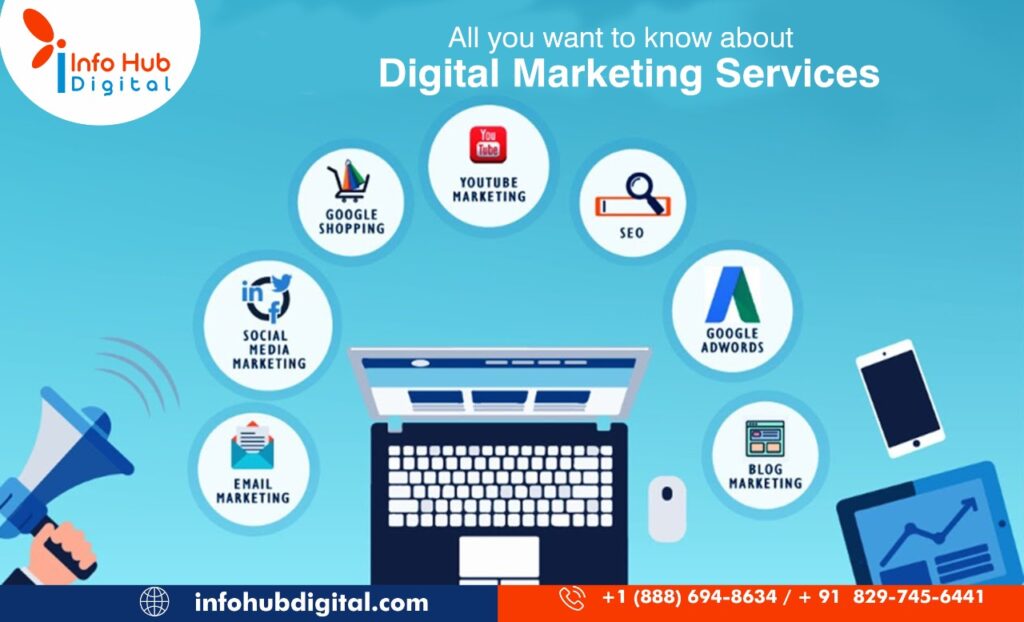
Online digital marketing includes various components such as search engine optimisation (SEO), pay-per-click (PPC) advertising, social media marketing, email marketing, content marketing, and more. Each component plays a unique role in helping businesses achieve their marketing goals.

Search Engine Optimisation (SEO)

SEO is the practice of optimising your website to rank higher in search engine results pages. By improving your website’s visibility in search engines like Google, you can attract more organic traffic and increase your chances of reaching potential customers who are actively searching for products or services related to your business.

Pay-Per-Click (PPC) Advertising

PPC advertising involves placing ads on search engines or other platforms and paying a fee each time someone clicks on your ad. This form of advertising allows businesses to target specific keywords or demographics and drive targeted traffic to their websites quickly.

Social Media Marketing

Social media has become a powerful tool for businesses to connect with their audience, build relationships, and promote their products or services. Platforms like Facebook, Instagram, Twitter, and LinkedIn offer various advertising options that allow businesses to reach their target audience effectively.

Email Marketing

Email marketing involves sending commercial messages to a group of people via email. This form of marketing is highly effective for nurturing leads, promoting new products or services, and keeping customers engaged with your brand over time.

The Benefits of Online Digital Marketing

There are numerous benefits to incorporating online digital marketing into your overall marketing strategy. Some key advantages include:

  • Increased Brand Visibility: By implementing online digital marketing strategies, you can enhance your brand’s visibility and reach a wider audience online.
  • Targeted Advertising: Online digital marketing allows you to target specific demographics or interests, ensuring that your message reaches the right people at the right time.
  • Measurable Results: With online digital marketing tools like analytics and tracking software, you can measure the success of your campaigns in real-time and make data-driven decisions to improve performance.
  • Cost-Effective: Compared to traditional forms of advertising, online digital marketing is often more cost-effective and offers a higher return on investment (ROI).

In Conclusion

Online digital marketing has revolutionised the way businesses promote their products and services in the digital age. By leveraging the power of SEO, PPC advertising, social media marketing, email campaigns, and other strategies, businesses can connect with their audience in meaningful ways and drive tangible results for their bottom line. Embracing online digital marketing is essential for staying competitive in today’s fast-paced business environment.


Understanding Online Digital Marketing: Key Strategies, Platforms, and Success Metrics for Businesses

  1. What is online digital marketing and why is it important for businesses?
  2. What are the key components of online digital marketing strategies?
  3. How can search engine optimisation (SEO) benefit my business’s online presence?
  4. What social media platforms are most effective for online digital marketing?
  5. How can businesses measure the success of their online digital marketing campaigns?

What is online digital marketing and why is it important for businesses?

Online digital marketing refers to the use of various online channels and strategies to promote products or services, engage with target audiences, and drive business growth. It encompasses a wide range of tactics such as search engine optimisation (SEO), pay-per-click (PPC) advertising, social media marketing, email campaigns, content creation, and more. Online digital marketing is crucial for businesses in today’s digital landscape as it allows them to reach a larger audience, increase brand visibility, generate leads, and ultimately boost sales. By leveraging the power of online platforms and tools, businesses can connect with their target customers in a more targeted and cost-effective manner compared to traditional marketing methods. Embracing online digital marketing is essential for staying competitive and relevant in an increasingly digital world.

What are the key components of online digital marketing strategies?

When it comes to online digital marketing strategies, understanding the key components is essential for success. The primary components include search engine optimisation (SEO), pay-per-click (PPC) advertising, social media marketing, email marketing, content marketing, and data analytics. SEO focuses on improving website visibility in search engine results, while PPC advertising involves paid ads to drive targeted traffic. Social media marketing leverages platforms like Facebook and Instagram to engage with audiences. Email marketing involves sending commercial messages via email to nurture leads. Content marketing aims to create valuable content for the target audience. Lastly, data analytics helps measure and optimise campaign performance for better results in online digital marketing efforts.

How can search engine optimisation (SEO) benefit my business’s online presence?

Search engine optimisation (SEO) plays a crucial role in enhancing your business’s online presence by improving your website’s visibility in search engine results pages. By implementing SEO best practices such as keyword optimisation, quality content creation, and technical enhancements, your website is more likely to rank higher for relevant search queries. This increased visibility not only drives organic traffic to your site but also boosts brand credibility and trust among users. Ultimately, a strong SEO strategy can lead to increased website traffic, higher conversion rates, and long-term success for your business in the competitive online landscape.

What social media platforms are most effective for online digital marketing?

When it comes to online digital marketing, businesses often wonder which social media platforms are most effective for reaching their target audience. The choice of social media platforms depends on various factors such as the nature of the business, target demographics, and marketing goals. However, some of the most commonly effective platforms for online digital marketing include Facebook, Instagram, Twitter, LinkedIn, and Pinterest. Each platform offers unique features and audience demographics that can be leveraged to create engaging content, build brand awareness, drive website traffic, and generate leads. It is essential for businesses to understand their target audience and choose the social media platforms that align best with their marketing objectives to maximise their online presence and engagement.

How can businesses measure the success of their online digital marketing campaigns?

Businesses can measure the success of their online digital marketing campaigns through various key performance indicators (KPIs) that provide valuable insights into campaign performance and effectiveness. Metrics such as website traffic, conversion rates, click-through rates, engagement levels on social media platforms, email open rates, and return on investment (ROI) are commonly used to evaluate the impact of digital marketing efforts. By tracking and analysing these KPIs, businesses can assess the reach, engagement, and conversion rates of their campaigns, allowing them to make data-driven decisions to optimise future strategies and maximise results.

internet marketing agency

Empowering Your Business Growth: The Role of an Expert Internet Marketing Agency

The Role of an Internet Marketing Agency in Boosting Your Online Presence

In today’s digital age, having a strong online presence is crucial for businesses looking to reach their target audience and stay ahead of the competition. This is where an internet marketing agency plays a vital role in helping businesses navigate the complex world of digital marketing and maximise their online visibility.

What Does an Internet Marketing Agency Do?

An internet marketing agency specialises in developing and implementing strategies to promote a business’s products or services online. This involves a range of activities, including search engine optimisation (SEO), pay-per-click (PPC) advertising, social media marketing, content creation, email marketing, and more.

By leveraging these digital channels effectively, an internet marketing agency can help businesses drive traffic to their websites, generate leads, increase sales, and build brand awareness in the competitive online landscape.

The Benefits of Hiring an Internet Marketing Agency

There are several key benefits to partnering with an internet marketing agency:

  • Expertise: Internet marketing agencies have a team of professionals with expertise in various digital marketing disciplines. They stay up-to-date with the latest trends and best practices to deliver effective strategies tailored to your business goals.
  • Time-Saving: Outsourcing your digital marketing efforts to an agency frees up your time to focus on other aspects of your business. Letting experts handle your online presence allows you to concentrate on core operations.
  • Cost-Effective: Hiring an internet marketing agency can be more cost-effective than hiring an in-house team. Agencies have the tools and resources needed for successful campaigns without the overhead costs associated with hiring full-time employees.
  • Data-Driven Results: Internet marketing agencies use data analytics to track and measure the performance of campaigns. This data-driven approach allows for continuous optimisation and improved results over time.

In Conclusion

An internet marketing agency plays a crucial role in helping businesses establish a strong online presence and reach their target audience effectively. By leveraging the expertise of professionals in the field, businesses can enhance their digital strategy, drive growth, and stay competitive in today’s fast-paced digital landscape.

If you’re looking to take your online presence to the next level, consider partnering with an internet marketing agency to unlock new opportunities for success in the digital realm.


Comprehensive Guide to Common Queries About Internet Marketing Agencies

  1. Who is the best digital marketing agency?
  2. What are internet marketing services?
  3. What is an Internet marketing agency?
  4. Who are the big 4 ad agencies?
  5. Who are the big 5 advertising agencies?
  6. What is an online marketing agency?
  7. How much should I pay a digital marketing agency?
  8. How much does a digital marketing agency charge?
  9. What is TMD marketing?
  10. What is internet marketing example?
  11. What is an internet marketing business?
  12. How much does it cost to do marketing on the internet?
  13. What are the 6 areas of Internet marketing?
  14. What is an online marketing company?
  15. What is media marketing agency?
  16. What is an example of an online agency?
  17. How many digital marketing agencies are there in the UK?
  18. How do I start an Internet marketing agency?
  19. Which agency is best for digital marketing?
  20. What does a media marketing agency do?
  21. Which company is best in digital marketing?
  22. Which is the best digital marketing agency?
  23. Is digital marketing legal in the UK?
  24. What does a marketing agency do?
  25. What is an agency in digital marketing?
  26. Who is the best online marketing company?
  27. What does an Internet marketing agency do?
  28. What is Internet marketing called?

Who is the best digital marketing agency?

When it comes to determining the best digital marketing agency, the answer can vary depending on specific needs and objectives. The best agency for one business may not necessarily be the best fit for another. Factors such as industry expertise, track record of success, range of services offered, client testimonials, and budget considerations all play a role in selecting the right digital marketing partner. It’s essential for businesses to research and evaluate various agencies to find one that aligns with their goals and values, ultimately leading to a successful and productive partnership in achieving online marketing objectives.

What are internet marketing services?

Internet marketing services encompass a range of strategies and techniques designed to promote a business’s products or services online. These services may include search engine optimisation (SEO) to improve website visibility in search engine results, pay-per-click (PPC) advertising for targeted online campaigns, social media marketing to engage with audiences on various platforms, content creation for valuable and relevant information, email marketing for direct communication with customers, and more. Internet marketing services aim to enhance a business’s online presence, drive traffic to its website, generate leads, increase sales, and build brand awareness in the competitive digital landscape. By utilising these services effectively, businesses can reach their target audience and achieve their marketing goals in the online world.

What is an Internet marketing agency?

An internet marketing agency is a specialised firm that offers a range of services to help businesses promote their products or services online. These agencies leverage various digital marketing strategies, such as search engine optimisation (SEO), pay-per-click (PPC) advertising, social media marketing, content creation, email marketing, and more, to enhance a business’s online presence and reach its target audience effectively. By utilising the expertise of professionals in the field, an internet marketing agency assists businesses in driving traffic to their websites, generating leads, increasing sales, and building brand awareness in the competitive online landscape.

Who are the big 4 ad agencies?

In the realm of advertising, the term “Big 4 ad agencies” typically refers to four major global advertising agencies known for their significant influence and reach in the industry. These agencies are WPP, Omnicom Group, Publicis Groupe, and Interpublic Group (IPG). Collectively, they hold a substantial market share and work with a wide range of clients on advertising campaigns across various media channels. Their expertise and extensive networks make them key players in shaping the landscape of modern advertising and marketing strategies.

Who are the big 5 advertising agencies?

When it comes to the big players in the advertising industry, the term “Big 5” often refers to five major global advertising agencies known for their vast influence and reach. These agencies are WPP, Omnicom Group, Publicis Groupe, Interpublic Group, and Dentsu Group. Each of these agencies has a significant presence in the advertising world, working with a wide range of clients across various industries to create impactful and memorable campaigns that resonate with audiences worldwide.

What is an online marketing agency?

An online marketing agency is a professional service provider that specialises in developing and implementing digital marketing strategies to promote businesses and their offerings on the internet. These agencies utilise a range of online channels, such as search engines, social media platforms, email campaigns, and content creation, to enhance a company’s online presence, drive targeted traffic to their website, generate leads, increase sales, and ultimately boost brand visibility and awareness in the competitive online landscape. By leveraging their expertise in various digital marketing disciplines, an online marketing agency helps businesses navigate the complexities of the digital world and achieve their goals effectively in today’s interconnected marketplace.

How much should I pay a digital marketing agency?

Determining the cost of hiring a digital marketing agency can vary depending on various factors such as the scope of services required, the size of your business, and the level of expertise needed. Pricing structures can range from monthly retainers to project-based fees or performance-based models. It’s essential to discuss your specific goals and budget with potential agencies to receive tailored quotes that align with your objectives. Investing in a reputable digital marketing agency that offers transparent pricing and delivers measurable results can be a valuable asset in achieving your online marketing goals effectively.

How much does a digital marketing agency charge?

When it comes to the cost of hiring a digital marketing agency, the fees can vary depending on several factors such as the scope of services required, the size of your business, and the level of expertise needed. Digital marketing agencies typically offer a range of pricing models, including monthly retainers, project-based fees, and performance-based pricing. It’s important to discuss your specific needs with potential agencies to get a clear understanding of their pricing structure and how it aligns with your budget and goals. Remember that investing in a reputable digital marketing agency can yield significant returns in terms of increased online visibility, lead generation, and overall business growth.

What is TMD marketing?

TMD marketing, also known as Targeted Marketing Development, is a strategic approach used by internet marketing agencies to tailor marketing campaigns specifically to target audiences based on demographic, behavioural, or psychographic factors. This personalised approach allows businesses to reach the right customers with the right message at the right time, leading to higher engagement and conversion rates. TMD marketing involves in-depth research and analysis to understand the preferences and behaviours of target audiences, enabling businesses to create more effective and impactful marketing strategies that drive results.

What is internet marketing example?

An example of internet marketing is the use of social media platforms such as Facebook, Instagram, and Twitter to promote products or services online. Businesses can create engaging content, run targeted advertising campaigns, and interact with their audience to increase brand awareness, drive website traffic, and generate leads. By leveraging the power of social media channels, businesses can reach a wider audience and engage with potential customers in a more interactive and personalised way, ultimately leading to increased sales and business growth.

What is an internet marketing business?

An internet marketing business is a company that specialises in promoting products or services online through various digital channels. These businesses leverage strategies such as search engine optimisation (SEO), pay-per-click (PPC) advertising, social media marketing, content creation, email campaigns, and more to help clients increase their online visibility and reach their target audience effectively. Internet marketing businesses play a crucial role in assisting companies in navigating the complex world of digital marketing and developing tailored strategies to enhance their online presence, drive traffic to their websites, generate leads, and ultimately boost sales and brand awareness in the competitive online landscape.

How much does it cost to do marketing on the internet?

One of the most frequently asked questions about internet marketing agencies is, “How much does it cost to do marketing on the internet?” The cost of internet marketing can vary significantly depending on factors such as the scope of services required, the size of the target audience, the competitiveness of the industry, and the goals of the marketing campaign. Internet marketing agencies typically offer a range of pricing options, from fixed packages to customised solutions tailored to meet specific budget requirements. It is essential for businesses to discuss their needs and objectives with an internet marketing agency to determine a cost-effective strategy that aligns with their budget and delivers measurable results.

What are the 6 areas of Internet marketing?

Internet marketing encompasses a wide range of strategies and tactics aimed at promoting businesses online. The six key areas of Internet marketing include search engine optimisation (SEO), pay-per-click (PPC) advertising, social media marketing, content marketing, email marketing, and influencer marketing. Each of these areas plays a crucial role in enhancing a business’s online visibility, driving traffic to their website, engaging with their target audience, and ultimately converting leads into customers. By leveraging these diverse Internet marketing channels effectively, businesses can create a comprehensive digital strategy that maximises their online presence and boosts their overall success in the competitive digital landscape.

What is an online marketing company?

An online marketing company, also known as an internet marketing agency, is a professional firm that specialises in promoting businesses and their products or services through various digital channels. These companies utilise a range of online strategies such as search engine optimisation (SEO), pay-per-click (PPC) advertising, social media marketing, email campaigns, and content creation to help businesses increase their online visibility, attract more customers, and achieve their marketing goals in the competitive online landscape. By leveraging the expertise of an online marketing company, businesses can enhance their digital presence and reach their target audience effectively in today’s digital age.

What is media marketing agency?

A media marketing agency is a specialised firm that focuses on creating and implementing strategic marketing campaigns across various media channels to promote a brand, product, or service. These agencies leverage different forms of media, such as television, radio, print, digital platforms, and social media, to reach and engage with target audiences effectively. By utilising the power of media channels, a media marketing agency helps businesses enhance their visibility, build brand awareness, drive customer engagement, and ultimately achieve their marketing objectives in a dynamic and competitive landscape.

What is an example of an online agency?

An example of an online agency is Digital Marketing Agency Ltd., a leading internet marketing agency that specialises in providing comprehensive digital solutions to businesses looking to enhance their online presence. With a team of experts skilled in SEO, PPC advertising, social media marketing, and content creation, Digital Marketing Agency Ltd. helps clients achieve their digital marketing goals and drive measurable results. Their client-centric approach and track record of success make them a prime example of an effective online agency dedicated to helping businesses succeed in the competitive digital landscape.

How many digital marketing agencies are there in the UK?

The exact number of digital marketing agencies in the UK is constantly changing due to the dynamic nature of the industry. With the increasing demand for digital marketing services, there are numerous agencies operating across the UK, ranging from small boutique firms to large full-service agencies. While it is challenging to provide an exact figure, it is safe to say that there is a diverse and competitive landscape of digital marketing agencies in the UK, offering a wide range of services to cater to the needs of businesses looking to enhance their online presence and reach their target audience effectively.

How do I start an Internet marketing agency?

Starting an internet marketing agency requires careful planning and strategic execution. To begin, you should conduct thorough market research to understand the industry landscape, identify your target audience, and assess your competition. Next, define your services and unique value proposition to differentiate yourself in the market. Establishing a strong online presence through a professional website and active social media profiles is essential for attracting potential clients. Building a network of industry contacts and leveraging referrals can also help kickstart your agency. Finally, focus on delivering high-quality services, staying updated on digital marketing trends, and continuously refining your strategies to ensure long-term success in the competitive internet marketing industry.

Which agency is best for digital marketing?

When considering which agency is best for digital marketing, it is essential to look for a company that aligns with your specific business goals and needs. The best agency for digital marketing will have a track record of success in delivering results for clients in your industry, a team of skilled professionals with expertise in various digital marketing disciplines, a transparent and collaborative approach to working with clients, and a commitment to staying up-to-date with the latest trends and technologies in the ever-evolving digital landscape. Conducting thorough research, reading client testimonials, and scheduling consultations can help you determine which agency is the best fit to help you achieve your digital marketing objectives effectively.

What does a media marketing agency do?

A media marketing agency specialises in creating and executing strategic marketing campaigns across various media channels to promote a business’s products or services. These agencies leverage traditional media (such as television, radio, print) as well as digital platforms (including social media, online advertising, email marketing) to reach and engage with target audiences effectively. By developing tailored strategies and content that resonate with consumers, a media marketing agency helps businesses enhance their brand visibility, drive customer engagement, and ultimately achieve their marketing goals in today’s competitive landscape.

Which company is best in digital marketing?

When it comes to determining the best company in digital marketing, the answer can vary depending on specific business needs and goals. There are several top digital marketing agencies known for their expertise, innovative strategies, and successful track records in helping businesses achieve online success. Conducting thorough research, reading client testimonials, and evaluating case studies can help identify a digital marketing agency that aligns with your objectives and delivers the results you seek. Ultimately, the best company in digital marketing is one that understands your unique requirements, offers tailored solutions, and demonstrates a proven ability to drive growth and engagement in the ever-evolving digital landscape.

Which is the best digital marketing agency?

When it comes to determining the best digital marketing agency, the answer can vary depending on individual business needs and goals. The best agency for one company may not necessarily be the ideal choice for another. Factors to consider when evaluating digital marketing agencies include their expertise in specific areas such as SEO, PPC, social media marketing, content creation, and overall industry experience. It is essential to research and compare agencies based on their track record, client testimonials, case studies, and the alignment of their services with your business objectives to find the right fit that can deliver results tailored to your unique requirements.

Digital marketing is legal in the UK as long as it complies with relevant laws and regulations governing data protection, consumer rights, and advertising standards. Businesses engaging in digital marketing activities must adhere to the General Data Protection Regulation (GDPR) guidelines to ensure the lawful processing of personal data. Additionally, digital marketing campaigns must be transparent, honest, and not misleading to consumers. By following these legal requirements, businesses can leverage the power of digital marketing effectively while staying compliant with UK regulations.

What does a marketing agency do?

A marketing agency specialises in developing and implementing strategies to promote a business’s products or services through various online and offline channels. These agencies work closely with clients to understand their goals and target audience, creating tailored marketing campaigns that drive brand awareness, generate leads, increase sales, and ultimately grow the business. From digital marketing tactics such as SEO, PPC advertising, social media management, content creation, and email marketing to traditional advertising methods like print and TV campaigns, a marketing agency offers a comprehensive range of services to help businesses achieve their marketing objectives effectively.

What is an agency in digital marketing?

An agency in digital marketing is a professional service provider that specialises in creating and implementing strategic online marketing campaigns for businesses. These agencies utilise various digital channels such as search engines, social media, email, and content marketing to promote a company’s products or services to a targeted audience. By leveraging their expertise in areas like SEO, PPC advertising, and social media management, digital marketing agencies help businesses enhance their online visibility, attract potential customers, and ultimately drive growth and success in the competitive digital landscape.

Who is the best online marketing company?

When it comes to determining the best online marketing company, the answer can vary depending on specific needs and objectives. The best online marketing company for one business may not necessarily be the best fit for another. Factors such as industry expertise, track record of success, range of services offered, and client testimonials all play a role in identifying the most suitable online marketing company. It is essential for businesses to conduct thorough research, compare options, and consider their unique requirements before selecting an online marketing company that aligns with their goals and values.

What does an Internet marketing agency do?

An Internet marketing agency specialises in developing and implementing strategies to promote a business’s products or services online. This involves a range of activities, including search engine optimisation (SEO), pay-per-click (PPC) advertising, social media marketing, content creation, email marketing, and more. By leveraging these digital channels effectively, an Internet marketing agency can help businesses drive traffic to their websites, generate leads, increase sales, and build brand awareness in the competitive online landscape. The agency’s expertise lies in crafting tailored digital marketing campaigns that align with the client’s goals and target audience, ultimately maximising their online visibility and impact.

What is Internet marketing called?

Internet marketing is commonly referred to as online marketing or digital marketing. It encompasses a range of strategies and tactics used to promote products or services on the internet. Internet marketing leverages various online channels such as search engines, social media platforms, email, and websites to reach target audiences and drive engagement. By utilising these digital channels effectively, businesses can increase brand visibility, generate leads, and ultimately boost sales in the competitive online landscape.

internet marketing agency

Empowering Your Brand: The Role of an Internet Marketing Agency in Today’s Digital Landscape

Article: Internet Marketing Agency

The Role of an Internet Marketing Agency in Today’s Digital Landscape

In the age of digital transformation, businesses are increasingly turning to internet marketing agencies to help them navigate the complex world of online advertising and promotion. An internet marketing agency plays a crucial role in developing and implementing strategies that drive traffic, generate leads, and increase brand visibility in the virtual realm.

Services Offered by Internet Marketing Agencies

Internet marketing agencies offer a wide range of services designed to help businesses establish a strong online presence and reach their target audience effectively. Some common services provided by these agencies include:

  • Search Engine Optimization (SEO): Optimizing website content to improve search engine rankings and attract organic traffic.
  • Pay-Per-Click (PPC) Advertising: Creating targeted ad campaigns to drive traffic to websites and generate leads.
  • Social Media Marketing: Engaging with audiences on popular social media platforms to build brand awareness and customer loyalty.
  • Email Marketing: Sending personalized email campaigns to nurture leads and convert them into customers.
  • Content Marketing: Creating valuable and relevant content to attract, engage, and retain target audiences.
  • Analytics and Reporting: Monitoring campaign performance, analyzing data, and providing insights for continuous improvement.

The Benefits of Working with an Internet Marketing Agency

Collaborating with an internet marketing agency offers several benefits for businesses looking to enhance their online presence:

  • Expertise: Internet marketing agencies have specialist knowledge and experience in digital marketing strategies that can help businesses achieve their goals efficiently.
  • Cost-Effectiveness: Outsourcing digital marketing activities to an agency can be more cost-effective than hiring an in-house team while ensuring high-quality results.
  • Data-Driven Decisions: Agencies use data analytics tools to track campaign performance, measure ROI, and make informed decisions based on real-time insights.
  • Fresh Perspectives: Internet marketing agencies bring fresh ideas and perspectives that can rejuvenate a business’s online marketing efforts and keep them ahead of the competition.

In Conclusion

In today’s competitive digital landscape, partnering with an internet marketing agency can give businesses a strategic advantage by leveraging the latest tools, technologies, and trends in online advertising. By harnessing the expertise of these agencies, businesses can enhance their online visibility, engage with their target audience effectively, and ultimately drive growth in the digital space.


Essential FAQs About Choosing and Working with an Internet Marketing Agency

  1. What services do internet marketing agencies offer?
  2. How can an internet marketing agency help my business grow?
  3. What is the difference between SEO and PPC?
  4. How do internet marketing agencies measure the success of their campaigns?
  5. Do I need to have a big budget to work with an internet marketing agency?
  6. Can an internet marketing agency help improve my website’s search engine rankings?
  7. How long does it take to see results from internet marketing efforts?
  8. What should I look for when choosing an internet marketing agency?

What services do internet marketing agencies offer?

Internet marketing agencies offer a comprehensive range of services to help businesses establish a strong online presence and reach their target audience effectively. These services typically include Search Engine Optimization (SEO) to improve website visibility in search engine results, Pay-Per-Click (PPC) advertising for targeted ad campaigns, Social Media Marketing to engage with audiences on platforms like Facebook and Instagram, Email Marketing for personalized campaigns, Content Marketing to create valuable content, and Analytics and Reporting to track performance and provide insights for continuous improvement. By providing a holistic approach to digital marketing, internet marketing agencies empower businesses to enhance brand visibility, drive traffic, generate leads, and ultimately achieve their online marketing goals.

How can an internet marketing agency help my business grow?

An internet marketing agency can significantly contribute to the growth of your business by leveraging its expertise in digital strategies and online promotion. By partnering with an internet marketing agency, you can benefit from tailored solutions that target your specific audience, increase brand visibility, and drive traffic to your website. These agencies employ a range of services such as search engine optimization (SEO), pay-per-click (PPC) advertising, social media marketing, and content creation to enhance your online presence and engage with potential customers effectively. With their data-driven approach, internet marketing agencies can track campaign performance, analyse results, and make informed decisions to optimise your digital marketing efforts for maximum impact, ultimately leading to business growth and success in the competitive online landscape.

What is the difference between SEO and PPC?

When it comes to internet marketing, a common question that arises is about the difference between SEO (Search Engine Optimization) and PPC (Pay-Per-Click) advertising. SEO focuses on optimizing website content and structure to improve organic search engine rankings, driving traffic through unpaid search results. On the other hand, PPC involves creating targeted ads that appear at the top of search engine results pages or on other websites, with advertisers paying a fee each time their ad is clicked. While SEO is a long-term strategy that builds organic visibility over time, PPC provides immediate visibility but requires ongoing investment. Both SEO and PPC are essential components of a comprehensive digital marketing strategy, each offering unique benefits and serving distinct purposes in driving online traffic and conversions.

How do internet marketing agencies measure the success of their campaigns?

Internet marketing agencies employ various metrics and key performance indicators (KPIs) to measure the success of their campaigns. These may include website traffic, conversion rates, click-through rates, engagement metrics (such as likes, shares, comments), lead generation numbers, return on investment (ROI), and customer acquisition costs. By analysing these data points and performance indicators, internet marketing agencies can evaluate the effectiveness of their campaigns, identify areas for improvement, and make data-driven decisions to optimise future strategies for maximum impact and results.

Do I need to have a big budget to work with an internet marketing agency?

When considering working with an internet marketing agency, a common question that arises is whether a big budget is necessary. The answer to this question largely depends on your specific goals, target audience, and the scope of services you require. While some internet marketing agencies may cater to clients with larger budgets and offer comprehensive packages, many agencies also provide scalable solutions that can be tailored to suit varying budget sizes. It’s essential to communicate your budget constraints upfront with the agency to explore options and find a solution that aligns with your financial resources while still achieving your digital marketing objectives effectively.

Can an internet marketing agency help improve my website’s search engine rankings?

Engaging the services of an internet marketing agency can indeed play a pivotal role in enhancing your website’s search engine rankings. A reputable agency will employ a range of strategies, such as search engine optimization (SEO), content marketing, and link building, to boost your website’s visibility and relevance in search engine results pages. By conducting thorough keyword research, optimizing on-page elements, and implementing best SEO practices, an internet marketing agency can help improve your website’s organic traffic and overall online presence. With their expertise and tailored approach, these agencies can significantly contribute to elevating your website’s search engine rankings and driving valuable traffic to your online platform.

How long does it take to see results from internet marketing efforts?

One frequently asked question regarding internet marketing agencies is, “How long does it take to see results from internet marketing efforts?” The timeline for seeing tangible results from internet marketing efforts can vary depending on various factors such as the specific goals of the campaign, the competitiveness of the industry, the effectiveness of the strategies implemented, and the consistency of efforts. In general, businesses may start to see initial improvements in website traffic and engagement within a few weeks to a few months of launching a digital marketing campaign. However, achieving significant results such as increased conversions and revenue may take several months to a year or more, as online visibility and brand recognition gradually grow over time with continuous optimization and refinement of strategies. Patience, persistence, and data-driven decision-making are key elements in realising the full potential of internet marketing efforts.

What should I look for when choosing an internet marketing agency?

When choosing an internet marketing agency, it is essential to consider several key factors to ensure that you find the right partner for your digital marketing needs. Firstly, look for an agency with a proven track record of success in delivering results for clients in your industry. Additionally, consider the range of services offered by the agency and whether they align with your specific goals and objectives. Transparency and communication are also crucial aspects to look for, as a good agency should keep you informed and involved throughout the process. Finally, assess the expertise and experience of the agency’s team members to ensure they have the skills necessary to execute effective digital marketing strategies tailored to your business.

integrated digital marketing

Mastering the Art of Integrated Digital Marketing: Strategies for Success

The Power of Integrated Digital Marketing

Integrated digital marketing is a strategic approach that combines various online channels and tactics to create a cohesive and seamless experience for consumers. In today’s fast-paced digital landscape, where consumers are constantly bombarded with information, integrated marketing is essential for businesses looking to stand out and engage their target audience effectively.

What is Integrated Digital Marketing?

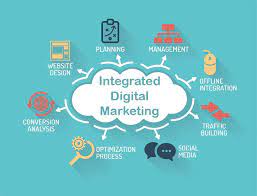
Integrated digital marketing involves synchronising different aspects of online marketing, such as search engine optimisation (SEO), social media marketing, email campaigns, content creation, and paid advertising, into a unified strategy. By aligning these channels and ensuring consistent messaging across all touchpoints, businesses can create a more impactful and memorable brand experience for their customers.

The Benefits of Integrated Digital Marketing

Improved Brand Consistency: By maintaining a consistent brand voice and visual identity across all digital channels, businesses can build trust and recognition among their target audience.

Enhanced Customer Experience: Integrated marketing allows businesses to provide a seamless customer journey from awareness to conversion, leading to higher engagement and loyalty.

Increased ROI: By coordinating different marketing efforts, businesses can maximise their resources and achieve better results in terms of lead generation, sales, and overall return on investment.

Key Strategies for Implementing Integrated Digital Marketing

Develop a Comprehensive Strategy: Start by defining your goals, target audience, key messages, and KPIs. This will help guide your integrated marketing efforts towards achieving measurable results.

Use Data Analytics: Leverage data analytics tools to track the performance of your campaigns across various channels. This data-driven approach will enable you to make informed decisions and optimise your strategies for better outcomes.

Coordinate Campaigns Across Channels: Ensure that your messaging is consistent across all digital platforms to create a unified brand experience for your audience. Integrate your content strategy with SEO, social media, email marketing, and other tactics for maximum impact.

The Future of Integrated Digital Marketing

In an increasingly competitive digital landscape, integrated marketing will continue to play a crucial role in helping businesses cut through the noise and connect with their target audience effectively. By embracing this holistic approach to online marketing, businesses can drive growth, foster customer loyalty, and stay ahead of the curve in the ever-evolving digital world.


9 Essential Tips for Crafting a Successful Integrated Digital Marketing Strategy

  1. 1. Define clear objectives and goals for your integrated digital marketing strategy.
  2. 2. Understand your target audience to tailor your messages effectively across different channels.
  3. 3. Ensure consistency in branding and messaging to maintain a cohesive brand image.
  4. 4. Use data analytics to track and measure the performance of your campaigns across various platforms.
  5. 5. Integrate SEO best practices to improve visibility and drive organic traffic to your website.
  6. 6. Utilize social media platforms strategically to engage with customers and build relationships.
  7. 7. Implement email marketing campaigns to nurture leads and maintain communication with customers.
  8. 8. Consider using paid advertising such as PPC campaigns for targeted reach and quick results.
  9. 9. Regularly review and adjust your strategies based on insights gathered from performance metrics.

1. Define clear objectives and goals for your integrated digital marketing strategy.

To maximise the effectiveness of your integrated digital marketing strategy, it is crucial to define clear objectives and goals from the outset. By establishing specific and measurable targets, such as increasing website traffic, generating leads, or boosting brand awareness, you can align your marketing efforts towards achieving tangible results. Clear objectives not only provide focus and direction but also serve as benchmarks for evaluating the success of your integrated digital campaigns. Setting well-defined goals ensures that your strategy remains purposeful and impactful in engaging your target audience across various online channels.

2. Understand your target audience to tailor your messages effectively across different channels.

To maximise the impact of integrated digital marketing, it is crucial to have a deep understanding of your target audience. By gaining insights into their preferences, behaviours, and needs, you can tailor your messages effectively across various online channels. This personalised approach not only enhances engagement but also fosters stronger connections with your audience, ultimately driving better results and building long-lasting relationships with customers.

3. Ensure consistency in branding and messaging to maintain a cohesive brand image.

To succeed in integrated digital marketing, it is crucial to ensure consistency in branding and messaging across all online channels. By maintaining a cohesive brand image, businesses can build trust and recognition among their target audience. Consistent branding helps reinforce the brand’s values, personality, and visual identity, creating a seamless experience for consumers as they interact with the brand across different touchpoints. This unified approach not only enhances brand recall but also strengthens customer loyalty and engagement in the long run.

4. Use data analytics to track and measure the performance of your campaigns across various platforms.

Utilising data analytics to monitor and evaluate the effectiveness of your campaigns across different platforms is a crucial aspect of integrated digital marketing. By leveraging data-driven insights, businesses can gain valuable information on the performance of their marketing efforts, identify trends, and make informed decisions to optimise their strategies for better results. Tracking key metrics and analysing campaign data allows businesses to refine their approach, allocate resources effectively, and ultimately enhance the overall impact of their integrated marketing initiatives.

5. Integrate SEO best practices to improve visibility and drive organic traffic to your website.

Integrating SEO best practices is essential for enhancing visibility and driving organic traffic to your website. By optimising your online content with relevant keywords, meta tags, and quality backlinks, you can improve your search engine rankings and attract more qualified visitors to your site. Implementing SEO strategies as part of your integrated digital marketing approach not only boosts your online presence but also helps you reach a wider audience who are actively searching for products or services like yours.

6. Utilize social media platforms strategically to engage with customers and build relationships.

Utilising social media platforms strategically is a key aspect of integrated digital marketing. By engaging with customers and building relationships through platforms such as Facebook, Instagram, Twitter, and LinkedIn, businesses can create a direct line of communication with their target audience. This interaction not only helps in fostering brand loyalty but also allows for real-time feedback and insights that can inform future marketing strategies. By leveraging the power of social media in a thoughtful and purposeful manner, businesses can strengthen their online presence and connect with customers on a more personal level.

7. Implement email marketing campaigns to nurture leads and maintain communication with customers.

Implementing email marketing campaigns is a crucial aspect of integrated digital marketing. By utilising targeted and personalised emails, businesses can nurture leads, build relationships with customers, and drive engagement. Email campaigns allow for ongoing communication with customers, providing valuable updates, promotions, and relevant content that keep the brand top-of-mind. This consistent interaction helps to foster trust and loyalty among customers, ultimately leading to increased conversions and long-term success for the business.

8. Consider using paid advertising such as PPC campaigns for targeted reach and quick results.

When implementing integrated digital marketing strategies, it is essential to consider utilising paid advertising options like PPC campaigns. Pay-Per-Click (PPC) advertising allows businesses to target specific audiences with precision and achieve quick results. By investing in PPC campaigns, businesses can increase their online visibility, drive targeted traffic to their website, and generate leads effectively. This paid advertising approach complements other digital marketing efforts and can provide a significant boost to overall campaign performance.

9. Regularly review and adjust your strategies based on insights gathered from performance metrics.

Regularly reviewing and adjusting your digital marketing strategies based on insights gathered from performance metrics is crucial for the success of integrated digital marketing efforts. By analysing key performance indicators such as website traffic, conversion rates, engagement metrics, and ROI, businesses can identify what is working well and what needs improvement. This data-driven approach allows businesses to make informed decisions, optimise their campaigns for better results, and stay agile in responding to changing market dynamics. Continuous monitoring and adjustment ensure that integrated marketing strategies remain effective and aligned with business goals in the ever-evolving digital landscape.

integrated digital marketing

Mastering the Art of Integrated Digital Marketing: Strategies for Success

The Power of Integrated Digital Marketing

The Power of Integrated Digital Marketing

In today’s fast-paced digital landscape, businesses are constantly seeking ways to stand out and reach their target audience effectively. One powerful strategy that has gained significant traction is integrated digital marketing.

Integrated digital marketing involves the harmonious combination of various online marketing channels and tactics to create a cohesive and unified approach. By blending elements such as social media, content marketing, email campaigns, SEO, PPC advertising, and more, businesses can amplify their brand message and engage with customers across multiple touchpoints.

Benefits of Integrated Digital Marketing:

  • Consistent Branding: By aligning messaging and design elements across different channels, businesses can establish a strong and recognisable brand identity.
  • Improved Customer Experience: Integrated campaigns provide a seamless experience for customers as they move through the buying journey, leading to higher satisfaction and loyalty.
  • Data-Driven Insights: By integrating data from various sources, businesses gain valuable insights into customer behaviour and preferences, allowing for more targeted and effective marketing strategies.
  • Increased ROI: A cohesive approach to digital marketing ensures that resources are allocated efficiently and campaigns work together synergistically to maximise return on investment.

Key Strategies for Successful Integration:

To implement an effective integrated digital marketing strategy, businesses should focus on the following key strategies:

  1. Cross-Channel Coordination: Ensure that messaging is consistent across all channels to provide a unified brand experience.
  2. Data Integration: Use data analytics tools to gather insights from different channels and leverage this information to tailor campaigns for specific audience segments.
  3. Campaign Synchronisation: Coordinate the timing of campaigns across channels to create a cohesive narrative that resonates with customers at every touchpoint.
  4. Multichannel Attribution: Assign credit accurately to each channel that contributes to conversions, allowing for better optimisation of marketing efforts.

In conclusion, integrated digital marketing offers businesses a powerful way to connect with their audience in a meaningful and impactful manner. By combining the strengths of various online channels into a unified strategy, businesses can enhance brand visibility, drive engagement, and ultimately achieve their marketing goals in today’s competitive digital landscape.


Seven Advantages of Integrated Digital Marketing: Boosting Branding, Efficiency, and Customer Engagement

  1. Consistent branding across multiple channels
  2. Improved customer experience through seamless interactions
  3. Better understanding of customer behaviour and preferences
  4. Increased efficiency by combining resources and efforts
  5. Enhanced targeting capabilities for more personalised campaigns
  6. Higher ROI through synergistic marketing strategies
  7. Ability to adapt and respond quickly to market trends


Navigating the Challenges of Integrated Digital Marketing: Complexity, Consistency, and Costs

  1. Complexity
  2. Consistency Challenges
  3. Integration Costs

Consistent branding across multiple channels

Maintaining consistent branding across multiple channels is a key advantage of integrated digital marketing. By ensuring that the brand message, visual identity, and tone of voice remain uniform across various online platforms such as social media, websites, email campaigns, and advertising, businesses can build a strong and recognisable brand image. This consistency helps to reinforce brand recall among customers and fosters trust and credibility, ultimately leading to increased brand loyalty and engagement.

Improved customer experience through seamless interactions

Integrated digital marketing offers businesses the pro of improved customer experience through seamless interactions. By aligning messaging and design elements across various online channels, businesses can provide customers with a cohesive and consistent brand experience. This seamless approach ensures that customers encounter a unified message regardless of the platform they engage with, leading to higher satisfaction and loyalty. Through integrated digital marketing, businesses can create a smooth journey for their customers, enhancing their overall experience and strengthening the relationship between the brand and its audience.

Better understanding of customer behaviour and preferences

One significant advantage of integrated digital marketing is the ability to gain a deeper understanding of customer behaviour and preferences. By integrating data from various online channels, businesses can track and analyse customer interactions to identify patterns, trends, and preferences. This valuable insight allows companies to tailor their marketing strategies more effectively, delivering personalised content and experiences that resonate with their target audience. Ultimately, this enhanced understanding of customer behaviour enables businesses to make informed decisions that drive engagement, loyalty, and conversions.

Increased efficiency by combining resources and efforts

One significant advantage of integrated digital marketing is the increased efficiency achieved by combining resources and efforts across various online channels. By consolidating marketing activities and coordinating strategies, businesses can streamline their processes, reduce duplication of work, and maximise the impact of their campaigns. This collaborative approach not only saves time and resources but also allows for a more cohesive and targeted marketing effort that resonates with the audience effectively. Ultimately, this efficiency leads to a higher return on investment and better overall results for the business.

Enhanced targeting capabilities for more personalised campaigns

Integrated digital marketing offers enhanced targeting capabilities for more personalised campaigns. By consolidating data from various online channels, businesses can gain a deeper understanding of their target audience’s preferences, behaviours, and demographics. This rich data enables businesses to create highly tailored and relevant campaigns that resonate with individual customers on a more personal level. Through precise targeting, businesses can deliver customised messages to the right audience at the right time, increasing engagement and driving conversions effectively in today’s competitive digital landscape.

Higher ROI through synergistic marketing strategies

Integrated digital marketing offers businesses the advantage of higher return on investment (ROI) through synergistic marketing strategies. By aligning and coordinating various online channels, businesses can create campaigns that work together harmoniously to amplify the impact of their marketing efforts. This collaborative approach ensures that resources are optimally utilised, leading to increased efficiency and effectiveness in reaching and engaging with target audiences. As a result, businesses can achieve a higher ROI by leveraging the combined strength of multiple digital channels to drive conversions and maximise the value of their marketing investments.

One key advantage of integrated digital marketing is its ability to adapt and respond swiftly to evolving market trends. By leveraging multiple online channels and data analytics, businesses can stay agile and make real-time adjustments to their marketing strategies based on changing consumer behaviours and industry developments. This flexibility enables companies to seize new opportunities, address emerging challenges, and ensure that their campaigns remain relevant and effective in a dynamic digital landscape.

Complexity

In the realm of integrated digital marketing, one notable drawback is the inherent complexity that arises from managing multiple channels and coordinating campaigns. This complexity can be overwhelming and time-consuming for businesses, demanding significant resources in terms of manpower, expertise, and financial investment. Juggling various online platforms while ensuring a seamless and cohesive brand presence across all channels poses a challenge that may hinder efficiency and effectiveness in marketing efforts. Navigating this complexity requires careful planning, strategic coordination, and continuous monitoring to overcome the hurdles associated with integrating diverse digital marketing channels.

Consistency Challenges

Maintaining consistent messaging and branding across various platforms can be a significant challenge in integrated digital marketing. The need to ensure uniformity in tone, design, and content while catering to the unique requirements of each platform can sometimes result in inconsistencies that may confuse customers. This lack of coherence can dilute the brand’s identity and message, potentially hindering the effectiveness of marketing efforts. Addressing these consistency challenges requires careful planning, coordination, and monitoring to uphold a cohesive brand image that resonates with audiences across all digital touchpoints.

Integration Costs

One significant drawback of integrated digital marketing is the con of integration costs. Implementing integrated digital marketing strategies often necessitates investments in technology, tools, and training. These additional expenses can contribute to an increase in the overall marketing budget for businesses. The need to acquire and implement new systems or platforms, provide staff with training on how to use them effectively, and maintain these resources can pose financial challenges for organisations looking to adopt a comprehensive integrated approach to their digital marketing efforts.

international digital marketing agency

Empowering Global Growth: The Role of an International Digital Marketing Agency

The Role of an International Digital Marketing Agency in Today’s Global Business Landscape

In the digital age, businesses are no longer confined by geographical boundaries. With the rise of the internet and social media, companies have the opportunity to reach a global audience like never before. This is where international digital marketing agencies play a crucial role in helping businesses expand their reach and grow their presence on a global scale.

What is an International Digital Marketing Agency?

An international digital marketing agency is a specialised firm that offers comprehensive digital marketing services to clients operating in multiple countries or looking to target audiences across different regions. These agencies are equipped with the knowledge, expertise, and resources to navigate the complexities of international markets and create customised strategies that resonate with diverse audiences.

The Benefits of Working with an International Digital Marketing Agency

Global Reach: By partnering with an international digital marketing agency, businesses can tap into new markets and connect with customers around the world. These agencies have a deep understanding of cultural nuances, language preferences, and market trends in various regions, enabling them to create targeted campaigns that drive engagement and conversions.

Multilingual Expertise: Language is a powerful tool in marketing, and international digital marketing agencies often have multilingual teams that can create content tailored to specific audiences. Whether it’s website translation, social media posts, or email campaigns, having experts who understand the nuances of different languages can significantly enhance communication with global customers.

Cross-Cultural Understanding: Successful marketing campaigns require more than just translating words – they need to resonate with the target audience on a deeper level. International digital marketing agencies bring cross-cultural expertise to the table, ensuring that your brand message is culturally relevant and resonates with consumers across different regions.

Key Services Offered by International Digital Marketing Agencies

International digital marketing agencies offer a wide range of services designed to help businesses succeed in global markets. Some key services include:

  • Market Research: Conducting thorough market research to identify opportunities and challenges in target markets.
  • SEO & SEM: Optimising websites for search engines and running targeted search engine marketing campaigns.
  • Social Media Management: Creating engaging social media content tailored to different platforms and audiences.
  • Email Marketing: Developing personalised email campaigns to nurture leads and drive conversions.
  • Analytics & Reporting: Monitoring campaign performance and providing actionable insights for continuous improvement.

In Conclusion

In today’s interconnected world, expanding your business globally requires a strategic approach to digital marketing. By partnering with an international digital marketing agency, businesses can leverage expertise, resources, and insights needed to navigate complex international markets successfully. From building brand awareness to driving conversions, these agencies play a vital role in helping businesses thrive on a global scale.


Unlocking Global Potential: 8 Advantages of an International Digital Marketing Agency

  1. Global reach to connect with audiences worldwide
  2. Multilingual expertise for effective communication in different languages
  3. Cross-cultural understanding to resonate with diverse audiences
  4. Access to international market insights and trends
  5. Customised strategies tailored to specific regions and demographics
  6. Increased brand visibility on a global scale
  7. Ability to navigate complex international markets effectively
  8. Comprehensive services covering SEO, social media, email marketing, and more


Challenges Faced by International Digital Marketing Agencies: Navigating Language, Culture, and Compliance

  1. Language Barriers
  2. Cultural Misinterpretations
  3. Time Zone Differences
  4. Legal Compliance Issues
  5. Budget Constraints
  6. Quality Control

Global reach to connect with audiences worldwide

One of the key advantages of partnering with an international digital marketing agency is the ability to achieve global reach and connect with audiences worldwide. These agencies have the expertise and resources to help businesses expand their reach beyond borders, tapping into new markets and engaging with diverse audiences across different regions. By leveraging their knowledge of cultural nuances, language preferences, and market trends in various countries, international digital marketing agencies can create targeted campaigns that resonate with global customers, driving brand awareness and fostering meaningful connections on a global scale.

Multilingual expertise for effective communication in different languages

One of the key advantages of partnering with an international digital marketing agency is their multilingual expertise, which enables effective communication in different languages. By having a team that understands the nuances and cultural sensitivities of various languages, businesses can create tailored content that resonates with diverse global audiences. This capability not only helps in breaking down language barriers but also ensures that the brand message is accurately conveyed, leading to better engagement and connection with customers worldwide.

Cross-cultural understanding to resonate with diverse audiences

One of the key advantages of partnering with an international digital marketing agency is their deep cross-cultural understanding, allowing businesses to resonate effectively with diverse audiences across different regions. By leveraging this expertise, these agencies can craft marketing campaigns that go beyond mere translation and truly connect with customers on a cultural level. This nuanced approach ensures that the brand message is not only understood but also appreciated by target audiences worldwide, leading to increased engagement and loyalty.

An invaluable benefit of partnering with an international digital marketing agency is the access to comprehensive international market insights and trends. These agencies possess a deep understanding of global markets, cultural nuances, and consumer behaviours across different regions. By leveraging this knowledge, businesses can stay ahead of the curve and tailor their marketing strategies to resonate with diverse audiences worldwide. This access to up-to-date market intelligence enables companies to make informed decisions, adapt their campaigns effectively, and capitalise on emerging trends in international markets for sustainable growth and success.

Customised strategies tailored to specific regions and demographics

An inherent advantage of partnering with an international digital marketing agency is their ability to craft customised strategies that are finely tailored to specific regions and demographics. By understanding the unique characteristics, preferences, and behaviours of diverse audiences across different parts of the world, these agencies can create targeted campaigns that resonate on a local level. This level of personalisation not only enhances engagement and brand relevance but also increases the likelihood of driving conversions and building long-lasting relationships with customers in various regions.

Increased brand visibility on a global scale

One significant advantage of partnering with an international digital marketing agency is the increased brand visibility on a global scale. By leveraging the expertise and resources of such agencies, businesses can expand their reach beyond local markets and connect with audiences worldwide. Through targeted strategies tailored to different regions and cultures, international digital marketing agencies help elevate brand awareness and recognition on a global level, ultimately positioning businesses for success in diverse markets around the world.

Ability to navigate complex international markets effectively

One significant advantage of partnering with an international digital marketing agency is their ability to navigate complex international markets effectively. These agencies possess the expertise and experience to understand the intricacies of diverse markets, including cultural differences, language preferences, and regulatory requirements. By leveraging their knowledge, international digital marketing agencies can develop tailored strategies that resonate with target audiences in various regions, ensuring that businesses can expand their global reach and achieve success in competitive international landscapes.

Comprehensive services covering SEO, social media, email marketing, and more

An advantageous aspect of partnering with an international digital marketing agency is their provision of comprehensive services that encompass a wide range of key digital marketing strategies. From Search Engine Optimization (SEO) to social media management, email marketing campaigns, and beyond, these agencies offer a holistic approach to enhancing a brand’s online presence and engagement. By integrating various digital marketing channels seamlessly, businesses can benefit from a cohesive strategy that maximises reach, engagement, and conversion opportunities across diverse global markets.

Language Barriers

Language barriers can present a significant challenge when collaborating with multilingual teams within an international digital marketing agency. Miscommunications and delays may occur due to differences in language proficiency and cultural nuances, potentially impacting the efficiency and effectiveness of marketing campaigns. Clear communication is essential in ensuring that all team members are on the same page and working towards common goals, highlighting the importance of effective language management strategies to overcome these obstacles and foster seamless collaboration in a global setting.

Cultural Misinterpretations

Cultural misinterpretations pose a significant challenge for international digital marketing agencies. Failure to grasp the nuances of different cultural contexts can lead to ineffective or even offensive marketing campaigns. What resonates positively with one audience may not have the same impact in another culture. It is essential for agencies to conduct thorough research and work with experts who understand the intricacies of each target market to ensure that messages are culturally sensitive and relevant. By addressing cultural differences proactively, international digital marketing agencies can avoid misinterpretations and create campaigns that truly connect with diverse audiences.

Time Zone Differences

Time Zone Differences can pose a significant challenge for international digital marketing agencies. Coordinating meetings, deadlines, and project timelines across multiple time zones can lead to delays in communication and decision-making processes. The need to accommodate different working hours and schedules can sometimes result in slower progress and hinder the efficiency of collaborative efforts. It requires careful planning and effective communication strategies to overcome these obstacles and ensure seamless coordination among team members and clients located in various parts of the world.

Navigating diverse legal requirements in various countries can be a significant challenge for international digital marketing agencies. The complex landscape of regulations and laws across different regions can pose compliance risks that need to be carefully managed. From data protection laws to advertising standards, ensuring legal compliance in international campaigns requires a deep understanding of each country’s regulations and the ability to adapt strategies accordingly. Failure to address legal compliance issues can lead to penalties, reputational damage, and even the suspension of marketing activities in certain markets, highlighting the importance of having a thorough grasp of legal considerations in global digital marketing efforts.

Budget Constraints

Budget constraints can pose a significant challenge for international digital marketing agencies. Managing budgets for global marketing initiatives can be complex and unpredictable, as costs fluctuate across regions and currencies. The need to allocate resources effectively while navigating currency exchange rates and varying price structures in different markets requires careful planning and strategic decision-making. Failure to address budget constraints adequately can hinder the success of international marketing campaigns and limit the agency’s ability to maximise ROI for clients operating on a global scale.

Quality Control

Quality control is a significant challenge faced by international digital marketing agencies. Maintaining consistent quality standards in content creation and campaign implementation across diverse markets can be a demanding task. Differences in cultural preferences, language nuances, and market trends require meticulous attention to detail to ensure that the messaging resonates effectively with each target audience. Without stringent quality control measures in place, there is a risk of inconsistencies that could dilute the brand message and impact the overall success of digital marketing campaigns on a global scale.

international digital marketing agency

Elevate Your Global Reach with an International Digital Marketing Agency

The Power of International Digital Marketing Agencies

In today’s globalised world, businesses are no longer confined by geographical boundaries. The rise of the internet has opened up endless opportunities for companies to reach audiences around the world. This is where international digital marketing agencies play a crucial role in helping businesses expand their reach and maximise their online presence.

International digital marketing agencies are experts in navigating the complexities of global markets. They understand the nuances of different cultures, languages, and consumer behaviours, allowing them to create tailored strategies that resonate with diverse audiences. By leveraging their expertise, businesses can effectively target customers in various countries and regions, driving brand awareness and increasing sales.

One of the key advantages of working with an international digital marketing agency is access to a wealth of knowledge and resources. These agencies often have teams located in multiple countries, giving them insights into local trends and preferences. This allows businesses to craft campaigns that are not only relevant but also culturally sensitive, avoiding potential pitfalls that could harm their reputation.

Furthermore, international digital marketing agencies have a deep understanding of global digital platforms and technologies. From search engine optimisation (SEO) to social media advertising, these agencies can implement strategies that optimise online visibility and engagement across different markets. By staying ahead of digital trends and best practices, businesses can stay competitive in an increasingly crowded online landscape.

Collaborating with an international digital marketing agency also offers scalability and flexibility for businesses looking to expand globally. Whether it’s launching a new product in overseas markets or localising content for different regions, these agencies can provide the necessary support and expertise to ensure successful outcomes.

In conclusion, international digital marketing agencies play a vital role in helping businesses navigate the complexities of global markets and reach audiences worldwide. Their expertise, resources, and strategic insights are invaluable assets for companies looking to expand their online presence and drive growth on a global scale.


7 Essential Tips for Succeeding with an International Digital Marketing Agency

  1. Understand cultural differences for effective communication and marketing strategies.
  2. Localize content to resonate with target audiences in different regions.
  3. Stay updated on international trends and digital marketing best practices.
  4. Utilize multilingual SEO to improve visibility in global search engines.
  5. Collaborate with local influencers to enhance brand awareness in specific markets.
  6. Adapt social media strategies based on platform popularity in various countries.
  7. Monitor and analyse data from diverse markets to refine campaigns for better results.

Understand cultural differences for effective communication and marketing strategies.

To succeed in international digital marketing, it is crucial to understand and respect cultural differences. Effective communication and marketing strategies must take into account the unique values, beliefs, and behaviours of target audiences in different countries. By tailoring content and messaging to align with cultural norms and preferences, businesses can establish meaningful connections with customers, build trust, and drive engagement. Cultural sensitivity not only enhances brand perception but also ensures that marketing efforts resonate authentically with diverse audiences, ultimately leading to greater success in global markets.

Localize content to resonate with target audiences in different regions.

Localizing content is a crucial strategy employed by international digital marketing agencies to ensure that businesses can effectively connect with their target audiences in different regions. By adapting content to resonate with local cultures, languages, and preferences, businesses can enhance engagement and build trust with customers worldwide. This approach not only demonstrates a commitment to understanding and respecting diverse audiences but also increases the likelihood of success in global markets by delivering messages that are relevant and relatable.

To succeed in the ever-evolving landscape of international digital marketing, it is essential to stay updated on international trends and digital marketing best practices. By keeping abreast of the latest developments in global markets and staying informed about emerging technologies and strategies, businesses can adapt their approach to effectively engage with diverse audiences worldwide. This proactive approach not only ensures relevance and competitiveness but also enables businesses to capitalise on new opportunities and stay ahead of the curve in an increasingly interconnected digital world.

Utilize multilingual SEO to improve visibility in global search engines.

To enhance visibility in global search engines, it is essential for businesses to leverage multilingual SEO strategies. By optimising website content in multiple languages, international digital marketing agencies can improve search engine rankings for specific regions and target audiences. This approach not only increases the likelihood of reaching a diverse range of users but also ensures that the content resonates with local language preferences and search queries. Multilingual SEO is a powerful tool for expanding online presence globally and driving organic traffic to websites across different language markets.

Collaborate with local influencers to enhance brand awareness in specific markets.

Collaborating with local influencers can be a powerful strategy to enhance brand awareness in specific markets. By partnering with influencers who have a strong presence and influence within their local communities, businesses can tap into an engaged audience and build credibility more effectively. Local influencers understand the cultural nuances and preferences of their audience, allowing them to create authentic and resonant content that aligns with the brand’s messaging. This approach not only helps in reaching a targeted audience but also in establishing a genuine connection that can lead to increased brand visibility and trust in the market.

Adapt social media strategies based on platform popularity in various countries.

To maximise the effectiveness of international digital marketing campaigns, it is essential to adapt social media strategies based on the popularity of platforms in different countries. Understanding which social media platforms are widely used by target audiences in specific regions allows businesses to tailor their content and engagement tactics accordingly. By focusing on the most popular platforms in each country, companies can effectively reach and connect with local consumers, increasing brand visibility and engagement levels. This strategic approach ensures that social media efforts resonate with diverse audiences worldwide, driving successful outcomes for global marketing initiatives.

Monitor and analyse data from diverse markets to refine campaigns for better results.

To maximise the effectiveness of international digital marketing campaigns, it is essential to monitor and analyse data from diverse markets. By closely examining metrics such as website traffic, engagement rates, and conversion rates across different regions, businesses can gain valuable insights into consumer behaviour and preferences. This data-driven approach enables companies to refine their campaigns, tailor messaging to specific audiences, and allocate resources more effectively for improved results. Continuous monitoring and analysis of data from diverse markets are key strategies for optimising digital marketing efforts on a global scale.

international digital marketing

Mastering the Art of International Digital Marketing: Strategies for Global Success

The Power of International Digital Marketing

In today’s interconnected world, businesses have unprecedented opportunities to reach global audiences through international digital marketing strategies. With the rise of the internet and social media, companies can now expand their reach beyond borders and engage with customers in different countries with ease.

Breaking Down Barriers

International digital marketing breaks down traditional barriers to entry into foreign markets. By leveraging online platforms such as search engines, social media, and email marketing, businesses can target specific international audiences based on demographics, interests, and behaviour. This targeted approach allows companies to tailor their messages to resonate with diverse cultural backgrounds and languages.

Expanding Reach

One of the key benefits of international digital marketing is the ability to expand reach exponentially. Through search engine optimisation (SEO) and pay-per-click (PPC) advertising, businesses can increase visibility in international markets and drive traffic to their websites from around the world. This expanded reach opens up new opportunities for growth and revenue generation.

Cultural Sensitivity

Successful international digital marketing requires a deep understanding of cultural nuances and preferences in different regions. By localising content, imagery, and messaging to align with cultural norms and values, businesses can build trust with international audiences and establish strong brand relationships. Cultural sensitivity is crucial for creating meaningful connections that resonate on a global scale.

Data-Driven Insights

One of the advantages of digital marketing is the access to real-time data and analytics that provide valuable insights into audience behaviour and campaign performance. By analysing metrics such as click-through rates, conversion rates, and engagement levels across different countries, businesses can refine their strategies for maximum impact in international markets. Data-driven decision-making is essential for optimising ROI and driving continuous improvement.

Embracing Global Opportunities

In conclusion, international digital marketing offers businesses a powerful tool for reaching new markets, engaging diverse audiences, and driving growth on a global scale. By embracing the opportunities presented by digital technology, companies can expand their horizons beyond borders and position themselves for success in an increasingly interconnected world.


Seven Essential Tips for Effective International Digital Marketing

  1. Understand cultural differences in various target markets.
  2. Localize your website and content to appeal to different regions.
  3. Utilize social media platforms popular in the target countries.
  4. Consider language nuances and dialects when creating marketing materials.
  5. Adapt your SEO strategy for different search engines used globally.
  6. Stay updated on international regulations and data protection laws.
  7. Collaborate with local influencers or partners for better market penetration.

Understand cultural differences in various target markets.

To succeed in international digital marketing, it is crucial to understand and respect the cultural differences present in various target markets. By acknowledging and adapting to these differences, businesses can tailor their marketing strategies effectively to resonate with diverse audiences around the world. Cultural sensitivity plays a key role in building trust, establishing meaningful connections, and ultimately driving engagement and conversions in international markets.

Localize your website and content to appeal to different regions.

To effectively engage with diverse international audiences, it is essential to localise your website and content to resonate with the specific preferences and cultural nuances of different regions. By adapting language, imagery, and messaging to align with local customs and values, businesses can create a more personalised and meaningful experience for users in various countries. Localisation not only enhances brand authenticity but also fosters trust and connection with target audiences, ultimately driving engagement and conversion rates in international markets.

To maximise the effectiveness of international digital marketing efforts, it is essential to utilise social media platforms that are popular in the target countries. By understanding and leveraging the preferred social media channels of the specific international audience, businesses can engage with users more effectively, tailor content to local preferences, and build authentic connections that resonate with the local culture. This strategic approach not only enhances brand visibility but also fosters meaningful interactions that drive engagement and ultimately contribute to the success of digital marketing campaigns in diverse markets.

Consider language nuances and dialects when creating marketing materials.

When delving into international digital marketing, it is essential to consider language nuances and dialects when crafting marketing materials. Different regions may have variations in vocabulary, grammar, and cultural references that can significantly impact the effectiveness of your messaging. By taking the time to understand these language nuances and dialects, businesses can ensure that their marketing materials resonate with local audiences and convey messages in a way that is culturally relevant and engaging. This attention to detail demonstrates a commitment to connecting authentically with consumers in diverse markets, ultimately enhancing the success of international marketing campaigns.

Adapt your SEO strategy for different search engines used globally.

To succeed in international digital marketing, it is essential to adapt your SEO strategy to cater to the preferences and algorithms of different search engines used globally. While Google may dominate in many regions, countries like China favour Baidu, and Russia leans towards Yandex. By understanding the unique ranking factors and user behaviours of each search engine, businesses can optimise their content and website structure to improve visibility and organic traffic across diverse international markets. Adapting your SEO strategy for different search engines is key to unlocking the full potential of your global digital marketing efforts and ensuring maximum reach and impact.

Stay updated on international regulations and data protection laws.

It is crucial for businesses engaging in international digital marketing to stay updated on international regulations and data protection laws. Compliance with various legal requirements, such as GDPR in Europe or CCPA in the US, is essential to protect consumer data and maintain trust with global audiences. By staying informed about evolving regulations and implementing robust data protection measures, companies can ensure their marketing practices align with legal standards across different countries, fostering a secure and transparent online environment for their customers.

Collaborate with local influencers or partners for better market penetration.

Collaborating with local influencers or partners is a strategic tip in international digital marketing that can significantly enhance market penetration. By leveraging the influence and expertise of individuals or organisations who are familiar with the local market dynamics, businesses can establish credibility, build trust, and effectively engage with target audiences in different countries. Local influencers and partners can provide valuable insights into consumer preferences, cultural nuances, and effective communication strategies, enabling businesses to tailor their marketing efforts for maximum impact and success in international markets.

international digital marketing

Mastering the Art of International Digital Marketing: Strategies for Global Success

The Power of International Digital Marketing

In today’s interconnected world, businesses are no longer limited by geographical boundaries when it comes to reaching their target audience. International digital marketing has emerged as a powerful tool for companies looking to expand their global footprint and connect with customers around the world.

One of the key advantages of international digital marketing is its ability to transcend physical barriers and engage with diverse audiences in different countries. Through strategic use of online channels such as social media, search engine optimisation (SEO), email marketing, and content creation, businesses can tailor their messages to resonate with specific cultural nuances and preferences.

Moreover, international digital marketing offers a cost-effective way for companies to promote their products or services on a global scale. Compared to traditional marketing methods like print advertising or TV commercials, digital marketing allows for precise targeting and measurement of campaign performance, enabling businesses to optimise their strategies for maximum impact.

Successful international digital marketing requires a deep understanding of local markets, languages, and consumer behaviours. By conducting thorough market research and leveraging data analytics tools, businesses can identify opportunities for growth and develop targeted campaigns that speak directly to the needs and interests of their international audience.

Furthermore, international digital marketing enables companies to build brand awareness and credibility on a global level. By establishing a strong online presence across multiple countries, businesses can enhance their reputation and attract new customers who may have never been exposed to their brand otherwise.

In conclusion, international digital marketing presents an exciting opportunity for businesses to expand their reach beyond borders and connect with audiences worldwide. By harnessing the power of digital technology and embracing cultural diversity, companies can unlock new growth opportunities and drive success in the global marketplace.


Top 5 Tips for Effective International Digital Marketing Strategies

  1. Understand cultural differences and tailor your content accordingly.
  2. Localize your website and digital assets for different markets.
  3. Utilize social media platforms popular in the target countries.
  4. Consider language nuances and idioms when creating content.
  5. Stay up-to-date with international SEO trends and best practices.

Understand cultural differences and tailor your content accordingly.

To succeed in international digital marketing, it is crucial to acknowledge and respect cultural differences and nuances in various markets. By understanding the unique preferences, values, and behaviours of different audiences, businesses can tailor their content and messaging to resonate effectively with each target demographic. This personalised approach not only enhances engagement and relevance but also demonstrates a commitment to building authentic connections with consumers around the world.

Localize your website and digital assets for different markets.

To maximise the effectiveness of your international digital marketing efforts, it is crucial to localise your website and digital assets for different markets. By tailoring your content, language, and design to resonate with the cultural preferences and expectations of specific regions, you can create a more engaging and relevant experience for your target audience. Localisation goes beyond mere translation; it involves adapting your messaging and imagery to reflect the nuances of each market, ultimately enhancing user engagement and driving conversions. Investing in localisation demonstrates a commitment to understanding and connecting with customers on a personal level, leading to increased brand loyalty and success in diverse global markets.

To maximise the effectiveness of international digital marketing efforts, it is essential to utilise social media platforms that are popular in the target countries. By understanding the social media preferences and behaviours of specific regions, businesses can tailor their content and engagement strategies to resonate with local audiences. This approach not only helps to increase brand visibility and engagement but also fosters stronger connections with potential customers in different cultural contexts.

Consider language nuances and idioms when creating content.

When delving into international digital marketing, it is crucial to consider language nuances and idioms when crafting content for different target audiences. Understanding the subtleties of language in various regions can make a significant impact on how your message is received and interpreted by potential customers. By incorporating local idioms and cultural references appropriately, businesses can establish a deeper connection with their international audience and convey their message in a way that resonates authentically with local communities.

To succeed in international digital marketing, it is crucial to stay up-to-date with international SEO trends and best practices. Search engine optimisation plays a vital role in ensuring that your online content is discoverable by global audiences. By keeping abreast of the latest developments in international SEO, such as localised keyword research, multilingual content optimisation, and geo-targeting strategies, businesses can improve their visibility in search engine results across different countries and languages. This proactive approach to SEO not only enhances website traffic and conversions but also helps businesses stay competitive in the ever-evolving digital landscape.

real estate online marketing

Mastering Real Estate Online Marketing Strategies for Success in the Digital Age

Real Estate Online Marketing

The Power of Real Estate Online Marketing

In today’s digital age, the real estate industry has witnessed a significant shift towards online marketing strategies. With the vast majority of property searches starting on the internet, it has become essential for real estate professionals to establish a strong online presence to reach potential buyers and sellers.

Benefits of Online Marketing for Real Estate

Online marketing offers numerous benefits for real estate agents and agencies. Here are some key advantages:

  • Increased Visibility: By utilising online marketing channels such as social media, search engine optimisation (SEO), and email campaigns, real estate professionals can increase their visibility and reach a wider audience.
  • Targeted Advertising: Online marketing allows for precise targeting of specific demographics, interests, and locations, ensuring that your message reaches the right audience at the right time.
  • Cost-Effective: Compared to traditional marketing methods, online marketing is often more cost-effective and offers a higher return on investment (ROI).
  • Data Analytics: With online marketing tools, real estate professionals can track and analyse data to understand user behaviour, measure campaign performance, and make informed decisions to optimise their strategies.
  • Better Engagement: Through engaging content such as virtual property tours, high-quality images, and informative blogs, online marketing helps create a more immersive experience for potential clients.

Tips for Successful Real Estate Online Marketing

To maximise the effectiveness of your online marketing efforts in the real estate industry, consider implementing the following tips:

  1. Create a Mobile-Friendly Website: Ensure that your website is responsive and optimised for mobile devices to provide a seamless browsing experience for users on smartphones and tablets.
  2. Utilise High-Quality Visuals: Use professional photography and videos to showcase properties effectively and capture the attention of potential buyers.
  3. Leverage Social Media Platforms: Engage with your audience on social media platforms such as Facebook, Instagram, and LinkedIn to build relationships and promote your listings.
  4. Implement SEO Strategies: Optimise your website content with relevant keywords to improve search engine rankings and drive organic traffic to your site.
  5. Create Compelling Content: Publish informative blog posts, property guides, market insights, and other valuable content to establish yourself as an authority in the real estate industry.

In conclusion, real estate online marketing offers unparalleled opportunities for professionals in the industry to connect with clients, showcase properties effectively, and drive business growth. By embracing digital strategies and staying ahead of trends, real estate agents can position themselves for success in today’s competitive market.


Top 9 Frequently Asked Questions About Online Marketing for Real Estate

  1. Is digital marketing good for real estate?
  2. What is the 3 3 3 rule in marketing?
  3. What marketing works best for real estate agents?
  4. Which is the best digital marketing for real estate?
  5. How do you do marketing in real estate?
  6. How can I do digital marketing in real estate?
  7. What type of marketing is best for real estate?
  8. What is internet marketing in real estate?
  9. Does Facebook marketing work for real estate?

Is digital marketing good for real estate?

Digital marketing is highly beneficial for the real estate industry. It offers real estate professionals a powerful platform to showcase properties, engage with potential buyers and sellers, and expand their reach in a competitive market. Through targeted online strategies such as social media advertising, search engine optimisation, and email campaigns, real estate agents can effectively promote listings, build brand awareness, and generate leads. The data-driven nature of digital marketing also allows for precise tracking of performance metrics, enabling professionals to refine their strategies for optimal results. In today’s digital landscape, embracing digital marketing is essential for real estate professionals looking to stay ahead and succeed in an increasingly online-focused industry.

What is the 3 3 3 rule in marketing?

The “3 3 3 rule” in marketing refers to a strategy that involves sending three emails a week, posting on social media platforms three times a day, and updating your blog with new content three times a week. This rule aims to maintain consistent communication with your audience, drive engagement, and establish your brand as a reliable source of information in the competitive real estate market. By adhering to the “3 3 3 rule,” real estate professionals can effectively nurture leads, build relationships with potential clients, and ultimately boost their online presence and visibility.

What marketing works best for real estate agents?

When it comes to determining the most effective marketing strategies for real estate agents, a multi-faceted approach often yields the best results. Successful real estate agents commonly utilise a combination of online and offline marketing tactics to reach a diverse audience and generate leads. Online marketing channels such as social media advertising, search engine optimisation (SEO), email campaigns, and targeted online ads have proven to be highly effective in reaching potential buyers and sellers in today’s digital landscape. Additionally, traditional marketing methods like networking events, direct mail campaigns, and local print advertising can also play a valuable role in building brand awareness and establishing credibility within the community. By employing a comprehensive marketing mix tailored to their target market, real estate agents can maximise their visibility, engage with clients effectively, and ultimately drive business growth.

Which is the best digital marketing for real estate?

When it comes to real estate online marketing, the question of which is the best digital marketing strategy often arises. The answer to this question may vary depending on the specific goals and target audience of a real estate professional or agency. Some popular digital marketing strategies for real estate include search engine optimisation (SEO) to improve online visibility, social media marketing to engage with potential clients, email campaigns to nurture leads, and content marketing to provide valuable information to prospects. Ultimately, the best digital marketing approach for real estate is one that aligns with the business objectives, resonates with the target market, and delivers measurable results in terms of lead generation and conversions.

How do you do marketing in real estate?

Marketing in real estate involves a strategic approach to promoting properties and services to attract potential buyers or sellers. To effectively market in real estate, professionals utilise a combination of online and offline tactics. Online marketing strategies may include creating a user-friendly website, optimising content for search engines, engaging on social media platforms, and utilising email campaigns. Offline marketing efforts often involve traditional methods such as networking events, direct mailers, and signage. By implementing a well-rounded marketing plan that leverages both digital and traditional channels, real estate professionals can reach their target audience effectively and drive business growth.

How can I do digital marketing in real estate?

To effectively implement digital marketing in the real estate industry, professionals can start by developing a comprehensive online marketing strategy tailored to their target audience and business goals. This may involve creating a mobile-friendly website with high-quality visuals of properties, utilising social media platforms for engagement and promotion, implementing SEO strategies to improve online visibility, and producing compelling content such as property guides and market insights. By embracing digital tools and techniques, real estate agents can enhance their online presence, reach a wider audience, and ultimately drive success in today’s competitive market.

What type of marketing is best for real estate?

When considering the most effective marketing strategies for real estate, a combination of online and offline tactics often yields the best results. In today’s digital landscape, online marketing channels such as social media advertising, search engine optimisation (SEO), email campaigns, and virtual property tours play a crucial role in reaching and engaging with potential buyers and sellers. However, traditional marketing methods like networking events, direct mail campaigns, and print advertising should not be overlooked, as they can also contribute to building brand awareness and establishing credibility in the competitive real estate market. By integrating a mix of online and offline marketing approaches tailored to the target audience and property type, real estate professionals can maximise their visibility, attract qualified leads, and ultimately drive successful transactions.

What is internet marketing in real estate?

Internet marketing in real estate refers to the strategic use of online channels and platforms to promote properties, attract potential buyers or tenants, and generate leads for real estate professionals. This multifaceted approach encompasses various digital marketing techniques such as search engine optimisation (SEO), social media marketing, email campaigns, online advertising, and content creation. By leveraging the power of the internet, real estate agents can increase their visibility, target specific audiences effectively, and engage with clients in a more personalised and interactive manner. Internet marketing in real estate plays a crucial role in driving property sales, enhancing brand awareness, and staying competitive in today’s digital landscape.

Does Facebook marketing work for real estate?

When it comes to real estate online marketing, a frequently asked question is, “Does Facebook marketing work for real estate?” The answer is a resounding yes. Facebook marketing can be highly effective for real estate professionals looking to reach a targeted audience, showcase properties, and generate leads. With its extensive user base and powerful advertising tools, Facebook offers real estate agents the opportunity to engage with potential buyers and sellers in a visually appealing and interactive manner. By leveraging features such as targeted ads, engaging content, and lead generation forms, real estate professionals can effectively promote listings, build brand awareness, and drive conversions through Facebook marketing strategies.