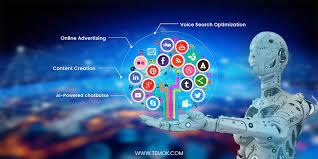
ai digital marketing

Transforming the Landscape: AI in Digital Marketing

The Rise of AI in Digital Marketing

In recent years, artificial intelligence (AI) has revolutionised numerous industries, and digital marketing is no exception. As businesses strive to connect with their audiences in more meaningful ways, AI offers tools and strategies that enhance personalisation, efficiency, and effectiveness.

Understanding AI in Digital Marketing

AI refers to the simulation of human intelligence processes by machines, particularly computer systems. In the realm of digital marketing, AI can analyse data, predict trends, and automate tasks. This allows marketers to make informed decisions and engage with customers on a deeper level.

Key Benefits of AI in Digital Marketing

  • Personalisation: AI enables brands to create highly personalised experiences for their customers. By analysing user behaviour and preferences, AI can deliver tailored content that resonates with individual consumers.
  • Efficiency: Automating repetitive tasks such as email campaigns and social media postings allows marketers to focus on strategy and creativity. AI tools can manage these functions efficiently without sacrificing quality.
  • Data Analysis: With vast amounts of data available, AI helps marketers sift through information quickly to identify patterns and insights. This leads to better targeting and more effective campaigns.

AI Tools Transforming Digital Marketing

A variety of AI-powered tools are now integral to digital marketing strategies:

  • Chatbots: These provide instant customer service by responding to queries in real-time, improving customer satisfaction while freeing up human resources for more complex issues.
  • Predictive Analytics: By analysing past data trends, predictive analytics help forecast future consumer behaviours, enabling proactive marketing strategies.
  • Content Generation: AI can assist in creating content by generating ideas or even writing articles based on specific keywords or topics.

The Future of AI in Digital Marketing

The integration of AI into digital marketing is only set to grow. As technology advances, so too will the capabilities of AI systems. Marketers must stay abreast of these developments to leverage new opportunities effectively. The future promises even more personalised interactions and smarter decision-making processes driven by sophisticated algorithms.

The rise of AI is reshaping the landscape of digital marketing. Businesses that embrace these technologies will not only improve their operations but also build stronger connections with their customers. As we move forward into an increasingly digital age, the role of AI will undoubtedly become even more pivotal.


Exploring AI in Digital Marketing: Addressing Common Questions and Concerns

  1. Can AI replace digital marketers?
  2. How is AI being used in online marketing?
  3. How will AI affect digital marketing?
  4. Can you make money with AI marketing?
  5. What is AI marketing examples?
  6. Will AI take over digital marketing?
  7. How AI is transforming digital marketing?
  8. How AI will impact digital marketing?

Can AI replace digital marketers?

While AI has significantly transformed the landscape of digital marketing by automating tasks, analysing data, and enhancing personalisation, it is unlikely to completely replace digital marketers. AI excels at processing large volumes of data and identifying patterns that might not be immediately apparent to humans. However, the creativity, strategic thinking, and nuanced understanding of human emotions and cultural contexts that marketers bring to the table are irreplaceable. Digital marketing is not just about numbers; it’s about crafting compelling narratives that resonate with audiences. AI can certainly augment a marketer’s capabilities by providing valuable insights and handling repetitive tasks, but the human touch remains essential for developing innovative strategies and building genuine connections with consumers. Therefore, rather than viewing AI as a replacement, it should be seen as a powerful tool that complements and enhances the skills of digital marketers.

How is AI being used in online marketing?

AI is transforming online marketing by enabling businesses to deliver more personalised and efficient experiences to their customers. Through the use of machine learning algorithms, AI analyses vast amounts of data to identify patterns and predict consumer behaviour. This allows marketers to tailor content and offers to individual preferences, enhancing engagement and conversion rates. AI-powered chatbots provide instant customer service, addressing queries in real-time and improving user satisfaction. Additionally, AI tools automate repetitive tasks such as email marketing campaigns and social media postings, freeing up time for marketers to focus on strategy and creativity. Predictive analytics driven by AI also help in forecasting trends, allowing businesses to make informed decisions about future marketing strategies. Overall, AI is making online marketing more targeted, efficient, and effective.

How will AI affect digital marketing?

AI is set to profoundly impact digital marketing by enhancing personalisation, improving efficiency, and enabling data-driven decision-making. Through advanced algorithms and machine learning, AI can analyse vast amounts of data to identify consumer patterns and preferences, allowing marketers to tailor content and campaigns more precisely than ever before. This leads to highly targeted marketing efforts that resonate with individual consumers. Additionally, AI automates routine tasks such as email marketing and social media management, freeing up time for marketers to focus on strategy and creativity. By providing predictive analytics, AI also helps businesses anticipate market trends and consumer behaviour, enabling them to stay ahead of the competition. Overall, AI is transforming digital marketing into a more efficient, effective, and personalised endeavour.

Can you make money with AI marketing?

Yes, making money with AI marketing is not only possible but increasingly common as businesses leverage artificial intelligence to optimise their marketing strategies. AI tools can analyse vast amounts of data to identify trends and consumer behaviours, enabling companies to target their audiences more effectively. By automating repetitive tasks and personalising customer interactions, AI reduces operational costs and increases efficiency, ultimately leading to higher conversion rates and improved return on investment. Additionally, predictive analytics powered by AI can forecast future trends, allowing businesses to stay ahead of the competition and make informed decisions that drive revenue growth. As AI technology continues to evolve, its potential for generating profit in digital marketing will only expand.

What is AI marketing examples?

AI marketing encompasses a variety of tools and techniques that leverage artificial intelligence to enhance marketing strategies. Examples of AI marketing include chatbots, which provide real-time customer support and engagement on websites, and predictive analytics, which analyse historical data to forecast future consumer behaviour and trends. Another example is programmatic advertising, where AI algorithms automatically buy ad space in real-time to target specific audiences more effectively. Additionally, AI-driven content creation tools can generate personalised email campaigns or social media posts tailored to individual preferences. These examples demonstrate how AI can optimise marketing efforts by improving efficiency, personalisation, and targeting accuracy.

Will AI take over digital marketing?

While AI is becoming an integral part of digital marketing, it is unlikely to completely take over the field. AI excels at automating repetitive tasks, analysing large data sets, and providing insights that can inform marketing strategies. However, the human element remains crucial in crafting creative campaigns, understanding nuanced customer emotions, and building authentic brand narratives. AI serves as a powerful tool that enhances the capabilities of marketers rather than replacing them. By combining AI’s analytical prowess with human creativity and intuition, businesses can achieve more effective and personalised marketing outcomes. Therefore, rather than taking over, AI is set to complement and elevate the role of digital marketers.

How AI is transforming digital marketing?

Artificial intelligence is transforming digital marketing by enhancing personalisation, automating routine tasks, and improving data analysis. AI technologies enable marketers to deliver tailored content and experiences by analysing consumer behaviour and preferences in real-time. This level of personalisation helps build stronger connections with audiences. Additionally, AI automates tasks such as email campaigns and social media management, allowing marketers to focus on strategic initiatives rather than repetitive chores. Furthermore, AI’s ability to process vast amounts of data quickly and accurately leads to more informed decision-making and better-targeted marketing strategies. Overall, AI is making digital marketing more efficient, effective, and customer-centric.

How AI will impact digital marketing?

AI is set to have a profound impact on digital marketing by transforming how businesses interact with their audiences and optimise their strategies. With the ability to analyse vast amounts of data quickly, AI enables marketers to gain deeper insights into consumer behaviour and preferences, allowing for more personalised and targeted campaigns. Automation of routine tasks such as content scheduling, customer service through chatbots, and email marketing frees up time for marketers to focus on strategy and creativity. Additionally, AI-driven predictive analytics can forecast trends and consumer needs, enabling more proactive marketing efforts. As AI technology continues to evolve, it will enhance decision-making processes, improve customer experiences, and ultimately drive better results for businesses in the digital landscape.
Navigating the Dynamic Performance Marketing World: Strategies for Success

The World of Performance Marketing: Driving Success in the Digital Age

Performance marketing has emerged as a powerful strategy in the digital landscape, offering businesses a targeted and measurable approach to reaching their audience and driving growth. In today’s fast-paced world, where competition is fierce and consumer behaviour is constantly evolving, performance marketing has become essential for companies looking to maximise their online presence and achieve tangible results.

What is Performance Marketing?

Performance marketing is a comprehensive strategy that focuses on driving specific actions or outcomes, such as clicks, conversions, or sales. Unlike traditional marketing approaches that rely on broad messaging and brand awareness, performance marketing is highly data-driven and results-oriented. It allows businesses to track the effectiveness of their campaigns in real-time and optimise them for maximum impact.

The Key Components of Performance Marketing

Performance marketing encompasses a range of tactics and channels, including:

  • Search Engine Marketing (SEM): Utilising paid search advertising to drive traffic to websites based on relevant keywords.
  • Affiliate Marketing: Partnering with third-party affiliates who promote products or services in exchange for a commission on sales.
  • Social Media Advertising: Leveraging platforms like Facebook, Instagram, and LinkedIn to target specific audiences with tailored ads.
  • Email Marketing: Sending targeted emails to segmented lists to nurture leads and drive conversions.
  • Content Marketing: Creating valuable content that attracts and engages audiences while subtly promoting products or services.

The Benefits of Performance Marketing

One of the primary advantages of performance marketing is its measurability. Businesses can track key performance indicators (KPIs) such as click-through rates, conversion rates, return on ad spend (ROAS), and more in real-time. This data-driven approach allows for continuous optimisation of campaigns to improve results and maximise ROI.

Furthermore, performance marketing offers unparalleled targeting capabilities, enabling businesses to reach specific demographics, interests, behaviours, and even individual users with precision. This level of granularity ensures that marketing efforts are directed towards those most likely to convert, increasing efficiency and reducing wasted ad spend.

The Future of Performance Marketing

In an increasingly digital world where consumers are inundated with advertising messages from all directions, the need for targeted, relevant marketing has never been greater. As technology continues to advance and consumer expectations evolve, performance marketing will play an even more significant role in helping businesses cut through the noise and connect with their audience effectively.

By embracing the principles of performance marketing – data-driven decision-making, precise targeting, continuous optimisation – businesses can stay ahead of the curve and drive success in the ever-evolving digital landscape.

Contact us today to explore how performance marketing can elevate your brand’s online presence and drive meaningful results for your business.


Understanding Performance Marketing: Key Concepts, Strategies, and Success Stories

  1. What is performance marketing and how does it differ from traditional marketing?
  2. What are the key components of a successful performance marketing strategy?
  3. How can businesses measure the success of their performance marketing campaigns?
  4. What are some common metrics used to evaluate the effectiveness of performance marketing?
  5. How does performance marketing help businesses reach their target audience more effectively?
  6. What role does data play in driving decisions within a performance marketing campaign?
  7. Can you provide examples of successful performance marketing campaigns in different industries?

What is performance marketing and how does it differ from traditional marketing?

Performance marketing is a targeted and results-driven approach that focuses on specific actions or outcomes, such as clicks, conversions, or sales. Unlike traditional marketing, which often relies on broad messaging and brand awareness, performance marketing is highly data-driven and measurable. The key difference lies in its accountability – performance marketing allows businesses to track the effectiveness of their campaigns in real-time, optimise them based on data insights, and achieve a clear return on investment (ROI). By leveraging digital channels and precise targeting capabilities, performance marketing enables businesses to reach their desired audience with precision and efficiency, driving tangible results while maximising cost-effectiveness.

What are the key components of a successful performance marketing strategy?

To create a successful performance marketing strategy, it is essential to focus on key components that drive results and achieve business objectives. These components typically include a well-defined target audience, clear campaign objectives, strategic selection of relevant channels (such as SEM, social media, and email marketing), compelling and engaging content, robust tracking and analytics tools for measuring performance, continuous optimization based on data insights, and a strong emphasis on testing and refining tactics to maximise ROI. By integrating these elements cohesively, businesses can develop a comprehensive performance marketing strategy that effectively reaches and engages their target audience while driving desired actions and outcomes.

How can businesses measure the success of their performance marketing campaigns?

Businesses can measure the success of their performance marketing campaigns through a variety of key performance indicators (KPIs) that reflect the campaign’s effectiveness in achieving its objectives. Common metrics used to evaluate performance marketing campaigns include click-through rates, conversion rates, return on ad spend (ROAS), cost per acquisition (CPA), and customer lifetime value (CLV). By tracking these metrics and analysing the data collected, businesses can gain valuable insights into the impact of their campaigns, identify areas for improvement, and make informed decisions to optimise future marketing efforts for maximum results.

What are some common metrics used to evaluate the effectiveness of performance marketing?

In the world of performance marketing, several key metrics are commonly used to assess the effectiveness of campaigns and strategies. These metrics include click-through rate (CTR), conversion rate, return on ad spend (ROAS), cost per acquisition (CPA), and customer lifetime value (CLV). CTR measures the percentage of users who click on an ad or link, indicating engagement and interest. Conversion rate tracks the proportion of visitors who complete a desired action, such as making a purchase or filling out a form. ROAS calculates the revenue generated for every pound spent on advertising, providing insight into campaign profitability. CPA determines the cost associated with acquiring a new customer, helping to optimise marketing budgets efficiently. Finally, CLV estimates the total value that a customer is expected to bring to a business over their entire relationship, guiding long-term marketing strategies and customer retention efforts. By analysing these metrics comprehensively, businesses can gauge the impact of their performance marketing initiatives and make informed decisions to drive success in the digital realm.

How does performance marketing help businesses reach their target audience more effectively?

Performance marketing empowers businesses to reach their target audience more effectively by leveraging data-driven strategies and precise targeting capabilities. Unlike traditional marketing approaches that rely on broad messaging, performance marketing allows businesses to tailor their campaigns to specific demographics, interests, behaviours, and even individual users. By analysing real-time metrics such as click-through rates and conversion rates, businesses can optimise their campaigns for maximum impact, ensuring that their messages resonate with the right audience at the right time. This level of granularity not only increases the efficiency of marketing efforts but also enhances the overall return on investment (ROI) by directing resources towards those most likely to convert. Ultimately, performance marketing enables businesses to engage with their target audience in a more personalised and relevant manner, driving meaningful results and fostering long-term customer relationships.

What role does data play in driving decisions within a performance marketing campaign?

Data plays a crucial role in driving decisions within a performance marketing campaign. By analysing and interpreting data related to key performance indicators (KPIs) such as click-through rates, conversion rates, and return on ad spend (ROAS), marketers can gain valuable insights into the effectiveness of their campaigns. This data-driven approach allows for informed decision-making, enabling marketers to optimise targeting, messaging, and budget allocation to maximise results and return on investment. In essence, data empowers marketers to make strategic choices that drive success and ensure that their performance marketing efforts are aligned with the goals of the campaign.

Can you provide examples of successful performance marketing campaigns in different industries?

Certainly! Successful performance marketing campaigns can be found across various industries, showcasing the versatility and effectiveness of this targeted approach. In the e-commerce sector, companies like Amazon have excelled in leveraging performance marketing tactics to drive conversions and increase sales through personalised recommendations and retargeting strategies. In the travel industry, Expedia’s use of search engine marketing (SEM) and affiliate partnerships has proven highly successful in reaching travellers at different stages of their journey. Additionally, in the healthcare sector, companies like Babylon Health have effectively utilised content marketing and social media advertising to raise awareness and acquire new customers. These examples highlight how performance marketing can be tailored to suit the unique needs and objectives of different industries while delivering measurable results.

marketing and digital marketing

Unlocking Success: The Power of Digital Marketing in Modern Marketing Strategies

Marketing and Digital Marketing

The Evolution of Marketing: From Traditional to Digital

Marketing has always been a crucial aspect of business growth and success. It is the process of promoting and selling products or services to consumers. Over the years, marketing techniques have evolved significantly, adapting to changes in consumer behaviour and technological advancements.

Traditional Marketing

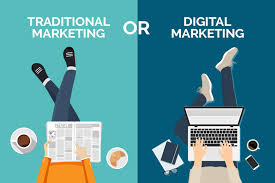
In the past, traditional marketing methods such as print ads, TV commercials, billboards, and direct mail were dominant. While these approaches were effective in reaching a broad audience, they often lacked personalisation and real-time interaction with consumers. Traditional marketing relied heavily on mass media to deliver messages to potential customers.

Digital Marketing

With the rise of the internet and digital technologies, a new era of marketing emerged – digital marketing. Digital marketing encompasses a range of online tactics including search engine optimisation (SEO), social media marketing, email campaigns, content marketing, and more. Unlike traditional marketing, digital marketing allows for targeted advertising based on user demographics, interests, and online behaviour.

The Benefits of Digital Marketing

  • Targeted Reach: Digital marketing enables businesses to target specific audiences with precision.
  • Cost-Effective: Compared to traditional methods, digital marketing is often more cost-effective and offers better return on investment.
  • Real-Time Analytics: With digital tools, marketers can track campaign performance in real-time and make data-driven decisions.
  • Interactivity: Digital platforms allow for two-way communication between brands and consumers, fostering engagement and loyalty.
  • Global Reach: The internet has made it possible for businesses to reach global markets with ease through digital channels.

The Future of Marketing

As technology continues to advance rapidly, the future of marketing is likely to be even more focused on personalisation, automation, artificial intelligence (AI), virtual reality (VR), and augmented reality (AR). Businesses that embrace these digital trends will be better positioned to connect with their target audience in meaningful ways and drive sustainable growth in the digital age.


Unlocking Success: 9 Key Advantages of Marketing and Digital Marketing

  1. Targeted Reach
  2. Cost-Effective
  3. Real-Time Analytics
  4. Interactivity
  5. Global Reach
  6. Personalisation
  7. Measurable Results
  8. Brand Visibility
  9. Adaptability


Challenges in Modern Marketing: Navigating Digital Saturation, Data Privacy, and Rapid Changes

  1. 1. Digital saturation
  2. 2. Data privacy concerns
  3. 3. Rapid changes

Targeted Reach

One significant advantage of digital marketing is its ability to offer targeted reach, enabling businesses to pinpoint specific audiences with precision. Unlike traditional marketing methods that cast a wide net, digital marketing allows for tailored messaging and personalised content delivery based on user demographics, interests, and online behaviour. This targeted approach not only increases the effectiveness of marketing campaigns but also enhances engagement and conversion rates by reaching the right audience with the right message at the right time.

Cost-Effective

In comparison to traditional marketing approaches, digital marketing stands out for its cost-effectiveness, providing businesses with a higher return on investment (ROI). By leveraging online platforms and targeted strategies, digital marketing enables companies to reach their target audience more efficiently and at a lower cost. This advantage allows businesses to allocate their marketing budget more wisely, maximising the impact of their campaigns and driving measurable results that contribute to long-term success.

Real-Time Analytics

Real-Time Analytics is a powerful advantage of both traditional marketing and digital marketing strategies. With the ability to track campaign performance in real-time, marketers can gather valuable insights into how their marketing efforts are resonating with the target audience. By analysing data promptly, marketers can make informed, data-driven decisions to optimise campaigns, allocate resources effectively, and adjust strategies on the fly to maximise results. This proactive approach allows businesses to stay agile and responsive in a dynamic market landscape, ultimately leading to improved ROI and better overall marketing outcomes.

Interactivity

Interactivity is a key advantage of digital marketing, allowing brands to engage in meaningful conversations with their target audience. Through digital platforms, such as social media, websites, and email campaigns, brands can establish a two-way communication channel with consumers. This interactive approach fosters engagement, builds relationships, and creates opportunities for valuable feedback and insights. By actively involving consumers in the marketing process, brands can better understand their needs and preferences, leading to more personalised and effective marketing strategies.

Global Reach

In today’s interconnected world, the pro of global reach in marketing and digital marketing is a game-changer for businesses seeking to expand their presence beyond borders. Through digital channels, companies can effortlessly tap into international markets, reaching diverse audiences across the globe with tailored messages and offerings. This unparalleled accessibility not only opens up new opportunities for growth and revenue but also allows businesses to establish a truly global brand presence that resonates with customers worldwide.

Personalisation

Personalisation is a key advantage of digital marketing, enabling businesses to deliver customised messages that resonate with their target audience. By leveraging user demographics and behaviour data, digital marketers can create highly targeted campaigns that speak directly to the interests and preferences of individual consumers. This tailored approach not only enhances engagement but also increases the likelihood of conversion, as users are more likely to respond positively to content that is relevant to their needs. In a competitive online landscape, personalisation sets businesses apart by creating meaningful connections and fostering customer loyalty.

Measurable Results

One significant advantage of digital marketing is the ability to achieve measurable results. The performance of digital campaigns can be accurately tracked, analysed, and measured in real-time using various analytics tools. This data-driven approach allows marketers to gain valuable insights into the effectiveness of their strategies, identify areas for improvement, and make informed decisions to optimise future campaigns. By monitoring key performance indicators (KPIs) such as click-through rates, conversion rates, and engagement metrics, businesses can continuously refine their digital marketing efforts to achieve better outcomes and maximise return on investment.

Brand Visibility

Digital marketing strategies play a crucial role in enhancing brand visibility by leveraging the vast reach of online platforms. Through targeted tactics such as search engine optimisation (SEO), social media marketing, and content creation, businesses can significantly boost their presence on the internet. This increased visibility not only helps in reaching a wider audience but also fosters brand recognition and trust among consumers navigating the digital landscape. By strategically positioning brands across various online channels, digital marketing effectively elevates their visibility and establishes a strong online presence in today’s competitive market environment.

Adaptability

In the realm of marketing and digital marketing, one significant advantage lies in adaptability. Digital marketing tactics possess the unique ability to be swiftly adjusted in response to market trends or shifts in consumer preferences. This agility allows businesses to stay ahead of the curve, pivot their strategies effectively, and capitalise on emerging opportunities in a dynamic and ever-evolving landscape. By harnessing the power of adaptability, organisations can optimise their campaigns for maximum impact and relevance, ensuring that they remain competitive and responsive to the changing needs of their target audience.

1. Digital saturation

In the realm of marketing and digital marketing, one significant con is the issue of digital saturation. The vast array of digital marketing channels available today poses a risk of oversaturation and heightened competition in the online space. This saturation can make it increasingly challenging for businesses to differentiate themselves and stand out amidst the sea of content and advertisements vying for consumers’ attention. As a result, companies must navigate this crowded landscape strategically to ensure their messages resonate with their target audience effectively.

2. Data privacy concerns

The con of data privacy concerns in marketing and digital marketing is a significant issue that cannot be overlooked. The collection and utilisation of personal data in digital marketing practices bring about ethical dilemmas regarding privacy and data protection. This raises valid concerns among consumers, who may feel uneasy about the handling of their personal information. If not managed carefully, these practices can result in a backlash from consumers who value their privacy rights and expect transparency in how their data is being used. Marketers must navigate this delicate balance between leveraging consumer data for targeted marketing purposes while respecting individual privacy rights to maintain trust and credibility in the digital landscape.

3. Rapid changes

In the realm of marketing and digital marketing, one significant drawback is the rapid pace of change. The dynamic nature of digital marketing necessitates swift adaptation to evolving strategies and technologies. This constant state of flux demands vigilant monitoring and frequent adjustments to remain current and effective in reaching target audiences. Failure to keep pace with these rapid changes can result in missed opportunities and diminished impact on consumers in an ever-evolving digital landscape.

advertisements

Unlocking the Potential: The Impact of Advertisements in Today’s Market

The Power of Advertisements

The Power of Advertisements

Advertisements play a crucial role in today’s highly competitive business landscape. They are not just about promoting products or services; they are powerful tools that can influence consumer behaviour, shape perceptions, and drive brand awareness. In a world inundated with information, advertisements serve as a way for businesses to cut through the noise and connect with their target audience.

Informing and Educating

Advertisements are not just about selling. They also serve as a means to inform and educate consumers about new products, services, or innovations. Through advertisements, businesses can highlight the unique features and benefits of their offerings, helping consumers make informed purchasing decisions.

Building Brand Identity

Effective advertisements can help build a strong brand identity. By consistently communicating key messages and values through various advertising channels, businesses can create a distinct brand image that resonates with their target audience. A strong brand identity fosters trust and loyalty among consumers, setting businesses apart from their competitors.

Influencing Consumer Behaviour

Advertisements have the power to influence consumer behaviour in significant ways. Through strategic messaging and creative visuals, advertisers can create desire, evoke emotions, and prompt action among consumers. Whether it’s encouraging a purchase, driving website traffic, or increasing brand engagement, well-crafted advertisements have the potential to drive desired outcomes.

Adapting to Digital Trends

In today’s digital age, advertisements have evolved beyond traditional print and broadcast media. Digital advertising channels such as social media ads, search engine marketing, and influencer partnerships offer businesses new opportunities to reach their target audience in more personalised ways. By leveraging data analytics and targeting capabilities, businesses can deliver tailored advertisements that resonate with specific consumer segments.

Conclusion

Advertisements are powerful tools that enable businesses to communicate with their audience effectively. Whether it’s raising awareness, driving sales, or building brand loyalty, well-executed advertising campaigns can yield tangible results for businesses of all sizes. By understanding the impact of advertisements and staying abreast of evolving trends in the advertising landscape, businesses can leverage this powerful tool to achieve their marketing objectives.


Understanding Advertisements: Key Questions and Insights

  1. What is the purpose of advertisements?
  2. How do advertisements influence consumer behaviour?
  3. What are the different types of advertising channels?
  4. How can businesses measure the effectiveness of their advertisements?
  5. What role do advertisements play in building brand identity?
  6. How have digital trends impacted advertising strategies?
  7. Are there regulations governing advertising content?
  8. What are some common advertising techniques used by businesses?
  9. Can advertisements be tailored to target specific audience segments?

What is the purpose of advertisements?

The purpose of advertisements is multifaceted, serving as a vital tool for businesses to communicate with their target audience, raise brand awareness, promote products or services, and ultimately drive sales. Beyond mere promotion, advertisements aim to inform and educate consumers about the unique features and benefits of offerings, creating a connection that can influence purchasing decisions. Additionally, advertisements play a crucial role in building brand identity and fostering consumer loyalty by conveying key messages and values consistently. In essence, the primary goal of advertisements is to engage with consumers effectively, shape perceptions, and ultimately contribute to the success and growth of businesses in a competitive market landscape.

How do advertisements influence consumer behaviour?

Advertisements have a significant impact on consumer behaviour by leveraging persuasive messaging, emotional appeals, and strategic placement to influence purchasing decisions. Through advertisements, businesses can create brand awareness, shape perceptions, and trigger emotional responses that drive consumers to take action. By highlighting the benefits of products or services, addressing consumer needs and desires, and fostering a sense of urgency or exclusivity, advertisements can effectively sway consumer preferences and encourage them to make informed purchasing choices. Additionally, through targeted advertising campaigns across various channels, businesses can reach specific audience segments with tailored messages that resonate with their interests and preferences, further influencing their buying behaviour.

What are the different types of advertising channels?

There are various types of advertising channels that businesses can utilise to reach their target audience effectively. Traditional advertising channels include television, radio, print media, and outdoor advertising such as billboards. In the digital realm, businesses can leverage online advertising channels like social media platforms, search engines, display ads, email marketing, and influencer partnerships to connect with consumers in a more targeted and interactive manner. Each advertising channel offers unique advantages and caters to different audience preferences, allowing businesses to diversify their marketing efforts and maximise their reach across various platforms.

How can businesses measure the effectiveness of their advertisements?

Businesses can measure the effectiveness of their advertisements through various metrics and analytics tools. One common approach is to track key performance indicators (KPIs) such as conversion rates, click-through rates, and return on investment (ROI). By analysing these metrics, businesses can assess the impact of their advertisements on driving desired actions, such as sales or website visits. Additionally, conducting A/B testing and customer surveys can provide valuable insights into the effectiveness of different ad creatives or messaging strategies. Ultimately, by leveraging data-driven insights and feedback mechanisms, businesses can refine their advertising efforts to maximise impact and achieve their marketing goals.

What role do advertisements play in building brand identity?

Advertisements play a pivotal role in building brand identity by serving as a powerful tool for businesses to communicate their unique values, messaging, and personality to their target audience. Through strategic and consistent advertising campaigns, businesses can establish a distinct brand image that resonates with consumers, differentiates them from competitors, and fosters brand recognition and loyalty. By crafting compelling narratives, visuals, and messaging in advertisements, businesses can shape how consumers perceive their brand, ultimately influencing consumer attitudes and behaviours towards the brand. Effective advertisements not only reinforce the brand’s positioning but also create a lasting impression that contributes to long-term brand building and success.

The evolution of digital trends has significantly transformed advertising strategies in recent years. The rise of digital platforms, social media, and online technologies has provided businesses with new avenues to reach and engage their target audience in more personalised and interactive ways. Digital advertising allows for precise targeting based on consumer demographics, interests, and behaviours, enabling businesses to deliver tailored messages to specific segments. Moreover, the availability of real-time data analytics has empowered advertisers to measure campaign performance accurately and adjust strategies in real time for optimal results. As a result, digital trends have revolutionised advertising strategies by offering greater flexibility, efficiency, and effectiveness in reaching consumers in today’s interconnected world.

Are there regulations governing advertising content?

In the realm of advertising, regulations governing advertising content play a vital role in ensuring ethical practices and consumer protection. These regulations are designed to maintain fairness, accuracy, and transparency in advertising messages. Various governing bodies and authorities set guidelines to prevent deceptive or misleading advertisements that could potentially harm consumers or unfairly influence their purchasing decisions. Adhering to these regulations is not only a legal requirement but also a moral obligation for businesses to uphold integrity and trust in their advertising practices. By understanding and complying with the regulations governing advertising content, businesses can build credibility, foster consumer confidence, and contribute to a more ethical marketplace.

What are some common advertising techniques used by businesses?

Businesses employ a variety of advertising techniques to capture the attention of their target audience and drive engagement. Some common advertising techniques include storytelling, celebrity endorsements, emotional appeal, humour, scarcity tactics, and social proof. Storytelling allows businesses to create a narrative around their brand or product, making it more relatable to consumers. Celebrity endorsements leverage the influence of well-known personalities to endorse a product or service. Emotional appeal aims to evoke specific emotions in consumers to establish a connection with the brand. Humour can be used to entertain and create a memorable impression. Scarcity tactics create a sense of urgency by highlighting limited availability or time-sensitive offers. Social proof involves showcasing testimonials, reviews, or endorsements from satisfied customers to build trust and credibility. By utilising these techniques effectively, businesses can craft compelling advertisements that resonate with their target audience and drive desired outcomes.

Can advertisements be tailored to target specific audience segments?

Yes, advertisements can indeed be tailored to target specific audience segments. In today’s digital age, businesses have access to advanced targeting tools and data analytics that allow them to create personalised advertising campaigns tailored to reach specific demographics, interests, behaviours, and preferences of their target audience. By leveraging this capability, advertisers can deliver relevant and engaging content that resonates with different audience segments, increasing the effectiveness and impact of their advertising efforts. Customising advertisements to suit the needs and characteristics of specific audience segments not only enhances engagement but also improves the likelihood of driving desired actions and conversions.

digital marketing 2018

Exploring the Evolution of Digital Marketing in 2018

Digital Marketing Trends in 2018: A Look Back

The year 2018 marked a significant period of transformation in the digital marketing landscape. As technology continued to evolve at a rapid pace, marketers found themselves adapting to new tools and strategies to engage their audiences more effectively. Here’s a look back at some of the key trends that defined digital marketing in 2018.

The Rise of Artificial Intelligence

Artificial intelligence (AI) began to play a pivotal role in digital marketing strategies. From chatbots providing customer service on websites to AI-driven analytics offering deeper insights into consumer behaviour, businesses started leveraging AI to enhance personalisation and efficiency. This trend set the stage for more sophisticated AI applications in the years that followed.

Video Content Dominance

Video content continued its upward trajectory, becoming an essential component of digital marketing strategies. Platforms like YouTube, Instagram Stories, and Facebook Live gained popularity as marketers realised that video content was more engaging and shareable than traditional text-based content. The success of video marketing highlighted the need for brands to create visually compelling stories.

Voice Search Optimisation

With the increasing adoption of smart speakers and voice assistants like Amazon Alexa and Google Assistant, voice search optimisation emerged as a crucial trend in 20

Marketers began focusing on optimising their content for voice queries, which are typically longer and more conversational than text searches.

Influencer Marketing Maturation

While influencer marketing was not new in 2018, it saw significant maturation as brands became more strategic in their partnerships with influencers. Authenticity became a key focus, with businesses seeking influencers whose values aligned with their brand message to ensure genuine connections with audiences.

Data Privacy Concerns

The introduction of the General Data Protection Regulation (GDPR) by the European Union brought data privacy concerns to the forefront in 20

Marketers had to navigate stricter regulations regarding data collection and user consent, prompting a shift towards greater transparency and trust-building with consumers.

The Impact Moving Forward

The trends observed in 2018 laid the groundwork for future developments in digital marketing. As technology continues to advance, marketers must remain adaptable and forward-thinking to stay ahead of the curve.

In conclusion, 2018 was a year of significant change and growth in digital marketing, driven by technological advancements and evolving consumer expectations. By embracing these changes, businesses were better positioned to connect with their audiences in meaningful ways.


Top 5 Digital Marketing Tips for 2018: Boost Engagement and Reach

  1. Utilize video content for higher engagement
  2. Focus on creating quality and relevant content for your target audience
  3. Optimize your website for mobile devices to reach more users
  4. Utilize social media platforms effectively to connect with your audience
  5. Implement data analytics to track and improve your digital marketing strategies

Utilize video content for higher engagement

In 2018, one of the most impactful tips in digital marketing was the emphasis on utilising video content to achieve higher engagement levels. Video content emerged as a powerful tool for brands to connect with their audiences in a more compelling and interactive way. By incorporating videos into their marketing strategies, businesses were able to convey their messages more effectively, evoke emotions, and create memorable experiences for viewers. This trend not only boosted engagement but also helped brands stand out in a crowded online landscape, making video content an essential component of successful digital marketing campaigns.

Focus on creating quality and relevant content for your target audience

In the realm of digital marketing in 2018, a key tip that emerged was the importance of focusing on creating high-quality and relevant content tailored to your specific target audience. By understanding the interests, needs, and preferences of your audience, businesses were able to deliver content that resonated with them on a deeper level. This approach not only helped in building trust and credibility but also fostered stronger connections with customers, ultimately leading to increased engagement and conversions.

Optimize your website for mobile devices to reach more users

In 2018, a crucial tip for successful digital marketing was to optimise your website for mobile devices in order to reach a broader audience. With the increasing use of smartphones and tablets, ensuring that your website is mobile-friendly became essential for engaging users on the go. By prioritising mobile optimisation, businesses were able to provide a seamless browsing experience, improve user satisfaction, and ultimately expand their reach to attract more visitors and potential customers.

Utilize social media platforms effectively to connect with your audience

In 2018, one crucial tip for successful digital marketing was to utilise social media platforms effectively to connect with your audience. Social media provided a powerful channel for businesses to engage with their target demographic, build brand awareness, and foster meaningful relationships with customers. By creating compelling and relevant content tailored to each platform, businesses could establish a strong online presence and drive user engagement. Leveraging the interactive nature of social media allowed brands to listen to feedback, address customer inquiries promptly, and showcase their unique value propositions in a more personalised manner.

Implement data analytics to track and improve your digital marketing strategies

In 2018, one crucial tip for successful digital marketing was the implementation of data analytics to track and enhance marketing strategies. By utilising data analytics tools, businesses were able to gain valuable insights into the performance of their digital campaigns, allowing them to make informed decisions and adjustments for improved results. This emphasis on data-driven decision-making not only provided a deeper understanding of customer behaviour and preferences but also enabled marketers to optimise their strategies effectively in order to achieve greater success in reaching their target audience.

performance marketing agency

Unlocking Success: The Role of a Performance Marketing Agency in Driving Results

The Power of Performance Marketing Agencies

The Power of Performance Marketing Agencies

Performance marketing agencies are transforming the way businesses reach and engage with their target audiences. Unlike traditional marketing approaches that focus on brand awareness, performance marketing is all about driving measurable results and ROI.

These agencies leverage data-driven strategies to deliver targeted campaigns that are designed to generate leads, increase conversions, and maximise revenue. By closely monitoring key performance indicators (KPIs) such as click-through rates, conversion rates, and cost per acquisition, performance marketing agencies can optimise campaigns in real-time to deliver the best possible outcomes.

One of the key advantages of working with a performance marketing agency is the ability to track and measure the success of your campaigns with precision. Through advanced analytics tools and technologies, these agencies provide valuable insights into consumer behaviour, allowing businesses to make informed decisions and refine their marketing strategies for maximum impact.

Furthermore, performance marketing agencies offer a high level of flexibility and scalability. Whether you are a small startup or a large enterprise, these agencies can tailor their services to suit your specific needs and budget. This personalised approach ensures that you get the most out of your marketing budget while achieving tangible results.

In today’s competitive digital landscape, having a strong online presence is essential for business success. Performance marketing agencies play a crucial role in helping businesses navigate this complex environment and stand out from the competition. By harnessing the power of data-driven insights and targeted campaigns, these agencies empower businesses to drive growth, build brand loyalty, and achieve long-term success.


8 Essential Tips for Success in a Performance Marketing Agency

  1. Understand your target audience thoroughly
  2. Set clear and measurable goals for each campaign
  3. Utilize data analytics to make informed decisions
  4. Stay updated on the latest trends in digital marketing
  5. Test and optimize your campaigns regularly
  6. Build strong relationships with clients and partners
  7. Focus on delivering results and ROI for clients
  8. Continuously improve your skills and knowledge in performance marketing

Understand your target audience thoroughly

To maximise the effectiveness of your performance marketing campaigns, it is crucial to thoroughly understand your target audience. By gaining insights into their preferences, behaviours, and needs, you can create tailored campaigns that resonate with them on a deeper level. Understanding your audience allows you to deliver relevant content and offers that are more likely to drive engagement and conversions. This targeted approach not only enhances the efficiency of your marketing efforts but also builds stronger connections with your audience, leading to long-term success for your business.

Set clear and measurable goals for each campaign

Setting clear and measurable goals for each campaign is a crucial tip when working with a performance marketing agency. By defining specific objectives such as lead generation, sales conversion, or website traffic increase, businesses can effectively track the success of their campaigns and evaluate the return on investment. Clear goals provide a roadmap for the agency to create targeted strategies that align with the desired outcomes, ensuring that every marketing effort is purposeful and results-driven. This approach not only enhances campaign performance but also allows for continuous improvement and optimisation based on measurable data and insights.

Utilize data analytics to make informed decisions

Utilising data analytics is a crucial tip for any business looking to maximise the effectiveness of their performance marketing efforts. By leveraging data-driven insights, businesses can make informed decisions that are based on real-time performance metrics and consumer behaviour patterns. This approach allows companies to identify trends, optimise campaigns, and allocate resources more effectively, ultimately leading to improved ROI and better overall results. In today’s digital age, data analytics has become an indispensable tool for driving success in the competitive landscape of performance marketing.

In the ever-evolving landscape of digital marketing, staying updated on the latest trends is crucial for any performance marketing agency aiming to deliver cutting-edge solutions. By keeping abreast of emerging technologies, consumer behaviour shifts, and new platforms, agencies can craft more effective and relevant campaigns for their clients. This proactive approach not only enhances the agency’s ability to optimise strategies in real-time but also ensures they remain competitive in a fast-paced industry. Embracing innovations such as artificial intelligence, data analytics, and personalisation techniques allows agencies to provide tailored experiences that resonate with target audiences, ultimately driving better results and maximising return on investment for their clients.

Test and optimize your campaigns regularly

Testing and optimising campaigns regularly is a fundamental tip for maximising the effectiveness of a performance marketing agency. By continuously monitoring and analysing campaign performance, businesses can identify what strategies are working well and where improvements can be made. This iterative process allows for adjustments to be made in real-time, ensuring that resources are allocated efficiently and that campaigns are delivering the desired results. Through testing and optimisation, businesses can fine-tune their marketing efforts to reach their target audience more effectively and ultimately drive better ROI.

Build strong relationships with clients and partners

Building strong relationships with clients and partners is a fundamental tip for success in the realm of performance marketing agencies. By fostering trust, open communication, and collaboration, agencies can create a supportive environment where ideas flourish and goals are achieved. Strong relationships not only lead to client satisfaction and loyalty but also pave the way for valuable partnerships that can enhance the agency’s capabilities and reach. Ultimately, investing in building strong relationships is key to long-term success and growth in the dynamic world of performance marketing.

Focus on delivering results and ROI for clients

When partnering with a performance marketing agency, it is crucial to prioritise delivering tangible results and a strong return on investment (ROI) for clients. By focusing on measurable outcomes and the impact of marketing efforts on key performance indicators, agencies can demonstrate their value and effectiveness in driving business growth. This client-centric approach not only builds trust and credibility but also ensures that every campaign is strategically aligned with the client’s objectives, ultimately leading to long-term success and mutual satisfaction.

Continuously improve your skills and knowledge in performance marketing

To excel in the dynamic world of performance marketing, it is essential to continually enhance your skills and expand your knowledge in this field. By staying up-to-date with the latest trends, tools, and strategies in performance marketing, you can adapt to changes quickly and deliver more effective campaigns. Investing in ongoing learning and skill development not only boosts your expertise but also enables you to innovate and drive better results for your clients or business. Embracing a mindset of continuous improvement in performance marketing ensures that you remain competitive and valuable in the ever-evolving digital landscape.

media agency

Navigating the Modern Marketing Landscape with a Trusted Media Agency

The Role of a Media Agency in Today’s Digital Landscape

In the ever-evolving world of marketing and advertising, media agencies play a crucial role in helping businesses navigate the complex landscape of media planning and buying. A media agency acts as a strategic partner, working with clients to develop effective campaigns that reach and engage target audiences across various channels.

Understanding the Role of a Media Agency

Media agencies are experts in understanding consumer behaviour, market trends, and media consumption patterns. They utilise this knowledge to create data-driven strategies that maximise the impact of advertising efforts. From traditional media such as television, radio, and print to digital platforms like social media, search engines, and programmatic advertising, media agencies have the expertise to leverage a wide range of channels to deliver results for their clients.

The Benefits of Working with a Media Agency

Collaborating with a media agency offers several advantages for businesses looking to enhance their marketing efforts:

  • Expertise: Media agencies have specialised knowledge and experience in planning and executing successful advertising campaigns.
  • Data-Driven Insights: By leveraging data analytics and market research, media agencies can identify opportunities for targeting specific audience segments effectively.
  • Cost Efficiency: Media agencies help optimise ad spend by ensuring that resources are allocated strategically across different channels for maximum impact.
  • Creative Solutions: Media agencies work closely with creative teams to develop compelling messaging and visuals that resonate with target audiences.

The Future of Media Agencies

In an increasingly digital world where consumer behaviour is constantly evolving, the role of media agencies continues to evolve as well. With the rise of new technologies such as artificial intelligence, machine learning, and automation, media agencies are adapting their strategies to stay ahead of the curve and deliver innovative solutions for their clients.

As businesses strive to connect with consumers in meaningful ways across multiple touchpoints, the expertise and strategic guidance provided by media agencies will remain invaluable in driving successful marketing campaigns and achieving business objectives in today’s competitive marketplace.


Exploring Media Agencies: Key Questions and Insights for Businesses

  1. What services does a media agency offer?
  2. How can a media agency help my business reach its target audience?
  3. What is the difference between a media agency and an advertising agency?
  4. How do media agencies determine the most effective channels for advertising?
  5. What factors should I consider when choosing a media agency to work with?
  6. Can a media agency help with both traditional and digital advertising strategies?
  7. How do media agencies stay up-to-date with the latest trends in the industry?

What services does a media agency offer?

A media agency offers a comprehensive range of services aimed at helping businesses effectively plan, execute, and optimise their advertising and marketing campaigns across various channels. Some common services provided by media agencies include media planning and buying, audience research and targeting, campaign strategy development, creative production support, performance tracking and analysis, as well as negotiation with media vendors to secure the best rates for ad placements. By leveraging their expertise in media landscape trends and consumer behaviour insights, media agencies play a vital role in driving brand visibility, engagement, and ultimately, achieving campaign objectives for their clients.

How can a media agency help my business reach its target audience?

A media agency can help your business reach its target audience by leveraging its expertise in media planning and buying to develop targeted strategies that effectively reach and engage the right consumers. Through in-depth market research, data analysis, and consumer insights, a media agency can identify the most relevant channels and platforms to deliver your message to the right people at the right time. By optimising ad placements, targeting specific demographics, and monitoring campaign performance, a media agency can maximise the impact of your advertising efforts and help you connect with your target audience in a meaningful way that drives results for your business.

What is the difference between a media agency and an advertising agency?

A common question that arises in the realm of marketing and advertising is the distinction between a media agency and an advertising agency. While both play integral roles in promoting brands and reaching target audiences, they serve different functions within the industry. An advertising agency is primarily focused on creating and developing creative concepts, messaging, and visuals for campaigns. On the other hand, a media agency specialises in strategic planning and buying media space across various channels to ensure that the advertising messages reach the right audience at the right time. In essence, while an advertising agency handles the creative aspects of campaigns, a media agency focuses on the placement and distribution of those creatives to maximise their impact and effectiveness.

How do media agencies determine the most effective channels for advertising?

Media agencies determine the most effective channels for advertising through a strategic and data-driven approach. They begin by conducting thorough market research and analysing consumer behaviour to understand where target audiences are most active. By leveraging data analytics and insights, media agencies can identify the channels that offer the highest potential for reaching and engaging with the desired demographic. Factors such as audience demographics, media consumption habits, campaign objectives, and budget considerations all play a crucial role in determining the optimal mix of channels for advertising campaigns. Through continuous monitoring, testing, and optimisation, media agencies ensure that advertising efforts are directed towards channels that deliver the best results and maximise return on investment for their clients.

What factors should I consider when choosing a media agency to work with?

When selecting a media agency to collaborate with, several key factors should be taken into consideration to ensure a successful partnership. Firstly, it is essential to assess the agency’s expertise and track record in the industry. Look for a media agency with a proven history of delivering effective campaigns and achieving results for clients. Additionally, consider the agency’s understanding of your target audience and market dynamics, as this will influence the relevance and impact of your advertising efforts. Transparency, communication, and alignment with your business goals are also crucial factors to evaluate when choosing a media agency to work with. By carefully considering these aspects, you can make an informed decision that leads to a productive and mutually beneficial relationship with the chosen agency.

Can a media agency help with both traditional and digital advertising strategies?

A media agency can indeed help businesses with both traditional and digital advertising strategies. Media agencies are well-equipped to develop comprehensive marketing plans that incorporate a mix of traditional channels such as television, radio, and print, as well as digital platforms like social media, search engines, and online display advertising. By leveraging their expertise in both traditional and digital media, media agencies can create integrated campaigns that reach target audiences across various touchpoints, ensuring a cohesive brand message and maximising the impact of advertising efforts. Whether it’s raising brand awareness through a TV commercial or driving online conversions through targeted digital ads, a skilled media agency can tailor strategies to meet the specific needs and goals of each client effectively.

Media agencies stay up-to-date with the latest trends in the industry through a combination of proactive research, continuous monitoring of market developments, and active participation in industry events and conferences. By investing in ongoing training and professional development for their teams, media agencies ensure that their staff are equipped with the knowledge and skills needed to navigate the rapidly changing landscape of advertising and marketing. Additionally, leveraging technology tools and data analytics allows media agencies to analyse trends, consumer behaviour, and emerging technologies to inform their strategies and stay ahead of the curve. This commitment to staying informed and adaptable enables media agencies to provide cutting-edge solutions that drive results for their clients in a dynamic and competitive environment.

digital marketing strategy simon kingsnorth

Unlocking Success: The Innovative Digital Marketing Strategy of Simon Kingsnorth

The Impact of Simon Kingsnorth’s Digital Marketing Strategy

In the ever-evolving landscape of digital marketing, having a solid strategy is essential for success. One name that stands out in the industry is Simon Kingsnorth, known for his innovative and effective approach to digital marketing.

Simon Kingsnorth’s digital marketing strategy is built on a foundation of creativity, data-driven insights, and a deep understanding of consumer behaviour. By leveraging the power of digital channels and technologies, he helps businesses reach their target audiences in meaningful ways.

One key aspect of Simon Kingsnorth’s strategy is personalisation. He recognises the importance of delivering tailored messages to individual consumers based on their preferences and behaviours. This personalised approach not only enhances customer engagement but also drives conversions and builds brand loyalty.

Another hallmark of Simon Kingsnorth’s strategy is his emphasis on analytics and measurement. By closely monitoring key performance indicators and metrics, he ensures that campaigns are continuously optimised for maximum impact. This data-driven approach allows him to make informed decisions and achieve tangible results for his clients.

Simon Kingsnorth also places a strong focus on staying ahead of trends and emerging technologies in the digital marketing space. By embracing innovation and experimentation, he helps businesses stay relevant and competitive in today’s fast-paced digital world.

Overall, Simon Kingsnorth’s digital marketing strategy is a testament to the power of strategic thinking, creativity, and adaptability in driving business growth online. His expertise continues to inspire marketers around the world to push boundaries and redefine what is possible in the realm of digital marketing.


Simon Kingsnorth’s 8 Key Advantages in Digital Marketing Strategy

  1. Innovative approach to digital marketing
  2. Deep understanding of consumer behaviour
  3. Emphasis on personalisation for enhanced customer engagement
  4. Data-driven insights leading to impactful campaigns
  5. Focus on analytics and measurement for continuous optimization
  6. Keeps abreast of emerging trends and technologies in the industry
  7. Strategic thinking that drives business growth online
  8. Inspires marketers worldwide with his expertise


Challenges of Simon Kingsnorth’s Digital Marketing Strategies: Balancing Data, Resources, and Adaptability

  1. May be too data-driven, potentially overlooking the human element of marketing
  2. His strategies may require significant resources and investment to implement effectively
  3. Not all businesses may have the capacity or infrastructure to fully leverage his advanced digital tactics
  4. The fast-paced nature of digital marketing may require constant adaptation, which can be challenging for some organisations

Innovative approach to digital marketing

Simon Kingsnorth’s innovative approach to digital marketing sets him apart as a leader in the industry. By constantly seeking new and creative ways to engage with audiences, he challenges the status quo and pushes boundaries to deliver cutting-edge solutions for his clients. His forward-thinking mindset allows him to anticipate trends, adapt to changes in the digital landscape, and stay ahead of the competition. Through his innovative strategies, Simon Kingsnorth not only drives results but also inspires others to think outside the box and explore new possibilities in the world of digital marketing.

Deep understanding of consumer behaviour

Simon Kingsnorth’s profound understanding of consumer behaviour is a key advantage of his digital marketing strategy. By delving into the intricacies of how consumers think, act, and make purchasing decisions online, he is able to create targeted campaigns that resonate with the target audience on a deeper level. This insight allows him to craft messaging and experiences that are not only relevant but also compelling, ultimately driving higher engagement and conversion rates for his clients. Kingsnorth’s ability to connect with consumers on a psychological level sets his digital marketing approach apart, leading to more impactful and successful campaigns that truly speak to the needs and desires of the target market.

Emphasis on personalisation for enhanced customer engagement

Simon Kingsnorth’s emphasis on personalisation in his digital marketing strategy is a game-changer when it comes to enhancing customer engagement. By tailoring messages and content to individual preferences and behaviours, Kingsnorth creates a more personalised and meaningful experience for customers. This approach not only strengthens the connection between the brand and the consumer but also increases the likelihood of conversions and fosters long-term loyalty. Kingsnorth’s dedication to personalisation showcases his commitment to putting the customer at the centre of every digital marketing effort, ultimately leading to more impactful and successful campaigns.

Data-driven insights leading to impactful campaigns

One of the key advantages of Simon Kingsnorth’s digital marketing strategy is his emphasis on data-driven insights, which consistently lead to impactful campaigns. By leveraging data analytics and metrics, Kingsnorth gains valuable insights into consumer behaviour and campaign performance. This strategic approach allows him to tailor his marketing efforts precisely to target audiences, resulting in campaigns that resonate with customers and drive tangible results. Kingsnorth’s commitment to using data to inform decision-making ensures that his campaigns are not only creative but also highly effective in achieving client objectives.

Focus on analytics and measurement for continuous optimization

One of the key strengths of Simon Kingsnorth’s digital marketing strategy lies in his unwavering focus on analytics and measurement for continuous optimization. By diligently tracking key performance indicators and leveraging data-driven insights, Kingsnorth ensures that campaigns are fine-tuned for maximum effectiveness. This analytical approach not only enables him to make informed decisions but also empowers him to adapt strategies in real-time, driving superior results for his clients. Kingsnorth’s commitment to continuous optimization through analytics sets a strong foundation for success in the dynamic landscape of digital marketing.

Simon Kingsnorth’s proactive approach to staying abreast of emerging trends and technologies in the digital marketing industry sets him apart as a forward-thinking strategist. By continuously monitoring and embracing new developments, he ensures that his clients benefit from the latest innovations and opportunities in the ever-evolving digital landscape. This commitment to staying ahead of the curve not only demonstrates his dedication to delivering cutting-edge solutions but also positions him as a trusted advisor who can guide businesses towards future success in the dynamic world of digital marketing.

Strategic thinking that drives business growth online

Simon Kingsnorth’s strategic thinking is a driving force behind the online business growth achieved through his digital marketing strategy. By carefully analysing market trends, consumer behaviour, and industry insights, Kingsnorth formulates innovative and effective strategies that propel businesses forward in the digital realm. His ability to anticipate challenges, identify opportunities, and align tactics with overarching business objectives sets him apart as a leader in the field. Through strategic thinking, Simon Kingsnorth not only helps businesses navigate the complexities of the online landscape but also paves the way for sustainable growth and success in the digital age.

Inspires marketers worldwide with his expertise

Simon Kingsnorth’s expertise in digital marketing strategy serves as a beacon of inspiration for marketers worldwide. Through his innovative approach and deep understanding of the digital landscape, he has the ability to ignite creativity and drive strategic thinking among professionals in the industry. His insights and achievements not only showcase the potential of effective digital marketing but also encourage others to push boundaries, explore new possibilities, and strive for excellence in their own campaigns. Simon Kingsnorth’s influence extends far beyond his own work, leaving a lasting impact on the global community of marketers seeking to elevate their strategies to new heights.

May be too data-driven, potentially overlooking the human element of marketing

One potential con of Simon Kingsnorth’s digital marketing strategy is its heavy reliance on data-driven insights, which may lead to overlooking the human element of marketing. While data is crucial for making informed decisions and measuring campaign performance, an excessive focus on metrics and analytics could potentially detract from the emotional connection and personal touch that are essential in effective marketing. By prioritising data over human interaction, there is a risk of missing out on the nuances of consumer behaviour and preferences that cannot be fully captured by numbers alone. Balancing data-driven strategies with a human-centric approach is key to creating meaningful and engaging marketing campaigns that resonate with audiences on a deeper level.

His strategies may require significant resources and investment to implement effectively

One potential drawback of Simon Kingsnorth’s digital marketing strategies is that they may demand substantial resources and investment to execute effectively. From personalised campaigns to cutting-edge technologies, implementing his innovative approaches could involve a considerable financial commitment. While the results are often impressive, businesses must carefully consider their budget and resources before embarking on such strategies to ensure sustainable success in the long run.

Not all businesses may have the capacity or infrastructure to fully leverage his advanced digital tactics

While Simon Kingsnorth’s digital marketing strategy is known for its effectiveness and innovation, one potential drawback is that not all businesses may have the capacity or infrastructure to fully leverage his advanced digital tactics. Implementing complex strategies may require significant resources, expertise, and technology that some smaller or less tech-savvy businesses may lack. This could create a barrier for those looking to benefit from Kingsnorth’s approach but struggling to keep up with the pace of digital advancements. It is important for businesses to assess their own capabilities and resources before diving into advanced digital marketing strategies to ensure they can effectively execute and derive value from them.

The fast-paced nature of digital marketing may require constant adaptation, which can be challenging for some organisations

In the realm of digital marketing strategy, one notable challenge associated with Simon Kingsnorth’s approach is the fast-paced nature of the industry. The need for constant adaptation to keep up with evolving trends and technologies can prove to be a significant hurdle for some organisations. This rapid pace of change may require continuous monitoring, adjustment, and innovation, which can be demanding and resource-intensive for businesses that are not equipped to swiftly respond to market shifts. As such, while Simon Kingsnorth’s strategy emphasises agility and staying ahead of the curve, it also poses a conundrum for organisations that struggle to adapt quickly in the dynamic digital landscape.

internet marketing

Unlocking Success: The Impact of Internet Marketing Strategies in the UK

The Power of Internet Marketing

The Power of Internet Marketing

Internet marketing, also known as online marketing or digital marketing, has revolutionised the way businesses promote their products and services. In today’s digital age, having a strong online presence is crucial for reaching and engaging with your target audience effectively.

One of the key advantages of internet marketing is its ability to reach a global audience. With the click of a button, businesses can connect with potential customers from around the world, breaking down geographical barriers and expanding their market reach.

Internet marketing offers a wide range of tools and strategies to help businesses attract, engage, and convert customers. From search engine optimisation (SEO) to social media marketing, email campaigns to pay-per-click advertising, there are numerous ways to drive traffic to your website and increase brand awareness.

Furthermore, internet marketing provides valuable insights into consumer behaviour and preferences through analytics tools. By analysing data such as website traffic, click-through rates, and conversion rates, businesses can make informed decisions to optimise their online campaigns for better results.

In conclusion, internet marketing is a powerful tool for businesses looking to grow their online presence and reach their target audience effectively. By leveraging the diverse range of digital marketing strategies available, businesses can enhance their visibility, drive traffic to their websites, and ultimately boost sales and revenue.


7 Essential Tips for Mastering Internet Marketing: Engaging Your Audience and Boosting Brand Visibility

  1. Understand your target audience and tailor your marketing strategies to meet their needs and preferences.
  2. Create high-quality, engaging content that provides value to your audience and encourages them to interact with your brand.
  3. Utilize social media platforms effectively to engage with customers, build relationships, and drive traffic to your website.
  4. Optimize your website for search engines (SEO) to improve visibility and attract organic traffic.
  5. Invest in online advertising channels such as Google Ads or social media ads to reach a wider audience and increase brand awareness.
  6. Monitor and analyse key performance indicators (KPIs) regularly to track the success of your marketing campaigns and make data-driven decisions.
  7. Stay updated on the latest trends and technologies in internet marketing to adapt quickly and stay ahead of the competition.

Understand your target audience and tailor your marketing strategies to meet their needs and preferences.

Understanding your target audience is a fundamental aspect of successful internet marketing. By gaining insights into the demographics, behaviours, and preferences of your audience, you can tailor your marketing strategies to resonate with them effectively. Whether it’s creating personalised content, engaging on specific social media platforms, or offering products/services that cater to their needs, aligning your marketing efforts with the interests of your target audience can lead to higher engagement, increased conversions, and long-term customer loyalty.

Create high-quality, engaging content that provides value to your audience and encourages them to interact with your brand.

Creating high-quality, engaging content is a fundamental tip in internet marketing that can significantly impact your brand’s online presence. By offering valuable and relevant content to your audience, you not only establish credibility and authority in your industry but also foster a deeper connection with your customers. Encouraging interaction through compelling content such as informative articles, entertaining videos, or interactive social media posts can drive engagement and build a loyal following for your brand. Remember, in the digital landscape, content is king, and delivering valuable content that resonates with your audience is key to successful internet marketing strategies.

Utilize social media platforms effectively to engage with customers, build relationships, and drive traffic to your website.

Utilising social media platforms effectively is a crucial tip in internet marketing. By engaging with customers on platforms such as Facebook, Instagram, and Twitter, businesses can build meaningful relationships and establish a loyal customer base. Through regular interaction, sharing valuable content, and responding to inquiries promptly, businesses can create a strong online presence that resonates with their target audience. Moreover, leveraging social media channels can drive significant traffic to your website, increasing brand visibility and ultimately leading to higher conversion rates.

Optimize your website for search engines (SEO) to improve visibility and attract organic traffic.

To enhance your online presence and attract a steady stream of organic traffic, it is essential to optimise your website for search engines (SEO). By implementing SEO best practices such as keyword research, meta tags optimisation, and high-quality content creation, you can improve your website’s visibility in search engine results pages. This not only helps potential customers find your site more easily but also increases the likelihood of attracting organic traffic interested in your products or services. Investing time and effort in SEO can yield long-term benefits for your online business by driving relevant traffic and improving overall visibility.

Invest in online advertising channels such as Google Ads or social media ads to reach a wider audience and increase brand awareness.

Investing in online advertising channels such as Google Ads or social media ads is a strategic tip in internet marketing that can significantly enhance a business’s reach and brand visibility. By utilising these platforms, businesses can target specific demographics, interests, and behaviours to reach a wider audience effectively. This targeted approach not only increases brand awareness but also drives traffic to the website, ultimately leading to potential conversions and sales. Incorporating online advertising into the marketing strategy can yield impressive results in expanding the business’s online presence and engaging with a broader customer base.

Monitor and analyse key performance indicators (KPIs) regularly to track the success of your marketing campaigns and make data-driven decisions.

Monitoring and analysing key performance indicators (KPIs) regularly is essential in internet marketing to gauge the effectiveness of your campaigns and make informed, data-driven decisions. By tracking metrics such as website traffic, conversion rates, click-through rates, and engagement levels, businesses can gain valuable insights into the performance of their marketing efforts. This data allows for adjustments to be made in real-time to optimise strategies for better results and ultimately drive success in reaching target audiences and achieving marketing objectives.

To succeed in internet marketing, it is crucial to stay updated on the latest trends and technologies in the digital landscape. By remaining informed and adaptive, businesses can quickly adjust their strategies to stay ahead of the competition. Keeping abreast of emerging tools and techniques allows marketers to leverage new opportunities, reach their target audience more effectively, and ultimately achieve greater success in the ever-evolving online marketplace.