
b2b online marketing

Unlocking Success: The Impact of B2B Online Marketing Strategies

The Power of B2B Online Marketing

The Power of B2B Online Marketing

In today’s digital age, business-to-business (B2B) online marketing has become a crucial strategy for companies looking to reach and engage with other businesses. Unlike business-to-consumer (B2C) marketing, B2B marketing focuses on selling products or services to other businesses rather than individual consumers.

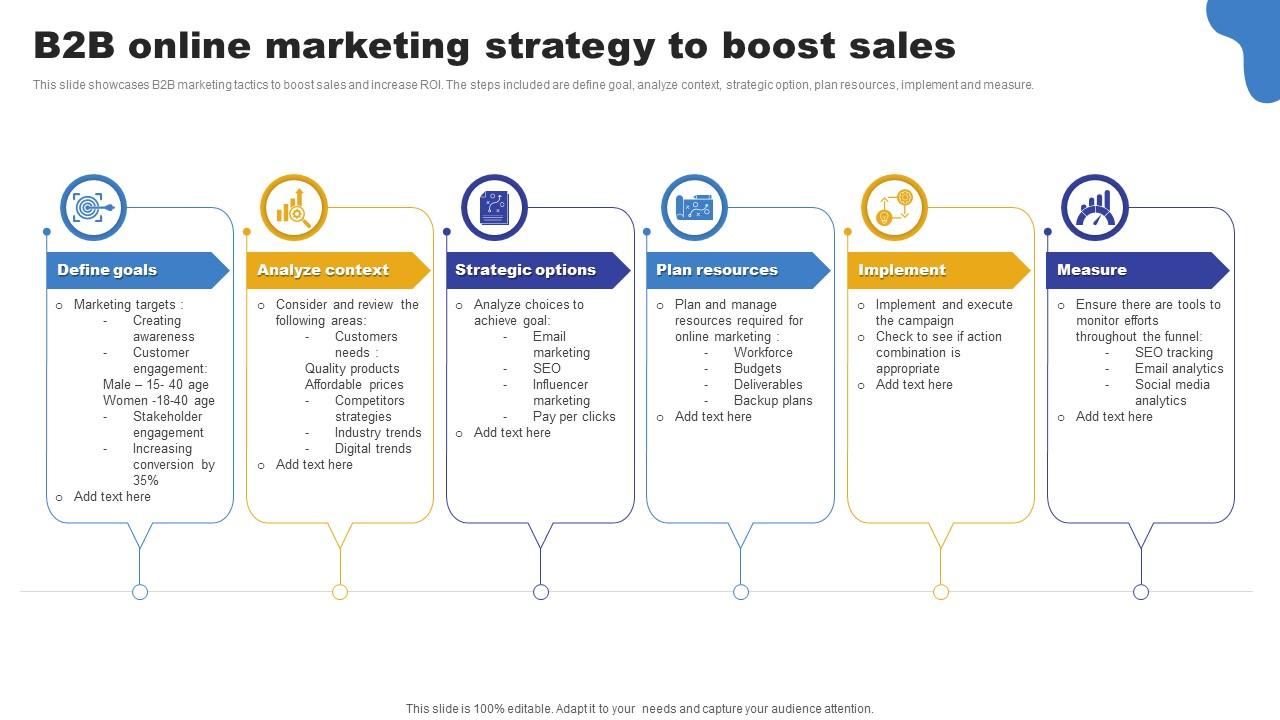
One of the key advantages of B2B online marketing is its ability to target a specific audience of business professionals who are actively seeking solutions to their challenges. Through various digital channels such as search engine optimisation (SEO), pay-per-click (PPC) advertising, email marketing, and social media, B2B marketers can effectively reach decision-makers and influencers within target companies.

Another benefit of B2B online marketing is the ability to track and measure the performance of campaigns in real-time. With analytics tools and data-driven insights, companies can assess the effectiveness of their strategies, identify areas for improvement, and make informed decisions to optimise their marketing efforts.

Furthermore, B2B online marketing allows for personalised and targeted communication with prospects and customers. By leveraging customer relationship management (CRM) systems and marketing automation tools, businesses can deliver relevant content at each stage of the buyer’s journey, nurturing leads and building strong relationships with clients.

In conclusion, B2B online marketing offers a powerful way for companies to connect with other businesses, drive lead generation, increase brand awareness, and ultimately boost sales. By embracing digital technologies and adopting a strategic approach to online marketing, B2B organisations can stay competitive in today’s fast-paced business landscape.


Top 5 B2B Online Marketing Strategies for Success

  1. Identify your target audience and tailor your marketing message to their needs.
  2. Utilise content marketing to establish thought leadership and build trust with potential clients.
  3. Engage with your audience through social media platforms to increase brand visibility and drive traffic to your website.
  4. Implement email marketing campaigns to nurture leads and keep existing clients informed about your products or services.
  5. Analyse data regularly to track the performance of your online marketing efforts and make data-driven decisions for improvement.

Identify your target audience and tailor your marketing message to their needs.

To succeed in B2B online marketing, it is essential to identify your target audience and customise your marketing message to address their specific needs and pain points. By understanding the challenges and priorities of your potential business clients, you can create tailored content and solutions that resonate with them, leading to stronger engagement and higher conversion rates. Personalising your message demonstrates a commitment to meeting the unique requirements of your target audience, ultimately building trust and driving long-term relationships with prospective business partners.

Utilise content marketing to establish thought leadership and build trust with potential clients.

Utilising content marketing is a valuable strategy in B2B online marketing to establish thought leadership and foster trust with potential clients. By creating and sharing high-quality, informative content that addresses the pain points and challenges of target audiences, businesses can position themselves as industry experts and reliable sources of information. This approach not only helps to showcase expertise but also builds credibility and strengthens relationships with prospects, ultimately increasing the likelihood of converting leads into loyal customers.

Engage with your audience through social media platforms to increase brand visibility and drive traffic to your website.

Engaging with your audience through social media platforms is a valuable tip in B2B online marketing. By actively participating in conversations, sharing relevant content, and responding to comments and messages, businesses can increase brand visibility and establish a strong online presence. Social media provides a platform to showcase expertise, build credibility, and connect with potential clients. Moreover, by driving traffic to your website through social media channels, you can generate leads, nurture relationships, and ultimately drive business growth in the competitive B2B market.

Implement email marketing campaigns to nurture leads and keep existing clients informed about your products or services.

Implementing email marketing campaigns is a valuable strategy in B2B online marketing to nurture leads and maintain strong relationships with existing clients. By delivering targeted and relevant content through email, businesses can engage with prospects at different stages of the buying process, providing them with valuable information and building trust. Additionally, keeping existing clients informed about products or services through regular email updates can help strengthen loyalty and encourage repeat business. Email marketing allows for personalised communication, making it an effective tool for driving conversions and fostering long-term customer relationships in the B2B sector.

Analyse data regularly to track the performance of your online marketing efforts and make data-driven decisions for improvement.

Regularly analysing data is a vital tip for successful B2B online marketing. By tracking the performance of your online marketing efforts and making data-driven decisions for improvement, you can gain valuable insights into what strategies are working and where adjustments are needed. This approach allows businesses to optimise their campaigns, target the right audience more effectively, and ultimately drive better results in reaching and engaging with other businesses.
crm digital marketing

Unlocking Success: The Synergy of CRM and Digital Marketing Strategies

CRM Digital Marketing

The Power of CRM in Digital Marketing

In today’s digital age, Customer Relationship Management (CRM) has become an indispensable tool for businesses looking to enhance their marketing efforts. CRM systems not only help in managing customer interactions but also play a crucial role in shaping effective digital marketing strategies.

Personalized Customer Experience

One of the key benefits of integrating CRM into digital marketing is the ability to create personalised customer experiences. By leveraging customer data stored in the CRM system, businesses can tailor their marketing campaigns to target specific demographics, preferences, and behaviours. This level of personalisation leads to higher engagement rates and improved customer satisfaction.

Improved Targeting and Segmentation

CRM enables businesses to segment their customer base effectively, allowing for targeted marketing campaigns. By categorising customers based on factors such as purchase history, interests, and communication preferences, marketers can deliver relevant content that resonates with each segment. This targeted approach results in higher conversion rates and better ROI on marketing investments.

Enhanced Lead Management

CRM systems streamline lead management processes by tracking leads from initial contact to conversion. Marketers can easily track lead interactions, nurture prospects through automated workflows, and identify high-potential leads for further engagement. This seamless lead management process ensures that no opportunity falls through the cracks and helps in maximising sales opportunities.

Data-Driven Decision Making

By centralising customer data and interactions, CRM empowers marketers to make data-driven decisions. Analytics tools integrated into CRM systems provide valuable insights into campaign performance, customer behaviour trends, and ROI metrics. Armed with this data, businesses can refine their digital marketing strategies for optimal results and continuous improvement.

Conclusion

CRM has revolutionised the way businesses approach digital marketing by enabling personalised experiences, targeted campaigns, efficient lead management, and informed decision making. Embracing CRM as a core component of your digital marketing strategy can help you build stronger relationships with customers, drive revenue growth, and stay ahead in today’s competitive landscape.


Enhancing Digital Marketing with CRM: 8 Essential Tips for Success

  1. Personalise your communications to build stronger relationships with customers.
  2. Use CRM data to segment your audience and target specific groups with tailored messages.
  3. Automate marketing processes to save time and improve efficiency.
  4. Integrate CRM with other digital marketing tools for a seamless workflow.
  5. Track customer interactions across various channels to gain insights and improve engagement strategies.
  6. Provide valuable content that addresses the needs and interests of your target audience.
  7. Regularly analyse CRM data to measure the effectiveness of your marketing campaigns and make informed decisions.
  8. Invest in training for your team to maximise the benefits of CRM in digital marketing.

Personalise your communications to build stronger relationships with customers.

Personalising your communications is a vital tip in CRM digital marketing as it allows businesses to establish stronger relationships with customers. By tailoring messages, offers, and content to individual preferences and behaviours, businesses can create a more engaging and relevant experience for customers. This personal touch not only fosters customer loyalty but also increases the likelihood of conversions and long-term brand advocacy. Effective personalisation demonstrates that you understand and value your customers, ultimately leading to improved satisfaction and retention rates.

Use CRM data to segment your audience and target specific groups with tailored messages.

Utilising CRM data to segment your audience and target specific groups with customised messages is a powerful strategy in digital marketing. By analysing customer information stored in the CRM system, businesses can categorise their audience based on demographics, behaviours, and preferences. This segmentation allows for the delivery of targeted messages that resonate with each group, increasing engagement and driving conversions. Tailoring marketing efforts to address the unique needs of different segments enhances the overall effectiveness of campaigns and fosters stronger connections with customers.

Automate marketing processes to save time and improve efficiency.

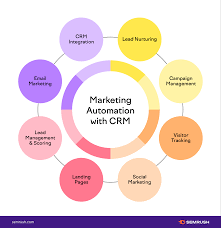
Automating marketing processes is a valuable tip in CRM digital marketing that can significantly benefit businesses. By leveraging automation tools within CRM systems, companies can save time and enhance efficiency in their marketing campaigns. Automating tasks such as email campaigns, lead nurturing, and customer segmentation not only streamlines processes but also allows marketers to focus on strategic initiatives and creative aspects of their campaigns. This approach not only increases productivity but also ensures consistent and timely communication with customers, ultimately leading to improved engagement and better results.

Integrate CRM with other digital marketing tools for a seamless workflow.

Integrating CRM with other digital marketing tools is a valuable tip to enhance your digital marketing efforts. By seamlessly connecting your CRM system with tools such as email marketing platforms, social media management software, and analytics tools, you can create a unified workflow that streamlines processes and improves efficiency. This integration allows for better data sharing, automated workflows, and a more cohesive approach to customer engagement across various channels. Ultimately, integrating CRM with other digital marketing tools enables you to deliver more targeted and personalised campaigns that resonate with your audience, leading to improved results and customer satisfaction.

Track customer interactions across various channels to gain insights and improve engagement strategies.

Tracking customer interactions across multiple channels is a crucial tip in CRM digital marketing. By monitoring how customers engage with your brand across different touchpoints such as social media, email, and website interactions, businesses can gain valuable insights into customer preferences and behaviours. This data allows marketers to create more targeted and effective engagement strategies, delivering personalised experiences that resonate with customers. By leveraging these insights, businesses can enhance customer satisfaction, drive loyalty, and ultimately improve their overall marketing performance.

Provide valuable content that addresses the needs and interests of your target audience.

To succeed in CRM digital marketing, it is essential to provide valuable content that resonates with the needs and interests of your target audience. By understanding the challenges and preferences of your customers, you can create content that not only engages them but also adds value to their experience. Tailoring your messaging to address specific pain points and interests demonstrates a customer-centric approach, fostering stronger relationships and increasing brand loyalty. In a competitive digital landscape, delivering relevant and valuable content is key to capturing and retaining the attention of your target audience.

Regularly analyse CRM data to measure the effectiveness of your marketing campaigns and make informed decisions.

Regularly analysing CRM data is a crucial tip in CRM digital marketing. By consistently reviewing the data captured within the CRM system, businesses can evaluate the performance of their marketing campaigns and gain valuable insights into customer interactions. This analytical approach allows marketers to make informed decisions based on real-time data, identify areas for improvement, and refine their strategies for better results. Ultimately, leveraging CRM data analysis empowers businesses to optimise their marketing efforts and enhance customer engagement in a targeted and effective manner.

Invest in training for your team to maximise the benefits of CRM in digital marketing.

Investing in training for your team is crucial to maximise the benefits of CRM in digital marketing. By providing comprehensive training on how to effectively utilise CRM systems, your team can enhance their understanding of customer data management, segmentation strategies, lead nurturing techniques, and data analysis. Equipping your team with the necessary skills and knowledge will not only improve the efficiency of your digital marketing campaigns but also empower them to make informed decisions based on actionable insights derived from CRM data. Training ensures that your team can fully leverage the capabilities of CRM to deliver personalised customer experiences, drive targeted campaigns, and ultimately achieve greater success in your digital marketing efforts.