

best digital advertising agencies

Unveiling the Best Digital Advertising Agencies Setting the Standard in the Industry

The Top Digital Advertising Agencies Setting the Standard in the Industry

With the ever-evolving digital landscape, businesses are constantly seeking ways to reach their target audience effectively. This is where digital advertising agencies play a crucial role in helping brands navigate the complex world of online marketing. From social media campaigns to search engine optimisation (SEO) strategies, these agencies employ a range of techniques to maximise brand visibility and drive engagement.

What Makes a Great Digital Advertising Agency?

The best digital advertising agencies stand out for their creativity, innovation, and strategic approach to marketing. They understand the importance of data-driven decision-making and leverage analytics to optimise campaigns for maximum impact. These agencies also stay ahead of industry trends and technologies to ensure their clients stay competitive in the digital space.

Top Digital Advertising Agencies Around the Globe

Wieden+Kennedy: Known for its bold and unconventional campaigns, Wieden+Kennedy has made a name for itself as a leader in creative advertising.

Ogilvy: With a legacy dating back to 1948, Ogilvy continues to be a powerhouse in the advertising world, offering a wide range of services from traditional to digital marketing.

Droga5: Recognised for its innovative approach to storytelling, Droga5 has worked with some of the biggest brands globally, creating memorable campaigns that resonate with audiences.

R/GA: R/GA is known for its focus on technology-driven marketing solutions that blend creativity with cutting-edge digital expertise.

The Impact of Digital Advertising Agencies

Digital advertising agencies play a pivotal role in helping brands connect with consumers in meaningful ways. By leveraging data insights and creative strategies, these agencies help businesses enhance brand awareness, drive website traffic, and ultimately increase conversions. In today’s competitive market, partnering with a top digital advertising agency can make all the difference in achieving your marketing goals.

Whether you’re looking to launch a new product or revamp your online presence, investing in the expertise of a reputable digital advertising agency can set your brand apart from the competition and propel your business towards success.

Contact one of these top agencies today to explore how they can elevate your brand’s digital presence and drive results that matter.


Top Advantages of Leading Digital Advertising Agencies: Creativity, Expertise, and Innovation

  1. Innovative and creative campaigns that capture audience attention.
  2. Expertise in data analysis to optimise ad performance and ROI.
  3. Strategic approach to targeting the right audience across various digital platforms.
  4. Access to cutting-edge technology and tools for effective campaign execution.
  5. Experienced professionals with diverse skill sets in marketing, design, and technology.
  6. Proven track record of successful campaigns for leading brands in different industries.
  7. Ability to adapt quickly to changing trends and algorithms in the digital advertising landscape.


Challenges Faced by Small Businesses in Engaging Top Digital Advertising Agencies

  1. Costly services may not be feasible for small businesses with limited budgets.
  2. Some agencies may focus more on creativity than data-driven results, potentially impacting campaign effectiveness.
  3. Communication challenges can arise when working with large agencies due to multiple layers of hierarchy.
  4. Adherence to strict timelines and deadlines may lead to rushed or less thorough campaign strategies.

Innovative and creative campaigns that capture audience attention.

One of the key advantages of working with the best digital advertising agencies is their ability to create innovative and creative campaigns that captivate audience attention. These agencies excel in crafting unique and engaging content that resonates with target demographics, ultimately driving brand awareness and fostering meaningful connections with consumers. By pushing the boundaries of traditional marketing strategies and embracing cutting-edge approaches, top digital advertising agencies can help brands stand out in a crowded digital landscape and leave a lasting impression on their audience.

Expertise in data analysis to optimise ad performance and ROI.

One of the key advantages of partnering with the best digital advertising agencies is their expertise in data analysis to optimise ad performance and return on investment (ROI). These agencies have the tools and knowledge to gather and interpret data effectively, allowing them to make informed decisions that maximise the impact of advertising campaigns. By leveraging data insights, they can fine-tune targeting strategies, adjust ad creatives, and allocate budget efficiently to drive higher ROI for their clients. This analytical approach sets top digital advertising agencies apart, ensuring that every marketing effort is backed by data-driven strategies for optimal results.

Strategic approach to targeting the right audience across various digital platforms.

One key advantage of the best digital advertising agencies is their strategic approach to targeting the right audience across multiple digital platforms. By utilising data-driven insights and advanced targeting capabilities, these agencies can identify and reach specific demographics, interests, and behaviours with precision. This targeted approach not only maximises the effectiveness of marketing campaigns but also ensures that brands connect with the most relevant audiences, leading to higher engagement, increased brand awareness, and ultimately, improved return on investment.

Access to cutting-edge technology and tools for effective campaign execution.

One of the key advantages of partnering with the best digital advertising agencies is gaining access to cutting-edge technology and tools that are essential for executing effective campaigns. These agencies invest in state-of-the-art software and platforms that enable precise targeting, real-time analytics, and automated campaign management. By harnessing the power of advanced technology, they can optimise strategies, track performance metrics accurately, and make data-driven decisions to ensure maximum impact and ROI for their clients’ advertising efforts.

Experienced professionals with diverse skill sets in marketing, design, and technology.

One key advantage of partnering with the best digital advertising agencies is their team of experienced professionals who bring a diverse range of skill sets to the table. From marketing strategists to creative designers and tech-savvy experts, these agencies have a multidisciplinary team capable of tackling various aspects of digital advertising with precision and innovation. By harnessing the collective expertise in marketing, design, and technology, these professionals can develop tailored strategies that resonate with target audiences, drive engagement, and ultimately deliver measurable results for their clients.

Proven track record of successful campaigns for leading brands in different industries.

Digital advertising agencies with a proven track record of successful campaigns for leading brands across various industries offer a valuable advantage to businesses seeking impactful marketing solutions. By demonstrating their ability to deliver results for well-known brands, these agencies showcase their expertise in understanding diverse target audiences and implementing effective strategies tailored to specific industries. This track record instills confidence in clients, assuring them that they are partnering with a team that has the experience and capabilities to drive successful outcomes in the competitive digital landscape.

One of the key advantages of the best digital advertising agencies is their ability to adapt swiftly to evolving trends and algorithms within the dynamic digital advertising landscape. These agencies stay ahead of the curve by continuously monitoring industry changes, consumer behaviours, and platform updates. By quickly adjusting their strategies to align with the latest trends and algorithms, top digital advertising agencies can ensure that their clients’ campaigns remain relevant, effective, and impactful in reaching target audiences in a rapidly changing online environment.

Costly services may not be feasible for small businesses with limited budgets.

One significant drawback of partnering with the best digital advertising agencies is the potentially high cost of their services, which may not be feasible for small businesses operating on limited budgets. While these agencies offer top-tier expertise and innovative strategies, the financial investment required to engage their services can be prohibitive for smaller companies. This cost barrier may prevent small businesses from accessing the full range of benefits that top digital advertising agencies can provide, limiting their ability to compete effectively in the online marketplace.

Some agencies may focus more on creativity than data-driven results, potentially impacting campaign effectiveness.

In the realm of digital advertising agencies, a notable drawback can arise when some agencies prioritise creativity over data-driven results. While creativity is undoubtedly important in capturing audience attention, an overemphasis on this aspect may lead to campaigns that lack the necessary strategic foundation for success. By neglecting data-driven insights and analytics, these agencies risk compromising the effectiveness of their campaigns and may struggle to achieve the desired outcomes for their clients. Striking a balance between creativity and data-driven decision-making is essential for ensuring that digital advertising efforts resonate with target audiences and drive measurable results.

Communication challenges can arise when working with large agencies due to multiple layers of hierarchy.

Communication challenges can often surface when collaborating with top digital advertising agencies, particularly those with extensive hierarchies. The presence of multiple layers of management can sometimes lead to delays in decision-making, miscommunication of client requirements, and a lack of direct access to key decision-makers. This hierarchical structure can hinder the fluid exchange of ideas and feedback, potentially impacting the efficiency and effectiveness of communication between the agency and its clients. It is essential for agencies to proactively address these challenges by fostering open lines of communication and streamlining processes to ensure seamless collaboration and optimal outcomes for their clients.

Adherence to strict timelines and deadlines may lead to rushed or less thorough campaign strategies.

One potential drawback of working with the best digital advertising agencies is the pressure to adhere to strict timelines and deadlines, which may sometimes result in rushed or less thorough campaign strategies. In their pursuit of meeting tight schedules, agencies may compromise on the depth of research, creativity, or strategic planning required for a truly impactful campaign. This trade-off between speed and quality can potentially affect the overall effectiveness and long-term success of a marketing initiative. It is essential for both clients and agencies to find a balance that ensures timely delivery without sacrificing the quality and thoughtfulness of the campaigns being developed.
online marketing analysis

Unlocking Success: The Power of Online Marketing Analysis

The Importance of Online Marketing Analysis

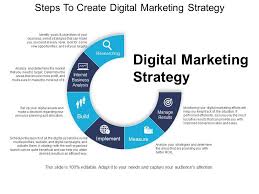
In today’s digital age, online marketing has become a crucial component of any business strategy. With the vast amount of data available through various online channels, it is essential for businesses to conduct thorough analysis to understand the effectiveness of their marketing efforts. Online marketing analysis plays a key role in helping businesses make informed decisions, optimise their campaigns, and maximise their return on investment.

Understanding Customer Behaviour

One of the primary benefits of online marketing analysis is gaining insights into customer behaviour. By tracking metrics such as website traffic, click-through rates, and conversion rates, businesses can understand how customers interact with their online platforms. This information allows companies to tailor their marketing strategies to better meet the needs and preferences of their target audience.

Measuring Campaign Performance

By analysing key performance indicators (KPIs) such as cost per acquisition (CPA), return on investment (ROI), and customer lifetime value (CLV), businesses can evaluate the success of their online marketing campaigns. This data-driven approach enables companies to identify which strategies are driving results and which may need adjustments or reallocation of resources.

Identifying Opportunities for Growth

Online marketing analysis also helps businesses identify opportunities for growth and expansion. By analysing market trends, competitor strategies, and consumer preferences, companies can uncover new avenues for reaching their target audience and increasing market share. This proactive approach allows businesses to stay ahead of the competition and capitalise on emerging opportunities in the digital landscape.

Optimising Marketing Budgets

Effective online marketing analysis empowers businesses to optimise their marketing budgets by allocating resources strategically based on data-driven insights. By identifying high-performing channels and campaigns, companies can focus their investments where they are most likely to generate positive outcomes. This targeted approach not only maximises ROI but also ensures that resources are used efficiently to achieve business objectives.

The Bottom Line

In conclusion, online marketing analysis is essential for businesses looking to succeed in today’s competitive digital environment. By leveraging data insights to understand customer behaviour, measure campaign performance, identify growth opportunities, and optimise budgets, companies can enhance the effectiveness of their online marketing efforts and drive sustainable business growth.


Maximising Success: The Seven Key Benefits of Online Marketing Analysis

  1. 1. Data-driven decision-making
  2. 2. Improved targeting
  3. 3. Enhanced campaign performance
  4. 4. Competitive advantage
  5. 5. Cost-effectiveness
  6. 6. Real-time adjustments
  7. 7. Measurable results


Exploring the Challenges of Online Marketing Analysis: From Data Overload to Limited Predictive Power

  1. 1. Data Overload
  2. 2. Time-Consuming
  3. 3. Costly Tools
  4. 4. Complexity
  5. 5. Inaccurate Data
  6. 6. Privacy Concerns
  7. 7. Limited Predictive Power

1. Data-driven decision-making

One significant advantage of online marketing analysis is its ability to facilitate data-driven decision-making for businesses. By analysing key metrics and performance indicators, companies can gain valuable insights into the effectiveness of their marketing strategies. This data-driven approach empowers businesses to make informed decisions based on concrete evidence rather than guesswork, ultimately leading to more strategic and impactful marketing initiatives that are aligned with their goals and objectives.

2. Improved targeting

By analysing customer behaviour through online marketing analysis, businesses can significantly improve their targeting strategies. Understanding how customers interact with their online platforms allows companies to tailor their marketing efforts to reach the right audience effectively. By identifying patterns in customer preferences, browsing habits, and purchasing behaviours, businesses can create targeted campaigns that resonate with their target demographic, ultimately increasing the likelihood of conversion and driving more meaningful engagement with their brand.

3. Enhanced campaign performance

By monitoring key metrics through online marketing analysis, businesses can enhance their campaign performance significantly. Understanding and tracking essential data points such as click-through rates, conversion rates, and cost per acquisition allows companies to make informed decisions to optimise their campaigns for better results. By identifying what is working well and what needs improvement, businesses can fine-tune their strategies, allocate resources more effectively, and ultimately achieve higher levels of success in their online marketing efforts.

4. Competitive advantage

One significant pro of online marketing analysis is its ability to provide companies with a competitive advantage. By leveraging data insights and trends, businesses can proactively identify opportunities in the market and stay ahead of competitors. Through strategic analysis of online marketing performance, companies can make informed decisions that allow them to adapt quickly to changing market dynamics, tailor their strategies to meet customer needs effectively, and ultimately position themselves as industry leaders in the digital landscape.

5. Cost-effectiveness

Cost-effectiveness is a significant advantage of online marketing analysis. By leveraging data-driven insights to allocate resources efficiently, businesses can maximise their return on investment while minimising wastage. This strategic approach ensures that marketing budgets are optimised to focus on high-performing channels and campaigns, ultimately leading to cost savings and improved overall effectiveness of marketing efforts.

6. Real-time adjustments

Continuous monitoring and analysis in online marketing provide the advantage of real-time adjustments to strategies based on changing market conditions. By staying vigilant and responsive to fluctuations in consumer behaviour, competitor activities, and industry trends, businesses can adapt their marketing tactics swiftly to maximise opportunities and mitigate risks. This agility in making real-time adjustments ensures that companies remain adaptable and competitive in the dynamic digital landscape, allowing them to stay ahead of the curve and optimise their marketing efforts for optimal results.

7. Measurable results

With online marketing analysis, businesses can benefit from measurable results by tracking and accurately measuring the impact of their campaigns. This allows companies to gauge the effectiveness of their marketing strategies in real-time, providing valuable insights into what is working well and what may need adjustment. By having access to quantifiable data on key performance metrics, businesses can make informed decisions to optimise their campaigns for maximum impact and return on investment.

1. Data Overload

One significant drawback of online marketing analysis is the issue of data overload. With the abundance of data available from various online channels, businesses may find themselves inundated with a vast amount of information that can be challenging to navigate and interpret. The sheer volume of data can lead to analysis paralysis, making it difficult for companies to extract meaningful insights and make informed decisions. This data overload can hinder the effectiveness of online marketing analysis, as businesses may struggle to identify key trends, patterns, and opportunities amidst the sea of information.

2. Time-Consuming

Conducting thorough online marketing analysis can be a time-consuming process that demands significant resources, posing a challenge for many businesses. The need to collect, analyse, and interpret data from various online channels can be labour-intensive and may require dedicated personnel with specialised skills. For smaller businesses or those with limited resources, investing the necessary time and effort into comprehensive online marketing analysis may not always be feasible, potentially hindering their ability to optimise their digital marketing strategies effectively.

3. Costly Tools

One significant drawback of online marketing analysis is the cost associated with acquiring and using advanced analytics tools and software. For small businesses operating on limited budgets, investing in these tools can be financially burdensome. The expense of accessing sophisticated analytics platforms may deter smaller enterprises from conducting comprehensive online marketing analysis, potentially putting them at a disadvantage compared to larger competitors with greater financial resources. This financial barrier can hinder small businesses from fully utilising data-driven insights to optimise their marketing strategies and make informed decisions for sustainable growth.

4. Complexity

One significant drawback of online marketing analysis is the complexity involved in interpreting and analysing the data gathered from diverse online channels. This process can be intricate and demanding, often necessitating specialised expertise in data analytics. Understanding the nuances of different metrics, identifying correlations, and drawing actionable insights from the data can pose challenges for businesses without dedicated resources or experienced professionals in this field. The complexity of online marketing analysis can hinder effective decision-making and strategic planning, potentially leading to suboptimal outcomes if not managed effectively.

5. Inaccurate Data

One significant drawback of online marketing analysis is the potential for inaccurate data. Inaccuracies in data collection or tracking methods can undermine the reliability of the analysis, resulting in flawed insights and misinformed decision-making. When businesses base their strategies on faulty data, they run the risk of investing resources in ineffective campaigns or missing out on valuable opportunities. It is crucial for companies to ensure the accuracy and integrity of their data collection processes to derive meaningful conclusions and make informed decisions in the dynamic landscape of online marketing.

6. Privacy Concerns

Privacy concerns represent a significant drawback of online marketing analysis. Collecting customer data for analysis purposes can raise ethical issues regarding data privacy and security. Consumers may feel uneasy knowing that their online activities are being tracked and analysed for marketing purposes, potentially leading to a backlash against the company conducting such practices. Maintaining trust with customers and ensuring compliance with data protection regulations are essential considerations when engaging in online marketing analysis to mitigate the risk of privacy-related issues.

7. Limited Predictive Power

One significant drawback of online marketing analysis is its limited predictive power for future trends. While the data and insights obtained from analysing past performance can be valuable in shaping current strategies, they may not always accurately forecast future outcomes. Factors such as evolving consumer behaviours, market dynamics, and external influences can impact the effectiveness of predictive models derived from online marketing analysis. As a result, businesses must exercise caution and supplement their analysis with other forecasting methods to ensure a more comprehensive and reliable approach to planning for the future.

analytics in digital marketing

Unlocking the Potential of Analytics in Digital Marketing

The Power of Analytics in Digital Marketing

The Power of Analytics in Digital Marketing

In the fast-paced world of digital marketing, data is king. Analytics play a crucial role in helping businesses understand their online presence, track performance, and make informed decisions to drive success.

Understanding Customer Behaviour

Analytics provide valuable insights into customer behaviour. By tracking metrics such as website traffic, conversion rates, and user engagement, businesses can gain a deeper understanding of their audience. This information allows marketers to tailor their strategies to meet the needs and preferences of their target customers.

Optimising Campaign Performance

With analytics, digital marketers can monitor the performance of their campaigns in real-time. By analysing key metrics like click-through rates, bounce rates, and conversion rates, they can identify what is working well and what needs improvement. This data-driven approach enables businesses to optimise their marketing efforts for better results.

Measuring Return on Investment (ROI)

Analytics tools allow businesses to track the ROI of their digital marketing initiatives accurately. By attributing conversions to specific campaigns or channels, companies can determine which investments are generating the highest returns. This insight is invaluable for allocating resources effectively and maximising profitability.

Continuous Improvement

One of the most significant advantages of analytics in digital marketing is the ability to iterate and improve continuously. By analysing data trends over time, businesses can identify patterns, test hypotheses, and refine their strategies for optimal performance. This iterative process ensures that marketing efforts remain relevant and effective in an ever-evolving digital landscape.

In Conclusion

Analytics have revolutionised the way businesses approach digital marketing. By harnessing the power of data-driven insights, companies can make smarter decisions, enhance customer experiences, and achieve measurable results. Embracing analytics is not just a trend but a necessity for staying competitive in today’s digital marketplace.


Maximising Digital Marketing Success: 7 Key Benefits of Analytics

  1. 1. Data-driven decision-making
  2. 2. Improved targeting
  3. 3. Performance tracking
  4. 4. Cost-effectiveness
  5. 5. Personalisation
  6. 6. Competitive advantage
  7. 7. Continuous improvement


Exploring the Challenges of Digital Marketing Analytics: Data Overload, Privacy Concerns, Costly Tools, and Skill Requirements

  1. 1. Data Overload
  2. 2. Privacy Concerns
  3. 3. Costly Tools
  4. 4. Skill Requirement

1. Data-driven decision-making

Analytics in digital marketing offer a significant advantage through data-driven decision-making. By leveraging analytics tools, businesses can access real-time data and insights that empower them to make informed decisions. This capability allows companies to pivot their strategies, allocate resources effectively, and fine-tune their marketing efforts based on concrete evidence rather than guesswork. Ultimately, data-driven decision-making facilitated by analytics leads to more precise targeting, improved campaign performance, and better overall outcomes in the dynamic landscape of digital marketing.

2. Improved targeting

By utilising analytics in digital marketing, businesses can benefit from improved targeting capabilities. Through the analysis of customer behaviour, companies can gain valuable insights that enable them to tailor their marketing strategies with precision. By understanding the preferences and actions of their target audience, businesses can create targeted campaigns that resonate with specific demographics, resulting in more effective engagement and higher conversion rates. This enhanced targeting approach not only maximises the impact of marketing efforts but also fosters stronger connections with customers by delivering relevant content that meets their needs and interests.

3. Performance tracking

Analytics in digital marketing offer a significant advantage in performance tracking. By utilising analytics tools, businesses can closely monitor the effectiveness of their campaigns in real-time. This capability enables them to track key metrics, identify areas of success, and pinpoint opportunities for improvement. With the insights gained from analytics, businesses can make data-driven decisions to adjust their strategies and tactics, ultimately leading to better results and a more impactful digital marketing presence.

4. Cost-effectiveness

Cost-effectiveness is a significant advantage of analytics in digital marketing. By utilising data to measure ROI and optimise campaigns, businesses can make informed decisions on resource allocation. This strategic approach enables companies to allocate their budget more efficiently, ensuring that every pound spent delivers maximum impact. By identifying high-performing channels and tactics through analytics, businesses can streamline their marketing efforts and achieve better results while keeping costs in check.

5. Personalisation

Analytics in digital marketing offer businesses the invaluable advantage of personalisation. By leveraging data insights, companies can gain a deep understanding of their customers’ preferences and needs. This knowledge allows businesses to tailor their marketing strategies and content to create personalised experiences that resonate with individual customers. From targeted offers to customised recommendations, analytics enable businesses to forge stronger connections with their audience and enhance overall customer satisfaction.

6. Competitive advantage

Leveraging analytics in digital marketing provides businesses with a significant competitive advantage. By utilising data-driven insights, companies can stay ahead of industry trends, anticipate changes in consumer behaviour, and adapt their strategies proactively. This proactive approach allows businesses to make informed decisions swiftly, optimise their marketing efforts effectively, and ultimately outperform competitors in the ever-evolving digital landscape. Embracing analytics not only enhances a company’s ability to compete but also positions them as industry leaders driving innovation and success.

7. Continuous improvement

With the aid of analytics, businesses have the opportunity to engage in continuous improvement of their marketing strategies, leading to enhanced outcomes as time progresses. By analysing data trends and performance metrics, companies can identify areas for refinement and adjustment, allowing them to adapt to changing market dynamics and consumer preferences. This iterative approach ensures that marketing efforts remain effective and relevant in the ever-evolving digital landscape, ultimately driving sustained success for the business.

1. Data Overload

In the realm of digital marketing, one significant drawback of analytics is the risk of data overload. While analytics tools can provide businesses with a wealth of information, the sheer volume of data generated can overwhelm marketers and decision-makers. Sorting through this extensive data pool to extract relevant and actionable insights can be a daunting task, often leading to information overload. This challenge makes it difficult for businesses to pinpoint the most critical metrics and make informed decisions based on meaningful data analysis.

2. Privacy Concerns

The collection and analysis of user data for analytics purposes raise significant privacy concerns among consumers in digital marketing. With the growing emphasis on data privacy regulations and increasing awareness about online security, customers are becoming more cautious about how their personal information is being used. This heightened scrutiny can potentially damage brand trust if businesses are not transparent about their data practices or fail to adequately protect customer privacy. It is crucial for companies to address these privacy concerns proactively and establish trust with their audience to maintain a positive brand reputation in the digital landscape.

3. Costly Tools

Implementing robust analytics tools and platforms can be costly, especially for small businesses with limited budgets. The expense of acquiring and maintaining advanced analytics software can pose a significant challenge for smaller enterprises looking to leverage data-driven insights in their digital marketing strategies. This financial barrier may prevent some businesses from fully harnessing the power of analytics, limiting their ability to compete effectively in the online marketplace and make informed decisions based on actionable data.

4. Skill Requirement

Interpreting analytics data effectively in digital marketing poses a notable challenge due to the skill requirement involved. Marketers need a certain level of expertise and technical knowledge to navigate and derive meaningful insights from the vast array of data available. This barrier can be daunting for some marketers who may lack the necessary skills or resources to interpret analytics accurately, potentially hindering their ability to make informed decisions and optimise their digital marketing strategies efficiently.