

b2b digital agency

Empowering B2B Success: The Role of a Digital Agency in Today’s Business Landscape

The Role of a B2B Digital Agency in Today’s Business Landscape

The Role of a B2B Digital Agency in Today’s Business Landscape

In the digital age, businesses are constantly seeking ways to stay ahead of the competition and reach their target audience effectively. This is where a B2B digital agency plays a crucial role. Specialising in serving business-to-business (B2B) clients, these agencies offer a range of services designed to help companies thrive in the online realm.

Understanding B2B Digital Agency Services

A B2B digital agency provides tailored solutions to businesses looking to enhance their online presence and generate leads from other businesses. These agencies typically offer services such as:

  • Website Development: Creating professional and user-friendly websites that showcase a company’s products or services effectively.
  • Digital Marketing: Implementing targeted strategies to increase brand visibility, drive traffic, and generate leads through channels like SEO, PPC, email marketing, and social media.
  • Content Creation: Developing engaging and informative content that resonates with B2B audiences and positions the company as an industry leader.
  • Data Analytics: Monitoring and analysing key performance metrics to measure the success of campaigns and make data-driven decisions for future strategies.

The Benefits of Partnering with a B2B Digital Agency

Collaborating with a B2B digital agency offers numerous advantages for businesses operating in today’s competitive landscape. Some key benefits include:

  • Expertise: Access to a team of professionals with expertise in various digital disciplines, ensuring that your online efforts are executed with precision.
  • Tailored Solutions: Customised strategies that align with your business goals and target audience, maximising your ROI.
  • Innovation: Keeping up-to-date with the latest trends and technologies to implement innovative solutions that give you a competitive edge.
  • Data-Driven Decisions: Utilising analytics tools to track performance metrics and make informed decisions for continuous improvement.

In Conclusion

A B2B digital agency serves as a valuable partner for businesses looking to navigate the complexities of the online world successfully. By leveraging their expertise, tailored solutions, and innovative approaches, companies can establish a strong digital presence, attract quality leads, and drive sustainable growth in today’s dynamic business environment.


Essential Strategies for a Successful B2B Digital Agency: 8 Expert Tips

  1. Understand the needs and pain points of your B2B clients.
  2. Offer tailored solutions that address specific business challenges.
  3. Focus on building long-term relationships with your B2B clients.
  4. Stay updated on the latest digital marketing trends and technologies.
  5. Provide clear and transparent communication throughout the project lifecycle.
  6. Track and measure the performance of your campaigns to demonstrate ROI to clients.
  7. Invest in continuous learning and development to enhance your agency’s capabilities.
  8. Collaborate with other businesses or professionals to offer comprehensive services.

Understand the needs and pain points of your B2B clients.

To succeed in the competitive B2B landscape, it is crucial for a digital agency to deeply understand the needs and pain points of their B2B clients. By taking the time to empathise with their clients’ challenges and objectives, a B2B digital agency can tailor their strategies and solutions to address specific pain points effectively. This approach not only fosters stronger client relationships but also ensures that the agency delivers valuable and impactful results that align closely with the client’s business goals.

Offer tailored solutions that address specific business challenges.

To maximise the effectiveness of a B2B digital agency, it is essential to offer tailored solutions that directly address the unique challenges faced by businesses. By understanding the specific needs and goals of each client, these agencies can develop customised strategies that resonate with their target audience and drive meaningful results. This personalised approach not only enhances brand relevance but also fosters long-term relationships built on trust and mutual success.

Focus on building long-term relationships with your B2B clients.

In the realm of B2B digital agencies, it is paramount to focus on cultivating enduring relationships with your B2B clients. By prioritising long-term partnerships built on trust, communication, and mutual success, agencies can establish a solid foundation for sustained growth and client loyalty. Investing time and effort in understanding the unique needs and goals of each client fosters a collaborative environment that leads to impactful results and establishes the agency as a trusted advisor in the ever-evolving digital landscape.

To thrive in the competitive landscape of B2B digital marketing, it is crucial for businesses to stay updated on the latest trends and technologies. By keeping abreast of industry developments, companies can adapt their strategies to leverage new opportunities and stay ahead of the curve. Whether it’s embracing emerging platforms, implementing innovative techniques, or refining existing practices, staying informed allows B2B digital agencies to deliver cutting-edge solutions that drive results for their clients.

Provide clear and transparent communication throughout the project lifecycle.

In the realm of B2B digital agencies, a crucial tip for success is to maintain clear and transparent communication throughout the project lifecycle. By fostering open dialogue and keeping all stakeholders informed at every stage, businesses can ensure alignment on goals, expectations, and progress. This approach not only builds trust and confidence but also minimises misunderstandings and delays, ultimately leading to a smoother and more successful project outcome.

Track and measure the performance of your campaigns to demonstrate ROI to clients.

Tracking and measuring the performance of your campaigns is essential for a B2B digital agency to demonstrate return on investment (ROI) to clients. By analysing key metrics such as website traffic, lead generation, conversion rates, and engagement levels, agencies can provide tangible evidence of the effectiveness of their strategies. This data-driven approach not only showcases the impact of the campaigns but also allows for informed decision-making and continuous improvement to achieve optimal results for clients in the competitive digital landscape.

Invest in continuous learning and development to enhance your agency’s capabilities.

To thrive in the competitive landscape of B2B digital agencies, it is essential to prioritise continuous learning and development. By investing in ongoing training and upskilling initiatives, agencies can enhance their capabilities, stay abreast of industry trends, and deliver cutting-edge solutions to their clients. Embracing a culture of learning not only fosters innovation within the agency but also ensures that teams are equipped with the latest knowledge and skills to tackle complex challenges effectively. This commitment to continuous improvement ultimately positions the agency as a trusted partner capable of driving success in the ever-evolving digital realm.

Collaborate with other businesses or professionals to offer comprehensive services.

To maximise the impact of your B2B digital agency, consider collaborating with other businesses or professionals to broaden your service offerings and provide comprehensive solutions to clients. By partnering with experts in complementary fields, you can offer a more diverse range of services, enhance the value you deliver to customers, and create unique opportunities for growth and success in the competitive digital landscape. Collaboration fosters innovation and allows you to tap into additional resources and expertise, ultimately strengthening your position as a trusted partner for businesses seeking comprehensive digital solutions.
content creation

Crafting Compelling Content: Mastering the Art of Content Creation

The Art of Content Creation

The Art of Content Creation

Content creation is a fundamental aspect of any successful digital marketing strategy. It involves the process of producing relevant, valuable, and engaging material to attract and retain a target audience. In today’s fast-paced online world, creating high-quality content is essential for building brand awareness, driving traffic to your website, and establishing credibility in your industry.

Understanding Your Audience

Before diving into content creation, it is crucial to understand your target audience. By knowing their demographics, preferences, and pain points, you can tailor your content to resonate with them effectively. Conducting thorough research and creating buyer personas can help you create content that addresses the specific needs of your audience.

Types of Content

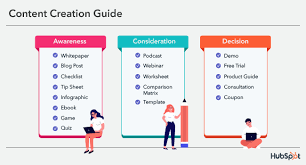
Content comes in various forms, including blog posts, articles, videos, infographics, podcasts, social media posts, and more. Each type serves a different purpose and appeals to different audiences. It is essential to diversify your content strategy to cater to the preferences of your target audience and keep them engaged across different channels.

Creating Compelling Content

To create compelling content that resonates with your audience, it is essential to focus on quality over quantity. Your content should be well-researched, informative, original, and visually appealing. Incorporating storytelling elements can help captivate your audience and establish an emotional connection with them.

Optimising for Search Engines

Search engine optimisation (SEO) plays a crucial role in content creation. By incorporating relevant keywords, meta descriptions, alt text for images, and internal links in your content, you can improve its visibility on search engine results pages (SERPs) and attract organic traffic to your website.

Measuring Success

Once you have created and published your content, it is essential to track its performance using analytics tools. Monitor key metrics such as website traffic, engagement rates, conversion rates, and social shares to evaluate the effectiveness of your content strategy. Use this data to make informed decisions and refine your future content creation efforts.

In Conclusion

Content creation is an art that requires creativity, strategic thinking, and continuous refinement. By understanding your audience’s needs, creating diverse types of compelling content optimised for search engines and measuring success through analytics tools you can build a successful digital presence that resonates with your target audience.


Essential FAQs on Mastering Content Creation for Business Success

  1. What is content creation?
  2. Why is content creation important for businesses?
  3. How do you create engaging content?
  4. What are the different types of content that can be created?
  5. How can I improve my content creation skills?
  6. What role does storytelling play in content creation?
  7. How important is search engine optimisation (SEO) in content creation?
  8. What tools can help with content creation?

What is content creation?

Content creation encompasses the process of developing and producing valuable and engaging material to attract and retain a specific audience. It involves crafting various forms of content, such as articles, blog posts, videos, infographics, and social media posts, with the aim of delivering relevant information that resonates with the target audience. Content creation is a fundamental component of digital marketing strategies, serving to build brand awareness, drive website traffic, and establish credibility within an industry. By understanding the needs and preferences of the intended audience, content creators can tailor their material to effectively communicate messages that captivate and connect with their viewers or readers.

Why is content creation important for businesses?

Content creation is crucial for businesses as it serves as a powerful tool to engage with their target audience, build brand credibility, and drive traffic to their digital platforms. By consistently producing high-quality and relevant content, businesses can establish themselves as industry experts, attract new customers, and retain existing ones. Effective content creation also plays a vital role in improving search engine visibility, enhancing brand awareness, and fostering meaningful relationships with customers. In today’s competitive market landscape, investing in content creation is essential for businesses looking to stand out, connect with their audience on a deeper level, and ultimately achieve long-term success.

How do you create engaging content?

Creating engaging content is a multifaceted process that involves understanding your target audience, identifying their interests and preferences, and delivering value through compelling storytelling and visuals. To create engaging content, it is essential to conduct thorough research, utilise data-driven insights, and incorporate elements that resonate with your audience emotionally. By focusing on authenticity, relevance, and creativity, you can capture the attention of your audience and foster meaningful connections that drive interaction and encourage them to take action.

What are the different types of content that can be created?

When it comes to content creation, there is a wide range of content types that can be crafted to engage and resonate with audiences. From informative blog posts and articles to visually appealing infographics, engaging videos, entertaining podcasts, and interactive social media posts, the possibilities are endless. Each type of content serves a unique purpose and appeals to different preferences within your target audience. By diversifying your content strategy and exploring various formats, you can effectively capture the attention of your audience across different platforms and channels.

How can I improve my content creation skills?

Improving your content creation skills involves a combination of practice, learning, and staying updated with industry trends. To enhance your skills, consider experimenting with different types of content, such as blog posts, videos, or infographics, to find what resonates best with your audience. Additionally, seek feedback from peers or mentors to gain valuable insights and constructive criticism. Investing time in continuous learning through online courses, workshops, or reading industry blogs can also help you stay informed about the latest techniques and best practices in content creation. Remember that consistency and perseverance are key to honing your content creation skills over time.

What role does storytelling play in content creation?

Storytelling plays a pivotal role in content creation by adding depth, emotion, and relatability to the material. Through storytelling, brands can connect with their audience on a personal level, evoke empathy, and create a memorable experience that resonates long after the content is consumed. By weaving narratives into their content, businesses can capture attention, build trust, and differentiate themselves in a crowded digital landscape. Effective storytelling not only engages the audience but also conveys key messages in a compelling and memorable way, making it an essential element of successful content creation strategies.

How important is search engine optimisation (SEO) in content creation?

Search engine optimisation (SEO) plays a vital role in content creation by enhancing the visibility and discoverability of your content online. Incorporating SEO best practices, such as using relevant keywords, meta descriptions, and internal links, can help improve your content’s ranking on search engine results pages (SERPs). By optimising your content for search engines, you increase the likelihood of attracting organic traffic to your website and reaching a wider audience. Therefore, SEO is essential in content creation as it ensures that your valuable and engaging material is effectively found and consumed by your target audience.

What tools can help with content creation?

When it comes to content creation, there are various tools available to assist in the process and enhance the quality of your output. From content planning and idea generation to design and editing, tools such as content management systems like WordPress, graphic design software like Canva or Adobe Creative Cloud, keyword research tools like SEMrush or Ahrefs, and grammar checking tools like Grammarly can all play a valuable role in streamlining your content creation workflow. These tools can help you create engaging and visually appealing content that resonates with your audience while saving time and improving overall efficiency.