
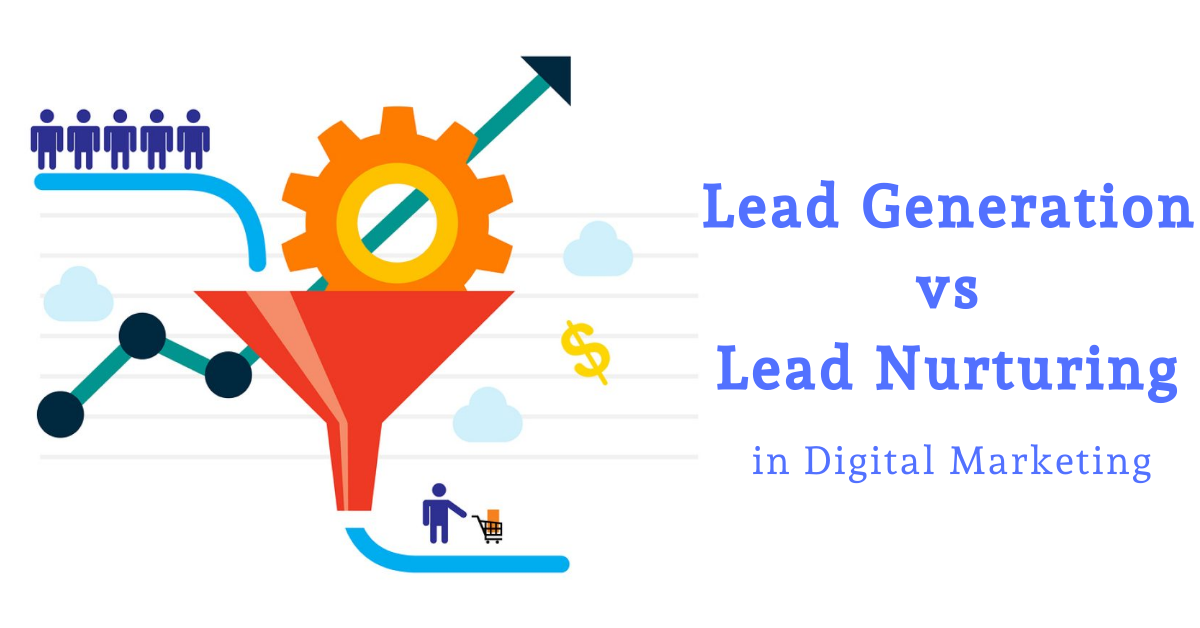
lead generation digital marketing

Mastering Lead Generation Strategies in Digital Marketing

The Power of Lead Generation in Digital Marketing

The Power of Lead Generation in Digital Marketing

In the ever-evolving landscape of digital marketing, lead generation stands out as a crucial strategy for businesses looking to expand their customer base and drive revenue growth. By capturing potential customer interest and converting it into leads, businesses can nurture relationships and ultimately turn prospects into loyal customers.

What is Lead Generation?

Lead generation is the process of attracting and converting prospects into individuals who have shown interest in your products or services. In the digital realm, this often involves creating compelling content, engaging with audiences on social media platforms, and implementing targeted advertising campaigns to capture leads’ contact information.

The Benefits of Lead Generation

Effective lead generation strategies offer a multitude of benefits for businesses:

  • Increased Sales: By generating quality leads, businesses can boost their sales numbers and drive revenue growth.
  • Targeted Marketing: Lead generation allows businesses to target specific demographics or customer segments, ensuring that marketing efforts are focused on the right audience.
  • Builds Customer Relationships: By nurturing leads through personalised communication and valuable content, businesses can build strong relationships with potential customers.
  • Data-driven Insights: Lead generation provides valuable data on customer preferences and behaviours, enabling businesses to refine their marketing strategies for better results.

Implementing Lead Generation Strategies

To successfully implement lead generation strategies in digital marketing, businesses should consider the following key tactics:

  1. Create Compelling Content: Develop high-quality content that resonates with your target audience and encourages them to engage with your brand.
  2. Optimise Landing Pages: Design landing pages that are user-friendly and optimised for conversions to capture lead information effectively.
  3. Social Media Engagement: Engage with your audience on social media platforms to build brand awareness and drive traffic to your lead generation campaigns.
  4. Email Marketing: Utilise email marketing campaigns to nurture leads over time and guide them through the sales funnel towards conversion.

The Future of Lead Generation

In an increasingly digital world, lead generation will continue to play a vital role in helping businesses connect with their target audiences and drive growth. By leveraging innovative technologies and data-driven insights, businesses can stay ahead of the competition and create meaningful connections with their customers.

Contact us today to learn how our lead generation services can help your business thrive in the digital age.


Understanding Lead Generation in Digital Marketing: Key Questions and Strategies

  1. What is lead generation in digital marketing?
  2. Why is lead generation important for businesses?
  3. How can businesses generate leads online?
  4. What are the key strategies for successful lead generation?
  5. What role does content marketing play in lead generation?
  6. How can businesses measure the effectiveness of their lead generation campaigns?

What is lead generation in digital marketing?

Lead generation in digital marketing refers to the strategic process of identifying, attracting, and converting potential customers into leads through various online channels. It involves capturing the interest of individuals who have shown an inclination towards a product or service and collecting their contact information for further engagement. By leveraging digital tools such as social media, email marketing, and targeted advertising, businesses can effectively generate leads and nurture relationships with prospects to ultimately drive sales and business growth.

Why is lead generation important for businesses?

Lead generation is vital for businesses as it serves as the foundation for expanding customer reach and driving revenue growth. By capturing potential customer interest and converting it into leads, businesses can establish meaningful connections with prospects and guide them through the sales funnel towards conversion. Effective lead generation strategies enable businesses to target specific demographics, build customer relationships, and gain valuable insights into consumer preferences. Ultimately, lead generation plays a crucial role in increasing sales, enhancing brand visibility, and fostering long-term customer loyalty.

How can businesses generate leads online?

To generate leads online, businesses can employ a variety of digital marketing strategies tailored to attract and engage their target audience. Creating compelling and informative content, such as blog posts, videos, and infographics, can help capture the interest of potential leads. Utilising social media platforms to engage with followers, running targeted advertising campaigns, and optimising website landing pages for lead capture are also effective methods. Email marketing campaigns, offering valuable resources or promotions in exchange for contact information, can further nurture leads and guide them through the sales funnel. By implementing a comprehensive online lead generation strategy that combines these tactics strategically, businesses can effectively generate and convert leads in the digital landscape.

What are the key strategies for successful lead generation?

When it comes to successful lead generation in digital marketing, implementing key strategies is essential. Some of the fundamental tactics include creating compelling and relevant content that resonates with the target audience, optimising landing pages for conversions, engaging with prospects on social media platforms to drive traffic, and utilising email marketing campaigns to nurture leads effectively. By focusing on these strategies and continuously refining them based on data-driven insights, businesses can enhance their lead generation efforts and ultimately drive sustainable growth in customer acquisition and revenue.

What role does content marketing play in lead generation?

Content marketing plays a pivotal role in lead generation within digital marketing strategies. By creating valuable and relevant content that resonates with target audiences, businesses can attract potential leads and nurture them through the sales funnel. Compelling content such as blog posts, videos, infographics, and whitepapers not only educates prospects but also establishes credibility and trust in the brand. Through strategic content distribution across various channels, businesses can capture leads’ interest, drive engagement, and ultimately convert them into loyal customers. Content marketing acts as a powerful tool in building relationships with prospects and guiding them towards making informed purchasing decisions.

How can businesses measure the effectiveness of their lead generation campaigns?

Businesses can measure the effectiveness of their lead generation campaigns through various key performance indicators (KPIs) that provide insights into the campaign’s success in capturing and nurturing leads. Metrics such as conversion rates, lead quality, cost per lead, and return on investment (ROI) are essential in evaluating the performance of lead generation efforts. By tracking these metrics and analysing data on lead engagement and conversion rates, businesses can gain a clear understanding of the impact of their campaigns and make informed decisions to optimise future strategies for greater success in digital marketing.

Unlocking Success: The Dynamic Duo of Digital and Content Marketing

Digital and Content Marketing

The Power of Digital and Content Marketing

In today’s fast-paced digital landscape, the role of digital and content marketing has become more crucial than ever for businesses looking to engage with their audiences effectively. Let’s explore how these two intertwined strategies can help businesses achieve their marketing goals.

Digital Marketing

Digital marketing encompasses a wide range of online tactics aimed at promoting products or services through various digital channels. From social media and email marketing to search engine optimisation (SEO) and pay-per-click (PPC) advertising, digital marketing offers a versatile toolkit for reaching target audiences and driving conversions.

Key benefits of digital marketing include its ability to reach a global audience, track campaign performance in real-time, and target specific demographics with precision. By leveraging data analytics and consumer insights, businesses can refine their digital strategies to deliver personalised experiences that resonate with their customers.

Content Marketing

Content marketing focuses on creating valuable, relevant, and consistent content to attract and retain a clearly defined audience. Whether it’s blog posts, videos, infographics, or social media updates, compelling content serves as the cornerstone of any successful digital marketing campaign.

Effective content marketing not only drives organic traffic to websites but also positions brands as industry thought leaders and builds trust with consumers. By crafting engaging stories that address customer pain points and provide solutions, businesses can establish meaningful connections that drive long-term loyalty.

The Synergy Between Digital and Content Marketing

When combined strategically, digital and content marketing create a powerful synergy that amplifies brand visibility and engagement. Content serves as the fuel for digital campaigns, attracting prospects through informative and entertaining materials that drive conversions across various online platforms.

By aligning content creation with targeted digital channels such as social media ads or email newsletters, businesses can deliver cohesive messaging that resonates with audiences at every touchpoint. This integrated approach not only enhances brand awareness but also nurtures leads through the sales funnel towards conversion.

Conclusion

In conclusion, the integration of digital and content marketing offers businesses a competitive edge in today’s digitally-driven marketplace. By crafting compelling narratives that captivate audiences across online channels, businesses can cultivate lasting relationships with customers while achieving their marketing objectives effectively.


Unlocking Success: 9 Key Advantages of Digital and Content Marketing

  1. Global Reach
  2. Targeted Advertising
  3. Real-time Analytics
  4. Cost-effective
  5. Brand Visibility
  6. Customer Engagement
  7. Lead Generation
  8. Thought Leadership
  9. Measurable Results


Navigating the Challenges of Digital Marketing: Addressing Saturation, Content Overload, and Algorithm Changes

  1. Saturation
  2. Content Overload
  3. Algorithm Changes

Global Reach

Digital and content marketing offer businesses the invaluable advantage of global reach, enabling them to connect with a diverse and expansive audience on a worldwide scale through various online channels. By leveraging the power of digital platforms and creating engaging content tailored to different demographics and regions, businesses can transcend geographical boundaries and establish meaningful relationships with customers across the globe. This unparalleled reach not only enhances brand visibility but also opens up new opportunities for growth and expansion in international markets, showcasing the transformative impact of digital and content marketing strategies in today’s interconnected world.

Targeted Advertising

Targeted advertising is a key advantage of digital and content marketing, allowing businesses to tailor their messaging to specific demographics with precision. By leveraging data on consumer interests, behaviours, and preferences, companies can create customised campaigns that resonate with their target audience on a personal level. This approach not only increases the effectiveness of marketing efforts but also enhances customer engagement and conversion rates by delivering relevant content to the right people at the right time.

Real-time Analytics

With real-time analytics in digital and content marketing, businesses gain the ability to monitor campaign performance instantaneously, enabling them to make swift adjustments to enhance outcomes. This proactive approach empowers companies to optimise their strategies on the fly, ensuring that resources are allocated efficiently and that campaigns are continuously refined for maximum impact. By leveraging real-time data insights, businesses can stay agile in their marketing efforts and adapt quickly to changing market dynamics, ultimately driving better results and achieving their objectives more effectively.

Cost-effective

In comparison to traditional marketing approaches, digital and content marketing present a notable advantage in terms of cost-effectiveness. By leveraging online platforms and creating engaging content, businesses can target specific audience segments more efficiently and at a lower cost. This allows companies to maximise their marketing budgets while achieving greater reach and engagement with their desired demographics. The ability to track and measure the performance of digital campaigns also enables businesses to optimise their strategies for better ROI, making digital and content marketing a highly efficient investment for reaching target audiences in a cost-effective manner.

Brand Visibility

Consistent digital and content marketing efforts play a pivotal role in enhancing brand visibility across diverse online platforms. By maintaining a strategic presence through engaging content and targeted digital campaigns, businesses can ensure that their brand remains visible to their target audience. This increased visibility not only boosts brand recognition but also helps establish credibility and trust among consumers, ultimately driving brand loyalty and long-term success in the competitive digital landscape.

Customer Engagement

Compelling content lies at the heart of customer engagement in digital and content marketing. By offering valuable information and creating meaningful interactions, businesses can connect with their target audience on a deeper level. Whether through informative blog posts, engaging videos, or interactive social media campaigns, compelling content not only captures the attention of customers but also encourages them to actively participate and engage with the brand. This two-way communication builds trust, loyalty, and ultimately leads to a stronger relationship between businesses and their customers.

Lead Generation

Lead generation is a key benefit of digital and content marketing strategies. By creating and sharing relevant, engaging content, businesses can attract prospects and convert them into leads. Through targeted campaigns that resonate with their target audience, companies can effectively nurture relationships and guide potential customers through the sales funnel. This approach not only increases brand visibility but also drives meaningful interactions that result in valuable leads for sustained business growth.

Thought Leadership

A significant advantage of digital and content marketing is the establishment of thought leadership within industries. Through content marketing, businesses can showcase their expertise and insights to their target audience, positioning themselves as authoritative voices in their field. By sharing valuable knowledge and engaging with audiences through informative content, businesses can build credibility, trust, and recognition as industry thought leaders, ultimately strengthening their brand reputation and attracting a loyal following.

Measurable Results

One of the key advantages of digital and content marketing is the ability to deliver measurable results, enabling businesses to assess the effectiveness of their campaigns accurately. Through data analytics and performance tracking tools, companies can gain valuable insights into audience engagement, conversion rates, and overall campaign performance. This data-driven approach allows businesses to make informed decisions, refine their strategies, and allocate resources efficiently to maximise ROI. By leveraging measurable results, businesses can continuously optimise their digital and content marketing efforts to achieve tangible outcomes and drive sustainable growth.

Saturation

In the realm of digital and content marketing, one significant challenge that businesses face is saturation. The vast digital landscape is inundated with an abundance of content, creating a competitive environment where standing out and capturing audience attention becomes increasingly difficult. With countless brands vying for visibility and engagement, cutting through the noise to convey a distinct message that resonates with target audiences poses a formidable hurdle for businesses seeking to make an impact in the crowded online space.

Content Overload

In the realm of digital and content marketing, a significant con that businesses must navigate is the issue of content overload. The continuous stream of content being generated across various online platforms poses a challenge as it runs the risk of inundating consumers with information. This saturation can lead to consumer fatigue and desensitisation, ultimately diluting the effectiveness of marketing messages. In a landscape where attention spans are fleeting, businesses must carefully curate their content to ensure it stands out amidst the noise and resonates with their target audience in a meaningful way.

Algorithm Changes

One significant drawback of digital and content marketing is the constant evolution of algorithms on various online platforms. These algorithm changes can have a profound impact on organic reach, making it challenging for businesses to maintain visibility to their target audience. As platforms like social media and search engines adjust their algorithms, businesses must continuously adapt their strategies to ensure their content remains relevant and reaches the intended audience effectively. The need to stay abreast of these algorithm updates adds complexity and uncertainty to digital marketing efforts, requiring businesses to be agile and responsive in navigating the ever-changing digital landscape.