Digital Media Advertising: Reaching the Right Audience Online
Digital media advertising helps businesses promote their products, services and ideas across online channels. From search engines and social media to websites, apps and streaming platforms, it offers a range of ways to reach potential customers where they spend their time.
Unlike traditional advertising, digital campaigns can often be adjusted while they are running. Advertisers can use performance data to understand what is working, refine their messages and make better use of their budgets.
What is digital media advertising?
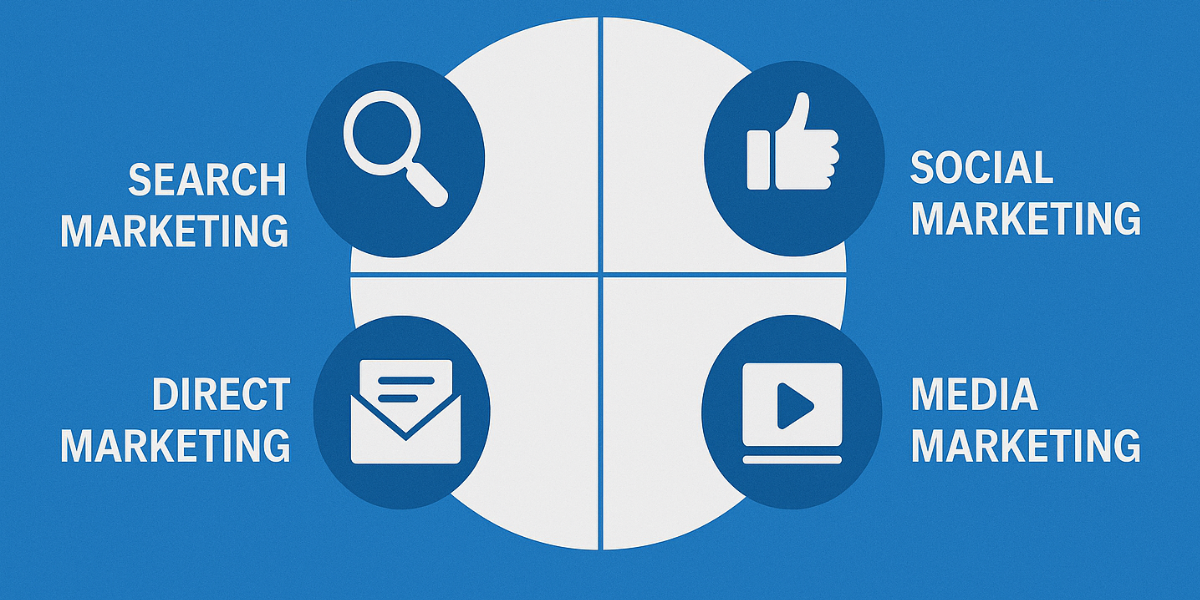
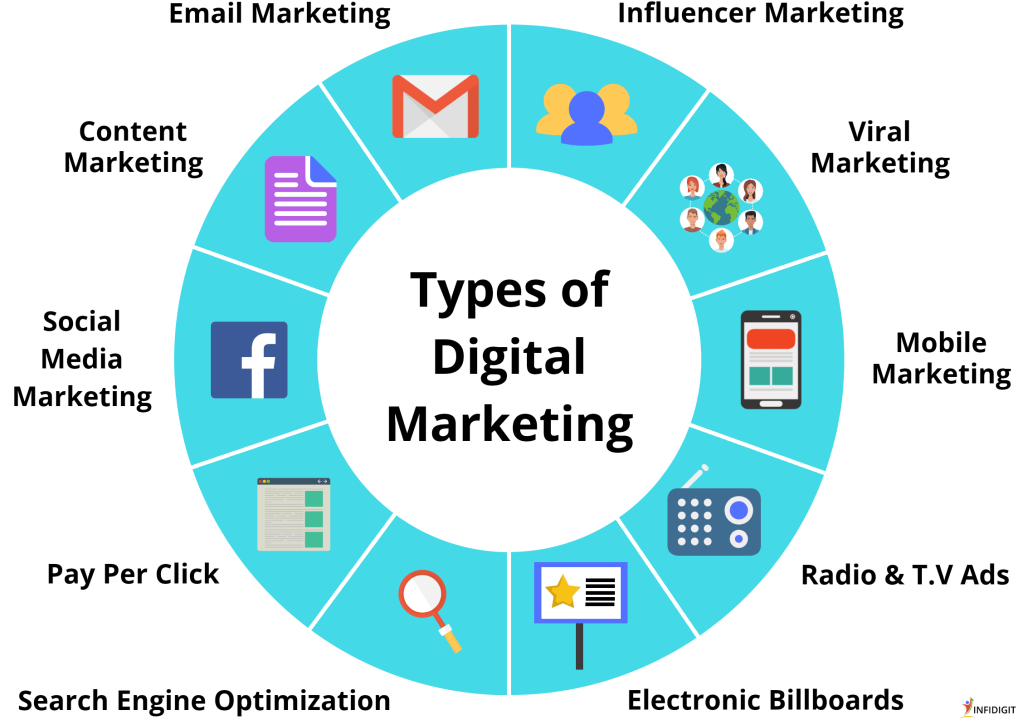
Digital media advertising is paid promotion delivered through digital channels. It includes formats such as search adverts, display banners, sponsored social posts, online video adverts and audio adverts on streaming services.
Each format serves a different purpose. A search advert can reach someone actively looking for a product or service, while a social media campaign may introduce a brand to people who have not encountered it before. The best choice depends on the campaign’s audience, objectives and budget.
Common types of digital advertising
- Search advertising: Paid listings shown on search engine results pages, often in response to a relevant query.
- Social media advertising: Sponsored content delivered on platforms such as Instagram, Facebook, LinkedIn and TikTok.
- Display advertising: Visual adverts placed on websites, apps and other digital properties.
- Video advertising: Short or long-form adverts shown before, during or alongside online video content.
- Native advertising: Paid content designed to fit the look and feel of the platform where it appears, while still being clearly identified as advertising.
- Audio advertising: Adverts delivered through digital radio, podcasts and music-streaming services.
- Retail media: Advertising placed on retailers’ websites, apps or other channels, often aimed at shoppers researching or buying products.
Why businesses use digital media advertising
Digital advertising can help businesses increase awareness, attract visitors to a website, generate enquiries and encourage sales. Campaigns can be tailored to different locations, interests, search behaviours or stages of the customer journey, subject to platform rules and privacy requirements.
It also provides useful measurement. Depending on the channel and tracking set-up, advertisers may be able to review impressions, clicks, video views, conversions and the cost of achieving specific outcomes. These insights can guide improvements, although results should be interpreted carefully: not every valuable interaction is easy to measure, and a click does not always lead to a sale.
Building an effective campaign
Start with a clear objective
Decide what the campaign needs to achieve. Raising awareness, bringing visitors to a website and generating qualified leads require different messages and measures of success. A clear objective helps shape the channel mix and makes it easier to assess performance.
Understand the audience
Consider who the campaign is for, what they need and where they are likely to encounter relevant content. Audience research can help inform the tone, format and placement of adverts. Avoid relying on assumptions when customer feedback, search data or previous campaign results can provide stronger evidence.
Choose suitable channels and formats
There is no single channel that works for every business. Search advertising may suit people with a clear intention to buy, while video or social advertising can be useful for introducing a brand or explaining a more complex offer. A campaign can use several channels, but each should have a defined role.
Create relevant, clear adverts
Effective advertising communicates a useful benefit and gives people a clear next step. Keep copy concise, use visuals that support the message and make sure the advert leads to a relevant landing page. The experience should be consistent from the first impression through to the action you want someone to take.
Set a realistic budget
Plan spending around the campaign’s objectives, audience and duration. Leave room to test different messages or formats, but avoid making major decisions based on limited data. Costs and competition vary between channels, industries and audiences, so regular review is important.
Measurement and optimisation
Before launching a campaign, decide which indicators will show whether it is making progress. Depending on the objective, these might include reach, engagement, website visits, enquiries or sales. Use reliable tracking where appropriate, and check that the data is being collected and reported consistently.
Optimisation is the process of improving a campaign as information becomes available. This may involve testing alternative creative, adjusting bids, refining placements or improving a landing page. Make changes thoughtfully and allow enough time to understand their effects.
Privacy, transparency and trust
Digital advertising should be responsible as well as effective. Businesses must follow relevant data-protection and advertising rules, including requirements around consent, personal data and clear identification of paid content. In the UK, guidance from the Information Commissioner’s Office and the Advertising Standards Authority can help organisations understand their responsibilities.
Respectful advertising also means being honest about what is being offered, avoiding misleading claims and considering how targeting may affect people. Clear communication helps build trust and supports better long-term relationships with customers.
Making digital advertising work for your business
Digital media advertising is most effective when it is part of a considered marketing plan. Clear objectives, useful creative, suitable channels and careful measurement provide a strong foundation. By learning from results and keeping the audience’s needs in focus, businesses can make more informed decisions and improve their campaigns over time.
Exploring Digital Media Advertising: Key Questions and Insights
- What is an example of digital advertising?
- What are the 3 types of digital media?
- What are the four types of digital advertising?
- How is advertising done on digital media?
- What is digital digital advertising?
- What are the 4 types of advertising media?
- What are the 5 types of digital media?
- What is the best digital media advertising?
What is an example of digital advertising?
An example of digital advertising is a sponsored advert that appears on social media. A clothing retailer might promote a new collection in users’ feeds, with an image, a short message and a link to its online shop. The advert can be tailored to a relevant audience and its performance measured through views, clicks and sales.
What are the 3 types of digital media?
The three commonly recognised types of digital media are owned, earned and paid media. Owned media includes channels a business controls, such as its website, blog and social media profiles. Earned media is exposure gained through others, including customer reviews, shares, mentions and press coverage. Paid media is promotion a business pays for, such as search adverts, sponsored social posts and display advertising. Used together, these channels can help a business share its message, build trust and reach a wider audience.
What are the four types of digital advertising?
There is no single official classification, but four common types of digital advertising are search, display, social media and video advertising. Search adverts appear in search engine results, display adverts use banners or other visuals on websites and apps, social media adverts are paid posts shown on platforms such as Instagram or LinkedIn, and video adverts appear before, during or alongside online videos. These categories can overlap—for example, a video advert may also be a social media advert—so the best format depends on your audience and campaign goals.
How is advertising done on digital media?
Advertising on digital media is done by creating paid content and placing it on channels such as search engines, social media platforms, websites, apps and streaming services. Businesses choose an audience, set a budget and select a format—such as a search listing, banner, video or sponsored post—then publish the campaign through an advertising platform or media partner. Performance can be tracked using measures such as views, clicks, enquiries and sales, allowing advertisers to adjust their targeting, creative or budget while the campaign runs.
What is digital digital advertising?
Digital advertising (also known as digital media advertising) is the promotion of products, services or brands through online channels such as search engines, social media, websites, apps and streaming platforms. It can include paid search results, display banners, sponsored posts, video adverts and audio adverts. Businesses use digital advertising to reach specific audiences, raise awareness, attract website visitors or encourage sales, and can measure campaign performance using relevant data.
What are the 4 types of advertising media?
The four commonly recognised types of advertising media are print, broadcast, outdoor and digital. Print includes newspapers and magazines; broadcast covers television and radio; outdoor includes billboards, posters and transport advertising; and digital spans online channels such as search engines, websites, social media and streaming platforms. The categories can vary between marketing frameworks, and many campaigns combine several types to reach audiences in different ways.
What are the 5 types of digital media?
There is no single agreed list of the five types of digital media, but in marketing they are often grouped as owned, paid, earned, shared and converged media. Owned media includes channels a business controls, such as its website and email newsletter; paid media covers advertising it pays for, such as search or social adverts; earned media is coverage or recommendations gained through others; shared media is content circulated through social platforms and communities; and converged media is where these channels work together—for example, a paid campaign that sparks social sharing and leads people to a company’s website.
What is the best digital media advertising?
There’s no single “best” type of digital media advertising for every business. The right choice depends on your goals, audience and budget: search advertising can reach people actively looking for a product or service, while social media, display and video adverts can help build awareness and interest. Start with a clear objective, choose the channels your audience uses, and measure results so you can refine your approach over time.