
Top Digital Marketing Agencies in the World
Choosing a digital marketing agency can help a business reach new audiences, strengthen its brand and turn online interest into measurable results. But the right partner depends on what a company needs: global campaign support, specialist expertise, creative development, or practical help with search and paid advertising.
There is no single definitive ranking of the world’s best agencies. The organisations below are among the most recognised international players, with capabilities spanning digital strategy, creative, media, technology and performance marketing.
Leading global digital marketing agencies
Accenture Song
Accenture Song combines marketing, creative services and technology consulting. It works with businesses on areas such as customer experience, digital products, brand transformation and data-led marketing. Its scale can make it a strong option for large organisations tackling complex, multi-market projects.
VML
VML is a global creative company with capabilities across brand experience, commerce, customer engagement and technology. It can suit businesses looking to connect creative campaigns with digital platforms and customer journeys across multiple regions.
Publicis Groupe
Publicis Groupe brings together creative, media, data and technology businesses, including agencies such as Digitas, Leo Burnett and Saatchi & Saatchi. Its broad network can support international campaigns, from brand strategy and media planning to digital transformation.
Omnicom
Omnicom is a major global marketing and communications group with agencies across advertising, public relations, media and digital services. Its network includes well-known creative and specialist businesses, making it a potential fit for companies seeking coordinated campaigns across markets and channels.
Dentsu
Dentsu offers marketing, media, creative and customer experience services, with a particularly strong international presence in Japan and across the Asia-Pacific region. Its mix of local market knowledge and global capabilities can be useful for brands planning growth across borders.
Havas
Havas provides services spanning advertising, media, communications and digital marketing. Its integrated approach is designed to bring different disciplines together, which may appeal to businesses looking for a connected partner rather than a collection of separate suppliers.
DEPT®
DEPT® is a digital agency working across areas such as marketing, technology, data, commerce and creative. It is known for combining digital delivery with marketing services, making it worth considering for businesses seeking support with both customer-facing campaigns and the platforms behind them.
Jellyfish
Jellyfish specialises in digital marketing, media, data and technology. Its services include search, paid media, social, creative and analytics. The agency may be a good fit for organisations seeking hands-on digital channel expertise and performance-focused support.
WPP Media
WPP Media brings together media planning, buying and related services within the wider WPP group. It can help brands plan campaigns across digital and traditional channels, using data and audience insights to guide investment in different markets.
WebFX
WebFX is a digital marketing agency known for services including search engine optimisation (SEO), pay-per-click advertising, web design and lead generation. Compared with large global networks, it can be a more focused option for businesses looking for practical, measurable support with online growth.
How to choose the right digital marketing agency
A well-known name is not automatically the right choice. Before selecting an agency, consider the following:
- Define your goals: Be clear about whether you want more qualified leads, online sales, brand awareness, international growth or a better customer experience.
- Match expertise to the brief: Check that the agency has relevant experience in the channels and services you need, such as SEO, paid search, social media, content or e-commerce.
- Ask about results: Request case studies that explain the challenge, the work delivered and the outcomes achieved. Look for evidence relevant to your own sector and objectives.
- Understand the team: Find out who will manage your account and deliver the work. A strong pitch team is less important than the people you will work with day to day.
- Check measurement and reporting: Agree how success will be measured, how often progress will be reviewed and which metrics matter to your business.
- Consider the working relationship: Communication, transparency and a shared understanding of your customers can be just as important as technical capability.
- Compare scope and value: Review what is included in the fee, what may cost extra and how the agency will adapt its approach as your needs change.
Final thoughts
The top digital marketing agencies in the world offer different strengths. Global networks can provide scale and coordinated support across countries, while specialist agencies may bring deeper expertise in particular channels or industries. The best choice is the one that understands your objectives, has the right skills for the work and can show how its efforts will contribute to meaningful business results.
9 Essential Tips for Choosing the World’s Leading Digital Marketing Agencies
- Compare agencies’ expertise across SEO, paid media, social and content.
- Check independent rankings, but treat awards as only one signal.
- Review case studies for measurable results in your sector.
- Ask how the agency will tailor work to your audience and goals.
- Confirm who will manage your account day to day.
- Seek transparent pricing, reporting and contract terms.
- Check client references and recent reviews from multiple sources.
- Assess the agency’s experience in your target markets and languages.
- Choose a partner that shares knowledge and adapts to changing trends.
Compare agencies’ expertise across SEO, paid media, social and content.
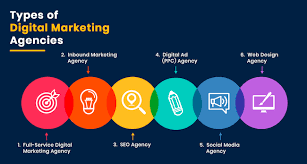
When comparing top digital marketing agencies, look closely at their expertise across SEO, paid media, social media and content. Some agencies specialise in one or two channels, while others offer an integrated service designed to make campaigns work together. Match their strengths to your goals, and ask for relevant case studies, clear performance measures and details of the team who would handle your account.
Check independent rankings, but treat awards as only one signal.
Check independent rankings to get a sense of an agency’s reputation, expertise and performance, but look beyond its position on a list. Rankings use different criteria and may not reflect your business’s specific needs, while awards offer only one indication of quality. Consider relevant case studies, client references, industry experience and the team you would work with before making a decision.
Review case studies for measurable results in your sector.
When comparing digital marketing agencies, review case studies from businesses in your sector and look for measurable results, not just impressive creative work. Evidence such as increased qualified leads, improved conversion rates or stronger return on advertising spend can show whether an agency understands your market and can deliver outcomes relevant to your goals. Ask how those results were measured and what the agency contributed, so you can judge whether its approach is likely to work for your business.
Ask how the agency will tailor work to your audience and goals.
Ask how the agency will tailor its work to your audience and goals. A strong partner should take time to understand your customers, market and business priorities before recommending channels or tactics. Look for a clear explanation of how its approach will be adapted to reach the right people, support your objectives and measure meaningful results.
Confirm who will manage your account day to day.
Before choosing an agency, confirm who will manage your account day to day and who will carry out the work. The people presenting the proposal may not be the team you work with once the project begins, so ask about their experience, availability and responsibilities. A clear point of contact and regular communication can help keep work on track, resolve issues quickly and ensure the agency understands your business.
Seek transparent pricing, reporting and contract terms.
Seek an agency that is clear about its pricing, reporting and contract terms from the outset. Make sure you understand what the fee includes, whether there are extra costs, how often performance reports will be shared and which measures will be used to assess success. Check the contract length, notice period and any conditions for ending or changing the agreement, so you can make an informed decision and avoid surprises later.
Check client references and recent reviews from multiple sources.
Before choosing a digital marketing agency, check client references and recent reviews across several independent sources. Reviews can reveal patterns in communication, reliability and results, while speaking directly with past or current clients may give you a clearer picture of what it is like to work with the agency. Look for feedback that relates to your needs, and consider both positive and negative comments rather than relying on a single testimonial or rating.
Assess the agency’s experience in your target markets and languages.
Assess an agency’s experience in the markets and languages you want to reach. Local knowledge can help ensure campaigns reflect regional culture, customer behaviour and expectations, while native-language expertise supports clear, natural messaging. Ask for examples of work in your target markets and find out whether the agency has local teams or trusted partners who can adapt campaigns—not simply translate them.
Choose a partner that shares knowledge and adapts to changing trends.
Choose a digital marketing partner that is open about its thinking and willing to share knowledge, so your team can understand what is working and make more informed decisions. The digital landscape changes quickly, from search algorithms and social platforms to new technologies and customer habits. An effective agency keeps up with these shifts, explains which trends matter to your business and adapts its strategy when the evidence points to a better approach.