digital campaign

Unlocking Success: The Impact of a Strategic Digital Campaign

The Power of a Successful Digital Campaign

The Power of a Successful Digital Campaign

In today’s digital age, a well-executed digital campaign can be a game-changer for businesses looking to reach their target audience effectively. A digital campaign refers to the strategic use of online platforms and tools to promote products, services, or messages to a specific audience.

One of the key advantages of a digital campaign is its ability to reach a large and targeted audience at a relatively low cost compared to traditional marketing methods. With the right strategy in place, businesses can engage with potential customers across various online channels such as social media, email marketing, search engines, and websites.

Furthermore, digital campaigns offer real-time data and analytics that provide valuable insights into the performance of the campaign. By tracking metrics such as click-through rates, conversion rates, and engagement levels, businesses can measure the effectiveness of their campaigns and make data-driven decisions to optimise future efforts.

Personalisation is another significant benefit of digital campaigns. By leveraging user data and preferences, businesses can tailor their messages and content to resonate with individual customers on a more personal level. This personalised approach not only enhances customer experience but also increases the likelihood of conversion and brand loyalty.

Moreover, digital campaigns allow for greater flexibility and agility in adapting to changing market conditions or consumer trends. With the ability to quickly adjust strategies based on real-time feedback, businesses can stay ahead of the competition and remain relevant in an ever-evolving digital landscape.

In conclusion, a successful digital campaign has the power to elevate a business’s online presence, drive engagement with target audiences, generate leads and conversions, and ultimately contribute to overall business growth. By harnessing the potential of digital marketing channels effectively, businesses can unlock new opportunities for success in today’s competitive marketplace.


Essential Insights: Answering 9 Common Questions About Digital Campaigns

  1. How do you start a digital campaign?
  2. What is the best digital campaign?
  3. What is a digital campaign meaning?
  4. How do digital campaigns work?
  5. What is the advantage of digital campaign?
  6. What do you mean by digital campaign?
  7. What is a digital campaign?
  8. What is an example of a digital marketing campaign?
  9. What should a digital campaign include?

How do you start a digital campaign?

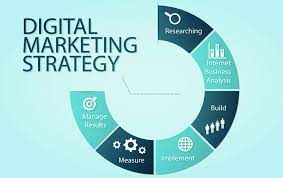
When embarking on a digital campaign, the initial steps are crucial in setting the foundation for success. To start a digital campaign effectively, it is essential to begin with a clear understanding of your objectives and target audience. Define your goals, whether they are to increase brand awareness, drive website traffic, or boost sales. Conduct thorough research to identify your target audience’s demographics, preferences, and online behaviour. Next, develop a comprehensive strategy that outlines the channels, tactics, and messaging you will use to reach and engage with your audience. Set measurable KPIs to track the performance of your campaign and make data-driven adjustments as needed. By following a strategic approach from the outset, you can maximise the effectiveness of your digital campaign and achieve your desired outcomes.

What is the best digital campaign?

When it comes to identifying the best digital campaign, there is no one-size-fits-all answer. The effectiveness of a digital campaign depends on various factors, including the goals of the business, target audience, budget, industry trends, and the chosen digital marketing channels. What may work well for one company may not necessarily yield the same results for another. It is essential to tailor a digital campaign specifically to meet the unique needs and objectives of each individual business. Conducting thorough research, setting clear objectives, and continuously monitoring and adjusting strategies based on performance data are key elements in determining the success of a digital campaign.

What is a digital campaign meaning?

A digital campaign refers to a strategic marketing initiative that utilises online platforms and tools to promote products, services, or messages to a specific audience. It involves the coordinated use of various digital channels such as social media, email marketing, search engines, and websites to reach and engage with target customers effectively. The primary goal of a digital campaign is to drive brand awareness, increase customer engagement, generate leads or conversions, and ultimately achieve business objectives in the digital space. By leveraging data-driven insights and personalised content, businesses can create impactful digital campaigns that resonate with their audience and deliver measurable results.

How do digital campaigns work?

Digital campaigns work by leveraging various online platforms and tools to promote products, services, or messages to a specific target audience. These campaigns typically involve strategic planning, content creation, and targeted distribution across channels such as social media, search engines, email marketing, and websites. By defining clear objectives, identifying the target audience, and selecting the most appropriate digital channels, businesses can effectively reach and engage with their desired customers. Monitoring key performance metrics and analysing data allows for continuous optimisation of the campaign to maximise its impact and achieve desired outcomes. Ultimately, digital campaigns work by combining creativity, technology, and data-driven insights to deliver compelling messages that resonate with audiences and drive desired actions.

What is the advantage of digital campaign?

One of the key advantages of a digital campaign lies in its ability to reach a targeted audience efficiently and cost-effectively in today’s digital landscape. By leveraging online platforms such as social media, search engines, and email marketing, businesses can engage with potential customers on a more personal level and tailor their messages to resonate with individual preferences. Additionally, the real-time data and analytics provided by digital campaigns offer valuable insights into performance metrics, enabling businesses to measure the effectiveness of their strategies and make informed decisions for future optimisation. The flexibility and agility of digital campaigns also allow businesses to adapt quickly to changing market conditions, ensuring they stay competitive and relevant in an ever-evolving digital environment.

What do you mean by digital campaign?

A digital campaign refers to a strategic marketing initiative that utilises online platforms and tools to promote products, services, or messages to a specific audience. It involves the targeted use of digital channels such as social media, email marketing, search engines, and websites to engage with potential customers and drive desired outcomes. Digital campaigns are designed to reach a wide audience in a cost-effective manner while providing real-time data and analytics for measuring performance and making informed decisions. Personalisation and flexibility are key aspects of digital campaigns, allowing businesses to tailor their messaging to individual preferences and adapt strategies quickly in response to market dynamics.

What is a digital campaign?

A digital campaign is a strategic initiative that utilises various online platforms and tools to promote products, services, or messages to a specific target audience. In essence, it involves the coordinated use of digital marketing channels such as social media, email marketing, search engines, and websites to engage with potential customers and drive desired outcomes. By leveraging the power of digital technologies, businesses can reach a wider audience, track performance metrics in real-time, personalise messaging for individual consumers, and adapt their strategies quickly to achieve marketing objectives effectively.

What is an example of a digital marketing campaign?

An example of a digital marketing campaign is the “Share a Coke” campaign launched by Coca-Cola. This innovative campaign personalised Coca-Cola bottles with popular names and encouraged customers to share photos of their personalised bottles on social media using the hashtag #ShareACoke. The campaign not only created a buzz on social platforms but also fostered user engagement and generated user-generated content, resulting in increased brand awareness and customer loyalty. By leveraging digital channels effectively, Coca-Cola successfully connected with its audience in a fun and interactive way, showcasing the power of a creative and well-executed digital marketing campaign.

What should a digital campaign include?

A successful digital campaign should encompass a well-thought-out strategy that includes key elements to maximise its effectiveness. Firstly, defining clear campaign objectives and target audience is crucial to ensure the message resonates with the right people. Engaging and relevant content tailored to the preferences of the audience is essential for capturing their attention. Utilising multiple online channels such as social media, email marketing, search engine optimisation, and display advertising can help reach a wider audience. Tracking and analysing campaign performance through data metrics allows for continuous optimisation and improvement. Lastly, incorporating a call-to-action to encourage desired actions from the audience is vital for driving conversions and achieving campaign goals.

digital marketing ads

Unlocking the Potential of Digital Marketing Ads: Strategies for Success

The Power of Digital Marketing Ads

The Power of Digital Marketing Ads

In today’s digital age, the landscape of advertising has shifted dramatically towards online platforms. Digital marketing ads have become a powerful tool for businesses to reach their target audience effectively and efficiently. With the ability to target specific demographics, interests, and behaviours, digital marketing ads offer a level of precision that traditional advertising methods simply cannot match.

Benefits of Digital Marketing Ads

Targeted Reach: One of the key advantages of digital marketing ads is the ability to target specific audiences based on various criteria such as age, location, interests, and online behaviour. This targeted approach ensures that your ads are seen by the right people at the right time.

Cost-Effective: Compared to traditional advertising channels like print or television, digital marketing ads are often more cost-effective. Businesses can set their budget and only pay when their ads are clicked or viewed, making it a cost-efficient option for reaching a large audience.

Measurable Results: Digital marketing ads provide detailed analytics that allow businesses to track the performance of their campaigns in real-time. Metrics such as click-through rates, conversion rates, and return on investment (ROI) can be easily monitored and analysed to optimise ad campaigns for better results.

Trends in Digital Marketing Ads

Video Advertising: Video content continues to dominate the digital landscape, with video ads proving to be highly engaging and effective in capturing audience attention. Short-form videos on platforms like YouTube and social media have become popular choices for advertisers looking to make an impact.

Personalisation: Personalised ads that cater to individual preferences and behaviours are gaining traction in digital marketing. By delivering tailored content to consumers based on their browsing history or interactions with a brand, businesses can create more meaningful connections with their audience.

Mobile Advertising: With the increasing use of smartphones and mobile devices, mobile advertising has become a critical component of digital marketing strategies. Mobile-optimised ads that are designed for smaller screens and quick interactions are essential for reaching consumers on-the-go.

The Future of Digital Marketing Ads

The evolution of technology and consumer behaviour will continue to shape the future of digital marketing ads. Artificial intelligence (AI), augmented reality (AR), and voice search are just a few trends that are expected to influence how businesses create and deliver digital ads in the years to come.

As businesses adapt to these changes and embrace innovative approaches in digital advertising, one thing remains clear – digital marketing ads will remain a vital tool for connecting with audiences in an increasingly competitive online marketplace.


9 Essential Tips for Crafting Effective Digital Marketing Ads

  1. Understand your target audience thoroughly before creating ads.
  2. Use compelling and relevant visuals to grab attention.
  3. Craft concise and clear ad copy that conveys your message effectively.
  4. Include a strong call-to-action (CTA) to prompt user engagement.
  5. Utilize A/B testing to optimize ad performance and effectiveness.
  6. Ensure your ads are mobile-friendly for a seamless user experience.
  7. Monitor and analyse ad metrics regularly to make data-driven decisions.
  8. Consider retargeting strategies to reach users who have shown interest in your products/services.
  9. Stay updated with digital marketing trends and adjust your ad strategies accordingly.

Understand your target audience thoroughly before creating ads.

To maximise the effectiveness of your digital marketing ads, it is essential to have a deep understanding of your target audience before creating any campaigns. By thoroughly researching and analysing the demographics, interests, behaviours, and preferences of your audience, you can tailor your ads to resonate with them on a more personal level. This targeted approach not only increases the chances of engaging potential customers but also enhances the overall impact and success of your advertising efforts. Understanding your target audience allows you to create compelling ad content that speaks directly to their needs and interests, ultimately leading to higher conversion rates and a more significant return on investment for your digital marketing campaigns.

Use compelling and relevant visuals to grab attention.

In the realm of digital marketing ads, using compelling and relevant visuals is a crucial tip to capture the audience’s attention effectively. Visual content has the power to convey messages quickly and engage viewers on a deeper level. By incorporating eye-catching imagery, graphics, or videos that resonate with your target audience, you can create a lasting impact and increase the likelihood of driving conversions. Remember, in the fast-paced online world, captivating visuals are key to standing out amidst the noise and making a memorable impression.

Craft concise and clear ad copy that conveys your message effectively.

Crafting concise and clear ad copy is essential in digital marketing ads to effectively convey your message to your target audience. By keeping your messaging succinct and to the point, you can capture the attention of users quickly and communicate your value proposition clearly. Clear ad copy helps to eliminate any confusion and ensures that potential customers understand the benefits of your product or service at a glance. Remember, in the fast-paced digital world, brevity is key – so make every word count in your ad copy to drive engagement and conversions.

Include a strong call-to-action (CTA) to prompt user engagement.

In the realm of digital marketing ads, incorporating a compelling call-to-action (CTA) is paramount in driving user engagement and encouraging desired actions from your audience. A strong CTA serves as a clear directive that prompts users to take the next step, whether it be making a purchase, signing up for a newsletter, or requesting more information. By crafting an enticing CTA that resonates with your target audience and aligns with your campaign objectives, you can effectively guide users towards conversion and maximise the impact of your digital marketing efforts.

Utilize A/B testing to optimize ad performance and effectiveness.

Utilizing A/B testing is a valuable strategy in digital marketing ads to optimize ad performance and effectiveness. By testing different variations of your ads with small changes in elements such as copy, images, or calls-to-action, you can gather valuable data on what resonates best with your target audience. This data-driven approach allows you to make informed decisions on which ad elements are most effective in driving engagement and conversions, ultimately leading to improved campaign results and a higher return on investment.

Ensure your ads are mobile-friendly for a seamless user experience.

To maximise the effectiveness of your digital marketing ads, it is crucial to ensure that they are mobile-friendly. With the increasing use of smartphones and tablets for browsing the internet, creating ads that are optimised for mobile devices is essential for providing users with a seamless and engaging experience. By designing ads that load quickly, display properly on smaller screens, and have clear call-to-action buttons, businesses can enhance user engagement and drive better results from their mobile advertising campaigns.

Monitor and analyse ad metrics regularly to make data-driven decisions.

Monitoring and analysing ad metrics regularly is crucial in digital marketing ads to make informed, data-driven decisions. By tracking key performance indicators such as click-through rates, conversion rates, and return on investment, businesses can gain valuable insights into the effectiveness of their ad campaigns. This data allows marketers to identify trends, optimise strategies, and allocate resources more efficiently to maximise results. Ultimately, by leveraging data analytics in this way, businesses can refine their digital marketing efforts and achieve greater success in reaching and engaging their target audience.

Consider retargeting strategies to reach users who have shown interest in your products/services.

Consider implementing retargeting strategies as part of your digital marketing ads campaign to effectively reach users who have already shown interest in your products or services. By targeting these potential customers who have visited your website or interacted with your brand in some way, you can stay top-of-mind and encourage them to take the next step towards making a purchase. Retargeting allows you to tailor your ads specifically to this audience segment, increasing the likelihood of conversion and maximising the impact of your advertising efforts.

To maximise the effectiveness of your digital marketing ads, it is crucial to stay informed about the latest trends in the ever-evolving digital landscape and be willing to adapt your advertising strategies accordingly. By keeping abreast of emerging technologies, consumer behaviours, and industry best practices, you can ensure that your ad campaigns remain relevant and impactful. Remember, staying updated with digital marketing trends allows you to stay ahead of the curve and maintain a competitive edge in reaching and engaging your target audience effectively.

online marketing

Mastering the Art of Online Marketing: Strategies for Success in the Digital Age

The Power of Online Marketing

The Power of Online Marketing

In today’s digital age, online marketing has become a vital tool for businesses looking to reach and engage with their target audience effectively. With the widespread use of the internet and social media platforms, online marketing offers a range of opportunities to promote products and services, build brand awareness, and drive sales.

Benefits of Online Marketing

One of the key advantages of online marketing is its ability to reach a global audience. Through various digital channels such as websites, social media, email campaigns, and search engine optimisation (SEO), businesses can connect with potential customers across different geographical locations.

Online marketing also provides valuable insights into consumer behaviour and preferences through data analytics. By tracking website traffic, click-through rates, conversion rates, and other metrics, businesses can refine their marketing strategies for better results.

Types of Online Marketing Strategies

There are several effective online marketing strategies that businesses can utilise to enhance their online presence:

  • Search Engine Optimisation (SEO): Optimising website content to improve search engine rankings and increase organic traffic.
  • Pay-Per-Click (PPC) Advertising: Placing ads on search engines or social media platforms and paying only when users click on them.
  • Social Media Marketing: Engaging with audiences on platforms like Facebook, Instagram, Twitter, and LinkedIn to build brand awareness and drive engagement.
  • Email Marketing: Sending targeted emails to subscribers with promotional content or updates about products and services.
  • Content Marketing: Creating valuable and relevant content such as articles, blogs, videos, infographics to attract and retain customers.

The Future of Online Marketing

As technology continues to evolve rapidly, the landscape of online marketing is constantly changing. Businesses need to adapt to new trends such as voice search optimisation, influencer marketing, artificial intelligence tools for personalisation, and more to stay ahead in the competitive digital market.

In conclusion, online marketing offers endless possibilities for businesses to connect with their target audience in meaningful ways. By leveraging the right strategies and tools effectively, businesses can drive growth, increase brand visibility, and achieve long-term success in the digital realm.


Comprehensive Guide to Online Marketing: Top 19 Frequently Asked Questions

  1. What is online marketing its importance?
  2. What are the three types of online marketing?
  3. What are the 4 types of online marketing?
  4. How can we do online marketing?
  5. What is online marketing and its benefits?
  6. How can I get online marketing?
  7. What is the best online marketing?
  8. What type of marketing is online?
  9. How do we do online marketing?
  10. What are the advantage of online marketing?
  11. What are types of online marketing?
  12. Who is the best in online marketing?
  13. What is online marketing and example?
  14. How to start online marketing?
  15. How do I start online marketing?
  16. What is online marketing and its types?
  17. How to do online marketing for beginners?
  18. How can I start online marketing?
  19. What are the benefits of online marketing?

What is online marketing its importance?

Online marketing, also known as digital marketing, refers to the strategies and techniques used to promote products or services on the internet. Its importance lies in its ability to reach a vast audience across various online platforms, allowing businesses to connect with potential customers in a cost-effective and measurable way. Online marketing enables businesses to enhance brand visibility, engage with their target audience, generate leads, drive sales, and build long-term relationships with customers. By leveraging the power of online marketing tools such as SEO, social media, email campaigns, and content marketing, businesses can stay competitive in today’s digital landscape and achieve their marketing objectives effectively.

What are the three types of online marketing?

In the realm of online marketing, there are three primary types of strategies that businesses commonly utilise to enhance their digital presence and engage with their target audience effectively. These include Search Engine Optimisation (SEO), which focuses on improving website visibility and ranking on search engine results pages; Pay-Per-Click (PPC) Advertising, where businesses pay for ad placements and only incur costs when users click on their ads; and Social Media Marketing, which involves leveraging platforms like Facebook, Instagram, and Twitter to connect with audiences, build brand awareness, and drive engagement. Each of these online marketing approaches offers unique benefits and plays a crucial role in helping businesses achieve their marketing goals in the digital landscape.

What are the 4 types of online marketing?

In the realm of online marketing, there are four key types of strategies that businesses often utilise to enhance their digital presence and reach their target audience effectively. These include Search Engine Optimisation (SEO), which focuses on improving website visibility in search engine results; Pay-Per-Click (PPC) Advertising, where businesses pay for ad placements based on user clicks; Social Media Marketing, involving engagement and promotion on platforms like Facebook and Instagram; and Email Marketing, which entails targeted communication via email campaigns to engage subscribers with relevant content. Each type plays a crucial role in a comprehensive online marketing strategy, offering unique benefits and opportunities for businesses to connect with their audience in meaningful ways.

How can we do online marketing?

To effectively engage in online marketing, businesses can implement a variety of strategies tailored to their goals and target audience. Starting with a well-designed website that is optimised for search engines is crucial, as it serves as the foundation for online presence. Leveraging social media platforms to connect with customers, create engaging content, and run targeted advertising campaigns can help boost brand awareness and drive traffic. Email marketing is another powerful tool for nurturing leads and maintaining customer relationships. Additionally, exploring paid advertising options like Google Ads or social media ads can further expand reach and generate leads. Continuous monitoring of key performance metrics and adapting strategies based on data insights are essential for successful online marketing campaigns.

What is online marketing and its benefits?

Online marketing, also known as digital marketing, refers to the promotion of products or services using various online channels such as websites, social media, email campaigns, and search engine optimisation (SEO). Its benefits include the ability to reach a global audience, target specific demographics with precision, track and analyse campaign performance in real-time, and cost-effectiveness compared to traditional marketing methods. Online marketing empowers businesses to build brand awareness, drive website traffic, generate leads, and ultimately increase sales by engaging with customers in a more personalised and interactive manner across the digital landscape.

How can I get online marketing?

To embark on online marketing, businesses can explore various avenues to establish their digital presence effectively. One common approach is to engage with digital marketing agencies or professionals who specialise in online marketing strategies. These experts can provide tailored solutions such as search engine optimisation (SEO), pay-per-click (PPC) advertising, social media marketing, email campaigns, and content creation to enhance brand visibility and drive engagement. Additionally, businesses can leverage online resources, attend webinars or workshops, and conduct research to gain insights into the latest trends and best practices in online marketing. By investing time and resources into developing a comprehensive online marketing strategy, businesses can position themselves for success in the competitive digital landscape.

What is the best online marketing?

When it comes to determining the best online marketing strategy, there is no one-size-fits-all answer. The effectiveness of an online marketing approach can vary depending on various factors such as the nature of the business, target audience, budget constraints, and overall marketing goals. Some businesses may find success with search engine optimisation (SEO) to improve visibility in search results, while others might benefit more from social media marketing to engage with their audience. Ultimately, the best online marketing strategy is one that aligns closely with the specific needs and objectives of a business, utilising a mix of digital channels and tactics to achieve optimal results.

What type of marketing is online?

Online marketing, also known as digital marketing, encompasses various strategies and tactics used to promote products or services on the internet. It includes a wide range of activities such as search engine optimisation (SEO), pay-per-click (PPC) advertising, social media marketing, email marketing, content marketing, and more. Online marketing leverages the power of digital channels to reach and engage with target audiences effectively, driving brand awareness, generating leads, and ultimately increasing sales. By utilising online platforms and tools, businesses can tailor their marketing efforts to suit their specific goals and connect with potential customers in a dynamic and measurable way.

How do we do online marketing?

When it comes to online marketing, the key question of “How do we do online marketing?” is a common one that many businesses face. Online marketing involves a strategic approach to promoting products or services using various digital channels such as websites, social media, email campaigns, and search engine optimisation (SEO). To effectively do online marketing, businesses need to identify their target audience, set clear objectives, create engaging content, utilise different online marketing strategies like SEO, PPC advertising, social media marketing, email campaigns, and content marketing. It is essential to continuously analyse data and metrics to measure the effectiveness of campaigns and make necessary adjustments for optimal results. By adopting a holistic approach and staying abreast of the latest trends in online marketing, businesses can successfully navigate the digital landscape and achieve their marketing goals.

What are the advantage of online marketing?

Online marketing offers numerous advantages for businesses seeking to enhance their digital presence and reach their target audience effectively. Some key benefits include the ability to reach a global audience, cost-effectiveness compared to traditional marketing methods, real-time data analytics for tracking performance and making informed decisions, increased brand visibility and awareness through various digital channels, targeted advertising to specific demographics or interests, and the flexibility to adapt and refine strategies based on consumer behaviour and market trends. Overall, online marketing empowers businesses to connect with customers in meaningful ways, drive engagement, and achieve measurable results in the competitive online landscape.

What are types of online marketing?

There are various types of online marketing strategies that businesses can employ to enhance their digital presence and engage with their target audience effectively. Some common types include Search Engine Optimisation (SEO), which focuses on improving website visibility in search engine results; Pay-Per-Click (PPC) Advertising, where businesses pay for ads that users click on; Social Media Marketing, involving engagement with audiences on platforms like Facebook and Instagram; Email Marketing, utilising targeted emails to reach subscribers with promotional content; and Content Marketing, creating valuable content to attract and retain customers. Each type of online marketing strategy offers unique benefits and can be tailored to suit the specific goals of a business.

Who is the best in online marketing?

The question “Who is the best in online marketing?” is subjective and can vary depending on individual needs and preferences. In the realm of online marketing, there are numerous agencies, professionals, and companies that excel in different aspects of digital marketing such as SEO, social media marketing, content marketing, and more. The key to finding the best fit for your specific requirements lies in researching and evaluating potential candidates based on their expertise, track record, client testimonials, and alignment with your business goals. Ultimately, the best in online marketing is subjective and depends on finding a partner who can deliver results tailored to your unique needs.

What is online marketing and example?

Online marketing, also known as digital marketing, refers to the promotion of products or services using digital channels such as websites, social media, email, and search engines. An example of online marketing is running targeted Facebook ads for a clothing brand to reach a specific demographic of potential customers. By utilising online marketing strategies like social media advertising, businesses can increase brand visibility, engage with their target audience, and drive traffic to their website to ultimately boost sales and conversions in the digital space.

How to start online marketing?

Embarking on the journey of online marketing can be both exciting and daunting for businesses seeking to establish a strong digital presence. To start online marketing effectively, it is crucial to first define clear objectives and target audience. Conducting thorough market research to understand consumer behaviour and preferences is essential in crafting a tailored strategy. Building a user-friendly website, creating engaging content, and utilising various digital channels such as social media and email marketing are key steps in initiating an online marketing campaign. Consistent monitoring of performance metrics and making necessary adjustments based on data insights will help businesses refine their strategies for optimal results in the dynamic online landscape.

How do I start online marketing?

To begin online marketing, it is essential to first define your goals and target audience. Conducting market research to understand your audience’s preferences and behaviour can help tailor your strategies effectively. Establishing a strong online presence through a user-friendly website and active social media profiles is crucial. Utilising various digital marketing channels such as SEO, PPC advertising, social media marketing, and email campaigns can help drive traffic and engage with potential customers. Consistent monitoring of performance metrics and adapting strategies based on data analysis is key to achieving success in online marketing.

What is online marketing and its types?

Online marketing, also known as digital marketing, encompasses a range of strategies and techniques used by businesses to promote their products or services online. It involves leveraging various digital channels such as websites, social media platforms, search engines, email campaigns, and content creation to reach and engage with target audiences. Some common types of online marketing include Search Engine Optimisation (SEO) to improve website visibility in search engine results, Pay-Per-Click (PPC) advertising for targeted online ads, Social Media Marketing to connect with audiences on platforms like Facebook and Instagram, Email Marketing for personalised communication with subscribers, and Content Marketing through valuable content creation to attract and retain customers. Each type of online marketing plays a crucial role in helping businesses establish a strong online presence and drive growth in the competitive digital landscape.

How to do online marketing for beginners?

For beginners looking to delve into the world of online marketing, it’s essential to start with a solid foundation. Begin by understanding your target audience and defining clear goals for your online marketing efforts. Research different online marketing strategies such as search engine optimisation (SEO), social media marketing, and content marketing to determine which ones align best with your objectives. Create a user-friendly website that showcases your products or services effectively and optimise it for search engines. Consistent and engaging content creation across various platforms can help attract and retain customers. Finally, track your progress using analytics tools to measure the effectiveness of your campaigns and make necessary adjustments for continuous improvement.

How can I start online marketing?

To embark on your online marketing journey, it is essential to begin with a solid strategy. Start by defining your goals and target audience to tailor your approach effectively. Establish a strong online presence through a user-friendly website and active engagement on social media platforms. Explore various online marketing channels such as search engine optimisation (SEO), pay-per-click (PPC) advertising, email marketing, and content creation to reach and connect with your audience. Continuous monitoring and analysis of key performance indicators will help you refine your strategies for optimal results. Remember, consistency, creativity, and adaptability are key to succeeding in the dynamic world of online marketing.

What are the benefits of online marketing?

Online marketing offers a multitude of benefits for businesses seeking to enhance their digital presence and reach a wider audience. Some key advantages include the ability to target a global audience, cost-effectiveness compared to traditional marketing methods, measurable results through data analytics, increased brand visibility and awareness, improved customer engagement through various digital channels, and the flexibility to adapt and refine strategies in real-time based on performance metrics. By leveraging online marketing strategies such as SEO, social media marketing, email campaigns, and content creation, businesses can drive traffic, generate leads, boost conversions, and ultimately grow their online presence and revenue streams.