
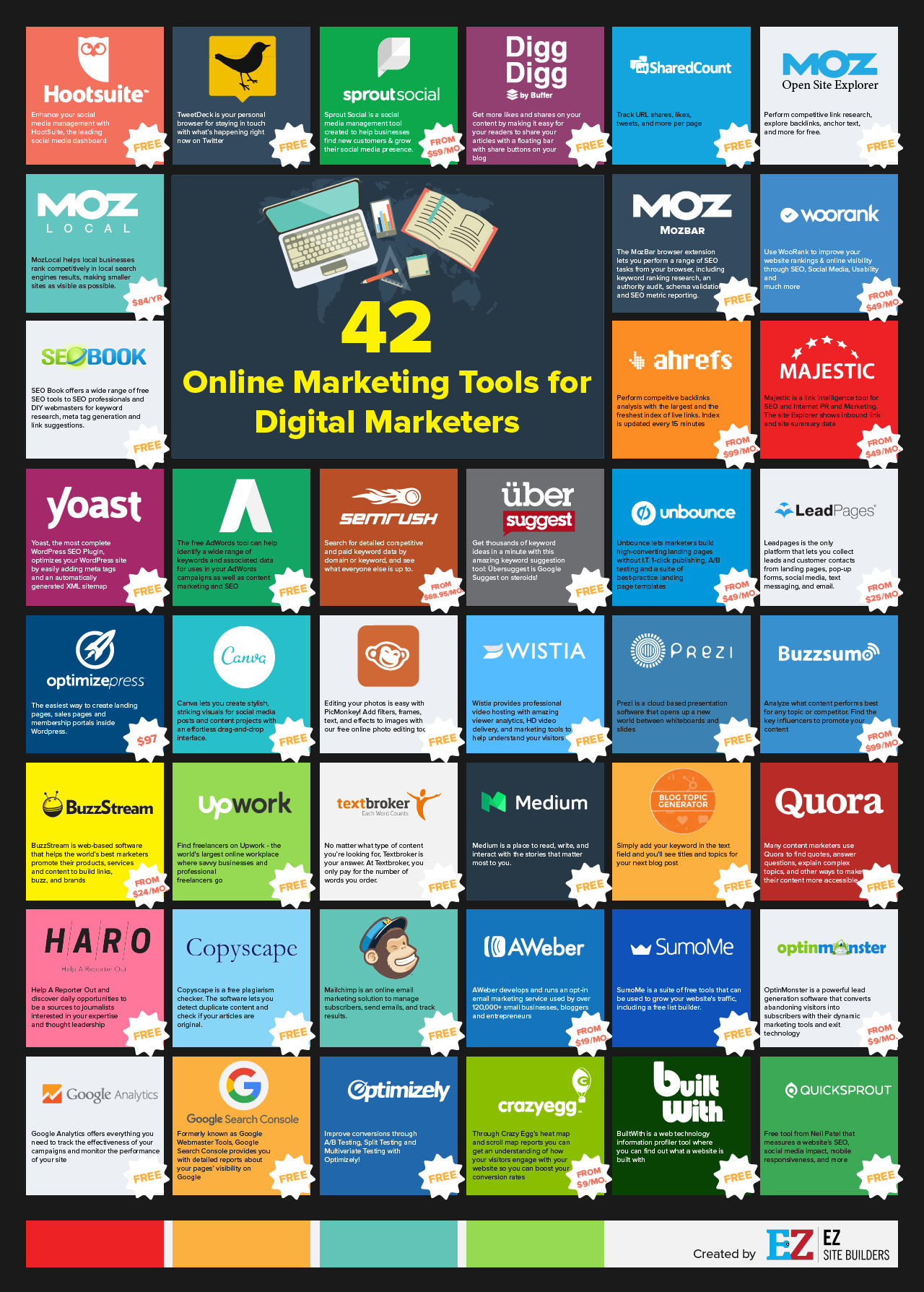
The Power of Digital Marketing Products
In today’s fast-paced digital world, businesses are constantly seeking innovative ways to reach and engage with their target audience. Digital marketing products have emerged as powerful tools to help companies enhance their online presence, drive traffic, and boost conversion rates.
What are Digital Marketing Products?
Digital marketing products encompass a wide range of tools and strategies designed to promote products or services through online channels. These products can include:
- Search Engine Optimization (SEO): Optimising website content to improve search engine rankings and increase organic traffic.
- Pay-Per-Click (PPC) Advertising: Running targeted ads on search engines or social media platforms to drive relevant traffic to a website.
- Email Marketing: Sending personalised emails to nurture leads, build relationships, and promote products or services.
- Social Media Marketing: Utilising social media platforms to engage with followers, share content, and attract new customers.
- Content Marketing: Creating valuable and relevant content to attract and retain a specific audience.
The Benefits of Digital Marketing Products
Implementing digital marketing products can offer businesses numerous advantages, including:
- Increased Visibility: By utilising SEO and PPC advertising, businesses can improve their online visibility and reach a wider audience.
- Targeted Advertising: With digital marketing products, companies can target specific demographics based on interests, behaviour, location, and more.
- Data-Driven Insights: Digital marketing products provide valuable data and analytics that allow businesses to track performance, measure success, and make informed decisions.
- Cost-Effective Solutions: Compared to traditional marketing methods, digital marketing products often offer a higher return on investment (ROI) at a lower cost.
The Future of Digital Marketing Products
As technology continues to evolve, the landscape of digital marketing products is constantly changing. Businesses must stay informed about the latest trends and innovations in order to remain competitive in the digital marketplace. By embracing new technologies and strategies, companies can leverage the power of digital marketing products to achieve their goals and grow their business online.
Essential FAQs About Digital Marketing Products: Understanding Their Benefits, Types, and Trends
- What are digital marketing products?
- How can digital marketing products benefit my business?
- What types of digital marketing products are available?
- What is the difference between SEO and PPC advertising?
- How can social media marketing help promote my brand?
- What role does content marketing play in digital marketing?
- How do I measure the success of my digital marketing campaigns?
- Are email marketing campaigns still effective in the age of social media?
- What trends should I be aware of in the field of digital marketing products?
What are digital marketing products?
Digital marketing products encompass a diverse array of tools and strategies used by businesses to promote their products or services through online channels. These products can include search engine optimization (SEO) techniques to improve website visibility, pay-per-click (PPC) advertising for targeted online ads, email marketing campaigns to engage with customers, social media marketing efforts to connect with audiences, and content marketing initiatives to provide valuable information. These digital marketing products play a crucial role in enhancing online presence, driving traffic, and ultimately boosting conversion rates for businesses in the ever-evolving digital landscape.
How can digital marketing products benefit my business?
Digital marketing products can benefit your business in numerous ways. By leveraging tools such as search engine optimisation (SEO), pay-per-click (PPC) advertising, email marketing, social media marketing, and content marketing, you can enhance your online visibility, attract targeted audiences, generate leads, and ultimately drive conversions. These products provide valuable data insights that enable you to track performance, measure success, and make informed decisions to optimise your marketing strategies. With the cost-effective nature of digital marketing products compared to traditional methods, businesses can achieve a higher return on investment and reach a wider audience effectively. Embracing digital marketing products can help propel your business forward in the competitive online landscape.
What types of digital marketing products are available?
In the realm of digital marketing, a diverse array of products exists to cater to the varying needs and objectives of businesses seeking to enhance their online presence. Common types of digital marketing products include Search Engine Optimization (SEO) services, Pay-Per-Click (PPC) advertising solutions, Email Marketing platforms, Social Media Marketing tools, and Content Marketing services. Each product serves a unique purpose in helping businesses reach their target audience, drive engagement, and ultimately achieve their marketing goals in the digital landscape. By leveraging these different digital marketing products strategically, businesses can create comprehensive and effective online marketing campaigns tailored to their specific requirements.
What is the difference between SEO and PPC advertising?
When it comes to digital marketing products, a common question that arises is the difference between SEO (Search Engine Optimization) and PPC (Pay-Per-Click) advertising. SEO involves optimising website content and structure to improve organic search engine rankings, aiming to drive traffic naturally without direct payment for clicks. On the other hand, PPC advertising involves creating targeted ads that appear on search engine results pages or social media platforms, with businesses paying each time a user clicks on their ad. While SEO focuses on long-term visibility and organic growth, PPC offers immediate visibility and control over ad placement based on specific targeting criteria. Both strategies play vital roles in a comprehensive digital marketing campaign, each with its unique benefits and objectives tailored to meet different marketing goals.
How can social media marketing help promote my brand?
Social media marketing can significantly enhance brand promotion by providing a platform to engage with a vast audience, build brand awareness, and foster customer relationships. Through strategic social media campaigns, businesses can create compelling content that resonates with their target demographic, drive traffic to their website, and generate leads. By leveraging the power of social media platforms to share updates, promotions, and valuable information, brands can increase visibility, establish credibility, and ultimately boost brand loyalty. The interactive nature of social media allows for direct communication with customers, enabling brands to receive feedback, address concerns promptly, and tailor their marketing efforts to meet consumer needs effectively.
What role does content marketing play in digital marketing?
Content marketing plays a crucial role in digital marketing by serving as the foundation for engaging and connecting with target audiences. Through strategic content creation and distribution, businesses can provide valuable information, establish authority in their industry, and build relationships with customers. High-quality content not only attracts and retains the attention of users but also drives organic traffic to websites, improves search engine rankings, and ultimately contributes to conversions. In essence, content marketing is an essential component of a comprehensive digital marketing strategy that helps businesses showcase their expertise, foster trust with consumers, and achieve long-term success in the online landscape.
How do I measure the success of my digital marketing campaigns?
Measuring the success of digital marketing campaigns is essential for evaluating their effectiveness and making informed decisions for future strategies. Key performance indicators (KPIs) such as website traffic, conversion rates, click-through rates, and return on investment (ROI) are commonly used to assess the impact of digital marketing efforts. Tracking these metrics provides valuable insights into the performance of campaigns, allowing businesses to identify what is working well and where improvements can be made. By analysing data and metrics, businesses can gauge the success of their digital marketing campaigns and make data-driven adjustments to optimise results.
Are email marketing campaigns still effective in the age of social media?
In the age of social media, a frequently asked question is whether email marketing campaigns are still effective. Despite the rise of social media platforms, email marketing remains a powerful tool for businesses to engage with their audience. Email campaigns offer a direct and personalised way to communicate with customers, nurture leads, and drive conversions. With targeted messaging, automation tools, and advanced analytics, email marketing can deliver high ROI and complement a company’s overall digital marketing strategy. When integrated strategically with social media efforts, email campaigns can effectively reach and resonate with audiences in a more personalised manner.
What trends should I be aware of in the field of digital marketing products?
Staying abreast of the latest trends in the field of digital marketing products is crucial for businesses looking to stay ahead in the competitive online landscape. Some key trends to be aware of include the increasing importance of artificial intelligence and machine learning in personalising customer experiences, the rise of voice search and smart speakers shaping SEO strategies, the growing significance of video content across social media platforms, and the emphasis on data privacy and compliance with regulations such as GDPR. By keeping up-to-date with these trends and adapting digital marketing strategies accordingly, businesses can effectively engage their target audience and drive meaningful results in today’s dynamic digital environment.