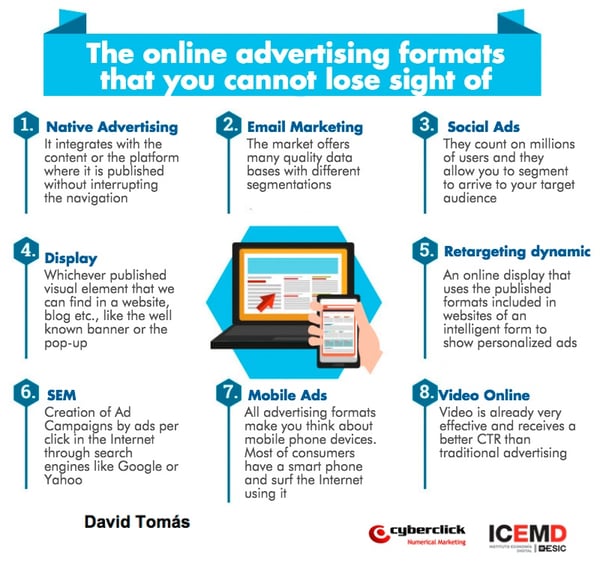
online ads

Unlocking the Potential of Online Ads: Strategies for Success

The Power of Online Ads

The Power of Online Ads

Online advertising has revolutionised the way businesses promote their products and services. With the rise of the internet, online ads have become a crucial component of marketing strategies, allowing companies to reach a global audience with precision targeting and measurable results.

Targeted Advertising

One of the key advantages of online ads is the ability to target specific demographics, interests, and behaviours. Platforms like Google Ads and social media networks offer advanced targeting options that allow advertisers to tailor their campaigns to reach the most relevant audience. This targeted approach not only increases the effectiveness of ads but also maximises return on investment.

Measurable Results

Unlike traditional forms of advertising, online ads provide detailed analytics and insights into campaign performance. Advertisers can track metrics such as click-through rates, conversions, and engagement levels in real-time, enabling them to make data-driven decisions and optimise their campaigns for better results.

Cost-Effective Marketing

Online advertising offers cost-effective solutions for businesses of all sizes. With pay-per-click (PPC) models, advertisers only pay when users interact with their ads, making it a cost-efficient way to reach potential customers. Additionally, online ads allow for flexible budgeting options, giving businesses control over their ad spend and ensuring maximum ROI.

Enhanced Brand Visibility

By utilising online ads across various platforms, businesses can enhance their brand visibility and increase awareness among target audiences. Consistent exposure through strategic ad placements helps build brand recognition and credibility, ultimately driving customer trust and loyalty.

The Future of Advertising

In today’s digital age, online advertising continues to evolve with advancements in technology and consumer behaviour. As more people spend time online across multiple devices, the importance of effective online ad campaigns will only grow. By harnessing the power of online ads, businesses can stay ahead in a competitive market and connect with their audiences in meaningful ways.


Advantages of Online Advertising: Targeted Reach, Cost Efficiency, and Creative Flexibility

  1. 1. Targeted advertising allows reaching specific demographics and interests.
  2. 2. Measurable results provide insights for campaign optimization.
  3. 3. Cost-effective with pay-per-click models and flexible budgeting options.
  4. 4. Enhanced brand visibility through strategic ad placements.
  5. 5. Global reach enables businesses to connect with a diverse audience.
  6. 6. Instant impact with real-time ad delivery and immediate visibility.
  7. 7. Creative flexibility to experiment with different ad formats and messaging.


Challenges of Online Advertising: Addressing Ad Fatigue, Privacy Concerns, and More

  1. Ad fatigue
  2. Ad blockers
  3. Click fraud
  4. Privacy concerns
  5. Banner blindness
  6. Competition
  7. Intrusiveness

1. Targeted advertising allows reaching specific demographics and interests.

Targeted advertising in online ads enables businesses to pinpoint and engage with specific demographics and interests, ensuring that their marketing messages resonate with the right audience. By leveraging advanced targeting tools available on digital platforms, advertisers can tailor their campaigns to reach individuals who are most likely to be interested in their products or services. This precision targeting not only enhances the effectiveness of online ads but also increases the likelihood of driving conversions and achieving marketing objectives.

2. Measurable results provide insights for campaign optimization.

One significant advantage of online ads is the ability to measure results effectively, providing valuable insights for campaign optimization. By tracking key metrics such as click-through rates, conversions, and engagement levels in real-time, advertisers gain a clear understanding of the performance of their ads. These measurable results not only help in evaluating the effectiveness of campaigns but also enable advertisers to make data-driven decisions to refine and improve their strategies for better outcomes. This analytical approach ensures that resources are allocated efficiently, leading to more successful and targeted advertising efforts.

3. Cost-effective with pay-per-click models and flexible budgeting options.

One significant advantage of online ads is their cost-effectiveness, thanks to pay-per-click models and flexible budgeting options. With pay-per-click advertising, businesses only pay when users engage with their ads, ensuring that they get value for their investment. Moreover, the flexibility in budgeting allows companies to set and adjust their ad spend according to their financial capabilities and campaign goals, making online advertising accessible to businesses of all sizes and budgets. This approach not only maximises return on investment but also enables businesses to reach their target audience efficiently without overspending.

4. Enhanced brand visibility through strategic ad placements.

Online ads offer businesses the opportunity to enhance their brand visibility through strategic ad placements. By strategically placing ads across various online platforms, companies can increase their brand’s exposure and reach target audiences effectively. Consistent and targeted ad placements help build brand recognition, establish credibility, and create a lasting impression on potential customers. This increased visibility not only boosts brand awareness but also fosters customer trust and loyalty, ultimately driving business growth and success in a competitive digital landscape.

5. Global reach enables businesses to connect with a diverse audience.

Online ads offer businesses the advantage of global reach, allowing them to connect with a diverse audience across different regions and demographics. By leveraging online advertising platforms, companies can expand their reach beyond traditional boundaries and engage with potential customers worldwide. This broad exposure not only increases brand visibility but also enables businesses to tailor their messaging to resonate with diverse cultural backgrounds and preferences. The ability to reach a global audience through online ads opens up new opportunities for growth and expansion, helping businesses establish a strong presence in international markets.

6. Instant impact with real-time ad delivery and immediate visibility.

Online ads offer businesses the advantage of instant impact through real-time ad delivery and immediate visibility. With online advertising platforms, companies can launch campaigns and have their ads displayed to their target audience almost instantly. This real-time delivery ensures that businesses can reach potential customers at the right moment, increasing the chances of engagement and conversions. The immediate visibility provided by online ads allows businesses to quickly generate awareness and capture the attention of their audience in a fast-paced digital environment.

7. Creative flexibility to experiment with different ad formats and messaging.

Online ads offer businesses the advantage of creative flexibility, allowing them to experiment with various ad formats and messaging strategies. This flexibility enables advertisers to test different approaches, visuals, and messages to determine what resonates best with their target audience. By exploring new ideas and adapting their creative content, companies can continuously refine their advertising efforts for optimal engagement and impact. The ability to experiment with diverse ad formats and messaging is a valuable asset in the dynamic landscape of online advertising, providing opportunities for innovation and growth.

Ad fatigue

Excessive exposure to online ads can lead to ad fatigue, a phenomenon where users become desensitised and disengaged due to the overwhelming volume of advertisements they encounter. As individuals are bombarded with ads across various digital platforms, they may develop a sense of irritation or apathy towards marketing messages, leading to reduced effectiveness in capturing their attention and driving desired actions. Ad fatigue highlights the importance of strategic ad placement, creative content, and frequency capping to prevent audience burnout and ensure that online ads remain impactful and engaging.

Ad blockers

The widespread use of ad-blocking software presents a significant challenge for online advertisers. Ad blockers restrict the display of ads on websites, limiting their reach and diminishing their effectiveness in reaching target audiences. As more internet users opt to block ads to improve their browsing experience, advertisers face the obstacle of reduced visibility and engagement with their online campaigns. This con highlights the importance for businesses to adapt their advertising strategies and explore alternative approaches to connect with consumers in an ad-blocker-aware digital landscape.

Click fraud

Click fraud poses a significant challenge for online advertisers. This deceptive practice, which involves generating fraudulent clicks to manipulate click-through rates, not only drains advertising budgets but also distorts campaign performance metrics. Advertisers may unknowingly pay for clicks that have no genuine interest in their offerings, leading to ineffective targeting and reduced ROI. Combatting click fraud requires vigilance and the implementation of robust measures to safeguard ad campaigns from malicious activities that threaten the integrity of online advertising efforts.

Privacy concerns

Online ads have faced criticism due to privacy concerns, as they frequently depend on user data for targeting purposes. This practice has raised alarms among consumers who are wary of data collection practices and the potential misuse of their personal information. The use of targeted advertising based on user behaviour and preferences has sparked debates about the ethical implications of online ad tracking, leading to growing apprehensions about privacy violations and the need for increased transparency in data handling by advertisers.

In the realm of online advertising, a significant challenge that advertisers face is the phenomenon known as banner blindness. This occurs when users develop a tendency to ignore or consciously avoid display ads due to their pervasive presence and perceived intrusiveness on websites. As a result, the effectiveness of traditional banner ads in capturing users’ attention and driving engagement diminishes, highlighting the importance of innovative and non-intrusive ad formats to combat this growing trend.

Competition

In the realm of online advertising, competition poses a significant challenge for businesses, particularly smaller companies with constrained budgets. The intense competition for ad space often leads to inflated costs as businesses engage in bidding wars to secure visibility. This escalating cost factor can create barriers for smaller enterprises looking to establish a foothold in the digital advertising landscape, limiting their ability to compete effectively against larger competitors with more substantial financial resources.

Intrusiveness

Some online ads are perceived as intrusive or disruptive to the user experience, which can have a detrimental impact on the brand’s image. When ads interrupt online activities or appear overly aggressive, users may develop negative perceptions of the brands behind these advertising tactics. Intrusive ads can create a sense of annoyance and frustration among audiences, potentially driving them away from engaging with the brand in the future. It is essential for businesses to strike a balance between promoting their products or services and respecting the user’s online experience to maintain a positive brand reputation.

seo sem marketing

Unlocking the Potential: SEO and SEM Strategies for Effective Marketing

The Power of SEO and SEM Marketing

The Power of SEO and SEM Marketing

In the digital age, having a strong online presence is crucial for businesses looking to reach their target audience and drive growth. Search Engine Optimization (SEO) and Search Engine Marketing (SEM) are two powerful tools that can help businesses improve their visibility and attract more customers.

Search Engine Optimization (SEO)

SEO is the process of optimizing your website to rank higher in search engine results pages organically. By using relevant keywords, creating high-quality content, and improving website performance, businesses can increase their chances of appearing at the top of search engine results for relevant queries. This not only drives more traffic to their website but also enhances brand credibility and trust among users.

Search Engine Marketing (SEM)

SEM involves paid advertising efforts to promote a website’s visibility in search engine results pages. Through tools like Google Ads, businesses can create targeted ads that appear at the top of search results for specific keywords. SEM allows businesses to reach a wider audience quickly and generate immediate traffic to their websites. By carefully managing ad campaigns and monitoring performance metrics, businesses can maximise their return on investment through SEM.

The Benefits of SEO and SEM

Both SEO and SEM play complementary roles in enhancing a business’s online presence:

  • Increased Visibility: By appearing at the top of search engine results, businesses can attract more clicks and visits to their websites.
  • Targeted Traffic: SEO helps attract organic traffic from users actively searching for relevant information, while SEM allows businesses to target specific demographics with paid ads.
  • Improved Brand Awareness: Consistent visibility in search results boosts brand recognition and trust among potential customers.
  • Measurable Results: Both SEO and SEM provide valuable data on user behaviour, allowing businesses to track performance metrics and adjust strategies accordingly.

In Conclusion

SEO and SEM are essential components of a successful digital marketing strategy. By leveraging these tools effectively, businesses can enhance their online visibility, attract more customers, and ultimately drive growth in today’s competitive digital landscape.


18 Common Questions About SEO and SEM Marketing Explained

  1. What is SEO and SEM?
  2. What is SEM in marketing?
  3. Is SEO or SEM paid?
  4. What is an SEO in marketing?
  5. What is SEO in digital marketing?
  6. What is SEM used for in marketing?
  7. What is a SEO in marketing?
  8. What does SEO SEM means?
  9. What is SEO vs SEM vs SMO?
  10. What is SEM and SEO in digital marketing?
  11. What is SEM mean in marketing?
  12. What is the role of SEO and SEM in a marketing campaign?
  13. How to do marketing on SEO and SEM?
  14. Which is better SEO or SEM?
  15. Are SEM and SEO the same?
  16. Is SEO or SEM better?
  17. What does SEO and SEM do?
  18. Is Google Ads SEO or SEM?

What is SEO and SEM?

Search Engine Optimization (SEO) and Search Engine Marketing (SEM) are two fundamental pillars of digital marketing that play a crucial role in enhancing a business’s online visibility and driving traffic to its website. SEO involves optimising a website’s content, structure, and performance to rank higher in organic search results, thereby attracting more relevant traffic. On the other hand, SEM focuses on paid advertising strategies to promote a website through targeted ads that appear at the top of search engine results for specific keywords. Both SEO and SEM are essential tools for businesses looking to increase their online presence, attract potential customers, and achieve success in the competitive digital landscape.

What is SEM in marketing?

In the realm of digital marketing, SEM, which stands for Search Engine Marketing, plays a pivotal role in enhancing a company’s online visibility and driving targeted traffic to its website. SEM involves the strategic use of paid advertising campaigns to promote a business’s presence in search engine results pages. By utilising tools like Google Ads, businesses can create tailored ads that appear prominently when users search for specific keywords related to their products or services. This proactive approach allows companies to reach their target audience effectively and generate immediate traffic, making SEM an indispensable component of a comprehensive digital marketing strategy.

Is SEO or SEM paid?

In the realm of digital marketing, it is important to distinguish between Search Engine Optimization (SEO) and Search Engine Marketing (SEM) in terms of payment structure. SEO focuses on organic strategies to improve a website’s visibility in search engine results without direct payment to search engines. On the other hand, SEM involves paid advertising efforts, such as pay-per-click (PPC) campaigns, where businesses pay for their ads to appear in prominent positions on search engine results pages. While SEO does not involve direct payments for placement, SEM requires businesses to allocate a budget for ad placements and clicks. Both SEO and SEM are valuable tools in enhancing online presence, with each offering distinct advantages based on the business goals and budget considerations.

What is an SEO in marketing?

In the realm of marketing, SEO, which stands for Search Engine Optimization, plays a pivotal role in enhancing a website’s visibility and organic traffic through strategic techniques. Essentially, SEO in marketing involves the process of optimising various elements of a website to improve its ranking on search engine results pages. By focusing on factors such as keyword research, content quality, and user experience, businesses can tailor their online presence to meet the criteria set by search engines like Google. This concerted effort not only boosts a website’s chances of appearing higher in search results but also contributes to building credibility and trust with users seeking relevant information or products online.

What is SEO in digital marketing?

In the realm of digital marketing, SEO, which stands for Search Engine Optimization, plays a pivotal role in enhancing a website’s visibility and ranking on search engine results pages. SEO involves a strategic approach to optimizing various elements of a website, such as content, keywords, and user experience, with the goal of improving organic traffic from search engines. By understanding and implementing SEO best practices, businesses can increase their online presence, attract more relevant visitors to their site, and ultimately achieve higher conversion rates. In essence, SEO is the cornerstone of successful digital marketing efforts that aim to drive sustainable growth and establish a strong online presence in today’s competitive landscape.

What is SEM used for in marketing?

Search Engine Marketing (SEM) plays a crucial role in marketing by providing businesses with a powerful tool to enhance their online visibility and reach their target audience effectively. SEM is primarily used to promote websites through paid advertising efforts on search engines like Google. By creating targeted ads that appear at the top of search results for specific keywords, businesses can increase their online presence, drive traffic to their websites, and generate leads or sales. SEM allows businesses to reach a wider audience quickly and measurably, making it an essential component of any comprehensive digital marketing strategy aiming to achieve tangible results in today’s competitive online landscape.

What is a SEO in marketing?

In the realm of marketing, SEO, which stands for Search Engine Optimization, plays a vital role in enhancing a company’s online visibility and reach. SEO involves implementing strategies to improve a website’s ranking on search engine results pages organically. By focusing on relevant keywords, high-quality content creation, and technical optimization, businesses can increase their chances of appearing at the top of search results for specific queries. Ultimately, SEO helps businesses attract more organic traffic, build brand credibility, and connect with their target audience effectively in the digital landscape.

What does SEO SEM means?

Search Engine Optimization (SEO) and Search Engine Marketing (SEM) are two crucial components of digital marketing strategies aimed at improving a website’s visibility and driving traffic. SEO focuses on optimising a website to rank higher in organic search results, while SEM involves paid advertising efforts to enhance visibility in search engine results pages. In essence, SEO aims to attract organic traffic through content optimisation and keyword targeting, while SEM utilises paid ads to target specific audiences and drive immediate traffic to a website. Together, SEO and SEM play complementary roles in boosting online presence and achieving marketing objectives effectively.

What is SEO vs SEM vs SMO?

When it comes to digital marketing strategies, understanding the differences between SEO, SEM, and SMO is crucial for businesses aiming to enhance their online presence. Search Engine Optimization (SEO) focuses on improving a website’s organic visibility in search engine results by optimising content and website structure. Search Engine Marketing (SEM), on the other hand, involves paid advertising to drive immediate traffic and increase visibility through targeted ads. Social Media Optimization (SMO) aims to boost a brand’s presence on social media platforms by engaging with users and creating shareable content. Each of these strategies plays a unique role in driving traffic, improving brand awareness, and reaching target audiences effectively in the competitive online landscape.

What is SEM and SEO in digital marketing?

In the realm of digital marketing, Search Engine Marketing (SEM) and Search Engine Optimization (SEO) are two key strategies that businesses employ to enhance their online visibility and attract potential customers. SEM involves paid advertising efforts to promote a website’s visibility in search engine results pages, while SEO focuses on optimising a website’s content and structure to improve organic search rankings. Both SEM and SEO play vital roles in driving traffic to websites, increasing brand awareness, and ultimately boosting business growth in the competitive digital landscape. By understanding the nuances of SEM and SEO, businesses can craft comprehensive digital marketing strategies that effectively reach their target audience and achieve their marketing goals.

What is SEM mean in marketing?

In the realm of marketing, SEM stands for Search Engine Marketing. SEM encompasses paid advertising efforts that businesses undertake to enhance their online visibility in search engine results pages. Through the strategic use of tools like Google Ads, businesses can create targeted ads that appear prominently in search results for specific keywords relevant to their products or services. SEM allows companies to reach a broader audience quickly and generate immediate traffic to their websites, ultimately driving brand awareness and customer engagement in the competitive digital landscape.

What is the role of SEO and SEM in a marketing campaign?

In a marketing campaign, the roles of Search Engine Optimization (SEO) and Search Engine Marketing (SEM) are crucial for enhancing online visibility and driving targeted traffic to a business’s website. SEO focuses on optimising website content and structure to improve organic search engine rankings, thereby increasing visibility among users searching for relevant information. On the other hand, SEM involves paid advertising strategies to place ads at the top of search engine results pages, allowing businesses to reach a wider audience and generate immediate traffic. Together, SEO and SEM work hand in hand to boost brand awareness, attract potential customers, and achieve measurable results that contribute to the overall success of a marketing campaign.

How to do marketing on SEO and SEM?

When it comes to marketing through SEO and SEM, the key lies in understanding the unique strategies and techniques that each method offers. For SEO marketing, businesses should focus on optimising their website with relevant keywords, creating high-quality content, and improving user experience to enhance organic visibility in search engine results. On the other hand, SEM marketing involves setting up targeted ad campaigns through platforms like Google Ads to reach a specific audience quickly. By combining both SEO and SEM efforts strategically, businesses can maximise their online presence, attract more traffic, and ultimately achieve their marketing goals effectively in the digital landscape.

Which is better SEO or SEM?

When considering the question of whether SEO or SEM is better for your digital marketing strategy, it’s important to understand that both SEO and SEM serve distinct purposes and can complement each other effectively. SEO focuses on improving organic search visibility over time through strategies like keyword optimization and content creation, while SEM involves paid advertising to generate immediate traffic and leads. The choice between SEO and SEM depends on your specific goals, timeline, and budget. For long-term sustainable growth, investing in SEO can help establish a strong online presence. On the other hand, if you seek quick results and are willing to allocate a budget for advertising, SEM can provide immediate visibility. Ultimately, a combination of both SEO and SEM tailored to your business objectives is often the most effective approach in maximising online visibility and driving results.

Are SEM and SEO the same?

When it comes to digital marketing, a common question that arises is whether Search Engine Marketing (SEM) and Search Engine Optimization (SEO) are the same. While both SEM and SEO aim to improve a website’s visibility in search engine results, they differ in their approaches. SEO focuses on optimizing a website’s content and structure to rank organically in search results, while SEM involves paid advertising efforts to promote a website’s visibility through targeted ads. In essence, SEO is about enhancing organic search traffic over time, while SEM provides immediate visibility through paid campaigns. Understanding the nuances between SEM and SEO is essential for businesses looking to develop a comprehensive digital marketing strategy that maximises their online presence effectively.

Is SEO or SEM better?

When considering whether SEO or SEM is better for your digital marketing strategy, it’s essential to understand their distinct roles and benefits. SEO focuses on improving organic search visibility by optimising website content and structure, helping businesses rank higher in search engine results over time. On the other hand, SEM involves paid advertising to instantly boost visibility and drive targeted traffic to a website. The choice between SEO and SEM depends on your specific goals, timeline, and budget. While SEO offers long-term benefits and credibility, SEM provides immediate results and precise targeting options. Ultimately, a combination of both strategies can maximise your online presence and deliver optimal results for your business objectives.

What does SEO and SEM do?

SEO (Search Engine Optimization) and SEM (Search Engine Marketing) play crucial roles in enhancing a business’s online visibility and driving traffic to their website. SEO focuses on improving a website’s organic search rankings by using relevant keywords, creating quality content, and enhancing user experience. On the other hand, SEM involves paid advertising efforts to promote a website’s visibility in search engine results pages through targeted ads. Both SEO and SEM work together to increase a business’s online presence, attract more visitors, and ultimately boost brand awareness and customer engagement in the competitive digital landscape.

Is Google Ads SEO or SEM?

When considering the question “Is Google Ads SEO or SEM?”, it’s important to understand the distinction between the two. Google Ads, formerly known as Google AdWords, falls under the category of Search Engine Marketing (SEM). SEM involves paid advertising efforts to promote a website’s visibility in search engine results pages. Google Ads allows businesses to create targeted ads that appear at the top of search results for specific keywords, helping them reach a wider audience and generate immediate traffic. On the other hand, Search Engine Optimization (SEO) focuses on optimising a website to rank higher in search engine results organically. While both SEO and SEM are crucial for enhancing online visibility, Google Ads specifically aligns with SEM strategies by providing a platform for paid advertising campaigns.

digital marketing digital marketing

Unlocking Success: The Power of Digital Marketing in Today’s Business Landscape

The Power of Digital Marketing in Today’s Business Landscape

In the fast-paced world of business, digital marketing has emerged as a powerful tool for reaching and engaging with audiences in a more targeted and cost-effective manner. With the rise of the internet and social media, businesses now have unprecedented opportunities to connect with consumers on a global scale.

Digital marketing encompasses a wide range of strategies and tactics aimed at promoting products or services through online channels such as websites, social media platforms, search engines, email, and more. This multi-faceted approach allows businesses to reach their target audience where they spend most of their time – online.

Benefits of Digital Marketing

One of the key benefits of digital marketing is its ability to provide measurable results. Unlike traditional marketing methods, digital marketing allows businesses to track and analyse their campaigns in real-time, enabling them to make data-driven decisions and optimise their strategies for better performance.

Another advantage of digital marketing is its cost-effectiveness. With digital channels, businesses can reach a larger audience at a fraction of the cost compared to traditional advertising methods. This level playing field allows small businesses to compete with larger corporations on a more equal footing.

Key Strategies in Digital Marketing

Some key strategies commonly used in digital marketing include:

  • Search Engine Optimization (SEO): Optimising website content to improve search engine rankings and increase organic traffic.
  • Pay-Per-Click (PPC) Advertising: Running targeted ads on search engines or social media platforms to drive traffic and conversions.
  • Social Media Marketing: Engaging with audiences on social media platforms to build brand awareness and drive engagement.
  • Email Marketing: Sending targeted emails to nurture leads, promote products/services, and build customer relationships.

The Future of Digital Marketing

As technology continues to evolve at a rapid pace, the future of digital marketing looks promising. Advancements in artificial intelligence, machine learning, data analytics, and automation are reshaping the way businesses interact with consumers online. Personalisation and customisation are becoming increasingly important as consumers seek more tailored experiences from brands.

In conclusion, digital marketing has become an essential component of any successful business strategy in today’s digital age. By leveraging the power of online channels effectively, businesses can reach new audiences, drive engagement, increase brand visibility, and ultimately achieve their business goals in a competitive marketplace.


Exploring the 8 Key Advantages of Digital Marketing: From Cost-Effectiveness to Competitive Edge

  1. Cost-effective
  2. Measurable results
  3. Global reach
  4. Targeted advertising
  5. Brand visibility
  6. Engagement opportunities
  7. Flexibility
  8. Competitive advantage


Challenges of Digital Marketing: Navigating Saturation, Ad Fatigue, Privacy, Complexity, and Rapid Change

  1. 1. Saturation
  2. 2. Ad Fatigue
  3. 3. Privacy Concerns
  4. 4. Technical Complexity
  5. 5. Rapid Changes

Cost-effective

Digital marketing offers a significant advantage in terms of cost-effectiveness for businesses, enabling them to expand their reach and engage with a larger audience at a fraction of the cost associated with traditional marketing approaches. By leveraging digital channels such as social media, search engines, and email, businesses can target specific demographics and measure the effectiveness of their campaigns in real-time, ultimately maximising their return on investment and achieving greater results within their budget constraints.

Measurable results

Businesses benefit greatly from the measurable results offered by digital marketing. By tracking and analysing the performance of their campaigns in real-time, companies can make data-driven decisions that lead to more effective strategies and better outcomes. This ability to gather and interpret data allows businesses to optimise their digital marketing efforts, allocate resources efficiently, and ultimately achieve a higher return on investment.

Global reach

With digital marketing, businesses have the advantage of global reach, enabling them to connect with audiences worldwide and transcend geographical boundaries. This capability allows companies to expand their market reach beyond local limitations and tap into new markets, reaching potential customers in different regions and countries. By leveraging digital channels effectively, businesses can establish a strong online presence on a global scale, increasing brand visibility and opening up opportunities for growth and expansion in diverse markets.

Targeted advertising

Digital marketing’s targeted advertising capability is a game-changer in reaching the right audience with precision. By leveraging digital tools and data analytics, businesses can tailor their marketing messages to specific demographics, interests, and behaviours of their target audience. This level of targeting ensures that marketing efforts are directed towards those most likely to be interested in the products or services being offered, resulting in higher engagement rates and better return on investment. The ability to reach the right people at the right time with the right message is a key advantage of digital marketing that can significantly enhance campaign effectiveness and overall success.

Brand visibility

Through various online channels such as social media and search engines, digital marketing plays a crucial role in enhancing brand visibility and awareness. By strategically utilising platforms where consumers spend a significant amount of their time, businesses can effectively showcase their brand to a wider audience. This increased visibility not only helps in attracting new customers but also reinforces brand recognition among existing ones, ultimately contributing to the overall success and growth of the business in the digital landscape.

Engagement opportunities

Engagement opportunities are a key advantage of digital marketing, as interactive features enable businesses to connect with customers on a more personal level. Through comments, messages, polls, and other interactive tools, businesses can actively engage with their audience, gather feedback, and build stronger relationships. This two-way communication not only fosters trust and loyalty but also provides valuable insights that can be used to tailor marketing strategies to better meet the needs and preferences of customers. By creating meaningful interactions through digital channels, businesses can enhance customer engagement and ultimately drive long-term success.

Flexibility

Digital marketing offers a significant advantage in terms of flexibility. Unlike traditional marketing methods, digital marketing strategies can be easily adjusted and optimised based on real-time data insights. By monitoring key performance indicators and metrics, businesses can quickly identify what is working well and what needs improvement. This agility allows for rapid adjustments to campaigns, targeting, messaging, and more, resulting in better performance and results. The ability to adapt on the fly based on data-driven insights is a powerful asset that can help businesses stay ahead in today’s dynamic and competitive digital landscape.

Competitive advantage

In the realm of digital marketing, a significant advantage is the ability for small businesses to compete on a level playing field with larger corporations. By harnessing innovative digital marketing tactics, small businesses can carve out their niche, reach their target audience effectively, and differentiate themselves in the crowded digital space. This competitive advantage allows small businesses to showcase their unique offerings, engage with customers on a more personal level, and establish a strong online presence that resonates with their audience.

1. Saturation

In the realm of digital marketing, one significant drawback is the issue of saturation. As the digital landscape becomes more densely populated with businesses vying for consumer attention, standing out amidst the competition poses a formidable challenge. With countless brands bombarding consumers through various online channels, capturing and retaining the interest of a target audience has become increasingly difficult. This oversaturation can lead to message fatigue among consumers and diminish the effectiveness of marketing efforts, requiring businesses to adopt innovative strategies to cut through the noise and make a lasting impact.

2. Ad Fatigue

Consumers today are inundated with a constant stream of online advertisements, leading to a phenomenon known as ad fatigue. This oversaturation of ads can result in consumers feeling overwhelmed, annoyed, and even developing negative perceptions towards brands that bombard them with too many advertisements. Ad fatigue can diminish the effectiveness of marketing campaigns, as consumers may begin to tune out or actively avoid ads altogether. To combat this challenge, businesses must focus on delivering relevant and engaging content that resonates with their target audience to avoid contributing to ad fatigue and maintain a positive brand image in the digital space.

3. Privacy Concerns

With data collection and tracking being integral to digital marketing strategies, there are growing concerns about privacy violations and data misuse among consumers. The collection of personal information for targeted advertising purposes has raised ethical questions about the extent to which individuals’ online activities are monitored and used without their explicit consent. As data breaches and privacy scandals continue to make headlines, consumers are becoming more wary of sharing their information online, leading to a loss of trust in businesses that engage in intrusive data practices. Balancing the benefits of targeted marketing with the need to respect consumer privacy remains a significant challenge for digital marketers in today’s landscape.

4. Technical Complexity

Implementing effective digital marketing campaigns can be hindered by the technical complexity involved. Businesses without dedicated resources or expertise in the field may find it daunting to navigate the intricacies of digital marketing strategies. From understanding algorithms for search engine optimisation to setting up and monitoring online advertising campaigns, the technical know-how required can act as a barrier for businesses looking to leverage digital marketing effectively. Without the necessary skills and experience, businesses may struggle to implement campaigns that deliver optimal results and reach their target audience efficiently.

5. Rapid Changes

In the realm of digital marketing, one significant drawback is the rapid pace of change. The digital marketing landscape is in a perpetual state of evolution, with new technologies, algorithms, and trends continuously emerging. This dynamic environment necessitates businesses to remain agile and adaptable in order to keep up with the latest developments and maintain competitiveness. The need for constant learning and swift adjustments can pose challenges for businesses seeking to establish long-term strategies amidst the ever-changing digital marketing landscape.

digital marketing institute

Unlock Your Potential with a Leading Digital Marketing Institute

The Importance of Choosing the Right Digital Marketing Institute

The Importance of Choosing the Right Digital Marketing Institute

In today’s digital age, having a strong understanding of digital marketing is essential for businesses looking to succeed online. Whether you are a seasoned marketing professional or someone looking to enter the field, enrolling in a reputable digital marketing institute can provide you with the knowledge and skills needed to thrive in this competitive landscape.

Here are some key reasons why choosing the right digital marketing institute is crucial:

Quality Education and Training

A reputable digital marketing institute will offer up-to-date curriculum and training materials that reflect the latest trends and best practices in the industry. This ensures that students receive quality education that is relevant and applicable to real-world scenarios.

Industry Recognition and Certification

Completing a digital marketing course from a recognised institute can enhance your credibility and marketability as a professional. Industry-recognised certifications demonstrate your expertise and commitment to staying current in the field.

Networking Opportunities

Attending a digital marketing institute allows you to connect with industry professionals, instructors, and fellow students who share similar interests. Networking opportunities can lead to valuable connections, collaborations, and career opportunities in the future.

Hands-On Experience

The right digital marketing institute will provide hands-on experience through practical assignments, case studies, and projects. This experiential learning approach helps students apply theoretical knowledge in real-world scenarios, preparing them for success in their careers.

Continuous Learning and Support

A good digital marketing institute will offer ongoing support, resources, and opportunities for continuous learning even after completing the course. This ensures that students stay updated on industry developments and continue to grow their skills throughout their careers.

When choosing a digital marketing institute, consider factors such as reputation, faculty expertise, course content, alumni success stories, and industry partnerships. Investing in your education through a reputable institute can open doors to exciting career opportunities and help you stay ahead in the dynamic world of digital marketing.


9 Essential Tips for Choosing the Right Digital Marketing Institute in the UK

  1. Research the institute’s reputation and read reviews from former students.
  2. Ensure the curriculum covers both foundational and advanced digital marketing strategies.
  3. Check if the institute offers hands-on projects or real-world case studies.
  4. Look for courses that are updated regularly to reflect current industry trends.
  5. Verify if certifications provided by the institute are recognised in the industry.
  6. Assess the qualifications and experience of instructors teaching at the institute.
  7. Consider institutes that offer flexible learning options, such as online or part-time courses.
  8. Explore opportunities for networking with industry professionals through events or alumni groups.
  9. Evaluate post-course support, such as career counselling or job placement assistance.

Research the institute’s reputation and read reviews from former students.

When considering enrolling in a digital marketing institute, it is crucial to research the institution’s reputation and delve into reviews from former students. By assessing the institute’s reputation and reading feedback from past attendees, prospective students can gain valuable insights into the quality of education, teaching methods, support services, and overall student experience. This thorough research can help individuals make informed decisions and select an institute that aligns with their educational goals and aspirations in the dynamic field of digital marketing.

Ensure the curriculum covers both foundational and advanced digital marketing strategies.

When selecting a digital marketing institute, it is crucial to ensure that the curriculum encompasses a comprehensive range of both foundational and advanced digital marketing strategies. A well-rounded programme that covers fundamental principles as well as cutting-edge tactics will equip students with the knowledge and skills needed to navigate the ever-evolving digital landscape successfully. By understanding the basics and mastering advanced techniques, individuals can develop a strong foundation and stay ahead in the competitive field of digital marketing.

Check if the institute offers hands-on projects or real-world case studies.

When considering a digital marketing institute, it is crucial to check if the institution offers hands-on projects or real-world case studies as part of its curriculum. Practical experience gained through working on projects and analysing real-world scenarios can significantly enhance your understanding of digital marketing concepts and strategies. These hands-on opportunities not only reinforce theoretical knowledge but also provide valuable practical skills that are essential for success in the dynamic and competitive field of digital marketing. By choosing an institute that incorporates hands-on projects and case studies into its programme, you can better prepare yourself for the challenges and opportunities that await in the digital marketing industry.

When considering a digital marketing institute, it is crucial to look for courses that are updated regularly to reflect current industry trends. The digital landscape is constantly evolving, with new technologies and strategies emerging at a rapid pace. By enrolling in courses that are regularly updated, students can stay ahead of the curve and acquire knowledge and skills that are relevant and applicable in today’s dynamic market. This ensures that they are well-equipped to navigate the ever-changing world of digital marketing and succeed in their careers.

Verify if certifications provided by the institute are recognised in the industry.

It is crucial to verify if certifications provided by the digital marketing institute are recognised in the industry. Industry-recognised certifications not only validate your expertise but also enhance your credibility and marketability as a digital marketing professional. Choosing an institute that offers certifications acknowledged by the industry can significantly boost your career prospects and demonstrate your commitment to excellence in the ever-evolving field of digital marketing.

Assess the qualifications and experience of instructors teaching at the institute.

When considering enrolling in a digital marketing institute, it is crucial to assess the qualifications and experience of the instructors who will be teaching the courses. Experienced and knowledgeable instructors can provide valuable insights, practical examples, and industry-relevant expertise that enhance the learning experience. By choosing a digital marketing institute with instructors who have a strong background in the field, students can benefit from their real-world experience and stay abreast of current trends and best practices in digital marketing.

Consider institutes that offer flexible learning options, such as online or part-time courses.

When exploring options for a digital marketing institute, it is advisable to consider institutions that provide flexible learning choices, such as online or part-time courses. Opting for a programme with flexible learning options allows individuals to pursue their education while balancing other commitments, making it convenient for working professionals or those with busy schedules. Online and part-time courses offer the flexibility to study at your own pace and from any location, providing access to quality education without compromising on other responsibilities. This adaptability can enhance the learning experience and make acquiring digital marketing skills more accessible to a wider range of learners.

Explore opportunities for networking with industry professionals through events or alumni groups.

Exploring opportunities for networking with industry professionals through events or alumni groups is a valuable tip for maximising your experience at a digital marketing institute. Engaging with professionals in the field can provide insights, mentorship, and potential career opportunities. By attending industry events or joining alumni groups, you can build meaningful connections that may lead to collaborations, job referrals, or valuable advice. Networking is an essential aspect of professional growth in the digital marketing industry and can help you stay informed about the latest trends and developments.

Evaluate post-course support, such as career counselling or job placement assistance.

When considering a digital marketing institute, it is crucial to evaluate the post-course support offered, such as career counselling or job placement assistance. Institutes that provide comprehensive support beyond the completion of the course can greatly benefit students in their career advancement. Career counselling services can help individuals identify their strengths, explore job opportunities, and develop a strategic career plan. Job placement assistance, on the other hand, connects students with potential employers and helps them secure relevant positions in the industry. By choosing an institute that prioritises post-course support, students can enhance their professional prospects and transition smoothly into the digital marketing field.

google digital marketing course

Mastering Digital Marketing with Google’s Comprehensive Course

The Benefits of Taking Google’s Digital Marketing Course

In today’s digital age, having a strong understanding of digital marketing is essential for anyone looking to succeed in the online world. Google, one of the leading tech giants, offers a comprehensive digital marketing course that provides valuable insights and skills to help individuals and businesses thrive in the digital landscape.

What Does the Course Cover?

Google’s digital marketing course covers a wide range of topics essential for anyone looking to excel in online marketing. From search engine optimisation (SEO) and pay-per-click advertising to social media marketing and email campaigns, the course delves into various aspects of digital marketing strategies and best practices.

Key Benefits of Taking the Course

Industry-Recognised Certification: Upon successful completion of the course, participants receive a certification from Google, which is highly regarded in the industry and can enhance your credibility as a digital marketer.

Practical Knowledge: The course is designed to provide practical skills that you can immediately apply to real-world digital marketing campaigns. Whether you are a beginner or have some experience in the field, you will gain valuable insights that can help you succeed.

Updated Content: Given Google’s position at the forefront of technology and innovation, you can be assured that the course content is up-to-date with the latest trends and best practices in digital marketing.

Flexibility: The course is available online, allowing you to study at your own pace and schedule. This flexibility makes it convenient for working professionals or those with busy schedules to pursue their learning goals.

Who Can Benefit from the Course?

The Google digital marketing course is ideal for aspiring marketers, business owners looking to expand their online presence, freelancers seeking to enhance their skill set, or anyone interested in learning more about digital marketing strategies.

In Conclusion

By enrolling in Google’s digital marketing course, you not only gain valuable knowledge and skills but also open up new opportunities for career advancement and business growth. Embrace the power of digital marketing with Google’s comprehensive course and take your online presence to new heights.


Top 10 FAQs About Google’s Digital Marketing Course: What You Need to Know

  1. How many hours is Google digital marketing course?
  2. Is Google digital marketing exam difficult?
  3. Is Google digital marketing Class worth it?
  4. How do I become a digital marketer on Google?
  5. Can you get a job with Google digital marketing certificate?
  6. Can Google digital marketing certificate get you a job?
  7. Is digital marketing by Google is free?
  8. Is Google’s digital marketing course good?
  9. How much is Google digital marketing professional certificate?
  10. Is Google digital marketing course legit?

How many hours is Google digital marketing course?

The duration of Google’s digital marketing course can vary depending on the individual’s pace of learning and commitment. On average, the course is designed to be completed in around 40 hours. However, participants have the flexibility to study at their own convenience and progress through the material at a speed that suits their schedule. Whether you choose to dedicate a few hours each day or complete it in a more intensive timeframe, the course offers a comprehensive learning experience that equips you with valuable skills in digital marketing.

Is Google digital marketing exam difficult?

The difficulty level of the Google digital marketing exam can vary depending on an individual’s level of experience and preparation. For those with a solid understanding of digital marketing concepts and practical experience, the exam may be challenging but manageable with thorough study and practice. However, for beginners or those new to the field, the exam may pose a greater level of difficulty requiring more time and effort to prepare adequately. Overall, with dedication and commitment to learning the material, individuals can overcome the challenges posed by the Google digital marketing exam and achieve success in obtaining their certification.

Is Google digital marketing Class worth it?

When considering whether the Google digital marketing course is worth it, it’s important to weigh the benefits it offers. With industry-recognised certification, practical knowledge that can be applied immediately, up-to-date content reflecting the latest trends, and the flexibility of online learning, the course provides valuable insights for aspiring marketers, business owners, freelancers, and anyone interested in digital marketing. The credibility of a certification from Google and the potential for career advancement make the course a worthwhile investment in enhancing your skills and expanding your opportunities in the digital marketing landscape.

How do I become a digital marketer on Google?

To become a digital marketer on Google, individuals can start by enrolling in Google’s digital marketing course to gain valuable knowledge and skills in the field. This course covers essential topics such as search engine optimisation (SEO), pay-per-click advertising, social media marketing, and email campaigns, providing a solid foundation for aspiring digital marketers. Additionally, gaining practical experience through internships, freelance projects, or working with digital marketing agencies can help individuals apply their learning in real-world scenarios. Networking with industry professionals and staying updated on the latest trends and tools in digital marketing are also crucial steps towards becoming a successful digital marketer on Google.

Can you get a job with Google digital marketing certificate?

Obtaining a Google digital marketing certificate can significantly enhance your job prospects in the digital marketing industry. While the certificate itself does not guarantee a job at Google specifically, it holds substantial value and credibility in the industry. Employers recognise Google’s certification as a testament to your expertise and commitment to mastering digital marketing skills. With this certification, you demonstrate your proficiency in various aspects of digital marketing, making you a more attractive candidate for job opportunities across different organisations and sectors within the field.

Can Google digital marketing certificate get you a job?

The Google digital marketing certificate can indeed enhance your job prospects in the competitive digital marketing industry. While holding this certification may not guarantee a job outright, it demonstrates to potential employers your commitment to learning and mastering essential digital marketing skills. Employers often value certifications from reputable sources like Google, as they signify a certain level of expertise and proficiency in the field. By showcasing your Google digital marketing certificate on your resume or LinkedIn profile, you can differentiate yourself from other candidates and increase your chances of securing a job in digital marketing.

Is digital marketing by Google is free?

When it comes to Google’s digital marketing course, one of the frequently asked questions is whether it is free of charge. The answer is yes – Google’s digital marketing course is indeed free to enrol in and access. This accessibility makes it a valuable resource for individuals looking to enhance their digital marketing skills without any financial barriers. By offering this course for free, Google aims to empower aspiring marketers, business owners, and anyone interested in the world of digital marketing with the knowledge and tools needed to succeed in the online landscape.

Is Google’s digital marketing course good?

Many individuals often wonder, “Is Google’s digital marketing course good?” The answer is a resounding yes. Google’s digital marketing course is highly regarded in the industry for its comprehensive content, practical approach, and industry-recognised certification. With up-to-date content, flexible online learning options, and a focus on practical knowledge that can be applied to real-world scenarios, the course equips participants with valuable skills and insights to excel in the ever-evolving digital marketing landscape. Whether you are a beginner looking to kickstart your career in digital marketing or a seasoned professional seeking to enhance your expertise, Google’s digital marketing course is an excellent choice for anyone looking to upskill and stay ahead in the competitive online marketplace.

How much is Google digital marketing professional certificate?

The cost of obtaining the Google Digital Marketing Professional Certificate varies depending on the platform through which you choose to undertake the course. Typically, the course fee ranges from £39 to £99. However, Google often offers financial assistance and scholarships to make the course more accessible to individuals from diverse backgrounds. It is advisable to check Google’s official website for the most up-to-date information on pricing and any available discounts or financial aid options.

Is Google digital marketing course legit?

The legitimacy of Google’s digital marketing course is a common concern among individuals considering enrolling in the program. Rest assured, Google’s digital marketing course is indeed legitimate and highly reputable in the industry. With Google being a leading authority in the digital realm, the course offers valuable insights, practical skills, and an industry-recognised certification upon completion. By choosing to undertake this course, you can be confident in the quality of education and expertise you will gain to excel in the dynamic field of digital marketing.

marketing digital marketing

Unlocking the Potential of Digital Marketing Strategies in Today’s Business Landscape

The Power of Digital Marketing in Today’s Business Landscape

In the fast-paced digital age, traditional marketing strategies are no longer enough to cut through the noise and reach your target audience. This is where digital marketing comes into play, offering businesses a powerful tool to connect with customers, build brand awareness, and drive sales.

What is Digital Marketing?

Digital marketing encompasses a wide range of online tactics and channels aimed at promoting products or services through digital technologies. This can include social media marketing, search engine optimisation (SEO), email marketing, content marketing, pay-per-click advertising, and more. The key advantage of digital marketing lies in its ability to reach a global audience quickly and cost-effectively.

The Benefits of Digital Marketing

One of the major benefits of digital marketing is its measurability. Unlike traditional marketing methods, digital campaigns can be tracked and analysed in real time, allowing businesses to adjust their strategies based on data-driven insights. This level of flexibility enables companies to optimise their campaigns for better results and ROI.

Furthermore, digital marketing offers unparalleled targeting capabilities. Through tools like demographic segmentation and behavioural targeting, businesses can tailor their messages to specific audience segments, ensuring that their marketing efforts resonate with the right people at the right time.

The Future of Marketing

As technology continues to evolve at a rapid pace, so too does the field of digital marketing. Emerging trends such as artificial intelligence, voice search optimisation, and influencer marketing are reshaping the way businesses engage with consumers online. By staying abreast of these trends and embracing innovative strategies, companies can stay ahead of the competition and drive growth in an increasingly competitive marketplace.

Conclusion

In conclusion, digital marketing has become an indispensable tool for businesses looking to thrive in today’s digital-first world. By leveraging the power of online channels and data-driven insights, companies can create targeted campaigns that resonate with their audience and drive tangible results. Embracing digital marketing is not just an option – it’s a necessity for any business looking to succeed in the modern marketplace.


Top 11 Frequently Asked Questions About Digital Marketing

  1. What is the salary in digital marketing?
  2. What is digital marketer in marketing?
  3. Do digital marketers make good money?
  4. What is digital marketing example?
  5. What is meant by digital marketing?
  6. What’s an example of digital marketing?
  7. What are the seven types of digital marketing?
  8. What type of marketing is digital marketing?
  9. What are the 4 types of digital marketing?
  10. What is digital marketing in marketing?
  11. Is digital marketing a good career?

What is the salary in digital marketing?

The salary in digital marketing can vary depending on factors such as job role, experience level, location, and the specific industry. Entry-level positions in digital marketing may offer salaries starting from around £20,000 to £30,000 per year, while more senior roles or positions in larger companies can command significantly higher salaries. Digital marketing professionals with specialised skills or certifications, such as SEO specialists or PPC managers, may also earn higher salaries due to the demand for their expertise. Overall, the salary range in digital marketing is broad and offers opportunities for growth and advancement based on individual skills and experience.

What is digital marketer in marketing?

A digital marketer in marketing is a professional who specialises in promoting products or services using various online channels and strategies. Digital marketers are skilled in leveraging digital technologies such as social media, search engines, email, and content marketing to reach target audiences and drive engagement. Their responsibilities may include developing digital marketing campaigns, analysing data to measure campaign performance, and optimising strategies for maximum effectiveness. Digital marketers play a crucial role in helping businesses establish a strong online presence, build brand awareness, and ultimately drive conversions in the ever-evolving digital landscape.

Do digital marketers make good money?

The earning potential for digital marketers can vary depending on factors such as experience, skills, industry, and location. In general, digital marketers have the opportunity to make good money due to the high demand for their expertise in today’s digital-centric business landscape. Those with a strong track record of delivering successful campaigns and staying current with industry trends often command higher salaries and lucrative opportunities. With the right skills and dedication, digital marketers can indeed enjoy a rewarding career with competitive compensation packages.

What is digital marketing example?

Digital marketing encompasses a wide range of strategies and tactics used by businesses to promote their products or services online. An example of digital marketing is social media advertising, where companies leverage platforms like Facebook, Instagram, or LinkedIn to reach their target audience with targeted ads. Another example is search engine optimisation (SEO), which involves optimising a website to rank higher in search engine results pages, increasing visibility and organic traffic. Email marketing is also a common digital marketing example, where businesses send personalised emails to subscribers to promote products, share news, or nurture customer relationships. These examples demonstrate the diverse and effective ways in which digital marketing can be utilised to achieve business goals in the online space.

What is meant by digital marketing?

Digital marketing refers to the use of online channels and digital technologies to promote products or services to a target audience. This encompasses a wide range of tactics such as social media marketing, search engine optimisation (SEO), email marketing, content marketing, pay-per-click advertising, and more. The key advantage of digital marketing lies in its ability to reach a global audience quickly and cost-effectively, allowing businesses to connect with customers in a more targeted and measurable way compared to traditional marketing methods. In essence, digital marketing is about leveraging the power of the internet and technology to engage with consumers, build brand awareness, drive traffic, and ultimately achieve business objectives in the digital realm.

What’s an example of digital marketing?

An example of digital marketing is social media advertising, where businesses leverage platforms like Facebook, Instagram, or LinkedIn to promote their products or services to a targeted audience. Through strategic ad placements and audience segmentation, companies can reach potential customers based on their interests, demographics, and online behaviour. Social media advertising allows businesses to engage with users in a more interactive and personalised way, driving brand awareness, website traffic, and ultimately conversions. This example illustrates how digital marketing utilises online channels to connect with consumers in a cost-effective and measurable manner.

What are the seven types of digital marketing?

In the realm of digital marketing, there are seven key types that businesses often leverage to reach and engage their target audience effectively. These include search engine optimisation (SEO), which focuses on improving a website’s visibility in search engine results; pay-per-click (PPC) advertising, where advertisers pay a fee each time their ad is clicked; social media marketing, which involves promoting products or services on social platforms; content marketing, aimed at creating valuable and relevant content to attract and retain customers; email marketing, utilising email campaigns to communicate with prospects and customers; affiliate marketing, where businesses reward affiliates for driving traffic or sales; and finally, influencer marketing, which involves collaborating with influential individuals to promote products or services. Each type of digital marketing offers unique opportunities for businesses to connect with their audience in meaningful ways and drive results.

What type of marketing is digital marketing?

Digital marketing is a form of marketing that utilises online channels and digital technologies to promote products or services to a target audience. It encompasses a wide range of tactics, including social media marketing, search engine optimisation (SEO), email marketing, content marketing, pay-per-click advertising, and more. Unlike traditional marketing methods, digital marketing leverages the power of the internet to reach a global audience quickly and cost-effectively. With its focus on data-driven insights and measurable results, digital marketing has become an essential tool for businesses looking to engage with consumers in today’s digital-first world.

What are the 4 types of digital marketing?

In the realm of digital marketing, there are four primary types that businesses commonly utilise to reach and engage their target audiences effectively. These include search engine optimisation (SEO), which focuses on improving a website’s visibility in search engine results; social media marketing, where brands leverage platforms like Facebook, Instagram, and Twitter to connect with customers; pay-per-click (PPC) advertising, involving paid ads displayed on search engines and websites; and content marketing, which entails creating valuable and relevant content to attract and retain customers. Each type plays a crucial role in a comprehensive digital marketing strategy, offering unique opportunities for businesses to enhance their online presence and drive success in the digital landscape.

What is digital marketing in marketing?

Digital marketing in marketing refers to the use of online channels and digital technologies to promote products or services to a target audience. It encompasses a wide range of strategies, including social media marketing, search engine optimisation (SEO), email marketing, content marketing, pay-per-click advertising, and more. The goal of digital marketing is to connect with customers in the digital space, build brand awareness, drive website traffic, generate leads, and ultimately increase sales. By leveraging the power of digital platforms and data-driven insights, businesses can create targeted and personalised campaigns that engage consumers effectively in today’s increasingly digital landscape.

Is digital marketing a good career?

The question of whether digital marketing is a good career choice is one that many individuals ponder in today’s digital age. With the increasing importance of online presence and digital strategies for businesses, the demand for skilled digital marketers is on the rise. A career in digital marketing offers diverse opportunities for growth, creativity, and innovation. Professionals in this field have the chance to work across various industries, utilise cutting-edge tools and technologies, and make a significant impact on business outcomes. As the digital landscape continues to evolve, a career in digital marketing presents an exciting and rewarding path for those passionate about leveraging online channels to drive success.

Unlocking the True Digital Marketing Meaning: Strategies for Success

The Meaning of Digital Marketing

The Meaning of Digital Marketing

Digital marketing is a dynamic and ever-evolving field that encompasses all online marketing efforts to promote products or services using digital channels. In today’s digital age, businesses leverage various digital technologies and platforms to connect with their target audience in a strategic and impactful way.

Key Components of Digital Marketing

There are several key components that make up digital marketing:

  • Search Engine Optimization (SEO): SEO involves optimizing your website to improve its visibility in search engine results pages, driving organic traffic.
  • Content Marketing: Content marketing focuses on creating and distributing valuable, relevant content to attract and engage a specific audience.
  • Social Media Marketing: Social media marketing involves promoting your brand and content on social media platforms to increase brand awareness and drive traffic.
  • Email Marketing: Email marketing involves sending targeted emails to prospects and customers to nurture leads and build customer relationships.
  • Pay-Per-Click (PPC) Advertising: PPC advertising allows businesses to place ads on search engines or websites and pay a fee each time the ad is clicked.

The Importance of Digital Marketing

In today’s highly competitive business landscape, digital marketing plays a crucial role in reaching and engaging target audiences effectively. It offers businesses the opportunity to connect with customers in real-time, track performance metrics accurately, and adjust strategies based on data-driven insights.

The Future of Digital Marketing

As technology continues to advance rapidly, the future of digital marketing holds exciting possibilities. Artificial intelligence, machine learning, augmented reality, and other emerging technologies will further revolutionize how businesses interact with consumers online. Staying ahead of these trends will be essential for businesses looking to stay competitive in the digital marketplace.

In conclusion, digital marketing is more than just a buzzword—it is a powerful tool that can help businesses thrive in the digital age by reaching the right audience with the right message at the right time.


Understanding Digital Marketing: Key Roles, Concepts, and Examples Explained

  1. What does a job in digital marketing do?
  2. What does a digital marketer do?
  3. Why is it called digital marketing?
  4. What is digital marketing in easy words?
  5. What is digital marketing example?
  6. What are the 5 key of digital marketing?
  7. What is meant by digital marketing?

What does a job in digital marketing do?

A job in digital marketing involves developing and implementing online strategies to promote products or services, increase brand awareness, and engage with target audiences through various digital channels. Professionals in this field utilise a range of digital marketing techniques such as SEO, content marketing, social media management, email campaigns, and online advertising to drive traffic, generate leads, and ultimately boost conversions for businesses. They analyse data and metrics to measure the effectiveness of campaigns, identify trends, and make informed decisions to optimise marketing efforts. A career in digital marketing requires creativity, analytical skills, adaptability to changing trends, and a deep understanding of consumer behaviour in the online space.

What does a digital marketer do?

A digital marketer is responsible for developing and implementing online marketing strategies to promote products or services through various digital channels. Their role involves creating engaging content, managing social media platforms, executing email campaigns, analysing data to track performance, and optimising digital advertising efforts. Digital marketers work to enhance brand visibility, drive website traffic, generate leads, and ultimately increase conversions. They stay up-to-date with the latest trends in digital technology and consumer behaviour to ensure their marketing efforts are effective and aligned with the overall business goals.

Why is it called digital marketing?

Digital marketing is named as such because it refers to the use of digital technologies and channels to promote products or services to consumers. Unlike traditional marketing methods that rely on physical materials and offline interactions, digital marketing harnesses the power of the internet, mobile devices, social media platforms, and other digital mediums to reach target audiences. The term “digital” highlights the shift towards online strategies and tactics in response to the increasing importance of digital platforms in today’s interconnected world. By leveraging these digital tools, businesses can connect with their audience in a more targeted, measurable, and cost-effective manner, driving engagement and conversions in the digital realm.

What is digital marketing in easy words?

Digital marketing, in simple terms, refers to the use of online channels and platforms to promote products or services. It involves various strategies such as search engine optimization (SEO), social media marketing, email campaigns, and pay-per-click advertising to reach and engage target audiences. Essentially, digital marketing leverages the power of the internet to connect businesses with potential customers in a more targeted and measurable way compared to traditional marketing methods.

What is digital marketing example?

Digital marketing encompasses a wide range of strategies and tactics used by businesses to promote their products or services online. An example of digital marketing could be a company running a targeted Facebook advertising campaign to reach a specific demographic group interested in their products. By creating engaging ad content and leveraging Facebook’s targeting capabilities, the company can effectively connect with potential customers, drive traffic to their website, and ultimately increase sales. This example demonstrates how digital marketing utilises online platforms to engage with audiences in a more personalised and measurable way compared to traditional marketing methods.

What are the 5 key of digital marketing?

In the realm of digital marketing, understanding the five key components is essential for crafting successful online strategies. These components include Search Engine Optimization (SEO), Content Marketing, Social Media Marketing, Email Marketing, and Pay-Per-Click (PPC) Advertising. SEO focuses on improving website visibility in search engine results, while content marketing aims to engage audiences with valuable content. Social media marketing leverages platforms to boost brand awareness, email marketing nurtures customer relationships through targeted campaigns, and PPC advertising enables businesses to drive traffic through paid ads. Mastering these five pillars of digital marketing is crucial for businesses looking to thrive in the digital landscape and connect effectively with their target audience.

What is meant by digital marketing?

Digital marketing refers to the practice of promoting products or services using various online channels and digital technologies. It encompasses a wide range of strategies and tactics aimed at reaching and engaging target audiences through platforms such as search engines, social media, email, and websites. In essence, digital marketing leverages the power of the internet to connect businesses with their customers in a more personalised and interactive manner. By utilising tools like SEO, content marketing, social media advertising, and email campaigns, businesses can enhance their online presence, drive traffic to their websites, and ultimately generate leads and conversions.

online marketing and advertising

Maximising Your Reach: The Essentials of Online Marketing and Advertising

The Power of Online Marketing and Advertising

The Power of Online Marketing and Advertising

In today’s digital age, online marketing and advertising have become essential tools for businesses looking to reach their target audience effectively. With the vast reach of the internet and the ability to target specific demographics, online marketing offers unparalleled opportunities for businesses to promote their products or services.

Benefits of Online Marketing and Advertising

One of the key benefits of online marketing is its cost-effectiveness compared to traditional forms of advertising. With online marketing, businesses can reach a larger audience at a fraction of the cost, making it ideal for companies with limited marketing budgets.

Furthermore, online marketing allows businesses to track and measure the effectiveness of their campaigns in real-time. This data-driven approach enables businesses to make informed decisions about their marketing strategies and optimise their campaigns for better results.

Types of Online Marketing Strategies

There are various online marketing strategies that businesses can utilise to promote their products or services:

  • Search Engine Optimisation (SEO): SEO involves optimising a website’s content to improve its visibility on search engines like Google. By ranking higher in search results, businesses can attract more organic traffic to their websites.
  • Pay-Per-Click (PPC) Advertising: PPC advertising allows businesses to display ads on search engines or other platforms and pay only when users click on them. This targeted approach ensures that businesses reach users who are actively searching for their products or services.
  • Social Media Marketing: Social media platforms like Facebook, Instagram, and Twitter offer powerful tools for businesses to engage with their audience, build brand awareness, and drive traffic to their websites.
  • Email Marketing: Email marketing remains a popular strategy for nurturing leads and converting them into customers. By sending personalised emails to subscribers, businesses can promote their products or services directly to interested individuals.

The Future of Online Marketing

As technology continues to evolve, so too will the landscape of online marketing and advertising. Businesses that embrace new trends and technologies will be well-positioned to stay ahead of the competition and connect with their target audience in meaningful ways.

In conclusion, online marketing and advertising offer immense potential for businesses looking to expand their reach, drive sales, and build brand loyalty. By leveraging the power of digital channels effectively, businesses can achieve remarkable results in today’s competitive marketplace.


Understanding Online Marketing and Advertising: Answers to 20 Common Questions

  1. How do I become an online advertising marketer?
  2. What is online advertising with example?
  3. What is the difference between advertising and online marketing?
  4. What is the difference between marketing and advertising?
  5. What is the difference between advertising and marketing?
  6. What is the difference between advertising and digital marketing?
  7. Which is an example of online advertising?
  8. What are online marketing and advertising tools?
  9. What is online advertising strategy?
  10. What are the two types of online advertising?
  11. What are the 4 types of online marketing?
  12. What are types of online marketing?
  13. What is the 7 times 7 rule in marketing?
  14. What is the advantage of online marketing and advertising?
  15. What is an example of online advertising and marketing?
  16. What is online marketing and advertising explain in detail?
  17. What are 8 types of online advertising?
  18. Is online marketing and online advertising same?
  19. What are online advertising services?
  20. What is the main purpose of online advertising?

How do I become an online advertising marketer?

To become an online advertising marketer, it is essential to acquire a combination of relevant skills and experience in the digital marketing field. Start by gaining a solid understanding of online advertising platforms such as Google Ads, social media advertising, and display advertising. Familiarise yourself with key concepts like targeting, bidding strategies, and ad copywriting. Consider pursuing certifications or courses in digital marketing to enhance your knowledge and credibility. Practical experience through internships or freelance projects can also be invaluable in honing your skills as an online advertising marketer. Stay updated on industry trends and best practices to adapt to the ever-changing landscape of online marketing effectively.

What is online advertising with example?

Online advertising refers to the practice of promoting products or services on the internet through various digital channels to reach a targeted audience. An example of online advertising is display advertising, where businesses create visual ads that are displayed on websites, apps, or social media platforms. These ads can be in the form of banners, videos, or interactive content and are strategically placed to attract the attention of potential customers. Display advertising allows businesses to increase brand visibility, drive traffic to their websites, and ultimately generate leads or sales by reaching users who are likely to be interested in their offerings.

What is the difference between advertising and online marketing?

In the realm of digital marketing, the distinction between advertising and online marketing lies in their scope and approach. Advertising typically refers to the promotion of products or services through paid channels, such as TV commercials, print ads, or online display ads. On the other hand, online marketing encompasses a broader range of strategies aimed at promoting businesses digitally, including activities like search engine optimisation (SEO), social media marketing, content marketing, email campaigns, and more. While advertising is a subset of online marketing that focuses on paid promotions, online marketing involves a holistic approach to reaching and engaging with target audiences through various digital channels.

What is the difference between marketing and advertising?

When it comes to online marketing and advertising, a common question that arises is the difference between marketing and advertising. While both terms are often used interchangeably, there is a distinct contrast between the two. Marketing encompasses a broader set of activities that involve identifying customer needs, creating products or services to meet those needs, pricing strategies, distribution channels, and promotional efforts. On the other hand, advertising specifically refers to the paid promotion of products or services through various channels to reach a target audience. In essence, marketing is a comprehensive strategy that includes advertising as one of its components to achieve business goals effectively in the digital realm.

What is the difference between advertising and marketing?

In the realm of online marketing and advertising, a frequently asked question often revolves around understanding the distinction between advertising and marketing. While advertising is a specific component of marketing, marketing encompasses a broader range of activities aimed at promoting and selling products or services. Advertising refers to the paid promotion of products or services through various channels, such as online ads, TV commercials, or sponsored content. On the other hand, marketing involves a strategic approach that includes market research, branding, pricing, distribution, and customer engagement to achieve long-term business goals. Understanding the nuanced differences between advertising and marketing is crucial for businesses looking to develop comprehensive strategies that effectively reach their target audience and drive success in the digital landscape.

What is the difference between advertising and digital marketing?

When discussing the difference between advertising and digital marketing, it is important to understand that advertising is a component of digital marketing. Advertising refers to the promotion of products or services through paid channels such as TV commercials, print ads, and online banners. On the other hand, digital marketing encompasses a broader range of activities beyond traditional advertising, including strategies like search engine optimisation (SEO), social media marketing, email marketing, and content creation. Digital marketing leverages various online platforms to engage with target audiences, build brand awareness, drive traffic, and ultimately achieve business goals in a more holistic and interactive manner compared to traditional advertising methods.

Which is an example of online advertising?

An example of online advertising is display advertising, where businesses create visual ads in various formats such as banners, images, or videos to promote their products or services on websites and apps. These ads are strategically placed on relevant websites that attract the target audience, allowing businesses to reach potential customers while they browse the internet. Display advertising is a common form of online marketing that helps businesses increase brand visibility and drive traffic to their websites.

What are online marketing and advertising tools?

Online marketing and advertising tools encompass a wide range of digital resources and platforms designed to help businesses promote their products or services online. These tools include but are not limited to search engine optimisation (SEO) tools for improving website visibility, pay-per-click (PPC) advertising platforms for targeted ad placements, social media management tools for engaging with audiences across various platforms, email marketing software for sending personalised campaigns, and analytics tools for tracking and measuring the effectiveness of marketing efforts. By leveraging these diverse tools effectively, businesses can enhance their online presence, reach their target audience, and achieve their marketing goals in the digital realm.

What is online advertising strategy?

An online advertising strategy refers to a comprehensive plan that outlines how a business will use digital channels to promote its products or services to target audiences. This strategy typically involves identifying specific goals, defining target demographics, selecting appropriate online advertising platforms (such as social media, search engines, or display networks), creating engaging ad content, setting budgets and timelines, and measuring the effectiveness of campaigns through key performance indicators (KPIs). A well-crafted online advertising strategy is crucial for businesses to maximise their online presence, drive traffic to their websites, generate leads, and ultimately achieve their marketing objectives in the competitive digital landscape.

What are the two types of online advertising?

In the realm of online marketing and advertising, businesses commonly utilise two main types of online advertising: display advertising and search advertising. Display advertising involves the placement of visual ads, such as banners or videos, on websites to attract the attention of users. On the other hand, search advertising focuses on displaying text ads within search engine results pages, targeting users who are actively searching for specific keywords related to the advertiser’s products or services. Both types of online advertising play crucial roles in reaching and engaging target audiences effectively in the digital landscape.

What are the 4 types of online marketing?

When it comes to online marketing, there are four main types of strategies that businesses commonly utilise to promote their products or services. These include Search Engine Optimisation (SEO), Pay-Per-Click (PPC) Advertising, Social Media Marketing, and Email Marketing. Each type of online marketing strategy offers unique benefits and allows businesses to reach their target audience in different ways. By incorporating a mix of these strategies into their marketing efforts, businesses can enhance their online presence, engage with customers effectively, and drive conversions for their products or services.

What are types of online marketing?

When it comes to online marketing, there are various types of strategies that businesses can utilise to promote their products or services effectively. Some common types of online marketing include Search Engine Optimisation (SEO), which focuses on improving a website’s visibility on search engines; Pay-Per-Click (PPC) Advertising, where businesses pay for ads only when users click on them; Social Media Marketing, using platforms like Facebook and Instagram to engage with the audience; and Email Marketing, which involves sending targeted emails to subscribers to promote products or services. Each type of online marketing strategy offers unique benefits and can be tailored to suit the specific goals and target audience of a business.

What is the 7 times 7 rule in marketing?

The “7 times 7 rule” in marketing refers to the idea that a potential customer needs to see or hear a marketing message at least seven times before they take action or make a purchase. This rule emphasises the importance of repetition and consistency in marketing campaigns to build brand awareness, establish trust, and ultimately drive conversions. By reinforcing the message multiple times through various channels, businesses can increase their chances of capturing the attention of their target audience and influencing their buying decisions effectively.

What is the advantage of online marketing and advertising?

The advantage of online marketing and advertising lies in its ability to provide businesses with cost-effective and targeted strategies to reach their desired audience. Unlike traditional forms of advertising, online marketing offers precise targeting options that allow businesses to tailor their campaigns to specific demographics, interests, and behaviours. This level of targeting ensures that businesses can maximise their return on investment by reaching the right people at the right time. Additionally, online marketing provides real-time analytics and insights that enable businesses to track the performance of their campaigns and make data-driven decisions to optimise results. Overall, the advantage of online marketing and advertising is its efficiency, effectiveness, and ability to deliver measurable results for businesses of all sizes.

What is an example of online advertising and marketing?

An example of online advertising and marketing is display advertising, where businesses promote their products or services through visual ads on websites, apps, or social media platforms. These ads can be in the form of banners, videos, or interactive content and are strategically placed to reach the target audience. Display advertising allows businesses to increase brand visibility, drive traffic to their websites, and generate leads by capturing the attention of users as they browse online. By tracking metrics such as click-through rates and conversions, businesses can evaluate the effectiveness of their display advertising campaigns and make data-driven decisions to enhance their online marketing strategies.

What is online marketing and advertising explain in detail?

Online marketing and advertising encompass a range of strategies and techniques used by businesses to promote their products or services on digital platforms. Online marketing involves activities such as search engine optimisation (SEO), pay-per-click (PPC) advertising, social media marketing, email marketing, and content marketing. These strategies aim to increase brand visibility, drive website traffic, generate leads, and ultimately boost sales. Online advertising, on the other hand, refers to the paid promotion of products or services through various online channels like search engines, social media platforms, display ads, and sponsored content. By combining these approaches strategically, businesses can effectively reach their target audience, engage with potential customers, and achieve their marketing objectives in the ever-evolving digital landscape.

What are 8 types of online advertising?

When it comes to online marketing and advertising, there are various types of online advertising strategies that businesses can leverage to promote their products or services effectively. Some common types include display advertising, search engine marketing (SEM), social media advertising, native advertising, video advertising, email marketing, influencer marketing, and affiliate marketing. Each of these types offers unique opportunities for businesses to reach their target audience and drive engagement, ultimately contributing to the success of their digital marketing campaigns.

Is online marketing and online advertising same?

Online marketing and online advertising are related concepts but not exactly the same. Online marketing encompasses a broader range of strategies aimed at promoting a business or brand on digital platforms, including online advertising. While online advertising specifically refers to paid promotional activities such as display ads, search engine marketing, social media ads, and sponsored content. Online marketing, on the other hand, includes both paid and organic methods to drive traffic, engage audiences, and ultimately achieve business goals through various online channels. In essence, online advertising is a subset of online marketing that focuses on paid promotional efforts to reach target audiences effectively.

What are online advertising services?

Online advertising services encompass a range of strategies and tools used to promote products or services on digital platforms. These services typically include activities such as pay-per-click (PPC) advertising, display advertising, social media advertising, search engine marketing (SEM), and email marketing. By leveraging these services, businesses can target specific audiences, increase brand visibility, drive website traffic, and ultimately boost sales. Online advertising services play a crucial role in helping businesses reach their marketing goals in the competitive online landscape by providing tailored solutions to connect with potential customers effectively.

What is the main purpose of online advertising?

The main purpose of online advertising is to promote products or services using digital channels to reach a targeted audience. By leveraging the internet and various online platforms, businesses aim to increase brand awareness, drive website traffic, generate leads, and ultimately boost sales. Online advertising allows businesses to precisely target their desired demographic, track campaign performance in real-time, and adjust strategies accordingly for optimal results. Overall, the primary goal of online advertising is to engage with potential customers in a cost-effective and measurable way to achieve specific marketing objectives.

digital marketing firm

Elevate Your Online Presence with a Leading Digital Marketing Firm

The Role of a Digital Marketing Firm in Today’s Business Landscape

In the fast-paced digital age, businesses are constantly seeking ways to stand out in a crowded online marketplace. This is where a digital marketing firm plays a crucial role. A digital marketing firm is a strategic partner that helps businesses navigate the complexities of the digital world and reach their target audience effectively.

Services Offered by Digital Marketing Firms

Digital marketing firms offer a wide range of services designed to enhance a company’s online presence and drive growth. These services may include:

  • Search Engine Optimization (SEO): Optimising website content and structure to improve search engine rankings and increase organic traffic.
  • Pay-Per-Click (PPC) Advertising: Creating and managing targeted advertising campaigns to drive traffic and conversions.
  • Social Media Marketing: Developing strategies to engage with audiences on popular social media platforms and build brand awareness.
  • Email Marketing: Crafting personalised email campaigns to nurture leads and maintain customer relationships.
  • Content Marketing: Creating valuable, relevant content to attract and retain customers, ultimately driving profitable customer action.

The Benefits of Working with a Digital Marketing Firm

Collaborating with a digital marketing firm offers several advantages for businesses looking to succeed in the digital space. Some key benefits include:

  • Expertise: Digital marketing firms have specialised knowledge and experience in various aspects of online marketing, ensuring that strategies are effective and results-driven.
  • Data-Driven Approach: Digital marketing firms use data analytics to track performance metrics and make informed decisions for continuous improvement.
  • Creative Solutions: With a team of creative professionals, digital marketing firms can develop innovative campaigns that resonate with target audiences.
  • Saves Time and Resources: Outsourcing digital marketing tasks to a firm allows businesses to focus on core operations while experts handle their online presence.

In Conclusion

A digital marketing firm serves as a valuable partner for businesses seeking growth and success in the competitive digital landscape. By leveraging expertise, creativity, and data-driven strategies, these firms help companies achieve their online objectives and connect with their target audience effectively. Embracing the services of a digital marketing firm can be the key to unlocking new opportunities and maximising online potential in today’s business environment.


Top 8 FAQs About Choosing and Working with a Digital Marketing Firm

  1. What services does a digital marketing firm offer?
  2. How can a digital marketing firm help my business grow?
  3. What is the difference between digital marketing and traditional marketing?
  4. How do I choose the right digital marketing firm for my business?
  5. What results can I expect from working with a digital marketing firm?
  6. Is social media marketing included in the services of a digital marketing firm?
  7. Do I need a large budget to hire a digital marketing firm?
  8. Can a digital marketing firm help improve my website’s search engine ranking?

What services does a digital marketing firm offer?

A digital marketing firm offers a comprehensive range of services tailored to enhance a company’s online presence and drive growth in the digital landscape. These services typically include search engine optimization (SEO) to improve website visibility, pay-per-click (PPC) advertising for targeted campaigns, social media marketing to engage with audiences, email marketing for customer communication, and content marketing to attract and retain customers. By leveraging expertise in these areas, digital marketing firms help businesses reach their target audience effectively and achieve their online objectives.

How can a digital marketing firm help my business grow?

A digital marketing firm can significantly contribute to the growth of your business by leveraging its expertise in online strategies and tactics. Through services such as search engine optimization (SEO), pay-per-click (PPC) advertising, social media marketing, email campaigns, and content creation, a digital marketing firm can enhance your online presence and reach a wider audience. By developing targeted campaigns, analysing data to make informed decisions, and implementing creative solutions, a digital marketing firm can help increase brand visibility, drive traffic to your website, generate leads, and ultimately boost conversions. With their specialised knowledge and experience in the digital landscape, a digital marketing firm can provide tailored solutions that align with your business goals and contribute to sustainable growth in today’s competitive market.

What is the difference between digital marketing and traditional marketing?

In the realm of marketing, the distinction between digital marketing and traditional marketing lies in their approaches to reaching and engaging with audiences. Traditional marketing encompasses conventional methods such as print ads, TV commercials, and direct mail, while digital marketing utilises online channels like social media, email campaigns, and search engine optimisation. The key differentiator is the ability of digital marketing to target specific demographics, track real-time performance metrics, and engage with audiences in a more interactive and personalised manner. In contrast, traditional marketing often relies on mass distribution and has limited capabilities for audience segmentation and precise measurement of results. As consumer behaviours continue to shift towards online platforms, understanding the nuances between digital and traditional marketing is essential for businesses to adapt their strategies effectively in today’s dynamic marketplace.

How do I choose the right digital marketing firm for my business?

When selecting the right digital marketing firm for your business, it is essential to consider several key factors to ensure a successful partnership. Begin by assessing the firm’s expertise and experience in your industry, as well as their track record of delivering results for clients. Look for a firm that aligns with your business goals and values, and offers a comprehensive range of services that meet your specific needs. Additionally, consider the firm’s communication style, transparency, and ability to tailor strategies to suit your unique requirements. By conducting thorough research, asking relevant questions, and seeking recommendations, you can confidently choose a digital marketing firm that will help elevate your brand and drive growth in the digital realm.

What results can I expect from working with a digital marketing firm?

When partnering with a digital marketing firm, businesses can expect to see tangible results in terms of increased online visibility, enhanced brand awareness, higher website traffic, improved lead generation, and ultimately, a boost in conversions and revenue. Digital marketing firms utilise a range of strategies tailored to each client’s specific goals, such as search engine optimisation (SEO), pay-per-click (PPC) advertising, social media marketing, and content creation. By leveraging expertise in these areas and implementing data-driven approaches, businesses can experience measurable growth and success in the competitive digital landscape through their collaboration with a digital marketing firm.

Is social media marketing included in the services of a digital marketing firm?

Social media marketing is a common service offered by digital marketing firms. It involves creating and implementing strategies to engage with audiences on various social media platforms such as Facebook, Instagram, Twitter, and LinkedIn. Social media marketing aims to build brand awareness, drive website traffic, and generate leads through targeted content and advertising campaigns. By leveraging the power of social media, digital marketing firms help businesses connect with their target audience effectively and enhance their online presence in today’s competitive digital landscape.

Do I need a large budget to hire a digital marketing firm?

When considering hiring a digital marketing firm, one common question that arises is whether a large budget is necessary. The answer to this question varies depending on the specific needs and goals of your business. While some digital marketing firms may require a substantial budget for comprehensive campaigns, many firms offer tailored solutions that can be adapted to different budget sizes. It’s important to communicate your budget constraints with the firm upfront so that they can propose strategies that align with your financial resources while still delivering impactful results. Ultimately, the key is to find a digital marketing firm that can provide value within your budget parameters and help you achieve your online marketing objectives effectively.

Can a digital marketing firm help improve my website’s search engine ranking?

Engaging the services of a digital marketing firm can indeed play a significant role in enhancing your website’s search engine ranking. A reputable digital marketing firm will have experts in search engine optimisation (SEO) who can implement strategies to improve your website’s visibility and relevance to search engines. By conducting keyword research, optimising on-page elements, building quality backlinks, and monitoring performance metrics, a digital marketing firm can help boost your website’s organic traffic and ultimately improve its search engine ranking over time. Collaborating with a digital marketing firm can be a valuable investment in achieving better online visibility and attracting more qualified leads to your website.

digital media

Unleashing the Power of Digital Media: A Guide to Navigating the Digital Landscape

The Impact of Digital Media in Today’s World

The Impact of Digital Media in Today’s World

Digital media has revolutionised the way we communicate, consume information, and interact with the world around us. In this digital age, the influence of digital media is pervasive and continues to shape our lives in profound ways.

What is Digital Media?

Digital media encompasses a wide range of online platforms and technologies that enable the creation, distribution, and consumption of content in various forms such as text, images, videos, and audio. From social media networks to streaming services, digital media has transformed how we connect with others and access entertainment.

The Role of Digital Media in Society

Digital media plays a crucial role in shaping public discourse, sharing news and information, and influencing opinions. Social media platforms have become powerful tools for individuals and organisations to engage with audiences on a global scale.

The Evolution of Digital Marketing

Businesses have embraced digital media as a key component of their marketing strategies. Online advertising, influencer partnerships, and content marketing have become essential tactics for reaching target audiences effectively in the digital realm.

The Future of Digital Media

As technology continues to advance rapidly, the future of digital media holds endless possibilities. Virtual reality (VR), augmented reality (AR), artificial intelligence (AI), and other emerging technologies are poised to redefine how we experience digital content and interact with the digital world.

Conclusion

In conclusion, digital media has become an integral part of our daily lives, transforming how we communicate, consume information, and engage with the world around us. As we navigate this ever-evolving landscape of digital innovation, it is essential to harness the power of digital media responsibly and ethically for the betterment of society.


Top 8 Tips for Mastering Digital Media Engagement and Strategy

  1. 1. Create engaging and relevant content for your target audience.
  2. 2. Use high-quality images and videos to capture attention.
  3. 3. Interact with your audience through comments and messages to build relationships.
  4. 4. Utilize analytics tools to track performance and make data-driven decisions.
  5. 5. Stay updated on the latest trends in digital media to remain competitive.
  6. 6. Collaborate with influencers or other brands for wider reach.
  7. 7. Implement SEO strategies to improve visibility on search engines.
  8. 8. Monitor and respond promptly to feedback to show that you value your audience.

1. Create engaging and relevant content for your target audience.

To maximise the impact of your digital media strategy, it is crucial to create engaging and relevant content tailored specifically for your target audience. By understanding the preferences, interests, and needs of your audience, you can develop content that resonates with them and encourages meaningful interactions. Whether it’s informative articles, captivating visuals, or interactive videos, delivering valuable and engaging content will help strengthen your connection with your audience and drive engagement across digital platforms.

2. Use high-quality images and videos to capture attention.

In the realm of digital media, employing high-quality images and videos is a strategic tip to captivate audience attention effectively. Visually appealing content not only enhances the overall aesthetic of digital platforms but also serves as a powerful tool to engage and retain viewers. By utilising crisp images and compelling videos, businesses can create a memorable and immersive experience for their target audience, ultimately increasing brand visibility and fostering stronger connections with consumers in today’s visually-driven online landscape.

3. Interact with your audience through comments and messages to build relationships.

Interacting with your audience through comments and messages is a valuable tip in the realm of digital media. By engaging with your audience in a meaningful way, you can foster relationships, build trust, and create a sense of community around your brand or content. Responding to comments and messages shows that you value your audience’s input and are willing to listen to their feedback, ultimately strengthening the connection between you and your followers. This interactive approach not only enhances user experience but also helps in building a loyal and engaged online community.

4. Utilize analytics tools to track performance and make data-driven decisions.

Utilising analytics tools to track performance and make data-driven decisions is a crucial tip in the realm of digital media. By leveraging these tools effectively, businesses can gain valuable insights into the performance of their online campaigns, websites, and content. Analysing data allows for a deeper understanding of audience behaviour, preferences, and trends, enabling organisations to make informed decisions that drive success in the digital landscape. Embracing analytics empowers businesses to optimise their strategies, refine their approaches, and ultimately achieve better results in reaching and engaging with their target audience.

To remain competitive in the digital landscape, it is crucial to stay updated on the latest trends in digital media. By keeping abreast of emerging technologies, changing consumer behaviours, and innovative strategies, businesses can adapt and evolve their digital presence to stay ahead of the curve. Being proactive in monitoring and implementing new trends in digital media not only helps organisations maintain relevance but also opens up opportunities for growth and success in a rapidly evolving online environment.

6. Collaborate with influencers or other brands for wider reach.

Collaborating with influencers or other brands is a valuable tip in leveraging digital media for broader outreach and engagement. By partnering with influencers who have a strong online presence and a dedicated following, businesses can tap into new audiences and increase brand visibility. Additionally, collaborating with complementary brands can create synergies that benefit both parties and enhance the overall reach of marketing campaigns. Strategic partnerships in the digital space can amplify brand messaging, foster credibility, and drive meaningful connections with consumers in today’s competitive online landscape.

7. Implement SEO strategies to improve visibility on search engines.

Implementing SEO strategies is essential for enhancing visibility on search engines in the digital landscape. By optimising website content with relevant keywords, meta tags, and quality backlinks, businesses can improve their search engine rankings and attract more organic traffic. A strong SEO strategy not only increases online visibility but also helps in reaching a wider audience and driving sustainable growth in the competitive online market.

8. Monitor and respond promptly to feedback to show that you value your audience.

Monitoring and responding promptly to feedback is a crucial tip in digital media that demonstrates a genuine appreciation for your audience. By actively engaging with feedback, whether positive or negative, you show that you value the opinions and experiences of your audience. This proactive approach not only helps in building trust and loyalty but also allows you to address any concerns or issues promptly, leading to improved relationships with your audience and enhancing the overall effectiveness of your digital media strategy.