real estate digital marketing agency

How a Real Estate Digital Marketing Agency Can Grow Your Property Business

How a Real Estate Digital Marketing Agency Can Help Your Business Grow

Buying, selling or renting a property often starts online. People browse listings, compare locations and research agents before they make contact. For estate agents, property developers and letting businesses, a strong digital presence can make it easier to reach the right audience and turn interest into enquiries.

A real estate digital marketing agency helps property businesses plan and deliver online marketing. From improving search visibility to promoting property listings, the right approach can help your business stand out in a competitive market.

What Does a Real Estate Digital Marketing Agency Do?

A specialist agency uses digital channels to promote property businesses and their services. Its work may include strategy, content, advertising and performance measurement. Services are usually tailored to the business, its local market and the people it wants to reach.

Search engine optimisation

Search engine optimisation (SEO) helps your website appear in relevant search results. For a property business, this could mean creating useful pages about local areas, improving property descriptions and making sure the website works well on mobile devices.

Local SEO is especially important. Accurate business listings, consistent contact details and helpful location-based content can make it easier for potential clients to find an agent or property service in their area.

Paid search and social advertising

Paid advertising can put property listings or services in front of carefully selected audiences. Search adverts can reach people actively looking for an estate agent, valuation or property, while social media campaigns can introduce a brand or listing to people based on relevant interests and location.

Campaigns should have a clear purpose, such as generating valuation requests, promoting a development or increasing attendance at a viewing. Regular monitoring helps businesses understand which adverts are delivering worthwhile results.

Content and social media

Useful content can help build trust before a prospective client gets in touch. This might include area guides, moving advice, market updates, property videos and answers to common questions. Social media can help distribute this content and give a business a place to share new listings and engage with its community.

Website design and conversion optimisation

A property website should make it simple for visitors to browse listings, find key information and take the next step. Clear navigation, fast loading times and mobile-friendly pages all contribute to a better experience.

Conversion optimisation focuses on encouraging useful actions, such as booking a valuation, requesting details or arranging a viewing. Straightforward enquiry forms and clear calls to action can help reduce friction.

Why Work with a Specialist Agency?

Property marketing has distinct challenges. Buyers and renters may be searching within a specific area, while sellers and landlords may be comparing several local providers. A real estate digital marketing agency can bring together local marketing knowledge, creative skills and data to support these different audiences.

  • Reach the right people: Target campaigns by location, audience and intent.
  • Make listings more visible: Promote properties across relevant search and social channels.
  • Build a stronger local presence: Improve visibility for area-specific searches and services.
  • Use marketing budgets effectively: Track campaign performance and refine activity over time.
  • Keep activity consistent: Coordinate your website, content, advertising and social media.

How to Choose a Real Estate Digital Marketing Agency

Before selecting an agency, consider what your business needs most. You may want more valuation enquiries, better visibility for new homes, increased website traffic or stronger brand awareness in a particular area.

When comparing providers, ask how they would approach your objectives and how they will report on progress. Look for clear communication, realistic expectations and a practical understanding of your audience. It is also useful to establish who will create content, manage campaigns and approve work.

Be wary of guarantees about rankings or results. Digital marketing performance depends on many factors, including competition, budget, website quality and changes in customer behaviour. A good agency should explain its approach and use measurable indicators to assess progress.

Measuring Digital Marketing Performance

Success should be measured against business goals, not just the number of clicks or social media followers. Depending on your objectives, useful measures may include:

  • Qualified valuation, landlord or viewing enquiries
  • Enquiry-to-appointment or enquiry-to-instruction rates
  • Website visits from relevant local searches
  • Cost per lead from paid campaigns
  • Engagement with property listings and area guides
  • Conversions from different marketing channels

Reviewing these measures regularly can reveal what is working and where improvements are needed. It also helps connect marketing activity to wider business outcomes.

Build a Digital Strategy Around Your Business

Effective property marketing is more than posting listings or running occasional adverts. It brings together a useful website, relevant content, targeted campaigns and ongoing analysis. A real estate digital marketing agency can help create a joined-up plan that reflects your goals, market and customers.

With clear priorities and consistent measurement, digital marketing can help your property business attract the right audience, strengthen its local reputation and generate more meaningful enquiries.


Essential FAQs on Real Estate Digital Marketing: Strategies, Platforms, and Best Practices

  1. What are the 4 P’s of marketing in real estate?
  2. Do real estate agents need digital marketing?
  3. What is a real estate marketing consultancy?
  4. What does a real estate marketing agency do?
  5. What is real estate digital marketing?
  6. Which platform is best for real estate advertising?
  7. How does digital marketing help real estate business?
  8. What is digital marketing for real estate?
  9. What is the 3 3 3 rule in marketing?
  10. What is the role of digital marketing in real estate?
  11. How do you do digital marketing in real estate?

What are the 4 P’s of marketing in real estate?

The 4 P’s of marketing in real estate are Product, Price, Place and Promotion. **Product** is the property or service being offered, including its features, condition and location. **Price** means setting a competitive asking price, rent or service fee based on factors such as local demand and comparable properties. **Place** covers where and how the property is presented to potential buyers or tenants, including online listings and local channels. **Promotion** is how it is brought to their attention, using tactics such as professional photography, property portals, social media, search marketing and email campaigns. Together, the 4 P’s help create a clear, consistent marketing plan for reaching the right audience.

Do real estate agents need digital marketing?

Yes. Digital marketing helps estate agents reach people who are searching for properties or property services online. A well-maintained website, local search visibility, social media and targeted advertising can showcase listings, build trust and generate enquiries from buyers, sellers, landlords and tenants. The right approach depends on your audience and goals, but a consistent online presence can help your agency stay visible and competitive in its local market.

What is a real estate marketing consultancy?

A real estate marketing consultancy is a specialist service that helps property businesses plan and improve their marketing. It may assess your brand, audience, local market and existing campaigns, then recommend practical ways to attract buyers, sellers, tenants or investors. Advice can cover areas such as digital strategy, SEO, paid advertising, content, social media and lead generation. Unlike an agency that primarily delivers campaigns, a consultancy may focus on strategy and guidance, although some providers offer both.

What does a real estate marketing agency do?

A real estate marketing agency helps estate agents, property developers and letting businesses attract and engage potential clients. Its services may include search engine optimisation, website design, property photography and video, social media management, paid advertising, email campaigns and content creation. The agency can also track campaign performance and use the results to refine the strategy, with the aim of increasing visibility, generating enquiries and supporting property sales or lettings.

What is real estate digital marketing?

Real estate digital marketing is the promotion of property businesses, services and listings through online channels. It can include search engine optimisation (SEO), paid search and social media advertising, email campaigns, property portals, social media content and website improvements. The aim is to reach people at the right stage of their property journey, build trust and encourage useful actions such as booking a viewing, requesting a valuation or making an enquiry.

Which platform is best for real estate advertising?

There is no single best platform for real estate advertising; the right choice depends on your audience, property type and campaign goals. Google Ads can reach people actively searching for homes, agents or property services, while Facebook and Instagram are useful for showcasing listings through visual content and targeting local audiences. Property portals can also attract high-intent buyers and renters. A real estate digital marketing agency can help you choose the right mix, test campaigns and measure which channels generate the most valuable enquiries.

How does digital marketing help real estate business?

Digital marketing helps a real estate business reach potential buyers, sellers, landlords and tenants where they already spend time: online. Search engine optimisation can improve visibility for local property searches, while paid adverts and social media can promote listings and services to relevant audiences. A well-designed website, useful area guides and engaging property content can build trust and make it easier for people to enquire or book a viewing. By tracking enquiries and campaign performance, businesses can also see which channels are working and make better use of their marketing budget.

What is digital marketing for real estate?

Digital marketing for real estate is the use of online channels to promote property businesses, services and listings. It can include search engine optimisation (SEO), paid search and social media advertising, property portals, email campaigns, video tours and useful website content. The aim is to help estate agents, developers and landlords reach relevant audiences, build trust and generate enquiries such as valuation requests, viewing bookings or sales leads.

What is the 3 3 3 rule in marketing?

There is no single, universally accepted definition of the “3-3-3 rule” in marketing; its meaning can vary between businesses. For a real estate agency, it can be used as a simple planning guide: focus on three key messages, reach prospective clients through three relevant channels, and review results over three weeks. For example, an agency might promote its local expertise, recent sales and free valuations through its website, email and social media, then assess which activity is generating enquiries.

What is the role of digital marketing in real estate?

Digital marketing helps real estate businesses reach potential buyers, sellers, landlords and tenants online. Through search engine optimisation, property portals, social media, email and online advertising, agencies can promote listings, build local visibility and generate enquiries. It also makes it easier to share useful information, such as area guides and market updates, while tracking which channels lead to viewings, valuations or other valuable actions. Done well, digital marketing connects the right people with the right properties and services at the right time.

How do you do digital marketing in real estate?

Digital marketing in real estate starts with understanding your target audience, location and business goals. A real estate digital marketing agency can bring together local SEO, property listings, useful website content, social media and targeted search or social adverts to reach buyers, renters, sellers and landlords. The focus is on making it easy for people to find relevant properties and take the next step, whether that’s booking a viewing or requesting a valuation. Campaigns should be tracked and refined using measures such as qualified enquiries, viewing bookings and cost per lead, so marketing activity supports real business results.
digital marketing management

Digital Marketing Management: A Practical Guide for Growing Businesses

Digital Marketing Management: A Practical Guide for Growing Businesses

Digital marketing management is the planning, delivery and measurement of a business’s marketing activity across digital channels. It brings together strategy, content, technology and analysis to help an organisation reach the right people and achieve its goals.

For some businesses, that may mean generating enquiries. For others, it could involve increasing online sales, building brand awareness or encouraging existing customers to return. Whatever the objective, effective management helps ensure that digital activity works as part of a coherent plan rather than as a collection of disconnected campaigns.

What does digital marketing management involve?

Digital marketing covers a wide range of channels and activities. Managing them effectively means deciding which ones are appropriate, setting clear priorities and making sure each contributes to the wider business strategy.

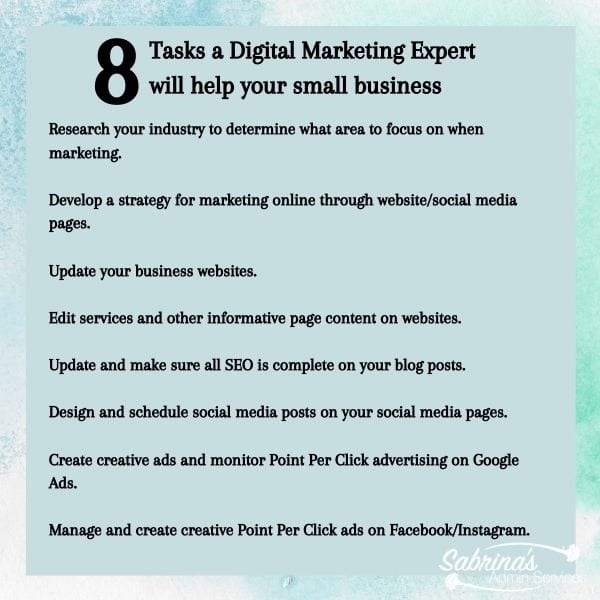
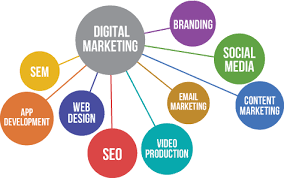
  • Search engine optimisation (SEO): Improving a website’s visibility in organic search results and making it more useful to visitors.
  • Paid advertising: Using platforms such as search engines and social networks to reach specific audiences through paid campaigns.
  • Content marketing: Creating helpful, relevant content that informs, inspires or supports potential customers.
  • Social media: Sharing content, engaging with audiences and building a consistent presence on suitable platforms.
  • Email marketing: Communicating with subscribers and customers through relevant, permission-based emails.
  • Website and conversion optimisation: Making it easier for visitors to find information and take useful actions, such as making an enquiry or placing an order.
  • Analytics and reporting: Measuring performance to understand what is working and where improvements are needed.

Start with clear objectives

Good management begins with a clear understanding of what the business wants to achieve. Broad aims such as “get more customers” are difficult to plan for and measure. More specific objectives provide a better foundation for decision-making.

For example, a business might aim to increase qualified enquiries from its website, grow online revenue from a particular product range or improve the number of returning customers. Objectives should be realistic, time-bound and linked to wider business priorities.

Once objectives are agreed, choose key performance indicators (KPIs) that show progress. Depending on the goal, these might include organic website visits, cost per lead, conversion rate, email sign-ups or revenue generated by a campaign.

Understand the audience

Digital marketing is more effective when it reflects the needs, habits and questions of the people it is intended to reach. Audience research can help a business understand who its customers are, what they value and how they look for information or make purchasing decisions.

Useful sources of insight include customer conversations, sales and support enquiries, website analytics, search data and feedback from existing campaigns. These findings can inform the messages a business uses, the content it creates and the channels it prioritises.

Choose the right channels

Being present on every platform is not always the best approach. Different channels suit different audiences, products and objectives. A business selling to other organisations may benefit from search marketing, specialist content and professional networking platforms. A consumer brand may find visual social channels or email more relevant.

Channel choices should be based on evidence and reviewed over time. It is often more effective to manage a small number of suitable channels well than to spread resources too thinly across many.

Create a joined-up plan

A digital marketing plan connects objectives, audiences, channels, content, budgets and responsibilities. It should set out what will happen, when it will happen and how success will be assessed.

Planning helps teams coordinate campaigns and maintain a consistent message across the customer journey. Someone discovering a business through a search result, for instance, should find a website that clearly follows through on the promise made in the listing or advert.

A plan should provide direction without being inflexible. Customer behaviour, platform features and business priorities can change, so plans need regular review.

Measure, learn and improve

Digital marketing management does not end when a campaign goes live. Ongoing measurement helps businesses understand how people respond and whether activity is contributing to the intended objectives.

Reports are most useful when they focus on meaningful outcomes rather than numbers in isolation. A rise in website visits may look positive, but it matters more whether those visits come from relevant people and lead to enquiries, sales or another desired action.

Reviewing performance regularly can reveal where to make adjustments. A business might refine its audience targeting, improve a landing page, test a different message or invest more in a channel that is producing valuable results. Testing should be deliberate, with changes based on a clear question and measurable outcome.

Keep the customer experience in focus

Marketing can attract attention, but the experience that follows plays an important part in turning interest into action. Pages should load reliably, work well on mobile devices and make essential information easy to find. Calls to action should be clear, and forms should ask only for information that is genuinely needed.

Consistency also matters. A business’s tone, visual identity and promises should align across its website, adverts, social media and customer communications. This helps create a more recognisable and trustworthy experience.

Work responsibly with data

Digital marketing often involves collecting or using personal information. Businesses should handle data responsibly, explain how it is used and follow relevant privacy and marketing rules. Email marketing, cookies and tracking technologies may have specific requirements, so organisations should seek appropriate guidance and keep their processes up to date.

Respectful data practices support customer confidence as well as compliance. Clear choices and relevant communications are more likely to build lasting relationships than excessive or unexpected messages.

In-house management or external support?

Some organisations manage digital marketing internally, while others work with agencies, consultants or a combination of both. The right arrangement depends on the skills, time and resources available, as well as the complexity of the marketing programme.

External support can bring specialist expertise or additional capacity. Internal teams can contribute detailed knowledge of the business, its customers and its day-to-day operations. Whichever model is chosen, clear objectives, communication and accountability are essential.

Make digital marketing an ongoing process

Effective digital marketing management is not a one-off campaign or a fixed checklist. It is an ongoing process of setting priorities, understanding audiences, delivering useful experiences and learning from results.

By combining clear objectives with thoughtful channel choices and regular measurement, businesses can make better use of their marketing resources. The strongest approach is one that supports the wider business, responds to customers’ needs and adapts as circumstances change.


Maximising Impact: The Benefits of Digital Marketing Management for Business Success

  1. Keeps marketing activity aligned with business goals.
  2. Helps reach the right audiences through suitable channels.
  3. Makes it easier to track results and return on investment.
  4. Supports consistent messaging across digital platforms.
  5. Improves customer engagement and online experiences.
  6. Enables quick adjustments based on performance data.
  7. Helps businesses use marketing budgets more effectively.


Challenges in Digital Marketing Management: Time, Investment, Delayed Results, Platform Changes, and Data Privacy Complexity

  1. Can be time-consuming to manage.
  2. Requires ongoing investment.
  3. Results may take time to appear.
  4. Digital platforms change frequently.
  5. Data privacy rules can be complex.

Keeps marketing activity aligned with business goals.

Digital marketing management helps keep every campaign, channel and piece of content focused on the wider business goals. By setting clear objectives and tracking relevant results, businesses can prioritise activity that supports outcomes such as generating qualified leads, increasing sales or building customer loyalty. This makes it easier to use budgets and resources effectively, while ensuring marketing efforts contribute to measurable progress.

Helps reach the right audiences through suitable channels.

Effective digital marketing management helps businesses reach the right audiences by matching their needs and online habits with suitable channels. Rather than trying to be everywhere, businesses can focus on the platforms and formats their potential customers are most likely to use, making marketing more relevant, efficient and impactful.

Makes it easier to track results and return on investment.

Digital marketing management makes it easier to track results and understand return on investment (ROI). By monitoring metrics such as website visits, enquiries, conversions and campaign costs, businesses can see which activities are delivering value and where budgets may be better spent. This clear, measurable picture supports informed decisions, helping teams refine campaigns and focus resources on the approaches that contribute most to their goals.

Supports consistent messaging across digital platforms.

Digital marketing management helps ensure your brand communicates consistently across its website, social media, email and online advertising. By aligning your tone of voice, visual identity and key messages, you create a more recognisable experience for customers wherever they encounter your business. This consistency can build trust, reinforce what your brand stands for and make your communications more effective.

Improves customer engagement and online experiences.

Effective digital marketing management helps businesses engage with customers through relevant, timely communication across the channels they use. By understanding customer needs and using insights to personalise content, offers and support, businesses can make each interaction more useful and consistent. A well-managed website, clear information and responsive social media or email communications also create a smoother online experience, helping customers feel valued and more confident in choosing the brand.

Enables quick adjustments based on performance data.

Digital marketing management makes it possible to respond quickly to performance data. By monitoring results such as website visits, enquiries and conversions, businesses can see what is working and adjust campaigns accordingly. They can refine their messaging, change audience targeting or shift budget towards better-performing channels, helping marketing activity stay effective as customer behaviour and business priorities change.

Helps businesses use marketing budgets more effectively.

Digital marketing management helps businesses use their marketing budgets more effectively by directing spend towards the channels and campaigns most likely to reach the right audience and achieve clear objectives. Regular performance tracking shows what is delivering value and where money may be wasted, allowing businesses to adjust their activity, prioritise successful tactics and make more informed decisions about future investment.

Can be time-consuming to manage.

Digital marketing management can be time-consuming, as each channel needs regular attention, from planning content and scheduling campaigns to responding to customers and reviewing performance. Keeping up with changing platforms, trends and tools can add to the workload, particularly for small businesses with limited staff. Without clear priorities or a manageable plan, marketing tasks can take time away from other important parts of the business.

Requires ongoing investment.

Digital marketing management requires ongoing investment, both in budget and staff time. Campaigns need regular monitoring, content must be updated, and tools, advertising and specialist skills can all involve continuing costs. Businesses may also need to adjust their approach as platforms and customer behaviour change, making it important to plan for long-term spending rather than treating digital marketing as a one-off expense.

Results may take time to appear.

One drawback of digital marketing management is that results may take time to appear. Activities such as search engine optimisation, content marketing and building an engaged audience usually require consistent effort before they deliver noticeable outcomes. This can be challenging for businesses expecting quick returns, so it is important to set realistic expectations, monitor progress and recognise early signs of improvement while longer-term results develop.

Digital platforms change frequently.

One challenge of digital marketing management is that digital platforms change frequently. Search engine algorithms, social media features, advertising rules and audience habits can shift with little warning, making yesterday’s successful approach less effective today. Businesses need to keep up with these changes, review their strategies and adapt their campaigns, which can take time and resources.

Data privacy rules can be complex.

Data privacy rules can be complex, making digital marketing management more demanding for businesses. Requirements around consent, cookies, email campaigns and the collection or use of personal information can vary and change over time. Keeping up with these obligations takes time and expertise, and mistakes may lead to complaints, reputational damage or legal consequences. Businesses need clear processes and appropriate guidance to handle customer data responsibly and remain compliant.

paid media marketing

Unlocking the Potential of Paid Media Marketing: Strategies for Success

The Power of Paid Media Marketing

The Power of Paid Media Marketing

In today’s digital age, businesses are constantly seeking ways to reach their target audience effectively and drive conversions. One powerful tool in the marketing arsenal is paid media marketing. Paid media involves paying to promote your brand through various online channels such as search engines, social media platforms, display advertising, and more.

Benefits of Paid Media Marketing

Targeted Reach: With paid media marketing, you can target specific demographics, interests, and behaviours of your audience. This precision targeting ensures that your ads are seen by the right people at the right time.

Increased Visibility: By investing in paid media, you can increase your brand’s visibility and reach a wider audience beyond your organic efforts. This expanded reach can lead to higher brand awareness and engagement.

Quick Results: Unlike organic methods that may take time to gain traction, paid media marketing offers immediate results. You can see an increase in website traffic, leads, and conversions in a relatively short period.

Types of Paid Media Channels

Search Engine Marketing (SEM): SEM involves placing ads on search engine results pages (SERPs) to drive traffic to your website based on relevant keywords.

Social Media Advertising: Platforms like Facebook, Instagram, Twitter, and LinkedIn offer robust advertising options to target specific audiences based on demographics and interests.

Display Advertising: Display ads appear on websites across the internet and can be targeted based on user behaviour or interests.

Tips for Successful Paid Media Campaigns

  • Set Clear Goals: Define your objectives for the campaign such as increasing website traffic, generating leads, or boosting sales.
  • Create Compelling Ad Copy: Craft engaging ad copy that resonates with your target audience and entices them to take action.
  • Maintain Consistent Monitoring: Regularly monitor your campaigns’ performance metrics and make adjustments as needed to maximise ROI.
  • A/B Testing: Experiment with different ad creatives, messaging, and targeting strategies to identify what resonates best with your audience.

Paid media marketing is a valuable tool for businesses looking to amplify their online presence and drive measurable results. By leveraging the right channels and strategies effectively, you can enhance brand visibility, attract new customers, and ultimately grow your business in the digital landscape.


7 Essential Tips for Effective Paid Media Marketing Campaigns

  1. Define clear goals and objectives for your paid media campaigns.
  2. Understand your target audience to create relevant and engaging ads.
  3. Utilise different ad formats and platforms to reach a wider audience.
  4. Monitor and analyse campaign performance regularly to make data-driven decisions.
  5. Optimise your ad copy, visuals, and targeting based on performance insights.
  6. Set a realistic budget and allocate it wisely across various channels for maximum impact.
  7. Stay updated with the latest trends and technologies in paid media marketing.

Define clear goals and objectives for your paid media campaigns.

To maximise the effectiveness of your paid media campaigns, it is essential to define clear goals and objectives from the outset. By establishing specific targets such as increasing website traffic, generating leads, or boosting sales, you can align your campaign strategies to achieve measurable results. Clear goals not only provide focus and direction but also enable you to track performance effectively and make informed decisions to optimise your paid media efforts for success.

Understand your target audience to create relevant and engaging ads.

To maximise the effectiveness of your paid media marketing efforts, it is crucial to have a deep understanding of your target audience. By knowing their demographics, interests, behaviours, and preferences, you can tailor your ads to resonate with them effectively. Creating relevant and engaging ads that speak directly to the needs and desires of your audience increases the likelihood of capturing their attention and driving desired actions. This personalised approach not only enhances the user experience but also boosts the overall performance of your campaigns by delivering messages that truly connect with your target market.

Utilise different ad formats and platforms to reach a wider audience.

To maximise the impact of your paid media marketing efforts, it is essential to utilise a variety of ad formats and platforms. By diversifying your approach and leveraging different formats such as text ads, display ads, video ads, and carousel ads across various platforms like search engines, social media, and websites, you can effectively reach a wider audience. This strategy not only helps in capturing the attention of different user preferences but also allows you to engage with potential customers at different stages of their buying journey. Embracing diversity in ad formats and platforms can significantly expand your reach and enhance the effectiveness of your marketing campaigns.

Monitor and analyse campaign performance regularly to make data-driven decisions.

Monitoring and analysing campaign performance regularly is essential in paid media marketing to make informed, data-driven decisions. By closely examining key performance metrics such as click-through rates, conversion rates, and return on ad spend, businesses can gain valuable insights into the effectiveness of their campaigns. This data allows marketers to identify what is working well and what areas need improvement, enabling them to optimise their strategies for maximum impact and ROI. Regular analysis ensures that campaigns stay on track towards meeting objectives and helps in refining tactics based on real-time feedback from the audience.

Optimise your ad copy, visuals, and targeting based on performance insights.

To maximise the effectiveness of your paid media marketing campaigns, it is crucial to continually analyse performance insights and adjust your ad copy, visuals, and targeting accordingly. By optimising these elements based on data-driven insights, you can enhance engagement, increase click-through rates, and ultimately drive better results. Regularly monitoring and fine-tuning your campaigns in response to performance data allows you to refine your strategies for maximum impact and ROI in the competitive digital advertising landscape.

Set a realistic budget and allocate it wisely across various channels for maximum impact.

Setting a realistic budget and allocating it wisely across various channels is crucial for maximising the impact of your paid media marketing efforts. By carefully planning how to distribute your budget, you can ensure that each channel receives the appropriate resources to reach your target audience effectively. This strategic approach helps optimise your ROI and allows you to make informed decisions on where to invest for the best results in driving brand visibility and achieving your marketing goals.

To maximise the effectiveness of your paid media marketing efforts, it is crucial to stay updated with the latest trends and technologies in the field. By staying informed about emerging strategies, tools, and platforms, you can adapt your campaigns to leverage new opportunities and stay ahead of the competition. Continuous learning and monitoring of industry developments will help you refine your approach, reach your target audience more effectively, and drive better results for your business.

online marketing help

Unlocking Success: How Online Marketing Help Can Transform Your Business

How Online Marketing Help Can Transform Your Business

How Online Marketing Help Can Transform Your Business

In today’s digital age, having a strong online presence is crucial for the success of any business. Online marketing help can be the key to unlocking your business’s full potential and reaching a wider audience. Whether you are a small start-up or an established company, leveraging online marketing strategies can make a significant difference in your growth and profitability.

Benefits of Online Marketing Help

Online marketing help offers a range of benefits that can propel your business forward:

  • Increased Visibility: By implementing effective online marketing strategies, you can increase your brand’s visibility and reach a larger audience.
  • Targeted Advertising: Online marketing allows you to target specific demographics, interests, and behaviours, ensuring that your message reaches the right people.
  • Cost-Effective Solutions: Compared to traditional marketing methods, online marketing is often more cost-effective and provides better ROI.
  • Data-Driven Insights: With online marketing tools, you can gather valuable data and insights about your target audience, allowing you to refine your strategies for better results.
  • Improved Engagement: Engaging with your audience through social media, email campaigns, and other online channels can build stronger relationships and foster customer loyalty.

Types of Online Marketing Help

There are various avenues of online marketing help that businesses can explore to achieve their goals:

  1. Search Engine Optimization (SEO): Optimising your website for search engines can improve your organic visibility and drive more traffic to your site.
  2. Social Media Marketing: Leveraging popular social media platforms to connect with customers, promote products/services, and build brand awareness.
  3. Email Marketing: Sending targeted emails to subscribers to nurture leads, promote offers, and stay connected with customers.
  4. Paid Advertising: Running paid campaigns on search engines or social media platforms to reach a larger audience quickly.
  5. Content Marketing: Creating valuable content such as blogs, videos, infographics etc., to attract and engage with potential customers.

In conclusion, investing in online marketing help is essential for businesses looking to thrive in today’s competitive landscape. By utilising the right strategies and tools, you can enhance your brand’s visibility, engage with customers effectively, and drive growth. If you’re ready to take your business to the next level, consider seeking professional online marketing help to guide you towards success.


18 Frequently Asked Questions About Online Marketing: Strategies, Benefits, and Tools

  1. What is the 3-3-3 rule in marketing?
  2. How can I make my online marketing successful?
  3. How does online marketing help students?
  4. How is online marketing helpful?
  5. What is the best online marketing?
  6. How can I do internet marketing?
  7. How can I get better at online marketing?
  8. How to do online marketing?
  9. What are the benefits of online marketing?
  10. What are the 7 C’s of digital marketing?
  11. How do I start online marketing?
  12. What are the 7 C’s of online marketing?
  13. How does online marketing help a business?
  14. How can I improve online marketing?
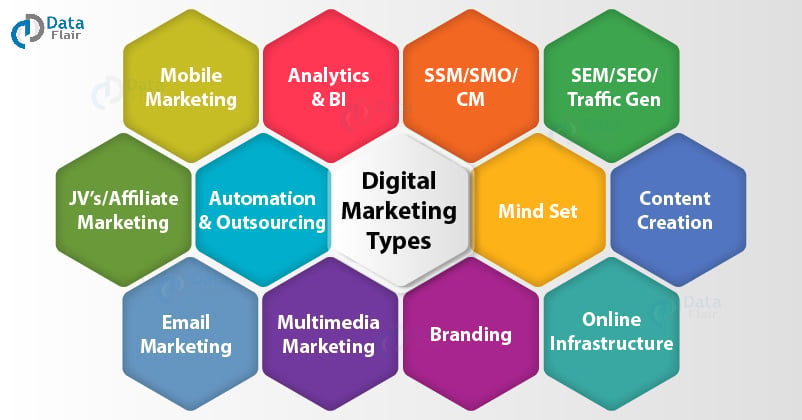
  15. What are the 4 types of digital marketing?
  16. How do I get involved in online marketing?
  17. What are the 4 P’s of online marketing?
  18. What is the best tool for online marketing?

What is the 3-3-3 rule in marketing?

The 3-3-3 rule in marketing refers to a strategy where businesses aim to deliver their message clearly, concisely, and consistently across three different platforms, three times a day, for three weeks. This approach emphasises the importance of maintaining a strong and repetitive presence in the digital space to capture and retain audience attention effectively. By adhering to the 3-3-3 rule, businesses can enhance brand visibility, engage with their target audience consistently, and ultimately drive better results in their marketing efforts.

How can I make my online marketing successful?

To make your online marketing successful, it is essential to develop a comprehensive strategy tailored to your business goals and target audience. Start by identifying your target market and understanding their needs and preferences. Utilise a mix of online marketing tools such as search engine optimisation (SEO), social media marketing, email campaigns, and content creation to reach and engage with your audience effectively. Consistent monitoring and analysis of key performance indicators will help you refine your strategies for optimal results. Remember that building trust with your audience through valuable content and personalised interactions is key to long-term success in online marketing.

How does online marketing help students?

Online marketing can be a valuable resource for students looking to enhance their academic and professional pursuits. Through online marketing, students can develop essential skills such as digital communication, content creation, and data analysis, which are highly sought after in today’s job market. Additionally, online marketing provides students with opportunities to showcase their creativity, build personal branding, and even earn income through freelance projects or internships. By leveraging online marketing strategies, students can gain practical experience, expand their networks, and position themselves for success in a competitive digital world.

How is online marketing helpful?

Online marketing is incredibly helpful for businesses in today’s digital landscape. By leveraging online marketing strategies, businesses can significantly boost their visibility, reach a larger audience, and engage with customers on various platforms. Online marketing allows for targeted advertising, cost-effective solutions, and data-driven insights that enable businesses to refine their strategies for optimal results. Through techniques such as search engine optimisation (SEO), social media marketing, email campaigns, and paid advertising, businesses can enhance their online presence and effectively promote their products or services to the right audience. Ultimately, online marketing help empowers businesses to connect with customers in meaningful ways and drive growth in a competitive market environment.

What is the best online marketing?

When it comes to the frequently asked question, “What is the best online marketing?” the answer may vary depending on the specific goals and target audience of a business. The effectiveness of online marketing strategies can be influenced by factors such as industry, budget, and desired outcomes. Some businesses may find success with search engine optimisation (SEO) to improve their website’s visibility, while others may benefit more from social media marketing to engage with their audience. Ultimately, the best online marketing approach is one that aligns with a business’s objectives and resonates with its target market, leading to increased brand awareness, customer engagement, and ultimately, business growth.

How can I do internet marketing?

To embark on internet marketing, it is essential to start by defining your goals and target audience. Conduct research to understand your market and competitors, then develop a comprehensive strategy that utilises various online marketing channels such as SEO, social media, email campaigns, and content marketing. Consistent monitoring and analysis of your campaigns’ performance will help you refine your approach and maximise results. Seeking guidance from experts or online resources can also provide valuable insights to navigate the dynamic landscape of internet marketing effectively.

How can I get better at online marketing?

To improve your online marketing skills and effectiveness, it is essential to stay informed about the latest trends and strategies in the digital landscape. Start by conducting research, attending webinars, and following industry experts to gain valuable insights. Experiment with different online marketing tools and techniques to understand what works best for your business. Analyse data and metrics to track the performance of your campaigns and make data-driven decisions. Continuous learning, adaptation, and testing are key to getting better at online marketing and achieving success in reaching your target audience effectively.

How to do online marketing?

When it comes to the frequently asked question, “How to do online marketing?” the answer lies in understanding the various strategies and tools available to promote your business effectively on digital platforms. Online marketing encompasses a range of techniques such as search engine optimisation (SEO), social media marketing, email campaigns, paid advertising, and content creation. By developing a comprehensive online marketing strategy tailored to your business goals and target audience, you can enhance your brand’s visibility, engage with customers, drive traffic to your website, and ultimately achieve success in the competitive online landscape.

What are the benefits of online marketing?

One of the most frequently asked questions about online marketing is, “What are the benefits of online marketing?” Online marketing offers a multitude of advantages for businesses seeking to expand their reach and engage with their target audience effectively. From increased brand visibility and targeted advertising to cost-effective solutions and data-driven insights, online marketing can transform a business’s growth trajectory. By leveraging various online marketing strategies such as SEO, social media marketing, email campaigns, paid advertising, and content marketing, businesses can enhance their online presence, connect with customers on a deeper level, and drive sustainable growth in today’s digital landscape.

What are the 7 C’s of digital marketing?

The 7 C’s of digital marketing are a comprehensive framework that outlines key principles for successful online marketing strategies. These include Customer, Cost, Convenience, Communication, Consistency, Creativity, and Culture. Understanding and applying these principles can help businesses effectively engage with their target audience, deliver value-driven content, maintain brand consistency across channels, and foster a positive brand culture in the digital landscape. By incorporating the 7 C’s into their digital marketing efforts, businesses can enhance customer relationships, drive engagement, and achieve sustainable growth in the competitive online market.

How do I start online marketing?

To embark on your online marketing journey, the first step is to define your goals and target audience. Conduct thorough research to understand your market and competition. Establish a strong online presence through a well-designed website and active social media profiles. Utilise search engine optimisation (SEO) techniques to improve your website’s visibility. Develop a content strategy that resonates with your audience and showcases your expertise. Consider email marketing campaigns to engage with potential customers. Monitor and analyse your results to refine your strategies for continuous improvement. Remember, starting online marketing is about taking consistent actions towards building brand awareness, driving traffic, and converting leads into customers.

What are the 7 C’s of online marketing?

The 7 C’s of online marketing are crucial principles that guide businesses in creating effective digital strategies. These include Customer-centricity, Content, Consistency, Clarity, Creativity, Credibility, and Conversion. Customer-centricity emphasises understanding and meeting the needs of the target audience. Content focuses on delivering valuable and engaging information to attract and retain customers. Consistency ensures a unified brand message across all online channels. Clarity involves clear communication to convey the brand’s message effectively. Creativity helps businesses stand out in a crowded digital landscape. Credibility builds trust with customers through authentic and reliable content. Conversion aims to turn leads into loyal customers through strategic marketing tactics. Mastering these 7 C’s can significantly enhance a business’s online marketing efforts and drive success in the digital realm.

How does online marketing help a business?

Online marketing plays a crucial role in helping businesses thrive in the digital landscape. By leveraging various online marketing strategies such as search engine optimisation (SEO), social media marketing, email campaigns, and paid advertising, businesses can significantly increase their online visibility, attract targeted traffic, engage with their audience effectively, and ultimately drive growth and profitability. Online marketing help enables businesses to reach a wider audience, build brand awareness, generate leads, and establish strong customer relationships in a cost-effective and measurable way. It empowers businesses to stay competitive, adapt to changing market trends, and achieve their marketing goals efficiently in today’s highly digitalised world.

How can I improve online marketing?

To improve your online marketing efforts, it is essential to focus on a few key areas. Start by conducting a thorough analysis of your current online presence, including your website, social media channels, and digital advertising campaigns. Identify areas for improvement and set clear goals for what you want to achieve with your online marketing strategy. Utilise tools such as search engine optimisation (SEO) to enhance your website’s visibility in search results, engage with your target audience through compelling content and social media interactions, and track the performance of your campaigns to make data-driven decisions for continuous improvement. By staying informed about the latest trends and best practices in online marketing, you can refine your approach and drive better results for your business.

What are the 4 types of digital marketing?

In the realm of online marketing help, understanding the four main types of digital marketing is essential for devising effective strategies to promote businesses in the digital space. The four primary types of digital marketing include Search Engine Optimization (SEO), Social Media Marketing, Email Marketing, and Paid Advertising. Each type plays a crucial role in reaching and engaging with target audiences, driving website traffic, and ultimately, boosting brand visibility and growth. By harnessing the power of these digital marketing channels, businesses can enhance their online presence and connect with customers in meaningful ways.

How do I get involved in online marketing?

To get involved in online marketing, start by educating yourself on the various aspects of digital marketing, such as search engine optimisation (SEO), social media marketing, email marketing, and content creation. Consider taking online courses or attending workshops to gain a solid understanding of these concepts. Next, create a strong online presence for yourself by building a professional website and engaging with social media platforms relevant to your target audience. Networking with industry professionals and seeking mentorship can also provide valuable insights and guidance as you navigate the world of online marketing. Remember to stay updated on industry trends and best practices to ensure your online marketing efforts are effective and successful.

What are the 4 P’s of online marketing?

The 4 P’s of online marketing, also known as the marketing mix, refer to Product, Price, Place, and Promotion. These fundamental elements play a crucial role in shaping a successful online marketing strategy. Product focuses on what you offer to your target audience, Price involves setting competitive pricing strategies, Place determines where and how you make your product or service available online, and Promotion involves the tactics used to communicate with and attract customers. By understanding and effectively implementing the 4 P’s of online marketing, businesses can create a comprehensive plan to drive engagement, generate leads, and ultimately achieve their marketing goals in the digital realm.

What is the best tool for online marketing?

When it comes to online marketing, the question of the best tool is a common one among businesses seeking to enhance their digital presence. The answer to this question largely depends on the specific goals and needs of each individual business. There is a wide range of tools available for online marketing, including email marketing platforms, social media management tools, analytics software, SEO tools, and more. The best tool for online marketing is often one that aligns closely with the business’s objectives and allows for effective targeting, measurement, and engagement with the target audience. Conducting thorough research and seeking expert advice can help businesses identify the most suitable tool to achieve their online marketing goals successfully.

digital marketing agency pricing

Decoding Digital Marketing Agency Pricing: A Guide for Businesses

Digital Marketing Agency Pricing

The Ins and Outs of Digital Marketing Agency Pricing

When it comes to hiring a digital marketing agency, understanding pricing structures is crucial for businesses looking to maximise their online presence. Digital marketing agency pricing can vary significantly based on factors such as services offered, level of expertise, and the scope of the project.

Factors Influencing Pricing

One key factor that affects digital marketing agency pricing is the range of services provided. Agencies may offer a variety of services including search engine optimisation (SEO), pay-per-click (PPC) advertising, social media management, content creation, email marketing, and more. The more comprehensive the services package, the higher the cost is likely to be.

Another important consideration is the level of expertise and experience of the agency. Established agencies with a proven track record of delivering successful campaigns may charge higher fees compared to newer agencies or freelancers.

Pricing Models

Digital marketing agencies typically offer pricing models based on different structures:

  • Hourly Rate: Some agencies charge an hourly rate for their services. This model works well for projects with varying levels of complexity or those requiring ongoing maintenance.
  • Project-Based: For specific projects with defined deliverables and timelines, agencies may offer a fixed price. This allows clients to budget more accurately for their digital marketing needs.
  • Performance-Based: In some cases, agencies tie their fees to the performance metrics of a campaign. This model incentivises the agency to deliver results that align with the client’s goals.

Negotiating Pricing

When engaging with a digital marketing agency, it’s essential to discuss pricing openly and negotiate terms that work for both parties. Be clear about your budget constraints and desired outcomes to ensure a mutually beneficial partnership.

Conclusion

Digital marketing agency pricing can vary widely depending on factors such as services offered, expertise level, and pricing models. By understanding these factors and engaging in transparent discussions with potential partners, businesses can find an agency that meets their needs while staying within budget.


Top 5 Advantages of Digital Marketing Agency Pricing: Flexibility, Transparency, and More

  1. 1. Flexibility
  2. 2. Transparency
  3. 3. Scalability
  4. 4. Performance-driven
  5. 5. Cost-effective


Challenges in Evaluating Digital Marketing Agency Pricing: Transparency Issues, Hidden Costs, Overpricing, and Comparison Difficulties

  1. Lack of Transparency
  2. Hidden Costs
  3. Overpricing
  4. Difficulty in Comparison

1. Flexibility

Digital marketing agency pricing provides a valuable advantage in its flexibility, offering a range of pricing models to accommodate diverse project requirements and budgets. Whether clients prefer an hourly rate for ongoing support, a fixed price for specific projects, or a performance-based structure tied to campaign outcomes, the flexibility of digital marketing agency pricing ensures that businesses can choose the model that best aligns with their goals and financial constraints. This adaptability allows clients to tailor their investment in digital marketing services to suit their unique needs, making it easier to achieve effective results within their desired budget parameters.

2. Transparency

One significant advantage of digital marketing agency pricing is transparency. Pricing structures within these agencies are usually clear and straightforward, enabling clients to have a comprehensive understanding of what they are paying for. This transparency empowers clients to make informed decisions about the services they require, ensuring that they receive value for their investment and fostering a trusting relationship between the agency and the client.

3. Scalability

One significant advantage of digital marketing agency pricing is scalability. Agencies have the flexibility to adjust pricing according to the scale of the project, allowing businesses to receive customised solutions that align with their budget constraints. This means that whether a business is looking for a small-scale campaign or a large-scale marketing initiative, the agency can tailor their services and pricing accordingly, ensuring that clients get the most value for their investment.

4. Performance-driven

One significant advantage of digital marketing agency pricing is its performance-driven nature. By implementing pricing models that link fees to specific performance metrics, agencies are motivated to deliver tangible results that directly align with the objectives set by the client. This incentivisation ensures that agencies are focused on achieving measurable outcomes, ultimately leading to a more effective and successful digital marketing campaign.

5. Cost-effective

One significant advantage of digital marketing agency pricing is its cost-effectiveness. By outsourcing digital marketing services, businesses can tap into specialised expertise and resources without the hefty investment required to maintain an in-house team. This cost-saving benefit allows businesses to allocate their budget more efficiently, benefiting from professional digital marketing services tailored to their needs while keeping expenses in check.

Lack of Transparency

Lack of transparency is a significant con when it comes to digital marketing agency pricing. Some agencies may not offer clear breakdowns of their pricing structures, leaving clients in the dark about what they are paying for and why. This lack of transparency can lead to confusion, uncertainty, and potentially strained client-agency relationships. Without a clear understanding of how costs are allocated and what services are included, clients may find it challenging to assess the value they are receiving from the agency. Clarity and openness in pricing are essential for building trust and ensuring a mutually beneficial partnership between digital marketing agencies and their clients.

Hidden Costs

Hidden Costs: Clients may encounter unexpected additional charges that were not initially disclosed, resulting in budgetary concerns. Some digital marketing agencies may include hidden costs for services or resources that were not clearly outlined in the initial pricing agreement. This lack of transparency can lead to frustration and financial strain for clients who are caught off guard by these unforeseen expenses, impacting the overall trust and satisfaction in the client-agency relationship. It is important for clients to thoroughly review and clarify all potential costs upfront to avoid any surprises down the line.

Overpricing

Some digital marketing agencies may fall into the trap of overpricing their services, charging higher fees that are not justified by the quality or scope of their offerings. This practice can lead to inefficiencies as businesses may end up paying more than necessary without receiving commensurate value in return. Overpricing can create barriers to entry for smaller businesses looking to leverage digital marketing services, limiting their ability to compete effectively in the online landscape. It is essential for businesses to carefully evaluate pricing structures and ensure that they are getting a fair deal that aligns with their specific needs and budget constraints.

Difficulty in Comparison

Navigating the conundrum of digital marketing agency pricing poses a significant challenge for clients due to the lack of standardisation across the industry. With each agency offering unique pricing structures and packages, direct comparisons become intricate, making it arduous for clients to assess the true value for money. The difficulty in comparison not only complicates decision-making processes but also hinders clients from making informed choices that align with their budget and objectives.

online digital marketing agency

Unlocking Success: The Role of an Online Digital Marketing Agency

The Power of Online Digital Marketing Agencies

The Power of Online Digital Marketing Agencies

In today’s digital age, having a strong online presence is crucial for businesses looking to reach their target audience and drive growth. This is where online digital marketing agencies play a vital role in helping businesses navigate the complex world of digital marketing and achieve their goals.

What is an Online Digital Marketing Agency?

An online digital marketing agency is a team of experts who specialise in using various digital channels and strategies to promote a brand, product, or service online. These agencies have the knowledge and experience to create tailored digital marketing campaigns that can effectively reach and engage with the target audience.

The Benefits of Working with an Online Digital Marketing Agency

There are several benefits to partnering with an online digital marketing agency:

  • Expertise: Digital marketing agencies have a team of professionals with expertise in various aspects of digital marketing, including SEO, social media, content marketing, email marketing, and more.
  • Cost-Effective: Hiring an agency can be more cost-effective than hiring an in-house team as you only pay for the services you need.
  • Data-Driven Strategies: Digital agencies use data and analytics to track the performance of campaigns and make data-driven decisions to optimise results.
  • Creative Solutions: Agencies bring fresh ideas and creative solutions to the table, helping businesses stand out in a crowded online landscape.

How Online Digital Marketing Agencies Can Help Your Business

Online digital marketing agencies offer a range of services to help businesses achieve their goals:

  • Search Engine Optimisation (SEO): Improving website visibility on search engines like Google through keyword optimisation, content creation, and link building.
  • Social Media Marketing: Engaging with target audiences on platforms like Facebook, Instagram, Twitter, and LinkedIn to build brand awareness and drive traffic.
  • Email Marketing: Building relationships with customers through targeted email campaigns that deliver personalised content.
  • Paid Advertising: Running targeted ads on platforms like Google Ads or social media channels to reach specific audiences based on demographics, interests, and behaviours.

In Conclusion

In conclusion, partnering with an online digital marketing agency can give your business the edge it needs to succeed in today’s competitive online landscape. With their expertise, creative solutions, and data-driven strategies, these agencies can help you reach your target audience effectively and grow your business online.

Contact an online digital marketing agency today to explore how they can help take your business to the next level!


Top 5 Advantages of Partnering with an Online Digital Marketing Agency

  1. Expertise in various digital marketing strategies
  2. Cost-effective compared to hiring an in-house team
  3. Data-driven approach for campaign optimization
  4. Access to creative solutions and fresh ideas
  5. Ability to reach target audiences effectively


Challenges of Engaging an Online Digital Marketing Agency: Cost, Control, Communication, and Dependency

  1. Cost
  2. Lack of Control
  3. Communication Challenges
  4. Dependency

Expertise in various digital marketing strategies

An online digital marketing agency offers a valuable advantage through its expertise in various digital marketing strategies. With a team of professionals well-versed in areas such as SEO, social media, content marketing, email campaigns, and more, these agencies are equipped to craft tailored and effective digital marketing campaigns that can successfully engage with target audiences and drive results for businesses. Their diverse skill set ensures that businesses have access to comprehensive and up-to-date strategies to navigate the ever-evolving digital landscape with confidence.

Cost-effective compared to hiring an in-house team

One significant advantage of partnering with an online digital marketing agency is its cost-effectiveness when compared to hiring an in-house team. By outsourcing your digital marketing needs to an agency, you can save on the expenses associated with recruiting, training, and maintaining a full-time team of digital marketing professionals. This allows businesses to access a diverse range of expertise and services at a fraction of the cost, making it a practical and efficient solution for companies looking to maximise their online presence without breaking the bank.

Data-driven approach for campaign optimization

One key advantage of partnering with an online digital marketing agency is their data-driven approach to campaign optimization. By leveraging data and analytics, these agencies can track the performance of marketing campaigns in real-time, allowing them to make informed decisions and adjustments to enhance effectiveness. This strategic use of data ensures that marketing efforts are continuously refined and optimised for maximum impact, ultimately leading to better results and return on investment for businesses.

Access to creative solutions and fresh ideas

One of the key advantages of partnering with an online digital marketing agency is gaining access to a wealth of creative solutions and fresh ideas. These agencies bring a diverse team of professionals with innovative perspectives and expertise in the latest digital trends. By collaborating with an agency, businesses can benefit from out-of-the-box thinking and unique strategies that can help them stand out in the competitive online landscape, ultimately driving engagement and achieving their marketing goals.

Ability to reach target audiences effectively

One of the key advantages of partnering with an online digital marketing agency is their ability to reach target audiences effectively. Through data-driven strategies and expertise in various digital channels, these agencies can tailor marketing campaigns to specifically target and engage with the desired demographic. By understanding the behaviours and preferences of the target audience, digital marketing agencies can create impactful campaigns that resonate with potential customers, ultimately driving higher conversion rates and maximising the return on investment for businesses.

Cost

One significant drawback of hiring an online digital marketing agency is the cost involved. For small businesses operating on limited budgets, the expense of engaging the services of a digital marketing agency can be prohibitive. The fees charged by these agencies for their expertise and services may pose a financial challenge, making it difficult for smaller enterprises to afford comprehensive digital marketing strategies that could potentially benefit their online presence and growth.

Lack of Control

When businesses opt to collaborate with an online digital marketing agency, they may encounter the con of experiencing a lack of control over their marketing strategies and campaigns. Entrusting these crucial aspects to an external agency can sometimes lead to a sense of detachment from the decision-making process, potentially resulting in concerns about aligning with the company’s core values and objectives. This loss of direct oversight may pose challenges for businesses seeking to maintain a tight grip on their marketing efforts and ensure that they resonate authentically with their brand identity.

Communication Challenges

Communication challenges can be a significant con when working with an online digital marketing agency. Miscommunication or a lack of clear communication between the business and the agency can result in misunderstandings and ineffective campaigns. Without effective communication channels in place, key messages may get lost in translation, leading to wasted time, resources, and ultimately impacting the success of the digital marketing efforts. It is crucial for both parties to establish open and transparent communication to ensure alignment on goals, expectations, and strategies for a fruitful collaboration.

Dependency

One significant downside of working with an online digital marketing agency is the risk of dependency. Businesses that rely heavily on the agency for all their digital marketing needs may find themselves limited in terms of internal growth and expertise. Over-reliance on the agency can hinder the development of in-house capabilities and knowledge, potentially leaving the business vulnerable if there is a need to transition away from the agency in the future. It is important for businesses to strike a balance between leveraging external expertise and building internal capacity to ensure long-term sustainability and adaptability in the ever-evolving digital landscape.

digital marketing basics

Mastering Digital Marketing Basics: A Beginner’s Guide to Online Success

Digital Marketing Basics

The Essentials of Digital Marketing

Digital marketing has become an integral part of modern business strategies, allowing companies to reach their target audiences effectively in the online world. Understanding the basics of digital marketing is crucial for any organisation looking to establish a strong online presence and drive growth. Here are some key concepts to grasp:

Website Optimization

Your website is often the first point of contact between your business and potential customers. Optimising your website for search engines (SEO) and ensuring a user-friendly experience are essential for attracting and retaining visitors.

Content Marketing

Creating valuable and relevant content that resonates with your target audience can help build brand awareness, establish credibility, and drive traffic to your website. Content marketing includes blogs, videos, social media posts, and more.

Social Media Marketing

Social media platforms offer powerful tools for engaging with customers, promoting products or services, and building relationships. Developing a social media strategy tailored to your audience can enhance brand visibility and drive conversions.

Email Marketing

Email marketing remains one of the most effective ways to communicate with customers directly. Personalised email campaigns can nurture leads, promote special offers, and drive sales by targeting specific segments of your audience.

Pay-Per-Click Advertising

PPC advertising allows businesses to display ads on search engines or other platforms and pay only when a user clicks on them. This targeted approach can generate immediate traffic to your website and increase conversions when managed effectively.

Analytics and Reporting

Measuring the performance of your digital marketing efforts is essential for understanding what works and what needs improvement. Utilising analytics tools to track key metrics such as website traffic, conversion rates, and engagement can help refine your strategy over time.

In conclusion, mastering the fundamentals of digital marketing can empower businesses to connect with their target audiences, drive engagement, and achieve their goals in the competitive online landscape.


7 Essential Tips for Mastering the Basics of Digital Marketing

  1. Understand your target audience
  2. Create a strong online presence with a professional website
  3. Utilize social media platforms effectively for promotion
  4. Implement search engine optimization (SEO) techniques to improve visibility
  5. Engage with your audience through valuable content and interactions
  6. Track and analyse data to measure the success of your campaigns
  7. Stay updated on digital marketing trends and best practices

Understand your target audience

Understanding your target audience is a fundamental principle in digital marketing. By gaining insights into the demographics, behaviours, and preferences of your audience, you can tailor your marketing strategies to effectively reach and engage with them. This knowledge allows you to create content that resonates with your target market, leading to higher conversion rates and stronger customer relationships. Ultimately, understanding your audience enables you to deliver personalised experiences that meet their needs and drive business success in the digital realm.

Create a strong online presence with a professional website

Establishing a robust online presence begins with the foundation of a professional website. A well-designed and user-friendly website not only serves as a virtual storefront for your business but also acts as a central hub for your digital marketing efforts. By creating a visually appealing site that reflects your brand identity and provides valuable content to visitors, you can enhance credibility, attract potential customers, and ultimately drive conversions. Investing in a professional website is key to making a lasting impression in the digital realm and setting the stage for success in your online marketing endeavours.

Utilize social media platforms effectively for promotion

Utilising social media platforms effectively for promotion is a fundamental aspect of digital marketing. By engaging with your target audience on platforms such as Facebook, Instagram, Twitter, and LinkedIn, you can build brand awareness, drive traffic to your website, and foster meaningful relationships with customers. Creating compelling content, running targeted ad campaigns, and actively interacting with followers can help maximise the impact of your social media efforts and ultimately lead to increased visibility and conversions for your business.

Implement search engine optimization (SEO) techniques to improve visibility

By implementing search engine optimization (SEO) techniques, businesses can enhance their online visibility and increase the likelihood of reaching their target audience. SEO involves optimising website content, meta tags, and other elements to improve search engine rankings, making it easier for potential customers to find relevant information and products/services. By focusing on SEO as a fundamental digital marketing strategy, companies can boost their online presence and attract organic traffic, ultimately driving growth and success in the digital realm.

Engage with your audience through valuable content and interactions

In the realm of digital marketing basics, a crucial tip is to actively engage with your audience by providing valuable content and fostering meaningful interactions. By offering informative and relevant content that resonates with your target demographic, you can establish credibility, build trust, and cultivate a loyal following. Additionally, encouraging interactions through comments, feedback mechanisms, and social media engagement can create a sense of community around your brand, leading to increased brand awareness and customer loyalty. Remember, meaningful engagement is key to forging lasting relationships with your audience in the digital sphere.

Track and analyse data to measure the success of your campaigns

Tracking and analysing data to measure the success of your digital marketing campaigns is essential for making informed decisions and optimising your strategies. By monitoring key metrics such as website traffic, conversion rates, click-through rates, and engagement levels, you can gain valuable insights into the effectiveness of your campaigns. This data-driven approach allows you to identify what is working well and what areas need improvement, enabling you to refine your tactics for better results in the future. Ultimately, leveraging data analysis helps you maximise the impact of your digital marketing efforts and achieve your business objectives efficiently.

To succeed in the ever-evolving digital landscape, it is essential for businesses to stay informed about the latest trends and best practices in digital marketing. By keeping up-to-date with industry developments, companies can adapt their strategies to meet changing consumer behaviours and technology advancements. Embracing new trends and implementing best practices not only ensures relevance and competitiveness but also opens up opportunities for innovation and growth in the dynamic world of digital marketing.

web agency marketing

Mastering the Art of Web Agency Marketing: Strategies for Online Success

The Power of Web Agency Marketing

The Power of Web Agency Marketing

In today’s digital age, having a strong online presence is crucial for businesses to succeed. This is where web agency marketing plays a vital role in helping companies stand out in the competitive online landscape.

What is Web Agency Marketing?

A web agency marketing strategy involves promoting a business’s products or services through various online channels such as websites, social media, email campaigns, and search engine optimization (SEO). Web agencies specialise in creating and implementing these strategies to help businesses reach their target audience and achieve their marketing goals.

The Benefits of Web Agency Marketing

Increased Visibility: A well-executed web agency marketing campaign can significantly boost a business’s visibility online, making it easier for potential customers to find and engage with the brand.

Targeted Reach: Web agencies have the expertise to target specific demographics and audiences, ensuring that marketing efforts are directed towards those most likely to convert into customers.

Brand Building: Consistent and strategic online marketing helps build brand awareness and credibility, establishing trust with consumers and differentiating the business from competitors.

Choosing the Right Web Agency

When selecting a web agency for your marketing needs, it’s essential to consider their experience, track record, and approach to digital marketing. Look for agencies that understand your industry and have a proven history of delivering successful campaigns for clients.

In Conclusion

Web agency marketing plays a crucial role in helping businesses thrive in the digital world. By partnering with a reputable web agency, companies can enhance their online presence, attract new customers, and achieve sustainable growth in today’s competitive market.


Essential FAQs on Web Agency Marketing: A Guide to Boosting Your Business Online

  1. What is web agency marketing?
  2. Why is web agency marketing important for businesses?
  3. How can a web agency help improve my online presence?
  4. What services do web agencies offer in terms of marketing?
  5. How does SEO play a role in web agency marketing strategies?
  6. What are the benefits of social media marketing through a web agency?
  7. How can email campaigns benefit my business through a web agency?
  8. What should I look for when choosing a web agency for marketing services?
  9. How can web agency marketing help my business stand out from competitors?

What is web agency marketing?

Web agency marketing encompasses the strategic promotion of a business’s products or services through various online channels, such as websites, social media platforms, email campaigns, and search engine optimisation (SEO). This specialised form of marketing is designed and implemented by web agencies to help businesses enhance their online visibility, engage with their target audience effectively, and achieve their marketing objectives in the digital realm. By leveraging the expertise of web agencies in crafting tailored marketing strategies, businesses can establish a strong online presence, drive traffic to their platforms, and ultimately boost their brand awareness and customer engagement levels.

Why is web agency marketing important for businesses?

In the digital age, web agency marketing is essential for businesses to thrive and stay competitive. A strong online presence not only enhances brand visibility but also allows companies to reach their target audience effectively. Web agency marketing strategies help businesses connect with potential customers, build brand credibility, and drive engagement. By leveraging the expertise of web agencies, businesses can navigate the complex online landscape, stand out from competitors, and ultimately achieve their marketing goals in a cost-effective and measurable way.

How can a web agency help improve my online presence?

A web agency can significantly enhance your online presence by leveraging their expertise in digital marketing strategies and technologies. Through a comprehensive approach that may include website design and development, search engine optimisation (SEO), social media marketing, content creation, and online advertising, a web agency can help increase your visibility, attract more traffic to your website, engage with your target audience effectively, and ultimately drive conversions. By understanding your business goals and target market, a web agency can tailor bespoke solutions to improve your online presence and ensure that your brand stands out in the competitive digital landscape.

What services do web agencies offer in terms of marketing?

Web agencies offer a wide range of marketing services to help businesses establish and enhance their online presence. These services typically include website design and development, search engine optimisation (SEO), social media marketing, pay-per-click (PPC) advertising, content creation, email marketing, and digital strategy consulting. Web agencies tailor their services to meet the specific needs of each client, aiming to drive traffic, increase conversions, and ultimately boost the client’s online visibility and success. By leveraging these comprehensive marketing services, businesses can effectively reach their target audience and achieve their marketing objectives in the competitive digital landscape.

How does SEO play a role in web agency marketing strategies?

Search Engine Optimization (SEO) plays a crucial role in web agency marketing strategies by enhancing a website’s visibility and ranking on search engine results pages. A well-executed SEO strategy can help drive organic traffic to a website, increase brand awareness, and improve online credibility. Web agencies leverage SEO techniques such as keyword research, on-page optimization, link building, and content creation to ensure that their clients’ websites are easily discoverable by users searching for relevant products or services. By incorporating SEO into their marketing strategies, web agencies can effectively reach their target audience and achieve sustainable growth for their clients in the competitive digital landscape.

What are the benefits of social media marketing through a web agency?

Social media marketing through a web agency offers a range of benefits for businesses looking to enhance their online presence. By leveraging the expertise of a web agency, companies can tap into the power of social media platforms to increase brand visibility, engage with their target audience, and drive website traffic. A web agency can develop tailored social media strategies that align with business goals, ensuring that content is relevant and compelling to attract and retain followers. Additionally, social media marketing through a web agency allows businesses to track performance metrics, analyse data insights, and make data-driven decisions to optimise their social media campaigns for maximum impact and return on investment.

How can email campaigns benefit my business through a web agency?

Email campaigns are a powerful tool that can greatly benefit your business when implemented through a web agency. By leveraging the expertise of a web agency, you can create targeted and engaging email campaigns that reach your audience effectively. These campaigns can help nurture leads, drive traffic to your website, promote new products or services, and ultimately increase conversions. With the strategic guidance and technical support of a web agency, your email campaigns can be optimised for maximum impact, leading to improved brand awareness and customer engagement.

What should I look for when choosing a web agency for marketing services?

When considering a web agency for marketing services, it is essential to look for several key factors to ensure you make the right choice. Firstly, evaluate the agency’s experience and expertise in digital marketing, including their track record of successful campaigns and client testimonials. Secondly, consider their understanding of your industry and target audience to ensure they can create tailored strategies that resonate with your customers. Additionally, assess the agency’s communication style, transparency in processes, and ability to meet deadlines effectively. By prioritising these aspects when selecting a web agency, you can partner with a team that aligns with your goals and helps you achieve marketing success.

How can web agency marketing help my business stand out from competitors?

In the competitive landscape of today’s digital world, web agency marketing can be a game-changer for businesses looking to differentiate themselves from competitors. By leveraging strategic online tactics such as targeted advertising, engaging content creation, and search engine optimisation (SEO), a web agency can help your business stand out by increasing visibility, building brand awareness, and reaching your target audience effectively. Through tailored marketing strategies and innovative approaches, a web agency can position your brand uniquely in the market, setting you apart from competitors and driving sustainable growth for your business.

online video marketing

Unlocking Success: The Impact of Online Video Marketing Strategies

The Power of Online Video Marketing

The Power of Online Video Marketing

In today’s digital age, online video marketing has become a powerful tool for businesses to engage with their audience and drive results. With the rise of social media platforms and streaming services, video content has emerged as a popular and effective way to capture attention and deliver messages in a compelling manner.

Benefits of Online Video Marketing

There are several key benefits to incorporating online video marketing into your digital strategy:

  • Increased Engagement: Videos have the ability to captivate viewers and hold their attention for longer periods compared to text or images.
  • Improved Brand Awareness: By creating engaging and shareable video content, businesses can increase their brand visibility and reach a wider audience.
  • Enhanced SEO: Search engines favour websites that include video content, leading to improved search rankings and increased organic traffic.
  • Higher Conversion Rates: Studies have shown that incorporating videos on landing pages can lead to higher conversion rates and increased sales.

Tips for Successful Online Video Marketing

To make the most of your online video marketing efforts, consider the following tips:

  1. Create High-Quality Content: Invest in producing professional-looking videos that reflect your brand identity and resonate with your target audience.
  2. Tell a Compelling Story: Use storytelling techniques to create emotional connections with viewers and make your message memorable.
  3. Optimise for Mobile Viewing: With the increasing use of mobile devices, ensure that your videos are optimised for seamless viewing on smartphones and tablets.
  4. Promote Across Channels: Share your videos across multiple platforms, including social media, websites, and email campaigns, to maximise reach and engagement.

The Future of Online Video Marketing

As technology continues to evolve, online video marketing is expected to play an even larger role in digital strategies. Businesses that embrace this trend early on stand to benefit from increased brand awareness, customer engagement, and overall success in the competitive online landscape.


Understanding Online Video Marketing: Answers to 11 Common Questions

  1. What are the benefits of online video marketing?
  2. What is online video marketing?
  3. What is online marketing video?
  4. What is the most popular video marketing?
  5. How can I market my video online?
  6. How can I do online video marketing?
  7. What are 4 types of online video?
  8. What is video marketing called?
  9. How do I make a digital marketing video?
  10. What is video marketing examples?
  11. What is an example of video marketing?

What are the benefits of online video marketing?

Online video marketing offers a multitude of benefits that can significantly enhance a business’s digital presence and engagement with its audience. One key advantage is the ability of videos to capture and maintain viewer attention more effectively than other forms of content, leading to increased engagement and brand awareness. Additionally, incorporating video content can improve search engine optimisation (SEO) efforts, resulting in higher search rankings and greater organic traffic. Moreover, online videos have been shown to boost conversion rates, making them a valuable tool for driving sales and achieving marketing objectives. Overall, the benefits of online video marketing encompass enhanced audience engagement, improved brand visibility, better SEO performance, and increased conversion potential.

What is online video marketing?

Online video marketing refers to the use of video content as a strategic tool to promote products, services, or brands on digital platforms such as websites, social media, and streaming services. It involves creating engaging and compelling videos that communicate key messages to target audiences in a visually appealing and impactful way. Online video marketing aims to increase brand awareness, engage viewers, drive traffic, and ultimately lead to conversions. By leveraging the power of video content, businesses can effectively connect with their audience, build relationships, and achieve their marketing objectives in the ever-evolving digital landscape.

What is online marketing video?

Online video marketing refers to the strategic use of videos to promote products, services, or brands on digital platforms. It involves creating engaging and compelling video content that resonates with target audiences and drives specific marketing objectives. Online marketing videos can take various forms, such as product demonstrations, customer testimonials, explainer videos, and promotional campaigns. By leveraging the power of visual storytelling and multimedia communication, businesses can effectively convey their messages, build brand awareness, increase engagement, and ultimately drive conversions in the competitive online landscape.

When it comes to online video marketing, one of the most popular and effective strategies is creating engaging and shareable video content that resonates with the target audience. This can include a variety of formats such as brand storytelling videos, product demonstrations, customer testimonials, how-to guides, and entertaining viral content. The key to successful video marketing lies in capturing the viewer’s attention, delivering a clear message, and encouraging action, whether it’s driving website traffic, increasing brand awareness, or generating leads. By understanding the preferences and behaviours of their audience, businesses can tailor their video marketing efforts to achieve maximum impact and engagement.

How can I market my video online?

To effectively market your video online, it is essential to employ a strategic approach that maximises visibility and engagement. Start by optimising your video for search engines with relevant keywords and a compelling title. Utilise social media platforms to share your video with your target audience and encourage sharing for wider reach. Collaborate with influencers or industry partners to amplify your video’s reach. Additionally, consider investing in paid advertising on platforms like YouTube or Facebook to target specific demographics and increase exposure. Monitoring performance metrics and adjusting your strategy based on insights will help refine your online video marketing efforts for optimal results.

How can I do online video marketing?

To embark on online video marketing, it is essential to start by defining your goals and target audience. Create engaging and relevant video content that aligns with your brand message and values. Consider the platforms where your audience is most active and tailor your videos to suit their preferences. Invest in high-quality production to make a strong impression and build credibility with viewers. Promote your videos across various channels, including social media, websites, and email campaigns, to maximise visibility and engagement. Regularly analyse metrics such as views, engagement rates, and conversions to refine your strategy and ensure continuous improvement in your online video marketing efforts.

What are 4 types of online video?

There are four main types of online video commonly used in digital marketing strategies. The first type is promotional videos, which aim to showcase products or services and persuade viewers to take a specific action. Educational videos provide valuable information or tutorials to educate and engage the audience. Entertainment videos focus on engaging and entertaining viewers, often through storytelling or humour. Lastly, testimonial videos feature satisfied customers sharing their positive experiences with a brand, helping to build trust and credibility. Each type of online video serves a unique purpose in engaging audiences and driving results in digital marketing campaigns.

What is video marketing called?

Video marketing is commonly referred to as a strategic digital marketing approach that utilises engaging video content to promote products, services, or brands. This form of marketing aims to capture the attention of target audiences through visual storytelling and compelling narratives, ultimately driving brand awareness, engagement, and conversions. By leveraging the power of video across various online platforms, businesses can effectively communicate their messages and connect with consumers in a more impactful and memorable way.

How do I make a digital marketing video?

Creating a digital marketing video involves several key steps to ensure its effectiveness and impact. Firstly, define your objectives and target audience to tailor your message accordingly. Next, brainstorm creative ideas and develop a compelling script that conveys your brand story or product benefits concisely. Consider incorporating engaging visuals, music, and animations to enhance viewer engagement. When filming, focus on good lighting, sound quality, and camera angles for a professional finish. Finally, edit the video using editing software to refine the content and add any necessary effects before sharing it across relevant online platforms to maximise its reach and impact.

What is video marketing examples?

Video marketing examples encompass a wide range of creative and engaging strategies that businesses use to promote their products or services through video content. Some common examples include product demonstrations, customer testimonials, how-to guides, behind-the-scenes footage, and animated explainer videos. These types of videos are designed to captivate audiences, convey key messages effectively, and drive viewer engagement. By showcasing real-life scenarios or presenting information in a visually appealing way, video marketing examples demonstrate the versatility and impact of using videos as a powerful tool in digital marketing campaigns.

What is an example of video marketing?

An example of video marketing can be seen in the viral campaign launched by a leading cosmetics brand, where they produced a series of short tutorial videos showcasing their new product line. These videos featured professional makeup artists demonstrating how to create different looks using the products, engaging viewers with visually appealing content while subtly promoting the brand. The campaign not only generated a buzz on social media but also drove increased interest and sales for the brand’s products, highlighting the effectiveness of video marketing in capturing audience attention and driving consumer engagement.

Unlocking Success: The Essential Guide to Building an Effective Online Marketing Website

The Power of Online Marketing Websites

The Power of Online Marketing Websites

In today’s digital age, having a strong online presence is essential for businesses to reach their target audience and drive growth. One of the key components of a successful online strategy is an effective online marketing website.

What is an Online Marketing Website?

An online marketing website is a digital platform designed to promote a business, product, or service through various online marketing techniques. It serves as the hub of all online marketing activities and plays a crucial role in attracting and engaging potential customers.

The Benefits of an Online Marketing Website

Increased Visibility: An online marketing website allows businesses to showcase their offerings to a global audience, increasing brand visibility and awareness.

Targeted Marketing: With features like SEO, PPC advertising, social media integration, and email marketing, businesses can target specific demographics and reach potential customers more effectively.

Lead Generation: By providing valuable content, engaging visuals, and clear calls-to-action, an online marketing website can generate leads and convert visitors into customers.

Data Analytics: Online marketing websites offer valuable insights into user behaviour, traffic sources, conversion rates, and more. This data can be used to refine marketing strategies and improve performance over time.

Building an Effective Online Marketing Website

To create a successful online marketing website, businesses should focus on:

  • User Experience: Ensure your website is easy to navigate, visually appealing, and mobile-friendly for a seamless user experience.
  • Content Strategy: Develop high-quality content that resonates with your target audience and drives engagement.
  • SEO Optimization: Implement SEO best practices to improve search engine rankings and increase organic traffic.
  • Social Media Integration: Connect your website with social media platforms to extend your reach and engage with followers.
  • Data Tracking: Use analytics tools to monitor website performance and make data-driven decisions for continuous improvement.

In Conclusion

An effective online marketing website is a powerful tool for businesses looking to expand their digital footprint and connect with customers in the online space. By investing in strategic design, compelling content, and targeted promotion, businesses can leverage the full potential of their online presence and achieve success in the competitive digital landscape.


Essential FAQs About Online Marketing Websites: Understanding Their Importance and Key Features

  1. 1. What is an online marketing website?
  2. 2. Why is having an online marketing website important for businesses?
  3. 3. How can an online marketing website help in increasing brand visibility?
  4. 4. What are the key features of a successful online marketing website?
  5. 5. How can SEO benefit an online marketing website?
  6. 6. What role does content play in the success of an online marketing website?
  7. 7. How can social media integration enhance the performance of an online marketing website?

1. What is an online marketing website?

An online marketing website is a digital platform specifically designed to promote businesses, products, or services through various online marketing strategies. It serves as a central hub for all online promotional activities and plays a crucial role in attracting and engaging potential customers. By leveraging features such as search engine optimisation (SEO), pay-per-click (PPC) advertising, social media integration, and email marketing, an online marketing website helps businesses target specific demographics effectively and increase brand visibility in the digital landscape.

2. Why is having an online marketing website important for businesses?

Having an online marketing website is crucial for businesses in today’s digital landscape for several reasons. Firstly, it serves as a central hub for all online marketing activities, allowing businesses to showcase their products or services to a global audience and increase brand visibility. Additionally, an online marketing website enables targeted marketing strategies through SEO, PPC advertising, and social media integration, helping businesses reach specific demographics and attract potential customers more effectively. Furthermore, it facilitates lead generation by providing valuable content and clear calls-to-action, converting website visitors into leads and ultimately customers. Overall, having an online marketing website is essential for businesses to establish a strong online presence, engage with their target audience, and drive growth in the competitive digital market.

3. How can an online marketing website help in increasing brand visibility?

An online marketing website can significantly boost brand visibility by acting as a central hub for showcasing a business’s products or services to a global audience. Through effective search engine optimisation (SEO) techniques, engaging content creation, and strategic use of social media integration, an online marketing website can attract more visitors and improve search engine rankings. By consistently providing valuable information and engaging visuals, businesses can enhance their online presence, reach a broader audience, and ultimately increase brand visibility in the competitive digital landscape.

4. What are the key features of a successful online marketing website?

When considering the key features of a successful online marketing website, several components stand out as crucial. Firstly, a user-friendly and visually appealing design is essential to engage visitors and encourage exploration. Clear calls-to-action strategically placed throughout the site help guide users towards desired actions, such as making a purchase or signing up for a newsletter. High-quality, relevant content that resonates with the target audience is another key feature, as it establishes credibility and builds trust. Additionally, incorporating SEO best practices to improve visibility on search engines and integrating social media for broader reach are vital elements of a successful online marketing website. By focusing on these key features, businesses can create a digital platform that effectively promotes their brand and drives meaningful engagement with their audience.

5. How can SEO benefit an online marketing website?

SEO, or Search Engine Optimization, plays a crucial role in enhancing the visibility and reach of an online marketing website. By implementing SEO best practices such as keyword optimization, quality content creation, and link building, businesses can improve their website’s search engine rankings. This, in turn, increases organic traffic to the site, attracts more potential customers, and boosts overall online presence. SEO helps to drive targeted traffic to the website, improves user experience, and ultimately leads to higher conversion rates and business growth.

6. What role does content play in the success of an online marketing website?

Content plays a pivotal role in the success of an online marketing website. High-quality and relevant content is the backbone of any effective online marketing strategy as it engages visitors, builds trust, and drives conversions. Compelling content not only attracts and retains the attention of potential customers but also helps improve search engine rankings through SEO techniques. By providing valuable information, showcasing expertise, and addressing the needs of the target audience, content establishes credibility and authority for the business, ultimately leading to increased brand awareness and customer loyalty. In essence, content is a powerful tool that can differentiate an online marketing website from its competitors and contribute significantly to its overall success.

7. How can social media integration enhance the performance of an online marketing website?

Social media integration plays a crucial role in enhancing the performance of an online marketing website by expanding its reach and engagement with the target audience. By integrating social media platforms such as Facebook, Twitter, Instagram, and LinkedIn into the website, businesses can amplify their online presence, drive traffic, and foster meaningful interactions with users. This integration allows for seamless sharing of content across various social channels, increasing visibility and brand awareness. Moreover, social media engagement can lead to higher levels of user interaction, improved customer loyalty, and ultimately drive conversions on the website. Leveraging social media integration effectively can significantly boost the performance and effectiveness of an online marketing website in today’s digital landscape.