Traditional Marketing: A Guide for Modern Businesses
Traditional marketing is the promotion of products and services through established, offline channels. It includes familiar methods such as print advertising, direct mail, television and radio commercials, outdoor posters, sponsorship and face-to-face events. Although digital marketing has transformed how businesses reach people, traditional marketing still has an important role to play.
What counts as traditional marketing?
Traditional marketing covers a wide range of activities, including:
- Print advertising: adverts in newspapers, magazines, brochures and catalogues.
- Broadcast advertising: commercials on television and radio.
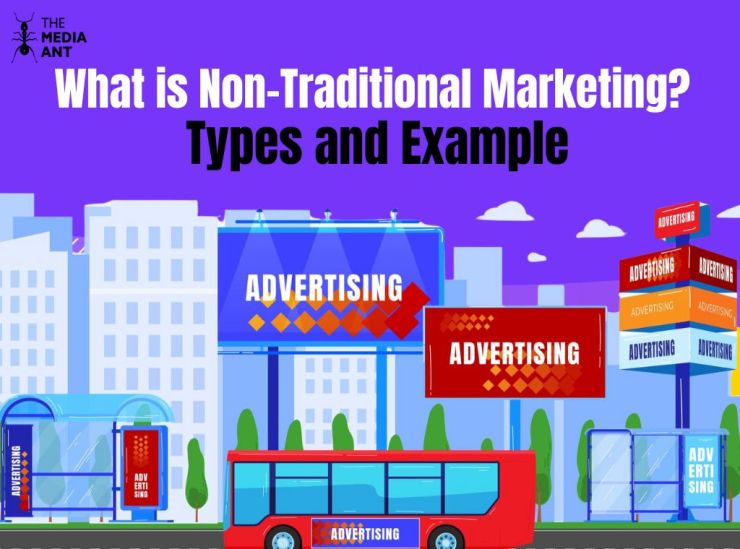
- Outdoor advertising: billboards, posters, transport adverts and signage.
- Direct mail: letters, leaflets and promotional materials sent to people’s homes or workplaces.
- Events and sponsorship: trade shows, community events and partnerships with organisations or teams.
- In-person selling: conversations with prospective customers at shops, exhibitions or other events.
The right channel depends on the business, its audience, its budget and what it wants people to do.
Why traditional marketing still matters
Traditional channels can help a business reach people who are not actively looking for it online. A local poster campaign, for example, can raise awareness among people travelling through a particular area. A radio advert may reach listeners during their daily commute, while a printed brochure can give customers something tangible to read and keep.
These channels can also make a brand feel familiar and established. Repeated exposure to a consistent message across newspapers, public spaces or broadcasts can help people recognise a business and remember what it offers. For local businesses, traditional marketing can be especially useful for building visibility within a specific community.
The benefits of traditional marketing
- Broad reach: Broadcast and outdoor campaigns can put a message in front of large audiences.
- Local targeting: Leaflets, local press and community sponsorship can focus on a particular area.
- A tangible experience: Printed materials can be handled, displayed or shared.
- Brand recognition: A well-placed advert can help a business become more familiar to its audience.
- Personal contact: Events and face-to-face sales give businesses the chance to answer questions and build relationships directly.
Challenges to consider
Traditional marketing is not automatically the best choice for every campaign. Some formats, such as television advertising or large outdoor placements, can require a substantial budget. It may also be harder to measure exactly how many people saw an advert or whether it led to a sale.
Timing is another consideration. Printed materials need to be produced and distributed, while broadcast and outdoor placements may need to be booked in advance. Once a campaign is running, changing its message or creative can be less straightforward than updating an online advert.
These challenges can be managed by setting clear objectives, choosing channels carefully and including a way to track responses. A unique web address, campaign code, dedicated phone number or simple question such as “How did you hear about us?” can provide useful insight.
Traditional and digital marketing work well together
Traditional marketing does not have to compete with digital marketing. The two can support one another. A printed advert might direct readers to a website, while an event can encourage visitors to follow a brand on social media. A television or radio campaign can build awareness that makes people more likely to search for a business online.
Consistency is key. The same core message, visual identity and tone of voice should appear across both offline and online channels. This helps customers recognise the brand, wherever they encounter it.
How to plan a traditional marketing campaign
- Set a clear objective. Decide whether the campaign is intended to increase awareness, attract enquiries, promote an offer or encourage visits.
- Understand the audience. Consider who you want to reach, where they spend time and which channels they are likely to notice.
- Choose suitable channels. Select formats that match the audience and the campaign objective rather than choosing a channel simply because it is familiar.
- Create a clear message. Explain what is being offered and make the next step easy to understand.
- Set a budget and timeline. Account for design, production, placement and distribution costs.
- Measure the response. Use trackable contact details, codes or customer feedback to assess what worked.
Conclusion
Traditional marketing remains a useful way to build awareness, reach local audiences and create memorable brand experiences. Its success depends on choosing the right channels, understanding the audience and measuring results as carefully as possible. Combined with a well-planned digital strategy, traditional marketing can help businesses connect with customers across a variety of settings.
Top 10 Frequently Asked Questions About Traditional Marketing
- What are traditional marketing strategies?
- What is the difference between digital and traditional marketing?
- Is an example of traditional marketing?
- What is difference between traditional marketing and digital marketing?
- What are the 4ps of traditional marketing?
- What are the pros and cons of traditional marketing?
- What is traditional marketing?
- Why is it called traditional marketing?
- What are 5 example of traditional marketing?
- What is the main reason for traditional marketing?
What are traditional marketing strategies?
Traditional marketing strategies are ways of promoting a business through offline channels to reach and engage potential customers. They can include print advertising in newspapers and magazines, leaflets and direct mail, television and radio adverts, billboards, sponsorship, trade shows and face-to-face sales. The best approach depends on the audience, budget and campaign goals; businesses can also combine these methods with digital marketing to create a more consistent and measurable campaign.
What is the difference between digital and traditional marketing?
Traditional marketing uses offline channels such as print adverts, television, radio, direct mail and billboards, while digital marketing reaches people online through channels such as websites, search engines, social media and email. Digital campaigns are often easier to target, adjust and measure in real time; traditional marketing can offer broad reach, local visibility and a tangible or face-to-face experience. The best approach depends on your audience and goals, and many businesses combine both to create a consistent marketing strategy.
Is an example of traditional marketing?
Yes, a newspaper advert is an example of traditional marketing. Other examples include television and radio commercials, leaflets, billboards, direct mail and sponsorship. These methods promote a business through offline channels, helping it reach audiences in print, on air or in public spaces.
What is difference between traditional marketing and digital marketing?
Traditional marketing uses offline channels such as television, radio, newspapers, direct mail and billboards, while digital marketing reaches audiences online through channels such as websites, search engines, social media and email. Traditional campaigns can offer broad exposure and a tangible presence, but may be harder to measure and adjust once running. Digital marketing is often easier to target, track and optimise in real time. The two approaches can work well together, helping businesses reach customers across both offline and online settings.
What are the 4ps of traditional marketing?
The 4Ps of traditional marketing are Product, Price, Place and Promotion. Product is what a business offers and the needs it meets; Price is what customers pay, including how the cost reflects the product’s value; Place is where and how the product is made available; and Promotion covers the methods used to raise awareness and encourage sales, such as print adverts, radio, direct mail and events. Together, the 4Ps help businesses plan a marketing approach that reaches the right customers with the right offer.
What are the pros and cons of traditional marketing?
Traditional marketing can help businesses reach broad or local audiences, build brand recognition and create a memorable, tangible experience through channels such as print, radio, television and outdoor advertising. However, campaigns can be costly, take time to produce and distribute, and be harder to target or measure precisely than digital marketing. The best approach depends on your audience, objectives and budget; combining traditional and digital channels can help balance reach with more trackable results.
What is traditional marketing?
Traditional marketing is the promotion of products or services through offline channels that have been used for many years. These include print adverts in newspapers and magazines, television and radio commercials, billboards, leaflets, direct mail, sponsorship and face-to-face events. Businesses use these methods to raise awareness, reach specific audiences and encourage people to take action. Traditional marketing can also work alongside digital channels to create a consistent campaign across online and offline platforms.
Why is it called traditional marketing?
It’s called traditional marketing because it refers to long-established ways of promoting products and services, many of which were used before digital channels such as websites, social media and online advertising became widespread. These methods include print adverts, television and radio commercials, direct mail, billboards and in-person events. The term distinguishes offline marketing channels from newer digital approaches; it doesn’t mean they are outdated or no longer effective.
What are 5 example of traditional marketing?
Five examples of traditional marketing are newspaper and magazine adverts, television commercials, radio adverts, direct mail such as leaflets or brochures, and outdoor advertising such as billboards or posters. These methods can help businesses reach broad or local audiences, depending on the channel and where it is used.
What is the main reason for traditional marketing?
The main reason for traditional marketing is to reach and influence potential customers through offline channels such as print, television, radio and outdoor advertising. It helps businesses build brand awareness, communicate the benefits of their products or services and encourage people to take action, such as making an enquiry or visiting a shop.