sme digital marketing

SME Digital Marketing: A Practical Guide for Small Businesses

SME Digital Marketing: A Practical Guide to Growing Your Business Online

For small and medium-sized enterprises (SMEs), digital marketing can be an effective way to reach new customers, build stronger relationships and compete in busy markets. The good news is that you do not need a large budget or a complicated strategy to get started. A clear understanding of your audience, consistent activity and a willingness to learn can make a meaningful difference.

What is digital marketing?

Digital marketing is the promotion of a business through online channels. These may include your website, search engines, social media, email and online advertising. The right mix depends on your customers, your goals and the time and budget available.

For an SME, digital marketing is not about being everywhere at once. It is about choosing the channels most likely to help your business and using them well.

Start with clear goals

Before investing in marketing, decide what you want it to achieve. Your goals might include:

  • Attracting more visitors to your website
  • Generating enquiries or sales
  • Increasing repeat purchases
  • Building awareness in a local area
  • Growing an email subscriber list

Set targets that are specific and measurable. For example, you could aim to increase qualified website enquiries over the next three months. Clear goals make it easier to choose suitable tactics and understand whether they are working.

Make your website work harder

Your website is often the first place potential customers go to learn about your business. It should explain what you offer, who it is for and what visitors should do next. Make important information easy to find, including your contact details, services, prices where appropriate and customer reviews.

A good website should also work well on mobile devices, load promptly and be accessible to as many people as possible. Clear calls to action, such as “Request a quote” or “Book a consultation”, can help guide visitors towards the next step.

Use search engines to reach people at the right moment

Search engine optimisation (SEO) helps your website appear in relevant search results. Begin with the phrases your customers are likely to use when looking for your products or services. Include useful, naturally written information on your website that answers their questions.

Local businesses can also benefit from keeping their business listings accurate and complete. Consistent contact details, opening hours, service information and genuine customer reviews can help people find and assess your business.

SEO usually takes time, so it is best viewed as a long-term activity rather than a quick fix. Avoid promising instant results or using tactics that put short-term rankings ahead of useful content and a good customer experience.

Choose social media channels carefully

Social media can help SMEs share expertise, introduce their team and keep in touch with customers. You do not need to be active on every platform. Focus on the channels your audience uses and where your business can contribute something worthwhile.

Plan a manageable schedule. A mix of helpful advice, behind-the-scenes updates, product or service information and customer stories can keep your content varied. Respond to comments and messages in a timely, professional way, and make sure any promotional claims are accurate.

Build relationships with email marketing

Email marketing gives you a direct way to share news, useful content and relevant offers with people who have chosen to hear from you. A simple newsletter can help maintain relationships between purchases or enquiries.

Keep messages focused, make it easy for subscribers to understand what they will receive, and provide a clear way to unsubscribe. Follow the relevant data protection and electronic marketing rules, including obtaining consent where required.

Use paid advertising thoughtfully

Paid search and social media advertising can help you reach specific audiences or promote a time-sensitive offer. Start with a defined objective and a modest test budget. Track what happens after someone clicks, not just how many clicks an advert receives.

For example, measure enquiries, bookings or sales alongside advertising costs. Testing different messages and audiences can help you improve performance, but avoid spending more until you have a reasonable indication that the campaign is reaching the right people.

Measure, learn and improve

Digital marketing works best when it is reviewed regularly. Use website and campaign analytics to understand where visitors come from, which pages they use and what actions they take. Choose a small number of meaningful measures that relate to your goals.

Results may take time, and not every tactic will suit every business. Review what is working, make one or two changes at a time and keep learning from customer feedback. Consistency and useful communication are often more valuable than chasing every new trend.

A manageable approach to SME digital marketing

A strong digital marketing plan does not have to be complicated. Set clear goals, improve your website, focus on the channels your customers use and measure the results. By taking practical steps and building on what works, SMEs can develop a more visible and effective online presence over time.


Essential Digital Marketing FAQs for SMEs: Strategies, Budgeting, and Measuring Success

  1. What is digital marketing, and why is it important for SMEs?
  2. Which digital marketing channels are most effective for small businesses?
  3. How much should an SME spend on digital marketing?
  4. How can an SME measure the success of its digital marketing?
  5. How long does it take for digital marketing to produce results for an SME?

What is digital marketing, and why is it important for SMEs?

Digital marketing is the promotion of a business through online channels such as websites, search engines, social media, email and digital advertising. For SMEs, it can be a cost-effective way to reach potential customers, raise brand awareness and generate enquiries or sales. It also helps businesses connect with specific audiences and measure results, making it easier to understand what is working and improve their marketing over time.

Which digital marketing channels are most effective for small businesses?

The most effective digital marketing channels depend on your audience, goals and budget, but many small businesses benefit from a clear, mobile-friendly website supported by search engine optimisation (SEO), particularly local SEO for reaching nearby customers. Social media can help build awareness and engage with customers, while email marketing is useful for nurturing existing contacts and encouraging repeat business. Paid search or social advertising can deliver quicker visibility, but it is best to start with a modest budget and track enquiries or sales. Rather than trying every channel, focus on the ones your customers use and measure which bring the most valuable results.

How much should an SME spend on digital marketing?

There’s no single budget that suits every SME. The right amount depends on your goals, industry, growth plans and the channels your customers use. Start with a budget your business can sustain, decide what you want it to achieve, and track results such as enquiries, sales and the cost of acquiring a customer. Review performance regularly and adjust your spending towards the activities that deliver the best value.

How can an SME measure the success of its digital marketing?

An SME can measure the success of its digital marketing by tracking results against clear business goals, such as website enquiries, online sales, bookings or repeat purchases. Use tools such as website analytics and each platform’s reporting dashboards to see where visitors come from, what they do and which campaigns lead to valuable actions. Focus on a few relevant measures rather than likes or clicks alone, and review performance regularly so you can invest more in what works and improve what does not.

How long does it take for digital marketing to produce results for an SME?

There’s no fixed timescale: results depend on your goals, industry, budget and the channels you use. Paid advertising may generate traffic or enquiries soon after a campaign launches, while SEO and content marketing typically take several months to build momentum. For an SME, it’s best to set realistic targets, track meaningful measures such as qualified leads or sales, and review performance regularly. Consistent activity and ongoing adjustments can help improve results over time.

top internet marketing companies

Top Internet Marketing Companies: How to Choose the Right Agency

Top Internet Marketing Companies: How to Find the Right Partner

Choosing an internet marketing company can make a real difference to how your business attracts customers online. The right partner can help you improve your visibility in search results, reach new audiences, generate leads and turn more website visitors into customers. But with so many agencies offering similar services, knowing where to start can be difficult.

There is no single company that is best for every business. The strongest choice depends on your goals, budget, industry and the expertise you need. This guide highlights several established names in digital marketing and explains what to consider before making a decision.

What does an internet marketing company do?

Internet marketing companies help businesses promote their products and services online. Depending on the agency, this can include:

  • Search engine optimisation (SEO)
  • Pay-per-click advertising (PPC)
  • Paid social media campaigns
  • Content marketing and digital PR
  • Email marketing and automation
  • Website design, development and conversion optimisation
  • Analytics and marketing strategy

Some companies offer a broad range of services, while others specialise in a particular channel or sector. Before approaching an agency, decide which business challenge you want to address. For example, you may need more qualified leads, stronger local visibility or a better return from paid advertising.

Well-known internet marketing companies

The companies below are examples of established agencies operating in the digital marketing sector. This is not a definitive ranking: services, expertise and suitability vary, so it is worth assessing each agency against your own requirements.

Jellyfish

Jellyfish works across areas such as digital media, marketing technology, data and creative services. Its broad offering may appeal to organisations looking for support across several parts of their digital activity.

Brainlabs

Brainlabs is known for performance-focused digital marketing. Businesses considering the agency may wish to explore how its approach to paid media, experimentation and measurement fits their campaign objectives.

Croud

Croud provides digital marketing services across areas including paid media, SEO and content. When reviewing an agency with a wide service range, ask which team would manage your work and how its specialists collaborate.

Impression

Impression is a UK digital marketing agency offering services that include SEO, paid media and digital PR. It may be relevant to businesses looking to improve search visibility and grow their online presence through a combination of channels.

Hallam

Hallam works across digital marketing disciplines such as SEO, paid media, content and strategy. As with any agency, businesses should look closely at its experience with similar goals, audiences and challenges.

The SEO Works

The SEO Works focuses on services including SEO and paid search, alongside web-related marketing support. A specialist agency can be a good fit when a particular channel is central to your growth plan.

Found

Found offers performance marketing services across multiple digital channels. Businesses comparing performance agencies should ask how results are measured and how campaign activity is linked to commercial outcomes.

How to choose the right agency

A well-known name is not automatically the right fit. Use these questions to guide your shortlist:

  • What are your goals? Be clear about the outcomes you want, such as sales, enquiries, subscriptions or brand awareness.
  • Does the agency have relevant experience? Ask about work with businesses of a similar size, sector or growth stage.
  • How will success be measured? Agree on meaningful measures, reporting frequency and how results connect to your business objectives.
  • Who will work on your account? Find out who your day-to-day contacts will be and what expertise they bring.
  • What is included in the fee? Clarify the scope of work, any additional costs, advertising budgets and contract terms.
  • How does the agency communicate? Look for a team that explains its recommendations clearly and is open about progress and challenges.

Look beyond the sales pitch

Case studies and testimonials can help you understand an agency’s approach, but they should not be the only factors in your decision. Ask how the results were achieved, what the agency was responsible for and whether the example is relevant to your situation. A reliable partner should be willing to discuss both opportunities and limitations, rather than promise guaranteed rankings or overnight success.

It is also sensible to speak to more than one company. Compare proposals on strategy, expertise and communication—not just price. The best internet marketing company for your business will be one that understands your goals, offers a practical plan and can show how its work will be evaluated.

Final thoughts

Top internet marketing companies can bring specialist knowledge, fresh ideas and the capacity to help your business grow online. The key is to choose a partner whose strengths match your needs. Set clear objectives, ask detailed questions and take the time to compare your options before committing.


Top Internet Marketing Companies: Answers to 28 Frequently Asked Questions

  1. Which company is best in marketing?
  2. Who are the big 5 advertising agencies?
  3. What are the biggest media marketing companies?
  4. Which company is best for online marketing?
  5. Which company is best for digital marketing?
  6. Who are the Big 6 digital marketing agencies?
  7. Who is the best digital marketing company?
  8. What are the top 10 digital marketing companies?
  9. Who is the Number 1 digital marketer?
  10. Who is the No 1 digital marketer in the world?
  11. Who is the top marketing company?
  12. Which is the best company for digital marketing job?
  13. Which company is best for digital marketing job?
  14. Who is the biggest marketing company?
  15. Which company is top in marketing?
  16. Which is the best Internet marketing company?
  17. Who is the biggest digital marketing company?
  18. Which Internet marketing is best?
  19. Which is the biggest marketing company in the world?
  20. What is the best online marketing company?
  21. What are the Big 6 marketing agencies?
  22. Which marketing company is best?
  23. Which is the best marketing company?
  24. What are the top 5 Cs of digital marketing?
  25. What is an online marketing company?
  26. What are the best digital marketing agencies in the world?
  27. Who is the most successful online marketer?
  28. Which is the biggest digital marketing company?

Which company is best in marketing?

There’s no single marketing company that’s best for every business. The right choice depends on your goals, budget, industry and the services you need, whether that’s SEO, paid advertising, social media or a wider digital strategy. Compare agencies’ relevant experience, case studies, communication and approach to measuring results, and choose a partner that understands your business and can explain how its work will support your objectives.

Who are the big 5 advertising agencies?

The “Big Five” traditionally refers to the world’s largest advertising holding companies: WPP, Omnicom, Publicis Groupe, Interpublic Group (IPG) and Dentsu. These parent groups own numerous agencies specialising in areas such as creative advertising, media buying and digital marketing. The line-up is changing, however: following Omnicom’s acquisition of IPG, the two are now part of the same group, so “Big Five” is best understood as a traditional industry label rather than a current, fixed ranking.

What are the biggest media marketing companies?

Some of the world’s biggest media marketing companies are global advertising groups such as WPP, Publicis Groupe, Omnicom, Dentsu, Interpublic Group and Havas. They operate through networks of specialist agencies, offering services including media planning and buying, advertising, digital marketing, creative work and data analytics. The “biggest” can mean largest by revenue, workforce or international reach, so it is worth comparing a company’s specific expertise and suitability for your business rather than relying on size alone.

Which company is best for online marketing?

There is no single company that is best for online marketing; the right choice depends on your goals, budget, industry and the services you need. Some agencies specialise in SEO or paid advertising, while others offer a wider range of digital marketing support. Compare relevant experience, case studies, communication and reporting, and ask how the agency will measure results for your business before making a decision.

Which company is best for digital marketing?

There is no single best company for digital marketing; the right choice depends on your goals, budget, industry and the services you need. Compare agencies’ relevant experience, case studies, proposed strategy, reporting and fees, and ask who will manage your account. Choose a company that communicates clearly, sets realistic expectations and can explain how its work will support measurable business results.

Who are the Big 6 digital marketing agencies?

The “Big 6” usually refers to the world’s largest advertising holding companies, rather than a definitive list of the best digital marketing agencies: WPP, Omnicom, Publicis Groupe, Interpublic Group (IPG), Dentsu and Havas. Each owns a network of agencies that provide services such as digital advertising, media planning, creative work and marketing technology. The groupings and ownership can change over time, so check current company information when comparing providers.

Who is the best digital marketing company?

There is no single best digital marketing company for every business. The right choice depends on your goals, budget, industry and the services you need, whether that is SEO, paid advertising, social media or a broader strategy. Compare agencies’ relevant experience, case studies, communication and approach to measuring results, and choose one that can clearly explain how its work will support your objectives.

What are the top 10 digital marketing companies?

There is no definitive top 10, as the best digital marketing company depends on your goals, budget and location. However, well-known names include Accenture Song, WPP, Publicis Groupe, Omnicom, Dentsu, Havas, Jellyfish, Brainlabs, Croud and Impression. They offer different combinations of services, from SEO and paid advertising to creative campaigns and digital strategy, so compare their relevant experience, proposed approach and reporting before choosing a partner.

Who is the Number 1 digital marketer?

There is no universally recognised “Number 1” digital marketer, as rankings depend on the criteria used, such as industry expertise, campaign results, client reviews and the services offered. The right choice also depends on your business goals, budget and target audience. Rather than relying on a single ranking, compare marketers’ relevant experience, case studies, transparency and approach to measuring results before deciding who is best suited to your needs.

Who is the No 1 digital marketer in the world?

There is no universally recognised “No. 1” digital marketer in the world, as rankings depend on the criteria used, such as industry expertise, campaign results, innovation or influence. The right marketer for a business will depend on its goals, audience and budget, so it is more useful to assess relevant experience, credible results and a clear approach than rely on a single global ranking.

Who is the top marketing company?

There isn’t one marketing company that’s best for every business. The right choice depends on your goals, budget, industry and the services you need, such as SEO, paid advertising or social media marketing. Compare agencies’ relevant experience, case studies, communication and approach to measuring results, then choose the one that best fits your requirements.

Which is the best company for digital marketing job?

The best company for a digital marketing job depends on your interests, experience and career goals. Large agencies may offer structured training and the chance to work across major brands, while smaller firms can provide broader responsibilities and closer client contact. When comparing employers, look at the role’s day-to-day work, opportunities to develop skills, team culture, progression routes and support for learning. Research current vacancies and speak to people in the industry to find a company that suits the way you want to build your career.

Which company is best for digital marketing job?

There’s no single best company for a digital marketing job, as the right choice depends on your interests, experience and preferred working environment. Larger agencies may offer structured training and the chance to work with well-known brands, while smaller firms can provide broader responsibilities and closer client contact. When comparing employers, look at the role, opportunities for development, team culture, benefits and the type of clients you’ll work with, as well as the company’s reputation.

Who is the biggest marketing company?

The biggest marketing company depends on how “biggest” is measured, such as annual revenue, number of employees or global reach. WPP is often described as one of the world’s largest advertising and marketing services groups, with agencies and services spanning many markets. However, rankings can change from year to year, and companies such as Publicis Groupe, Omnicom Group and Accenture Song are also major global players.

Which company is top in marketing?

There is no single marketing company that is best for every business. The right choice depends on your goals, budget, industry and the services you need, such as SEO, paid advertising or social media marketing. Compare agencies’ relevant experience, case studies, communication and approach to measuring results before deciding which is the best fit.

Which is the best Internet marketing company?

There is no single best internet marketing company for every business. The right choice depends on your goals, budget, industry and the services you need, such as SEO, paid advertising, social media or content marketing. Compare agencies’ relevant experience, approach, communication and reporting, and ask how they will measure success. Choose a company that understands your business, sets realistic expectations and can explain clearly how its strategy supports your objectives.

Who is the biggest digital marketing company?

There is no single definitive answer, as “biggest” can refer to revenue, number of employees, global reach or digital marketing spend managed. Accenture Song is often cited among the world’s largest digital marketing and experience agencies, while groups such as WPP, Publicis Groupe and Omnicom also operate extensive digital marketing networks. The best choice for a business, however, depends less on size than on the company’s relevant expertise, approach and ability to deliver against its goals.

Which Internet marketing is best?

There’s no single type of internet marketing that’s best for every business; the right approach depends on your goals, audience and budget. SEO can build long-term visibility in search results, while paid search and social advertising may bring quicker, targeted traffic. Content marketing, email and social media can help nurture relationships and encourage repeat business. Many companies achieve the best results by combining channels, measuring performance and refining their strategy over time. A reputable internet marketing company can help identify the most suitable mix for your needs.

Which is the biggest marketing company in the world?

There is no single answer, as “biggest” can mean annual revenue, number of employees, global reach or range of services. WPP, Omnicom and Publicis are among the world’s largest marketing and advertising groups, with operations across numerous countries and specialist agencies serving different industries. Rankings can change depending on the measure and financial year, so it is best to compare companies by the type of marketing support your business needs rather than size alone.

What is the best online marketing company?

There is no single best online marketing company for every business. The right choice depends on your goals, budget, industry and the services you need, such as SEO, paid advertising, social media or content marketing. Compare agencies’ relevant experience, case studies, communication and approach to measuring results, and choose a partner that offers a clear strategy aligned with your business objectives.

What are the Big 6 marketing agencies?

The “Big 6” usually refers to the world’s largest advertising and marketing holding companies: WPP, Omnicom, Publicis Groupe, Interpublic Group (IPG), Dentsu and Havas. They own or bring together numerous agencies and specialist businesses, offering services such as advertising, media planning, public relations and digital marketing. The term is informal, and the groups’ structure and ownership can change over time, so it is best to check each company’s current portfolio when comparing agencies.

Which marketing company is best?

There’s no single marketing company that’s best for every business. The right choice depends on your goals, budget, industry and the services you need, whether that’s SEO, paid advertising, social media or a broader digital strategy. Compare agencies’ relevant experience, case studies, communication and approach to measuring results, and choose one that offers a clear plan tailored to your business rather than making guaranteed promises.

Which is the best marketing company?

There isn’t one marketing company that is best for every business. The right choice depends on your goals, budget, industry and the services you need, whether that’s SEO, paid advertising, social media or a broader digital strategy. Compare agencies’ relevant experience, case studies, communication and reporting, and ask how they’ll measure success. Choose a company that understands your business and can explain a practical plan, rather than relying on rankings or promises of guaranteed results.

What are the top 5 Cs of digital marketing?

The top 5 Cs of digital marketing are commonly described as Customer, Content, Context, Community and Conversion. Customer comes first: understand your audience, their needs and how they make decisions. Create useful, relevant Content, then deliver it in the right Context—on the channels and at the moments that suit them. Build a Community by encouraging conversation and lasting relationships around your brand. Finally, focus on Conversion, making it easy for people to take the next step, whether that is making an enquiry, signing up or buying. Together, these principles help businesses create more thoughtful and effective digital marketing.

What is an online marketing company?

An online marketing company helps businesses attract and engage customers through digital channels. Its services may include search engine optimisation (SEO), paid advertising, social media, email marketing, content creation and website optimisation. Depending on your goals, an agency may manage one specific channel or develop a wider strategy, then track performance to understand what is working and where improvements can be made.

What are the best digital marketing agencies in the world?

There is no single “best” digital marketing agency for every business: the right choice depends on your goals, budget, industry and the markets you want to reach. Global names such as Accenture Song, VML, Publicis, Dentsu, Omnicom and DEPT® offer a range of digital and marketing services, while specialist agencies may provide deeper expertise in areas such as SEO, paid media or social media. When comparing agencies, look beyond rankings and consider relevant experience, the team that would handle your account, how results are measured and whether the proposed approach suits your business.

Who is the most successful online marketer?

There is no single answer to who the most successful online marketer is, as success can be measured in different ways, from business growth and campaign results to influence and innovation. Well-known figures such as Neil Patel, Seth Godin and Rand Fishkin have made significant contributions to digital marketing, but the right person to learn from depends on your goals and the channels you use. For businesses, the most useful approach is to focus on proven strategies, relevant experience and measurable results rather than any one individual’s reputation.

Which is the biggest digital marketing company?

There is no single agreed measure of the “biggest” digital marketing company: rankings can be based on revenue, staff numbers, global reach or the range of services offered. Large global networks such as Accenture Song, Publicis Groupe and WPP have extensive digital marketing operations, but the biggest provider may not be the best fit for every business. When choosing an agency, consider its experience, specialist expertise, approach and ability to meet your goals, rather than size alone.
digital media advertising

Digital Media Advertising: A Practical Guide to Reaching the Right Audience

Digital Media Advertising: Reaching the Right Audience Online

Digital media advertising helps businesses promote their products, services and ideas across online channels. From search engines and social media to websites, apps and streaming platforms, it offers a range of ways to reach potential customers where they spend their time.

Unlike traditional advertising, digital campaigns can often be adjusted while they are running. Advertisers can use performance data to understand what is working, refine their messages and make better use of their budgets.

What is digital media advertising?

Digital media advertising is paid promotion delivered through digital channels. It includes formats such as search adverts, display banners, sponsored social posts, online video adverts and audio adverts on streaming services.

Each format serves a different purpose. A search advert can reach someone actively looking for a product or service, while a social media campaign may introduce a brand to people who have not encountered it before. The best choice depends on the campaign’s audience, objectives and budget.

Common types of digital advertising

  • Search advertising: Paid listings shown on search engine results pages, often in response to a relevant query.
  • Social media advertising: Sponsored content delivered on platforms such as Instagram, Facebook, LinkedIn and TikTok.
  • Display advertising: Visual adverts placed on websites, apps and other digital properties.
  • Video advertising: Short or long-form adverts shown before, during or alongside online video content.
  • Native advertising: Paid content designed to fit the look and feel of the platform where it appears, while still being clearly identified as advertising.
  • Audio advertising: Adverts delivered through digital radio, podcasts and music-streaming services.
  • Retail media: Advertising placed on retailers’ websites, apps or other channels, often aimed at shoppers researching or buying products.

Why businesses use digital media advertising

Digital advertising can help businesses increase awareness, attract visitors to a website, generate enquiries and encourage sales. Campaigns can be tailored to different locations, interests, search behaviours or stages of the customer journey, subject to platform rules and privacy requirements.

It also provides useful measurement. Depending on the channel and tracking set-up, advertisers may be able to review impressions, clicks, video views, conversions and the cost of achieving specific outcomes. These insights can guide improvements, although results should be interpreted carefully: not every valuable interaction is easy to measure, and a click does not always lead to a sale.

Building an effective campaign

Start with a clear objective

Decide what the campaign needs to achieve. Raising awareness, bringing visitors to a website and generating qualified leads require different messages and measures of success. A clear objective helps shape the channel mix and makes it easier to assess performance.

Understand the audience

Consider who the campaign is for, what they need and where they are likely to encounter relevant content. Audience research can help inform the tone, format and placement of adverts. Avoid relying on assumptions when customer feedback, search data or previous campaign results can provide stronger evidence.

Choose suitable channels and formats

There is no single channel that works for every business. Search advertising may suit people with a clear intention to buy, while video or social advertising can be useful for introducing a brand or explaining a more complex offer. A campaign can use several channels, but each should have a defined role.

Create relevant, clear adverts

Effective advertising communicates a useful benefit and gives people a clear next step. Keep copy concise, use visuals that support the message and make sure the advert leads to a relevant landing page. The experience should be consistent from the first impression through to the action you want someone to take.

Set a realistic budget

Plan spending around the campaign’s objectives, audience and duration. Leave room to test different messages or formats, but avoid making major decisions based on limited data. Costs and competition vary between channels, industries and audiences, so regular review is important.

Measurement and optimisation

Before launching a campaign, decide which indicators will show whether it is making progress. Depending on the objective, these might include reach, engagement, website visits, enquiries or sales. Use reliable tracking where appropriate, and check that the data is being collected and reported consistently.

Optimisation is the process of improving a campaign as information becomes available. This may involve testing alternative creative, adjusting bids, refining placements or improving a landing page. Make changes thoughtfully and allow enough time to understand their effects.

Privacy, transparency and trust

Digital advertising should be responsible as well as effective. Businesses must follow relevant data-protection and advertising rules, including requirements around consent, personal data and clear identification of paid content. In the UK, guidance from the Information Commissioner’s Office and the Advertising Standards Authority can help organisations understand their responsibilities.

Respectful advertising also means being honest about what is being offered, avoiding misleading claims and considering how targeting may affect people. Clear communication helps build trust and supports better long-term relationships with customers.

Making digital advertising work for your business

Digital media advertising is most effective when it is part of a considered marketing plan. Clear objectives, useful creative, suitable channels and careful measurement provide a strong foundation. By learning from results and keeping the audience’s needs in focus, businesses can make more informed decisions and improve their campaigns over time.


Exploring Digital Media Advertising: Key Questions and Insights

  1. What is an example of digital advertising?
  2. What are the 3 types of digital media?
  3. What are the four types of digital advertising?
  4. How is advertising done on digital media?
  5. What is digital digital advertising?
  6. What are the 4 types of advertising media?
  7. What are the 5 types of digital media?
  8. What is the best digital media advertising?

What is an example of digital advertising?

An example of digital advertising is a sponsored advert that appears on social media. A clothing retailer might promote a new collection in users’ feeds, with an image, a short message and a link to its online shop. The advert can be tailored to a relevant audience and its performance measured through views, clicks and sales.

What are the 3 types of digital media?

The three commonly recognised types of digital media are owned, earned and paid media. Owned media includes channels a business controls, such as its website, blog and social media profiles. Earned media is exposure gained through others, including customer reviews, shares, mentions and press coverage. Paid media is promotion a business pays for, such as search adverts, sponsored social posts and display advertising. Used together, these channels can help a business share its message, build trust and reach a wider audience.

What are the four types of digital advertising?

There is no single official classification, but four common types of digital advertising are search, display, social media and video advertising. Search adverts appear in search engine results, display adverts use banners or other visuals on websites and apps, social media adverts are paid posts shown on platforms such as Instagram or LinkedIn, and video adverts appear before, during or alongside online videos. These categories can overlap—for example, a video advert may also be a social media advert—so the best format depends on your audience and campaign goals.

How is advertising done on digital media?

Advertising on digital media is done by creating paid content and placing it on channels such as search engines, social media platforms, websites, apps and streaming services. Businesses choose an audience, set a budget and select a format—such as a search listing, banner, video or sponsored post—then publish the campaign through an advertising platform or media partner. Performance can be tracked using measures such as views, clicks, enquiries and sales, allowing advertisers to adjust their targeting, creative or budget while the campaign runs.

What is digital digital advertising?

Digital advertising (also known as digital media advertising) is the promotion of products, services or brands through online channels such as search engines, social media, websites, apps and streaming platforms. It can include paid search results, display banners, sponsored posts, video adverts and audio adverts. Businesses use digital advertising to reach specific audiences, raise awareness, attract website visitors or encourage sales, and can measure campaign performance using relevant data.

What are the 4 types of advertising media?

The four commonly recognised types of advertising media are print, broadcast, outdoor and digital. Print includes newspapers and magazines; broadcast covers television and radio; outdoor includes billboards, posters and transport advertising; and digital spans online channels such as search engines, websites, social media and streaming platforms. The categories can vary between marketing frameworks, and many campaigns combine several types to reach audiences in different ways.

What are the 5 types of digital media?

There is no single agreed list of the five types of digital media, but in marketing they are often grouped as owned, paid, earned, shared and converged media. Owned media includes channels a business controls, such as its website and email newsletter; paid media covers advertising it pays for, such as search or social adverts; earned media is coverage or recommendations gained through others; shared media is content circulated through social platforms and communities; and converged media is where these channels work together—for example, a paid campaign that sparks social sharing and leads people to a company’s website.

What is the best digital media advertising?

There’s no single “best” type of digital media advertising for every business. The right choice depends on your goals, audience and budget: search advertising can reach people actively looking for a product or service, while social media, display and video adverts can help build awareness and interest. Start with a clear objective, choose the channels your audience uses, and measure results so you can refine your approach over time.

traditional marketing

Traditional Marketing: A Practical Guide for Modern Businesses

Traditional Marketing: A Guide for Modern Businesses

Traditional marketing is the promotion of products and services through established, offline channels. It includes familiar methods such as print advertising, direct mail, television and radio commercials, outdoor posters, sponsorship and face-to-face events. Although digital marketing has transformed how businesses reach people, traditional marketing still has an important role to play.

What counts as traditional marketing?

Traditional marketing covers a wide range of activities, including:

  • Print advertising: adverts in newspapers, magazines, brochures and catalogues.
  • Broadcast advertising: commercials on television and radio.
  • Outdoor advertising: billboards, posters, transport adverts and signage.
  • Direct mail: letters, leaflets and promotional materials sent to people’s homes or workplaces.
  • Events and sponsorship: trade shows, community events and partnerships with organisations or teams.
  • In-person selling: conversations with prospective customers at shops, exhibitions or other events.

The right channel depends on the business, its audience, its budget and what it wants people to do.

Why traditional marketing still matters

Traditional channels can help a business reach people who are not actively looking for it online. A local poster campaign, for example, can raise awareness among people travelling through a particular area. A radio advert may reach listeners during their daily commute, while a printed brochure can give customers something tangible to read and keep.

These channels can also make a brand feel familiar and established. Repeated exposure to a consistent message across newspapers, public spaces or broadcasts can help people recognise a business and remember what it offers. For local businesses, traditional marketing can be especially useful for building visibility within a specific community.

The benefits of traditional marketing

  • Broad reach: Broadcast and outdoor campaigns can put a message in front of large audiences.
  • Local targeting: Leaflets, local press and community sponsorship can focus on a particular area.
  • A tangible experience: Printed materials can be handled, displayed or shared.
  • Brand recognition: A well-placed advert can help a business become more familiar to its audience.
  • Personal contact: Events and face-to-face sales give businesses the chance to answer questions and build relationships directly.

Challenges to consider

Traditional marketing is not automatically the best choice for every campaign. Some formats, such as television advertising or large outdoor placements, can require a substantial budget. It may also be harder to measure exactly how many people saw an advert or whether it led to a sale.

Timing is another consideration. Printed materials need to be produced and distributed, while broadcast and outdoor placements may need to be booked in advance. Once a campaign is running, changing its message or creative can be less straightforward than updating an online advert.

These challenges can be managed by setting clear objectives, choosing channels carefully and including a way to track responses. A unique web address, campaign code, dedicated phone number or simple question such as “How did you hear about us?” can provide useful insight.

Traditional and digital marketing work well together

Traditional marketing does not have to compete with digital marketing. The two can support one another. A printed advert might direct readers to a website, while an event can encourage visitors to follow a brand on social media. A television or radio campaign can build awareness that makes people more likely to search for a business online.

Consistency is key. The same core message, visual identity and tone of voice should appear across both offline and online channels. This helps customers recognise the brand, wherever they encounter it.

How to plan a traditional marketing campaign

  1. Set a clear objective. Decide whether the campaign is intended to increase awareness, attract enquiries, promote an offer or encourage visits.
  2. Understand the audience. Consider who you want to reach, where they spend time and which channels they are likely to notice.
  3. Choose suitable channels. Select formats that match the audience and the campaign objective rather than choosing a channel simply because it is familiar.
  4. Create a clear message. Explain what is being offered and make the next step easy to understand.
  5. Set a budget and timeline. Account for design, production, placement and distribution costs.
  6. Measure the response. Use trackable contact details, codes or customer feedback to assess what worked.

Conclusion

Traditional marketing remains a useful way to build awareness, reach local audiences and create memorable brand experiences. Its success depends on choosing the right channels, understanding the audience and measuring results as carefully as possible. Combined with a well-planned digital strategy, traditional marketing can help businesses connect with customers across a variety of settings.


Top 10 Frequently Asked Questions About Traditional Marketing

  1. What are traditional marketing strategies?
  2. What is the difference between digital and traditional marketing?
  3. Is an example of traditional marketing?
  4. What is difference between traditional marketing and digital marketing?
  5. What are the 4ps of traditional marketing?
  6. What are the pros and cons of traditional marketing?
  7. What is traditional marketing?
  8. Why is it called traditional marketing?
  9. What are 5 example of traditional marketing?
  10. What is the main reason for traditional marketing?

What are traditional marketing strategies?

Traditional marketing strategies are ways of promoting a business through offline channels to reach and engage potential customers. They can include print advertising in newspapers and magazines, leaflets and direct mail, television and radio adverts, billboards, sponsorship, trade shows and face-to-face sales. The best approach depends on the audience, budget and campaign goals; businesses can also combine these methods with digital marketing to create a more consistent and measurable campaign.

What is the difference between digital and traditional marketing?

Traditional marketing uses offline channels such as print adverts, television, radio, direct mail and billboards, while digital marketing reaches people online through channels such as websites, search engines, social media and email. Digital campaigns are often easier to target, adjust and measure in real time; traditional marketing can offer broad reach, local visibility and a tangible or face-to-face experience. The best approach depends on your audience and goals, and many businesses combine both to create a consistent marketing strategy.

Is an example of traditional marketing?

Yes, a newspaper advert is an example of traditional marketing. Other examples include television and radio commercials, leaflets, billboards, direct mail and sponsorship. These methods promote a business through offline channels, helping it reach audiences in print, on air or in public spaces.

What is difference between traditional marketing and digital marketing?

Traditional marketing uses offline channels such as television, radio, newspapers, direct mail and billboards, while digital marketing reaches audiences online through channels such as websites, search engines, social media and email. Traditional campaigns can offer broad exposure and a tangible presence, but may be harder to measure and adjust once running. Digital marketing is often easier to target, track and optimise in real time. The two approaches can work well together, helping businesses reach customers across both offline and online settings.

What are the 4ps of traditional marketing?

The 4Ps of traditional marketing are Product, Price, Place and Promotion. Product is what a business offers and the needs it meets; Price is what customers pay, including how the cost reflects the product’s value; Place is where and how the product is made available; and Promotion covers the methods used to raise awareness and encourage sales, such as print adverts, radio, direct mail and events. Together, the 4Ps help businesses plan a marketing approach that reaches the right customers with the right offer.

What are the pros and cons of traditional marketing?

Traditional marketing can help businesses reach broad or local audiences, build brand recognition and create a memorable, tangible experience through channels such as print, radio, television and outdoor advertising. However, campaigns can be costly, take time to produce and distribute, and be harder to target or measure precisely than digital marketing. The best approach depends on your audience, objectives and budget; combining traditional and digital channels can help balance reach with more trackable results.

What is traditional marketing?

Traditional marketing is the promotion of products or services through offline channels that have been used for many years. These include print adverts in newspapers and magazines, television and radio commercials, billboards, leaflets, direct mail, sponsorship and face-to-face events. Businesses use these methods to raise awareness, reach specific audiences and encourage people to take action. Traditional marketing can also work alongside digital channels to create a consistent campaign across online and offline platforms.

Why is it called traditional marketing?

It’s called traditional marketing because it refers to long-established ways of promoting products and services, many of which were used before digital channels such as websites, social media and online advertising became widespread. These methods include print adverts, television and radio commercials, direct mail, billboards and in-person events. The term distinguishes offline marketing channels from newer digital approaches; it doesn’t mean they are outdated or no longer effective.

What are 5 example of traditional marketing?

Five examples of traditional marketing are newspaper and magazine adverts, television commercials, radio adverts, direct mail such as leaflets or brochures, and outdoor advertising such as billboards or posters. These methods can help businesses reach broad or local audiences, depending on the channel and where it is used.

What is the main reason for traditional marketing?

The main reason for traditional marketing is to reach and influence potential customers through offline channels such as print, television, radio and outdoor advertising. It helps businesses build brand awareness, communicate the benefits of their products or services and encourage people to take action, such as making an enquiry or visiting a shop.

cim digital marketing

CIM Digital Marketing: Skills, Qualifications and Career Opportunities

CIM and Digital Marketing: Building Skills for a Changing Industry

Digital marketing has become an essential part of how organisations attract customers, build relationships and grow. From search engines and social media to email, content and paid advertising, businesses need people who can bring digital channels together and use them effectively. The Chartered Institute of Marketing (CIM) offers professional learning and qualifications to help marketers develop the knowledge and skills to meet that challenge.

What is CIM?

The Chartered Institute of Marketing is a professional body for marketers. It provides training, qualifications, resources and opportunities for professional development. Its courses are designed for people at different stages of their careers, from those starting out to experienced marketers looking to strengthen their strategic capabilities.

CIM’s digital marketing learning covers the principles and practices behind online marketing. Depending on the course and level, this may include planning digital activity, understanding audiences, creating content, using data and evaluating campaign performance.

What does digital marketing involve?

Digital marketing is the promotion of products, services or organisations through online channels. It can include:

  • Search engine optimisation (SEO): improving a website’s visibility in organic search results.
  • Paid search and digital advertising: reaching audiences through paid placements across search engines, websites and platforms.
  • Social media marketing: using social platforms to share content, engage audiences and support business goals.
  • Content marketing: creating useful and relevant material to inform, attract or retain customers.
  • Email marketing: communicating with subscribers and customers through targeted email campaigns.
  • Analytics and measurement: assessing results to understand what is working and where activity could improve.

These channels are most effective when they support a clear strategy. That means understanding the audience, setting measurable objectives, choosing suitable channels and reviewing performance regularly.

Why study digital marketing with CIM?

A structured course can help learners build a broad understanding of digital marketing rather than focusing on a single platform or tactic. CIM study may be useful for people who want to:

  • develop practical marketing knowledge;
  • understand how digital channels contribute to wider business objectives;
  • improve their ability to plan and evaluate campaigns;
  • strengthen their professional credentials; or
  • prepare for a move into a marketing role or a new area of responsibility.

Courses and qualification requirements can change, so prospective learners should check the current CIM website for details of available programmes, entry criteria, assessment methods and approved study options.

Skills that matter in digital marketing

Digital tools and platforms change frequently, but several underlying skills remain valuable. Marketers need to communicate clearly, think critically and understand how customer needs shape decisions. They also benefit from being comfortable with data, able to test ideas and willing to adapt when results or circumstances change.

Strategic thinking is especially important. A strong campaign is not simply a collection of posts or adverts; it has a defined purpose and fits the organisation’s wider marketing activity. Marketers should be able to explain what success looks like, choose appropriate measures and use the findings to make informed improvements.

Choosing the right learning path

The best route depends on your experience, career goals and preferred way of learning. Before enrolling, consider your current knowledge, the time you can commit and the areas you want to develop. Compare course content and assessment formats, and check whether the programme suits your role or intended career direction.

It is also worth considering how you will apply what you learn. Practical projects, workplace experience and regular reflection can help turn course concepts into useful skills. Digital marketing changes quickly, so ongoing learning is often just as important as gaining a qualification.

Conclusion

CIM digital marketing study can provide a structured way to develop marketing knowledge and build confidence across online channels. For aspiring and established marketers alike, the value comes from combining recognised learning with practical experience, curiosity and a commitment to measuring results. In a fast-moving industry, those foundations can help professionals make more informed decisions and create digital activity that supports real business objectives.


Understanding CIM Digital Marketing: Answers to 8 Common Questions

  1. Is CIM Level 6 a degree?
  2. Is CIM digital marketing worth it?
  3. Is CIM equivalent to a degree?
  4. What is CIM qualification?
  5. How much does a CIM course cost?
  6. What is CIM qualification equivalent to?
  7. What is CIM marketing qualification?
  8. Is CIM hard to pass?

Is CIM Level 6 a degree?

No. A CIM Level 6 qualification is not a university degree, but it is set at the same level as a bachelor’s degree on the UK qualifications framework. It provides advanced professional marketing knowledge and may support career progression, but it does not award a bachelor’s degree. Check the specific qualification and its recognition with CIM or the relevant education provider.

Is CIM digital marketing worth it?

CIM digital marketing qualifications can be worthwhile if you want structured learning, a recognised professional credential and a stronger understanding of how digital channels support wider marketing objectives. They may be particularly useful for people starting a marketing career or looking to build on practical experience. The value depends on your goals, budget and preferred way of learning, so compare the course content, costs and assessment requirements with other options before enrolling. A qualification can strengthen your knowledge, but practical experience and keeping up with changes in the digital industry remain important.

Is CIM equivalent to a degree?

CIM qualifications are professional marketing qualifications, not university degrees, so they are not generally considered equivalent to a bachelor’s degree. Some awards may be positioned at a comparable level within a qualifications framework, but that does not make them the same qualification or guarantee they will meet a university or employer’s degree requirements. Check the specific CIM award and the criteria of the organisation you are applying to.

What is CIM qualification?

A CIM qualification is a professional marketing qualification awarded by the Chartered Institute of Marketing (CIM). It helps learners develop practical knowledge and skills in areas such as marketing strategy, planning and digital marketing. Qualifications are available at different levels, so the right option depends on your experience and career goals; course content, entry requirements and assessments vary by programme.

How much does a CIM course cost?

The cost of a CIM course varies depending on the qualification, study centre and learning format. You may also need to budget for registration, assessment and membership fees, which may be charged separately, as well as VAT where applicable. Check the latest fees with CIM or an approved study centre, and ask whether payment plans or funding options are available.

What is CIM qualification equivalent to?

A CIM qualification’s equivalent depends on its level. In the UK, CIM qualifications are mapped to the Regulated Qualifications Framework (RQF): for example, Level 4 is broadly comparable in level to the first year of undergraduate study, while Level 6 is at bachelor’s-degree level and Level 7 is at postgraduate level. This describes the level of learning, not an automatic equivalence to a university degree or the same subject-specific credits. Check the details of the particular CIM qualification with CIM or the relevant awarding body.

What is CIM marketing qualification?

A CIM marketing qualification is a professional qualification awarded by the Chartered Institute of Marketing, designed to develop practical marketing knowledge and skills. CIM offers programmes at different levels, from introductory study to advanced qualifications, covering areas such as marketing strategy, customer insight, planning and digital marketing. The right option depends on your experience and career goals, so check CIM’s current course details for entry requirements, assessments and available study routes.

Is CIM hard to pass?

CIM can be challenging, but it is achievable with consistent preparation. The difficulty depends on your experience, the qualification and its assessment format, which may include assignments, case studies or exams. Make sure you understand the syllabus and assessment criteria, set aside regular study time and practise applying marketing concepts to real business situations. With a clear plan and steady effort, many learners find the workload manageable.

digital marketing and traditional marketing

Digital Marketing and Traditional Marketing: How to Choose the Right Mix

Digital Marketing and Traditional Marketing: Finding the Right Balance

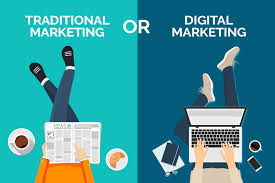
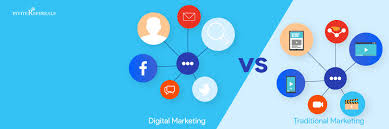
Marketing helps businesses connect with customers, build awareness and encourage people to take action. Today, that can mean anything from a social media campaign to a newspaper advert. While digital marketing has transformed how organisations reach audiences, traditional marketing still has a valuable role to play. Understanding the strengths of each can help businesses choose the right approach.

What is digital marketing?

Digital marketing uses online channels and technologies to promote a business, product or service. Common examples include:

  • Search engine optimisation (SEO)
  • Paid search and online display advertising
  • Social media marketing
  • Email marketing
  • Content marketing, including blogs, video and podcasts
  • Influencer and affiliate marketing

Digital channels allow businesses to reach people while they are browsing, searching, watching or communicating online. Campaigns can often be adjusted quickly, and performance can be measured using data such as website visits, clicks, enquiries and sales.

What is traditional marketing?

Traditional marketing refers to promotional methods that are not primarily online. These include:

  • Television and radio advertising
  • Newspaper and magazine adverts
  • Direct mail and printed leaflets
  • Outdoor advertising, such as billboards and posters
  • Events, sponsorships and in-person promotions

These channels can help a business reach people in their everyday surroundings. A well-placed poster, a memorable radio advert or a useful leaflet can make a brand familiar to a local audience.

Key differences

Reach and targeting

Digital marketing can target audiences by factors such as location, interests, search behaviour and the content they engage with. This can make it useful for reaching specific groups, including customers in a particular area.

Traditional marketing can offer broad exposure. A local newspaper, community event or outdoor advert may reach people who do not follow a business online. However, it can be harder to control exactly who sees a particular campaign.

Measurement

Digital campaigns often provide detailed performance data. Businesses can track how many people viewed an advert, visited a website or completed an action. This information can guide changes to a campaign while it is running.

Traditional marketing can be more difficult to measure precisely. Businesses may use methods such as offer codes, customer surveys or changes in sales to estimate its impact, but results are not always as immediate or detailed.

Cost and flexibility

Digital marketing budgets can vary widely. Some activities, such as creating useful website content, may be developed gradually, while paid advertising requires a set budget. Campaigns can usually be updated or paused relatively quickly.

Traditional marketing costs also vary, depending on the channel, production and placement. Once a print advert has been published or a poster campaign installed, making changes may be more difficult or expensive.

Trust and experience

Digital marketing offers convenience and interactivity. Customers can click through to a website, ask a question or make a purchase. At the same time, online audiences see a large volume of promotional content, so businesses need to earn attention with relevant, helpful communication.

Traditional marketing can create a physical or shared experience. Printed materials, events and broadcast advertising may help a brand feel familiar and tangible. Their effectiveness depends on the audience, the quality of the message and the context in which it appears.

Why businesses may use both

Digital and traditional marketing are not competing choices. Used together, they can support a consistent customer journey. For example, a business could advertise a local event through posters and local press, then use social media and email to share reminders and follow up with attendees.

A campaign might also combine outdoor advertising with a simple web address or QR code, making it easy for people to find more information online. Likewise, digital advertising can promote an in-person service, shop or event to people nearby.

The important thing is to keep the message and branding consistent across channels. Customers should recognise the same business, understand the same offer and know what to do next, wherever they encounter the campaign.

How to choose the right approach

Before selecting channels, consider:

  • Your audience: Where do your customers spend their time, and how do they prefer to receive information?
  • Your objective: Are you aiming to build awareness, generate enquiries, increase sales or encourage repeat business?
  • Your budget: What can you invest in planning, creative work, distribution and ongoing management?
  • Your location: Would local visibility or a wider geographical reach be more useful?
  • Your measures of success: Decide how you will assess results before the campaign begins.

There is no single marketing mix that works for every organisation. A small local business may benefit from a strong local presence supported by a well-maintained website and social media. A business selling nationally may rely more heavily on online channels, while still using print, events or broadcast advertising where they suit its audience.

Conclusion

Digital marketing offers flexibility, interactivity and detailed measurement, while traditional marketing can provide broad visibility and memorable real-world experiences. Both can contribute to business growth when they are chosen with a clear purpose and a good understanding of the audience.

Rather than asking which type of marketing is better, businesses should ask how each channel can help achieve their objectives. A considered combination of digital and traditional marketing can make a brand easier to discover, recognise and trust.


Maximising Impact: The Benefits of Integrating Digital and Traditional Marketing Strategies

  1. Digital marketing can target specific audiences.
  2. Traditional marketing can reach local communities.
  3. Digital campaigns are easy to measure.
  4. Print and broadcast adverts can build brand recognition.
  5. Online campaigns can be updated quickly.
  6. Using both can create a consistent customer journey.


Challenges of Balancing Digital and Traditional Marketing Approaches

  1. Digital marketing can be crowded and requires ongoing effort to stand out.
  2. Traditional marketing can be costly and difficult to measure accurately.
  3. Using both approaches can stretch budgets and make campaigns harder to coordinate.

Digital marketing can target specific audiences.

Digital marketing can target specific audiences by using factors such as location, interests, age group and online behaviour. This helps businesses tailor their messages to people who are more likely to be interested in their products or services, making campaigns more relevant and efficient. Traditional marketing can also reach selected groups through channels such as local newspapers, radio stations or community events, but digital tools often allow for more precise targeting and easier adjustment as a campaign progresses.

Traditional marketing can reach local communities.

Traditional marketing can be an effective way to reach local communities and build familiarity in a specific area. Local newspapers, radio stations, leaflets, posters and community events help businesses connect with people where they live, work and spend their time. This is particularly valuable for shops, restaurants and service providers whose customers are nearby, as well as for organisations looking to raise awareness of a local offer or event.

Digital campaigns are easy to measure.

One of the key advantages of digital marketing is that campaigns are easy to measure. Businesses can track results such as website visits, clicks, enquiries and sales, helping them understand what is working and where improvements are needed. Traditional marketing can be harder to assess, although methods such as offer codes, customer surveys and tracking changes in sales can provide useful clues about a campaign’s impact.

Print and broadcast adverts can build strong brand recognition by putting a business in front of audiences through familiar, widely used channels. A memorable magazine advert, billboard, radio jingle or television campaign can help people recognise a brand and recall it later, particularly when the same message appears consistently over time. These traditional formats can also complement digital marketing, reinforcing a brand’s identity across different touchpoints.

Online campaigns can be updated quickly.

One of the key advantages of digital marketing is that online campaigns can be updated quickly. If an advert is not performing well, a business can adjust its wording, images, audience or budget without waiting for new materials to be printed or distributed. This flexibility makes it easier to respond to customer feedback, changing priorities or current events. Traditional marketing can be slower to change once an advert has been printed, broadcast or installed, although digital updates can also be subject to platform approval times and campaign deadlines.

Using both can create a consistent customer journey.

Using digital and traditional marketing together can create a more consistent customer journey by helping people recognise and connect with a brand across different channels. For example, a customer might first see a poster or newspaper advert, then visit the business’s website or social media page to find out more. When the message, design and offer are consistent at each step, the experience feels familiar and makes it easier for the customer to decide what to do next.

Digital marketing can be crowded and requires ongoing effort to stand out.

One drawback of digital marketing is how crowded online channels have become. Businesses compete constantly for people’s attention across search engines, social media, email and other platforms, so even useful content can be overlooked. Standing out takes ongoing effort: brands need to publish relevant material, engage with their audience, monitor results and adapt their approach. Traditional marketing can also face competition for attention, but digital campaigns often demand frequent updates to remain visible and effective.

Traditional marketing can be costly and difficult to measure accurately.

Traditional marketing can be costly, particularly when it involves television, radio or large-scale print campaigns, where production and placement fees can quickly add up. It can also be difficult to measure accurately: unlike many digital channels, traditional methods do not always provide clear data on who saw an advert or whether it led to a sale. Businesses may need to rely on estimates, customer surveys or changes in sales, making it harder to judge the return on their investment.

Using both approaches can stretch budgets and make campaigns harder to coordinate.

Using both digital and traditional marketing can put pressure on a business’s budget and make campaigns more difficult to coordinate. Each channel may require its own creative materials, specialist support and ongoing management, while keeping the messaging, timing and branding consistent across them takes careful planning. Without clear priorities and communication, costs can rise and campaigns may feel disconnected to customers.

traditional and digital marketing

Traditional and Digital Marketing: How to Choose the Right Mix for Your Business

Traditional and Digital Marketing: Finding the Right Balance

Marketing helps businesses reach potential customers, explain what they offer and build lasting relationships. The ways of doing this have expanded considerably: alongside familiar methods such as print advertising and direct mail, businesses can now connect with audiences through websites, search engines, social media and email.

Traditional and digital marketing are sometimes presented as competing approaches. In practice, they can work well together. The right mix depends on a business’s audience, goals, budget and the way its customers prefer to receive information.

What is traditional marketing?

Traditional marketing refers to established channels that generally reach people offline. Common examples include:

  • Newspaper and magazine advertising
  • Television and radio adverts
  • Leaflets, brochures and direct mail
  • Outdoor advertising, such as posters and billboards
  • Events, exhibitions and sponsorship

These channels can help a business build recognition across a local area or reach audiences who may not spend much time online. A well-placed advert, useful leaflet or memorable radio campaign can make a brand easy to recognise.

What is digital marketing?

Digital marketing uses online channels and technologies to promote a business, product or service. It can include:

  • Websites and search engine optimisation (SEO)
  • Paid search and online display advertising
  • Social media marketing
  • Email marketing
  • Online video and content marketing

Digital channels make it possible to reach specific audiences, adapt campaigns quickly and track many aspects of performance. For example, a business can see how many people visited a webpage after clicking an advert, or which email links received the most attention.

Key differences

Audience and reach

Traditional marketing can be effective when a business wants to reach a broad audience in a particular place or through a widely used medium. Digital marketing can offer more precise audience targeting, although its reach depends on the platforms and campaigns selected.

Measurement

Some traditional campaigns are harder to measure directly. Businesses can use tools such as customer surveys, promotional codes or dedicated phone numbers to understand their impact. Digital campaigns often provide more immediate performance data, but figures such as clicks and views do not always show whether a campaign has contributed to meaningful business results.

Cost and flexibility

Costs vary across both approaches. A local leaflet campaign may be affordable for a small business, while a major television campaign can require a substantial budget. Digital campaigns can often be started on a smaller scale and adjusted as results come in, but competition for attention and advertising space can still make them costly.

Customer interaction

Traditional advertising is often one-way: a business shares a message with an audience. Digital channels can make two-way communication easier, allowing customers to comment, ask questions, share content or sign up for updates. That interaction also means businesses need to respond thoughtfully and consistently.

The benefits of combining both approaches

A coordinated marketing plan can use traditional and digital channels to reinforce the same message. For instance, a printed advert might direct readers to a website, while an event could encourage visitors to follow a social media account or join an email list.

Using several relevant channels can help a business connect with people at different points in their decision-making. Someone might first notice a brand on a poster, search for it online later and then visit its website before making an enquiry. Consistent branding and clear messaging make these interactions feel connected.

How to choose the right mix

Before choosing channels, consider a few practical questions:

  • Who are you trying to reach? Think about your customers’ needs, habits and preferred ways of finding information.
  • What do you want to achieve? Objectives might include increasing awareness, generating enquiries, encouraging repeat purchases or promoting a specific offer.
  • Where does your audience spend time? Choose channels based on evidence about your audience rather than assumptions.
  • How will you measure success? Decide in advance which outcomes matter, such as enquiries, sales, event attendance or website visits.
  • Can you deliver consistently? A campaign needs suitable time, resources and follow-up to make the most of the interest it generates.

It is also useful to test ideas on a manageable scale. Review the results, learn what worked and refine the plan. Measurement should focus on meaningful outcomes, not just the number of impressions or clicks.

Conclusion

Traditional and digital marketing each offer useful ways to connect with customers. Traditional channels can provide a tangible presence and reach audiences in specific settings, while digital marketing offers flexible ways to target, communicate and assess performance. Neither approach is automatically right for every business.

The strongest strategy is built around clear goals and a sound understanding of the audience. By choosing relevant channels and keeping the message consistent, businesses can make traditional and digital marketing work together.


Maximise Your Marketing: Integrating Traditional and Digital Strategies for Success

  1. Know your audience before choosing channels.
  2. Use print or radio to build local awareness.
  3. Keep branding consistent across every channel.
  4. Track digital campaigns with clear metrics.
  5. Combine traditional reach with digital follow-up.

Know your audience before choosing channels.

Before choosing marketing channels, take time to understand who you want to reach. Consider your audience’s needs, interests and habits, including where they look for information and how they prefer to communicate. This helps you focus your budget and effort on channels they are more likely to notice and trust, rather than spreading your message too widely. Use customer feedback and campaign results to keep refining your approach.

Use print or radio to build local awareness.

Use print or radio advertising to raise awareness among people in your local area. A well-placed advert in a community newspaper, local magazine or radio station can help your business reach nearby customers and build familiarity. Keep the message clear, highlight what makes your business relevant to the community, and include an easy next step, such as visiting your website or getting in touch.

Keep branding consistent across every channel.

Keep your branding consistent across every channel so customers can recognise and trust your business, whether they see a printed advert, visit your website or find you on social media. Use the same logo, colours, tone of voice and key messages wherever possible, adapting the format to suit each platform without losing your brand’s identity.

Track digital campaigns with clear metrics.

Track digital campaigns using clear metrics that link to your business goals. For example, monitor website visits, enquiries, sales or email sign-ups rather than focusing only on likes and clicks. Set a baseline before a campaign begins, use tracking tools consistently and review results regularly. This helps you understand which channels and messages are working, where to adjust your budget and how digital activity supports your wider marketing efforts.

Combine traditional reach with digital follow-up.

Combine the broad reach of traditional marketing with the precision of digital follow-up. A leaflet, poster, radio advert or event can introduce your business to a wide audience; a clear call to action—such as visiting a dedicated webpage, scanning a QR code or following your social media account—can then guide interested people online. From there, you can share useful information, answer questions and encourage enquiries or purchases. Use trackable links or campaign-specific codes to see which activity brings people to your digital channels and refine your approach over time.