
hotel online marketing

Unlocking Success: The Power of Hotel Online Marketing Strategies

Hotel Online Marketing

The Power of Hotel Online Marketing

In today’s digital age, online marketing has become essential for hotels to attract guests and maximise bookings. With the vast array of online platforms and tools available, hoteliers have the opportunity to reach a global audience and showcase their unique offerings.

Benefits of Hotel Online Marketing:

  • Increased Visibility: By utilising search engine optimisation (SEO) techniques and targeted online advertising, hotels can improve their visibility on search engines and travel websites, reaching potential guests at the right moment.
  • Enhanced Brand Awareness: Effective online marketing strategies help hotels build brand awareness and establish a strong online presence. Consistent branding across various digital channels can create a lasting impression on travellers.
  • Direct Booking Opportunities: Direct booking campaigns through the hotel’s website or mobile app can reduce dependency on third-party booking platforms and increase revenue by offering exclusive deals and packages to guests.
  • Precise Audience Targeting: With data-driven marketing tools, hotels can target specific demographics, interests, and behaviours of potential guests, ensuring that marketing efforts are directed towards the most relevant audience segments.
  • Engaging Content Creation: Compelling visuals, informative blogs, virtual tours, and user-generated content can captivate travellers’ interest and inspire them to choose a particular hotel for their stay.

Key Strategies for Successful Hotel Online Marketing:

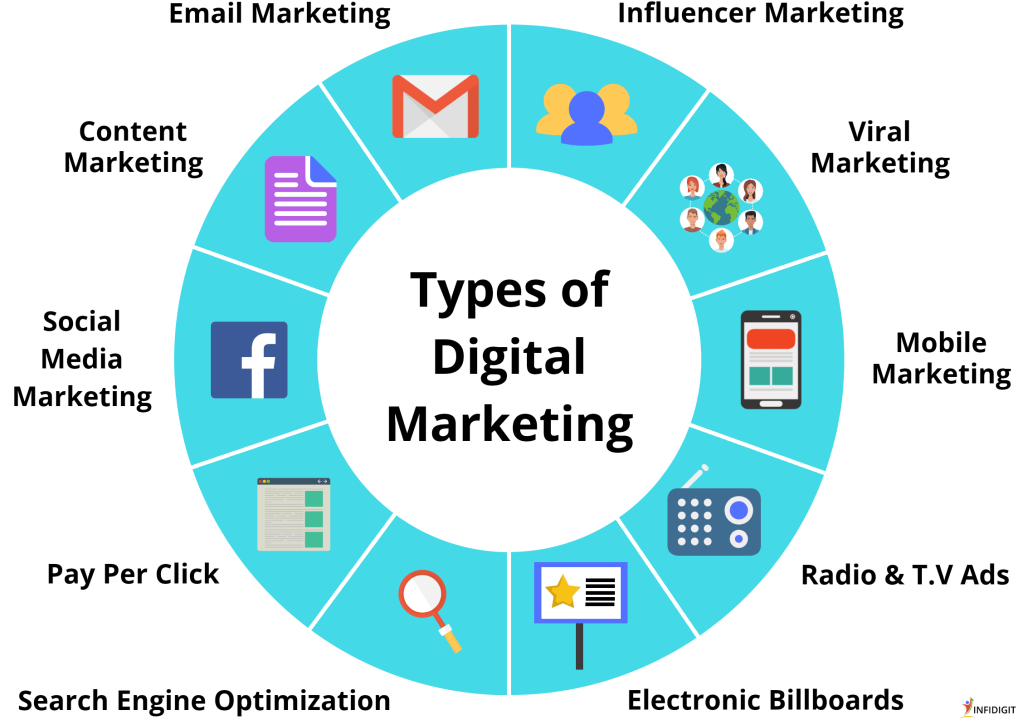
  1. Social Media Engagement: Active presence on social media platforms allows hotels to engage with followers, share updates, promote special offers, and create a sense of community among past and potential guests.
  2. Email Marketing Campaigns: Personalised email campaigns targeting segmented guest lists can drive direct bookings, encourage repeat visits, and enhance customer loyalty through exclusive promotions and personalised recommendations.
  3. User-Friendly Website Design: A visually appealing website with intuitive navigation, mobile responsiveness, secure booking functionality, high-quality images/videos, and persuasive call-to-action buttons is crucial for converting website visitors into confirmed reservations.
  4. Data Analytics & Performance Tracking: Regular monitoring of key performance indicators (KPIs) such as website traffic, conversion rates, click-through rates (CTR), bounce rates, and revenue generated from online channels helps hotels measure the effectiveness of their marketing campaigns and make data-driven decisions for future strategies.
  5. Influencer Partnerships: Collaborating with travel influencers or bloggers who align with the hotel’s brand values can generate authentic content that reaches a wider audience through influencer marketing campaigns on social media platforms or blogs.

In conclusion,

effective hotel online marketing is vital for attracting guests,

increasing bookings,

enhancing brand visibility,

building customer relationships,

driving direct revenue,

and staying ahead in the competitive hospitality industry.

By implementing strategic digital marketing initiatives tailored to the hotel’s target audience

goals,

hotels can achieve long-term success in today’s dynamic online landscape.


9 Essential FAQs about Enhancing Hotel Success through Online Marketing Strategies in the UK

  1. 1. How can online marketing help hotels attract more guests?
  2. 2. What are the key benefits of implementing SEO strategies for hotel online marketing?
  3. 3. How can hotels use social media effectively in their online marketing efforts?
  4. 4. What role does content marketing play in promoting a hotel’s brand online?
  5. 5. Are there specific digital advertising platforms that are recommended for hotel online marketing?
  6. 6. How important is it for hotels to have a mobile-friendly website for their online marketing success?
  7. 7. What metrics should hotels track to measure the effectiveness of their online marketing campaigns?
  8. 8. Can email marketing campaigns help hotels increase direct bookings and customer loyalty?
  9. 9. How can hotels leverage data analytics to improve their online marketing strategies and ROI?

1. How can online marketing help hotels attract more guests?

Online marketing plays a crucial role in helping hotels attract more guests by increasing their visibility, enhancing brand awareness, and engaging with potential customers on various digital platforms. Through targeted strategies such as search engine optimisation (SEO), social media campaigns, email marketing, and compelling content creation, hotels can reach a wider audience and showcase their unique offerings to travellers seeking accommodation. By utilising data-driven approaches to understand guest preferences and behaviour patterns, hotels can tailor their online marketing efforts to effectively capture the attention of potential guests and drive direct bookings, ultimately leading to increased occupancy rates and revenue growth.

2. What are the key benefits of implementing SEO strategies for hotel online marketing?

Implementing SEO strategies for hotel online marketing offers a range of key benefits that can significantly enhance a hotel’s digital presence and drive bookings. By optimising website content with relevant keywords, meta tags, and high-quality images, hotels can improve their search engine rankings and visibility to potential guests searching for accommodation online. This increased visibility not only attracts more organic traffic to the hotel’s website but also boosts brand awareness and credibility. Additionally, effective SEO strategies help hotels target specific audience segments, increase direct bookings, reduce dependency on third-party booking platforms, and ultimately achieve a higher return on investment in their digital marketing efforts.

3. How can hotels use social media effectively in their online marketing efforts?

Hotels can leverage social media effectively in their online marketing efforts by engaging with their audience, sharing compelling visual content, promoting exclusive offers, and creating a sense of community. By maintaining an active presence on platforms such as Facebook, Instagram, Twitter, and LinkedIn, hotels can interact with past and potential guests, respond to inquiries promptly, and showcase their unique amenities and services. Utilising social media advertising tools to target specific demographics and interests allows hotels to reach a wider audience and drive traffic to their website for direct bookings. Additionally, running social media contests, collaborating with influencers, and sharing user-generated content can further enhance brand visibility and foster guest loyalty in the competitive hospitality industry.

4. What role does content marketing play in promoting a hotel’s brand online?

Content marketing plays a crucial role in promoting a hotel’s brand online by creating valuable and engaging content that resonates with the target audience. Through informative blogs, captivating visuals, virtual tours, and user-generated content, hotels can showcase their unique offerings, share local insights, and establish themselves as experts in the hospitality industry. By consistently delivering high-quality content that educates, entertains, and inspires potential guests, hotels can build brand awareness, foster customer loyalty, and differentiate themselves from competitors in the digital landscape. Effective content marketing not only drives website traffic and engagement but also influences travellers’ decision-making process when choosing accommodation options.

When it comes to hotel online marketing, there are several digital advertising platforms that are highly recommended for reaching and engaging with potential guests. Platforms such as Google Ads, Facebook Ads, and Instagram Ads offer robust targeting options that allow hotels to reach specific demographics, interests, and behaviours of their target audience. These platforms enable hotels to showcase their unique offerings through visually appealing ads, drive traffic to their website or booking engine, and ultimately increase bookings. Additionally, travel-specific platforms like TripAdvisor and Expedia also provide opportunities for hotels to promote their properties to a wider audience of travellers actively searching for accommodation options. By leveraging these recommended digital advertising platforms effectively, hotels can enhance their online visibility and attract more guests to their properties.

6. How important is it for hotels to have a mobile-friendly website for their online marketing success?

Having a mobile-friendly website is crucial for the online marketing success of hotels in today’s digital landscape. With the increasing use of smartphones and tablets for travel research and booking, hotels must ensure that their website is optimised for mobile devices to provide a seamless user experience. A mobile-friendly website not only enhances accessibility and usability for potential guests but also improves search engine rankings, as search engines like Google prioritise mobile-responsive sites in their results. By investing in a mobile-friendly website, hotels can attract more visitors, increase direct bookings, and stay competitive in the ever-evolving online market.

7. What metrics should hotels track to measure the effectiveness of their online marketing campaigns?

Hotels should track a range of key metrics to gauge the success of their online marketing campaigns. Some essential metrics include website traffic, conversion rates, click-through rates (CTR), bounce rates, revenue generated from online channels, and return on investment (ROI). By analysing these metrics, hotels can evaluate the performance of their marketing efforts, identify areas for improvement, and make informed decisions to optimise their online strategies. Monitoring these metrics allows hotels to measure the impact of their campaigns, understand customer behaviour, and ultimately enhance the effectiveness of their digital marketing initiatives.

8. Can email marketing campaigns help hotels increase direct bookings and customer loyalty?

Email marketing campaigns play a crucial role in helping hotels increase direct bookings and foster customer loyalty. By crafting personalised and targeted email campaigns, hotels can engage with their audience effectively, promote exclusive offers, and provide valuable information that encourages guests to book directly through the hotel’s website or app. Moreover, by nurturing relationships with past guests through regular communication and tailored promotions, hotels can enhance customer loyalty, drive repeat bookings, and strengthen brand affinity over time. Email marketing serves as a powerful tool for building long-term relationships with guests and maximising direct booking revenue for hotels.

9. How can hotels leverage data analytics to improve their online marketing strategies and ROI?

Hotels can leverage data analytics to enhance their online marketing strategies and boost return on investment (ROI) by gaining valuable insights into guest preferences, behaviour patterns, and booking trends. By analysing data collected from website traffic, booking platforms, email campaigns, and social media interactions, hotels can identify key performance indicators (KPIs) and measure the effectiveness of their marketing efforts. This data-driven approach enables hotels to tailor their online marketing campaigns to target specific audience segments more effectively, personalise customer experiences, optimise pricing strategies, and allocate resources efficiently. Ultimately, leveraging data analytics empowers hotels to make informed decisions that drive higher engagement, conversions, and revenue generation in the competitive hospitality industry.

digital ad agencies

Navigating the Digital Landscape: The Role of Expert Digital Ad Agencies

The Role of Digital Ad Agencies in Today’s Marketing Landscape

The Role of Digital Ad Agencies in Today’s Marketing Landscape

In the ever-evolving world of marketing, digital advertising has become a crucial component for businesses looking to reach their target audiences effectively. This shift towards digital platforms has led to the rise of specialised agencies that focus on creating and managing online advertising campaigns. These agencies, known as digital ad agencies, play a vital role in helping brands navigate the complex digital landscape and achieve their marketing goals.

What Do Digital Ad Agencies Do?

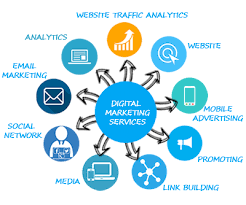
Digital ad agencies are experts in leveraging various online channels to promote products and services, increase brand awareness, drive website traffic, and generate leads. They work closely with clients to develop tailored strategies that align with their objectives and target audience. From creating compelling ad creatives to monitoring campaign performance, digital ad agencies handle every aspect of online advertising to maximise results.

The Benefits of Working with a Digital Ad Agency

Collaborating with a digital ad agency offers numerous benefits for businesses seeking to enhance their online presence:

  • Expertise: Digital ad agencies have a team of specialists with in-depth knowledge of digital marketing trends and best practices.
  • Time-Saving: Outsourcing digital advertising allows businesses to focus on core activities while experts manage their online campaigns.
  • Data-Driven Approach: Digital ad agencies use data analytics to track campaign performance and make informed decisions for optimisation.
  • Creative Solutions: With a creative team on board, digital ad agencies develop engaging content that resonates with the target audience.

The Future of Digital Advertising

As technology continues to advance and consumer behaviour evolves, the role of digital ad agencies will only grow in importance. From social media advertising to programmatic display ads, these agencies will continue to adapt to emerging trends and technologies to deliver impactful results for their clients.

In conclusion, digital ad agencies play a pivotal role in shaping the success of modern marketing strategies. By harnessing the power of digital platforms and leveraging expert knowledge, these agencies help businesses stay competitive in an increasingly digitised world.


Understanding Digital Ad Agencies: Key Questions and Insights

  1. What services do digital ad agencies offer?
  2. How do digital ad agencies help businesses increase their online presence?
  3. What are the benefits of hiring a digital ad agency for advertising campaigns?
  4. How do digital ad agencies measure the success of online advertising campaigns?
  5. What is the typical process of working with a digital ad agency?
  6. Do digital ad agencies specialise in specific industries or sectors?
  7. Can small businesses benefit from partnering with a digital ad agency?
  8. What sets apart top-performing digital ad agencies from others in the industry?
  9. Are there any trends or innovations that are shaping the future of digital advertising agencies?

What services do digital ad agencies offer?

Digital ad agencies offer a wide range of services to help businesses effectively promote their products and services online. These services typically include strategic planning, campaign creation and management, ad placement across various digital platforms such as social media, search engines, and websites, performance tracking and analysis, audience targeting, creative design for ad content, A/B testing for optimisation, and ongoing support to ensure the success of online advertising efforts. By providing a comprehensive suite of services tailored to meet the specific needs of each client, digital ad agencies play a crucial role in driving brand visibility, engagement, and conversions in the competitive digital landscape.

How do digital ad agencies help businesses increase their online presence?

Digital ad agencies play a crucial role in helping businesses enhance their online presence through targeted strategies and effective execution. These agencies utilise their expertise in digital marketing to create compelling ad campaigns that reach the right audience at the right time. By leveraging various online channels such as social media, search engines, and display networks, digital ad agencies can increase brand visibility, drive website traffic, and engage potential customers. Through data-driven insights and continuous optimisation, these agencies ensure that businesses not only establish a strong online presence but also achieve measurable results that contribute to their overall growth and success in the digital landscape.

What are the benefits of hiring a digital ad agency for advertising campaigns?

Hiring a digital ad agency for advertising campaigns offers a range of benefits that can significantly impact the success of your marketing efforts. These agencies bring expertise in digital marketing trends and strategies, allowing businesses to tap into specialised knowledge and stay ahead of the competition. By outsourcing digital advertising, companies can save time and resources, focusing on core activities while professionals manage their online campaigns effectively. Additionally, digital ad agencies employ a data-driven approach, using analytics to track performance and make informed decisions for campaign optimisation. Overall, collaborating with a digital ad agency provides access to creative solutions, expert guidance, and measurable results that can elevate your brand’s online presence and drive meaningful engagement with your target audience.

How do digital ad agencies measure the success of online advertising campaigns?

Digital ad agencies employ various metrics and key performance indicators (KPIs) to measure the success of online advertising campaigns. These may include click-through rates (CTR), conversion rates, return on ad spend (ROAS), cost per acquisition (CPA), and overall return on investment (ROI). By analysing these data points, digital ad agencies can assess the effectiveness of a campaign in reaching its objectives, whether it be driving website traffic, generating leads, or increasing sales. Additionally, tracking user engagement, such as time spent on site and bounce rates, provides valuable insights into campaign performance and audience behaviour. Through continuous monitoring and analysis of these metrics, digital ad agencies can refine strategies and optimise campaigns to maximise results for their clients.

What is the typical process of working with a digital ad agency?

When partnering with a digital ad agency, the typical process involves initial consultations to understand the client’s goals, target audience, and budget. The agency then formulates a tailored digital advertising strategy encompassing platforms, ad formats, and key performance indicators. Creative development follows, where engaging ad content is crafted to resonate with the target audience. Once campaigns are launched, the agency continuously monitors and analyses performance metrics to optimise for better results. Regular reporting and feedback sessions ensure transparency and alignment with client objectives throughout the collaboration.

Do digital ad agencies specialise in specific industries or sectors?

Digital ad agencies often specialise in serving specific industries or sectors to provide targeted and tailored marketing solutions. While some agencies offer a broad range of services across various industries, many choose to focus their expertise on particular sectors such as technology, healthcare, fashion, or finance. By honing their knowledge and skills in a specific niche, digital ad agencies can better understand the unique challenges and opportunities within that industry, allowing them to deliver more effective and impactful campaigns for their clients. This specialised approach enables digital ad agencies to stay ahead of industry trends and deliver results that are specifically tailored to meet the needs of businesses operating within those sectors.

Can small businesses benefit from partnering with a digital ad agency?

Small businesses can greatly benefit from partnering with a digital ad agency. These agencies offer expertise in navigating the complex digital marketing landscape, providing tailored strategies to help small businesses reach their target audience effectively. By outsourcing their online advertising efforts to professionals, small businesses can save time and resources while maximising the impact of their marketing campaigns. Digital ad agencies bring a wealth of knowledge in areas such as social media advertising, search engine optimisation, and pay-per-click advertising, enabling small businesses to compete with larger competitors and grow their online presence successfully.

What sets apart top-performing digital ad agencies from others in the industry?

When considering what sets apart top-performing digital ad agencies from others in the industry, several key factors come into play. These leading agencies often demonstrate a deep understanding of the latest digital marketing trends and technologies, allowing them to create innovative and effective strategies for their clients. Moreover, their ability to deliver measurable results and a strong return on investment sets them apart, showcasing their proficiency in driving success for businesses. Top-performing digital ad agencies also excel in communication and collaboration, working closely with clients to understand their unique needs and tailor solutions that align with their goals. Overall, a combination of expertise, creativity, data-driven approach, and client-focused mindset distinguishes these agencies as industry leaders in the competitive digital advertising landscape.

The future of digital advertising agencies is being shaped by a myriad of trends and innovations that are revolutionising the industry. From the increasing emphasis on personalisation and targeted advertising to the rise of artificial intelligence and machine learning in optimising campaigns, agencies are constantly evolving to stay ahead in the competitive digital landscape. Additionally, the growing importance of data privacy and transparency is driving agencies to adopt more ethical practices in their advertising strategies. As technology continues to advance at a rapid pace, digital ad agencies are embracing these trends to deliver more effective and engaging campaigns that resonate with audiences in new and innovative ways.