
traditional marketing

Traditional Marketing: A Practical Guide for Modern Businesses

Traditional Marketing: A Guide for Modern Businesses

Traditional marketing is the promotion of products and services through established, offline channels. It includes familiar methods such as print advertising, direct mail, television and radio commercials, outdoor posters, sponsorship and face-to-face events. Although digital marketing has transformed how businesses reach people, traditional marketing still has an important role to play.

What counts as traditional marketing?

Traditional marketing covers a wide range of activities, including:

  • Print advertising: adverts in newspapers, magazines, brochures and catalogues.
  • Broadcast advertising: commercials on television and radio.
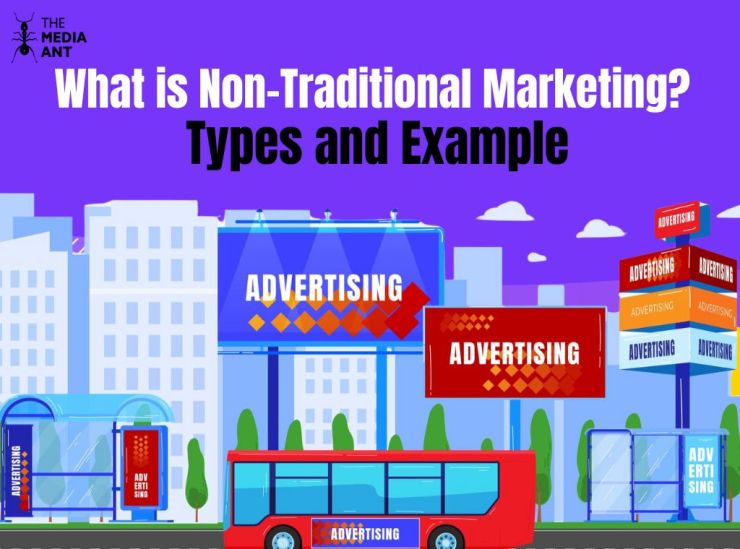
  • Outdoor advertising: billboards, posters, transport adverts and signage.
  • Direct mail: letters, leaflets and promotional materials sent to people’s homes or workplaces.
  • Events and sponsorship: trade shows, community events and partnerships with organisations or teams.
  • In-person selling: conversations with prospective customers at shops, exhibitions or other events.

The right channel depends on the business, its audience, its budget and what it wants people to do.

Why traditional marketing still matters

Traditional channels can help a business reach people who are not actively looking for it online. A local poster campaign, for example, can raise awareness among people travelling through a particular area. A radio advert may reach listeners during their daily commute, while a printed brochure can give customers something tangible to read and keep.

These channels can also make a brand feel familiar and established. Repeated exposure to a consistent message across newspapers, public spaces or broadcasts can help people recognise a business and remember what it offers. For local businesses, traditional marketing can be especially useful for building visibility within a specific community.

The benefits of traditional marketing

  • Broad reach: Broadcast and outdoor campaigns can put a message in front of large audiences.
  • Local targeting: Leaflets, local press and community sponsorship can focus on a particular area.
  • A tangible experience: Printed materials can be handled, displayed or shared.
  • Brand recognition: A well-placed advert can help a business become more familiar to its audience.
  • Personal contact: Events and face-to-face sales give businesses the chance to answer questions and build relationships directly.

Challenges to consider

Traditional marketing is not automatically the best choice for every campaign. Some formats, such as television advertising or large outdoor placements, can require a substantial budget. It may also be harder to measure exactly how many people saw an advert or whether it led to a sale.

Timing is another consideration. Printed materials need to be produced and distributed, while broadcast and outdoor placements may need to be booked in advance. Once a campaign is running, changing its message or creative can be less straightforward than updating an online advert.

These challenges can be managed by setting clear objectives, choosing channels carefully and including a way to track responses. A unique web address, campaign code, dedicated phone number or simple question such as “How did you hear about us?” can provide useful insight.

Traditional and digital marketing work well together

Traditional marketing does not have to compete with digital marketing. The two can support one another. A printed advert might direct readers to a website, while an event can encourage visitors to follow a brand on social media. A television or radio campaign can build awareness that makes people more likely to search for a business online.

Consistency is key. The same core message, visual identity and tone of voice should appear across both offline and online channels. This helps customers recognise the brand, wherever they encounter it.

How to plan a traditional marketing campaign

  1. Set a clear objective. Decide whether the campaign is intended to increase awareness, attract enquiries, promote an offer or encourage visits.
  2. Understand the audience. Consider who you want to reach, where they spend time and which channels they are likely to notice.
  3. Choose suitable channels. Select formats that match the audience and the campaign objective rather than choosing a channel simply because it is familiar.
  4. Create a clear message. Explain what is being offered and make the next step easy to understand.
  5. Set a budget and timeline. Account for design, production, placement and distribution costs.
  6. Measure the response. Use trackable contact details, codes or customer feedback to assess what worked.

Conclusion

Traditional marketing remains a useful way to build awareness, reach local audiences and create memorable brand experiences. Its success depends on choosing the right channels, understanding the audience and measuring results as carefully as possible. Combined with a well-planned digital strategy, traditional marketing can help businesses connect with customers across a variety of settings.


Top 10 Frequently Asked Questions About Traditional Marketing

  1. What are traditional marketing strategies?
  2. What is the difference between digital and traditional marketing?
  3. Is an example of traditional marketing?
  4. What is difference between traditional marketing and digital marketing?
  5. What are the 4ps of traditional marketing?
  6. What are the pros and cons of traditional marketing?
  7. What is traditional marketing?
  8. Why is it called traditional marketing?
  9. What are 5 example of traditional marketing?
  10. What is the main reason for traditional marketing?

What are traditional marketing strategies?

Traditional marketing strategies are ways of promoting a business through offline channels to reach and engage potential customers. They can include print advertising in newspapers and magazines, leaflets and direct mail, television and radio adverts, billboards, sponsorship, trade shows and face-to-face sales. The best approach depends on the audience, budget and campaign goals; businesses can also combine these methods with digital marketing to create a more consistent and measurable campaign.

What is the difference between digital and traditional marketing?

Traditional marketing uses offline channels such as print adverts, television, radio, direct mail and billboards, while digital marketing reaches people online through channels such as websites, search engines, social media and email. Digital campaigns are often easier to target, adjust and measure in real time; traditional marketing can offer broad reach, local visibility and a tangible or face-to-face experience. The best approach depends on your audience and goals, and many businesses combine both to create a consistent marketing strategy.

Is an example of traditional marketing?

Yes, a newspaper advert is an example of traditional marketing. Other examples include television and radio commercials, leaflets, billboards, direct mail and sponsorship. These methods promote a business through offline channels, helping it reach audiences in print, on air or in public spaces.

What is difference between traditional marketing and digital marketing?

Traditional marketing uses offline channels such as television, radio, newspapers, direct mail and billboards, while digital marketing reaches audiences online through channels such as websites, search engines, social media and email. Traditional campaigns can offer broad exposure and a tangible presence, but may be harder to measure and adjust once running. Digital marketing is often easier to target, track and optimise in real time. The two approaches can work well together, helping businesses reach customers across both offline and online settings.

What are the 4ps of traditional marketing?

The 4Ps of traditional marketing are Product, Price, Place and Promotion. Product is what a business offers and the needs it meets; Price is what customers pay, including how the cost reflects the product’s value; Place is where and how the product is made available; and Promotion covers the methods used to raise awareness and encourage sales, such as print adverts, radio, direct mail and events. Together, the 4Ps help businesses plan a marketing approach that reaches the right customers with the right offer.

What are the pros and cons of traditional marketing?

Traditional marketing can help businesses reach broad or local audiences, build brand recognition and create a memorable, tangible experience through channels such as print, radio, television and outdoor advertising. However, campaigns can be costly, take time to produce and distribute, and be harder to target or measure precisely than digital marketing. The best approach depends on your audience, objectives and budget; combining traditional and digital channels can help balance reach with more trackable results.

What is traditional marketing?

Traditional marketing is the promotion of products or services through offline channels that have been used for many years. These include print adverts in newspapers and magazines, television and radio commercials, billboards, leaflets, direct mail, sponsorship and face-to-face events. Businesses use these methods to raise awareness, reach specific audiences and encourage people to take action. Traditional marketing can also work alongside digital channels to create a consistent campaign across online and offline platforms.

Why is it called traditional marketing?

It’s called traditional marketing because it refers to long-established ways of promoting products and services, many of which were used before digital channels such as websites, social media and online advertising became widespread. These methods include print adverts, television and radio commercials, direct mail, billboards and in-person events. The term distinguishes offline marketing channels from newer digital approaches; it doesn’t mean they are outdated or no longer effective.

What are 5 example of traditional marketing?

Five examples of traditional marketing are newspaper and magazine adverts, television commercials, radio adverts, direct mail such as leaflets or brochures, and outdoor advertising such as billboards or posters. These methods can help businesses reach broad or local audiences, depending on the channel and where it is used.

What is the main reason for traditional marketing?

The main reason for traditional marketing is to reach and influence potential customers through offline channels such as print, television, radio and outdoor advertising. It helps businesses build brand awareness, communicate the benefits of their products or services and encourage people to take action, such as making an enquiry or visiting a shop.
digital marketing and traditional marketing

Digital Marketing and Traditional Marketing: How to Choose the Right Mix

Digital Marketing and Traditional Marketing: Finding the Right Balance

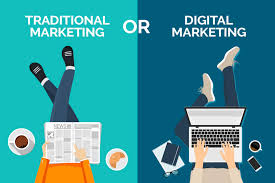
Marketing helps businesses connect with customers, build awareness and encourage people to take action. Today, that can mean anything from a social media campaign to a newspaper advert. While digital marketing has transformed how organisations reach audiences, traditional marketing still has a valuable role to play. Understanding the strengths of each can help businesses choose the right approach.

What is digital marketing?

Digital marketing uses online channels and technologies to promote a business, product or service. Common examples include:

  • Search engine optimisation (SEO)
  • Paid search and online display advertising
  • Social media marketing
  • Email marketing
  • Content marketing, including blogs, video and podcasts
  • Influencer and affiliate marketing

Digital channels allow businesses to reach people while they are browsing, searching, watching or communicating online. Campaigns can often be adjusted quickly, and performance can be measured using data such as website visits, clicks, enquiries and sales.

What is traditional marketing?

Traditional marketing refers to promotional methods that are not primarily online. These include:

  • Television and radio advertising
  • Newspaper and magazine adverts
  • Direct mail and printed leaflets
  • Outdoor advertising, such as billboards and posters
  • Events, sponsorships and in-person promotions

These channels can help a business reach people in their everyday surroundings. A well-placed poster, a memorable radio advert or a useful leaflet can make a brand familiar to a local audience.

Key differences

Reach and targeting

Digital marketing can target audiences by factors such as location, interests, search behaviour and the content they engage with. This can make it useful for reaching specific groups, including customers in a particular area.

Traditional marketing can offer broad exposure. A local newspaper, community event or outdoor advert may reach people who do not follow a business online. However, it can be harder to control exactly who sees a particular campaign.

Measurement

Digital campaigns often provide detailed performance data. Businesses can track how many people viewed an advert, visited a website or completed an action. This information can guide changes to a campaign while it is running.

Traditional marketing can be more difficult to measure precisely. Businesses may use methods such as offer codes, customer surveys or changes in sales to estimate its impact, but results are not always as immediate or detailed.

Cost and flexibility

Digital marketing budgets can vary widely. Some activities, such as creating useful website content, may be developed gradually, while paid advertising requires a set budget. Campaigns can usually be updated or paused relatively quickly.

Traditional marketing costs also vary, depending on the channel, production and placement. Once a print advert has been published or a poster campaign installed, making changes may be more difficult or expensive.

Trust and experience

Digital marketing offers convenience and interactivity. Customers can click through to a website, ask a question or make a purchase. At the same time, online audiences see a large volume of promotional content, so businesses need to earn attention with relevant, helpful communication.

Traditional marketing can create a physical or shared experience. Printed materials, events and broadcast advertising may help a brand feel familiar and tangible. Their effectiveness depends on the audience, the quality of the message and the context in which it appears.

Why businesses may use both

Digital and traditional marketing are not competing choices. Used together, they can support a consistent customer journey. For example, a business could advertise a local event through posters and local press, then use social media and email to share reminders and follow up with attendees.

A campaign might also combine outdoor advertising with a simple web address or QR code, making it easy for people to find more information online. Likewise, digital advertising can promote an in-person service, shop or event to people nearby.

The important thing is to keep the message and branding consistent across channels. Customers should recognise the same business, understand the same offer and know what to do next, wherever they encounter the campaign.

How to choose the right approach

Before selecting channels, consider:

  • Your audience: Where do your customers spend their time, and how do they prefer to receive information?
  • Your objective: Are you aiming to build awareness, generate enquiries, increase sales or encourage repeat business?
  • Your budget: What can you invest in planning, creative work, distribution and ongoing management?
  • Your location: Would local visibility or a wider geographical reach be more useful?
  • Your measures of success: Decide how you will assess results before the campaign begins.

There is no single marketing mix that works for every organisation. A small local business may benefit from a strong local presence supported by a well-maintained website and social media. A business selling nationally may rely more heavily on online channels, while still using print, events or broadcast advertising where they suit its audience.

Conclusion

Digital marketing offers flexibility, interactivity and detailed measurement, while traditional marketing can provide broad visibility and memorable real-world experiences. Both can contribute to business growth when they are chosen with a clear purpose and a good understanding of the audience.

Rather than asking which type of marketing is better, businesses should ask how each channel can help achieve their objectives. A considered combination of digital and traditional marketing can make a brand easier to discover, recognise and trust.


Maximising Impact: The Benefits of Integrating Digital and Traditional Marketing Strategies

  1. Digital marketing can target specific audiences.
  2. Traditional marketing can reach local communities.
  3. Digital campaigns are easy to measure.
  4. Print and broadcast adverts can build brand recognition.
  5. Online campaigns can be updated quickly.
  6. Using both can create a consistent customer journey.


Challenges of Balancing Digital and Traditional Marketing Approaches

  1. Digital marketing can be crowded and requires ongoing effort to stand out.
  2. Traditional marketing can be costly and difficult to measure accurately.
  3. Using both approaches can stretch budgets and make campaigns harder to coordinate.

Digital marketing can target specific audiences.

Digital marketing can target specific audiences by using factors such as location, interests, age group and online behaviour. This helps businesses tailor their messages to people who are more likely to be interested in their products or services, making campaigns more relevant and efficient. Traditional marketing can also reach selected groups through channels such as local newspapers, radio stations or community events, but digital tools often allow for more precise targeting and easier adjustment as a campaign progresses.

Traditional marketing can reach local communities.

Traditional marketing can be an effective way to reach local communities and build familiarity in a specific area. Local newspapers, radio stations, leaflets, posters and community events help businesses connect with people where they live, work and spend their time. This is particularly valuable for shops, restaurants and service providers whose customers are nearby, as well as for organisations looking to raise awareness of a local offer or event.

Digital campaigns are easy to measure.

One of the key advantages of digital marketing is that campaigns are easy to measure. Businesses can track results such as website visits, clicks, enquiries and sales, helping them understand what is working and where improvements are needed. Traditional marketing can be harder to assess, although methods such as offer codes, customer surveys and tracking changes in sales can provide useful clues about a campaign’s impact.

Print and broadcast adverts can build strong brand recognition by putting a business in front of audiences through familiar, widely used channels. A memorable magazine advert, billboard, radio jingle or television campaign can help people recognise a brand and recall it later, particularly when the same message appears consistently over time. These traditional formats can also complement digital marketing, reinforcing a brand’s identity across different touchpoints.

Online campaigns can be updated quickly.

One of the key advantages of digital marketing is that online campaigns can be updated quickly. If an advert is not performing well, a business can adjust its wording, images, audience or budget without waiting for new materials to be printed or distributed. This flexibility makes it easier to respond to customer feedback, changing priorities or current events. Traditional marketing can be slower to change once an advert has been printed, broadcast or installed, although digital updates can also be subject to platform approval times and campaign deadlines.

Using both can create a consistent customer journey.

Using digital and traditional marketing together can create a more consistent customer journey by helping people recognise and connect with a brand across different channels. For example, a customer might first see a poster or newspaper advert, then visit the business’s website or social media page to find out more. When the message, design and offer are consistent at each step, the experience feels familiar and makes it easier for the customer to decide what to do next.

Digital marketing can be crowded and requires ongoing effort to stand out.

One drawback of digital marketing is how crowded online channels have become. Businesses compete constantly for people’s attention across search engines, social media, email and other platforms, so even useful content can be overlooked. Standing out takes ongoing effort: brands need to publish relevant material, engage with their audience, monitor results and adapt their approach. Traditional marketing can also face competition for attention, but digital campaigns often demand frequent updates to remain visible and effective.

Traditional marketing can be costly and difficult to measure accurately.

Traditional marketing can be costly, particularly when it involves television, radio or large-scale print campaigns, where production and placement fees can quickly add up. It can also be difficult to measure accurately: unlike many digital channels, traditional methods do not always provide clear data on who saw an advert or whether it led to a sale. Businesses may need to rely on estimates, customer surveys or changes in sales, making it harder to judge the return on their investment.

Using both approaches can stretch budgets and make campaigns harder to coordinate.

Using both digital and traditional marketing can put pressure on a business’s budget and make campaigns more difficult to coordinate. Each channel may require its own creative materials, specialist support and ongoing management, while keeping the messaging, timing and branding consistent across them takes careful planning. Without clear priorities and communication, costs can rise and campaigns may feel disconnected to customers.

digital marketing services near me

How to Choose Digital Marketing Services Near Me

Finding the Right Digital Marketing Services Near You

Searching for “digital marketing services near me” is often the first step towards finding help with your business’s online growth. Whether you run a local shop, provide professional services or manage a growing company, the right digital marketing partner can help you reach more of the people who matter to your business.

But choosing an agency or specialist involves more than finding the closest address. You’ll want a team that understands your goals, communicates clearly and can show how its work will support your business.

What do digital marketing services include?

Digital marketing covers a range of ways to attract and engage customers online. Depending on your needs, services may include:

  • Search engine optimisation (SEO): Improving your website so it can appear more prominently in relevant search results.
  • Local SEO: Helping nearby customers find your business through local search results, maps and business listings.
  • Pay-per-click advertising: Creating and managing paid campaigns on search engines and other platforms.
  • Social media marketing: Planning content and campaigns to build awareness and connect with your audience.
  • Website design and development: Creating or improving a website so it is useful, accessible and easy to navigate.
  • Content marketing: Producing helpful articles, landing pages and other content that answers customers’ questions.
  • Email marketing: Keeping in touch with customers through relevant updates, offers and information.
  • Analytics and reporting: Measuring performance to understand what is working and where to make improvements.

Why work with a local digital marketing provider?

A nearby provider may offer the opportunity to meet in person and build a closer working relationship. They may also have a better understanding of the local area, the way people search for services there and the competition your business faces.

That said, location alone does not guarantee the right fit. Many digital marketing services can be delivered remotely, so it is worth considering providers beyond your immediate neighbourhood if they have the experience and approach you need.

How to choose the right provider

Before you commit, take time to compare a few providers. These questions can help you decide:

  • Do they understand your goals? A good provider will ask about your customers, priorities and definition of success before recommending a plan.
  • Can they explain their approach? Look for clear, straightforward explanations rather than vague promises or unnecessary jargon.
  • Do they have relevant experience? Case studies or examples can help you understand the kind of work they do. Check that any results are presented in context.
  • How will progress be measured? Agree on useful measures, such as relevant enquiries, website visits or conversions, rather than focusing only on surface-level figures.
  • Are costs and responsibilities clear? Ask what is included, what falls outside the scope and whether there are minimum contract periods or extra fees.
  • Will you have a clear point of contact? Regular communication makes it easier to review progress and adjust plans as your business changes.

Make sure your online presence supports local customers

If you serve a particular town, city or region, your marketing should make that clear. Your website can explain where you work, what areas you cover and how customers can contact you. Accurate business details across your website and online listings can also help people find and recognise your business.

Local marketing should be useful, not just repetitive. Create pages and content that answer genuine customer questions, explain your services clearly and provide a simple next step. Avoid creating multiple near-identical pages solely to target different locations.

Start with a clear plan

You do not need to invest in every digital marketing channel at once. Start by identifying your biggest challenge. You might need more local enquiries, a better-performing website or a clearer strategy for paid advertising. A focused plan can help you prioritise work and understand what your budget is achieving.

When comparing digital marketing services near you, look for a provider that takes the time to understand your business and gives you a realistic, transparent plan. The right partnership should make your marketing easier to understand, easier to measure and better aligned with your goals.


9 Essential Tips for Choosing Local Digital Marketing Services

  1. Search for agencies with strong local reviews.
  2. Check their experience with nearby businesses.
  3. Ask which digital marketing services they offer.
  4. Compare prices and contract terms.
  5. Review case studies and client results.
  6. Look for expertise in local SEO.
  7. Confirm they understand your target audience.
  8. Ask how they report campaign performance.
  9. Choose a team that communicates clearly.

Search for agencies with strong local reviews.

When looking for digital marketing services near you, check local reviews to see what other businesses say about working with an agency. Look for consistent feedback on communication, reliability and the quality of its work, rather than relying on star ratings alone. Recent, detailed reviews can offer a useful picture of the client experience, while thoughtful responses to feedback may show how the agency handles questions or concerns. Use reviews as one part of your research, alongside case studies and an initial conversation.

Check their experience with nearby businesses.

When comparing digital marketing services near you, ask whether the provider has worked with businesses in your area or with a similar audience. Familiarity with the local market can help them understand your customers, competitors and the search terms people use to find services nearby. Ask for relevant examples or case studies, and look for a clear explanation of what the work achieved. This can help you judge whether their experience is a good match for your business.

Ask which digital marketing services they offer.

Ask which digital marketing services each provider offers, as the right support will depend on your goals. Services may include local SEO, website design, pay-per-click advertising, social media, content creation and email marketing. Find out whether they can bring these together into a coherent plan, or focus on the specific areas your business needs most.

Compare prices and contract terms.

Compare prices and contract terms before choosing a digital marketing provider. Ask for a clear breakdown of what each package includes, whether there are extra costs and how performance will be reported. Check the contract length, notice period and any fees for ending the agreement early. The cheapest option may not offer the right support, so compare the value, flexibility and services provided as well as the headline price.

Review case studies and client results.

Review case studies and client results to get a clearer idea of how a digital marketing provider works and whether its experience is relevant to your business. Look for examples involving similar goals, industries or local audiences, and check what the provider did, how success was measured and over what period. Strong case studies explain the context behind the results rather than relying on bold claims alone. If anything is unclear, ask for more detail before deciding.

Look for expertise in local SEO.

When comparing digital marketing services near you, look for expertise in local SEO. A provider with strong local search knowledge can help your business appear in relevant results when nearby customers are looking for the products or services you offer. Ask how they approach your website content, business listings, reviews and location information, and how they’ll measure progress. Their recommendations should be tailored to your area and customers, rather than relying on one-size-fits-all tactics.

Confirm they understand your target audience.

Confirm that a digital marketing provider understands your target audience before you begin working together. They should take time to learn who your customers are, what they need, where they spend time online and what influences their decisions. This understanding helps shape relevant messages, choose the right channels and make better use of your marketing budget. Ask how they’ll research your audience and tailor their approach to your business, rather than relying on a one-size-fits-all plan.

Ask how they report campaign performance.

Ask how the provider reports campaign performance before agreeing to work together. Find out how often you’ll receive updates, which metrics they track and how they connect those results to your business goals. Clear reporting should explain what’s working, what needs improvement and what the next steps are, without relying on confusing jargon or impressive-looking numbers that don’t lead to meaningful enquiries or sales.

Choose a team that communicates clearly.

Choose a team that communicates clearly. A good digital marketing partner should explain its recommendations in plain English, keep you updated on progress and be open about costs, timelines and results. Clear, regular communication helps you understand what’s being done, ask questions and make confident decisions about your marketing.