
Cyber Marketing: Reaching Customers in a Connected World
Cyber marketing is the promotion of products, services and brands through internet-connected technologies. It brings together digital channels such as websites, search engines, social media, email and online advertising to help businesses reach people where they spend much of their time: online.
For organisations of all sizes, cyber marketing can offer a flexible way to build awareness, attract potential customers and maintain relationships with existing ones. Its success depends not simply on using the latest technology, but on understanding an audience and offering useful, relevant experiences.
What does cyber marketing involve?
The term covers a broad range of online marketing activities, including:
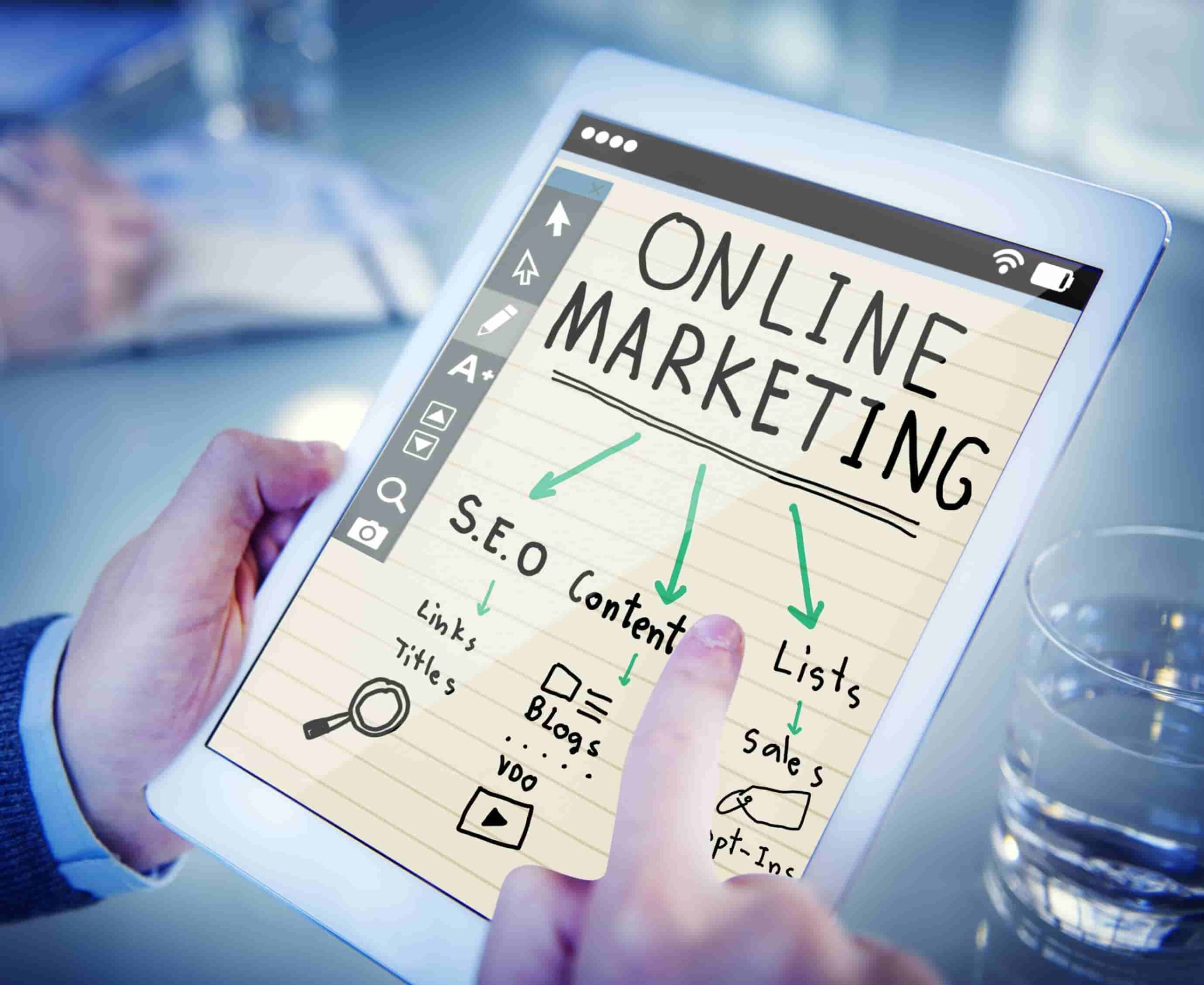
- Search engine optimisation (SEO): Improving a website so it is easier to find in search results.
- Content marketing: Publishing useful articles, videos, guides or other material that answers customers’ questions.
- Social media marketing: Sharing content and engaging with audiences on social platforms.
- Email marketing: Sending relevant updates, offers and information to people who have signed up to hear from a business.
- Online advertising: Paying to promote messages through search engines, websites, apps or social platforms.
- Analytics and personalisation: Using data to understand how people interact with a business and, where appropriate, tailor their experience.
These channels can work together. For example, a helpful article may attract visitors through search, a social post may bring it to a wider audience, and an email newsletter may encourage subscribers to return.
Why is cyber marketing important?
Online marketing gives businesses opportunities to reach audiences beyond their immediate location. A well-planned campaign can be adjusted as it runs, allowing marketers to learn from performance and make changes to content, targeting or budget.
Digital channels can also make it easier to measure activity. Website visits, enquiries, subscriptions and sales can provide useful indicators of what is working. However, numbers need context: high traffic does not necessarily mean a campaign is generating valuable leads or satisfying customers.
Building an effective cyber marketing strategy
Set clear objectives
Start by deciding what the marketing needs to achieve. Objectives might include increasing brand awareness, generating enquiries, encouraging repeat purchases or improving engagement. Clear goals make it easier to choose suitable channels and assess results.
Understand the audience
Consider who the business wants to reach, what they need and how they look for information. Customer feedback, market research and website data can help build a more accurate picture. Avoid relying on assumptions or collecting personal information without a clear purpose.
Choose the right channels
Not every platform will suit every business. A company should focus on the channels its audience uses and that it can manage consistently. A useful website and strong search visibility may be more valuable than trying to maintain a presence on every social network.
Create relevant content
Content should be clear, accurate and genuinely useful. It might explain a product, answer a common question or help a customer make an informed decision. A steady flow of thoughtful material is generally more effective than publishing frequently without a clear purpose.
Measure and improve
Use appropriate measures to review progress against the original objectives. These could include qualified enquiries, completed purchases, email sign-ups or customer retention. Regular reviews can reveal where to invest more effort and where a campaign needs to change.
Privacy, security and trust
Responsible cyber marketing depends on trust. Businesses should explain how they use personal data, collect only what they need and protect it appropriately. In the UK, organisations must follow relevant data protection and electronic marketing rules, including requirements around consent and marketing communications. The Information Commissioner’s Office (ICO) provides guidance on these obligations.
Security matters too. Websites, customer accounts and marketing systems should be protected against unauthorised access. Businesses should also be cautious about misleading claims, intrusive tracking and messages that make it difficult for people to manage their preferences.
Common challenges
The online environment changes quickly. Search algorithms, platform features and customer expectations can all shift, making it important to review plans regularly. Competition for attention is another challenge: a campaign can be visible without being memorable or useful.
Businesses may also face difficulties interpreting data. Metrics should be selected carefully, and results should not be treated as proof of causation without further investigation. Combining performance data with customer feedback can provide a more balanced view.
The future of cyber marketing
Automation and artificial intelligence are changing how marketing teams research, create and deliver campaigns. These tools can help with routine tasks and analysis, but their use still requires human judgement. Content should be checked for accuracy, originality, accessibility and suitability for its audience.
Other lasting priorities include mobile-friendly experiences, accessible design, relevant content and transparent data practices. As technology develops, businesses that put customer needs and responsible use first are better placed to build lasting relationships.
Conclusion
Cyber marketing is more than advertising on the internet. It is a coordinated approach to connecting with customers through digital channels, supported by useful content, thoughtful measurement and responsible data use. By setting clear goals, choosing suitable platforms and continually learning from results, businesses can make their online marketing more effective and build trust with the people they serve.
Cyber Marketing: 10 Frequently Asked Questions About Marketing Types, Roles and Cyber Security Trends
- What are the 4 types of marketing?
- What do you mean by cyber marketing?
- What are the top 3 trends in cyber security?
- What are the 7 types of marketing?
- How to do marketing for cyber security?
- What are the 7 types of digital marketing?
- What is the role of cyber marketing?
- What do you understand by Cyber Marketing discuss the advantages and disadvantages of cyber marketing with suitable examples?
- What is the role of internet marketing?
- What are the big 4 in cyber security?
What are the 4 types of marketing?
The four types of marketing are often described as the “4 Ps”: product, price, place and promotion. Product is what a business offers; price is what customers pay; place is where and how they can access it; and promotion is how the business communicates its value. In cyber marketing, these principles apply online too—for example, businesses can present products on a website, set digital prices, sell through e-commerce platforms and promote offers through search engines, email and social media.
What do you mean by cyber marketing?
Cyber marketing is the promotion of a business, product or service through internet-connected channels. It can include search engine optimisation, social media, email campaigns, online advertising and website content. The aim is to reach relevant audiences, build relationships and encourage actions such as making an enquiry or purchase.
What are the top 3 trends in cyber security?
Three leading trends in cyber security are AI-driven threats and defences, zero-trust security, and stronger protection against ransomware. Cyber criminals are using artificial intelligence to create convincing phishing messages and automate attacks, while security teams use it to identify suspicious activity. Zero-trust approaches require users and devices to be verified before accessing resources, rather than assuming that anyone inside a network is trustworthy. Meanwhile, ransomware resilience increasingly combines secure backups, timely software updates and tested incident response plans. For cyber marketing teams, these trends highlight the importance of protecting customer data, securing campaign platforms and training staff to recognise scams.
What are the 7 types of marketing?
There is no single definitive list, but seven common types of cyber marketing are search engine optimisation (SEO), content marketing, social media marketing, email marketing, pay-per-click (PPC) advertising, influencer marketing and affiliate marketing. Each uses a different approach to reach and engage potential customers: SEO helps people find a business in search results, while content and social media build awareness and relationships. Email can nurture customer connections, and PPC, influencer and affiliate marketing can help drive targeted traffic and sales. These methods often work best when combined as part of a clear strategy.
How to do marketing for cyber security?
To market a cyber security business effectively, focus on the risks and needs of a clearly defined audience, such as small businesses, regulated organisations or home users. Share practical, accurate advice through helpful guides, webinars, case studies and social media, and explain your services in plain English rather than relying on technical jargon or fear-based claims. Build trust by highlighting relevant qualifications, accreditations, experience and measurable results, while being transparent about what your service can and cannot do. Use search engine optimisation and targeted advertising to reach people actively looking for support, then make it easy for them to take the next step with a clear call to action, such as booking a consultation or security assessment. Ensure all marketing claims are substantiated and that customer data is handled responsibly.
What are the 7 types of digital marketing?
The seven commonly recognised types of digital marketing are search engine optimisation (SEO), content marketing, social media marketing, email marketing, pay-per-click (PPC) advertising, affiliate marketing and mobile marketing. Each serves a different purpose: SEO helps people find a website through search engines, while content and social media build awareness and engagement. Email supports direct communication, PPC can bring targeted visitors quickly, affiliate marketing rewards partners for referrals, and mobile marketing reaches people through smartphones and apps. Businesses often combine several of these approaches to reach their audience effectively.
What is the role of cyber marketing?
The role of cyber marketing is to help businesses connect with customers through online channels such as websites, search engines, social media and email. It can raise brand awareness, share useful information, attract potential customers and encourage sales, while giving businesses ways to measure engagement and improve their campaigns. Effective cyber marketing focuses on the needs of its audience and uses personal data responsibly.
What do you understand by Cyber Marketing discuss the advantages and disadvantages of cyber marketing with suitable examples?
Cyber marketing, also known as digital or online marketing, is the promotion of products and services through internet-based channels such as websites, search engines, social media, email and online adverts. Its advantages include reaching large or carefully selected audiences, measuring campaign results and adjusting activity quickly; for example, a small bakery could use social media adverts to promote a local offer and track how many people visit its website. It can also be more affordable than some traditional advertising and support direct communication with customers through email or social media. However, cyber marketing has disadvantages: competition for attention is intense, online campaigns require time and expertise, and results may depend on changing platform algorithms. There are also privacy and security concerns when customer data is collected or used, while negative reviews or complaints can spread quickly online. For instance, a poorly targeted email campaign may annoy recipients, damage a brand’s reputation or breach marketing rules. Effective cyber marketing therefore requires clear goals, relevant content and responsible handling of customer information.
What is the role of internet marketing?
Internet marketing helps businesses reach and engage potential customers through online channels such as search engines, websites, social media and email. It can raise brand awareness, share useful information, generate enquiries and sales, and build lasting customer relationships. By measuring how people respond to campaigns, businesses can refine their approach and make better use of their marketing budget.
What are the big 4 in cyber security?
There is no universally agreed “Big 4” in cyber security, so the phrase can mean different things. A useful way to think about the main priorities is to identify risks, protect systems and data, detect suspicious activity, and respond to incidents and recover afterwards. These priorities reflect widely used cyber security guidance, although frameworks such as the NIST Cybersecurity Framework set them out in more detail. In practice, effective security combines people, processes and technology rather than relying on four standalone measures.