The Power of Paid Digital Marketing
In today’s competitive online landscape, businesses are constantly seeking ways to stand out and reach their target audience effectively. One powerful tool that has revolutionised the way brands connect with customers is paid digital marketing.
Paid digital marketing involves leveraging online advertising platforms to promote products or services through paid placements. This strategy allows businesses to target specific demographics, interests, and behaviours, ensuring that their message reaches the right people at the right time.
Benefits of Paid Digital Marketing
Targeted Reach: With paid digital marketing, businesses can precisely target their ideal customers based on various parameters such as age, location, interests, and online behaviour. This targeted approach increases the likelihood of conversions and maximises ROI.
Immediate Results: Unlike organic strategies that take time to gain traction, paid digital marketing delivers immediate results. Businesses can launch campaigns quickly and start seeing increased website traffic, leads, and sales in a short period.
Measurable Performance: One of the key advantages of paid digital marketing is its measurability. Businesses can track key performance indicators (KPIs) such as click-through rates, conversion rates, and return on ad spend (ROAS) to evaluate the effectiveness of their campaigns and make data-driven decisions for future strategies.
Popular Paid Digital Marketing Channels
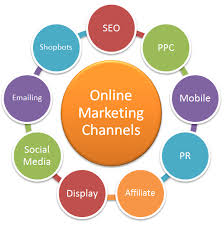
Search Engine Advertising: Platforms like Google Ads allow businesses to bid on keywords related to their products or services and display ads at the top of search engine results pages (SERPs).
Social Media Advertising: Social media platforms such as Facebook, Instagram, Twitter, and LinkedIn offer robust advertising options that enable businesses to target specific audiences based on demographics, interests, and behaviours.
Display Advertising: Display ads appear on websites within ad networks and can be targeted based on user behaviour or website content relevance.
In Conclusion
Paid digital marketing has become an indispensable tool for businesses looking to enhance their online visibility, drive traffic to their websites, and generate leads effectively. By harnessing the power of targeted advertising across various online channels, businesses can achieve remarkable results and stay ahead in today’s competitive digital landscape.
Understanding Paid Digital Marketing: Top 9 Frequently Asked Questions
- How to do paid digital marketing?
- What is most paid in digital marketing?
- Can you get paid for digital marketing?
- What are examples of paid marketing?
- What is paid digital marketing?
- What are paid digital marketing channels?
- What is a paid marketing strategy?
- What is the paid marketing?
- How does a digital marketer get paid?
How to do paid digital marketing?
To effectively engage in paid digital marketing, businesses can follow a strategic approach that involves several key steps. Firstly, it is essential to define clear objectives and identify the target audience to ensure that campaigns are tailored to reach the right people. Researching relevant keywords, demographics, and interests can help in creating targeted ads that resonate with potential customers. Choosing the appropriate digital marketing channels, such as search engine advertising or social media platforms, is crucial for maximising reach and impact. Regular monitoring of campaign performance through analytics and adjusting strategies based on data insights is also vital to optimise results and achieve desired outcomes in paid digital marketing efforts.
What is most paid in digital marketing?
In the realm of paid digital marketing, one of the most significant aspects that businesses invest in is targeted advertising. Targeted advertising allows businesses to tailor their marketing messages to specific demographics, interests, and behaviours, ensuring that their ads reach the right audience at the right time. By investing in targeted advertising, businesses can maximise their ROI by reaching potential customers who are more likely to engage with their products or services, ultimately leading to increased conversions and sales.
Can you get paid for digital marketing?
In the realm of digital marketing, professionals often wonder, “Can you get paid for digital marketing?” The answer is a resounding yes. Digital marketing offers a plethora of career opportunities where individuals can earn a living by leveraging their skills in areas such as social media management, search engine optimisation (SEO), content creation, email marketing, and more. Companies across industries are willing to invest in digital marketing expertise to enhance their online presence, reach their target audience, and drive business growth. As businesses increasingly recognise the value of effective digital strategies, skilled digital marketers are in high demand and can command competitive salaries or fees for their services.
What are examples of paid marketing?
Paid marketing encompasses a variety of strategies and channels that businesses can utilise to promote their products or services through paid placements. Examples of paid marketing include search engine advertising, where businesses bid on keywords to display ads on search engine results pages; social media advertising on platforms like Facebook, Instagram, Twitter, and LinkedIn to target specific audiences based on demographics and interests; display advertising that appears on websites within ad networks and can be targeted based on user behaviour or website content relevance; and influencer marketing, where brands collaborate with influencers to promote their products or services to a larger audience. These examples demonstrate the diverse opportunities available in paid marketing to reach and engage with target customers effectively.
What is paid digital marketing?
Paid digital marketing refers to the practice of using online advertising platforms to promote products or services through paid placements. This strategic approach allows businesses to target specific audiences based on demographics, interests, and online behaviours. By investing in paid digital marketing, businesses can increase their online visibility, drive traffic to their websites, and ultimately generate leads and sales. This method offers immediate results compared to organic strategies and provides measurable performance metrics to evaluate the effectiveness of campaigns. Paid digital marketing has become a vital tool for businesses aiming to reach their target audience effectively in today’s competitive online landscape.
What are paid digital marketing channels?
Paid digital marketing channels encompass a variety of online platforms and mediums through which businesses can promote their products or services by paying for ad placements. These channels include search engine advertising, social media advertising, display advertising, video advertising, email marketing, and more. Each channel offers unique targeting options and formats to reach specific audiences effectively. By utilising a combination of paid digital marketing channels, businesses can maximise their reach, engage with potential customers, and drive conversions to achieve their marketing goals in the competitive online landscape.
What is a paid marketing strategy?
A paid marketing strategy refers to the approach businesses take to promote their products or services through paid advertising channels online. It involves allocating a budget towards targeted advertisements on platforms such as search engines, social media, and display networks to reach specific audiences. By strategically investing in paid marketing tactics, businesses can increase brand visibility, drive website traffic, generate leads, and ultimately boost sales. This method allows companies to leverage data-driven insights and analytics to optimise their campaigns for maximum impact and return on investment in today’s competitive digital landscape.
What is the paid marketing?
Paid marketing, also known as paid digital marketing, refers to the practice of promoting products or services through online advertising channels for a fee. This form of marketing involves businesses paying to display their ads on various platforms such as search engines, social media networks, and websites. Paid marketing allows companies to target specific audiences based on demographics, interests, and behaviours, ensuring that their message reaches the right people at the right time. By investing in paid marketing strategies, businesses can increase brand visibility, drive website traffic, and generate leads effectively in today’s competitive digital landscape.
How does a digital marketer get paid?
In the realm of paid digital marketing, the compensation structure for digital marketers varies depending on the specific role and engagement. Typically, digital marketers can be paid through several methods, including a fixed salary, hourly rates, project-based fees, or performance-based incentives such as commissions or bonuses tied to the success of campaigns. Some digital marketers may also work on a freelance or contract basis, where payment terms are negotiated upfront based on the scope of work and deliverables. Ultimately, how a digital marketer gets paid is determined by factors such as their expertise, experience level, and the nature of the marketing services provided.