

hubspot digital marketing

HubSpot Digital Marketing: A Practical Guide for Growing Your Business

HubSpot Digital Marketing: A Practical Guide for Growing Businesses

Digital marketing works best when its different parts are connected. Your website, email campaigns, social media, content and sales activity should all support the same goals. HubSpot is a platform designed to bring many of these activities together, helping businesses attract potential customers, build relationships and measure results.

Whether you are new to digital marketing or looking to improve an established strategy, understanding how HubSpot can be used is a useful starting point.

What is HubSpot digital marketing?

HubSpot digital marketing means using HubSpot’s tools and customer data to plan, deliver and assess online marketing activity. Depending on the products and features a business uses, the platform can support tasks such as:

  • Creating and managing website pages and landing pages
  • Publishing blogs and other content
  • Sending marketing emails
  • Managing social media activity
  • Capturing and organising leads
  • Automating follow-up communications
  • Reporting on campaign performance

HubSpot also includes a customer relationship management system, commonly known as a CRM. This can help marketing and sales teams keep relevant customer information in one place and understand how someone has interacted with a business.

How HubSpot can support your marketing strategy

Attract the right audience

Useful content can help bring prospective customers to your website. With HubSpot, businesses can plan and publish blog articles, guides and landing pages, then use search engine optimisation (SEO) practices to improve their chances of being found in search results.

The key is to create content that answers genuine questions. Before writing, consider what your audience needs to know, what problems they are trying to solve and what action they may want to take next.

Convert visitors into leads

A website visit is only the beginning of a customer relationship. Forms, calls to action and landing pages can encourage visitors to take a next step, such as requesting a consultation, downloading a guide or signing up for updates.

Keep forms relevant and straightforward. Asking for too much information too early can discourage people from completing them. Make it clear what someone will receive and how their details will be used.

Nurture relationships with email and automation

Email marketing can help a business stay in touch with people who have chosen to hear from it. HubSpot can be used to organise contacts, send targeted campaigns and build automated workflows for suitable follow-up activity.

Automation should make communications more timely and relevant, rather than simply increasing the number of messages sent. For example, a new subscriber might receive a short welcome series related to the content they requested. Make sure your email practices comply with UK data protection and electronic marketing rules, including the UK GDPR and Privacy and Electronic Communications Regulations (PECR).

Connect marketing and sales

Marketing activity can generate enquiries, while sales teams handle conversations and opportunities. When both teams work from consistent information, it is easier to understand a lead’s history and agree how to follow up. A shared CRM can help create that continuity, provided the data is kept accurate and the teams agree on how it should be used.

Measuring performance in HubSpot

Reporting can help you understand what is working and where to make improvements. The most useful measures depend on your business goals, but may include:

  • Website visits and traffic sources
  • Search visibility and engagement with content
  • Landing-page conversion rates
  • Email engagement, such as clicks and unsubscribes
  • Lead quality and progression through the sales process
  • Campaign outcomes, such as enquiries or revenue

It is important to look beyond surface-level figures. A high number of page views may not be valuable if those visitors are unlikely to become customers. Choose measures that relate to your objectives and review them regularly.

Getting started with HubSpot

  1. Set clear goals. Decide what you want your marketing to achieve, such as increasing qualified enquiries or improving repeat business.
  2. Understand your audience. Identify the people you want to reach, their needs and the questions they commonly ask.
  3. Review your existing activity. Take stock of your website, content, email lists and customer data before adding new campaigns.
  4. Organise your CRM. Agree how contacts and opportunities will be recorded, and remove or correct outdated information where appropriate.
  5. Start with a manageable campaign. Test one clear activity, such as a helpful guide supported by a landing page and a relevant email.
  6. Measure and refine. Review the results, learn from them and make considered changes.

Common mistakes to avoid

HubSpot can provide a broad range of features, but using more tools does not automatically lead to better marketing. Common pitfalls include setting up automation without a clear purpose, collecting data that is never maintained, sending generic emails to every contact and tracking metrics that do not connect to business outcomes.

It is also easy to focus on the platform rather than the customer. A well-configured system can support a strong strategy, but it cannot replace useful content, clear messaging or thoughtful service.

Making HubSpot work for your business

HubSpot can help businesses bring marketing activity, customer information and reporting closer together. Its greatest value comes when the platform is configured around clear goals and supported by consistent processes. Start with the needs of your audience, choose a small number of meaningful objectives and build your approach step by step.

With a considered strategy and regular review, HubSpot can become a practical part of a more joined-up digital marketing programme.


Maximise Your HubSpot Strategy: 6 Essential Tips for Effective Digital Marketing

  1. Use HubSpot forms to capture leads from key landing pages.
  2. Segment contacts to send more relevant email campaigns.
  3. Automate follow-ups for new leads with simple workflows.
  4. Track campaign performance using HubSpot reports.
  5. Optimise landing pages for mobile and fast loading.
  6. Use lead scoring to prioritise promising prospects.

Use HubSpot forms to capture leads from key landing pages.

Use HubSpot forms on key landing pages to turn interested visitors into potential customers. Keep each form simple, asking only for the details you genuinely need, and make the benefit of submitting it clear—whether that’s receiving a guide, booking a consultation or requesting a quote. Connect form submissions to your CRM so your team can organise enquiries, follow up promptly and understand which pages are generating leads. Remember to explain how you’ll use people’s information and follow relevant UK data protection and electronic marketing requirements.

Segment contacts to send more relevant email campaigns.

Segmenting your contacts in HubSpot helps you send email campaigns that are more relevant to each audience. Group contacts by factors such as their interests, previous purchases, location or stage in the customer journey, then tailor your content and offers to suit their needs. More targeted emails can improve engagement and build stronger customer relationships, while giving recipients a better reason to open and act on your messages.

Automate follow-ups for new leads with simple workflows.

Automate follow-ups for new leads with simple HubSpot workflows to make sure enquiries receive a timely, consistent response. For example, when someone fills in a form, you could send a relevant confirmation email, notify the right team member and schedule a reminder to follow up. Keep each workflow focused, personalise messages where possible and review performance regularly, so automation feels helpful rather than impersonal. Ensure your process also follows UK data protection and electronic marketing rules.

Track campaign performance using HubSpot reports.

Track campaign performance using HubSpot reports to see which activities are delivering results and where there’s room to improve. Monitor relevant measures such as website visits, email engagement, lead conversions and enquiries, linking each one to a clear campaign goal. Review the data regularly and use what you learn to refine your messaging, audience targeting and next steps.

Optimise landing pages for mobile and fast loading.

Optimise your HubSpot landing pages for mobile by using a responsive design, clear headings, easy-to-tap buttons and concise forms. Keep loading times fast by compressing images, limiting unnecessary scripts and removing elements that do not support the page’s goal. A quick, easy-to-use landing page helps visitors stay engaged and makes it simpler for them to take the next step, whether they are browsing on a phone, tablet or computer.

Use lead scoring to prioritise promising prospects.

Use lead scoring to help your team focus on the prospects most likely to become customers. In HubSpot, assign points based on relevant details and behaviours, such as a prospect’s industry, job role, visits to key pages or engagement with your emails. Agree clear criteria with your sales team, then review and refine the scoring over time to keep it useful. A well-designed system can guide timely, relevant follow-up without treating a score as a substitute for personal judgement.
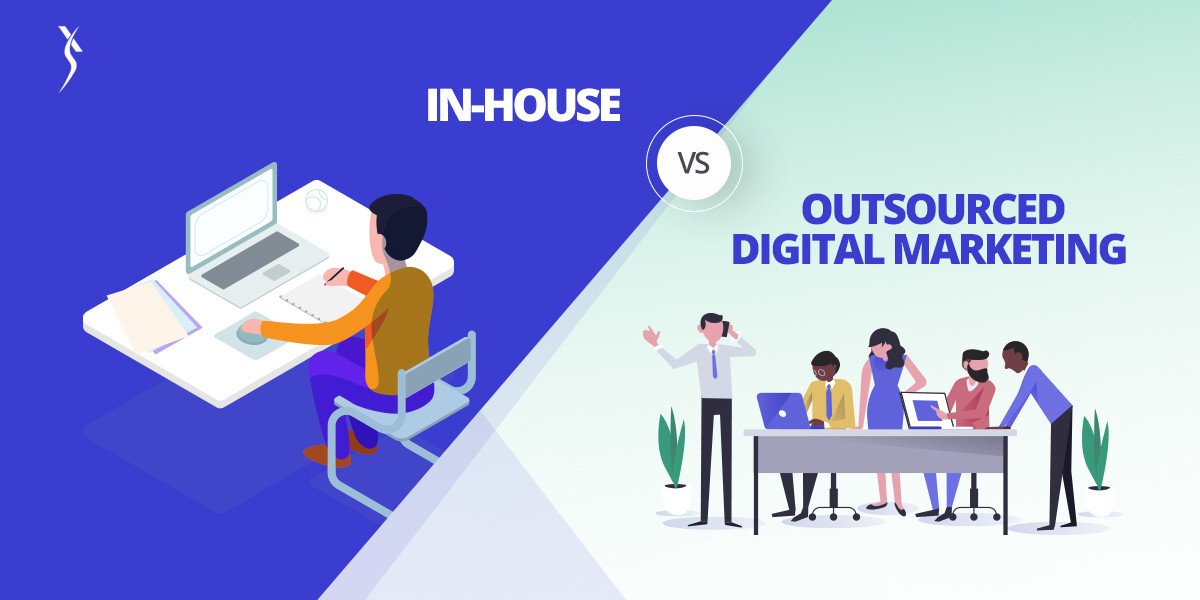

outsource digital marketing

Outsource Digital Marketing: A Practical Guide for Growing Businesses

Outsource Digital Marketing: A Practical Guide for Growing Businesses

Digital marketing can help a business reach new customers, build its reputation and grow sales. But managing it well takes time and a mix of skills, from content creation and search engine optimisation to paid advertising and analytics. For many businesses, outsourcing some or all of their digital marketing is a practical way to access that expertise without building a large in-house team.

Outsourcing is not simply handing over your marketing and hoping for the best. The strongest partnerships start with clear goals, open communication and a shared understanding of what success looks like.

What does it mean to outsource digital marketing?

Outsourcing digital marketing means working with an external agency, consultant or specialist to plan and deliver some or all of your online marketing activity. The arrangement can be flexible. You might bring in a specialist for one project, such as a website launch, or appoint a marketing partner to support ongoing campaigns.

Common services include:

  • Search engine optimisation (SEO)
  • Pay-per-click (PPC) and paid social campaigns
  • Social media strategy and management
  • Content strategy, copywriting and design
  • Email marketing and automation
  • Website design, development and conversion optimisation
  • Analytics, reporting and marketing strategy

Why outsource digital marketing?

Access specialist skills

Digital marketing covers a broad range of disciplines, and the platforms and best practices are constantly changing. An external team may bring together specialists with experience across several channels, giving your business access to skills that would be difficult or costly to recruit individually.

Make better use of your time

Planning campaigns, producing content and monitoring results can take up a significant amount of time. Outsourcing some of this work allows your team to focus on customers, products and other priorities, while marketing activity continues to move forward.

Scale support to suit your needs

Your requirements may change over time. You may need extra support for a product launch, seasonal campaign or period of rapid growth, then a lighter level of input afterwards. An outsourced arrangement can often be adjusted more easily than a permanent team.

Bring a fresh perspective

People close to a business can sometimes find it difficult to see its marketing from a customer’s point of view. An external partner can offer an independent perspective, identify opportunities and challenge assumptions constructively.

What should you keep in-house?

Outsourcing does not mean stepping away from marketing altogether. Your business still needs to provide direction, share knowledge and make decisions. Internal teams are often best placed to explain your products, customers, culture and commercial priorities.

A useful approach is to outsource specialist delivery while retaining ownership of the overall business strategy. Agree who is responsible for approvals, customer insight, budgets and reporting before work begins.

How to choose a digital marketing partner

Start with clear objectives

Before approaching agencies or consultants, decide what you want to achieve. For example, you might want to increase qualified enquiries, improve online sales, grow organic search traffic or strengthen customer retention. Clear objectives make it easier to assess whether a potential partner is right for you.

Look for relevant experience

Ask about their experience with businesses like yours, the services they provide and how they approach similar challenges. Case studies can be helpful, but look beyond headline results. Find out what work was carried out, over what period and how success was measured.

Understand how they measure results

Good reporting should connect marketing activity to your business goals. Depending on your objectives, useful measures might include qualified leads, conversion rates, revenue, customer acquisition cost or return on advertising spend. Be wary of relying on surface-level figures, such as impressions or follower counts, without understanding how they contribute to meaningful outcomes.

Check communication and responsibilities

Discuss how often you will meet, who your main contact will be and what information the partner will need from your team. Make sure you understand what is included in the fee, how additional work is approved and who owns assets such as website content, advertising accounts and creative files.

Common challenges to consider

Outsourcing can bring valuable expertise, but it is not an instant fix. Results may take time, particularly in areas such as SEO and content marketing. An external partner will also need accurate information and timely feedback from your business to do their work effectively.

To reduce the risk of misunderstandings, set expectations at the outset. Agree objectives, budgets, timelines, reporting arrangements and decision-making processes. Keep access to your own digital accounts and make sure important knowledge does not sit with one person or provider alone.

Is outsourcing right for your business?

Outsourcing digital marketing may suit businesses that need specialist expertise, want to increase capacity or are not ready to recruit a full in-house team. It can also work well alongside internal staff, with an external partner providing technical support or campaign delivery.

The right arrangement depends on your goals, budget and the skills you already have. Begin by identifying where your marketing needs the most support, then look for a partner who can explain their approach clearly and measure progress against outcomes that matter to your business.

Making outsourcing work

Successful outsourcing is built on collaboration. Share your business goals and customer knowledge, give your partner access to the information they need, and review performance regularly. With clear responsibilities and realistic expectations, an external marketing team can become a valuable extension of your business and help you make more of your digital opportunities.


Six Essential Tips for Successfully Outsourcing Digital Marketing

  1. Set clear goals before outsourcing.
  2. Choose an agency with relevant experience.
  3. Agree budgets, deliverables and timelines upfront.
  4. Keep ownership of your accounts and data.
  5. Schedule regular performance reviews.
  6. Make sure the agency understands your audience and brand.

Set clear goals before outsourcing.

Before outsourcing your digital marketing, set clear goals so you and your chosen partner understand what success looks like. Decide what you want to achieve, such as increasing qualified enquiries, growing online sales or improving website traffic, and agree how progress will be measured. Clear goals help shape the right strategy, focus the budget and make it easier to assess whether your marketing is delivering results.

Choose an agency with relevant experience.

Choose an agency with relevant experience in your industry, audience or type of campaign. They’re more likely to understand your challenges, recognise what resonates with your customers and recommend a practical approach. Ask for examples of similar work and how results were measured, so you can judge whether their experience matches your goals.

Agree budgets, deliverables and timelines upfront.

Agreeing budgets, deliverables and timelines upfront helps keep your outsourced digital marketing on track. Be clear about what work is included, when you expect it to be completed and how much you have allocated, including any additional costs such as advertising spend. Setting these expectations early helps prevent misunderstandings, makes progress easier to review and gives both sides a clear basis for managing changes along the way.

Keep ownership of your accounts and data.

Keep ownership of your digital marketing accounts and data, even when working with an external agency or freelancer. Set up platforms such as Google Analytics, Google Ads and social media accounts in your business’s name, and grant your partner the access they need to do their work. This keeps your records, audiences and campaign history under your control, makes it easier to review performance, and helps ensure a smooth transition if you change providers.

Schedule regular performance reviews.

Schedule regular performance reviews to check whether your outsourced digital marketing is delivering against the goals you agreed. Review key measures such as qualified leads, conversions, website traffic and campaign costs, and discuss what is working, what needs to change and why. Consistent check-ins help you and your marketing partner spot issues early, make informed decisions and keep activity aligned with your business priorities.

Make sure the agency understands your audience and brand.

Before outsourcing your digital marketing, make sure the agency takes time to understand your audience, your brand and what makes your business different. They should be clear about your customers’ needs, your tone of voice and the promises you make, so their campaigns feel consistent and relevant. Share useful customer insights and brand guidelines, and ask how the agency will apply them in its work. The better they understand your business, the more effectively they can create marketing that connects with the right people.

certified digital marketer

Unlocking Success: The Expertise of a Certified Digital Marketer

Certified Digital Marketer: Navigating the Digital Landscape with Expertise

The Role of a Certified Digital Marketer in Today’s Business World

In the fast-paced digital age, businesses are constantly seeking ways to reach and engage with their target audiences online. This is where a certified digital marketer plays a crucial role. With expertise in various digital marketing strategies and tools, these professionals help companies navigate the complex digital landscape and achieve their marketing goals effectively.

What Does It Mean to Be a Certified Digital Marketer?

A certified digital marketer is someone who has undergone specific training and obtained certification in various aspects of digital marketing. This includes areas such as search engine optimisation (SEO), social media marketing, content marketing, email marketing, pay-per-click (PPC) advertising, and more. By earning certifications from reputable organisations or institutions, these professionals demonstrate their knowledge and skills in using digital channels to drive business growth.

The Skills and Expertise of a Certified Digital Marketer

Certified digital marketers possess a range of skills that are essential for success in today’s competitive online environment. These skills include:

  • Data Analysis: Understanding and interpreting data to measure the effectiveness of digital campaigns and make informed decisions.
  • Content Creation: Developing engaging content that resonates with target audiences across different digital platforms.
  • Marketing Automation: Utilising automation tools to streamline marketing processes and improve efficiency.
  • Strategic Planning: Creating comprehensive digital marketing strategies aligned with business objectives.
  • Continuous Learning: Staying updated on the latest trends and best practices in digital marketing to remain competitive.

The Value of Hiring a Certified Digital Marketer

Businesses that work with certified digital marketers benefit from their expertise in developing targeted campaigns, analysing performance metrics, and optimising strategies for maximum impact. These professionals can help companies increase brand awareness, generate leads, drive website traffic, and ultimately boost sales conversions through effective digital marketing tactics.

In Conclusion

A certified digital marketer plays a vital role in helping businesses thrive in the ever-evolving digital landscape. By leveraging their skills and expertise, companies can establish a strong online presence, engage with their target audience effectively, and achieve sustainable growth in today’s competitive market.


Top 7 Advantages of Hiring a Certified Digital Marketer

  1. Expertise in various digital marketing strategies
  2. Ability to drive targeted traffic to websites
  3. Proficiency in analysing data and measuring campaign performance
  4. Skills in creating engaging content for online audiences
  5. Knowledge of SEO best practices to improve search engine rankings
  6. Experience in managing social media campaigns effectively
  7. Capability to adapt to evolving digital trends and technologies


Challenges of Certified Digital Marketing: High Costs, Constant Changes, and Certification Overload

  1. Costly Certification Process
  2. Rapidly Changing Landscape
  3. Certification Overload

Expertise in various digital marketing strategies

A certified digital marketer brings invaluable expertise in various digital marketing strategies, allowing businesses to navigate the complex online landscape with confidence and precision. From search engine optimisation (SEO) to social media marketing, content creation, email campaigns, and pay-per-click (PPC) advertising, these professionals possess the knowledge and skills needed to develop tailored strategies that drive engagement, increase brand visibility, and ultimately boost conversions. By leveraging their diverse skill set, a certified digital marketer can help businesses effectively reach their target audiences and achieve measurable results in today’s competitive digital environment.

Ability to drive targeted traffic to websites

Certified digital marketers possess the valuable skill of driving targeted traffic to websites, which is essential for increasing brand visibility and attracting potential customers. By leveraging their expertise in various digital marketing strategies such as SEO, PPC advertising, and social media marketing, these professionals can effectively reach the right audience segments and direct them to relevant website content. This targeted approach not only boosts website traffic but also enhances the quality of visitors, leading to higher conversion rates and improved overall online performance for businesses.

Proficiency in analysing data and measuring campaign performance

Certified digital marketers excel in analysing data and measuring campaign performance, a skill crucial for driving successful digital marketing strategies. By interpreting key metrics and insights, they can evaluate the effectiveness of campaigns, identify areas for improvement, and make data-driven decisions to optimise marketing efforts. With their proficiency in data analysis, certified digital marketers can track performance indicators accurately, refine targeting strategies, and ultimately enhance ROI for businesses in the competitive online landscape.

Skills in creating engaging content for online audiences

Certified digital marketers excel in creating compelling and engaging content tailored to capture the attention of online audiences. With their expertise in crafting relevant and captivating content, these professionals have a keen understanding of audience preferences and behaviours, allowing them to develop content strategies that resonate with target demographics. By leveraging their skills in creating engaging content, certified digital marketers can drive increased traffic, enhance brand visibility, and foster meaningful connections with online audiences, ultimately contributing to the overall success of digital marketing campaigns.

Knowledge of SEO best practices to improve search engine rankings

Certified digital marketers bring valuable expertise in SEO best practices to enhance search engine rankings for businesses. By utilising their knowledge of keyword research, on-page optimisation, link building strategies, and technical SEO elements, these professionals can help improve a company’s online visibility and organic traffic. Implementing effective SEO tactics not only boosts search engine rankings but also increases website credibility, drives quality leads, and ultimately enhances the overall online presence of the business.

Experience in managing social media campaigns effectively

Having experience in managing social media campaigns effectively is a valuable pro of a certified digital marketer. With expertise in creating and executing targeted strategies across various social media platforms, these professionals can help businesses enhance their online presence, engage with their audience, and drive meaningful interactions. By leveraging their knowledge of social media analytics and trends, certified digital marketers can optimise campaigns for maximum reach and impact, ultimately contributing to the overall success of a company’s digital marketing efforts.

Certified digital marketers possess the invaluable pro of being able to adapt swiftly to the ever-changing landscape of digital trends and technologies. Their continuous learning mindset allows them to stay abreast of the latest advancements in the digital realm, enabling them to implement innovative strategies and leverage emerging technologies effectively. This capability not only ensures that their marketing efforts remain relevant and impactful but also positions them as valuable assets in helping businesses navigate and thrive in the dynamic digital environment.

Costly Certification Process

The cost of obtaining certifications in various digital marketing areas can pose a significant challenge for aspiring professionals in the field. The process often demands a substantial financial investment, as well as a considerable amount of time dedicated to training and studying. This financial burden may deter individuals from pursuing certification, limiting access to valuable educational opportunities and potentially hindering career advancement in the competitive digital marketing industry.

Rapidly Changing Landscape

In the realm of digital marketing, one significant challenge faced by certified professionals is the rapidly changing landscape of the industry. The evolution of digital marketing strategies, technologies, and platforms occurs at a swift pace, necessitating constant adaptation and learning. Certified digital marketers must proactively update their skills and knowledge to keep up with the latest trends and best practices in order to remain relevant and competitive in this dynamic environment.

Certification Overload

In the realm of certified digital marketers, a significant con to consider is the phenomenon of Certification Overload. While holding numerous certifications may seem impressive on paper, relying solely on these credentials without substantial practical experience can hinder one’s ability to achieve genuine success in the real world. It is crucial to recognise that hands-on experience plays a pivotal role in applying theoretical knowledge effectively and navigating the complexities of digital marketing strategies with confidence and proficiency. Striking a balance between certifications and practical experience is essential for aspiring digital marketers to truly excel in their field and deliver tangible results for their clients or employers.