

hubspot digital marketing

HubSpot Digital Marketing: A Practical Guide for Growing Your Business

HubSpot Digital Marketing: A Practical Guide for Growing Businesses

Digital marketing works best when its different parts are connected. Your website, email campaigns, social media, content and sales activity should all support the same goals. HubSpot is a platform designed to bring many of these activities together, helping businesses attract potential customers, build relationships and measure results.

Whether you are new to digital marketing or looking to improve an established strategy, understanding how HubSpot can be used is a useful starting point.

What is HubSpot digital marketing?

HubSpot digital marketing means using HubSpot’s tools and customer data to plan, deliver and assess online marketing activity. Depending on the products and features a business uses, the platform can support tasks such as:

  • Creating and managing website pages and landing pages
  • Publishing blogs and other content
  • Sending marketing emails
  • Managing social media activity
  • Capturing and organising leads
  • Automating follow-up communications
  • Reporting on campaign performance

HubSpot also includes a customer relationship management system, commonly known as a CRM. This can help marketing and sales teams keep relevant customer information in one place and understand how someone has interacted with a business.

How HubSpot can support your marketing strategy

Attract the right audience

Useful content can help bring prospective customers to your website. With HubSpot, businesses can plan and publish blog articles, guides and landing pages, then use search engine optimisation (SEO) practices to improve their chances of being found in search results.

The key is to create content that answers genuine questions. Before writing, consider what your audience needs to know, what problems they are trying to solve and what action they may want to take next.

Convert visitors into leads

A website visit is only the beginning of a customer relationship. Forms, calls to action and landing pages can encourage visitors to take a next step, such as requesting a consultation, downloading a guide or signing up for updates.

Keep forms relevant and straightforward. Asking for too much information too early can discourage people from completing them. Make it clear what someone will receive and how their details will be used.

Nurture relationships with email and automation

Email marketing can help a business stay in touch with people who have chosen to hear from it. HubSpot can be used to organise contacts, send targeted campaigns and build automated workflows for suitable follow-up activity.

Automation should make communications more timely and relevant, rather than simply increasing the number of messages sent. For example, a new subscriber might receive a short welcome series related to the content they requested. Make sure your email practices comply with UK data protection and electronic marketing rules, including the UK GDPR and Privacy and Electronic Communications Regulations (PECR).

Connect marketing and sales

Marketing activity can generate enquiries, while sales teams handle conversations and opportunities. When both teams work from consistent information, it is easier to understand a lead’s history and agree how to follow up. A shared CRM can help create that continuity, provided the data is kept accurate and the teams agree on how it should be used.

Measuring performance in HubSpot

Reporting can help you understand what is working and where to make improvements. The most useful measures depend on your business goals, but may include:

  • Website visits and traffic sources
  • Search visibility and engagement with content
  • Landing-page conversion rates
  • Email engagement, such as clicks and unsubscribes
  • Lead quality and progression through the sales process
  • Campaign outcomes, such as enquiries or revenue

It is important to look beyond surface-level figures. A high number of page views may not be valuable if those visitors are unlikely to become customers. Choose measures that relate to your objectives and review them regularly.

Getting started with HubSpot

  1. Set clear goals. Decide what you want your marketing to achieve, such as increasing qualified enquiries or improving repeat business.
  2. Understand your audience. Identify the people you want to reach, their needs and the questions they commonly ask.
  3. Review your existing activity. Take stock of your website, content, email lists and customer data before adding new campaigns.
  4. Organise your CRM. Agree how contacts and opportunities will be recorded, and remove or correct outdated information where appropriate.
  5. Start with a manageable campaign. Test one clear activity, such as a helpful guide supported by a landing page and a relevant email.
  6. Measure and refine. Review the results, learn from them and make considered changes.

Common mistakes to avoid

HubSpot can provide a broad range of features, but using more tools does not automatically lead to better marketing. Common pitfalls include setting up automation without a clear purpose, collecting data that is never maintained, sending generic emails to every contact and tracking metrics that do not connect to business outcomes.

It is also easy to focus on the platform rather than the customer. A well-configured system can support a strong strategy, but it cannot replace useful content, clear messaging or thoughtful service.

Making HubSpot work for your business

HubSpot can help businesses bring marketing activity, customer information and reporting closer together. Its greatest value comes when the platform is configured around clear goals and supported by consistent processes. Start with the needs of your audience, choose a small number of meaningful objectives and build your approach step by step.

With a considered strategy and regular review, HubSpot can become a practical part of a more joined-up digital marketing programme.


Maximise Your HubSpot Strategy: 6 Essential Tips for Effective Digital Marketing

  1. Use HubSpot forms to capture leads from key landing pages.
  2. Segment contacts to send more relevant email campaigns.
  3. Automate follow-ups for new leads with simple workflows.
  4. Track campaign performance using HubSpot reports.
  5. Optimise landing pages for mobile and fast loading.
  6. Use lead scoring to prioritise promising prospects.

Use HubSpot forms to capture leads from key landing pages.

Use HubSpot forms on key landing pages to turn interested visitors into potential customers. Keep each form simple, asking only for the details you genuinely need, and make the benefit of submitting it clear—whether that’s receiving a guide, booking a consultation or requesting a quote. Connect form submissions to your CRM so your team can organise enquiries, follow up promptly and understand which pages are generating leads. Remember to explain how you’ll use people’s information and follow relevant UK data protection and electronic marketing requirements.

Segment contacts to send more relevant email campaigns.

Segmenting your contacts in HubSpot helps you send email campaigns that are more relevant to each audience. Group contacts by factors such as their interests, previous purchases, location or stage in the customer journey, then tailor your content and offers to suit their needs. More targeted emails can improve engagement and build stronger customer relationships, while giving recipients a better reason to open and act on your messages.

Automate follow-ups for new leads with simple workflows.

Automate follow-ups for new leads with simple HubSpot workflows to make sure enquiries receive a timely, consistent response. For example, when someone fills in a form, you could send a relevant confirmation email, notify the right team member and schedule a reminder to follow up. Keep each workflow focused, personalise messages where possible and review performance regularly, so automation feels helpful rather than impersonal. Ensure your process also follows UK data protection and electronic marketing rules.

Track campaign performance using HubSpot reports.

Track campaign performance using HubSpot reports to see which activities are delivering results and where there’s room to improve. Monitor relevant measures such as website visits, email engagement, lead conversions and enquiries, linking each one to a clear campaign goal. Review the data regularly and use what you learn to refine your messaging, audience targeting and next steps.

Optimise landing pages for mobile and fast loading.

Optimise your HubSpot landing pages for mobile by using a responsive design, clear headings, easy-to-tap buttons and concise forms. Keep loading times fast by compressing images, limiting unnecessary scripts and removing elements that do not support the page’s goal. A quick, easy-to-use landing page helps visitors stay engaged and makes it simpler for them to take the next step, whether they are browsing on a phone, tablet or computer.

Use lead scoring to prioritise promising prospects.

Use lead scoring to help your team focus on the prospects most likely to become customers. In HubSpot, assign points based on relevant details and behaviours, such as a prospect’s industry, job role, visits to key pages or engagement with your emails. Agree clear criteria with your sales team, then review and refine the scoring over time to keep it useful. A well-designed system can guide timely, relevant follow-up without treating a score as a substitute for personal judgement.
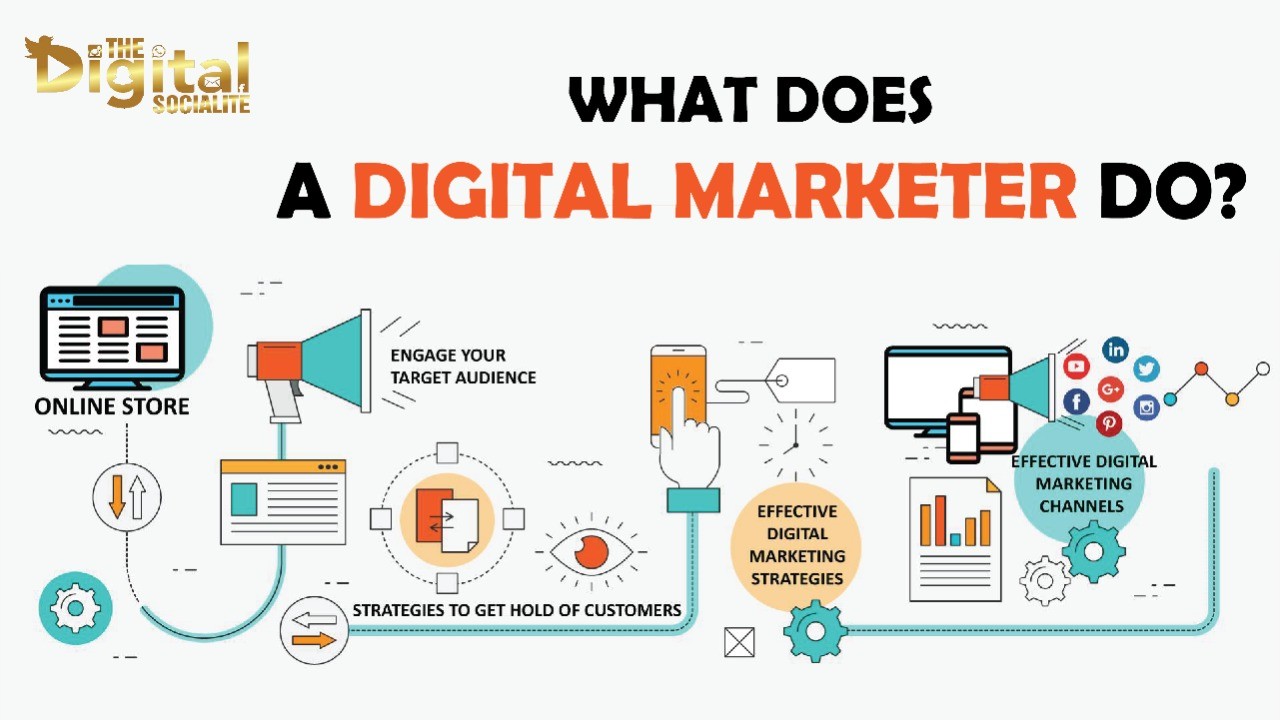
how to do digital marketing

How to Do Digital Marketing: A Practical Guide to Growing Your Business

How to Do Digital Marketing: A Practical Guide

Digital marketing helps businesses reach and engage customers through online channels. It can include search engines, social media, email, websites, online advertising and more. The best results come from choosing the right mix of channels, understanding your audience and improving your activity over time—not simply posting everywhere.

Whether you run a small business or are developing a larger marketing plan, these steps can help you get started.

Set clear marketing goals

Begin by deciding what you want your digital marketing to achieve. A clear goal gives your activity direction and helps you judge whether it is working.

Your goals might include:

  • Increasing sales or bookings
  • Generating enquiries or leads
  • Building awareness of your business
  • Growing an email subscriber list
  • Encouraging repeat purchases

Make goals specific and measurable. For example, instead of aiming to “get more website traffic”, you might aim to increase relevant organic visits by 15% over the next six months.

Understand your audience

Effective marketing starts with knowing who you want to reach. Consider what your ideal customers need, what problems they are trying to solve and how they choose between different options.

Useful sources of insight include customer conversations, sales enquiries, reviews, website analytics and research into your market. You can use this information to create audience profiles covering factors such as customers’ needs, interests, location and preferred ways of finding information.

Focus on useful insights rather than assumptions. A clear understanding of your audience will help you choose suitable messages, channels and offers.

Make your website work hard

Your website is often the place where people decide whether to take the next step. Make sure it clearly explains what you offer, who it is for and what visitors should do next.

Check that your website:

  • Works well on mobile phones and tablets
  • Loads quickly and is easy to navigate
  • Uses clear, helpful language
  • Includes prominent calls to action, such as “Get a quote” or “Book a consultation”
  • Provides accurate contact details and relevant trust signals
  • Can be used by people with different access needs

Review important pages regularly, especially those that attract visitors from search, social media or advertising.

Create useful content

Content marketing means creating and sharing material that helps your audience. This could include service pages, articles, videos, guides, case studies, email newsletters or social posts.

Start with the questions customers ask most often. Explain your products or services clearly, share practical advice and show how your business can help. Good content should be accurate, original and written for people—not just created to include keywords.

Plan content around your business goals and publish at a pace you can maintain. A small number of useful, well-presented pieces is often more valuable than frequent posts with little substance.

Improve your visibility in search

Search engine optimisation (SEO) helps people find your website when they look for relevant products, services or information. SEO is a long-term activity, but some fundamentals can make a strong start:

  • Research the words and questions your audience uses when searching
  • Write clear page titles and headings that accurately describe each page
  • Create helpful content that answers genuine questions
  • Use descriptive links between related pages on your site
  • Keep your business information accurate and consistent, particularly for local searches
  • Make your website fast, mobile-friendly and easy for search engines to understand

Avoid tactics that promise quick rankings through keyword stuffing or artificial links. Focus on building a useful website and a good experience for visitors.

Choose social media channels carefully

You do not need to be active on every social media platform. Choose the channels your audience uses and that suit your business. For example, a visually led brand may benefit from image or video platforms, while a business selling to other organisations might prioritise professional networks.

Share a balanced mix of content, such as advice, updates, product information and behind-the-scenes material. Make time to respond to comments and messages. Social media is most effective when it supports genuine communication, not just one-way promotion.

Use email marketing thoughtfully

Email can help you build relationships with people who have chosen to hear from your business. You might send useful updates, new content, event invitations or relevant offers.

Keep emails focused and make it easy for readers to understand why they are receiving them. Use a clear subject line, include a straightforward way to unsubscribe and only send marketing emails where you have the appropriate permission or other lawful basis. In the UK, businesses must follow applicable data protection and electronic marketing rules, including UK GDPR and the Privacy and Electronic Communications Regulations (PECR).

Consider paid advertising

Paid digital advertising can help you reach a defined audience or promote a specific offer. Options include search adverts, social media adverts, display advertising and sponsored content.

Before spending money, decide what action you want people to take and how you will measure it. Start with a controlled budget, test different audiences and messages, and check that the landing page matches the advert. Pause or adjust campaigns that are not delivering useful results.

Measure what matters

Use analytics and platform reporting to understand how people find and interact with your marketing. Choose measures that relate to your goals rather than focusing only on figures such as likes or page views.

Depending on your objectives, useful measures could include:

  • Qualified enquiries and conversion rate
  • Sales, bookings or revenue
  • Cost per lead or cost per sale
  • Relevant website visits and search visibility
  • Email sign-ups, clicks and unsubscribes
  • Repeat purchases or customer retention

Make sure tracking is configured appropriately and respect people’s privacy choices. If you use cookies or similar technologies, check the rules that apply and provide suitable information and controls.

Test, learn and improve

Digital marketing works best as an ongoing cycle. Review your results regularly, identify what is performing well and make one or two considered changes at a time. You could test different headlines, images, calls to action or audience groups.

Give changes enough time to produce meaningful data, but do not continue investing in activity that consistently fails to support your goals. Keep a record of what you try and what you learn.

Build a simple digital marketing plan

A practical plan does not need to be complicated. Write down:

  1. Your main business and marketing goals
  2. The audience you want to reach
  3. The channels most likely to reach that audience
  4. The content or campaigns you will create
  5. Your budget, responsibilities and timescales
  6. The measures you will use to assess progress

Start with a manageable number of activities, do them consistently and refine your approach using evidence. By combining clear goals, useful content, suitable channels and regular measurement, you can build digital marketing that supports sustainable business growth.


Mastering Digital Marketing: 7 Essential Tips for Success

  1. Set clear, measurable marketing goals.
  2. Know your audience and tailor your messages.
  3. Create useful, engaging content consistently.
  4. Optimise your website for mobile and search.
  5. Use social media channels your audience prefers.
  6. Test adverts and emails, then refine them.
  7. Track results and focus on what works.

Set clear, measurable marketing goals.

Set clear, measurable marketing goals so you know what your digital activity is working towards and can assess its impact. Rather than aiming to “get more customers”, choose a specific target, such as increasing online enquiries by 15% over the next three months or growing your email subscribers by 200. Make sure each goal is relevant to your business, has a timescale and can be tracked using reliable data. This will help you focus your time and budget on the marketing activities most likely to make a difference.

Know your audience and tailor your messages.

Know your audience and tailor your messages to their needs, interests and priorities. Think about the questions they ask, the challenges they face and what matters when choosing a product or service. Use these insights to create relevant content and choose the channels they are most likely to use. A clear, personal message is more likely to capture attention, build trust and encourage people to take the next step.

Create useful, engaging content consistently.

Create useful, engaging content consistently to give your audience a reason to pay attention and return to your business. Share helpful advice, answer common questions and explain how your products or services can meet customers’ needs. Choose formats that suit your audience—such as articles, videos, email updates or social media posts—and follow a realistic schedule you can maintain. Focus on quality and relevance rather than posting for the sake of it, and use audience feedback and performance data to improve what you create.

Optimise your website for mobile and search so people can find you and use your site easily, wherever they are. Make sure pages load quickly, text is easy to read on smaller screens and navigation is straightforward. Use clear page titles, descriptive headings and helpful content that answers the questions your audience is searching for. A fast, accessible, mobile-friendly website creates a better experience for visitors and can support your visibility in search results.

Use social media channels your audience prefers.

Choose the social media channels your audience already uses, rather than trying to be active on every platform. Find out where your customers spend their time and what kind of content they engage with, then focus your efforts there. This helps you share relevant posts, build stronger connections and make better use of your time and budget.

Test adverts and emails, then refine them.

Test different versions of your adverts and emails to find out what resonates with your audience. Try changing one element at a time, such as the headline, image, subject line or call to action, and compare results using relevant measures like clicks, enquiries or sales. Use what you learn to refine future campaigns, while giving each test enough time and reach to produce meaningful results.

Track results and focus on what works.

Track your digital marketing results to understand which activities are bringing in valuable visits, enquiries or sales. Choose measures that match your goals, such as conversion rates, cost per lead or repeat purchases, and review them regularly. Put more time and budget into the channels and messages that perform well, and adjust or stop those that do not. Keep testing small changes so you can build on what works and make better-informed decisions over time.