
Decoding Social Media Marketing Pricing: A Guide for Businesses in the UK

Social Media Marketing Pricing

The Cost of Social Media Marketing: What You Need to Know

Social media has become a powerful tool for businesses to reach and engage with their target audience. As more companies invest in social media marketing, understanding the pricing structure is crucial for making informed decisions about your marketing budget.

Factors Influencing Social Media Marketing Pricing:

Several factors can influence the cost of social media marketing services. These include:

  • Scope of Services: The range of services offered by a social media marketing agency, such as content creation, community management, advertising campaigns, and analytics reporting, can impact pricing.
  • Platform Selection: Different social media platforms have varying advertising costs. The choice of platforms where you want to run your campaigns will affect the overall pricing.
  • Target Audience Size: The size and demographics of your target audience can influence the complexity and cost of reaching them effectively on social media.
  • Campaign Objectives: Whether your goal is to increase brand awareness, drive website traffic, generate leads, or boost sales will determine the strategies and resources required for your campaign.

Common Pricing Models for Social Media Marketing:

Social media marketing agencies typically offer pricing based on the following models:

  • Monthly Retainer: Clients pay a fixed monthly fee for a set range of services agreed upon with the agency.
  • Project-Based Pricing: Costs are determined based on the scope and complexity of a specific project or campaign.
  • Performance-Based Pricing: Agencies may charge based on the results achieved, such as lead generation or sales conversions from social media campaigns.

Tips for Evaluating Social Media Marketing Pricing:

To ensure you are getting value for money when investing in social media marketing services, consider the following tips:

  • Define Your Goals: Clearly outline your objectives and expectations from social media marketing to align with the pricing structure that best suits your needs.
  • Evaluate Agency Expertise: Look for agencies with proven experience in delivering successful social media campaigns within your industry or niche.
  • Budget Allocation: Allocate a realistic budget that allows you to achieve your goals without compromising on quality or effectiveness.

In conclusion, understanding the factors influencing social media marketing pricing and choosing a pricing model that aligns with your goals are essential steps in maximising the ROI of your social media efforts. By working closely with a reputable agency and setting clear expectations, you can navigate the complexities of social media marketing pricing with confidence.


Understanding the Costs: 7 Key Questions About Social Media Marketing Pricing

  1. What factors influence the cost of social media marketing services?
  2. How do social media marketing agencies determine pricing?
  3. What are the common pricing models used in social media marketing?
  4. Can I customise a social media marketing package to suit my budget and needs?
  5. Do different social media platforms have varying advertising costs?
  6. Are there additional fees or hidden charges associated with social media marketing services?
  7. How can I ensure that I am getting value for money when investing in social media marketing?

What factors influence the cost of social media marketing services?

The cost of social media marketing services is influenced by several key factors that businesses should consider when planning their marketing budget. Factors such as the scope of services offered by a social media marketing agency, the selection of platforms for advertising, the size and demographics of the target audience, and the specific campaign objectives all play a significant role in determining pricing. Understanding these factors and their impact on pricing can help businesses make informed decisions about investing in social media marketing to effectively reach and engage with their target audience.

How do social media marketing agencies determine pricing?

Social media marketing agencies determine pricing based on various factors such as the scope of services offered, the complexity of the campaign, the target audience size, and the specific objectives of the client. Agencies may use different pricing models, including monthly retainers, project-based pricing, or performance-based pricing, depending on the needs and preferences of their clients. By considering these factors and working closely with clients to understand their goals and budget constraints, social media marketing agencies can tailor their pricing structure to deliver effective and value-driven services that meet the unique requirements of each client.

What are the common pricing models used in social media marketing?

In social media marketing, businesses often encounter various pricing models when engaging with agencies or professionals for their marketing needs. Common pricing models used in social media marketing include monthly retainers, project-based pricing, and performance-based pricing. With a monthly retainer, clients pay a fixed fee each month for a set range of services provided by the agency. Project-based pricing involves determining costs based on the scope and complexity of a specific project or campaign. Performance-based pricing ties the agency’s fees to the results achieved, such as lead generation or sales conversions from social media campaigns. Understanding these pricing models can help businesses choose the most suitable option that aligns with their goals and budget constraints in their social media marketing efforts.

Can I customise a social media marketing package to suit my budget and needs?

When it comes to social media marketing pricing, many businesses wonder if they can customise a package to align with their budget and specific needs. The answer is yes – most social media marketing agencies offer flexible options that allow clients to tailor their packages according to budget constraints and campaign objectives. By discussing your requirements with the agency, you can collaboratively create a customised plan that addresses your unique goals while staying within your financial parameters. This approach ensures that you get the most value out of your investment in social media marketing, making it a tailored solution that fits your business perfectly.

Do different social media platforms have varying advertising costs?

Yes, different social media platforms indeed have varying advertising costs. The cost of advertising on platforms such as Facebook, Instagram, Twitter, LinkedIn, and others can differ based on factors like audience size, competition, targeting options, and ad formats. Each platform offers unique features and demographics, which can impact the effectiveness and cost of running advertising campaigns. Understanding these variations in advertising costs across different social media platforms is crucial for businesses looking to maximise their marketing budgets and achieve optimal results in reaching their target audience.

Are there additional fees or hidden charges associated with social media marketing services?

When considering social media marketing services, it is common to wonder about additional fees or hidden charges that may arise. While reputable agencies typically provide transparent pricing structures, it is important to clarify any potential extra costs upfront. Some agencies may charge additional fees for premium services, ad spend budgets, or customised solutions beyond the standard package offerings. By discussing and outlining all possible charges with your chosen agency beforehand, you can ensure a clear understanding of the total investment required for your social media marketing campaigns.

How can I ensure that I am getting value for money when investing in social media marketing?

When considering social media marketing pricing, ensuring that you are getting value for money is crucial. To achieve this, it is essential to define clear objectives and goals for your social media campaigns. By aligning these with the pricing structure offered by the agency, you can ensure that your investment will deliver measurable results. Additionally, evaluating the expertise and track record of the agency in delivering successful social media campaigns can help you make an informed decision. Setting a realistic budget that allows for quality services without compromising on effectiveness is also key to maximising the return on your investment in social media marketing. By following these steps and working closely with a reputable agency, you can have confidence that you are getting value for money from your social media marketing efforts.
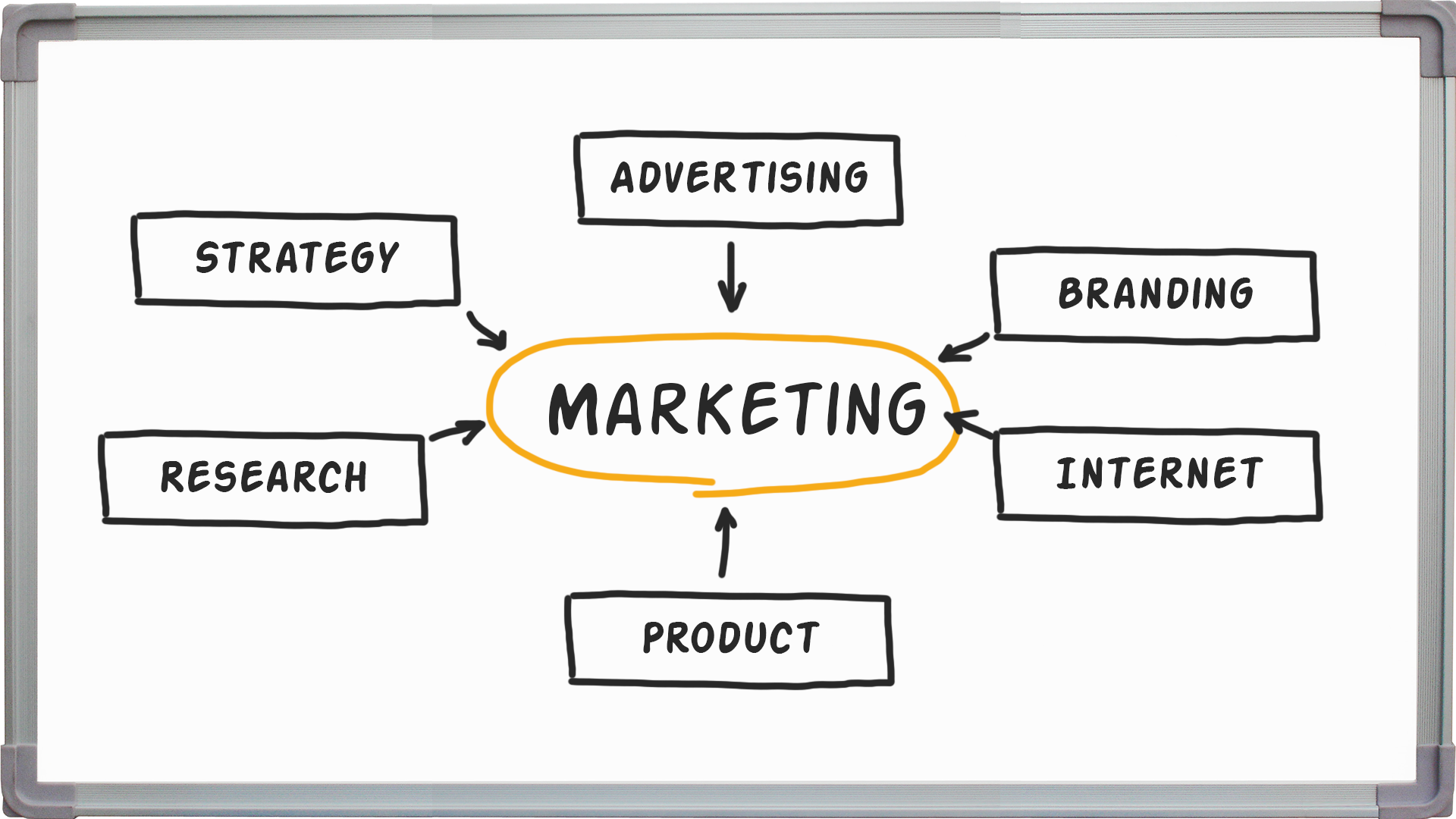
internet marketing strategy

Crafting an Effective Internet Marketing Strategy for Online Success

The Importance of a Strong Internet Marketing Strategy

In today’s digital age, having a robust internet marketing strategy is essential for businesses looking to thrive in the online realm. With the vast opportunities that the internet offers, it is crucial for companies to establish a solid online presence and effectively reach their target audience. Here are some key reasons why a well-defined internet marketing strategy is vital for success:

Increased Visibility

One of the primary goals of internet marketing is to enhance visibility and make your brand more accessible to potential customers. Through strategies such as search engine optimisation (SEO), social media marketing, and pay-per-click advertising, businesses can improve their online visibility and attract more traffic to their websites.

Targeted Audience Reach

Internet marketing allows businesses to target specific audience segments based on demographics, interests, behaviour, and other factors. By tailoring your marketing messages to resonate with your target audience, you can increase engagement and drive conversions more effectively.

Cost-Effectiveness

Compared to traditional marketing channels, internet marketing is often more cost-effective and offers a higher return on investment. With tools like email marketing, content marketing, and social media advertising, businesses can reach a large audience at a fraction of the cost of traditional advertising methods.

Data-Driven Insights

One of the significant advantages of internet marketing is the ability to gather valuable data and insights about customer behaviour and preferences. By analysing metrics such as website traffic, click-through rates, conversion rates, and more, businesses can make informed decisions to optimise their marketing campaigns for better results.

Competitive Advantage

In today’s competitive business landscape, having a strong internet marketing strategy can give you a competitive edge over rivals. By staying ahead of digital trends, engaging with your audience effectively, and delivering valuable content consistently, you can position your brand as a leader in your industry.

In conclusion, investing in an effective internet marketing strategy is crucial for businesses looking to succeed in the digital age. By leveraging the power of online channels and implementing targeted campaigns tailored to your audience’s needs, you can drive growth, increase brand awareness, and achieve long-term success in the ever-evolving digital landscape.


Essential FAQs on Internet Marketing Strategies: Key Concepts and Examples

  1. What is internet marketing and examples?
  2. What is an example of internet marketing strategy?
  3. What is Internet marketing with example?
  4. What are the 5 key components of internet marketing?
  5. What is internet strategy in marketing?
  6. What are the 7 steps of Internet marketing strategy?
  7. What are the 4 types of market strategies?
  8. What is the Internet marketing strategy?
  9. What are 3 examples of internet marketing?
  10. What are the four 4 types of marketing strategies?
  11. What is an internet marketing strategy?
  12. What Internet marketing strategy is most effective?
  13. What are the popular internet marketing strategies?
  14. What are the four core strategies of Internet marketing?
  15. What is internet marketing strategy?

What is internet marketing and examples?

Internet marketing refers to the use of online channels and digital technologies to promote products or services, engage with customers, and drive business growth. Examples of internet marketing strategies include search engine optimisation (SEO) to improve website visibility on search engines like Google, social media marketing to connect with audiences on platforms such as Facebook and Instagram, email marketing campaigns to nurture leads and build customer relationships, pay-per-click advertising for targeted online ads, content marketing through blogs and videos to provide valuable information to users, and affiliate marketing partnerships to expand reach through collaboration with other businesses. These diverse strategies showcase the versatility and effectiveness of internet marketing in reaching and engaging with audiences in the digital landscape.

What is an example of internet marketing strategy?

An example of an internet marketing strategy is content marketing. Content marketing involves creating and distributing valuable, relevant, and consistent content to attract and engage a target audience. This can include blog posts, articles, videos, infographics, and social media posts that provide useful information or entertainment to users. By implementing a content marketing strategy, businesses can build brand awareness, establish credibility, drive website traffic, and ultimately convert leads into customers. Content marketing is a versatile and effective approach that can help businesses connect with their audience in meaningful ways and achieve their marketing goals online.

What is Internet marketing with example?

Internet marketing, also known as online marketing, refers to the practice of promoting products or services using digital channels such as websites, social media, email, and search engines. An example of internet marketing is a company running a targeted Facebook advertising campaign to promote its new line of skincare products to a specific demographic group. Through strategic ad placement and engaging content, the company can reach potential customers who are likely interested in skincare products and drive them to visit their website or make a purchase online. Internet marketing allows businesses to connect with their target audience effectively, increase brand visibility, and drive sales through various online channels.

What are the 5 key components of internet marketing?

When considering the key components of internet marketing, it is essential to focus on five crucial elements that form the foundation of a successful online strategy. These components include search engine optimisation (SEO) to enhance visibility and organic traffic, social media marketing for engaging with audiences and building brand presence, content marketing to provide valuable and relevant information to attract and retain customers, email marketing for personalised communication and lead nurturing, and analytics to measure performance and make data-driven decisions for continuous improvement. By incorporating these five key components into an integrated internet marketing strategy, businesses can effectively reach their target audience, drive engagement, and achieve sustainable growth in the digital landscape.

What is internet strategy in marketing?

An internet marketing strategy, also known as an online marketing strategy, refers to a comprehensive plan that outlines how a business will leverage various online channels and platforms to promote its products or services, engage with its target audience, and achieve its marketing objectives. This strategy typically includes tactics such as search engine optimisation (SEO), social media marketing, content marketing, email campaigns, pay-per-click advertising, and more. By developing a well-defined internet marketing strategy, businesses can effectively reach their target audience, drive traffic to their website, generate leads, and ultimately increase sales and revenue in the competitive digital landscape.

What are the 7 steps of Internet marketing strategy?

Developing a successful internet marketing strategy involves several key steps to ensure maximum effectiveness. The seven steps of an internet marketing strategy typically include defining your target audience, conducting market research, setting clear objectives and goals, creating compelling content, implementing various online marketing tactics such as SEO and social media, analysing performance metrics to measure success, and continuously refining and optimising your strategy based on data-driven insights. By following these strategic steps meticulously, businesses can enhance their online presence, engage with their target audience effectively, and achieve sustainable growth in the competitive digital landscape.

What are the 4 types of market strategies?

In the realm of internet marketing strategy, there are four primary types of market strategies that businesses often utilise to achieve their goals. These include market penetration, product development, market development, and diversification. Market penetration involves increasing market share for existing products within current markets. Product development focuses on introducing new products to existing markets. Market development seeks to enter new markets with existing products. Diversification entails expanding into new markets with new products, offering a comprehensive approach to business growth and sustainability in the digital landscape.

What is the Internet marketing strategy?

The internet marketing strategy encompasses a comprehensive plan of action designed to promote a business or brand online effectively. It involves various tactics such as search engine optimisation (SEO), social media marketing, content marketing, email campaigns, pay-per-click advertising, and more. The primary goal of an internet marketing strategy is to increase online visibility, attract target audiences, drive website traffic, generate leads, and ultimately boost conversions and sales. By aligning these digital marketing efforts with business objectives and audience preferences, businesses can create a cohesive strategy that maximises their online presence and delivers measurable results.

What are 3 examples of internet marketing?

Internet marketing encompasses a wide range of strategies and tactics aimed at promoting products or services online. Three common examples of internet marketing include search engine optimisation (SEO), social media marketing, and email marketing. SEO involves optimising a website’s content and structure to improve its visibility in search engine results, driving organic traffic and increasing online presence. Social media marketing utilises platforms like Facebook, Instagram, and Twitter to engage with audiences, build brand awareness, and drive conversions through targeted advertising and engaging content. Email marketing involves sending personalised messages to subscribers to promote products, share updates, and nurture customer relationships effectively. These internet marketing techniques play a crucial role in reaching and engaging with target audiences in the digital landscape.

What are the four 4 types of marketing strategies?

In the realm of internet marketing strategy, businesses often explore four key types of marketing strategies to achieve their goals effectively. These include market penetration, product development, market development, and diversification. Market penetration involves increasing sales of existing products in current markets, while product development focuses on introducing new products to existing markets. Market development seeks to enter new markets with existing products, and diversification entails expanding into new markets with new products. By understanding and implementing these distinct marketing strategies, businesses can tailor their approach to suit their objectives and target audience for optimal results in the competitive online landscape.

What is an internet marketing strategy?

An internet marketing strategy refers to a comprehensive plan that outlines how a business will leverage online channels to promote its products or services, engage with its target audience, and achieve its marketing objectives. This strategic approach typically involves a combination of digital tactics such as search engine optimisation (SEO), social media marketing, content marketing, email campaigns, and paid advertising to drive traffic, generate leads, and ultimately convert prospects into customers. By defining clear goals, identifying target audiences, and selecting the most effective online tactics, businesses can develop a cohesive internet marketing strategy that helps them stand out in the competitive digital landscape and achieve sustainable growth.

What Internet marketing strategy is most effective?

When it comes to determining the most effective internet marketing strategy, there is no one-size-fits-all answer. The effectiveness of a marketing strategy depends on various factors, including the nature of the business, target audience, industry trends, and budget constraints. Some commonly used and successful internet marketing strategies include search engine optimisation (SEO), content marketing, social media advertising, email marketing, and pay-per-click (PPC) advertising. To identify the most effective strategy for your business, it is essential to conduct thorough research, analyse data metrics, and continuously monitor and adjust your campaigns to maximise results and achieve your specific goals.

One of the most frequently asked questions in the realm of internet marketing strategy is, “What are the popular internet marketing strategies?” Businesses and marketers often seek to understand the various approaches that can help them effectively promote their products or services online. Some popular internet marketing strategies include search engine optimisation (SEO), social media marketing, content marketing, email marketing, pay-per-click (PPC) advertising, influencer marketing, and affiliate marketing. Each of these strategies offers unique benefits and can be tailored to suit different business objectives and target audiences. By combining these tactics strategically, businesses can create a comprehensive internet marketing strategy that drives engagement, increases visibility, and ultimately leads to business growth.

What are the four core strategies of Internet marketing?

When it comes to Internet marketing strategy, there are four core strategies that businesses often focus on to achieve success. These include search engine optimisation (SEO) to improve online visibility and organic traffic, content marketing to engage and educate target audiences, social media marketing to connect with customers and build brand loyalty, and pay-per-click (PPC) advertising for targeted reach and immediate results. By integrating these core strategies effectively, businesses can create a comprehensive Internet marketing plan that drives traffic, boosts conversions, and enhances overall online presence.

What is internet marketing strategy?

An internet marketing strategy refers to a comprehensive plan of action designed to promote a business, product, or service online. It encompasses various digital marketing tactics such as search engine optimisation (SEO), social media marketing, content marketing, email marketing, and pay-per-click advertising. The goal of an internet marketing strategy is to increase online visibility, attract target audiences, drive website traffic, generate leads, and ultimately boost sales and conversions. By strategically utilising a mix of online channels and tactics, businesses can effectively reach their target audience, engage with customers, and achieve their marketing objectives in the digital realm.