

digital display advertising

Unlocking the Potential of Digital Display Advertising: A Guide to Effective Online Promotion

The Power of Digital Display Advertising

The Power of Digital Display Advertising

Digital display advertising has revolutionised the way businesses promote their products and services online. With the rise of technology and the increasing use of the internet, digital display advertising has become a powerful tool for reaching target audiences and driving engagement.

Unlike traditional forms of advertising, such as print or TV ads, digital display advertising allows for greater flexibility and targeting capabilities. Advertisers can create visually appealing ads in various formats, including banners, videos, and interactive rich media, to capture the attention of users across websites and apps.

One of the key advantages of digital display advertising is its ability to reach specific audiences based on demographics, interests, behaviour, and other targeting criteria. This targeted approach helps advertisers deliver relevant messages to the right people at the right time, increasing the likelihood of conversion.

Furthermore, digital display advertising offers real-time performance tracking and analytics tools that provide valuable insights into ad performance. Advertisers can monitor metrics such as impressions, clicks, conversions, and ROI to optimise their campaigns for better results.

In today’s competitive digital landscape, businesses need to leverage the power of digital display advertising to stand out from the crowd and drive business growth. By creating compelling ad creatives, targeting the right audience segments, and continuously refining their strategies based on data-driven insights, advertisers can maximise the impact of their digital display campaigns.

Overall, digital display advertising presents a dynamic and effective way for businesses to connect with their target audience online and achieve their marketing objectives in a measurable manner.


Seven Key Advantages of Digital Display Advertising: From Targeted Reach to Measurable Outcomes

  1. 1. Targeted Audience Reach
  2. 2. Increased Brand Visibility
  3. 3. Engaging Visual Formats
  4. 4. Real-Time Performance Tracking
  5. 5. Cost-Effective Solutions
  6. 6. Enhanced Interactivity
  7. 7. Measurable Results


Challenges of Digital Display Advertising: Ad Blocking, Banner Blindness, and Cost

  1. Ad Blocking
  2. Banner Blindness
  3. Cost

1. Targeted Audience Reach

Digital display advertising offers a significant advantage in targeted audience reach by enabling advertisers to tailor their campaigns based on specific demographics, interests, and behaviours. This precision targeting ensures that ads are shown to the most relevant audience segments, increasing the likelihood of engagement and conversions. By reaching the right people with the right message at the right time, businesses can maximise the effectiveness of their advertising efforts and achieve better results in terms of ROI and customer acquisition.

2. Increased Brand Visibility

Ads displayed on websites and apps through digital display advertising play a crucial role in increasing brand visibility and recognition. By strategically placing visually engaging ads across relevant online platforms, businesses can ensure that their brand is consistently in front of their target audience. This continuous exposure helps to reinforce brand awareness, making it more likely for customers to recognise and remember the brand when making purchasing decisions. Ultimately, increased brand visibility through digital display advertising can lead to improved brand recall and customer loyalty.

3. Engaging Visual Formats

Digital display advertising offers a significant advantage through its engaging visual formats, including banners, videos, and rich media. These visually appealing ad formats are designed to captivate the audience’s attention and leave a lasting impression. By leveraging these creative elements, advertisers can effectively communicate their brand message, showcase products or services in an interactive way, and ultimately drive engagement with their target audience. The use of engaging visual formats in digital display advertising enhances the overall user experience and increases the likelihood of capturing the interest of potential customers.

4. Real-Time Performance Tracking

One significant advantage of digital display advertising is the capability for real-time performance tracking. Advertisers have the ability to monitor the effectiveness of their ads instantly and use data-driven insights to make timely optimizations. This proactive approach allows advertisers to refine their campaigns on-the-go, ensuring that they are continuously improving and maximising results based on real-time data analysis.

5. Cost-Effective Solutions

Digital display advertising provides cost-effective solutions by offering flexible budget options that are suitable for businesses of all sizes. Whether you are a small startup or a large corporation, digital display advertising allows you to set budget parameters that align with your financial resources and marketing goals. This flexibility ensures that businesses can leverage the power of digital advertising without breaking the bank, making it an accessible and efficient marketing tool for reaching target audiences and driving business growth.

6. Enhanced Interactivity

Digital display advertising offers enhanced interactivity, allowing brands to create engaging and interactive ads that prompt user participation. By incorporating interactive elements such as quizzes, games, or clickable features, advertisers can encourage users to actively engage with the brand message. This not only captures the audience’s attention but also fosters a deeper connection with the brand, ultimately leading to increased brand awareness and potential conversions. The ability to create interactive experiences sets digital display advertising apart by offering a more immersive and memorable way for brands to connect with their target audience online.

7. Measurable Results

One of the key advantages of digital display advertising is its ability to deliver measurable results through detailed analytics. By providing valuable insights into campaign effectiveness, advertisers can gain a clear understanding of their return on investment (ROI) and make informed decisions to optimise their strategies. This data-driven approach not only enhances the transparency of advertising performance but also empowers advertisers to adjust their campaigns in real-time for better outcomes.

Ad Blocking

Ad blocking poses a significant challenge to the effectiveness of digital display advertising. With the increasing use of ad-blocking software by internet users, the visibility and impact of digital display ads are compromised. This con undermines the efforts of advertisers to reach their target audience and deliver their message effectively, leading to a potential loss in ad impressions and engagement. Advertisers need to adapt their strategies by creating more engaging and relevant content to resonate with users who actively block ads, ensuring that their digital display campaigns remain effective in a landscape where ad avoidance is prevalent.

One notable drawback of digital display advertising is the phenomenon known as banner blindness. This occurs when users become accustomed to the presence of display ads on websites and start to ignore or overlook them altogether. The sheer volume of ads that users are exposed to can lead to a subconscious filtering out of these promotional messages, reducing their effectiveness in capturing the attention of the target audience. As a result, advertisers face the challenge of finding ways to combat banner blindness and ensure that their ads remain engaging and relevant to users amidst the clutter of online advertising.

Cost

One significant drawback of digital display advertising is the cost involved, particularly when aiming for premium placements on popular websites or platforms with high traffic. Securing prime ad space in such competitive environments often comes with a hefty price tag, making it challenging for smaller businesses with limited budgets to afford prominent visibility. The expense associated with these premium placements can sometimes outweigh the potential benefits, leading advertisers to carefully consider their investment and explore more cost-effective alternatives to achieve their marketing goals.
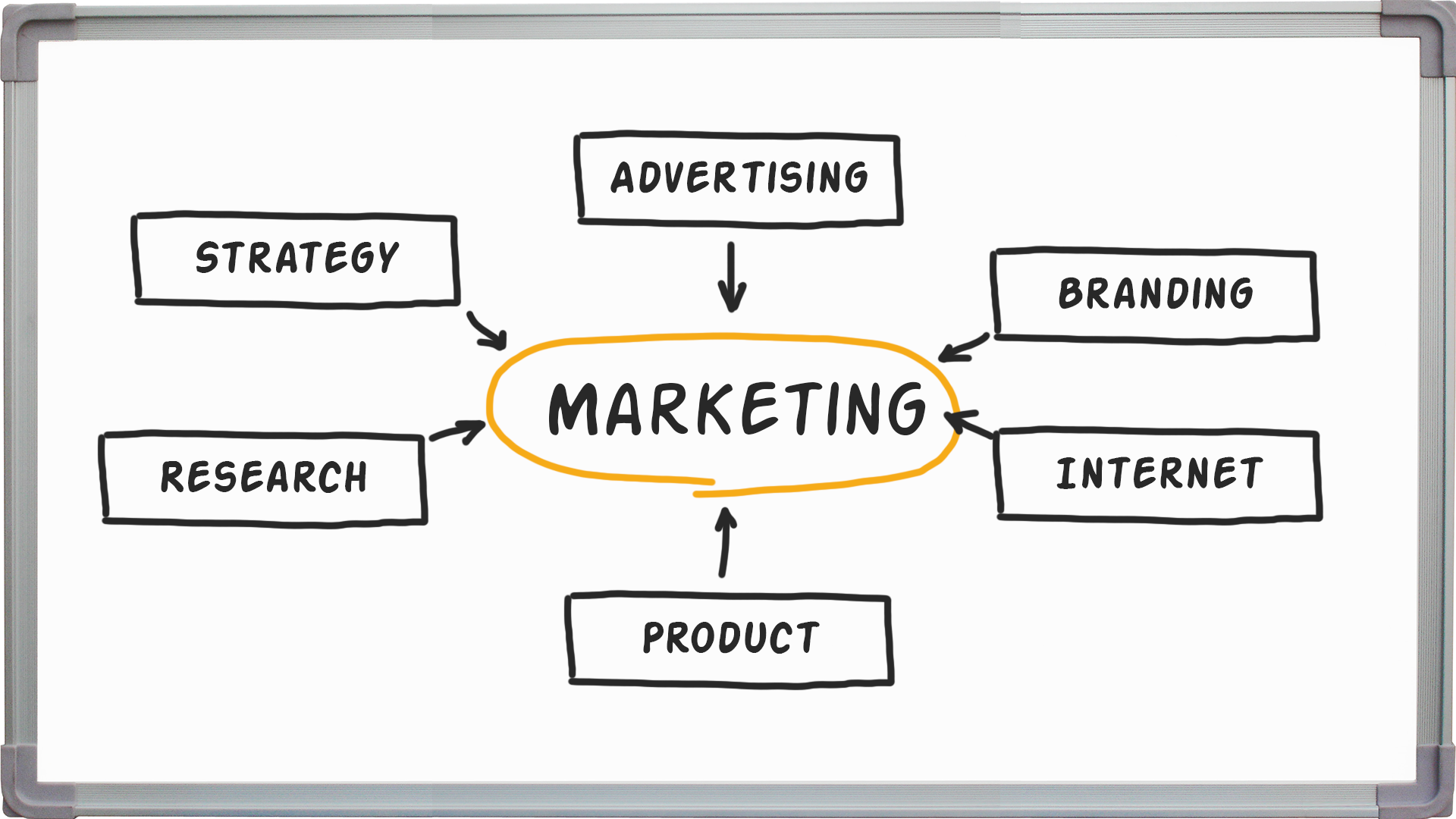
internet marketing strategy

Crafting an Effective Internet Marketing Strategy for Online Success

The Importance of a Strong Internet Marketing Strategy

In today’s digital age, having a robust internet marketing strategy is essential for businesses looking to thrive in the online realm. With the vast opportunities that the internet offers, it is crucial for companies to establish a solid online presence and effectively reach their target audience. Here are some key reasons why a well-defined internet marketing strategy is vital for success:

Increased Visibility

One of the primary goals of internet marketing is to enhance visibility and make your brand more accessible to potential customers. Through strategies such as search engine optimisation (SEO), social media marketing, and pay-per-click advertising, businesses can improve their online visibility and attract more traffic to their websites.

Targeted Audience Reach

Internet marketing allows businesses to target specific audience segments based on demographics, interests, behaviour, and other factors. By tailoring your marketing messages to resonate with your target audience, you can increase engagement and drive conversions more effectively.

Cost-Effectiveness

Compared to traditional marketing channels, internet marketing is often more cost-effective and offers a higher return on investment. With tools like email marketing, content marketing, and social media advertising, businesses can reach a large audience at a fraction of the cost of traditional advertising methods.

Data-Driven Insights

One of the significant advantages of internet marketing is the ability to gather valuable data and insights about customer behaviour and preferences. By analysing metrics such as website traffic, click-through rates, conversion rates, and more, businesses can make informed decisions to optimise their marketing campaigns for better results.

Competitive Advantage

In today’s competitive business landscape, having a strong internet marketing strategy can give you a competitive edge over rivals. By staying ahead of digital trends, engaging with your audience effectively, and delivering valuable content consistently, you can position your brand as a leader in your industry.

In conclusion, investing in an effective internet marketing strategy is crucial for businesses looking to succeed in the digital age. By leveraging the power of online channels and implementing targeted campaigns tailored to your audience’s needs, you can drive growth, increase brand awareness, and achieve long-term success in the ever-evolving digital landscape.


Essential FAQs on Internet Marketing Strategies: Key Concepts and Examples

  1. What is internet marketing and examples?
  2. What is an example of internet marketing strategy?
  3. What is Internet marketing with example?
  4. What are the 5 key components of internet marketing?
  5. What is internet strategy in marketing?
  6. What are the 7 steps of Internet marketing strategy?
  7. What are the 4 types of market strategies?
  8. What is the Internet marketing strategy?
  9. What are 3 examples of internet marketing?
  10. What are the four 4 types of marketing strategies?
  11. What is an internet marketing strategy?
  12. What Internet marketing strategy is most effective?
  13. What are the popular internet marketing strategies?
  14. What are the four core strategies of Internet marketing?
  15. What is internet marketing strategy?

What is internet marketing and examples?

Internet marketing refers to the use of online channels and digital technologies to promote products or services, engage with customers, and drive business growth. Examples of internet marketing strategies include search engine optimisation (SEO) to improve website visibility on search engines like Google, social media marketing to connect with audiences on platforms such as Facebook and Instagram, email marketing campaigns to nurture leads and build customer relationships, pay-per-click advertising for targeted online ads, content marketing through blogs and videos to provide valuable information to users, and affiliate marketing partnerships to expand reach through collaboration with other businesses. These diverse strategies showcase the versatility and effectiveness of internet marketing in reaching and engaging with audiences in the digital landscape.

What is an example of internet marketing strategy?

An example of an internet marketing strategy is content marketing. Content marketing involves creating and distributing valuable, relevant, and consistent content to attract and engage a target audience. This can include blog posts, articles, videos, infographics, and social media posts that provide useful information or entertainment to users. By implementing a content marketing strategy, businesses can build brand awareness, establish credibility, drive website traffic, and ultimately convert leads into customers. Content marketing is a versatile and effective approach that can help businesses connect with their audience in meaningful ways and achieve their marketing goals online.

What is Internet marketing with example?

Internet marketing, also known as online marketing, refers to the practice of promoting products or services using digital channels such as websites, social media, email, and search engines. An example of internet marketing is a company running a targeted Facebook advertising campaign to promote its new line of skincare products to a specific demographic group. Through strategic ad placement and engaging content, the company can reach potential customers who are likely interested in skincare products and drive them to visit their website or make a purchase online. Internet marketing allows businesses to connect with their target audience effectively, increase brand visibility, and drive sales through various online channels.

What are the 5 key components of internet marketing?

When considering the key components of internet marketing, it is essential to focus on five crucial elements that form the foundation of a successful online strategy. These components include search engine optimisation (SEO) to enhance visibility and organic traffic, social media marketing for engaging with audiences and building brand presence, content marketing to provide valuable and relevant information to attract and retain customers, email marketing for personalised communication and lead nurturing, and analytics to measure performance and make data-driven decisions for continuous improvement. By incorporating these five key components into an integrated internet marketing strategy, businesses can effectively reach their target audience, drive engagement, and achieve sustainable growth in the digital landscape.

What is internet strategy in marketing?

An internet marketing strategy, also known as an online marketing strategy, refers to a comprehensive plan that outlines how a business will leverage various online channels and platforms to promote its products or services, engage with its target audience, and achieve its marketing objectives. This strategy typically includes tactics such as search engine optimisation (SEO), social media marketing, content marketing, email campaigns, pay-per-click advertising, and more. By developing a well-defined internet marketing strategy, businesses can effectively reach their target audience, drive traffic to their website, generate leads, and ultimately increase sales and revenue in the competitive digital landscape.

What are the 7 steps of Internet marketing strategy?

Developing a successful internet marketing strategy involves several key steps to ensure maximum effectiveness. The seven steps of an internet marketing strategy typically include defining your target audience, conducting market research, setting clear objectives and goals, creating compelling content, implementing various online marketing tactics such as SEO and social media, analysing performance metrics to measure success, and continuously refining and optimising your strategy based on data-driven insights. By following these strategic steps meticulously, businesses can enhance their online presence, engage with their target audience effectively, and achieve sustainable growth in the competitive digital landscape.

What are the 4 types of market strategies?

In the realm of internet marketing strategy, there are four primary types of market strategies that businesses often utilise to achieve their goals. These include market penetration, product development, market development, and diversification. Market penetration involves increasing market share for existing products within current markets. Product development focuses on introducing new products to existing markets. Market development seeks to enter new markets with existing products. Diversification entails expanding into new markets with new products, offering a comprehensive approach to business growth and sustainability in the digital landscape.

What is the Internet marketing strategy?

The internet marketing strategy encompasses a comprehensive plan of action designed to promote a business or brand online effectively. It involves various tactics such as search engine optimisation (SEO), social media marketing, content marketing, email campaigns, pay-per-click advertising, and more. The primary goal of an internet marketing strategy is to increase online visibility, attract target audiences, drive website traffic, generate leads, and ultimately boost conversions and sales. By aligning these digital marketing efforts with business objectives and audience preferences, businesses can create a cohesive strategy that maximises their online presence and delivers measurable results.

What are 3 examples of internet marketing?

Internet marketing encompasses a wide range of strategies and tactics aimed at promoting products or services online. Three common examples of internet marketing include search engine optimisation (SEO), social media marketing, and email marketing. SEO involves optimising a website’s content and structure to improve its visibility in search engine results, driving organic traffic and increasing online presence. Social media marketing utilises platforms like Facebook, Instagram, and Twitter to engage with audiences, build brand awareness, and drive conversions through targeted advertising and engaging content. Email marketing involves sending personalised messages to subscribers to promote products, share updates, and nurture customer relationships effectively. These internet marketing techniques play a crucial role in reaching and engaging with target audiences in the digital landscape.

What are the four 4 types of marketing strategies?

In the realm of internet marketing strategy, businesses often explore four key types of marketing strategies to achieve their goals effectively. These include market penetration, product development, market development, and diversification. Market penetration involves increasing sales of existing products in current markets, while product development focuses on introducing new products to existing markets. Market development seeks to enter new markets with existing products, and diversification entails expanding into new markets with new products. By understanding and implementing these distinct marketing strategies, businesses can tailor their approach to suit their objectives and target audience for optimal results in the competitive online landscape.

What is an internet marketing strategy?

An internet marketing strategy refers to a comprehensive plan that outlines how a business will leverage online channels to promote its products or services, engage with its target audience, and achieve its marketing objectives. This strategic approach typically involves a combination of digital tactics such as search engine optimisation (SEO), social media marketing, content marketing, email campaigns, and paid advertising to drive traffic, generate leads, and ultimately convert prospects into customers. By defining clear goals, identifying target audiences, and selecting the most effective online tactics, businesses can develop a cohesive internet marketing strategy that helps them stand out in the competitive digital landscape and achieve sustainable growth.

What Internet marketing strategy is most effective?

When it comes to determining the most effective internet marketing strategy, there is no one-size-fits-all answer. The effectiveness of a marketing strategy depends on various factors, including the nature of the business, target audience, industry trends, and budget constraints. Some commonly used and successful internet marketing strategies include search engine optimisation (SEO), content marketing, social media advertising, email marketing, and pay-per-click (PPC) advertising. To identify the most effective strategy for your business, it is essential to conduct thorough research, analyse data metrics, and continuously monitor and adjust your campaigns to maximise results and achieve your specific goals.

One of the most frequently asked questions in the realm of internet marketing strategy is, “What are the popular internet marketing strategies?” Businesses and marketers often seek to understand the various approaches that can help them effectively promote their products or services online. Some popular internet marketing strategies include search engine optimisation (SEO), social media marketing, content marketing, email marketing, pay-per-click (PPC) advertising, influencer marketing, and affiliate marketing. Each of these strategies offers unique benefits and can be tailored to suit different business objectives and target audiences. By combining these tactics strategically, businesses can create a comprehensive internet marketing strategy that drives engagement, increases visibility, and ultimately leads to business growth.

What are the four core strategies of Internet marketing?

When it comes to Internet marketing strategy, there are four core strategies that businesses often focus on to achieve success. These include search engine optimisation (SEO) to improve online visibility and organic traffic, content marketing to engage and educate target audiences, social media marketing to connect with customers and build brand loyalty, and pay-per-click (PPC) advertising for targeted reach and immediate results. By integrating these core strategies effectively, businesses can create a comprehensive Internet marketing plan that drives traffic, boosts conversions, and enhances overall online presence.

What is internet marketing strategy?

An internet marketing strategy refers to a comprehensive plan of action designed to promote a business, product, or service online. It encompasses various digital marketing tactics such as search engine optimisation (SEO), social media marketing, content marketing, email marketing, and pay-per-click advertising. The goal of an internet marketing strategy is to increase online visibility, attract target audiences, drive website traffic, generate leads, and ultimately boost sales and conversions. By strategically utilising a mix of online channels and tactics, businesses can effectively reach their target audience, engage with customers, and achieve their marketing objectives in the digital realm.