

facebook digital marketing

Facebook Digital Marketing: A Practical Guide for Businesses

Facebook Digital Marketing: A Practical Guide for Businesses

Facebook remains a useful channel for businesses looking to reach customers, build brand awareness and encourage action. With a mix of business pages, groups, video and paid advertising, it offers several ways to connect with people. The best results come from treating Facebook as part of a wider marketing strategy, rather than simply posting whenever there is time.

What is Facebook digital marketing?

Facebook digital marketing is the use of Facebook to promote a business, product or service. It can include organic activity, such as publishing posts and replying to comments, as well as paid campaigns that show adverts to selected audiences.

Businesses can use Facebook to:

  • Build awareness of their brand
  • Share useful information, news and offers
  • Start conversations with customers
  • Direct people to a website or online shop
  • Generate enquiries, bookings or sales
  • Retarget people who have previously interacted with their business, where appropriate tools and consent are in place

Set clear marketing goals

Before creating content or launching adverts, decide what you want Facebook to achieve. A clear goal helps shape the message, audience and way you measure success.

For example, a local café might want to increase visits, while a professional services firm may be looking for qualified enquiries. An online retailer could focus on product sales. These goals call for different content and measures, so avoid relying on likes alone as an indicator of success.

Make your business page useful

Your Facebook business page is often a first point of contact for potential customers. Keep its key details accurate and up to date, including your opening hours, contact information, website and a concise description of what you offer. Choose recognisable profile and cover images, and make it easy for visitors to take the next step.

Check the page regularly and respond to messages and comments in a helpful, professional way. A neglected page can leave people unsure whether the business is still active.

Create content people want to see

Effective Facebook content is relevant to the audience and gives them a reason to stop scrolling. A balanced content plan might include:

  • Practical tips and answers to common questions
  • Product or service demonstrations
  • Customer stories, reviews or case studies, shared with permission
  • Behind-the-scenes updates that show the people and process behind the business
  • News, events and timely offers
  • Short videos, images and links to useful website content

Promotional posts can play a part, but a page made up entirely of sales messages may struggle to hold attention. Aim to provide value, build familiarity and make offers when they are genuinely relevant. Use clear, accessible language and add captions to video so that people can follow along without sound.

Use paid advertising thoughtfully

Facebook advertising can help a business reach people beyond its existing followers. Campaigns can be designed around different objectives, such as awareness, website visits, lead generation or sales. Audience options may include location, interests and previous interactions, depending on the campaign setup and the platform’s current features.

Start with a specific audience and a focused message. Use an image or video that clearly relates to the offer, explain the benefit and include a straightforward call to action. Test different creative approaches or messages, changing one element at a time where possible, so you can learn what is working.

Set a budget that the business can afford and monitor the campaign while it runs. Advertising costs and results can vary, so avoid assuming that a larger budget will automatically produce better outcomes.

Measure what matters

Choose measurements that relate to your goal. Depending on the activity, useful measures might include:

  • Reach and impressions for brand visibility
  • Video views or engagement for content performance
  • Link clicks and website visits for traffic campaigns
  • Enquiries, bookings or purchases for conversion-focused campaigns
  • Cost per result to understand advertising efficiency

Review performance regularly and look for patterns. If a post attracts attention but does not lead to meaningful action, consider whether the message, audience or next step needs to change. Use suitable tracking on your website to understand what happens after someone clicks through.

Respect privacy and advertising rules

Businesses should follow applicable data protection and advertising requirements when using Facebook. Be transparent about how personal information is collected and used, obtain consent where required, and use customer data responsibly. Make sure promotions have clear terms and conditions, and avoid misleading claims or targeting practices that could be unfair or inappropriate.

Platform tools and policies can change, so check Facebook’s current guidance before setting up campaigns or using customer information.

Build a consistent approach

Successful Facebook digital marketing is rarely about one viral post or a single advertising campaign. It is usually the result of understanding your audience, publishing useful content consistently, responding to people and learning from performance data.

Start with a clear goal, a well-maintained page and a manageable content plan. Add paid advertising when it supports a specific business objective, then review the results and refine your approach over time. With patience and a focus on the customer, Facebook can become a valuable part of your digital marketing mix.


Mastering Facebook Digital Marketing: 7 Essential Tips for Success

  1. Define a clear audience before creating campaigns.
  2. Use strong visuals to stop people scrolling.
  3. Write concise copy with a clear call to action.
  4. Test different creatives and audiences.
  5. Set a budget and monitor spending regularly.
  6. Track conversions with Meta Pixel or Conversions API.
  7. Review results and refine campaigns each week.

Define a clear audience before creating campaigns.

Before creating a Facebook campaign, define exactly who you want to reach. Consider factors such as location, age range, interests, needs and how people might use your product or service. A clear audience helps you shape relevant content, choose suitable targeting options and make better use of your budget. Avoid making the group too broad or too narrow; review campaign results and adjust your audience as you learn what resonates.

Use strong visuals to stop people scrolling.

Use strong visuals to stop people scrolling and make your Facebook content stand out in a busy feed. Choose clear, high-quality images or short videos that are relevant to your message and instantly show what your business offers. Keep designs uncluttered, use consistent branding and add captions to videos so they work well with the sound off. A striking visual can catch attention, but make sure the accompanying text gives people a useful reason to engage or take the next step.

Write concise copy with a clear call to action.

Keep your Facebook posts concise and focused so readers can quickly understand your message. Lead with the most important information, use plain English and make the next step clear with a direct call to action, such as “Book your consultation”, “Shop the collection” or “Find out more”. A clear prompt helps people know what to do next and makes it easier to measure whether your post is achieving its goal.

Test different creatives and audiences.

Test different creatives and audiences to discover what resonates with potential customers. Try variations in images, video, headlines and calls to action, while also comparing audience groups relevant to your business. Change one element at a time where possible, then use campaign results to see which combinations deliver the strongest outcomes. Keep testing regularly, as audience preferences and campaign performance can change over time.

Set a budget and monitor spending regularly.

Set a clear budget for your Facebook marketing before you begin, whether you’re promoting posts or running advertising campaigns. Choose an amount that fits your overall marketing plan and keep an eye on spending regularly to make sure it stays on track. Review the results alongside the costs, so you can adjust your campaigns, pause underperforming adverts or invest more in activity that is delivering value.

Track conversions with Meta Pixel or Conversions API.

Track the actions people take after clicking your Facebook adverts by setting up the Meta Pixel or Conversions API on your website. These tools can help measure outcomes such as purchases, bookings or enquiries, giving you a clearer picture of which campaigns are driving results. Use the data responsibly, follow applicable privacy and consent requirements, and check that events are configured correctly before relying on them to assess performance.

Review results and refine campaigns each week.

Review your Facebook marketing results each week to see which posts and adverts are reaching the right people and driving meaningful actions, such as website visits, enquiries or sales. Use these insights to refine your campaigns: adjust targeting, refresh creative, test different messages or move budget towards stronger performers. Small, regular improvements can help you make better use of your budget and keep your marketing aligned with your goals.

digital media advertising

Digital Media Advertising: A Practical Guide to Reaching the Right Audience

Digital Media Advertising: Reaching the Right Audience Online

Digital media advertising helps businesses promote their products, services and ideas across online channels. From search engines and social media to websites, apps and streaming platforms, it offers a range of ways to reach potential customers where they spend their time.

Unlike traditional advertising, digital campaigns can often be adjusted while they are running. Advertisers can use performance data to understand what is working, refine their messages and make better use of their budgets.

What is digital media advertising?

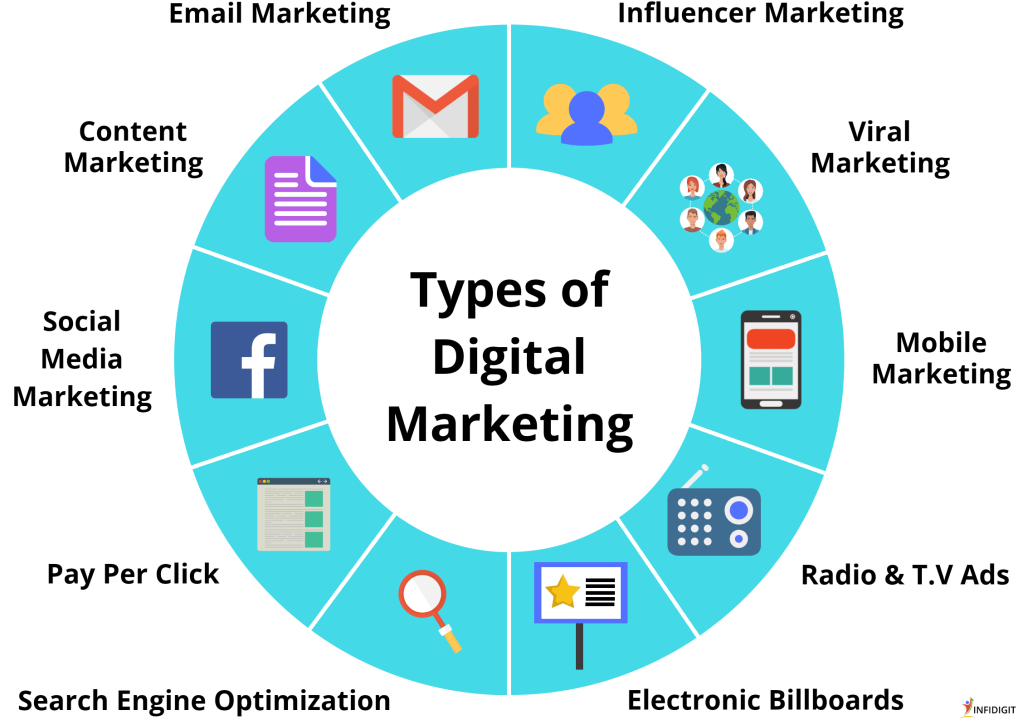
Digital media advertising is paid promotion delivered through digital channels. It includes formats such as search adverts, display banners, sponsored social posts, online video adverts and audio adverts on streaming services.

Each format serves a different purpose. A search advert can reach someone actively looking for a product or service, while a social media campaign may introduce a brand to people who have not encountered it before. The best choice depends on the campaign’s audience, objectives and budget.

Common types of digital advertising

  • Search advertising: Paid listings shown on search engine results pages, often in response to a relevant query.
  • Social media advertising: Sponsored content delivered on platforms such as Instagram, Facebook, LinkedIn and TikTok.
  • Display advertising: Visual adverts placed on websites, apps and other digital properties.
  • Video advertising: Short or long-form adverts shown before, during or alongside online video content.
  • Native advertising: Paid content designed to fit the look and feel of the platform where it appears, while still being clearly identified as advertising.
  • Audio advertising: Adverts delivered through digital radio, podcasts and music-streaming services.
  • Retail media: Advertising placed on retailers’ websites, apps or other channels, often aimed at shoppers researching or buying products.

Why businesses use digital media advertising

Digital advertising can help businesses increase awareness, attract visitors to a website, generate enquiries and encourage sales. Campaigns can be tailored to different locations, interests, search behaviours or stages of the customer journey, subject to platform rules and privacy requirements.

It also provides useful measurement. Depending on the channel and tracking set-up, advertisers may be able to review impressions, clicks, video views, conversions and the cost of achieving specific outcomes. These insights can guide improvements, although results should be interpreted carefully: not every valuable interaction is easy to measure, and a click does not always lead to a sale.

Building an effective campaign

Start with a clear objective

Decide what the campaign needs to achieve. Raising awareness, bringing visitors to a website and generating qualified leads require different messages and measures of success. A clear objective helps shape the channel mix and makes it easier to assess performance.

Understand the audience

Consider who the campaign is for, what they need and where they are likely to encounter relevant content. Audience research can help inform the tone, format and placement of adverts. Avoid relying on assumptions when customer feedback, search data or previous campaign results can provide stronger evidence.

Choose suitable channels and formats

There is no single channel that works for every business. Search advertising may suit people with a clear intention to buy, while video or social advertising can be useful for introducing a brand or explaining a more complex offer. A campaign can use several channels, but each should have a defined role.

Create relevant, clear adverts

Effective advertising communicates a useful benefit and gives people a clear next step. Keep copy concise, use visuals that support the message and make sure the advert leads to a relevant landing page. The experience should be consistent from the first impression through to the action you want someone to take.

Set a realistic budget

Plan spending around the campaign’s objectives, audience and duration. Leave room to test different messages or formats, but avoid making major decisions based on limited data. Costs and competition vary between channels, industries and audiences, so regular review is important.

Measurement and optimisation

Before launching a campaign, decide which indicators will show whether it is making progress. Depending on the objective, these might include reach, engagement, website visits, enquiries or sales. Use reliable tracking where appropriate, and check that the data is being collected and reported consistently.

Optimisation is the process of improving a campaign as information becomes available. This may involve testing alternative creative, adjusting bids, refining placements or improving a landing page. Make changes thoughtfully and allow enough time to understand their effects.

Privacy, transparency and trust

Digital advertising should be responsible as well as effective. Businesses must follow relevant data-protection and advertising rules, including requirements around consent, personal data and clear identification of paid content. In the UK, guidance from the Information Commissioner’s Office and the Advertising Standards Authority can help organisations understand their responsibilities.

Respectful advertising also means being honest about what is being offered, avoiding misleading claims and considering how targeting may affect people. Clear communication helps build trust and supports better long-term relationships with customers.

Making digital advertising work for your business

Digital media advertising is most effective when it is part of a considered marketing plan. Clear objectives, useful creative, suitable channels and careful measurement provide a strong foundation. By learning from results and keeping the audience’s needs in focus, businesses can make more informed decisions and improve their campaigns over time.


Exploring Digital Media Advertising: Key Questions and Insights

  1. What is an example of digital advertising?
  2. What are the 3 types of digital media?
  3. What are the four types of digital advertising?
  4. How is advertising done on digital media?
  5. What is digital digital advertising?
  6. What are the 4 types of advertising media?
  7. What are the 5 types of digital media?
  8. What is the best digital media advertising?

What is an example of digital advertising?

An example of digital advertising is a sponsored advert that appears on social media. A clothing retailer might promote a new collection in users’ feeds, with an image, a short message and a link to its online shop. The advert can be tailored to a relevant audience and its performance measured through views, clicks and sales.

What are the 3 types of digital media?

The three commonly recognised types of digital media are owned, earned and paid media. Owned media includes channels a business controls, such as its website, blog and social media profiles. Earned media is exposure gained through others, including customer reviews, shares, mentions and press coverage. Paid media is promotion a business pays for, such as search adverts, sponsored social posts and display advertising. Used together, these channels can help a business share its message, build trust and reach a wider audience.

What are the four types of digital advertising?

There is no single official classification, but four common types of digital advertising are search, display, social media and video advertising. Search adverts appear in search engine results, display adverts use banners or other visuals on websites and apps, social media adverts are paid posts shown on platforms such as Instagram or LinkedIn, and video adverts appear before, during or alongside online videos. These categories can overlap—for example, a video advert may also be a social media advert—so the best format depends on your audience and campaign goals.

How is advertising done on digital media?

Advertising on digital media is done by creating paid content and placing it on channels such as search engines, social media platforms, websites, apps and streaming services. Businesses choose an audience, set a budget and select a format—such as a search listing, banner, video or sponsored post—then publish the campaign through an advertising platform or media partner. Performance can be tracked using measures such as views, clicks, enquiries and sales, allowing advertisers to adjust their targeting, creative or budget while the campaign runs.

What is digital digital advertising?

Digital advertising (also known as digital media advertising) is the promotion of products, services or brands through online channels such as search engines, social media, websites, apps and streaming platforms. It can include paid search results, display banners, sponsored posts, video adverts and audio adverts. Businesses use digital advertising to reach specific audiences, raise awareness, attract website visitors or encourage sales, and can measure campaign performance using relevant data.

What are the 4 types of advertising media?

The four commonly recognised types of advertising media are print, broadcast, outdoor and digital. Print includes newspapers and magazines; broadcast covers television and radio; outdoor includes billboards, posters and transport advertising; and digital spans online channels such as search engines, websites, social media and streaming platforms. The categories can vary between marketing frameworks, and many campaigns combine several types to reach audiences in different ways.

What are the 5 types of digital media?

There is no single agreed list of the five types of digital media, but in marketing they are often grouped as owned, paid, earned, shared and converged media. Owned media includes channels a business controls, such as its website and email newsletter; paid media covers advertising it pays for, such as search or social adverts; earned media is coverage or recommendations gained through others; shared media is content circulated through social platforms and communities; and converged media is where these channels work together—for example, a paid campaign that sparks social sharing and leads people to a company’s website.

What is the best digital media advertising?

There’s no single “best” type of digital media advertising for every business. The right choice depends on your goals, audience and budget: search advertising can reach people actively looking for a product or service, while social media, display and video adverts can help build awareness and interest. Start with a clear objective, choose the channels your audience uses, and measure results so you can refine your approach over time.

Decoding Social Media Marketing Pricing: A Guide for Businesses in the UK

Social Media Marketing Pricing

The Cost of Social Media Marketing: What You Need to Know

Social media has become a powerful tool for businesses to reach and engage with their target audience. As more companies invest in social media marketing, understanding the pricing structure is crucial for making informed decisions about your marketing budget.

Factors Influencing Social Media Marketing Pricing:

Several factors can influence the cost of social media marketing services. These include:

  • Scope of Services: The range of services offered by a social media marketing agency, such as content creation, community management, advertising campaigns, and analytics reporting, can impact pricing.
  • Platform Selection: Different social media platforms have varying advertising costs. The choice of platforms where you want to run your campaigns will affect the overall pricing.
  • Target Audience Size: The size and demographics of your target audience can influence the complexity and cost of reaching them effectively on social media.
  • Campaign Objectives: Whether your goal is to increase brand awareness, drive website traffic, generate leads, or boost sales will determine the strategies and resources required for your campaign.

Common Pricing Models for Social Media Marketing:

Social media marketing agencies typically offer pricing based on the following models:

  • Monthly Retainer: Clients pay a fixed monthly fee for a set range of services agreed upon with the agency.
  • Project-Based Pricing: Costs are determined based on the scope and complexity of a specific project or campaign.
  • Performance-Based Pricing: Agencies may charge based on the results achieved, such as lead generation or sales conversions from social media campaigns.

Tips for Evaluating Social Media Marketing Pricing:

To ensure you are getting value for money when investing in social media marketing services, consider the following tips:

  • Define Your Goals: Clearly outline your objectives and expectations from social media marketing to align with the pricing structure that best suits your needs.
  • Evaluate Agency Expertise: Look for agencies with proven experience in delivering successful social media campaigns within your industry or niche.
  • Budget Allocation: Allocate a realistic budget that allows you to achieve your goals without compromising on quality or effectiveness.

In conclusion, understanding the factors influencing social media marketing pricing and choosing a pricing model that aligns with your goals are essential steps in maximising the ROI of your social media efforts. By working closely with a reputable agency and setting clear expectations, you can navigate the complexities of social media marketing pricing with confidence.


Understanding the Costs: 7 Key Questions About Social Media Marketing Pricing

  1. What factors influence the cost of social media marketing services?
  2. How do social media marketing agencies determine pricing?
  3. What are the common pricing models used in social media marketing?
  4. Can I customise a social media marketing package to suit my budget and needs?
  5. Do different social media platforms have varying advertising costs?
  6. Are there additional fees or hidden charges associated with social media marketing services?
  7. How can I ensure that I am getting value for money when investing in social media marketing?

What factors influence the cost of social media marketing services?

The cost of social media marketing services is influenced by several key factors that businesses should consider when planning their marketing budget. Factors such as the scope of services offered by a social media marketing agency, the selection of platforms for advertising, the size and demographics of the target audience, and the specific campaign objectives all play a significant role in determining pricing. Understanding these factors and their impact on pricing can help businesses make informed decisions about investing in social media marketing to effectively reach and engage with their target audience.

How do social media marketing agencies determine pricing?

Social media marketing agencies determine pricing based on various factors such as the scope of services offered, the complexity of the campaign, the target audience size, and the specific objectives of the client. Agencies may use different pricing models, including monthly retainers, project-based pricing, or performance-based pricing, depending on the needs and preferences of their clients. By considering these factors and working closely with clients to understand their goals and budget constraints, social media marketing agencies can tailor their pricing structure to deliver effective and value-driven services that meet the unique requirements of each client.

What are the common pricing models used in social media marketing?

In social media marketing, businesses often encounter various pricing models when engaging with agencies or professionals for their marketing needs. Common pricing models used in social media marketing include monthly retainers, project-based pricing, and performance-based pricing. With a monthly retainer, clients pay a fixed fee each month for a set range of services provided by the agency. Project-based pricing involves determining costs based on the scope and complexity of a specific project or campaign. Performance-based pricing ties the agency’s fees to the results achieved, such as lead generation or sales conversions from social media campaigns. Understanding these pricing models can help businesses choose the most suitable option that aligns with their goals and budget constraints in their social media marketing efforts.

Can I customise a social media marketing package to suit my budget and needs?

When it comes to social media marketing pricing, many businesses wonder if they can customise a package to align with their budget and specific needs. The answer is yes – most social media marketing agencies offer flexible options that allow clients to tailor their packages according to budget constraints and campaign objectives. By discussing your requirements with the agency, you can collaboratively create a customised plan that addresses your unique goals while staying within your financial parameters. This approach ensures that you get the most value out of your investment in social media marketing, making it a tailored solution that fits your business perfectly.

Do different social media platforms have varying advertising costs?

Yes, different social media platforms indeed have varying advertising costs. The cost of advertising on platforms such as Facebook, Instagram, Twitter, LinkedIn, and others can differ based on factors like audience size, competition, targeting options, and ad formats. Each platform offers unique features and demographics, which can impact the effectiveness and cost of running advertising campaigns. Understanding these variations in advertising costs across different social media platforms is crucial for businesses looking to maximise their marketing budgets and achieve optimal results in reaching their target audience.

Are there additional fees or hidden charges associated with social media marketing services?

When considering social media marketing services, it is common to wonder about additional fees or hidden charges that may arise. While reputable agencies typically provide transparent pricing structures, it is important to clarify any potential extra costs upfront. Some agencies may charge additional fees for premium services, ad spend budgets, or customised solutions beyond the standard package offerings. By discussing and outlining all possible charges with your chosen agency beforehand, you can ensure a clear understanding of the total investment required for your social media marketing campaigns.

How can I ensure that I am getting value for money when investing in social media marketing?

When considering social media marketing pricing, ensuring that you are getting value for money is crucial. To achieve this, it is essential to define clear objectives and goals for your social media campaigns. By aligning these with the pricing structure offered by the agency, you can ensure that your investment will deliver measurable results. Additionally, evaluating the expertise and track record of the agency in delivering successful social media campaigns can help you make an informed decision. Setting a realistic budget that allows for quality services without compromising on effectiveness is also key to maximising the return on your investment in social media marketing. By following these steps and working closely with a reputable agency, you can have confidence that you are getting value for money from your social media marketing efforts.