
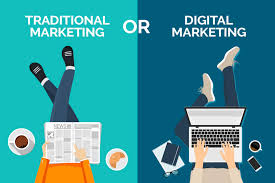
Digital Marketing and Traditional Marketing: Finding the Right Balance
Marketing helps businesses connect with customers, build awareness and encourage people to take action. Today, that can mean anything from a social media campaign to a newspaper advert. While digital marketing has transformed how organisations reach audiences, traditional marketing still has a valuable role to play. Understanding the strengths of each can help businesses choose the right approach.
What is digital marketing?
Digital marketing uses online channels and technologies to promote a business, product or service. Common examples include:
- Search engine optimisation (SEO)
- Paid search and online display advertising
- Social media marketing
- Email marketing
- Content marketing, including blogs, video and podcasts
- Influencer and affiliate marketing
Digital channels allow businesses to reach people while they are browsing, searching, watching or communicating online. Campaigns can often be adjusted quickly, and performance can be measured using data such as website visits, clicks, enquiries and sales.
What is traditional marketing?
Traditional marketing refers to promotional methods that are not primarily online. These include:
- Television and radio advertising
- Newspaper and magazine adverts
- Direct mail and printed leaflets
- Outdoor advertising, such as billboards and posters
- Events, sponsorships and in-person promotions
These channels can help a business reach people in their everyday surroundings. A well-placed poster, a memorable radio advert or a useful leaflet can make a brand familiar to a local audience.
Key differences
Reach and targeting
Digital marketing can target audiences by factors such as location, interests, search behaviour and the content they engage with. This can make it useful for reaching specific groups, including customers in a particular area.
Traditional marketing can offer broad exposure. A local newspaper, community event or outdoor advert may reach people who do not follow a business online. However, it can be harder to control exactly who sees a particular campaign.
Measurement
Digital campaigns often provide detailed performance data. Businesses can track how many people viewed an advert, visited a website or completed an action. This information can guide changes to a campaign while it is running.
Traditional marketing can be more difficult to measure precisely. Businesses may use methods such as offer codes, customer surveys or changes in sales to estimate its impact, but results are not always as immediate or detailed.
Cost and flexibility
Digital marketing budgets can vary widely. Some activities, such as creating useful website content, may be developed gradually, while paid advertising requires a set budget. Campaigns can usually be updated or paused relatively quickly.
Traditional marketing costs also vary, depending on the channel, production and placement. Once a print advert has been published or a poster campaign installed, making changes may be more difficult or expensive.
Trust and experience
Digital marketing offers convenience and interactivity. Customers can click through to a website, ask a question or make a purchase. At the same time, online audiences see a large volume of promotional content, so businesses need to earn attention with relevant, helpful communication.
Traditional marketing can create a physical or shared experience. Printed materials, events and broadcast advertising may help a brand feel familiar and tangible. Their effectiveness depends on the audience, the quality of the message and the context in which it appears.
Why businesses may use both
Digital and traditional marketing are not competing choices. Used together, they can support a consistent customer journey. For example, a business could advertise a local event through posters and local press, then use social media and email to share reminders and follow up with attendees.
A campaign might also combine outdoor advertising with a simple web address or QR code, making it easy for people to find more information online. Likewise, digital advertising can promote an in-person service, shop or event to people nearby.
The important thing is to keep the message and branding consistent across channels. Customers should recognise the same business, understand the same offer and know what to do next, wherever they encounter the campaign.
How to choose the right approach
Before selecting channels, consider:
- Your audience: Where do your customers spend their time, and how do they prefer to receive information?
- Your objective: Are you aiming to build awareness, generate enquiries, increase sales or encourage repeat business?
- Your budget: What can you invest in planning, creative work, distribution and ongoing management?
- Your location: Would local visibility or a wider geographical reach be more useful?
- Your measures of success: Decide how you will assess results before the campaign begins.
There is no single marketing mix that works for every organisation. A small local business may benefit from a strong local presence supported by a well-maintained website and social media. A business selling nationally may rely more heavily on online channels, while still using print, events or broadcast advertising where they suit its audience.
Conclusion
Digital marketing offers flexibility, interactivity and detailed measurement, while traditional marketing can provide broad visibility and memorable real-world experiences. Both can contribute to business growth when they are chosen with a clear purpose and a good understanding of the audience.
Rather than asking which type of marketing is better, businesses should ask how each channel can help achieve their objectives. A considered combination of digital and traditional marketing can make a brand easier to discover, recognise and trust.
Maximising Impact: The Benefits of Integrating Digital and Traditional Marketing Strategies
- Digital marketing can target specific audiences.
- Traditional marketing can reach local communities.
- Digital campaigns are easy to measure.
- Print and broadcast adverts can build brand recognition.
- Online campaigns can be updated quickly.
- Using both can create a consistent customer journey.
Challenges of Balancing Digital and Traditional Marketing Approaches
- Digital marketing can be crowded and requires ongoing effort to stand out.
- Traditional marketing can be costly and difficult to measure accurately.
- Using both approaches can stretch budgets and make campaigns harder to coordinate.
Digital marketing can target specific audiences.
Digital marketing can target specific audiences by using factors such as location, interests, age group and online behaviour. This helps businesses tailor their messages to people who are more likely to be interested in their products or services, making campaigns more relevant and efficient. Traditional marketing can also reach selected groups through channels such as local newspapers, radio stations or community events, but digital tools often allow for more precise targeting and easier adjustment as a campaign progresses.
Traditional marketing can reach local communities.
Traditional marketing can be an effective way to reach local communities and build familiarity in a specific area. Local newspapers, radio stations, leaflets, posters and community events help businesses connect with people where they live, work and spend their time. This is particularly valuable for shops, restaurants and service providers whose customers are nearby, as well as for organisations looking to raise awareness of a local offer or event.
Digital campaigns are easy to measure.
One of the key advantages of digital marketing is that campaigns are easy to measure. Businesses can track results such as website visits, clicks, enquiries and sales, helping them understand what is working and where improvements are needed. Traditional marketing can be harder to assess, although methods such as offer codes, customer surveys and tracking changes in sales can provide useful clues about a campaign’s impact.
Print and broadcast adverts can build brand recognition.
Print and broadcast adverts can build strong brand recognition by putting a business in front of audiences through familiar, widely used channels. A memorable magazine advert, billboard, radio jingle or television campaign can help people recognise a brand and recall it later, particularly when the same message appears consistently over time. These traditional formats can also complement digital marketing, reinforcing a brand’s identity across different touchpoints.
Online campaigns can be updated quickly.
One of the key advantages of digital marketing is that online campaigns can be updated quickly. If an advert is not performing well, a business can adjust its wording, images, audience or budget without waiting for new materials to be printed or distributed. This flexibility makes it easier to respond to customer feedback, changing priorities or current events. Traditional marketing can be slower to change once an advert has been printed, broadcast or installed, although digital updates can also be subject to platform approval times and campaign deadlines.
Using both can create a consistent customer journey.
Using digital and traditional marketing together can create a more consistent customer journey by helping people recognise and connect with a brand across different channels. For example, a customer might first see a poster or newspaper advert, then visit the business’s website or social media page to find out more. When the message, design and offer are consistent at each step, the experience feels familiar and makes it easier for the customer to decide what to do next.
Digital marketing can be crowded and requires ongoing effort to stand out.
One drawback of digital marketing is how crowded online channels have become. Businesses compete constantly for people’s attention across search engines, social media, email and other platforms, so even useful content can be overlooked. Standing out takes ongoing effort: brands need to publish relevant material, engage with their audience, monitor results and adapt their approach. Traditional marketing can also face competition for attention, but digital campaigns often demand frequent updates to remain visible and effective.
Traditional marketing can be costly and difficult to measure accurately.
Traditional marketing can be costly, particularly when it involves television, radio or large-scale print campaigns, where production and placement fees can quickly add up. It can also be difficult to measure accurately: unlike many digital channels, traditional methods do not always provide clear data on who saw an advert or whether it led to a sale. Businesses may need to rely on estimates, customer surveys or changes in sales, making it harder to judge the return on their investment.
Using both approaches can stretch budgets and make campaigns harder to coordinate.
Using both digital and traditional marketing can put pressure on a business’s budget and make campaigns more difficult to coordinate. Each channel may require its own creative materials, specialist support and ongoing management, while keeping the messaging, timing and branding consistent across them takes careful planning. Without clear priorities and communication, costs can rise and campaigns may feel disconnected to customers.