How an Ecommerce Content Marketing Agency Can Help Your Business Grow

How an Ecommerce Content Marketing Agency Can Help Your Business Grow

Running an ecommerce business involves more than listing products online. To attract the right customers, earn their trust and encourage repeat purchases, your brand needs useful, engaging content at every stage of the buying journey. An ecommerce content marketing agency can help you plan and create that content, then measure how well it performs.

What is an ecommerce content marketing agency?

An ecommerce content marketing agency specialises in helping online retailers use content to reach customers and support business goals. Its work may include strategy, copywriting, design, search engine optimisation (SEO), content production and performance analysis.

Unlike a general content agency, an ecommerce-focused team considers the practical details of selling online: product ranges, seasonal demand, customer questions, conversion journeys and the platforms your business uses.

Why content matters for ecommerce

Customers often research a product before buying. Clear, relevant content can help them understand what you offer, compare options and feel confident about their decision. It can also help your business appear in search results and give customers a reason to return after their first purchase.

Good content can support ecommerce by helping you to:

  • Reach potential customers through search engines and social platforms.
  • Explain product features, benefits and differences clearly.
  • Answer common questions and address purchase concerns.
  • Build a recognisable brand and a consistent customer experience.
  • Encourage repeat visits, purchases and customer loyalty.

Services an ecommerce content marketing agency may offer

Content strategy

A strategy sets out what to create, who it is for and how it supports your business objectives. An agency may research your audience, products, competitors and search opportunities, then develop a content plan around the findings.

Product and category copy

Product descriptions should be informative, accurate and easy to scan. Category pages can also guide shoppers by explaining product ranges, highlighting key considerations and helping visitors find what they need.

SEO content

SEO content is designed to be useful to readers while making it easier for search engines to understand a page. This might include buying guides, comparison articles, FAQs and optimised category pages. Good SEO focuses on meeting search intent, rather than repeating keywords unnaturally.

Editorial and brand content

Articles, email content, buying guides and other editorial assets can help your brand answer customer questions and demonstrate expertise. The right formats depend on your audience and the role each channel plays in your marketing.

Content optimisation

Content marketing is an ongoing process. An agency may review existing pages, identify opportunities to improve clarity or search visibility, and update content as products, customer needs and search behaviour change.

How to choose the right agency

Before appointing an ecommerce content marketing agency, consider how well it understands your business and how it plans to measure success. Useful questions include:

  • What experience do you have with ecommerce businesses like ours?
  • How will you learn about our products, customers and brand voice?
  • Who will create and review the content?
  • How will you work with our internal team and ecommerce platform?
  • Which performance measures will you report on, and how often?
  • How do you ensure product information and claims are accurate?

Look for clear communication, a thoughtful process and examples of work relevant to your needs. A good agency should be willing to explain its recommendations and tailor its approach, rather than offering the same content plan to every client.

Measuring content marketing performance

The right measures depend on what each piece of content is meant to achieve. For example, a search-focused guide might be assessed by organic visibility, relevant visits and engagement. Product and category content may be evaluated alongside add-to-basket activity or sales, while email content could be measured through clicks and conversions.

It is important to consider the wider customer journey. A single article may help someone research a product well before they make a purchase, so its contribution may not be captured by last-click sales data alone.

Make content work harder for your store

An ecommerce content marketing agency can help turn customer questions and business priorities into a consistent programme of useful content. With a clear strategy, accurate information and regular measurement, content can support discovery, decision-making and customer loyalty.

Whether you need stronger product pages, a more effective SEO plan or a complete content strategy, start by identifying the needs of your customers and the outcomes your business wants to achieve. That gives your content a clear purpose—and a stronger chance of making a difference.


Understanding Ecommerce Content Marketing Agencies: 7 Key FAQs

  1. What does an ecommerce content marketing agency do?
  2. How can an ecommerce content marketing agency help grow my online store?
  3. What services does an ecommerce content marketing agency provide?
  4. How much does it cost to hire an ecommerce content marketing agency?
  5. How do I choose the right ecommerce content marketing agency for my business?
  6. How long does it take to see results from ecommerce content marketing?
  7. How does an ecommerce content marketing agency measure success?

What does an ecommerce content marketing agency do?

An ecommerce content marketing agency helps online retailers attract and engage customers through strategic, useful content. This can include planning content, writing product descriptions and buying guides, creating SEO-focused articles, and developing email or social media content. The agency may also review and improve existing pages, ensure content reflects your brand voice, and track performance to see how it supports goals such as increasing visibility, building trust and driving sales.

How can an ecommerce content marketing agency help grow my online store?

An ecommerce content marketing agency can help grow your online store by creating a clear strategy and useful content that attracts the right customers, answers their questions and supports them as they shop. This may include improving product and category pages, creating SEO-friendly buying guides and articles, and developing content for email and social media. By reviewing performance and refining the approach over time, the agency can help strengthen your visibility, build customer confidence and encourage more purchases and repeat visits.

What services does an ecommerce content marketing agency provide?

An ecommerce content marketing agency can help your online store attract, inform and convert customers through services such as content strategy, SEO research, product descriptions, category-page copy, buying guides, blog articles, email campaigns and social media content. Agencies may also offer content audits, editing, creative production and performance reporting, tailoring their work to your products, audience, brand voice and business goals.

How much does it cost to hire an ecommerce content marketing agency?

The cost of hiring an ecommerce content marketing agency depends on the work involved, such as strategy, product descriptions, SEO content, email campaigns and ongoing optimisation. Fees may be charged by the project, monthly retainer or individual piece of content, and can vary with the size of your product catalogue and the level of research required. Ask for a clear proposal outlining deliverables, timelines and reporting, so you can compare the likely value as well as the price.

How do I choose the right ecommerce content marketing agency for my business?

Choose an ecommerce content marketing agency that understands your products, audience and business goals, and can show relevant experience with online retailers. Ask how it will develop your strategy, create and approve content, work with your team, and measure results. Review examples of its work, check that its communication and reporting are clear, and make sure its approach suits your budget and priorities. The right agency should offer tailored recommendations—not a one-size-fits-all plan—and explain how its work can support your customers throughout their buying journey.

How long does it take to see results from ecommerce content marketing?

The time it takes to see results from ecommerce content marketing depends on your goals, starting point, competition and how consistently content is published and promoted. Early signs, such as increased engagement or more visits to key pages, may appear within weeks, while improvements in organic search visibility and sales often take several months. Content marketing is a long-term investment, so it’s important to track meaningful measures over time and refine your approach based on what customers respond to.

How does an ecommerce content marketing agency measure success?

An ecommerce content marketing agency measures success against the goals agreed with your business. This may include organic search visibility, relevant website traffic, engagement with content, email clicks, product enquiries, add-to-basket activity and sales. The agency should use analytics and regular reporting to show what is working, where customers are dropping off and what could be improved. Because content can influence shoppers at several stages of their journey, success is best assessed using a mix of measures rather than sales or last-click conversions alone.

best digital marketing services

Best Digital Marketing Services: How to Choose the Right Mix for Your Business

Best Digital Marketing Services: How to Choose the Right Mix for Your Business

The best digital marketing services help your business reach the right people, earn their trust and turn interest into action. But there is no single service that works best for every organisation. The right approach depends on your goals, audience, budget and the way customers make decisions.

For some businesses, search engine optimisation (SEO) is a valuable long-term investment. Others may need paid advertising to generate enquiries quickly, or email marketing to build stronger relationships with existing customers. Often, the best results come from combining several services as part of a well-planned strategy.

What are digital marketing services?

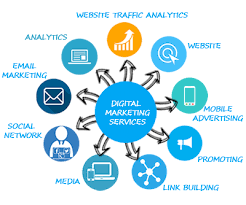
Digital marketing services use online channels to promote a business, product or service. They can include improving your website, increasing visibility in search results, creating useful content, running advertising campaigns and measuring how people interact with your brand.

A good digital marketing plan connects these activities rather than treating them as separate tasks. For example, useful content can support SEO, social media can help distribute that content, and email marketing can encourage interested visitors to return.

SEO: build visibility in search results

SEO helps your website appear when people search online for relevant products, services or information. It can involve improving website content, organising pages clearly, making technical improvements and earning links from reputable sites.

SEO is often a longer-term activity. Results can take time, but well-optimised pages may continue to attract relevant visitors over time. It can be particularly useful for businesses whose customers research their options before getting in touch.

When assessing an SEO service, look for a clear plan based on your audience and business priorities. Be wary of promises of guaranteed rankings: search results are influenced by many factors and cannot be guaranteed by an agency.

Paid search and online advertising: reach people sooner

Paid advertising can put your business in front of potential customers across search engines, social media and other online platforms. Search advertising can reach people actively looking for a particular solution, while display and social campaigns can help introduce your brand to new audiences.

Paid campaigns can be adjusted and measured, making them useful for testing messages and generating traffic within a defined period. However, results depend on more than the advertising budget. Targeting, landing-page quality, campaign structure and ongoing optimisation all matter.

Before investing, decide what success means. It might be online sales, completed forms, phone calls or another meaningful action. Tracking these outcomes helps you understand whether your advertising is delivering value.

Content marketing: give your audience a reason to engage

Content marketing involves creating and sharing useful material, such as articles, guides, videos, case studies and newsletters. Strong content answers customers’ questions, explains your expertise and helps people make informed decisions.

Content can support other parts of your marketing too. A helpful article may bring visitors from search, provide material for social media and give your sales team a useful resource to share with prospective customers.

The best content is created with a clear audience and purpose in mind. Publishing frequently is not enough on its own; material should be accurate, relevant and genuinely useful.

Social media marketing: build awareness and conversation

Social media marketing can help businesses share content, introduce products and take part in conversations with customers. The most suitable platforms depend on where your audience spends time and what you want to achieve.

Organic social media focuses on regular posts and community interaction. Paid social media uses advertising to reach selected audiences and can support specific campaigns. Many businesses use a combination of the two.

A considered social media strategy is more effective than trying to be active everywhere. Choose suitable platforms, set realistic goals and create content that fits each channel.

Email marketing: nurture customer relationships

Email marketing gives businesses a direct way to communicate with people who have chosen to receive updates. It can be used for newsletters, product announcements, useful advice and carefully planned customer journeys.

Effective email marketing is relevant, well-timed and respectful of subscribers’ preferences. Businesses should follow applicable data protection and electronic marketing rules, make it easy to unsubscribe and avoid sending messages that recipients have not agreed to receive.

Website design and conversion rate optimisation

Your website is often where digital marketing activity leads, so it needs to make a good impression and help visitors take the next step. That might mean making a purchase, requesting a quote, booking an appointment or getting in touch.

Website design and conversion rate optimisation (CRO) focus on making the experience clearer and more effective. This can include improving page speed, simplifying navigation, refining calls to action and making forms easier to complete. A well-designed website should also work reliably on mobile devices and be accessible to a broad range of users.

Analytics and reporting: understand what is working

Analytics helps you assess how people find and use your website, and whether your marketing is supporting your goals. Useful reporting connects activity to outcomes rather than focusing only on figures such as impressions or page views.

Before a campaign begins, decide which measures matter. Depending on your objectives, these might include qualified enquiries, sales, cost per lead, repeat purchases or the revenue generated by a campaign. Regular reviews can help you make informed adjustments.

How to choose the best digital marketing services

Start by identifying the challenge you need to solve. Are you looking to increase awareness, attract more relevant website visitors, generate enquiries or improve repeat sales? A clear objective makes it easier to choose suitable services and assess their impact.

  • Understand your audience: Find out what your customers need, where they search and how they prefer to engage with businesses.
  • Set a realistic budget: Consider both the cost of delivering the work and any advertising spend.
  • Check the approach: Look for a provider that explains its recommendations and how the work will be measured.
  • Ask about reporting: Agree on useful measures and how often results will be reviewed.
  • Consider the whole customer journey: Marketing can attract visitors, but your website, service and follow-up also influence whether they become customers.

Choosing a connected approach

The best digital marketing services are not necessarily the most numerous or the most expensive. They are the ones that suit your goals and work together. A business looking for long-term visibility might prioritise SEO and content, while a time-sensitive campaign may benefit from paid advertising. Email marketing and a well-performing website can support both.

Begin with clear objectives, choose services that address them and measure the results. With a considered strategy and regular improvements, digital marketing can help your business build visibility, strengthen customer relationships and support sustainable growth.


Top 5 Tips for Selecting the Best Digital Marketing Services

  1. Choose an agency with proven results in your industry.
  2. Prioritise SEO and useful content to build lasting traffic.
  3. Use paid search and social ads to reach specific audiences.
  4. Track conversions, not just clicks and impressions.
  5. Look for clear reporting, fair pricing and flexible support.

Choose an agency with proven results in your industry.

Choose an agency with proven results in your industry, as it is more likely to understand your audience, market challenges and what motivates customers to take action. Ask to see relevant case studies, examples of previous work and the results achieved, such as increased enquiries, sales or website traffic. A reputable agency should be able to explain how its experience applies to your goals without making unrealistic promises.

Prioritise SEO and useful content to build lasting traffic.

Prioritise SEO and useful content to build lasting traffic to your website. By understanding what your audience is searching for and creating clear, genuinely helpful pages that answer their questions, you can improve your visibility in search results and attract more relevant visitors over time. SEO takes patience, but quality content supported by a well-structured, technically sound website can continue to bring in traffic long after it is published.

Use paid search and social ads to reach specific audiences.

Use paid search and social media advertising to reach people who are most likely to be interested in your products or services. Paid search can connect you with customers actively looking for a solution, while social ads let you target audiences by factors such as interests, location and behaviour. Set clear campaign goals, choose your audience carefully and monitor results so you can refine your adverts and make the most of your budget.

Track conversions, not just clicks and impressions.

Clicks and impressions can show whether your digital marketing is attracting attention, but they don’t reveal whether it is delivering business results. Track conversions—such as purchases, quote requests, bookings or newsletter sign-ups—to understand which campaigns are prompting people to take meaningful action. Set up conversion tracking before a campaign begins, then use the results to identify what is working, refine your approach and focus your budget on activity that supports your goals.

Look for clear reporting, fair pricing and flexible support.

When choosing a digital marketing service, look for clear reporting that shows what work has been done and how it is contributing to your goals. Pricing should be fair, transparent and easy to understand, with any extra costs explained upfront. Flexible support is important too: a good provider will listen to your needs, adapt as your business changes and offer help at a level that suits your team and budget.

digital marketing and traditional marketing

Digital Marketing and Traditional Marketing: How to Choose the Right Mix

Digital Marketing and Traditional Marketing: Finding the Right Balance

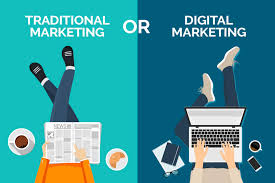
Marketing helps businesses connect with customers, build awareness and encourage people to take action. Today, that can mean anything from a social media campaign to a newspaper advert. While digital marketing has transformed how organisations reach audiences, traditional marketing still has a valuable role to play. Understanding the strengths of each can help businesses choose the right approach.

What is digital marketing?

Digital marketing uses online channels and technologies to promote a business, product or service. Common examples include:

  • Search engine optimisation (SEO)
  • Paid search and online display advertising
  • Social media marketing
  • Email marketing
  • Content marketing, including blogs, video and podcasts
  • Influencer and affiliate marketing

Digital channels allow businesses to reach people while they are browsing, searching, watching or communicating online. Campaigns can often be adjusted quickly, and performance can be measured using data such as website visits, clicks, enquiries and sales.

What is traditional marketing?

Traditional marketing refers to promotional methods that are not primarily online. These include:

  • Television and radio advertising
  • Newspaper and magazine adverts
  • Direct mail and printed leaflets
  • Outdoor advertising, such as billboards and posters
  • Events, sponsorships and in-person promotions

These channels can help a business reach people in their everyday surroundings. A well-placed poster, a memorable radio advert or a useful leaflet can make a brand familiar to a local audience.

Key differences

Reach and targeting

Digital marketing can target audiences by factors such as location, interests, search behaviour and the content they engage with. This can make it useful for reaching specific groups, including customers in a particular area.

Traditional marketing can offer broad exposure. A local newspaper, community event or outdoor advert may reach people who do not follow a business online. However, it can be harder to control exactly who sees a particular campaign.

Measurement

Digital campaigns often provide detailed performance data. Businesses can track how many people viewed an advert, visited a website or completed an action. This information can guide changes to a campaign while it is running.

Traditional marketing can be more difficult to measure precisely. Businesses may use methods such as offer codes, customer surveys or changes in sales to estimate its impact, but results are not always as immediate or detailed.

Cost and flexibility

Digital marketing budgets can vary widely. Some activities, such as creating useful website content, may be developed gradually, while paid advertising requires a set budget. Campaigns can usually be updated or paused relatively quickly.

Traditional marketing costs also vary, depending on the channel, production and placement. Once a print advert has been published or a poster campaign installed, making changes may be more difficult or expensive.

Trust and experience

Digital marketing offers convenience and interactivity. Customers can click through to a website, ask a question or make a purchase. At the same time, online audiences see a large volume of promotional content, so businesses need to earn attention with relevant, helpful communication.

Traditional marketing can create a physical or shared experience. Printed materials, events and broadcast advertising may help a brand feel familiar and tangible. Their effectiveness depends on the audience, the quality of the message and the context in which it appears.

Why businesses may use both

Digital and traditional marketing are not competing choices. Used together, they can support a consistent customer journey. For example, a business could advertise a local event through posters and local press, then use social media and email to share reminders and follow up with attendees.

A campaign might also combine outdoor advertising with a simple web address or QR code, making it easy for people to find more information online. Likewise, digital advertising can promote an in-person service, shop or event to people nearby.

The important thing is to keep the message and branding consistent across channels. Customers should recognise the same business, understand the same offer and know what to do next, wherever they encounter the campaign.

How to choose the right approach

Before selecting channels, consider:

  • Your audience: Where do your customers spend their time, and how do they prefer to receive information?
  • Your objective: Are you aiming to build awareness, generate enquiries, increase sales or encourage repeat business?
  • Your budget: What can you invest in planning, creative work, distribution and ongoing management?
  • Your location: Would local visibility or a wider geographical reach be more useful?
  • Your measures of success: Decide how you will assess results before the campaign begins.

There is no single marketing mix that works for every organisation. A small local business may benefit from a strong local presence supported by a well-maintained website and social media. A business selling nationally may rely more heavily on online channels, while still using print, events or broadcast advertising where they suit its audience.

Conclusion

Digital marketing offers flexibility, interactivity and detailed measurement, while traditional marketing can provide broad visibility and memorable real-world experiences. Both can contribute to business growth when they are chosen with a clear purpose and a good understanding of the audience.

Rather than asking which type of marketing is better, businesses should ask how each channel can help achieve their objectives. A considered combination of digital and traditional marketing can make a brand easier to discover, recognise and trust.


Maximising Impact: The Benefits of Integrating Digital and Traditional Marketing Strategies

  1. Digital marketing can target specific audiences.
  2. Traditional marketing can reach local communities.
  3. Digital campaigns are easy to measure.
  4. Print and broadcast adverts can build brand recognition.
  5. Online campaigns can be updated quickly.
  6. Using both can create a consistent customer journey.


Challenges of Balancing Digital and Traditional Marketing Approaches

  1. Digital marketing can be crowded and requires ongoing effort to stand out.
  2. Traditional marketing can be costly and difficult to measure accurately.
  3. Using both approaches can stretch budgets and make campaigns harder to coordinate.

Digital marketing can target specific audiences.

Digital marketing can target specific audiences by using factors such as location, interests, age group and online behaviour. This helps businesses tailor their messages to people who are more likely to be interested in their products or services, making campaigns more relevant and efficient. Traditional marketing can also reach selected groups through channels such as local newspapers, radio stations or community events, but digital tools often allow for more precise targeting and easier adjustment as a campaign progresses.

Traditional marketing can reach local communities.

Traditional marketing can be an effective way to reach local communities and build familiarity in a specific area. Local newspapers, radio stations, leaflets, posters and community events help businesses connect with people where they live, work and spend their time. This is particularly valuable for shops, restaurants and service providers whose customers are nearby, as well as for organisations looking to raise awareness of a local offer or event.

Digital campaigns are easy to measure.

One of the key advantages of digital marketing is that campaigns are easy to measure. Businesses can track results such as website visits, clicks, enquiries and sales, helping them understand what is working and where improvements are needed. Traditional marketing can be harder to assess, although methods such as offer codes, customer surveys and tracking changes in sales can provide useful clues about a campaign’s impact.

Print and broadcast adverts can build strong brand recognition by putting a business in front of audiences through familiar, widely used channels. A memorable magazine advert, billboard, radio jingle or television campaign can help people recognise a brand and recall it later, particularly when the same message appears consistently over time. These traditional formats can also complement digital marketing, reinforcing a brand’s identity across different touchpoints.

Online campaigns can be updated quickly.

One of the key advantages of digital marketing is that online campaigns can be updated quickly. If an advert is not performing well, a business can adjust its wording, images, audience or budget without waiting for new materials to be printed or distributed. This flexibility makes it easier to respond to customer feedback, changing priorities or current events. Traditional marketing can be slower to change once an advert has been printed, broadcast or installed, although digital updates can also be subject to platform approval times and campaign deadlines.

Using both can create a consistent customer journey.

Using digital and traditional marketing together can create a more consistent customer journey by helping people recognise and connect with a brand across different channels. For example, a customer might first see a poster or newspaper advert, then visit the business’s website or social media page to find out more. When the message, design and offer are consistent at each step, the experience feels familiar and makes it easier for the customer to decide what to do next.

Digital marketing can be crowded and requires ongoing effort to stand out.

One drawback of digital marketing is how crowded online channels have become. Businesses compete constantly for people’s attention across search engines, social media, email and other platforms, so even useful content can be overlooked. Standing out takes ongoing effort: brands need to publish relevant material, engage with their audience, monitor results and adapt their approach. Traditional marketing can also face competition for attention, but digital campaigns often demand frequent updates to remain visible and effective.

Traditional marketing can be costly and difficult to measure accurately.

Traditional marketing can be costly, particularly when it involves television, radio or large-scale print campaigns, where production and placement fees can quickly add up. It can also be difficult to measure accurately: unlike many digital channels, traditional methods do not always provide clear data on who saw an advert or whether it led to a sale. Businesses may need to rely on estimates, customer surveys or changes in sales, making it harder to judge the return on their investment.

Using both approaches can stretch budgets and make campaigns harder to coordinate.

Using both digital and traditional marketing can put pressure on a business’s budget and make campaigns more difficult to coordinate. Each channel may require its own creative materials, specialist support and ongoing management, while keeping the messaging, timing and branding consistent across them takes careful planning. Without clear priorities and communication, costs can rise and campaigns may feel disconnected to customers.