
saas digital marketing

SaaS Digital Marketing: A Practical Guide to Sustainable Growth

SaaS Digital Marketing: A Practical Guide to Growing Your Software Business

Software as a service (SaaS) has changed how businesses and consumers buy and use software. Instead of paying for a product once, customers typically subscribe and access it online. This model creates exciting opportunities for growth, but it also brings a distinctive marketing challenge: success depends not only on winning new customers, but on helping them stay, get value and renew.

SaaS digital marketing brings together the channels, content and customer experiences that attract potential users, turn them into paying customers and support long-term growth. Here’s how to build an approach that works across the customer journey.

What makes SaaS marketing different?

Many SaaS businesses operate on recurring subscriptions. That means a customer’s value is often realised over time, rather than at the point of a single purchase. Marketing therefore needs to connect closely with product experience, customer support and sales.

Potential customers may want to compare several products, try a free plan or book a demonstration before making a decision. After signing up, they need to understand the product and reach a useful outcome quickly. If they do not, they may cancel before the business has earned back the cost of acquiring them.

A strong SaaS marketing strategy considers the complete journey:

  • Awareness: Help the right audience discover the product.
  • Consideration: Explain how it works and why it may suit their needs.
  • Conversion: Make it easy to start a trial, request a demo or subscribe.
  • Onboarding: Help new customers reach value and build good habits.
  • Retention and expansion: Encourage ongoing use, renewal and suitable upgrades.

Define your audience and positioning

Effective marketing starts with a clear understanding of who the product is for. A SaaS platform may serve different industries, company sizes or job roles, but trying to speak to everyone can make its message vague.

Research your most successful customers. What problem were they trying to solve? What alternatives did they consider? Which product features matter most to them? Use these insights to create practical audience profiles and sharpen your positioning.

Your messaging should quickly communicate:

  • Who the product is designed for
  • The problem it helps solve
  • The outcome customers can expect
  • What makes the product different from alternatives

Be specific and credible. Clear examples are usually more persuasive than broad claims about being “the best” or “revolutionary”.

Build a website that supports the buying journey

Your website is often the first place prospective customers go to assess your product. It should make the value proposition easy to understand and give visitors a relevant next step.

Useful SaaS website content can include product pages, feature explanations, pricing information, customer stories, integrations, security details and frequently asked questions. The right mix depends on how your customers make decisions. For example, a small business user may prefer to start a trial, while an enterprise buyer may need a consultation, detailed documentation and reassurance about compliance.

Make calls to action clear and consistent. Options such as “Start a free trial”, “Book a demo” or “See how it works” should match the visitor’s likely level of interest. Avoid asking for unnecessary information too early in the process.

Use content and search to attract relevant prospects

Search engine optimisation (SEO) can help SaaS businesses reach people actively looking for solutions. Start by researching the questions and terms used by your target audience. These may relate to a problem, a particular task, a product category or comparisons between tools.

Create genuinely useful content around those needs. Depending on your product and audience, this might include:

  • Guides that explain how to solve a specific problem
  • Product tutorials and practical templates
  • Comparison pages that fairly explain key differences
  • Case studies showing how customers use the product
  • Industry insights based on credible research or expertise

Content should be accurate, easy to navigate and written for people, not just search engines. Include a relevant next step, but make sure the content remains useful even if the reader is not ready to buy.

Combine channels thoughtfully

There is no single channel that suits every SaaS business. The best mix depends on the audience, price point, sales cycle and available resources. Common options include:

  • Search marketing: SEO and paid search can reach people looking for a solution.
  • Social media: Useful for sharing expertise, building a community and reaching professional audiences.
  • Email marketing: Supports lead nurturing, onboarding and ongoing customer communication.
  • Partnerships: Integrations, referrals and co-marketing can introduce the product to relevant audiences.
  • Webinars and events: Help explain complex products and build trust with prospective buyers.
  • Review platforms: Customer feedback can support product discovery and comparison.

Rather than spreading effort across every channel, test the options most likely to reach your intended customers. Measure the quality of the resulting leads and customers, not simply the amount of traffic or engagement.

Make trials and demonstrations count

Free trials and product demonstrations can reduce uncertainty, but they are not a strategy on their own. The experience should help prospective customers understand whether the product suits their needs.

For a free trial, keep the sign-up process straightforward and guide new users towards a meaningful first task. Use helpful prompts, sample data or short tutorials where appropriate. For a demonstration, tailor the conversation to the prospect’s goals rather than presenting every feature in sequence.

Track whether trial users complete important actions and where they encounter friction. This can reveal whether the issue lies with the product, onboarding, messaging or the type of audience being attracted.

Prioritise onboarding and retention

Acquiring a subscriber is only the beginning. Effective onboarding helps customers understand the product, complete key tasks and see its value. This can include welcome emails, in-product guidance, training sessions, help articles and access to customer support.

Retention should be supported throughout the customer relationship. Monitor product usage, gather feedback and make it easy for customers to get help. If customers stop using an important feature or fail to reach a key milestone, timely support may prevent avoidable frustration.

Marketing also has a role after conversion. Educational content, product updates, customer communities and relevant upgrade information can help users get more from their subscription. Communications should be useful and appropriate, rather than simply frequent.

Measure the metrics that matter

SaaS marketing works best when performance is measured across the full customer journey. Useful metrics may include:

  • Customer acquisition cost (CAC): The cost of acquiring a customer, calculated using a clearly defined method.
  • Customer lifetime value (LTV): An estimate of the revenue or gross profit expected from a customer over their relationship with the business.
  • Conversion rate: The proportion of people who complete a chosen action, such as starting a trial or subscribing.
  • Churn rate: The proportion of customers or recurring revenue lost over a defined period.
  • Activation rate: The proportion of new users who complete actions associated with getting value from the product.
  • Net revenue retention: A measure of recurring revenue retained from existing customers, including expansion and contraction.

Metrics need context. Definitions can vary, so document how each figure is calculated and compare like with like. A large volume of leads may look positive, for instance, but matter less if those leads rarely become suitable, retained customers.

Test, learn and improve

SaaS marketing is an ongoing process. Use customer interviews, support conversations, sales feedback and analytics to identify what is working and where people get stuck. Then test focused improvements, such as clearer pricing information, a revised onboarding email or a more relevant landing page.

Change one important element at a time where possible, and allow enough data to gather before drawing conclusions. Not every experiment will succeed, but each should help the team understand its audience and product more clearly.

Build growth around customer value

The strongest SaaS digital marketing does more than generate clicks or sign-ups. It connects a clear promise with a useful product experience and ongoing customer support. By understanding your audience, choosing suitable channels, measuring meaningful outcomes and helping customers succeed, you can build a more sustainable foundation for growth.


Key Insights into SaaS Digital Marketing: Addressing 7 Frequently Asked Questions

  1. What is SaaS digital marketing?
  2. How is SaaS marketing different from traditional marketing?
  3. Which digital marketing channels work best for SaaS businesses?
  4. How can a SaaS business generate more qualified leads?
  5. How can SaaS companies improve free-trial and demo conversion rates?
  6. Which metrics should SaaS marketers track?
  7. How can SaaS businesses reduce customer churn and improve retention?

What is SaaS digital marketing?

SaaS digital marketing is the use of online channels and strategies to promote software-as-a-service products and guide customers through the full subscription journey. It can include search engine optimisation, content marketing, paid advertising, email campaigns, social media and product-led onboarding. Unlike marketing a one-off purchase, SaaS marketing focuses not only on attracting subscribers, but also on helping them get value from the software, stay engaged and continue their subscription.

How is SaaS marketing different from traditional marketing?

SaaS marketing differs from traditional marketing because the relationship with a customer continues after the initial sale. While traditional marketing often focuses on promoting a product and securing a one-off purchase, SaaS marketing must also encourage users to sign up, get value from the software, keep using it and renew their subscription. This makes onboarding, customer retention and ongoing engagement especially important, alongside acquisition. SaaS businesses also rely on metrics such as recurring revenue, churn and customer lifetime value to understand whether their marketing is delivering sustainable growth.

Which digital marketing channels work best for SaaS businesses?

The best digital marketing channels for a SaaS business depend on its audience, product and sales cycle. SEO and content marketing can attract people researching a problem, while paid search can reach prospects actively looking for a solution. Email marketing is useful for nurturing leads and supporting onboarding, and social media, webinars and partnerships can help build trust and reach relevant communities. Rather than using every channel, test a focused mix and measure which ones bring in customers who stay and get value from your product.

How can a SaaS business generate more qualified leads?

A SaaS business can generate more qualified leads by focusing on the customers most likely to benefit from its product. Define clear ideal-customer profiles, then create useful, targeted content that addresses their needs and the problems they are actively trying to solve. Use SEO, paid campaigns, webinars and relevant partnerships to reach these audiences, and make landing pages and calls to action specific to each offer. Qualify enquiries with appropriate questions or lead-scoring criteria, then use personalised follow-up to guide promising prospects towards a trial, demo or conversation with sales. Regularly review which channels lead to customers who convert and stay, rather than judging success by lead volume alone.

How can SaaS companies improve free-trial and demo conversion rates?

SaaS companies can improve free-trial and demo conversion rates by making the next step simple and showing value early. Keep sign-up forms short, set clear expectations and tailor the experience to each audience. During a trial, use helpful onboarding, in-product prompts and relevant emails to guide users towards a meaningful first result. For demos, focus on the prospect’s goals and challenges rather than presenting every feature. Track where users drop off, ask for feedback and test changes such as different calls to action, trial lengths or onboarding steps. The aim is to help prospective customers quickly understand how the product can solve their problem.

Which metrics should SaaS marketers track?

SaaS marketers should track metrics across the entire customer journey, not just website traffic or sign-ups. Key measures include customer acquisition cost (CAC), conversion rates, trial-to-paid rate, customer lifetime value (LTV), churn, customer retention and monthly or annual recurring revenue (MRR/ARR). Activation and product engagement metrics can show whether new users are reaching value, while net revenue retention reveals how recurring revenue changes as existing customers renew, upgrade or downgrade. Choose metrics that match your business goals, define how each is calculated and review them together to understand both growth and customer health.

How can SaaS businesses reduce customer churn and improve retention?

SaaS businesses can reduce churn by helping customers achieve value quickly and consistently. Start with a smooth onboarding experience that guides users towards the features and actions most relevant to their goals, then offer helpful training, responsive support and clear educational content. Monitor product usage and customer feedback to spot signs of frustration or declining engagement early, and reach out with practical help before customers decide to leave. Regularly review cancellation reasons, improve the product in response to recurring issues, and make pricing and renewal terms transparent. Retention is strongest when customers can see ongoing value in their subscription.
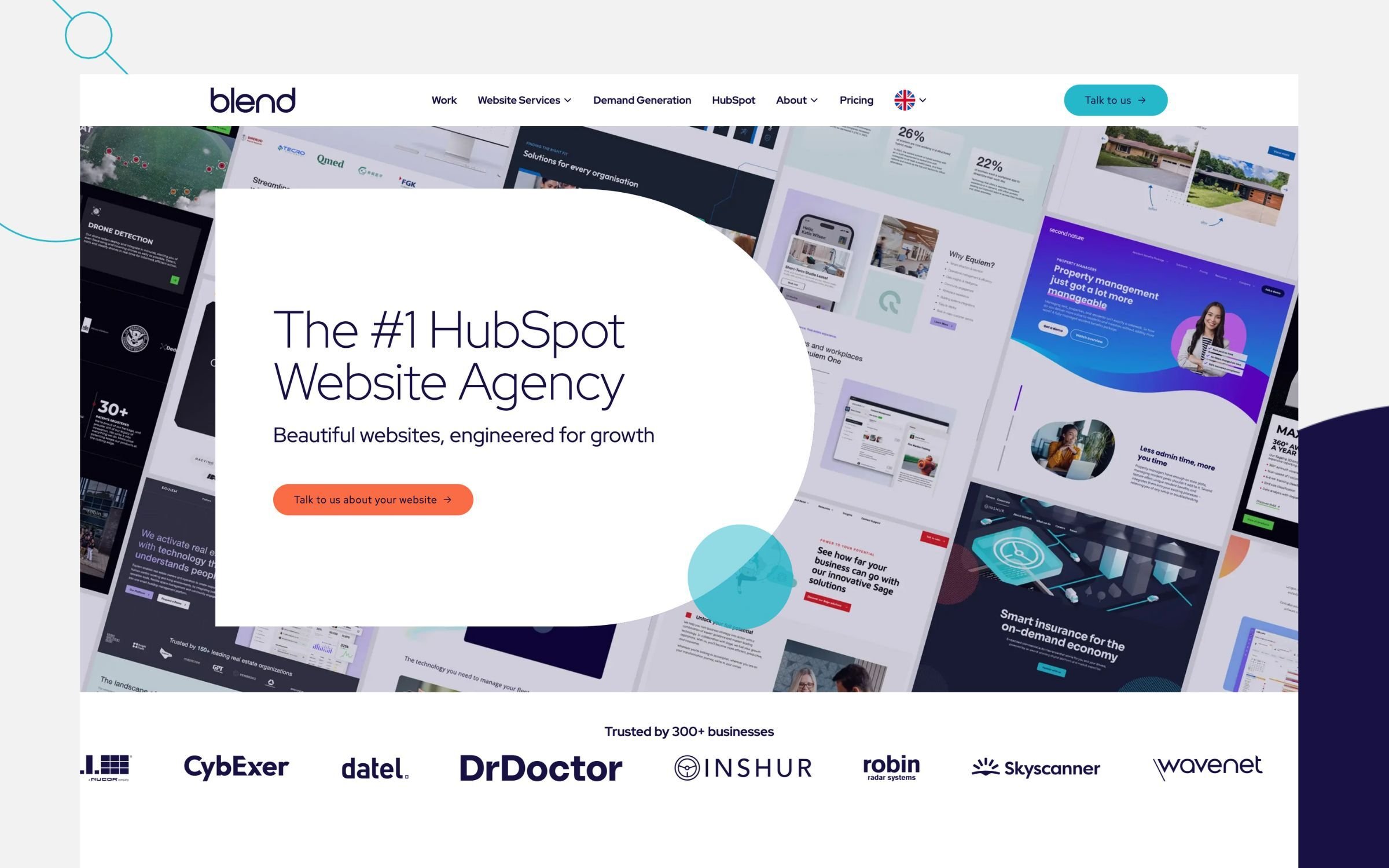
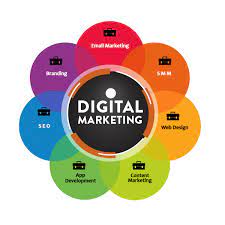
best digital marketing websites

Best Digital Marketing Websites to Learn, Grow and Stay Ahead

Best Digital Marketing Websites to Learn, Plan and Grow

Digital marketing changes quickly. Search engines update their algorithms, new social platforms emerge and customer habits shift. Whether you are a business owner, marketer or student, trusted online resources can help you build your skills and make more informed decisions.

Here are some of the best digital marketing websites for practical guidance, industry news and specialist knowledge.

HubSpot

HubSpot is a useful starting point for marketers looking for clear advice on content marketing, email, sales and customer relationship management. Its articles and free learning materials are designed to be accessible, making the site suitable for beginners as well as experienced professionals.

Best for: Inbound marketing, content strategy and marketing fundamentals.

Google Skillshop

Google Skillshop offers training on Google products, including Google Ads and Google Analytics. Courses and certifications can help marketers understand the platforms they use and develop practical skills at their own pace.

Best for: Learning how to use Google’s advertising and analytics tools.

Think with Google

Think with Google shares research, consumer insights and marketing case studies. It can help businesses explore how people search, watch and shop, and use those insights to inform their campaigns.

Best for: Consumer trends, research and campaign inspiration.

Semrush Blog

The Semrush Blog covers search engine optimisation (SEO), keyword research, paid advertising and content marketing. Many of its guides include step-by-step advice and examples that readers can apply to their own websites.

Best for: SEO guidance, keyword research and digital marketing tutorials.

Ahrefs Blog

The Ahrefs Blog is well regarded for in-depth articles on SEO, backlinks, content and website growth. It often explains complex topics in a practical way, with research and examples to support its recommendations.

Best for: SEO strategy, link building and organic traffic.

Moz

Moz publishes educational resources for people looking to improve their understanding of SEO. Its guides cover topics such as on-page optimisation, local search and link building, making it a useful reference for marketers at different levels.

Best for: SEO fundamentals and search marketing advice.

Search Engine Land

Search Engine Land reports on developments in search marketing, including updates from major platforms and changes affecting SEO and paid search. It is particularly useful for keeping up with industry news, although its coverage is geared more towards marketers who already know the basics.

Best for: Search marketing news and industry updates.

Content Marketing Institute

The Content Marketing Institute focuses on planning, creating and measuring content. Its articles, research and events can help businesses develop a more consistent approach to content marketing.

Best for: Content planning, editorial strategy and measurement.

Social Media Examiner

Social Media Examiner provides advice on social media marketing, platform features and campaign tactics. As social networks change their tools and formats regularly, it can be a helpful source for marketers looking for practical updates.

Best for: Social media strategy and platform-specific guidance.

Marketing Week

Marketing Week is a UK marketing publication covering industry news, brand campaigns and professional perspectives. It offers a local view of marketing trends and the issues facing businesses and marketers in the UK.

Best for: UK marketing news, campaigns and industry commentary.

Chartered Institute of Marketing

The Chartered Institute of Marketing (CIM) supports marketing professionals with training, qualifications, events and practical resources. It is a useful destination for people looking to develop their career as well as their digital marketing knowledge.

Best for: Professional development and recognised marketing training in the UK.

How to Choose the Right Digital Marketing Websites

The best resource depends on what you need to learn. For example, start with Google Skillshop if you want to improve your knowledge of Google Ads, or explore the Ahrefs and Moz blogs for SEO guidance. For broader industry perspectives, Marketing Week and Search Engine Land are useful places to follow.

  • Check the date: Advice about platforms and algorithms can become outdated, so look for recently updated articles.
  • Look for evidence: Prioritise resources that explain their recommendations with research, examples or clear methodology.
  • Match the advice to your business: A tactic that works for a large retailer may not suit a small local business.
  • Put learning into practice: Test ideas on a manageable scale and measure the results before making major changes.

Final Thoughts

There is no single website that covers every area of digital marketing. A balanced mix of training platforms, specialist blogs and trusted industry publications can help you build knowledge and stay informed. Choose resources that match your goals, verify advice before acting on it and use performance data to guide your next steps.


Top 6 Digital Marketing Tools to Enhance Your Online Strategy

  1. Use Google Analytics to track website traffic and conversions.
  2. Try Google Search Console to improve search visibility.
  3. Explore Semrush for keyword research and competitor insights.
  4. Use HubSpot to manage campaigns and customer relationships.
  5. Create social media graphics with Canva.
  6. Choose Mailchimp for straightforward email marketing.

Use Google Analytics to track website traffic and conversions.

Use Google Analytics to understand how people find and use your website. By tracking traffic sources, popular pages and visitor behaviour, you can see which digital marketing activities are attracting the right audience. Set up conversion events—such as purchases, enquiries or newsletter sign-ups—to measure whether those visits lead to meaningful results. Review the data regularly and use it to refine your campaigns, while ensuring your analytics setup and privacy practices comply with relevant data protection requirements.

Try Google Search Console to improve search visibility.

Try Google Search Console to understand how your website performs in Google Search and identify opportunities to improve its visibility. The free tool shows which search queries bring people to your site, how often your pages appear in results and how many users click through. You can also check for indexing issues and submit updated sitemaps. Use these insights to refine page content, titles and descriptions, then monitor the results over time.

Explore Semrush for keyword research and competitor insights.

Explore Semrush to find relevant keywords, assess search demand and discover what your competitors are doing online. Its tools can help you identify content opportunities, review competing websites and shape an SEO strategy around the terms your potential customers are searching for. Use the insights as a guide, then tailor your content to your audience and business goals.

Use HubSpot to manage campaigns and customer relationships.

Use HubSpot to bring your marketing campaigns and customer relationships together in one place. Its tools can help you organise contacts, plan and automate emails, manage leads and track campaign performance, making it easier to see how people engage with your business. Start with the features that suit your needs, keep your customer data up to date and use the results to refine your marketing over time.

Create social media graphics with Canva.

Create eye-catching social media graphics with Canva, a user-friendly design tool offering customisable templates for posts, stories and adverts. Choose designs that suit your brand, then add your own colours, fonts, images and messaging to keep content consistent across platforms. Canva can help you produce polished visuals quickly, even without professional design experience.

Choose Mailchimp for straightforward email marketing.

Choose Mailchimp for straightforward email marketing. Its intuitive tools make it easy to create and send newsletters, manage subscriber lists and automate basic campaigns, even if you’re new to email marketing. It also offers reporting features to help you understand how your emails are performing and spot opportunities to improve.

search marketing services

Unlocking Success: Maximising Your Potential with Search Marketing Services

Search Marketing Services

The Power of Search Marketing Services

In today’s digital age, having a strong online presence is essential for businesses to succeed. Search marketing services play a crucial role in helping businesses reach their target audience and drive relevant traffic to their websites.

What is Search Marketing?

Search marketing encompasses a range of strategies aimed at increasing a website’s visibility in search engine results pages (SERPs). This includes search engine optimisation (SEO) to improve organic rankings, as well as pay-per-click (PPC) advertising to appear in sponsored listings.

The Benefits of Search Marketing Services

Increased Visibility: By implementing effective search marketing strategies, businesses can improve their visibility online and attract more potential customers.

Targeted Traffic: Search marketing allows businesses to target specific keywords and demographics, ensuring that the traffic driven to their website is relevant and likely to convert.

Improved Brand Awareness: Consistent visibility in search results helps build brand awareness and credibility among consumers searching for related products or services.

How Search Marketing Services Work

Keyword Research: Identifying relevant keywords that potential customers are searching for is essential for both SEO and PPC campaigns.

On-Page Optimisation: Optimising website content, meta tags, and other on-page elements to improve organic search rankings.

Paid Advertising: Setting up targeted PPC campaigns on platforms like Google Ads to reach customers actively searching for products or services.

The Future of Search Marketing

The landscape of search marketing is constantly evolving with advancements in technology and changes in consumer behaviour. Businesses that adapt to these changes and invest in effective search marketing services will continue to stay ahead of the competition in the digital realm.


Top 6 Essential Tips for Enhancing Your Search Marketing Services

  1. 1. Understand your target audience and their search behaviour.
  2. 2. Conduct keyword research to identify relevant terms and phrases.
  3. 3. Optimise your website content for search engines with targeted keywords.
  4. 4. Create compelling meta titles and descriptions to improve click-through rates.
  5. 5. Utilise paid search advertising to reach a wider audience quickly.
  6. 6. Monitor and analyse performance metrics to continuously improve your search marketing strategies.

1. Understand your target audience and their search behaviour.

To maximise the effectiveness of your search marketing services, it is crucial to thoroughly understand your target audience and their search behaviour. By gaining insights into what keywords they use, how they search for information, and what influences their decision-making process, you can tailor your SEO and PPC strategies to align with their preferences. This understanding allows you to create targeted campaigns that resonate with your audience, driving relevant traffic to your website and ultimately increasing the likelihood of conversion.

2. Conduct keyword research to identify relevant terms and phrases.

To enhance the effectiveness of search marketing services, it is crucial to conduct thorough keyword research to identify relevant terms and phrases that resonate with the target audience. By understanding the specific keywords potential customers use when searching online, businesses can tailor their content and advertising strategies to align with these search queries. This proactive approach not only improves visibility in search engine results but also ensures that the traffic driven to the website is more likely to convert into valuable leads or customers.

3. Optimise your website content for search engines with targeted keywords.

To enhance the effectiveness of your search marketing efforts, it is crucial to optimise your website content by strategically incorporating targeted keywords. By conducting thorough keyword research and seamlessly integrating these keywords into your website’s content, meta tags, and headings, you can improve your site’s visibility in search engine results pages (SERPs). This proactive approach not only helps search engines better understand the relevance of your website to user queries but also increases the likelihood of attracting organic traffic from users actively seeking products or services related to your business.

4. Create compelling meta titles and descriptions to improve click-through rates.

Creating compelling meta titles and descriptions is a key tip in search marketing services. These elements serve as the first impression of a website in search engine results, influencing users’ decision to click through. By crafting engaging and relevant meta titles and descriptions that accurately reflect the content of the page, businesses can significantly improve their click-through rates. A well-crafted meta title and description not only attract more clicks but also enhance the overall user experience by providing clear expectations of what the page offers.

5. Utilise paid search advertising to reach a wider audience quickly.

Utilising paid search advertising is a strategic tip in search marketing services that can significantly expand a business’s reach to a broader audience in a short period. By investing in paid search campaigns, businesses can target specific keywords and demographics, ensuring their ads are displayed to users actively searching for relevant products or services. This approach not only increases visibility but also accelerates the process of reaching potential customers who may not have been reached through organic search alone. Paid search advertising offers a quick and effective way to drive traffic to a website and generate leads, making it a valuable tool in maximising online presence and achieving marketing goals efficiently.

6. Monitor and analyse performance metrics to continuously improve your search marketing strategies.

Monitoring and analysing performance metrics is a crucial tip in search marketing services. By regularly tracking key metrics such as website traffic, conversion rates, keyword rankings, and ad performance, businesses can gain valuable insights into the effectiveness of their search marketing strategies. This data allows them to identify what is working well and what areas need improvement, enabling them to make informed decisions to optimise their campaigns for better results. Continuous monitoring and analysis help businesses stay agile and responsive in the ever-changing digital landscape, ensuring that their search marketing efforts remain effective and competitive.

search marketing

Unlocking the Potential of Search Marketing: A Guide to Success

The Power of Search Marketing

The Power of Search Marketing

Search marketing, also known as search engine marketing (SEM), is a powerful digital marketing strategy that aims to increase a website’s visibility in search engine results pages (SERPs) through paid advertising and search engine optimization (SEO). It encompasses both pay-per-click (PPC) advertising and organic search tactics to drive targeted traffic to a website.

Key Components of Search Marketing:

Pay-Per-Click (PPC) Advertising: PPC ads are paid advertisements that appear at the top or bottom of search engine results pages. Advertisers bid on keywords relevant to their target audience, and they pay a fee each time their ad is clicked. PPC campaigns can be highly targeted and offer instant visibility for businesses.

Search Engine Optimization (SEO): SEO involves optimizing a website’s content, structure, and technical aspects to improve its ranking in organic search results. By using relevant keywords, creating high-quality content, and building backlinks from reputable sites, businesses can enhance their online presence and attract organic traffic.

The Benefits of Search Marketing:

Increased Visibility: By implementing search marketing strategies, businesses can improve their visibility in search engines and reach a wider audience of potential customers.

Targeted Traffic: Search marketing allows businesses to target specific demographics, locations, and interests, ensuring that their ads are seen by users who are most likely to convert.

Measurable Results: With tools like Google Analytics and ad platforms’ built-in analytics, businesses can track the performance of their search marketing campaigns in real-time and make data-driven decisions to optimize their strategies.

In Conclusion

Search marketing is a dynamic and essential component of any digital marketing strategy. By combining PPC advertising with SEO techniques, businesses can increase their online visibility, drive targeted traffic to their websites, and ultimately achieve their marketing goals.


Mastering Search Marketing: 7 Essential Tips for Success

  1. 1. Conduct keyword research to understand what terms your target audience is searching for.
  2. 2. Optimise your website and content for search engines by including relevant keywords and meta tags.
  3. 3. Create high-quality, engaging content that provides value to users and encourages them to stay on your site.
  4. 4. Utilise pay-per-click (PPC) advertising to target specific keywords and drive traffic to your site quickly.
  5. 5. Monitor and analyse your search marketing efforts using tools like Google Analytics to make data-driven decisions.
  6. 6. Build quality backlinks from reputable websites to improve your site’s authority and search engine rankings.
  7. 7. Stay updated on search engine algorithms and trends to adapt your strategy for better results.

1. Conduct keyword research to understand what terms your target audience is searching for.

Conducting thorough keyword research is a fundamental step in effective search marketing. By understanding the specific terms and phrases that your target audience is using to search for products or services, you can tailor your content and advertising strategies to align with their needs and preferences. This insight not only improves your website’s visibility in search engine results but also helps you attract qualified traffic that is more likely to convert into customers. Keyword research forms the foundation of a successful search marketing campaign, guiding your efforts towards reaching and engaging with the right audience effectively.

2. Optimise your website and content for search engines by including relevant keywords and meta tags.

To enhance your search marketing efforts, it is crucial to optimise your website and content for search engines by incorporating relevant keywords and meta tags. By strategically placing keywords that align with your target audience’s search queries within your website’s content and meta tags, you can improve your site’s visibility in search engine results pages. Meta tags, such as meta titles and descriptions, provide search engines with valuable information about your web pages, helping them understand the relevance of your content to users’ searches. This optimisation strategy not only boosts your site’s ranking but also enhances its overall discoverability and click-through rates.

3. Create high-quality, engaging content that provides value to users and encourages them to stay on your site.

Creating high-quality, engaging content is a crucial tip in search marketing. By offering valuable information that resonates with users and keeps them interested, businesses can enhance their website’s performance in search engine rankings. Compelling content not only attracts visitors but also encourages them to explore further, increasing the chances of conversion and building brand loyalty. Ultimately, prioritising quality content that adds value to users’ experience can significantly impact a website’s visibility and success in the competitive digital landscape.

4. Utilise pay-per-click (PPC) advertising to target specific keywords and drive traffic to your site quickly.

Utilising pay-per-click (PPC) advertising is a highly effective tip in search marketing. By targeting specific keywords through PPC campaigns, businesses can drive traffic to their websites quickly and efficiently. With PPC, advertisers bid on relevant keywords to display their ads at the top of search engine results pages, ensuring visibility to users actively searching for products or services. This targeted approach not only increases website traffic but also enhances the likelihood of attracting qualified leads and potential customers, making PPC an invaluable tool in achieving marketing objectives swiftly.

5. Monitor and analyse your search marketing efforts using tools like Google Analytics to make data-driven decisions.

To enhance the effectiveness of your search marketing campaigns, it is crucial to monitor and analyse your efforts using tools such as Google Analytics. By leveraging these tools, you can gain valuable insights into the performance of your campaigns, track key metrics like website traffic and conversion rates, and make informed, data-driven decisions to optimise your strategies. Monitoring and analysing your search marketing efforts allows you to identify areas for improvement, refine your targeting tactics, and ultimately maximise the return on investment for your digital marketing initiatives.

To enhance your site’s authority and boost its visibility in search engine rankings, it is crucial to focus on building quality backlinks from reputable websites. By obtaining backlinks from trusted sources, you establish credibility and trustworthiness in the eyes of search engines. These inbound links act as signals of endorsement, indicating to search algorithms that your content is valuable and relevant. Investing time and effort in securing high-quality backlinks can significantly impact your site’s SEO performance, helping you climb the ranks and attract more organic traffic to your website.

To maximise the effectiveness of your search marketing efforts, it is crucial to stay informed about the latest search engine algorithms and trends. By staying updated on these developments, you can adapt your strategy accordingly to align with current best practices and optimise your online presence for improved results. Search engine algorithms are constantly evolving, and by keeping abreast of these changes, you can ensure that your marketing efforts remain relevant and effective in reaching your target audience.