digital campaigns

Unlocking Success: Maximising Your Potential with Strategic Digital Campaigns

The Power of Digital Campaigns

The Power of Digital Campaigns

In today’s fast-paced digital world, businesses are constantly seeking innovative ways to reach and engage with their target audience. One powerful tool that has revolutionized marketing strategies is digital campaigns. These campaigns leverage the vast reach and interactivity of online platforms to deliver targeted messages and drive desired actions.

What Are Digital Campaigns?

Digital campaigns refer to strategic marketing efforts that use various online channels such as social media, email, search engines, and websites to promote products or services. These campaigns can take many forms, including display ads, video content, influencer partnerships, email newsletters, and more.

The Benefits of Digital Campaigns

One of the key advantages of digital campaigns is their ability to precisely target specific audiences based on demographics, interests, behaviour, and other factors. This targeted approach ensures that marketing messages reach the right people at the right time, increasing the likelihood of conversion.

Furthermore, digital campaigns offer real-time tracking and analytics capabilities that provide valuable insights into campaign performance. Marketers can monitor key metrics such as click-through rates, conversion rates, engagement levels, and ROI to optimize their strategies for maximum impact.

Tips for Successful Digital Campaigns

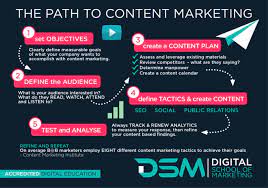
  • Define Clear Objectives: Clearly outline your campaign goals and key performance indicators to measure success.
  • Know Your Audience: Conduct thorough research to understand your target audience’s preferences, behaviours, and pain points.
  • Create Compelling Content: Develop engaging and relevant content that resonates with your audience and encourages action.
  • Optimize for Mobile: Ensure that your digital campaigns are mobile-friendly to reach users on smartphones and tablets.
  • Monitor and Adjust: Continuously monitor campaign performance metrics and make adjustments based on data insights to improve results.

In Conclusion

Digital campaigns have become essential components of modern marketing strategies due to their effectiveness in reaching target audiences and driving results. By leveraging the power of online platforms and adopting best practices in campaign planning and execution, businesses can enhance brand visibility, generate leads, increase sales, and foster customer loyalty in today’s competitive digital landscape.


7 Advantages of Digital Campaigns: Precision, Cost-Effectiveness, and Global Reach

  1. Precise targeting of specific audiences based on demographics, interests, and behaviour.
  2. Real-time tracking and analytics provide valuable insights into campaign performance.
  3. Cost-effective compared to traditional marketing methods such as print or TV ads.
  4. Ability to reach a global audience instantly through online channels.
  5. Enhanced interactivity allows for engaging and interactive content experiences.
  6. Opportunity for quick adjustments and optimizations based on real-time data feedback.
  7. Increased brand visibility and awareness across multiple digital platforms.


Challenges of Digital Campaigns: Addressing Ad Fatigue, Blocking, Competition, and More

  1. 1. Ad Fatigue
  2. 2. Ad Blocking
  3. 3. Competition
  4. 4. Technical Issues
  5. 5. Data Privacy Concerns
  6. 6. Costly Mistakes
  7. 7. Rapid Changes

Precise targeting of specific audiences based on demographics, interests, and behaviour.

One significant advantage of digital campaigns is their ability to precisely target specific audiences by leveraging demographics, interests, and behaviour. By tailoring marketing messages to the characteristics and preferences of a well-defined audience, businesses can increase the relevance and effectiveness of their campaigns. This targeted approach not only enhances engagement but also improves the chances of converting leads into loyal customers. The ability to reach the right people with the right message at the right time is a powerful asset that digital campaigns offer in today’s competitive marketing landscape.

Real-time tracking and analytics provide valuable insights into campaign performance.

Real-time tracking and analytics in digital campaigns offer invaluable insights into the performance and effectiveness of marketing efforts. By monitoring key metrics such as engagement levels, click-through rates, conversion rates, and return on investment (ROI) as they happen, businesses can make data-driven decisions to optimize their strategies for better results. This real-time feedback loop enables marketers to identify what is working well and what needs improvement, allowing for agile adjustments to maximise the impact of their campaigns and achieve desired outcomes efficiently.

Cost-effective compared to traditional marketing methods such as print or TV ads.

Digital campaigns offer a significant advantage in terms of cost-effectiveness when compared to traditional marketing methods like print or TV ads. With digital campaigns, businesses can reach a targeted audience at a fraction of the cost of traditional advertising channels. This affordability allows companies of all sizes to allocate their marketing budgets more efficiently and achieve measurable results without the high expenses associated with traditional media placements.

Ability to reach a global audience instantly through online channels.

The ability of digital campaigns to reach a global audience instantly through online channels is a game-changer for businesses seeking to expand their reach beyond geographical boundaries. By leveraging the power of the internet, companies can connect with potential customers worldwide in real-time, breaking down traditional barriers to entry into new markets. This instantaneous reach not only increases brand visibility on a global scale but also opens up opportunities for engagement, lead generation, and conversion across diverse demographics and regions.

Enhanced interactivity allows for engaging and interactive content experiences.

Enhanced interactivity in digital campaigns enables businesses to create engaging and interactive content experiences that captivate audiences and encourage active participation. By incorporating elements such as quizzes, polls, videos, and interactive ads, brands can establish a deeper connection with their target audience, leading to increased brand awareness, customer engagement, and ultimately, conversions. This dynamic and immersive approach not only entertains users but also provides valuable insights into consumer preferences and behaviours, allowing businesses to tailor their messaging for maximum impact.

Opportunity for quick adjustments and optimizations based on real-time data feedback.

One significant advantage of digital campaigns is the opportunity for quick adjustments and optimizations based on real-time data feedback. Unlike traditional marketing methods, digital campaigns allow marketers to monitor performance metrics in real time and make immediate changes to improve results. By analysing data on the fly, businesses can tweak their strategies, refine targeting, adjust messaging, and allocate resources more effectively to maximise campaign impact and ROI. This agility and responsiveness enable brands to stay agile in a dynamic digital landscape and continuously enhance their marketing efforts for better outcomes.

Increased brand visibility and awareness across multiple digital platforms.

One significant advantage of digital campaigns is the ability to enhance brand visibility and awareness across various digital platforms. By strategically promoting products or services through targeted online channels such as social media, search engines, and websites, businesses can effectively reach a wider audience and increase brand recognition. This increased visibility not only helps in attracting new customers but also reinforces brand identity and presence in the competitive digital landscape.

1. Ad Fatigue

One significant drawback of digital campaigns is the phenomenon of ad fatigue. When audiences are bombarded with an excessive number of digital ads across various online platforms, they may experience a sense of saturation and disinterest. This overexposure can lead to ad fatigue, causing individuals to become less responsive and engaged with the marketing messages they encounter. As a result, the effectiveness of digital campaigns can diminish as audience attention wanes, highlighting the importance of carefully managing ad frequency and diversifying content to prevent fatigue and maintain audience engagement levels.

2. Ad Blocking

The rise of ad-blocking software presents a significant challenge for digital campaigns. As more internet users adopt these tools to block online advertisements, the effectiveness of digital campaigns is compromised. Ad blocking not only restricts the reach of marketing messages but also diminishes the chances of connecting with target audiences, ultimately impacting the overall success and ROI of digital marketing efforts. Marketers must find creative ways to navigate this conundrum and adapt their strategies to engage with audiences in meaningful ways that bypass ad blockers.

3. Competition

In the realm of digital campaigns, one significant drawback is the fierce competition that exists within the saturated digital landscape. With numerous brands vying for consumers’ attention and engagement, standing out and making a lasting impact can be a daunting task. The abundance of content from various sources adds to the challenge, requiring campaigns to be exceptionally creative, strategic, and targeted in order to cut through the noise and capture the audience’s interest effectively.

4. Technical Issues

Digital campaigns are not without their challenges, and one significant con to consider is the potential for technical issues. These issues, ranging from website downtime to slow loading times and compatibility problems, can disrupt the user experience and impact the effectiveness of a campaign. Such technical hurdles not only frustrate users but also risk alienating potential customers, highlighting the importance of robust infrastructure and proactive monitoring to mitigate these setbacks in digital marketing efforts.

5. Data Privacy Concerns

Growing concerns about data privacy and online tracking practices can deter users from engaging with digital campaign content. In an era where personal data protection is a top priority for individuals, the misuse or mishandling of user information can erode trust and lead to backlash against brands running digital campaigns. As consumers become more aware of how their data is collected and used online, businesses must prioritise transparency and compliance with data protection regulations to alleviate these concerns and maintain a positive relationship with their target audience.

6. Costly Mistakes

One significant drawback of digital campaigns is the potential for costly mistakes. Errors in the planning or execution of a campaign can have detrimental financial implications, resulting in wasted resources and missed opportunities to achieve desired outcomes. Whether it’s targeting the wrong audience, poorly timed messaging, or ineffective content, these mistakes can not only drain budgets but also hinder the overall success and effectiveness of a digital campaign. It is crucial for businesses to carefully strategize and execute their digital campaigns to minimise the risk of such costly errors.

7. Rapid Changes

In the realm of digital campaigns, one significant drawback is the constant and rapid changes in digital technologies and platforms. This ever-evolving landscape demands continuous adaptation, posing a challenge for marketers to stay abreast of emerging trends and evolving best practices. The need to constantly adjust strategies to align with the latest advancements can be overwhelming and time-consuming, potentially hindering the effectiveness and efficiency of digital campaigns.

advertisements

Unleashing the Potential of Effective Advertisements in the Digital Age

The Power of Advertisements

The Power of Advertisements

Advertisements play a crucial role in today’s highly competitive business environment. They are a powerful tool used by companies to promote their products or services, build brand awareness, and attract new customers. In a world inundated with information, advertisements help businesses cut through the noise and connect with their target audience.

Effective advertising not only informs consumers about a product or service but also persuades them to make a purchase. Through compelling visuals, catchy slogans, and strategic placement, advertisements have the ability to influence consumer behaviour and drive sales.

Moreover, advertisements have the potential to shape societal values and perceptions. They can reflect cultural trends, challenge stereotypes, and spark important conversations. Advertisements have the power to inspire change and create a lasting impact on society.

With the rise of digital marketing, advertisements have evolved beyond traditional mediums such as print and television. Online advertising offers businesses the opportunity to reach a global audience in real-time through social media platforms, search engines, and targeted display ads.

However, amidst the proliferation of advertisements in the digital space, consumers have become more discerning than ever. They demand authenticity, relevance, and value from brands. Successful advertisers understand the importance of creating meaningful connections with their audience by delivering engaging content that resonates with their needs and aspirations.

In conclusion, advertisements are not just about selling products; they are about storytelling, building relationships, and shaping culture. When done right, advertisements have the power to captivate hearts and minds, driving positive outcomes for both businesses and society as a whole.


Top 7 Tips for Crafting Effective Advertisements

  1. Clearly define your target audience
  2. Create compelling and engaging content
  3. Use high-quality images or videos
  4. Include a strong call to action
  5. Test different ad formats and placements
  6. Monitor and analyse ad performance regularly
  7. Stay updated on advertising trends and best practices

Clearly define your target audience

Clearly defining your target audience is a fundamental tip in creating effective advertisements. By understanding the demographics, interests, and behaviours of your target market, you can tailor your messaging and visuals to resonate with them on a deeper level. This targeted approach not only increases the relevance of your ads but also enhances the likelihood of engaging potential customers and driving conversions. Identifying and segmenting your audience allows you to craft compelling advertisements that speak directly to their needs and preferences, ultimately maximising the impact of your advertising efforts.

Create compelling and engaging content

Creating compelling and engaging content is essential in the realm of advertisements. Capturing the attention of your audience and holding their interest is key to conveying your message effectively. By crafting content that resonates with your target demographic, you can establish a meaningful connection that drives engagement and encourages action. Whether through captivating visuals, persuasive storytelling, or interactive elements, compelling content has the power to leave a lasting impression and inspire positive responses from viewers.

Use high-quality images or videos

Utilising high-quality images or videos in advertisements can significantly enhance their impact and effectiveness. Clear, crisp visuals not only grab the viewer’s attention but also convey professionalism and credibility. By investing in visually appealing content, businesses can create a lasting impression on their audience and increase engagement levels. High-quality visuals have the power to evoke emotions, tell a compelling story, and ultimately drive conversions. In today’s visually-driven world, using top-notch images or videos is a key strategy to make advertisements stand out and resonate with viewers.

Include a strong call to action

In the realm of advertisements, incorporating a compelling call to action is paramount. A strong call to action serves as a guiding beacon for the audience, prompting them to take a specific desired action, whether it be making a purchase, signing up for a newsletter, or visiting a website. By clearly outlining what steps the viewer should take next, a well-crafted call to action not only enhances engagement but also increases the likelihood of converting interest into tangible results. In essence, a strong call to action acts as the catalyst that propels viewers towards meaningful interaction with the advertisement’s message and ultimately drives desired outcomes for the advertiser.

Test different ad formats and placements

Testing different ad formats and placements is a crucial tip for maximising the effectiveness of advertisements. By experimenting with various formats such as images, videos, or interactive content, and testing different placements across platforms like social media, websites, or search engines, businesses can gain valuable insights into what resonates best with their target audience. This iterative approach not only helps in identifying the most successful ad strategies but also allows for continuous improvement and optimisation to drive better results and engagement.

Monitor and analyse ad performance regularly

Monitoring and analysing ad performance regularly is a crucial tip for any successful advertising campaign. By tracking key metrics such as click-through rates, conversion rates, and return on investment, advertisers can gain valuable insights into the effectiveness of their ads. This data allows them to identify what is working well and what needs improvement, enabling them to make informed decisions to optimise their advertising strategy for better results. Regular monitoring and analysis ensure that advertisers stay agile and responsive in an ever-changing digital landscape, ultimately maximising the impact of their advertisements.

Staying updated on advertising trends and best practices is essential for businesses looking to stay ahead in the competitive world of marketing. By keeping abreast of the latest developments in the advertising industry, companies can adapt their strategies to resonate with evolving consumer preferences and behaviour. Embracing innovative approaches and incorporating best practices ensures that advertisements remain relevant, engaging, and effective in reaching target audiences. Continuous learning and implementation of new trends can give businesses a competitive edge and drive success in their advertising campaigns.