
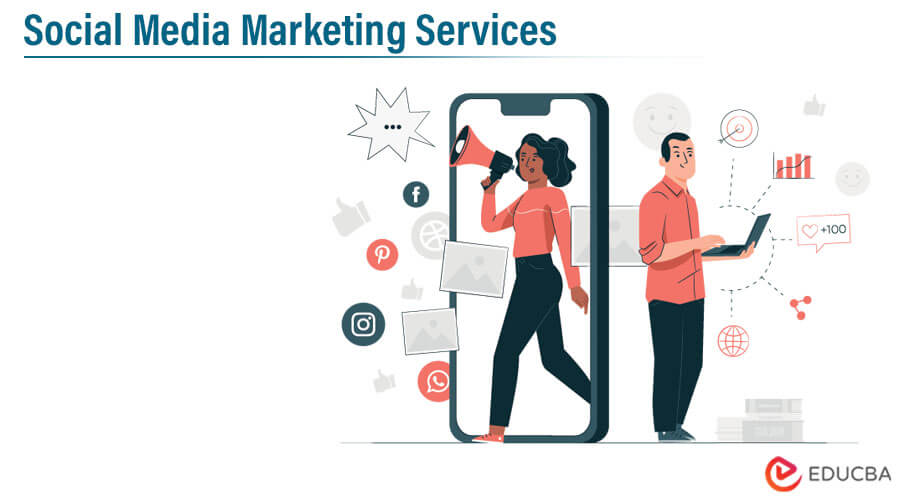
Digital Media Marketing Services: Helping Your Business Get Noticed Online
People discover and engage with businesses across a growing range of digital channels. A clear, consistent marketing approach can help your business reach the right audience, build trust and turn interest into action. Digital media marketing services bring these channels together to support your business goals.
What are digital media marketing services?
Digital media marketing covers the ways businesses use online platforms and content to connect with customers. Depending on your needs, a strategy may include social media, paid advertising, content creation, email marketing, search engine optimisation (SEO) and performance analysis.
These services work best when they form part of a joined-up plan. Rather than treating each channel in isolation, a digital marketing strategy considers how customers find your business, what information they need and what might encourage them to take the next step.
Key digital marketing services
Social media marketing
Social media gives businesses a way to share updates, showcase their work and take part in conversations with their audience. Effective social media marketing starts with choosing platforms that suit your customers and setting a realistic plan for what to publish. Content might include helpful advice, product information, company news or behind-the-scenes updates.
Paid social campaigns can also help put specific messages in front of carefully selected audiences. Clear objectives and regular monitoring help keep campaigns focused.
Content marketing
Useful content can help answer customer questions and demonstrate your expertise. This could include articles, guides, videos, case studies or downloadable resources. Content marketing is most effective when it is relevant to your audience, easy to understand and connected to a wider business objective.
Search engine optimisation
SEO helps improve the visibility of your website in organic search results. It can involve researching the terms your customers use, improving website content and structure, and addressing technical issues that affect how search engines access your site. SEO takes time, but a considered approach can help attract people who are actively looking for information, products or services like yours.
Paid digital advertising
Paid advertising can help businesses reach potential customers through search engines, social networks and other online platforms. Campaigns may be designed to increase awareness, generate enquiries or promote a particular offer. Strong campaigns use relevant targeting and landing pages, with results reviewed against agreed objectives.
Email marketing
Email remains a practical way to keep in touch with people who have chosen to hear from your business. Newsletters, updates and automated messages can share useful information and encourage repeat engagement. Emails should be relevant, well written and sent in line with applicable data protection and marketing rules.
Analytics and reporting
Measurement helps show whether marketing activity is supporting your goals. Depending on the campaign, useful indicators might include website visits, engagement, enquiries, sales or the cost of acquiring a customer. Regular reporting can reveal what is working, where improvements may be needed and how to make informed decisions about future activity.
Why take an integrated approach?
Customers may encounter your business through several channels before making a decision. A coordinated approach helps create a more consistent experience, from a social media post or search result to the information on your website and the follow-up they receive.
Digital marketing can also provide valuable insight into audience behaviour. By reviewing performance and listening to customer feedback, businesses can refine their messaging and focus their resources on the activities most relevant to their goals.
Choosing the right digital marketing support
Before selecting a provider, consider what you want to achieve and which audiences you need to reach. Ask how the proposed services will support those objectives, what success will look like and how progress will be reported. It is also important to understand who will manage the work, how communication will happen and what is included in the service.
Look for a practical strategy rather than a list of channels. The right approach should reflect your business, your customers and your available budget, with room to adapt as you learn more about what works.
Make your next move with confidence
Digital media marketing services can help your business build visibility, communicate its value and create stronger connections with customers. With clear goals, relevant content and regular measurement, online activity can become a more purposeful part of your wider growth plan.
Maximise Business Growth with Digital Media Marketing: 6 Key Advantages
- Reach more potential customers online.
- Target audiences with greater precision.
- Build brand awareness consistently.
- Measure results and refine campaigns.
- Engage customers across multiple channels.
- Support enquiries, sales and business growth.
Challenges of Digital Media Marketing: Delayed Results, Rising Costs, Platform Changes, and Complex ROI Measurement
- Results can take time to appear.
- Costs may rise without careful budgeting.
- Platform changes can disrupt campaigns.
- Measuring return on investment can be complex.
Reach more potential customers online.
Digital media marketing services help your business reach more potential customers online by making it easier to connect with people across search engines, social media and other digital platforms. With targeted campaigns and relevant content, you can put your products or services in front of audiences who are more likely to be interested, wherever they are in the UK.
Target audiences with greater precision.
Digital media marketing services can help businesses reach the people most likely to be interested in their products or services. By using factors such as location, interests, online behaviour and demographics, campaigns can be tailored to specific audience groups rather than broadcast widely. This greater precision can make marketing more relevant to potential customers, while helping businesses use their budgets more effectively and measure which messages perform best.
Build brand awareness consistently.
Digital media marketing services help build brand awareness consistently by keeping your business visible across the online channels your audience uses. Regular, relevant content and coordinated campaigns reinforce your message over time, helping people recognise your brand, understand what you offer and remember you when they’re ready to buy.
Measure results and refine campaigns.
Digital media marketing services make it easier to track how campaigns are performing, from website visits and social media engagement to enquiries and sales. By reviewing this data, businesses can see which messages and channels are working well, identify areas for improvement and adjust their campaigns accordingly. This ongoing process helps make better use of marketing budgets and keeps activity aligned with changing customer needs and business goals.
Engage customers across multiple channels.
Digital media marketing services help your business engage customers across the channels they use every day, from search engines and social media to email and your website. By sharing consistent, relevant messages across these platforms, you can meet people at different stages of their journey, make it easier for them to interact with your brand and build stronger, lasting relationships.
Support enquiries, sales and business growth.
Digital media marketing services can help turn online interest into meaningful business results. By reaching relevant audiences with clear, engaging messages and making it easy for them to enquire or buy, your business can generate more opportunities and support sales. Tracking campaign performance also helps identify what works, so you can refine your approach and invest in activities that contribute to sustainable growth.
Results can take time to appear.
One drawback of digital media marketing is that results can take time to appear. Activities such as SEO, content marketing and building an engaged social media following often need consistent effort before they lead to noticeable growth in visibility, enquiries or sales. This means businesses should set realistic expectations, monitor progress over time and avoid judging a strategy too early.
Costs may rise without careful budgeting.
Digital media marketing costs can rise quickly without careful budgeting. Paid advertising, content creation and specialist support may all require ongoing investment, and spending can increase before results become clear. Set a realistic budget, agree priorities and review performance regularly to help keep costs under control and focus investment on the channels that deliver value.
Platform changes can disrupt campaigns.
Platform changes can disrupt digital media marketing campaigns with little warning. Updates to algorithms, advertising rules, targeting options or fees may reduce a campaign’s reach or effectiveness, even when it has been performing well. Businesses can limit the impact by keeping up to date with platform changes, reviewing results regularly and avoiding over-reliance on a single channel.
Measuring return on investment can be complex.
Measuring the return on investment (ROI) of digital media marketing services can be complex because customers often interact with several channels before making a purchase. A campaign may build awareness or encourage repeat visits without leading to an immediate sale, making its contribution harder to isolate. Results can also be affected by factors such as seasonality, changes in demand and the accuracy of tracking tools. Setting clear objectives and using consistent measurement methods can help businesses assess performance, though it may take time to understand the full value of their marketing activity.