
How to Choose a PPC Digital Marketing Agency for Sustainable Growth

How a PPC Digital Marketing Agency Can Help Your Business Grow

Pay-per-click advertising can put your business in front of potential customers when they are actively searching for products or services like yours. But getting strong results takes more than setting a budget and writing a few adverts. A PPC digital marketing agency can help plan, manage and improve your campaigns so your advertising spend is working towards clear business goals.

What is PPC digital marketing?

PPC stands for pay-per-click. It is a form of online advertising where an advertiser typically pays when someone clicks on an advert. PPC campaigns can appear on search engines, social media platforms and other websites. Common examples include Google Ads search campaigns, shopping adverts and paid social campaigns.

Unlike organic marketing, PPC can provide visibility without waiting for search rankings to improve. However, visibility alone is not the same as success. Campaigns need to reach the right people, encourage useful actions and be measured against meaningful outcomes, such as enquiries, sales or bookings.

What does a PPC digital marketing agency do?

A PPC agency helps businesses plan and manage paid advertising. The work may include:

  • Strategy and planning: Setting campaign objectives, identifying audiences and deciding which platforms are suitable.
  • Keyword research: Finding the search terms potential customers use and assessing their relevance and likely cost.
  • Campaign setup: Structuring campaigns, selecting targeting options, setting budgets and configuring adverts.
  • Ad copy and creative: Writing and testing messages, images or other assets to encourage relevant clicks.
  • Landing page recommendations: Reviewing the pages people reach after clicking and suggesting ways to make them clearer and more effective.
  • Tracking and measurement: Setting up conversion tracking to understand which campaigns are generating valuable actions.
  • Ongoing optimisation: Reviewing performance and making informed adjustments to targeting, bids, budgets and creative.
  • Reporting: Explaining what the data shows and how it relates to your business objectives.

Why work with a PPC agency?

Paid advertising platforms offer many settings and features, and they change regularly. An experienced agency can bring structure to campaign management and help avoid common issues, such as targeting too broadly, measuring the wrong actions or spending money on irrelevant clicks.

An agency can also provide an outside perspective. By reviewing your offer, audience and website alongside campaign data, it can help identify practical opportunities to improve performance. The value of this work should be assessed against your objectives, not simply by the number of clicks or impressions an advert receives.

Choosing the right PPC agency

The right agency will depend on your budget, sector, in-house expertise and growth plans. When comparing providers, consider the following questions:

  • How will success be measured? Look for objectives connected to business outcomes, such as qualified leads or profitable sales.
  • What will the agency manage? Confirm which platforms, campaign tasks and reporting are included in its service.
  • Who owns the advertising accounts? Ideally, your business should retain access and ownership of its accounts and data.
  • How often will performance be reviewed? Ask how frequently the team will optimise campaigns and communicate findings.
  • How are fees structured? Agency fees may be fixed, based on a percentage of media spend, or arranged in another way. Make sure you understand what is included.
  • Can the agency explain its approach? A good partner should be able to describe its recommendations clearly, without promising guaranteed results.

What to expect from a PPC campaign

PPC is not always an instant route to profitable growth. Results depend on factors including competition, audience demand, your offer, the quality of your website and the amount of data available. A new campaign may need time to gather useful information before its performance can be assessed properly.

Before launch, agree the campaign’s goals, budget, reporting arrangements and conversion tracking. Once it is running, review both the advertising data and what happens after a click. For example, a high click-through rate may be encouraging, but it will not tell the whole story if visitors are not completing enquiries or purchases.

Making PPC part of a wider marketing strategy

PPC can work alongside search engine optimisation, email marketing, content and social media activity. Paid campaigns may help test which messages or offers attract interest, while insights from other channels can inform audience and keyword choices. A joined-up approach can also make it easier to understand how different marketing activities contribute to a customer’s decision.

Is a PPC digital marketing agency right for your business?

A PPC digital marketing agency may be a good fit if you want specialist support, need to improve existing campaigns or do not have the time or expertise to manage advertising in-house. Before committing, clarify what you want to achieve and how much you can invest in both advertising and agency support.

With clear goals, reliable measurement and regular optimisation, PPC can become a valuable part of your digital marketing mix. The best agency relationship is built on transparent communication, realistic expectations and a shared focus on outcomes that matter to your business.


7 Essential Tips for Selecting a PPC Digital Marketing Agency in the UK

  1. Choose an agency with proven PPC results in your industry.
  2. Set clear goals before launching campaigns.
  3. Ask how the agency measures conversions and return on ad spend.
  4. Check that reports are regular and easy to understand.
  5. Agree on fees, budgets and account ownership upfront.
  6. Look for ongoing testing of keywords, adverts and landing pages.
  7. Ensure the agency follows UK advertising and data protection rules.

Choose an agency with proven PPC results in your industry.

Choose a PPC digital marketing agency with proven results in your industry. A team familiar with your sector is more likely to understand your audience, competitive landscape and sales cycle, helping it develop campaigns that are relevant to your business. Ask for case studies or examples of previous work, and look for evidence of outcomes such as qualified leads, sales or improved return on ad spend—not just clicks and impressions.

Set clear goals before launching campaigns.

Set clear goals before launching a PPC campaign so you know what success looks like and can make informed decisions about your budget. Decide whether you want to generate qualified leads, increase online sales, encourage bookings or raise awareness, then choose measurable targets that support that aim. A PPC digital marketing agency can use these goals to shape campaign settings, select the right metrics and report on results that matter to your business—not just clicks and impressions.

Ask how the agency measures conversions and return on ad spend.

When choosing a PPC digital marketing agency, ask how it tracks conversions and measures return on ad spend (ROAS). A reliable agency should explain which actions count as conversions—such as enquiries, bookings or purchases—and how tracking is set up to record them accurately. It should also show how campaign revenue is compared with advertising costs, while accounting for factors such as lead quality and sales value. Clear, consistent reporting helps you understand whether your campaigns are contributing to meaningful business results, rather than simply generating clicks.

Check that reports are regular and easy to understand.

Choose a PPC digital marketing agency that provides regular, easy-to-understand reports. Clear updates should show how campaigns are performing against your goals, explain key metrics in plain English and highlight what the agency plans to do next. This helps you see where your advertising budget is going, understand what is working and make informed decisions without having to decipher complicated data.

Agree on fees, budgets and account ownership upfront.

Before launching a campaign, agree in writing how the agency’s fees are calculated, what they include and how much will be allocated to advertising spend. Set clear budget limits and confirm who must approve any changes, so there are no surprises. It is also important to establish account ownership upfront: your business should retain access to its advertising accounts and campaign data, even if you later change agency. Clear agreements help build trust and keep control of your PPC investment in your hands.

Look for ongoing testing of keywords, adverts and landing pages.

Look for a PPC digital marketing agency that continually tests keywords, adverts and landing pages rather than relying on a one-off setup. Regular testing helps reveal which search terms attract relevant visitors, which messages encourage people to click and which landing pages turn visits into enquiries or sales. Ask how the agency plans and reports on these tests, and how it uses the findings to improve your campaigns over time.

Ensure the agency follows UK advertising and data protection rules.

When choosing a PPC digital marketing agency, check that it understands and follows UK advertising and data protection requirements. Campaigns should comply with relevant ASA and CAP rules, while personal data must be handled lawfully under UK GDPR and the Data Protection Act 2018. Ask how the agency manages consent, tracking technologies and customer data, and make sure responsibilities are clearly set out in your agreement. This helps protect your business, supports transparent advertising and gives customers greater confidence in how their information is used.
outsource digital marketing

Outsource Digital Marketing: A Practical Guide for Growing Businesses

Outsource Digital Marketing: A Practical Guide for Growing Businesses

Digital marketing can help a business reach new customers, build its reputation and grow sales. But managing it well takes time and a mix of skills, from content creation and search engine optimisation to paid advertising and analytics. For many businesses, outsourcing some or all of their digital marketing is a practical way to access that expertise without building a large in-house team.

Outsourcing is not simply handing over your marketing and hoping for the best. The strongest partnerships start with clear goals, open communication and a shared understanding of what success looks like.

What does it mean to outsource digital marketing?

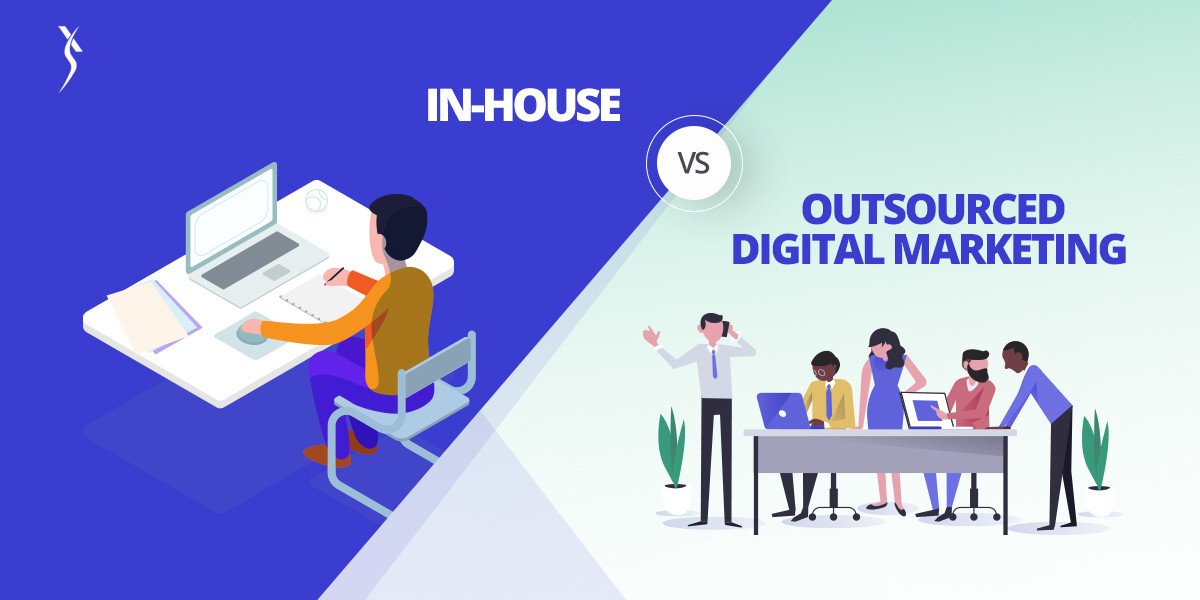
Outsourcing digital marketing means working with an external agency, consultant or specialist to plan and deliver some or all of your online marketing activity. The arrangement can be flexible. You might bring in a specialist for one project, such as a website launch, or appoint a marketing partner to support ongoing campaigns.

Common services include:

  • Search engine optimisation (SEO)
  • Pay-per-click (PPC) and paid social campaigns
  • Social media strategy and management
  • Content strategy, copywriting and design
  • Email marketing and automation
  • Website design, development and conversion optimisation
  • Analytics, reporting and marketing strategy

Why outsource digital marketing?

Access specialist skills

Digital marketing covers a broad range of disciplines, and the platforms and best practices are constantly changing. An external team may bring together specialists with experience across several channels, giving your business access to skills that would be difficult or costly to recruit individually.

Make better use of your time

Planning campaigns, producing content and monitoring results can take up a significant amount of time. Outsourcing some of this work allows your team to focus on customers, products and other priorities, while marketing activity continues to move forward.

Scale support to suit your needs

Your requirements may change over time. You may need extra support for a product launch, seasonal campaign or period of rapid growth, then a lighter level of input afterwards. An outsourced arrangement can often be adjusted more easily than a permanent team.

Bring a fresh perspective

People close to a business can sometimes find it difficult to see its marketing from a customer’s point of view. An external partner can offer an independent perspective, identify opportunities and challenge assumptions constructively.

What should you keep in-house?

Outsourcing does not mean stepping away from marketing altogether. Your business still needs to provide direction, share knowledge and make decisions. Internal teams are often best placed to explain your products, customers, culture and commercial priorities.

A useful approach is to outsource specialist delivery while retaining ownership of the overall business strategy. Agree who is responsible for approvals, customer insight, budgets and reporting before work begins.

How to choose a digital marketing partner

Start with clear objectives

Before approaching agencies or consultants, decide what you want to achieve. For example, you might want to increase qualified enquiries, improve online sales, grow organic search traffic or strengthen customer retention. Clear objectives make it easier to assess whether a potential partner is right for you.

Look for relevant experience

Ask about their experience with businesses like yours, the services they provide and how they approach similar challenges. Case studies can be helpful, but look beyond headline results. Find out what work was carried out, over what period and how success was measured.

Understand how they measure results

Good reporting should connect marketing activity to your business goals. Depending on your objectives, useful measures might include qualified leads, conversion rates, revenue, customer acquisition cost or return on advertising spend. Be wary of relying on surface-level figures, such as impressions or follower counts, without understanding how they contribute to meaningful outcomes.

Check communication and responsibilities

Discuss how often you will meet, who your main contact will be and what information the partner will need from your team. Make sure you understand what is included in the fee, how additional work is approved and who owns assets such as website content, advertising accounts and creative files.

Common challenges to consider

Outsourcing can bring valuable expertise, but it is not an instant fix. Results may take time, particularly in areas such as SEO and content marketing. An external partner will also need accurate information and timely feedback from your business to do their work effectively.

To reduce the risk of misunderstandings, set expectations at the outset. Agree objectives, budgets, timelines, reporting arrangements and decision-making processes. Keep access to your own digital accounts and make sure important knowledge does not sit with one person or provider alone.

Is outsourcing right for your business?

Outsourcing digital marketing may suit businesses that need specialist expertise, want to increase capacity or are not ready to recruit a full in-house team. It can also work well alongside internal staff, with an external partner providing technical support or campaign delivery.

The right arrangement depends on your goals, budget and the skills you already have. Begin by identifying where your marketing needs the most support, then look for a partner who can explain their approach clearly and measure progress against outcomes that matter to your business.

Making outsourcing work

Successful outsourcing is built on collaboration. Share your business goals and customer knowledge, give your partner access to the information they need, and review performance regularly. With clear responsibilities and realistic expectations, an external marketing team can become a valuable extension of your business and help you make more of your digital opportunities.


Six Essential Tips for Successfully Outsourcing Digital Marketing

  1. Set clear goals before outsourcing.
  2. Choose an agency with relevant experience.
  3. Agree budgets, deliverables and timelines upfront.
  4. Keep ownership of your accounts and data.
  5. Schedule regular performance reviews.
  6. Make sure the agency understands your audience and brand.

Set clear goals before outsourcing.

Before outsourcing your digital marketing, set clear goals so you and your chosen partner understand what success looks like. Decide what you want to achieve, such as increasing qualified enquiries, growing online sales or improving website traffic, and agree how progress will be measured. Clear goals help shape the right strategy, focus the budget and make it easier to assess whether your marketing is delivering results.

Choose an agency with relevant experience.

Choose an agency with relevant experience in your industry, audience or type of campaign. They’re more likely to understand your challenges, recognise what resonates with your customers and recommend a practical approach. Ask for examples of similar work and how results were measured, so you can judge whether their experience matches your goals.

Agree budgets, deliverables and timelines upfront.

Agreeing budgets, deliverables and timelines upfront helps keep your outsourced digital marketing on track. Be clear about what work is included, when you expect it to be completed and how much you have allocated, including any additional costs such as advertising spend. Setting these expectations early helps prevent misunderstandings, makes progress easier to review and gives both sides a clear basis for managing changes along the way.

Keep ownership of your accounts and data.

Keep ownership of your digital marketing accounts and data, even when working with an external agency or freelancer. Set up platforms such as Google Analytics, Google Ads and social media accounts in your business’s name, and grant your partner the access they need to do their work. This keeps your records, audiences and campaign history under your control, makes it easier to review performance, and helps ensure a smooth transition if you change providers.

Schedule regular performance reviews.

Schedule regular performance reviews to check whether your outsourced digital marketing is delivering against the goals you agreed. Review key measures such as qualified leads, conversions, website traffic and campaign costs, and discuss what is working, what needs to change and why. Consistent check-ins help you and your marketing partner spot issues early, make informed decisions and keep activity aligned with your business priorities.

Make sure the agency understands your audience and brand.

Before outsourcing your digital marketing, make sure the agency takes time to understand your audience, your brand and what makes your business different. They should be clear about your customers’ needs, your tone of voice and the promises you make, so their campaigns feel consistent and relevant. Share useful customer insights and brand guidelines, and ask how the agency will apply them in its work. The better they understand your business, the more effectively they can create marketing that connects with the right people.

digital media marketing services

Digital Media Marketing Services: A Guide to Growing Your Business Online

Digital Media Marketing Services: Helping Your Business Get Noticed Online

People discover and engage with businesses across a growing range of digital channels. A clear, consistent marketing approach can help your business reach the right audience, build trust and turn interest into action. Digital media marketing services bring these channels together to support your business goals.

What are digital media marketing services?

Digital media marketing covers the ways businesses use online platforms and content to connect with customers. Depending on your needs, a strategy may include social media, paid advertising, content creation, email marketing, search engine optimisation (SEO) and performance analysis.

These services work best when they form part of a joined-up plan. Rather than treating each channel in isolation, a digital marketing strategy considers how customers find your business, what information they need and what might encourage them to take the next step.

Key digital marketing services

Social media marketing

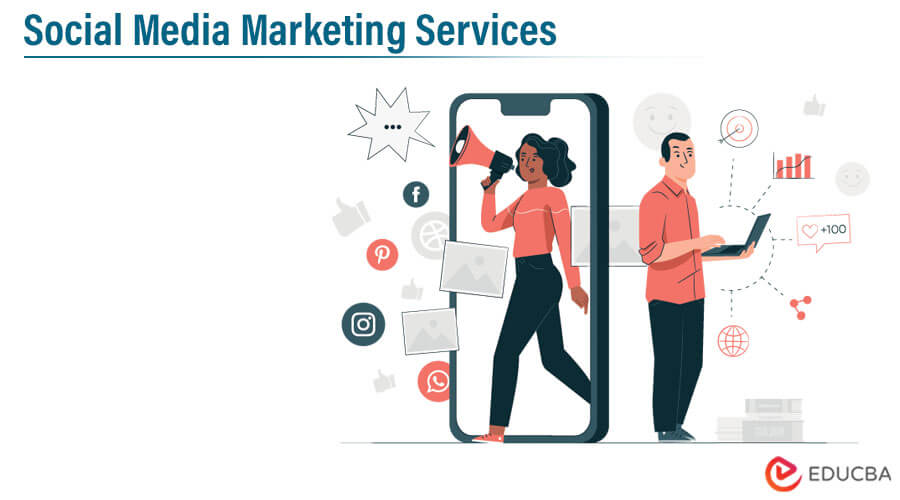
Social media gives businesses a way to share updates, showcase their work and take part in conversations with their audience. Effective social media marketing starts with choosing platforms that suit your customers and setting a realistic plan for what to publish. Content might include helpful advice, product information, company news or behind-the-scenes updates.

Paid social campaigns can also help put specific messages in front of carefully selected audiences. Clear objectives and regular monitoring help keep campaigns focused.

Content marketing

Useful content can help answer customer questions and demonstrate your expertise. This could include articles, guides, videos, case studies or downloadable resources. Content marketing is most effective when it is relevant to your audience, easy to understand and connected to a wider business objective.

Search engine optimisation

SEO helps improve the visibility of your website in organic search results. It can involve researching the terms your customers use, improving website content and structure, and addressing technical issues that affect how search engines access your site. SEO takes time, but a considered approach can help attract people who are actively looking for information, products or services like yours.

Paid digital advertising

Paid advertising can help businesses reach potential customers through search engines, social networks and other online platforms. Campaigns may be designed to increase awareness, generate enquiries or promote a particular offer. Strong campaigns use relevant targeting and landing pages, with results reviewed against agreed objectives.

Email marketing

Email remains a practical way to keep in touch with people who have chosen to hear from your business. Newsletters, updates and automated messages can share useful information and encourage repeat engagement. Emails should be relevant, well written and sent in line with applicable data protection and marketing rules.

Analytics and reporting

Measurement helps show whether marketing activity is supporting your goals. Depending on the campaign, useful indicators might include website visits, engagement, enquiries, sales or the cost of acquiring a customer. Regular reporting can reveal what is working, where improvements may be needed and how to make informed decisions about future activity.

Why take an integrated approach?

Customers may encounter your business through several channels before making a decision. A coordinated approach helps create a more consistent experience, from a social media post or search result to the information on your website and the follow-up they receive.

Digital marketing can also provide valuable insight into audience behaviour. By reviewing performance and listening to customer feedback, businesses can refine their messaging and focus their resources on the activities most relevant to their goals.

Choosing the right digital marketing support

Before selecting a provider, consider what you want to achieve and which audiences you need to reach. Ask how the proposed services will support those objectives, what success will look like and how progress will be reported. It is also important to understand who will manage the work, how communication will happen and what is included in the service.

Look for a practical strategy rather than a list of channels. The right approach should reflect your business, your customers and your available budget, with room to adapt as you learn more about what works.

Make your next move with confidence

Digital media marketing services can help your business build visibility, communicate its value and create stronger connections with customers. With clear goals, relevant content and regular measurement, online activity can become a more purposeful part of your wider growth plan.


Maximise Business Growth with Digital Media Marketing: 6 Key Advantages

  1. Reach more potential customers online.
  2. Target audiences with greater precision.
  3. Build brand awareness consistently.
  4. Measure results and refine campaigns.
  5. Engage customers across multiple channels.
  6. Support enquiries, sales and business growth.


Challenges of Digital Media Marketing: Delayed Results, Rising Costs, Platform Changes, and Complex ROI Measurement

  1. Results can take time to appear.
  2. Costs may rise without careful budgeting.
  3. Platform changes can disrupt campaigns.
  4. Measuring return on investment can be complex.

Reach more potential customers online.

Digital media marketing services help your business reach more potential customers online by making it easier to connect with people across search engines, social media and other digital platforms. With targeted campaigns and relevant content, you can put your products or services in front of audiences who are more likely to be interested, wherever they are in the UK.

Target audiences with greater precision.

Digital media marketing services can help businesses reach the people most likely to be interested in their products or services. By using factors such as location, interests, online behaviour and demographics, campaigns can be tailored to specific audience groups rather than broadcast widely. This greater precision can make marketing more relevant to potential customers, while helping businesses use their budgets more effectively and measure which messages perform best.

Build brand awareness consistently.

Digital media marketing services help build brand awareness consistently by keeping your business visible across the online channels your audience uses. Regular, relevant content and coordinated campaigns reinforce your message over time, helping people recognise your brand, understand what you offer and remember you when they’re ready to buy.

Measure results and refine campaigns.

Digital media marketing services make it easier to track how campaigns are performing, from website visits and social media engagement to enquiries and sales. By reviewing this data, businesses can see which messages and channels are working well, identify areas for improvement and adjust their campaigns accordingly. This ongoing process helps make better use of marketing budgets and keeps activity aligned with changing customer needs and business goals.

Engage customers across multiple channels.

Digital media marketing services help your business engage customers across the channels they use every day, from search engines and social media to email and your website. By sharing consistent, relevant messages across these platforms, you can meet people at different stages of their journey, make it easier for them to interact with your brand and build stronger, lasting relationships.

Support enquiries, sales and business growth.

Digital media marketing services can help turn online interest into meaningful business results. By reaching relevant audiences with clear, engaging messages and making it easy for them to enquire or buy, your business can generate more opportunities and support sales. Tracking campaign performance also helps identify what works, so you can refine your approach and invest in activities that contribute to sustainable growth.

Results can take time to appear.

One drawback of digital media marketing is that results can take time to appear. Activities such as SEO, content marketing and building an engaged social media following often need consistent effort before they lead to noticeable growth in visibility, enquiries or sales. This means businesses should set realistic expectations, monitor progress over time and avoid judging a strategy too early.

Costs may rise without careful budgeting.

Digital media marketing costs can rise quickly without careful budgeting. Paid advertising, content creation and specialist support may all require ongoing investment, and spending can increase before results become clear. Set a realistic budget, agree priorities and review performance regularly to help keep costs under control and focus investment on the channels that deliver value.

Platform changes can disrupt campaigns.

Platform changes can disrupt digital media marketing campaigns with little warning. Updates to algorithms, advertising rules, targeting options or fees may reduce a campaign’s reach or effectiveness, even when it has been performing well. Businesses can limit the impact by keeping up to date with platform changes, reviewing results regularly and avoiding over-reliance on a single channel.

Measuring return on investment can be complex.

Measuring the return on investment (ROI) of digital media marketing services can be complex because customers often interact with several channels before making a purchase. A campaign may build awareness or encourage repeat visits without leading to an immediate sale, making its contribution harder to isolate. Results can also be affected by factors such as seasonality, changes in demand and the accuracy of tracking tools. Setting clear objectives and using consistent measurement methods can help businesses assess performance, though it may take time to understand the full value of their marketing activity.