content marketing agency

Unlocking Success: The Role of a Content Marketing Agency in Your Digital Strategy

The Power of Content Marketing Agencies

The Power of Content Marketing Agencies

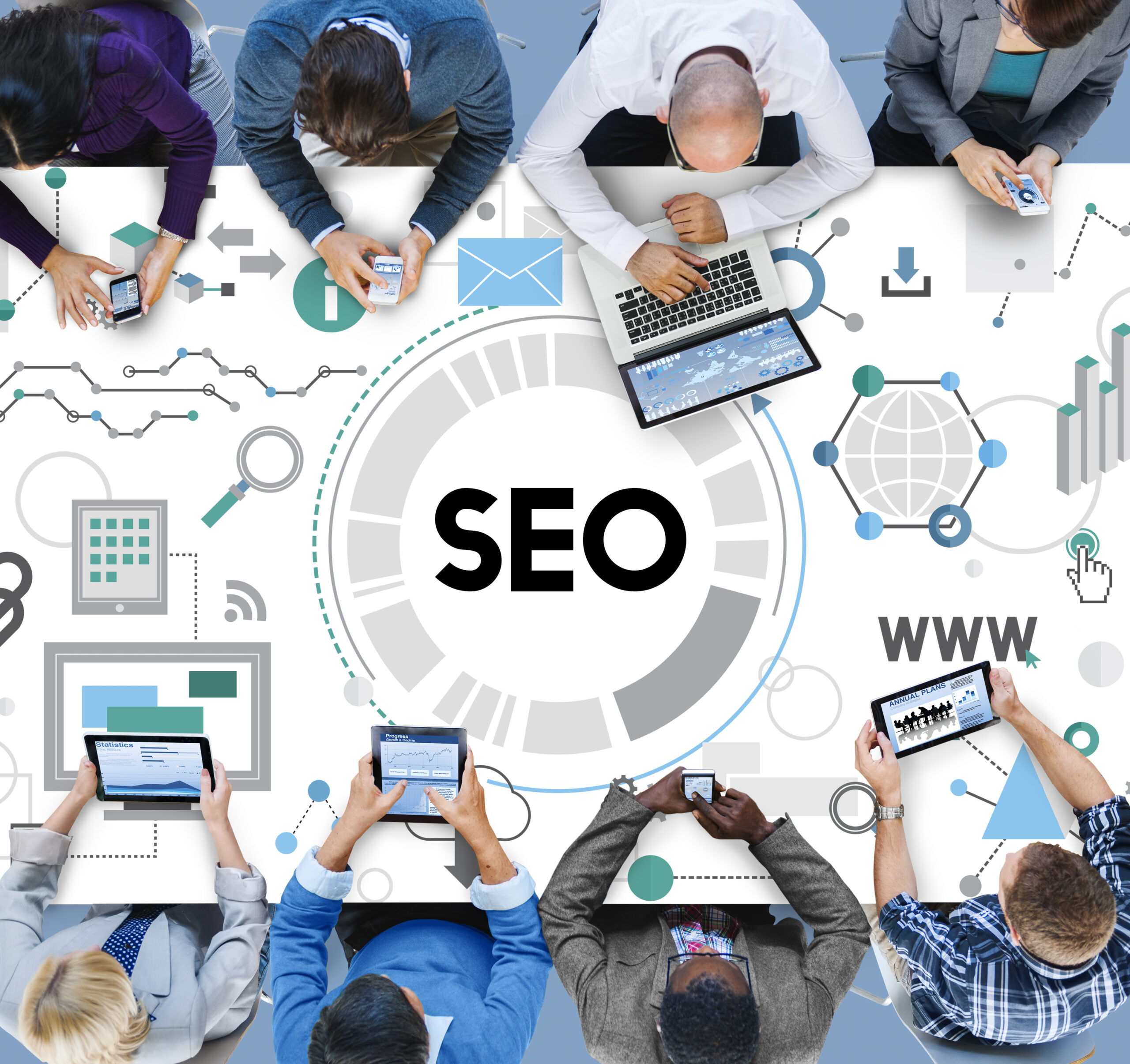
In today’s digital age, content is king. Businesses around the world are recognising the importance of creating high-quality, engaging content to attract and retain customers. This is where content marketing agencies come into play.

A content marketing agency is a specialised firm that focuses on creating and distributing valuable, relevant, and consistent content to attract a targeted audience. These agencies work closely with businesses to develop tailored content strategies that align with their goals and objectives.

One of the key advantages of partnering with a content marketing agency is their expertise in producing compelling content that resonates with the target audience. From blog posts and social media updates to videos and infographics, these agencies have the skills and resources to create a wide range of content types that drive engagement and build brand awareness.

Furthermore, content marketing agencies have a deep understanding of SEO (Search Engine Optimisation) best practices, helping businesses improve their online visibility and reach a larger audience. By incorporating relevant keywords and optimising content for search engines, these agencies can enhance a company’s online presence and drive organic traffic to their website.

Another benefit of working with a content marketing agency is their ability to track and measure the performance of your content initiatives. Through analytics tools and data analysis, these agencies can provide valuable insights into how your content is performing, allowing you to make informed decisions and refine your strategy for optimal results.

Overall, the role of a content marketing agency is invaluable in helping businesses create meaningful connections with their target audience through strategic, data-driven content initiatives. By leveraging the expertise and resources of these agencies, businesses can elevate their brand presence, drive customer engagement, and ultimately achieve their marketing objectives in today’s competitive digital landscape.


Top 8 FAQs About Content Marketing Agencies: Starting, Hiring, and Succeeding

  1. How do I start a content agency?
  2. What should I look for in a content marketing agency?
  3. Why should I hire a content marketing agency?
  4. How do I start a content marketing agency?
  5. How do content agencies get clients?
  6. What are the 4 main categories of content marketing?
  7. What companies are good at content marketing?
  8. What does a content marketing agency do?

How do I start a content agency?

Starting a content agency requires careful planning and strategic execution. To begin, it is essential to define your niche and target audience to differentiate your agency in the competitive market. Conduct thorough market research to understand industry trends and identify potential clients. Next, establish a strong brand identity and develop a portfolio showcasing your expertise in content creation, strategy, and marketing. Building a talented team of writers, designers, and marketers is crucial for delivering high-quality services to clients. Additionally, invest in technology and tools that streamline content production and analytics. Networking with industry professionals and actively promoting your agency through digital channels will help attract clients and grow your business effectively.

What should I look for in a content marketing agency?

When considering a content marketing agency, it is essential to look for certain key factors to ensure you are partnering with the right team for your business needs. Firstly, expertise and experience in creating engaging and relevant content across various platforms are crucial. A reputable agency should have a proven track record of delivering successful content strategies that align with your brand’s goals. Additionally, consider their knowledge of SEO best practices and their ability to measure and analyse the performance of your content. Transparency, communication, and a collaborative approach are also vital aspects to look for in a content marketing agency, as they will help foster a strong working relationship and drive effective results for your business.

Why should I hire a content marketing agency?

When considering why to hire a content marketing agency, it’s important to recognise the specialised expertise and resources they bring to the table. Content marketing agencies have a deep understanding of creating and distributing engaging content that resonates with your target audience. By partnering with a content marketing agency, you can benefit from their strategic approach to content creation, tailored to your specific goals and objectives. These agencies also possess the necessary skills in SEO best practices, enabling your business to improve online visibility and drive organic traffic. Ultimately, hiring a content marketing agency allows you to leverage their knowledge and experience to enhance your brand presence, engage customers effectively, and achieve tangible results in the competitive digital landscape.

How do I start a content marketing agency?

Starting a content marketing agency requires careful planning and strategic thinking. To begin, it is essential to define your niche and target market, identifying the specific industries or businesses you aim to serve with your content services. Next, focus on building a strong portfolio showcasing your expertise in content creation, strategy development, and digital marketing. Establishing a network of industry contacts and potential clients can also help kickstart your agency’s growth. Additionally, investing in the right tools and technologies to streamline content production and distribution processes is crucial for delivering high-quality results to your clients. Finally, staying updated on industry trends and continuously honing your skills will ensure your content marketing agency remains competitive and successful in the long run.

How do content agencies get clients?

Content marketing agencies employ various strategies to acquire clients and build lasting relationships. Firstly, many agencies leverage their online presence by showcasing their expertise through informative blogs, case studies, and social media content. This helps attract potential clients who are seeking solutions to their content marketing needs. Additionally, content agencies often engage in networking events, industry conferences, and partnerships with other businesses to expand their reach and connect with potential clients. Referrals from satisfied customers also play a significant role in bringing in new business for content agencies. By demonstrating their capabilities, delivering results, and fostering trust with clients, content agencies can effectively acquire clients and establish themselves as trusted partners in the ever-evolving world of digital marketing.

What are the 4 main categories of content marketing?

Content marketing encompasses a diverse range of strategies and approaches, with the 4 main categories being: written content, visual content, video content, and interactive content. Written content includes articles, blog posts, and whitepapers that aim to inform and educate audiences. Visual content such as infographics and images captivates viewers with compelling visuals. Video content is increasingly popular for its ability to engage and entertain audiences effectively. Interactive content like quizzes and surveys encourages active participation from users, enhancing their overall experience. Each category plays a unique role in a comprehensive content marketing strategy, catering to different audience preferences and driving engagement across various digital platforms.

What companies are good at content marketing?

When it comes to companies excelling in content marketing, several industry leaders stand out for their innovative and effective strategies. Brands like Red Bull, Coca-Cola, and HubSpot are often praised for their exceptional content marketing efforts. Red Bull, known for its high-energy brand image, has successfully leveraged content to engage its audience through extreme sports events and adrenaline-fueled storytelling. Coca-Cola’s “Content 2020” strategy focuses on creating liquid content that resonates with consumers on a personal level, fostering emotional connections with the brand. HubSpot, a pioneer in inbound marketing, provides valuable resources and educational content to help businesses succeed in the digital realm. These companies serve as prime examples of how strategic content marketing can drive brand awareness, customer loyalty, and business growth.

What does a content marketing agency do?

A content marketing agency specialises in creating and distributing valuable, relevant, and consistent content to attract and engage a targeted audience on behalf of businesses. These agencies work closely with clients to develop customised content strategies that align with their marketing goals. From crafting compelling blog posts and social media updates to producing engaging videos and infographics, content marketing agencies utilise their expertise to enhance brand visibility, drive customer engagement, and ultimately help businesses achieve their marketing objectives in the digital landscape.

digital campaign strategy

Mastering the Art of Digital Campaign Strategy: A Guide to Success in Online Marketing

The Power of a Well-Crafted Digital Campaign Strategy

The Power of a Well-Crafted Digital Campaign Strategy

In today’s fast-paced digital landscape, having a well-crafted digital campaign strategy is essential for businesses looking to reach their target audience effectively. A digital campaign strategy encompasses a series of coordinated actions designed to achieve specific marketing goals using online platforms and tools.

Key Components of a Digital Campaign Strategy

A successful digital campaign strategy typically includes the following key components:

  • Goal Setting: Clearly define the objectives you want to achieve through your digital campaign, whether it’s increasing brand awareness, driving website traffic, generating leads, or boosting sales.
  • Target Audience Identification: Understand your target audience’s demographics, interests, online behaviour, and preferences to tailor your messaging and content effectively.
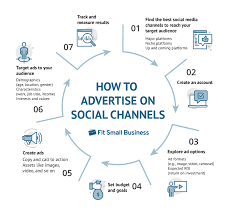
  • Channel Selection: Choose the most appropriate digital channels (such as social media, email marketing, search engine marketing) based on where your target audience is most active.
  • Content Creation: Develop compelling and relevant content that resonates with your audience and aligns with your campaign goals.
  • Implementation Plan: Create a timeline and detailed plan for executing each aspect of your digital campaign strategy, including tasks, responsibilities, and deadlines.
  • Monitoring and Analysis: Monitor the performance of your campaign in real-time using analytics tools to track key metrics (e.g., engagement rates, click-through rates) and make data-driven adjustments as needed.

The Benefits of an Effective Digital Campaign Strategy

An effective digital campaign strategy offers numerous benefits for businesses:

  • Increased Brand Visibility: By reaching your target audience through various online channels, you can enhance brand visibility and recognition.
  • Targeted Reach: Tailoring your messaging to specific audience segments allows you to connect with potential customers who are more likely to engage with your brand.
  • Data-Driven Decision Making: Access to real-time data enables you to track the performance of your campaigns and make informed decisions based on actionable insights.
  • Cost-Effectiveness: Compared to traditional marketing methods, digital campaigns often offer a higher return on investment due to their ability to target specific audiences more precisely.

In Conclusion

A well-crafted digital campaign strategy is a powerful tool for businesses seeking to enhance their online presence, engage with their target audience effectively, and achieve measurable results. By carefully planning each element of your digital campaign strategy and continuously evaluating its performance, you can maximise the impact of your marketing efforts in today’s competitive digital landscape.


Essential Tips for Crafting an Effective Digital Campaign Strategy

  1. Define clear goals and objectives for your digital campaign.
  2. Understand your target audience and tailor your content to their preferences.
  3. Utilize various digital channels such as social media, email marketing, and SEO to reach a wider audience.
  4. Monitor and analyse key performance indicators (KPIs) to track the success of your campaign.
  5. Stay updated with the latest digital marketing trends and technologies to stay ahead of the competition.
  6. Engage with your audience through interactive content, contests, and surveys to build brand loyalty.

Define clear goals and objectives for your digital campaign.

Defining clear goals and objectives for your digital campaign is crucial to its success. By clearly outlining what you aim to achieve, whether it’s increasing brand awareness, driving website traffic, generating leads, or boosting sales, you provide a roadmap for your campaign activities. Clear goals help focus your efforts, measure performance effectively, and ensure that every element of your campaign aligns with your overarching objectives. This clarity not only guides the strategic direction of your digital campaign but also enables you to track progress and make informed decisions based on tangible outcomes.

Understand your target audience and tailor your content to their preferences.

To create a successful digital campaign strategy, it is crucial to understand your target audience thoroughly and tailor your content to meet their preferences and interests. By gaining insights into the demographics, behaviours, and preferences of your audience, you can create content that resonates with them on a personal level. This targeted approach not only increases engagement but also enhances the effectiveness of your campaign in reaching and connecting with the right audience.

Utilize various digital channels such as social media, email marketing, and SEO to reach a wider audience.

To maximise the reach and impact of your digital campaign strategy, it is crucial to leverage a diverse range of digital channels. By utilising platforms like social media, email marketing, and SEO, you can effectively connect with a broader audience and engage with them on multiple fronts. Social media offers a dynamic space for interaction and brand visibility, while email marketing allows for targeted messaging directly to your audience’s inbox. Additionally, implementing SEO strategies can improve your online visibility and attract organic traffic to your website. By incorporating these different channels into your campaign strategy, you can extend your reach and increase the likelihood of reaching and resonating with a wider audience.

Monitor and analyse key performance indicators (KPIs) to track the success of your campaign.

Monitoring and analysing key performance indicators (KPIs) is crucial in evaluating the success of your digital campaign strategy. By tracking metrics such as engagement rates, click-through rates, conversion rates, and return on investment (ROI), you can gain valuable insights into how well your campaign is performing and make data-driven decisions to optimise its effectiveness. Regularly reviewing KPIs allows you to identify what is working well and where improvements are needed, helping you refine your strategy for better results in reaching your marketing goals.

To stay ahead of the competition in the realm of digital campaign strategy, it is imperative to stay updated with the latest digital marketing trends and technologies. By keeping abreast of industry developments, businesses can adapt their strategies to leverage new tools and techniques effectively. Embracing innovation and staying informed about emerging trends not only allows companies to remain competitive but also positions them as leaders in the ever-evolving digital landscape.

Engage with your audience through interactive content, contests, and surveys to build brand loyalty.

To enhance the effectiveness of your digital campaign strategy, it is crucial to actively engage with your audience through interactive content, contests, and surveys. By incorporating elements that encourage participation and feedback, such as quizzes, polls, and giveaways, you can create a more dynamic and interactive experience for your audience. This not only helps in fostering a sense of community but also cultivates brand loyalty by establishing a deeper connection with your customers. Interactive content allows for two-way communication, enabling you to better understand your audience’s preferences and interests while building trust and loyalty towards your brand.

digital media campaign

Unlocking Success: The Art of Crafting a Strategic Digital Media Campaign

The Power of a Digital Media Campaign

In today’s fast-paced digital world, the importance of a well-executed digital media campaign cannot be overstated. With more and more consumers turning to the internet for information and entertainment, businesses have a unique opportunity to reach their target audience through various online channels.

A digital media campaign encompasses a range of strategies and tactics aimed at promoting a brand, product, or service across digital platforms such as social media, websites, search engines, and mobile apps. By leveraging the power of digital technology, businesses can engage with their audience in meaningful ways and drive desired outcomes.

Key Benefits of a Digital Media Campaign:

  • Increased Reach: With billions of people active on social media and browsing the web daily, a well-planned digital media campaign can help businesses reach a vast audience that traditional marketing methods may struggle to reach.
  • Targeted Advertising: Digital media campaigns allow for precise targeting based on demographics, interests, behaviour, and more. This targeted approach ensures that your message reaches the right people at the right time.
  • Measurable Results: Unlike traditional advertising methods where results can be difficult to track accurately, digital media campaigns provide detailed analytics that allow businesses to measure the effectiveness of their efforts in real-time.
  • Cost-Effective: Digital media campaigns often offer better ROI compared to traditional advertising methods. Businesses can allocate their budget strategically and adjust their campaigns based on performance data.
  • Engagement and Interaction: Through interactive content such as videos, polls, contests, and live streams, businesses can create meaningful connections with their audience and foster engagement that goes beyond passive viewing.

The Elements of a Successful Digital Media Campaign:

A successful digital media campaign typically includes elements such as compelling content creation, strategic distribution across relevant channels, engaging visuals and multimedia assets, targeted advertising tactics, continuous monitoring and optimisation based on performance metrics.

By harnessing the power of data-driven insights and creative storytelling, businesses can create impactful digital media campaigns that resonate with their audience and drive desired actions such as brand awareness, lead generation, website traffic, sales conversions, or customer loyalty.

In conclusion, in an increasingly digitised world where online presence is crucial for business success, investing in a well-planned digital media campaign is not just an option but a necessity. By embracing the opportunities offered by digital technology and adopting innovative strategies tailored to your goals and target audience, you can elevate your brand’s visibility and relevance in the competitive digital landscape.


Essential FAQs on Digital Media Campaigns: Understanding, Implementing, and Optimising for Success

  1. What is a digital media campaign?
  2. Why is a digital media campaign important for businesses?
  3. How can a business benefit from a digital media campaign?
  4. What are the key components of a successful digital media campaign?
  5. How can I measure the success of my digital media campaign?
  6. What platforms can be used in a digital media campaign?
  7. How much does it cost to run a digital media campaign?
  8. What are some best practices for creating engaging content in a digital media campaign?
  9. How often should I update or refresh my digital media campaign?

What is a digital media campaign?

A digital media campaign is a strategic marketing initiative that utilises various online platforms and channels to promote a brand, product, or service to a specific target audience. It involves the creation and distribution of digital content such as advertisements, videos, social media posts, and email campaigns with the goal of achieving specific business objectives. By leveraging the reach and interactivity of digital technology, businesses can engage with their audience in a more personalised and measurable way compared to traditional marketing methods. Digital media campaigns are designed to increase brand visibility, drive website traffic, generate leads, boost sales, or enhance customer engagement through tailored messaging and targeted advertising strategies across digital channels.

Why is a digital media campaign important for businesses?

A digital media campaign is crucial for businesses in today’s digital age due to its ability to reach and engage with a vast online audience. By leveraging digital platforms such as social media, websites, search engines, and mobile apps, businesses can connect with their target demographic in a more targeted and measurable way compared to traditional marketing methods. This targeted approach allows businesses to increase brand visibility, drive website traffic, generate leads, boost sales conversions, and foster customer loyalty. Additionally, the real-time analytics provided by digital media campaigns enable businesses to track performance metrics accurately and make data-driven decisions for continuous improvement and success in the competitive online landscape.

How can a business benefit from a digital media campaign?

A business can benefit significantly from a digital media campaign in numerous ways. Firstly, a well-executed campaign can help increase brand visibility and awareness by reaching a wider online audience that traditional marketing methods may not reach. Secondly, digital media campaigns allow for precise targeting, enabling businesses to tailor their message to specific demographics, interests, and behaviours, resulting in higher engagement and conversion rates. Additionally, the measurable nature of digital media campaigns provides businesses with valuable insights into the effectiveness of their strategies, allowing for real-time adjustments to optimise performance and maximise return on investment. Overall, embracing digital media campaigns can enhance a business’s online presence, drive customer engagement, and ultimately lead to increased sales and business growth.

What are the key components of a successful digital media campaign?

A successful digital media campaign comprises several key components that work together to achieve desired outcomes. First and foremost, defining clear objectives and target audience is essential for effective campaign planning. Compelling and relevant content tailored to the audience’s preferences and needs plays a crucial role in capturing attention and driving engagement. Strategic distribution across various digital channels, including social media, websites, email, and search engines, ensures maximum reach and visibility. Utilising data analytics to track performance metrics allows for continuous monitoring and optimisation of the campaign for improved results. Additionally, incorporating innovative visuals, interactive elements, and targeted advertising tactics can enhance the overall impact of the campaign and drive meaningful interactions with the audience.

How can I measure the success of my digital media campaign?

Measuring the success of a digital media campaign is essential to understanding its impact and effectiveness. Key performance indicators (KPIs) such as website traffic, click-through rates, conversion rates, engagement metrics (likes, shares, comments), lead generation, and return on investment (ROI) can provide valuable insights into the campaign’s performance. By analysing these metrics against predetermined goals and objectives, businesses can evaluate the success of their digital media campaign and make informed decisions on future strategies and optimizations. Additionally, tools like Google Analytics, social media analytics platforms, and email marketing software can help track and measure the various aspects of a campaign to ensure it is delivering the desired results.

What platforms can be used in a digital media campaign?

In a digital media campaign, businesses have a wide array of platforms at their disposal to engage with their target audience effectively. Some popular platforms commonly used in digital media campaigns include social media channels such as Facebook, Instagram, Twitter, LinkedIn, and TikTok. These platforms allow businesses to reach a diverse audience and create engaging content tailored to each platform’s unique features. Additionally, websites and blogs serve as essential platforms for sharing in-depth information and driving traffic to specific landing pages. Email marketing platforms enable businesses to deliver personalised messages directly to their subscribers’ inboxes. Search engines like Google offer opportunities for targeted advertising through pay-per-click campaigns. Each platform offers its own benefits and can be strategically leveraged to maximise the impact of a digital media campaign.

How much does it cost to run a digital media campaign?

The cost of running a digital media campaign can vary significantly depending on various factors such as the scope of the campaign, target audience, chosen channels, duration, and objectives. Digital media campaigns can be tailored to suit different budgets, ranging from small-scale initiatives to large-scale, multi-channel campaigns. Costs may include expenses for content creation, graphic design, ad placements, social media management, analytics tools, and more. It is essential for businesses to define their goals clearly and work with digital marketing experts to develop a strategy that aligns with their budget while maximising the campaign’s effectiveness and return on investment.

What are some best practices for creating engaging content in a digital media campaign?

Creating engaging content is essential for the success of a digital media campaign. Some best practices to consider include understanding your target audience to tailor content that resonates with their interests and needs, incorporating compelling visuals such as images and videos to capture attention, maintaining a consistent brand voice and tone across all platforms, leveraging storytelling techniques to create a narrative that connects with your audience emotionally, encouraging interaction through polls, quizzes, and user-generated content, and analysing performance data to continuously refine and optimise your content strategy for maximum engagement and impact. By following these best practices, businesses can create content that not only attracts attention but also fosters meaningful relationships with their audience in the digital landscape.

How often should I update or refresh my digital media campaign?

When it comes to updating or refreshing your digital media campaign, there is no one-size-fits-all answer as the frequency largely depends on various factors such as your industry, target audience, campaign goals, and performance metrics. However, it is generally recommended to regularly review and assess your campaign’s performance to determine if any updates or refreshes are needed. Keeping up with industry trends, changes in consumer behaviour, and competitor activities can also guide the timing of updates. Striking a balance between consistency and adaptability is key – while maintaining a consistent brand voice and messaging is important, being agile and responsive to market dynamics can help keep your digital media campaign relevant and effective in capturing audience attention.

web marketing consultant

Navigating Online Success with a Skilled Web Marketing Consultant

The Role of a Web Marketing Consultant in Driving Online Success

The Role of a Web Marketing Consultant in Driving Online Success

In today’s digital age, having a strong online presence is crucial for the success of any business. This is where a web marketing consultant plays a vital role in helping businesses navigate the complexities of the online world and reach their target audience effectively.

What Does a Web Marketing Consultant Do?

A web marketing consultant is a professional who specialises in developing and implementing strategies to promote a business or brand online. They are experts in various aspects of digital marketing, including search engine optimisation (SEO), pay-per-click (PPC) advertising, social media marketing, email marketing, and content creation.

By conducting thorough research and analysis, a web marketing consultant identifies the best channels and tactics to reach the target audience and achieve the desired goals. They work closely with clients to develop customised strategies that align with their business objectives and budget constraints.

The Benefits of Hiring a Web Marketing Consultant

There are several benefits to hiring a web marketing consultant for your business:

  • Expertise: A web marketing consultant brings specialised knowledge and skills to the table, ensuring that your online campaigns are executed effectively.
  • Time-Saving: By outsourcing your digital marketing efforts to a consultant, you can focus on other aspects of your business while knowing that your online presence is in good hands.
  • Measurable Results: A web marketing consultant uses data-driven techniques to track the performance of your campaigns and make informed decisions for continuous improvement.
  • Innovation: Keeping up with the latest trends and technologies in digital marketing can be challenging. A consultant stays abreast of industry developments and implements innovative strategies to keep your business ahead of the competition.

Conclusion

A web marketing consultant plays a crucial role in helping businesses succeed in the competitive online landscape. By leveraging their expertise and experience, businesses can enhance their visibility, attract more customers, and achieve sustainable growth. If you are looking to boost your online presence and drive success through digital channels, consider partnering with a web marketing consultant today.


Maximise Your Online Presence: The Top 6 Benefits of Hiring a Web Marketing Consultant

  1. Specialised expertise in digital marketing strategies
  2. Customised solutions tailored to meet business objectives
  3. Data-driven approach for measurable results
  4. Saves time by outsourcing online marketing efforts
  5. Keeps up with industry trends and innovations
  6. Helps businesses stay ahead of competition in the online landscape


Potential Drawbacks of Hiring a Web Marketing Consultant: Cost, Dependency, and Loss of Control

  1. Costly
  2. Dependency
  3. Lack of Control

Specialised expertise in digital marketing strategies

A key advantage of hiring a web marketing consultant is their specialised expertise in digital marketing strategies. These professionals possess in-depth knowledge and skills in various online marketing techniques, such as search engine optimisation, social media marketing, and content creation. By leveraging their expertise, businesses can benefit from tailored strategies that are designed to enhance online visibility, engage target audiences effectively, and drive measurable results. The specialised knowledge of a web marketing consultant ensures that businesses stay ahead of the curve in the ever-evolving digital landscape, ultimately leading to increased brand awareness and sustainable growth.

Customised solutions tailored to meet business objectives

Web marketing consultants offer a valuable pro by providing customised solutions tailored to meet specific business objectives. By understanding the unique needs and goals of each client, these consultants can develop strategies that are precisely aligned with the business’s vision and objectives. This tailored approach ensures that the digital marketing efforts are focused and effective, ultimately leading to better outcomes and success for the business in the online realm.

Data-driven approach for measurable results

A key advantage of hiring a web marketing consultant is their data-driven approach, which enables businesses to achieve measurable results. By analysing and interpreting relevant data, these consultants can track the performance of online campaigns with precision, allowing for informed decision-making and continuous improvement. This focus on data not only provides valuable insights into the effectiveness of marketing strategies but also ensures that resources are allocated efficiently to maximise ROI and drive tangible outcomes for the business.

Saves time by outsourcing online marketing efforts

By outsourcing online marketing efforts to a web marketing consultant, businesses can save valuable time that can be redirected towards other core activities. Web marketing consultants bring expertise and efficiency to the table, allowing businesses to focus on their strengths while leaving the complexities of digital marketing in capable hands. This time-saving benefit not only streamlines operations but also ensures that online marketing efforts are managed effectively and strategically, leading to better results and business growth in the competitive online landscape.

One key advantage of hiring a web marketing consultant is their commitment to staying abreast of industry trends and innovations. By continuously monitoring the ever-evolving digital landscape, these consultants ensure that your online strategies remain current and effective. Their knowledge of emerging technologies and best practices allows them to implement cutting-edge solutions that keep your business ahead of the curve, maximising your online presence and driving success in a rapidly changing market.

Helps businesses stay ahead of competition in the online landscape

In the fast-paced and ever-evolving online landscape, a web marketing consultant serves as a valuable asset in helping businesses maintain a competitive edge. By staying abreast of the latest trends, technologies, and strategies in digital marketing, these professionals enable businesses to adapt swiftly and effectively to changes in the online environment. Through innovative approaches and tailored solutions, web marketing consultants empower businesses to not only keep up with but also stay ahead of their competition, ultimately driving growth and success in the digital realm.

Costly

For small businesses with constrained budgets, one significant drawback of hiring a web marketing consultant is the cost involved. The fees charged by these professionals can often be high, making it a financial challenge for smaller enterprises to afford their services. This expense may deter some businesses from seeking the expertise of a web marketing consultant, despite the potential benefits they could bring in terms of online visibility and customer engagement. As a result, cost considerations can be a significant barrier for small businesses looking to enhance their digital marketing efforts through external consultancy.

Dependency

One significant drawback of relying on a web marketing consultant for digital marketing strategies is the potential dependency it can create, which may hinder the development of in-house skills within the business. By constantly outsourcing digital marketing tasks to a consultant, employees may miss out on valuable opportunities to learn and grow their own expertise in this area. This dependency can limit the long-term sustainability of the business’s digital marketing efforts, as internal capabilities and knowledge may not be adequately developed or nurtured. It is essential for businesses to strike a balance between leveraging external expertise and investing in building internal skills to ensure continued success in the ever-evolving digital landscape.

Lack of Control

When businesses opt to outsource their online marketing efforts to a web marketing consultant, one significant drawback they may encounter is the potential loss of control. Entrusting external professionals with the task of managing digital campaigns can lead to a sense of detachment and uncertainty regarding the direction and execution of marketing strategies. Businesses may find it challenging to maintain a hands-on approach and make real-time adjustments, which could result in a perceived lack of control over their online presence and branding efforts.

digital marketing communication

Unlocking the Potential of Digital Marketing Communication

Digital Marketing Communication

The Power of Digital Marketing Communication

In today’s fast-paced digital world, effective communication is key to reaching and engaging with your target audience. Digital marketing communication plays a vital role in connecting businesses with their customers in a meaningful and impactful way.

What is Digital Marketing Communication?

Digital marketing communication encompasses all online strategies and tactics used by businesses to promote their products or services, build brand awareness, and drive customer engagement. This includes various channels such as social media, email marketing, content marketing, search engine optimisation (SEO), pay-per-click advertising, and more.

The Benefits of Digital Marketing Communication

One of the main advantages of digital marketing communication is its ability to reach a large audience quickly and cost-effectively. Through targeted campaigns, businesses can tailor their messages to specific demographics, interests, and behaviours, increasing the likelihood of conversion.

Furthermore, digital marketing allows for real-time monitoring and analysis of campaign performance. Businesses can track metrics such as website traffic, click-through rates, conversion rates, and more to measure the effectiveness of their communication efforts and make data-driven decisions for future strategies.

Key Strategies for Effective Digital Marketing Communication

  • Content Marketing: Creating valuable and relevant content that resonates with your target audience can help build trust and credibility for your brand.
  • Social Media Engagement: Leveraging social media platforms to interact with customers, share updates, run promotions, and drive traffic to your website.
  • Email Marketing: Sending personalised emails to subscribers with tailored content and offers can nurture leads and encourage repeat business.
  • Search Engine Optimisation (SEO): Optimising your website for search engines can improve visibility in search results and drive organic traffic.
  • Data Analytics: Using tools to track and analyse user behaviour allows businesses to refine their strategies for better results.

In Conclusion

Digital marketing communication is a powerful tool for businesses looking to connect with their target audience in today’s digital landscape. By implementing strategic campaigns across various online channels and continuously refining their approach based on data insights, businesses can effectively engage customers, drive conversions, and achieve long-term success.


Mastering Digital Marketing Communication: 8 Essential Tips for Success

  1. Understand your target audience and tailor your message to their needs and preferences.
  2. Utilise multiple digital channels such as social media, email, and website content to reach a wider audience.
  3. Create engaging and relevant content that resonates with your audience to drive interest and interaction.
  4. Consistently monitor and analyse data metrics to assess the effectiveness of your digital marketing strategies.
  5. Personalise communication where possible to build stronger connections with customers or clients.
  6. Stay updated on current trends in digital marketing to remain competitive in the online landscape.
  7. Utilise SEO techniques to improve visibility and ranking on search engine results pages (SERPs).
  8. Encourage feedback from customers through surveys or reviews to continually improve your digital marketing efforts.

Understand your target audience and tailor your message to their needs and preferences.

To excel in digital marketing communication, it is crucial to have a deep understanding of your target audience. By identifying their needs, preferences, and behaviours, businesses can tailor their messages effectively to resonate with their audience. Personalising content and delivering relevant information that addresses the specific interests of the target demographic not only enhances engagement but also fosters a stronger connection with customers. This customer-centric approach is key to driving successful digital marketing campaigns and achieving desired outcomes in today’s competitive online landscape.

Utilise multiple digital channels such as social media, email, and website content to reach a wider audience.

To maximise the reach and impact of your digital marketing communication efforts, it is essential to leverage multiple channels effectively. By utilising platforms like social media, email marketing, and website content in a cohesive strategy, businesses can engage with a broader audience and increase brand visibility. Each channel offers unique opportunities to connect with customers at different touchpoints along their digital journey, allowing for a more comprehensive and targeted approach to reaching potential customers and fostering lasting relationships.

Create engaging and relevant content that resonates with your audience to drive interest and interaction.

To enhance your digital marketing communication strategy, focus on creating compelling and tailored content that connects with your audience on a personal level. By delivering engaging and relevant material that speaks to their needs and interests, you can capture their attention, spark curiosity, and encourage meaningful interactions. This approach not only cultivates a sense of trust and loyalty but also drives interest in your brand, ultimately leading to increased engagement and conversions.

Consistently monitor and analyse data metrics to assess the effectiveness of your digital marketing strategies.

Consistently monitoring and analysing data metrics is crucial in assessing the effectiveness of your digital marketing strategies. By tracking key performance indicators such as website traffic, conversion rates, click-through rates, and engagement metrics, businesses can gain valuable insights into the impact of their campaigns. This data-driven approach allows for informed decision-making, enabling businesses to refine their strategies, optimise performance, and ultimately achieve better results in reaching and engaging with their target audience online.

Personalise communication where possible to build stronger connections with customers or clients.

Personalising communication is a crucial strategy in digital marketing to foster stronger connections with customers or clients. By tailoring messages, offers, and content to individual preferences and behaviours, businesses can create a more engaging and relevant experience for their audience. Personalisation shows that you understand and care about your customers’ needs, leading to increased loyalty, trust, and ultimately, higher conversion rates. In today’s competitive digital landscape, the ability to connect on a personal level can set businesses apart and drive long-term success.

Staying updated on current trends in digital marketing is essential to maintaining a competitive edge in the ever-evolving online landscape. By keeping abreast of the latest developments, businesses can adapt their strategies to meet changing consumer behaviours and preferences, ensuring that they stay relevant and engaging to their target audience. Embracing new trends and technologies allows businesses to innovate and differentiate themselves from competitors, ultimately driving success in the dynamic world of digital marketing communication.

Utilise SEO techniques to improve visibility and ranking on search engine results pages (SERPs).

By utilising SEO techniques in your digital marketing communication strategy, you can enhance your online visibility and boost your ranking on search engine results pages (SERPs). Implementing effective SEO practices such as keyword optimisation, creating high-quality content, and improving website structure can help drive organic traffic to your site and increase the likelihood of being discovered by potential customers searching for relevant products or services. By focusing on SEO, you can improve your online presence and attract more targeted traffic to your website, ultimately leading to better engagement and conversions.

Encourage feedback from customers through surveys or reviews to continually improve your digital marketing efforts.

Encouraging feedback from customers through surveys or reviews is a valuable strategy to enhance your digital marketing communication efforts. By actively seeking input from your audience, you gain valuable insights into their preferences, needs, and satisfaction levels. This feedback loop allows you to identify areas for improvement, refine your strategies, and tailor your messaging to better resonate with your target market. Ultimately, by listening to and acting upon customer feedback, you can strengthen customer relationships, boost brand loyalty, and drive the success of your digital marketing campaigns.

digital marketing ads

Unlocking the Potential of Digital Marketing Ads: Strategies for Success

The Power of Digital Marketing Ads

The Power of Digital Marketing Ads

In today’s digital age, the landscape of advertising has shifted dramatically towards online platforms. Digital marketing ads have become a powerful tool for businesses to reach their target audience effectively and efficiently. With the ability to target specific demographics, interests, and behaviours, digital marketing ads offer a level of precision that traditional advertising methods simply cannot match.

Benefits of Digital Marketing Ads

Targeted Reach: One of the key advantages of digital marketing ads is the ability to target specific audiences based on various criteria such as age, location, interests, and online behaviour. This targeted approach ensures that your ads are seen by the right people at the right time.

Cost-Effective: Compared to traditional advertising channels like print or television, digital marketing ads are often more cost-effective. Businesses can set their budget and only pay when their ads are clicked or viewed, making it a cost-efficient option for reaching a large audience.

Measurable Results: Digital marketing ads provide detailed analytics that allow businesses to track the performance of their campaigns in real-time. Metrics such as click-through rates, conversion rates, and return on investment (ROI) can be easily monitored and analysed to optimise ad campaigns for better results.

Trends in Digital Marketing Ads

Video Advertising: Video content continues to dominate the digital landscape, with video ads proving to be highly engaging and effective in capturing audience attention. Short-form videos on platforms like YouTube and social media have become popular choices for advertisers looking to make an impact.

Personalisation: Personalised ads that cater to individual preferences and behaviours are gaining traction in digital marketing. By delivering tailored content to consumers based on their browsing history or interactions with a brand, businesses can create more meaningful connections with their audience.

Mobile Advertising: With the increasing use of smartphones and mobile devices, mobile advertising has become a critical component of digital marketing strategies. Mobile-optimised ads that are designed for smaller screens and quick interactions are essential for reaching consumers on-the-go.

The Future of Digital Marketing Ads

The evolution of technology and consumer behaviour will continue to shape the future of digital marketing ads. Artificial intelligence (AI), augmented reality (AR), and voice search are just a few trends that are expected to influence how businesses create and deliver digital ads in the years to come.

As businesses adapt to these changes and embrace innovative approaches in digital advertising, one thing remains clear – digital marketing ads will remain a vital tool for connecting with audiences in an increasingly competitive online marketplace.


9 Essential Tips for Crafting Effective Digital Marketing Ads

  1. Understand your target audience thoroughly before creating ads.
  2. Use compelling and relevant visuals to grab attention.
  3. Craft concise and clear ad copy that conveys your message effectively.
  4. Include a strong call-to-action (CTA) to prompt user engagement.
  5. Utilize A/B testing to optimize ad performance and effectiveness.
  6. Ensure your ads are mobile-friendly for a seamless user experience.
  7. Monitor and analyse ad metrics regularly to make data-driven decisions.
  8. Consider retargeting strategies to reach users who have shown interest in your products/services.
  9. Stay updated with digital marketing trends and adjust your ad strategies accordingly.

Understand your target audience thoroughly before creating ads.

To maximise the effectiveness of your digital marketing ads, it is essential to have a deep understanding of your target audience before creating any campaigns. By thoroughly researching and analysing the demographics, interests, behaviours, and preferences of your audience, you can tailor your ads to resonate with them on a more personal level. This targeted approach not only increases the chances of engaging potential customers but also enhances the overall impact and success of your advertising efforts. Understanding your target audience allows you to create compelling ad content that speaks directly to their needs and interests, ultimately leading to higher conversion rates and a more significant return on investment for your digital marketing campaigns.

Use compelling and relevant visuals to grab attention.

In the realm of digital marketing ads, using compelling and relevant visuals is a crucial tip to capture the audience’s attention effectively. Visual content has the power to convey messages quickly and engage viewers on a deeper level. By incorporating eye-catching imagery, graphics, or videos that resonate with your target audience, you can create a lasting impact and increase the likelihood of driving conversions. Remember, in the fast-paced online world, captivating visuals are key to standing out amidst the noise and making a memorable impression.

Craft concise and clear ad copy that conveys your message effectively.

Crafting concise and clear ad copy is essential in digital marketing ads to effectively convey your message to your target audience. By keeping your messaging succinct and to the point, you can capture the attention of users quickly and communicate your value proposition clearly. Clear ad copy helps to eliminate any confusion and ensures that potential customers understand the benefits of your product or service at a glance. Remember, in the fast-paced digital world, brevity is key – so make every word count in your ad copy to drive engagement and conversions.

Include a strong call-to-action (CTA) to prompt user engagement.

In the realm of digital marketing ads, incorporating a compelling call-to-action (CTA) is paramount in driving user engagement and encouraging desired actions from your audience. A strong CTA serves as a clear directive that prompts users to take the next step, whether it be making a purchase, signing up for a newsletter, or requesting more information. By crafting an enticing CTA that resonates with your target audience and aligns with your campaign objectives, you can effectively guide users towards conversion and maximise the impact of your digital marketing efforts.

Utilize A/B testing to optimize ad performance and effectiveness.

Utilizing A/B testing is a valuable strategy in digital marketing ads to optimize ad performance and effectiveness. By testing different variations of your ads with small changes in elements such as copy, images, or calls-to-action, you can gather valuable data on what resonates best with your target audience. This data-driven approach allows you to make informed decisions on which ad elements are most effective in driving engagement and conversions, ultimately leading to improved campaign results and a higher return on investment.

Ensure your ads are mobile-friendly for a seamless user experience.

To maximise the effectiveness of your digital marketing ads, it is crucial to ensure that they are mobile-friendly. With the increasing use of smartphones and tablets for browsing the internet, creating ads that are optimised for mobile devices is essential for providing users with a seamless and engaging experience. By designing ads that load quickly, display properly on smaller screens, and have clear call-to-action buttons, businesses can enhance user engagement and drive better results from their mobile advertising campaigns.

Monitor and analyse ad metrics regularly to make data-driven decisions.

Monitoring and analysing ad metrics regularly is crucial in digital marketing ads to make informed, data-driven decisions. By tracking key performance indicators such as click-through rates, conversion rates, and return on investment, businesses can gain valuable insights into the effectiveness of their ad campaigns. This data allows marketers to identify trends, optimise strategies, and allocate resources more efficiently to maximise results. Ultimately, by leveraging data analytics in this way, businesses can refine their digital marketing efforts and achieve greater success in reaching and engaging their target audience.

Consider retargeting strategies to reach users who have shown interest in your products/services.

Consider implementing retargeting strategies as part of your digital marketing ads campaign to effectively reach users who have already shown interest in your products or services. By targeting these potential customers who have visited your website or interacted with your brand in some way, you can stay top-of-mind and encourage them to take the next step towards making a purchase. Retargeting allows you to tailor your ads specifically to this audience segment, increasing the likelihood of conversion and maximising the impact of your advertising efforts.

To maximise the effectiveness of your digital marketing ads, it is crucial to stay informed about the latest trends in the ever-evolving digital landscape and be willing to adapt your advertising strategies accordingly. By keeping abreast of emerging technologies, consumer behaviours, and industry best practices, you can ensure that your ad campaigns remain relevant and impactful. Remember, staying updated with digital marketing trends allows you to stay ahead of the curve and maintain a competitive edge in reaching and engaging your target audience effectively.

amazon digital marketing strategy

Unlocking Success: Amazon’s Innovative Digital Marketing Strategy

Amazon Digital Marketing Strategy

The Power of Amazon’s Digital Marketing Strategy

Amazon, the e-commerce giant, has revolutionised the way we shop online. Central to its success is its robust digital marketing strategy that encompasses a range of tactics to attract, engage, and retain customers.

Personalised Recommendations

One key aspect of Amazon’s strategy is its use of data analytics to provide personalised product recommendations to users. By analysing customer behaviour and purchase history, Amazon can suggest relevant products, increasing the likelihood of conversion and enhancing the overall shopping experience.

Search Engine Optimisation (SEO)

Amazon invests heavily in SEO to ensure its products appear prominently in search engine results. By optimising product listings with relevant keywords and high-quality content, Amazon improves visibility and drives traffic to its platform.

Social Media Engagement

Amazon leverages social media channels to engage with customers and promote its products. Through targeted advertising campaigns on platforms like Facebook and Instagram, Amazon reaches a wider audience and drives conversions by directing users to its website.

Email Marketing Campaigns

Email marketing is another integral part of Amazon’s strategy. By sending personalised emails with product recommendations, promotions, and exclusive offers, Amazon nurtures customer relationships and encourages repeat purchases.

Prime Membership Programme

The Prime membership programme is a key component of Amazon’s digital marketing strategy. By offering exclusive benefits such as free shipping, access to streaming services, and special discounts, Amazon incentivises customers to become loyal members who frequently engage with the platform.

Conclusion

In conclusion, Amazon’s digital marketing strategy is a multifaceted approach that combines data-driven insights with innovative tactics to drive customer engagement and loyalty. By staying at the forefront of digital trends and continuously refining its strategies, Amazon continues to dominate the e-commerce landscape.


Understanding Amazon’s Digital Marketing Strategy: Frequently Asked Questions

  1. What digital marketing channels does Amazon use?
  2. Can we do digital marketing on Amazon?
  3. What marketing technique does Amazon use?
  4. What are the digital marketing strategies?
  5. What marketing strategy did Amazon use?
  6. Does Amazon use digital marketing?
  7. What is Amazon digital marketing strategy?
  8. What marketing strategy does Amazon use?
  9. What type of digital marketing does Amazon use?

What digital marketing channels does Amazon use?

Amazon utilises a diverse range of digital marketing channels to reach and engage its vast customer base. Some of the key channels employed by Amazon include personalised recommendations based on user data analysis, search engine optimisation (SEO) to enhance product visibility in search results, social media platforms for targeted advertising campaigns, email marketing for customer engagement and retention, and the Prime membership programme to incentivise loyalty. By leveraging these channels effectively, Amazon maximises its reach and impact in the competitive digital landscape.

Can we do digital marketing on Amazon?

Yes, digital marketing on Amazon is not only possible but also highly effective for businesses looking to increase their online visibility and drive sales. Amazon offers a range of advertising solutions that allow sellers to promote their products to a targeted audience within the platform. From sponsored product ads that appear in search results to display ads that target specific customer segments, Amazon provides ample opportunities for businesses to reach potential customers and drive conversions. By leveraging Amazon’s digital marketing tools and strategies, sellers can enhance their brand presence, boost product visibility, and ultimately maximise their sales potential on the platform.

What marketing technique does Amazon use?

Amazon employs a multifaceted digital marketing strategy that encompasses various techniques to engage and attract customers. Some key marketing techniques used by Amazon include personalised recommendations based on user behaviour and purchase history, search engine optimisation (SEO) to enhance product visibility in search results, social media engagement through targeted advertising campaigns, email marketing to nurture customer relationships and drive repeat purchases, and the Prime membership programme offering exclusive benefits to incentivise customer loyalty. By integrating these techniques seamlessly, Amazon creates a comprehensive marketing approach that drives customer engagement and contributes to its success as an e-commerce giant.

What are the digital marketing strategies?

When it comes to Amazon’s digital marketing strategy, a variety of tactics are employed to maximise reach and engagement with customers. These strategies include personalised product recommendations based on data analytics, search engine optimisation (SEO) to enhance visibility in search results, social media engagement through targeted advertising campaigns, email marketing initiatives for customer retention and promotion, as well as the Prime membership programme offering exclusive benefits to drive loyalty. By integrating these diverse strategies, Amazon effectively leverages digital channels to attract, retain, and satisfy its customer base while staying ahead in the competitive e-commerce landscape.

What marketing strategy did Amazon use?

Amazon has employed a comprehensive and multi-faceted marketing strategy to establish itself as a global e-commerce powerhouse. From personalised product recommendations based on customer data analysis to search engine optimisation (SEO) tactics that enhance visibility, Amazon utilises a range of digital marketing techniques to attract and retain customers. The company also leverages social media platforms for targeted advertising and engages users through email marketing campaigns. Additionally, the Prime membership programme plays a significant role in fostering customer loyalty through exclusive benefits and incentives. Overall, Amazon’s strategic approach to digital marketing is characterised by its adaptability, innovation, and commitment to delivering a seamless shopping experience for its customers.

Does Amazon use digital marketing?

Yes, Amazon employs a comprehensive digital marketing strategy to promote its products and services. From personalised recommendations and search engine optimisation to social media engagement and email marketing campaigns, Amazon utilises a range of digital marketing tactics to attract, engage, and retain customers. The company’s strategic use of data analytics, targeted advertising, and customer-centric initiatives demonstrates its commitment to leveraging digital channels effectively to drive sales and enhance the overall shopping experience for users.

What is Amazon digital marketing strategy?

Amazon’s digital marketing strategy is a comprehensive approach that utilises data analytics, personalised recommendations, search engine optimisation (SEO), social media engagement, email marketing campaigns, and the Prime membership programme to attract, engage, and retain customers. By leveraging these tactics effectively, Amazon enhances the online shopping experience for users, drives traffic to its platform, improves visibility in search engine results, nurtures customer relationships through targeted communication, and incentivises loyalty through exclusive benefits. This multifaceted strategy underscores Amazon’s commitment to innovation and customer-centricity in the competitive e-commerce landscape.

What marketing strategy does Amazon use?

Amazon employs a comprehensive digital marketing strategy that encompasses various tactics to drive customer engagement and boost sales. Key elements of Amazon’s strategy include personalised product recommendations based on user behaviour, search engine optimisation to enhance visibility in search results, social media engagement through targeted advertising campaigns, email marketing with tailored promotions and offers, and the Prime membership programme that incentivises customer loyalty. By leveraging data analytics and innovative approaches, Amazon continues to set the benchmark for effective digital marketing strategies in the e-commerce industry.

What type of digital marketing does Amazon use?

Amazon employs a comprehensive digital marketing strategy that encompasses various tactics to enhance its online presence and drive customer engagement. Some key types of digital marketing used by Amazon include personalised recommendations based on data analytics, search engine optimisation (SEO) to improve product visibility, social media engagement through targeted advertising campaigns, email marketing for customer retention and promotion, and the Prime membership programme to incentivise customer loyalty. By leveraging these diverse digital marketing channels effectively, Amazon maximises its reach and influence in the competitive e-commerce landscape.

internet marketing consultant

Navigating the Digital Realm: The Role of an Internet Marketing Consultant

The Role of an Internet Marketing Consultant

The Role of an Internet Marketing Consultant

Internet marketing has become a crucial aspect of any business’s success in the digital age. With the vast online landscape and ever-evolving technologies, businesses need expert guidance to navigate the complexities of digital marketing. This is where an internet marketing consultant plays a vital role.

What Does an Internet Marketing Consultant Do?

An internet marketing consultant is a professional who specialises in developing and implementing online marketing strategies to help businesses achieve their goals. They have in-depth knowledge of various digital marketing channels, such as search engine optimisation (SEO), pay-per-click advertising (PPC), social media marketing, email marketing, and content marketing.

Internet marketing consultants work closely with businesses to understand their objectives, target audience, and industry landscape. Based on this information, they create customised digital marketing plans that align with the client’s goals and budget.

The Benefits of Hiring an Internet Marketing Consultant

There are several benefits to hiring an internet marketing consultant for your business:

  • Expertise: Internet marketing consultants have the expertise and experience to drive results through effective digital strategies.
  • Customised Solutions: Consultants tailor their recommendations to suit your specific business needs and objectives.
  • Stay Ahead of Trends: Consultants stay updated on the latest trends and technologies in digital marketing to keep your business competitive.
  • Data-Driven Approach: Consultants use data analysis and performance tracking to optimise campaigns for maximum ROI.

Conclusion

In today’s competitive online landscape, having a strong digital presence is essential for business growth. An internet marketing consultant can provide valuable insights and expertise to help you navigate the complexities of online marketing successfully. By partnering with a skilled consultant, you can take your digital strategy to the next level and achieve tangible results for your business.


Top 5 Essential Tips for Effective Internet Marketing Consultancy

  1. Understand the client’s business goals and target audience thoroughly.
  2. Stay updated with the latest digital marketing trends and tools.
  3. Provide data-driven insights and recommendations for effective online campaigns.
  4. Communicate clearly and regularly with clients to ensure alignment on strategies and objectives.
  5. Continuously evaluate and adjust marketing strategies based on performance metrics.

Understand the client’s business goals and target audience thoroughly.

To succeed as an internet marketing consultant, it is essential to thoroughly understand the client’s business goals and target audience. By gaining a deep understanding of what the client aims to achieve and who their target audience is, consultants can tailor bespoke digital marketing strategies that resonate with the right demographic and drive meaningful results. This foundational knowledge forms the basis for creating effective campaigns that align with the client’s objectives and ultimately contribute to their success in the online realm.

To thrive in the ever-evolving digital marketing landscape, it is crucial for internet marketing consultants to stay abreast of the latest trends and tools. By keeping up-to-date with emerging technologies and innovative strategies, consultants can offer clients cutting-edge solutions that drive results. Continuous learning and adaptation to new trends not only enhance a consultant’s expertise but also ensure they remain at the forefront of the dynamic digital marketing industry, delivering effective and impactful strategies for their clients’ success.

Provide data-driven insights and recommendations for effective online campaigns.

To maximise the success of online campaigns, it is essential for an internet marketing consultant to offer data-driven insights and recommendations. By analysing relevant data and metrics, consultants can identify trends, measure performance, and make informed decisions to optimise digital marketing strategies. This approach ensures that online campaigns are targeted, efficient, and yield measurable results, ultimately helping businesses achieve their marketing objectives in the competitive digital landscape.
Communicate clearly and regularly with clients to ensure alignment on strategies and objectives.

Effective communication is key for internet marketing consultants to establish a strong rapport with clients and ensure alignment on strategies and objectives. By communicating clearly and regularly, consultants can gain a deep understanding of the client’s vision and goals, leading to the development of tailored digital marketing strategies that resonate with the client’s brand identity. Regular updates and transparent discussions help maintain trust and collaboration between the consultant and the client, ultimately driving successful outcomes in the dynamic world of online marketing.

Continuously evaluate and adjust marketing strategies based on performance metrics.

In the realm of internet marketing consultancy, a key tip for success is to consistently assess and adapt marketing strategies according to performance metrics. By closely monitoring the effectiveness of various digital campaigns through metrics such as conversion rates, click-through rates, and engagement levels, consultants can make informed decisions on refining and optimising strategies for better results. This data-driven approach ensures that marketing efforts remain aligned with business objectives and are continuously fine-tuned to maximise impact in the dynamic online landscape.

marketing company

Elevate Your Brand with a Leading Marketing Company in the UK

The Role of a Marketing Company in Today’s Business Landscape

The Role of a Marketing Company in Today’s Business Landscape

In today’s highly competitive business environment, the role of a marketing company has become more crucial than ever. Marketing companies play a vital role in helping businesses reach their target audience, build brand awareness, and drive sales. They are experts in creating and implementing strategic marketing campaigns that effectively promote products and services.

Marketing companies utilise a range of tools and techniques to achieve their clients’ marketing goals. From digital marketing strategies such as social media campaigns, search engine optimisation (SEO), and pay-per-click advertising to traditional marketing methods like print ads and direct mail, these companies have the expertise to craft tailored solutions for each client.

One of the key advantages of hiring a marketing company is access to specialised knowledge and skills. Marketing professionals stay up-to-date with the latest industry trends and best practices, ensuring that their clients benefit from cutting-edge strategies that deliver results. By outsourcing their marketing efforts to a dedicated agency, businesses can focus on their core operations while leaving the promotional activities in capable hands.

Furthermore, marketing companies bring a fresh perspective to the table. They can offer insights and ideas that may not have been considered internally, providing innovative approaches to reaching target audiences and differentiating brands from competitors. This outside perspective can be invaluable in developing effective marketing campaigns that resonate with consumers.

Ultimately, the role of a marketing company is to help businesses thrive in today’s dynamic marketplace. By leveraging their expertise, creativity, and strategic thinking, these companies empower brands to connect with customers in meaningful ways and achieve sustainable growth.


7 Essential Marketing Tips to Elevate Your Company’s Success

  1. Understand your target audience to tailor your marketing strategies effectively.
  2. Utilise social media platforms to engage with customers and build brand awareness.
  3. Create compelling content that showcases your company’s unique selling points.
  4. Invest in SEO to improve online visibility and attract more organic traffic.
  5. Collaborate with influencers or other businesses for mutual promotion and reach a wider audience.
  6. Track and analyse key performance metrics to measure the success of your marketing campaigns.
  7. Stay updated on industry trends and adapt your strategies accordingly to stay competitive.

Understand your target audience to tailor your marketing strategies effectively.

To maximise the effectiveness of your marketing strategies, it is essential to have a deep understanding of your target audience. By comprehensively grasping the demographics, preferences, behaviours, and needs of your audience, you can tailor your marketing efforts to resonate with them on a personal level. This targeted approach allows you to craft messages and campaigns that are more likely to capture their attention, engage them effectively, and ultimately drive conversions. Understanding your target audience is the cornerstone of successful marketing campaigns that yield tangible results and foster long-lasting relationships with customers.

Utilise social media platforms to engage with customers and build brand awareness.

In today’s digital age, it is essential for marketing companies to utilise social media platforms effectively to engage with customers and build brand awareness. By creating compelling content, interacting with followers, and leveraging the reach of popular social networks, marketing companies can establish a strong online presence for their clients. Engaging with customers on platforms like Facebook, Instagram, and Twitter not only allows businesses to communicate directly with their target audience but also helps in fostering brand loyalty and driving customer engagement. Through strategic social media management, marketing companies can showcase their clients’ unique value propositions and create meaningful connections that resonate with consumers in an increasingly competitive market landscape.

Create compelling content that showcases your company’s unique selling points.

To effectively market your company, it is essential to create compelling content that highlights your unique selling points. By showcasing what sets your business apart from competitors, such as innovative products, exceptional customer service, or a strong brand ethos, you can capture the attention of your target audience and differentiate yourself in the market. Engaging content that effectively communicates your company’s strengths and values will resonate with consumers and help build brand loyalty over time.

Invest in SEO to improve online visibility and attract more organic traffic.

Investing in SEO is a strategic move for any marketing company looking to enhance online visibility and drive organic traffic to their clients’ websites. By optimising website content, meta tags, and back-end coding, SEO efforts can improve search engine rankings and make it easier for potential customers to discover the business online. With a focus on relevant keywords and quality content, SEO not only increases visibility but also attracts highly targeted organic traffic, leading to better engagement and conversion rates. In today’s digital landscape, prioritising SEO is key to staying competitive and maximising online reach for businesses of all sizes.

Collaborate with influencers or other businesses for mutual promotion and reach a wider audience.

Collaborating with influencers or other businesses for mutual promotion is a highly effective strategy to expand your reach and engage with a wider audience. By partnering with influencers who have a strong following or aligning with complementary businesses, you can leverage their existing audience to increase brand visibility and credibility. This collaborative approach not only helps in reaching new potential customers but also allows for creative cross-promotional opportunities that can drive engagement and foster brand loyalty. Embracing such partnerships can be a valuable asset in enhancing your marketing efforts and achieving greater impact in today’s competitive business landscape.

Track and analyse key performance metrics to measure the success of your marketing campaigns.

To ensure the effectiveness of your marketing campaigns, it is essential to track and analyse key performance metrics. By monitoring metrics such as website traffic, conversion rates, click-through rates, and engagement levels, you can gain valuable insights into the impact of your marketing efforts. This data allows you to make informed decisions, identify areas for improvement, and optimise your strategies for better results. Tracking and analysing key performance metrics is a fundamental practice that enables marketing companies to measure success accurately and refine their campaigns for maximum impact in today’s competitive business landscape.

To stay competitive in the ever-evolving business landscape, it is essential for marketing companies to stay updated on industry trends and adapt their strategies accordingly. By keeping a pulse on the latest developments in marketing techniques, consumer behaviour, and technology advancements, marketing companies can position themselves as innovative leaders in the field. This proactive approach not only allows them to anticipate changes in the market but also enables them to tailor their strategies to meet the evolving needs of their clients and target audience effectively. By staying ahead of the curve and embracing change, marketing companies can maintain a competitive edge and drive success for their clients in a dynamic and competitive marketplace.

digital marketing services content

Maximising Success: Leveraging Digital Marketing Services Content for Growth

The Power of Digital Marketing Services Content

The Power of Digital Marketing Services Content

In today’s digital age, content is king. When it comes to digital marketing services, creating compelling and engaging content is essential for attracting and retaining customers. Whether it’s through social media, email campaigns, blogs, or website copy, content plays a crucial role in driving traffic and converting leads into sales.

Why Content Matters

Content is the backbone of any successful digital marketing strategy. It not only helps to establish your brand identity and voice but also educates and informs your target audience. High-quality content that is relevant and valuable to your customers can build trust, credibility, and loyalty towards your brand.

Types of Content in Digital Marketing

There are various types of content that can be used in digital marketing services:

  • Blog Posts: Informative articles that showcase your expertise and provide value to your audience.
  • Social Media Posts: Engaging updates that encourage interaction and sharing among followers.
  • Email Campaigns: Personalised messages that nurture leads and drive conversions.
  • Website Copy: Clear and concise content that guides visitors through your site and encourages action.

The Role of SEO in Content Marketing

Search Engine Optimization (SEO) plays a vital role in ensuring that your content is discoverable online. By incorporating relevant keywords, meta tags, and high-quality backlinks, you can improve your website’s visibility on search engine results pages (SERPs) and attract organic traffic to your site.

Conclusion

In conclusion, digital marketing services content is a powerful tool for engaging with your audience, building brand awareness, and driving conversions. By investing in high-quality content creation tailored to the needs of your target market, you can set yourself apart from the competition and achieve long-term success in the digital landscape.


Understanding Digital Marketing Content: FAQs on Services, Types, and Writing Techniques

  1. What are the content of digital marketing?
  2. What is a content in digital marketing?
  3. How do you write digital marketing content?
  4. What services are included in digital marketing?
  5. What are content marketing services?
  6. What is the content type in digital marketing?
  7. How do you write content for digital marketing?

What are the content of digital marketing?

In digital marketing services, the content encompasses a wide range of materials used to engage and connect with target audiences online. This includes blog posts, social media updates, email campaigns, website copy, videos, infographics, podcasts, and more. Each type of content serves a specific purpose in conveying information, building brand identity, driving traffic, and ultimately converting leads into customers. By strategically crafting and distributing diverse and compelling content across various digital channels, businesses can effectively communicate their message and establish a strong online presence.

What is a content in digital marketing?

In the realm of digital marketing, content refers to the various forms of media and information created and shared online to engage with target audiences. This content can include written articles, blog posts, social media updates, videos, infographics, podcasts, and more. The primary goal of content in digital marketing is to attract and retain customers by providing valuable and relevant information that resonates with their interests and needs. Effective content not only helps in building brand awareness and credibility but also drives traffic to websites, nurtures leads, and ultimately leads to conversions. It serves as a powerful tool for businesses to communicate their messages, showcase their expertise, and establish meaningful connections with their audience in the digital landscape.

How do you write digital marketing content?

When it comes to writing digital marketing content, it is essential to start by understanding your target audience and their needs. Conduct thorough research to identify relevant keywords and topics that resonate with your audience. Craft compelling and engaging content that provides value, educates, and entertains your readers. Use a clear and concise writing style, incorporating visuals and multimedia elements where appropriate to enhance the user experience. Remember to optimise your content for search engines by including relevant keywords and meta tags. Regularly monitor and analyse the performance of your content to make data-driven decisions for continuous improvement. By following these best practices, you can create effective digital marketing content that drives engagement, builds brand loyalty, and ultimately leads to conversions.

What services are included in digital marketing?

In the realm of digital marketing, a diverse range of services is encompassed to help businesses thrive in the online landscape. These services typically include search engine optimisation (SEO) to enhance website visibility, social media marketing to engage with audiences on platforms like Facebook and Instagram, content marketing for creating valuable and relevant content, email marketing for targeted communication, pay-per-click (PPC) advertising for immediate visibility, and web analytics to track and measure campaign performance. Each of these services plays a vital role in crafting a comprehensive digital marketing strategy tailored to meet the specific goals and objectives of businesses seeking to establish a strong online presence and drive growth.

What are content marketing services?

Content marketing services encompass a range of strategies and techniques aimed at creating and distributing valuable, relevant, and consistent content to attract and retain a clearly defined audience. These services focus on engaging with customers through informative blog posts, engaging social media updates, targeted email campaigns, and compelling website copy. By providing content that resonates with their target audience, businesses can build brand awareness, establish credibility, and ultimately drive customer action. Content marketing services play a crucial role in enhancing a brand’s online presence and connecting with consumers in meaningful ways.

What is the content type in digital marketing?

In the realm of digital marketing, the term “content type” refers to the various forms of content that businesses use to engage with their target audience online. These content types can include blog posts, social media updates, email campaigns, videos, infographics, podcasts, webinars, and more. Each content type serves a unique purpose in conveying information, building brand awareness, driving traffic, and ultimately converting leads into customers. By strategically selecting and creating different content types tailored to their audience’s preferences and needs, businesses can effectively communicate their message and achieve their digital marketing goals.

How do you write content for digital marketing?

When it comes to writing content for digital marketing, it is essential to start by understanding your target audience and their needs. Conducting thorough research on keywords, trends, and competitors can help you create relevant and engaging content that resonates with your audience. Tailoring your writing style to match your brand voice and tone is crucial for maintaining consistency across all platforms. Incorporating storytelling techniques, visuals, and multimedia elements can enhance the overall impact of your content and make it more shareable. Regularly monitoring and analysing the performance of your content allows you to refine your strategy and adapt to changing trends effectively. By focusing on providing valuable, informative, and compelling content, you can effectively engage with your audience and drive meaningful results in the digital marketing landscape.