ecommerce digital marketing

Mastering Ecommerce Digital Marketing Strategies for Online Success

The Power of Ecommerce Digital Marketing

The Power of Ecommerce Digital Marketing

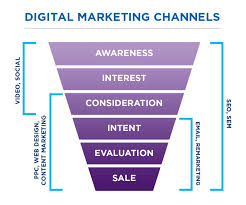
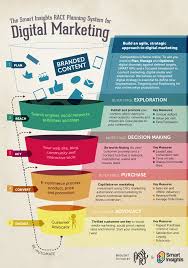
In today’s digital age, ecommerce has revolutionised the way businesses operate and connect with consumers. With the rise of online shopping, having a strong digital marketing strategy is essential for any ecommerce business looking to succeed in a competitive marketplace.

Targeted Advertising

One of the key advantages of ecommerce digital marketing is the ability to target specific audiences with precision. Through tools like social media advertising and Google Ads, businesses can reach potential customers based on their demographics, interests, and online behaviour. This targeted approach not only increases the chances of conversion but also maximises the return on investment for marketing campaigns.

SEO and Content Marketing

Search Engine Optimisation (SEO) and content marketing play a crucial role in driving organic traffic to ecommerce websites. By optimising website content for relevant keywords and creating high-quality blog posts or product descriptions, businesses can improve their search engine rankings and attract more visitors. A well-executed SEO strategy can significantly enhance visibility and credibility in the online marketplace.

Email Marketing and Customer Retention

Email marketing remains a powerful tool for engaging customers and driving repeat purchases in ecommerce. By sending personalised promotional offers, product recommendations, or newsletters to subscribers, businesses can nurture relationships with existing customers and encourage loyalty. Effective email marketing campaigns not only boost sales but also contribute to long-term customer retention and brand advocacy.

Data Analytics and Performance Tracking

One of the advantages of digital marketing in ecommerce is the ability to track performance metrics accurately. By utilising tools like Google Analytics or e-commerce platforms’ built-in analytics features, businesses can monitor key performance indicators such as website traffic, conversion rates, and customer behaviour. This data-driven approach enables businesses to make informed decisions, identify areas for improvement, and optimise their digital marketing strategies for better results.

In conclusion, ecommerce digital marketing is a powerful tool that empowers businesses to reach their target audience effectively, drive sales growth, and build lasting relationships with customers. By leveraging various digital marketing channels and techniques, ecommerce businesses can stay competitive in an ever-evolving online landscape and achieve sustainable success.


8 Essential Tips for Boosting Your E-commerce Digital Marketing Strategy

  1. Optimize your website for mobile devices to cater to users on-the-go.
  2. Utilize social media platforms to engage with your audience and drive traffic to your online store.
  3. Implement email marketing campaigns to nurture leads and encourage repeat purchases.
  4. Use high-quality images and videos to showcase your products effectively.
  5. Offer various payment options to accommodate different customer preferences.
  6. Optimise product descriptions and use relevant keywords for better search engine visibility.
  7. Provide excellent customer service to build trust and loyalty with your customers.
  8. Monitor key metrics such as conversion rates, traffic sources, and customer behaviour to make data-driven decisions.

Optimize your website for mobile devices to cater to users on-the-go.

In the realm of ecommerce digital marketing, a crucial tip is to optimise your website for mobile devices to accommodate users who are constantly on-the-go. With the increasing prevalence of smartphones and tablets as primary browsing devices, ensuring a seamless and responsive mobile experience is paramount. By prioritising mobile optimisation, businesses can enhance user engagement, improve conversion rates, and ultimately provide a convenient shopping experience that aligns with the fast-paced lifestyle of modern consumers.

Utilize social media platforms to engage with your audience and drive traffic to your online store.

To maximise the impact of your ecommerce digital marketing efforts, it is crucial to leverage social media platforms effectively. By actively engaging with your audience on platforms such as Facebook, Instagram, and Twitter, you can build a community around your brand, foster meaningful relationships with customers, and drive traffic to your online store. Through compelling content, interactive posts, and targeted advertising campaigns, you can create a buzz around your products or services, increase brand visibility, and ultimately boost sales. Embracing social media as a key component of your digital marketing strategy can help you connect with a wider audience and enhance the overall success of your ecommerce business.

Implement email marketing campaigns to nurture leads and encourage repeat purchases.

Implementing email marketing campaigns is a crucial strategy in ecommerce digital marketing. By utilising personalised and targeted emails, businesses can nurture leads, build relationships with potential customers, and ultimately encourage repeat purchases. Email campaigns allow businesses to stay connected with their audience, provide valuable content and offers, and drive engagement that leads to increased customer loyalty. By focusing on building strong relationships through email marketing, businesses can create a loyal customer base that continuously supports their brand and contributes to long-term success in the competitive ecommerce landscape.

Use high-quality images and videos to showcase your products effectively.

In the realm of ecommerce digital marketing, a crucial tip for success is to utilise high-quality images and videos to effectively showcase your products. Visual content plays a significant role in capturing the attention of online shoppers and conveying the value and features of your offerings. By presenting clear, detailed images and engaging videos that highlight the unique selling points of your products, you can enhance the overall shopping experience for customers, build trust in your brand, and ultimately drive conversions. Remember, a picture is worth a thousand words – make sure your visuals speak volumes about the quality and appeal of what you have to offer.

Offer various payment options to accommodate different customer preferences.

To maximise sales and enhance customer satisfaction in ecommerce digital marketing, it is crucial to offer a variety of payment options to cater to different customer preferences. By providing flexibility in payment methods such as credit/debit cards, digital wallets, bank transfers, and buy now, pay later services, businesses can accommodate diverse consumer needs and streamline the checkout process. This approach not only increases the likelihood of completing transactions but also builds trust with customers by offering a convenient and secure payment experience tailored to their preferences.

Optimise product descriptions and use relevant keywords for better search engine visibility.

To enhance search engine visibility and attract more potential customers, it is essential for ecommerce businesses to optimise their product descriptions by incorporating relevant keywords. By strategically selecting and integrating keywords that align with consumer search queries, businesses can improve their website’s ranking on search engine results pages. Crafting informative and engaging product descriptions not only helps in attracting organic traffic but also enhances the overall user experience, leading to increased conversions and sales opportunities in the competitive online marketplace.

Provide excellent customer service to build trust and loyalty with your customers.

In the realm of ecommerce digital marketing, offering exceptional customer service is a fundamental tip for cultivating trust and fostering loyalty with your customer base. By prioritising prompt and personalised assistance, addressing queries and concerns promptly, and ensuring a seamless shopping experience, businesses can establish a strong rapport with customers. Building trust through outstanding customer service not only enhances brand reputation but also encourages repeat purchases and positive word-of-mouth referrals, ultimately contributing to long-term success in the competitive ecommerce landscape.

Monitor key metrics such as conversion rates, traffic sources, and customer behaviour to make data-driven decisions.

Monitoring key metrics such as conversion rates, traffic sources, and customer behaviour is essential in ecommerce digital marketing. By analysing these data points, businesses can gain valuable insights into the effectiveness of their marketing strategies and the overall performance of their online store. This data-driven approach allows businesses to make informed decisions, identify areas for improvement, and optimise their digital marketing efforts to maximise results. Ultimately, by leveraging these key metrics, businesses can enhance their online presence, drive sales growth, and create a more engaging and personalised experience for their customers.

digital content marketing agency

Unlocking Success: The Role of a Digital Content Marketing Agency in Your Business Growth

The Power of Digital Content Marketing Agencies

In today’s digital age, content marketing has become a vital component of any successful business strategy. With the vast amount of information available online, businesses need to stand out and engage with their target audience effectively. This is where digital content marketing agencies play a crucial role.

A digital content marketing agency is a team of experts dedicated to creating and distributing valuable, relevant, and consistent content to attract and retain a clearly defined audience. These agencies work closely with businesses to develop tailored content strategies that align with their goals and objectives.

Why Choose a Digital Content Marketing Agency?

Expertise: Digital content marketing agencies have the knowledge and experience to create high-quality content that resonates with your target audience. From blog posts and social media campaigns to videos and infographics, these agencies know how to craft compelling content that drives engagement.

Strategic Approach: A digital content marketing agency will work with you to develop a comprehensive content strategy that aligns with your brand identity and objectives. They will identify key opportunities for growth and create targeted campaigns to reach your desired audience.

Time-Saving: By outsourcing your content marketing efforts to an agency, you can save time and focus on other aspects of your business. The agency will handle all aspects of content creation, distribution, and analysis, allowing you to concentrate on running your business efficiently.

The Benefits of Digital Content Marketing

Effective digital content marketing offers numerous benefits for businesses:

  • Increased Brand Awareness: Engaging content helps raise brand awareness and establish your business as an authority in your industry.
  • Improved SEO: Quality content can boost your search engine rankings, driving more organic traffic to your website.
  • Enhanced Customer Engagement: Compelling content encourages interaction with your audience, leading to greater customer engagement and loyalty.
  • Measurable Results: Digital content marketing allows you to track performance metrics such as website traffic, conversions, and engagement levels, providing valuable insights for future campaigns.

In Conclusion

A digital content marketing agency can help take your online presence to the next level by creating engaging, relevant, and valuable content that resonates with your target audience. By leveraging the expertise of these agencies, businesses can enhance their brand visibility, drive traffic, and ultimately achieve their marketing goals in the competitive digital landscape.


9 Essential Tips for Success in Digital Content Marketing Agencies

  1. Understand your target audience and their needs.
  2. Create high-quality and engaging content.
  3. Utilize various digital channels for promotion.
  4. Stay updated with the latest trends in digital marketing.
  5. Analyse data to measure the effectiveness of your campaigns.
  6. Build strong relationships with clients and partners.
  7. Consistently monitor and adjust your strategies for better results.
  8. Invest in tools and technologies that can streamline your processes.
  9. Provide excellent customer service to retain clients.

Understand your target audience and their needs.

To succeed in digital content marketing, it is essential to understand your target audience and their needs. By gaining insights into the preferences, behaviours, and challenges of your audience, you can create content that resonates with them on a deeper level. Tailoring your messaging to address their specific needs and interests will not only attract their attention but also build trust and loyalty over time. A thorough understanding of your target audience is the foundation for developing effective content strategies that drive engagement and deliver meaningful results for your business.

Create high-quality and engaging content.

Creating high-quality and engaging content is essential for the success of any digital content marketing agency. By producing content that is not only informative but also captivating, agencies can capture the attention of their target audience and drive meaningful engagement. High-quality content establishes credibility, builds trust with consumers, and encourages them to take desired actions. Whether it’s through compelling storytelling, visually appealing graphics, or interactive elements, prioritising quality and engagement in content creation is key to achieving impactful results in the competitive digital landscape.

Utilize various digital channels for promotion.

To maximise the impact of your digital content marketing efforts, it is essential to utilise a variety of digital channels for promotion. By leveraging platforms such as social media, email marketing, search engine optimisation (SEO), and online advertising, a digital content marketing agency can reach a wider audience and engage with potential customers across multiple touchpoints. This multi-channel approach not only increases brand visibility but also enhances the effectiveness of your content by tailoring it to suit the preferences and behaviours of different audiences on various platforms.

To thrive in the ever-evolving landscape of digital content marketing, it is crucial for businesses to stay updated with the latest trends in digital marketing. By keeping abreast of emerging technologies, consumer preferences, and industry innovations, a digital content marketing agency can adapt its strategies to remain relevant and effective. Whether it’s incorporating new social media platforms, leveraging interactive content formats, or implementing data-driven insights, staying informed about the latest trends ensures that businesses can engage their target audience effectively and stay ahead of the competition.

Analyse data to measure the effectiveness of your campaigns.

Analysing data to measure the effectiveness of your digital content marketing campaigns is essential for understanding what resonates with your audience and driving continuous improvement. By tracking key metrics such as website traffic, engagement rates, conversion rates, and social media interactions, you can gain valuable insights into the performance of your campaigns. This data-driven approach allows you to identify successful strategies, pinpoint areas for enhancement, and make informed decisions to optimise future content marketing efforts. Embracing data analysis empowers businesses to refine their tactics, maximise ROI, and ultimately achieve greater success in reaching and engaging their target audience online.

Build strong relationships with clients and partners.

Building strong relationships with clients and partners is a fundamental tip for any digital content marketing agency. By fostering trust, open communication, and collaboration, agencies can better understand the needs and goals of their clients and partners. This not only leads to more effective content strategies but also helps in creating long-lasting partnerships that drive mutual success. Strong relationships built on transparency and mutual respect are key to delivering exceptional results in the dynamic world of digital content marketing.

Consistently monitor and adjust your strategies for better results.

In the realm of digital content marketing, it is essential to consistently monitor and adjust your strategies to achieve better results. By closely tracking the performance of your content campaigns, you can identify what is working well and what needs improvement. This proactive approach allows you to adapt to changing trends, audience preferences, and market dynamics, ensuring that your content remains relevant and effective. By staying agile and responsive in your strategies, you can maximise the impact of your digital content marketing efforts and drive towards greater success.

Invest in tools and technologies that can streamline your processes.

Investing in tools and technologies that can streamline your processes is essential for the success of a digital content marketing agency. By leveraging the right software, analytics platforms, and automation tools, agencies can improve efficiency, enhance collaboration among team members, and deliver high-quality content to clients in a timely manner. These tools not only help in managing workflows more effectively but also enable agencies to track performance metrics, analyse data, and make informed decisions to optimise their content marketing strategies. Embracing technology can give digital content marketing agencies a competitive edge and position them for sustainable growth in the ever-evolving digital landscape.

Provide excellent customer service to retain clients.

Providing excellent customer service is essential for digital content marketing agencies to retain clients. By offering responsive and personalised support, agencies can build strong relationships with their clients, fostering trust and loyalty. Clear communication, timely responses to inquiries, and proactive problem-solving demonstrate a commitment to client satisfaction. Happy clients are more likely to continue working with the agency and recommend their services to others, contributing to long-term success and growth in the competitive digital marketing industry.

content marketing services

Unlocking the Potential of Content Marketing Services for Your Business

The Power of Content Marketing Services

The Power of Content Marketing Services

In today’s digital age, content is king. With the vast amount of information available online, businesses need to stand out and engage their audience effectively. This is where content marketing services play a crucial role.

Content marketing services involve creating and distributing valuable, relevant, and consistent content to attract and retain a targeted audience. By providing valuable information to potential customers, businesses can build trust, establish authority in their industry, and ultimately drive profitable customer action.

Benefits of Content Marketing Services:

  • Increased Brand Awareness: Consistent and high-quality content helps raise brand awareness and visibility among your target audience.
  • Improved Search Engine Rankings: Relevant and optimised content can improve your website’s search engine rankings, increasing organic traffic.
  • Enhanced Customer Engagement: Engaging content encourages interaction with your audience, leading to stronger relationships and customer loyalty.
  • Lead Generation: Valuable content attracts potential leads and nurtures them through the sales funnel, increasing conversion rates.
  • Cost-Effective Marketing Strategy: Content marketing is a cost-effective way to reach your target audience compared to traditional advertising methods.

Whether it’s blog posts, social media updates, videos, infographics, or whitepapers, a well-rounded content marketing strategy can help businesses connect with their audience on multiple levels. By understanding the needs and preferences of their target market, businesses can create tailored content that resonates with their audience.

In conclusion, investing in professional content marketing services can significantly impact your business’s online presence and overall success. By delivering valuable and relevant content consistently, businesses can attract more leads, increase brand loyalty, and drive long-term growth.


Understanding Content Marketing Services: Key Questions Answered

  1. What is content marketing and why is it important?
  2. How can content marketing services benefit my business?
  3. What types of content are typically included in content marketing services?
  4. How do I measure the effectiveness of my content marketing strategy?
  5. Is content marketing suitable for businesses of all sizes?
  6. What sets professional content marketing services apart from DIY approaches?
  7. How can I choose the right content marketing service provider for my business?

What is content marketing and why is it important?

Content marketing is a strategic approach that involves creating and distributing valuable, relevant content to attract and engage a specific target audience. It goes beyond traditional advertising by focusing on providing information that educates, entertains, or inspires the audience. Content marketing is important because it helps businesses build credibility, establish authority in their industry, and nurture relationships with customers. By delivering valuable content consistently, businesses can increase brand awareness, drive website traffic, generate leads, and ultimately boost sales. In today’s digital landscape, where consumers actively seek information online, content marketing plays a crucial role in connecting with audiences and driving business growth.

How can content marketing services benefit my business?

Content marketing services can benefit your business in numerous ways. By creating and distributing valuable and relevant content, you can increase brand awareness, engage your target audience, improve search engine rankings, generate leads, and establish your business as an industry authority. This strategic approach not only drives customer action but also fosters long-term relationships with your audience. Ultimately, content marketing services offer a cost-effective way to connect with customers, build credibility, and drive growth for your business in the digital landscape.

What types of content are typically included in content marketing services?

When it comes to content marketing services, businesses often include a variety of content types to engage their target audience effectively. These may encompass blog posts, articles, infographics, videos, social media updates, whitepapers, case studies, e-books, podcasts, and email newsletters. Each type of content serves a specific purpose in conveying information, building brand authority, and nurturing customer relationships. By diversifying the content mix and tailoring it to the preferences of their audience, businesses can create a compelling and cohesive content strategy that resonates with their target market.

How do I measure the effectiveness of my content marketing strategy?

Measuring the effectiveness of your content marketing strategy is essential to understanding its impact and making informed decisions for future campaigns. There are several key metrics you can use to evaluate the success of your content marketing efforts. These may include website traffic, engagement rates (such as likes, shares, and comments), conversion rates, lead generation, and return on investment (ROI). By analysing these metrics regularly and tracking progress over time, you can gain valuable insights into what is working well and where adjustments may be needed to optimise your content marketing strategy for better results.

Is content marketing suitable for businesses of all sizes?

Content marketing is a versatile strategy that can benefit businesses of all sizes, from small startups to large corporations. The beauty of content marketing lies in its adaptability and scalability. Small businesses can leverage content marketing to establish their brand, build credibility, and attract a loyal customer base without the need for a large budget. On the other hand, larger enterprises can use content marketing to engage with their audience on a deeper level, drive lead generation, and maintain customer relationships. Regardless of size, businesses can tailor their content marketing approach to suit their specific goals and resources, making it a valuable tool for growth and success in today’s competitive digital landscape.

What sets professional content marketing services apart from DIY approaches?

When comparing professional content marketing services to DIY approaches, the key difference lies in expertise and experience. Professional services offer a team of skilled professionals who have a deep understanding of content strategy, audience targeting, SEO best practices, and effective storytelling techniques. They bring a wealth of industry knowledge and resources to create tailored content that resonates with the target audience and achieves specific business goals. In contrast, DIY approaches may lack the same level of strategic planning, creativity, and consistency that professionals can provide. By choosing professional content marketing services, businesses can benefit from a comprehensive approach that maximises engagement, brand visibility, and ultimately, ROI.

How can I choose the right content marketing service provider for my business?

When selecting the ideal content marketing service provider for your business, it is essential to consider several key factors. Firstly, assess the provider’s expertise and experience in your industry to ensure they understand your target audience and goals. Look for a provider with a proven track record of delivering successful content marketing campaigns and driving tangible results for their clients. Additionally, consider their approach to strategy development, content creation, distribution channels, and measurement of success. Effective communication, transparency, and a collaborative working relationship are also crucial aspects to look for in a content marketing service provider. By conducting thorough research and asking relevant questions, you can choose a partner that aligns with your business objectives and helps you achieve your content marketing goals effectively.

content marketing agencies

Elevating Your Brand: The Power of Content Marketing Agencies

Article: Content Marketing Agencies

The Role of Content Marketing Agencies in Today’s Digital Landscape

In the ever-evolving world of digital marketing, content is king. Content marketing agencies play a crucial role in helping businesses create and distribute valuable, relevant, and consistent content to attract and retain a clearly defined audience.

Content marketing is more than just creating blog posts or social media updates. It involves strategic planning, creative storytelling, and data-driven insights to engage consumers and drive profitable customer action.

What Do Content Marketing Agencies Offer?

Content marketing agencies offer a range of services to help businesses establish a strong online presence and connect with their target audience effectively. Some key services include:

  • Content Strategy: Developing a comprehensive plan that outlines the goals, target audience, messaging, and distribution channels for content creation.
  • Content Creation: Producing high-quality and engaging content such as articles, videos, infographics, and more that resonate with the target audience.
  • Content Distribution: Leveraging various platforms including websites, social media, email marketing, and SEO to reach the right audience at the right time.
  • Analytics and Reporting: Monitoring performance metrics to measure the effectiveness of content campaigns and make data-driven decisions for continuous improvement.

The Benefits of Working with a Content Marketing Agency

Collaborating with a content marketing agency offers several advantages for businesses looking to enhance their digital marketing efforts:

  • Expertise: Content marketing agencies have specialised knowledge and experience in creating compelling content that resonates with audiences across different industries.
  • Time-Saving: Outsourcing content creation allows businesses to focus on core operations while professionals handle the strategic planning and execution of content campaigns.
  • Multichannel Approach: Agencies can help businesses leverage various online platforms to maximise reach and engagement with target audiences.
  • Measurable Results: By tracking key performance indicators (KPIs) and analytics data, agencies can provide insights into campaign effectiveness and ROI for informed decision-making.

In Conclusion

In today’s competitive digital landscape, quality content is essential for building brand awareness, driving traffic, generating leads, and nurturing customer relationships. Content marketing agencies play a vital role in helping businesses navigate this terrain by crafting compelling narratives that resonate with audiences and drive business growth.


8 Essential Tips for Choosing the Right Content Marketing Agency

  1. Ensure the agency has a strong portfolio showcasing diverse content marketing campaigns.
  2. Look for agencies with experience in your industry or niche for better understanding of your target audience.
  3. Check client testimonials and reviews to gauge the agency’s reputation and quality of work.
  4. Discuss and define clear goals and KPIs with the agency to align on expectations.
  5. Consider the agency’s creativity, innovation, and ability to think outside the box for unique content ideas.
  6. Evaluate the agency’s expertise in various content formats such as video, blogs, social media, etc.
  7. Clarify communication channels and frequency to maintain transparency and keep track of progress.
  8. Negotiate a detailed contract outlining services, timelines, deliverables, and budget to avoid misunderstandings.

Ensure the agency has a strong portfolio showcasing diverse content marketing campaigns.

When selecting a content marketing agency, it is crucial to ensure that the agency has a strong portfolio showcasing diverse content marketing campaigns. A robust portfolio demonstrates the agency’s creativity, expertise, and ability to tailor content strategies to different audiences and industries. By reviewing past campaigns, businesses can gain insight into the agency’s approach, quality of work, and success in delivering results. A diverse portfolio indicates versatility and adaptability, essential qualities for creating engaging and effective content that resonates with target audiences across various platforms.

Look for agencies with experience in your industry or niche for better understanding of your target audience.

When seeking a content marketing agency to elevate your digital presence, it is essential to prioritise those with expertise in your specific industry or niche. Agencies with experience in your sector possess a deeper understanding of your target audience, their preferences, and the nuances of your market. By choosing a content marketing agency with industry-specific knowledge, you can benefit from tailored strategies that resonate with your audience, drive engagement, and ultimately lead to more impactful results for your business.

Check client testimonials and reviews to gauge the agency’s reputation and quality of work.

When considering a content marketing agency, it is advisable to review client testimonials and feedback to assess the agency’s reputation and the quality of their work. Client testimonials provide valuable insights into the agency’s track record, customer satisfaction levels, and the effectiveness of their content marketing strategies. By evaluating these testimonials and reviews, businesses can make informed decisions about partnering with an agency that aligns with their goals and expectations, ensuring a successful collaboration that delivers tangible results.

Discuss and define clear goals and KPIs with the agency to align on expectations.

When working with a content marketing agency, it is essential to discuss and define clear goals and Key Performance Indicators (KPIs) to align expectations and ensure both parties are on the same page. By establishing specific objectives and measurable metrics at the outset of the collaboration, businesses can effectively track progress, evaluate performance, and make data-driven decisions to optimise content campaigns. Clear communication regarding goals and KPIs helps foster a collaborative partnership between the business and the agency, leading to more successful outcomes in achieving desired results.

Consider the agency’s creativity, innovation, and ability to think outside the box for unique content ideas.

When selecting a content marketing agency, it is crucial to consider factors such as creativity, innovation, and the ability to think outside the box for unique content ideas. A forward-thinking agency that can offer fresh perspectives and innovative approaches to content creation can help your brand stand out in a crowded digital landscape. By prioritising creativity and originality, the agency can develop compelling content that resonates with your target audience and drives engagement, ultimately leading to increased brand visibility and customer loyalty.

Evaluate the agency’s expertise in various content formats such as video, blogs, social media, etc.

When considering a content marketing agency, it is essential to evaluate the agency’s expertise across different content formats, including video production, blog writing, social media management, and more. A diverse skill set in various content types ensures that the agency can create engaging and impactful content tailored to different platforms and audience preferences. By assessing the agency’s proficiency in a range of content formats, businesses can make informed decisions to align their content strategy with their marketing goals effectively.

Clarify communication channels and frequency to maintain transparency and keep track of progress.

To ensure effective collaboration with content marketing agencies, it is essential to clarify communication channels and frequency upfront. By establishing clear lines of communication and setting expectations regarding how often updates will be provided, businesses can maintain transparency and easily track the progress of content marketing campaigns. Regular communication not only fosters a sense of partnership but also allows for timely feedback and adjustments to ensure that the strategy aligns with the desired goals and objectives.

Negotiate a detailed contract outlining services, timelines, deliverables, and budget to avoid misunderstandings.

When engaging with content marketing agencies, it is advisable to negotiate a comprehensive contract that clearly outlines the scope of services, project timelines, expected deliverables, and budget considerations. By establishing these details upfront, both parties can align their expectations and mitigate potential misunderstandings throughout the collaboration. A detailed contract serves as a roadmap for the project, ensuring transparency and accountability on all fronts, ultimately leading to a smoother and more successful partnership between businesses and content marketing agencies.

Unlocking Success: The Dynamic Duo of Digital and Content Marketing

Digital and Content Marketing

The Power of Digital and Content Marketing

In today’s fast-paced digital landscape, the role of digital and content marketing has become more crucial than ever for businesses looking to engage with their audiences effectively. Let’s explore how these two intertwined strategies can help businesses achieve their marketing goals.

Digital Marketing

Digital marketing encompasses a wide range of online tactics aimed at promoting products or services through various digital channels. From social media and email marketing to search engine optimisation (SEO) and pay-per-click (PPC) advertising, digital marketing offers a versatile toolkit for reaching target audiences and driving conversions.

Key benefits of digital marketing include its ability to reach a global audience, track campaign performance in real-time, and target specific demographics with precision. By leveraging data analytics and consumer insights, businesses can refine their digital strategies to deliver personalised experiences that resonate with their customers.

Content Marketing

Content marketing focuses on creating valuable, relevant, and consistent content to attract and retain a clearly defined audience. Whether it’s blog posts, videos, infographics, or social media updates, compelling content serves as the cornerstone of any successful digital marketing campaign.

Effective content marketing not only drives organic traffic to websites but also positions brands as industry thought leaders and builds trust with consumers. By crafting engaging stories that address customer pain points and provide solutions, businesses can establish meaningful connections that drive long-term loyalty.

The Synergy Between Digital and Content Marketing

When combined strategically, digital and content marketing create a powerful synergy that amplifies brand visibility and engagement. Content serves as the fuel for digital campaigns, attracting prospects through informative and entertaining materials that drive conversions across various online platforms.

By aligning content creation with targeted digital channels such as social media ads or email newsletters, businesses can deliver cohesive messaging that resonates with audiences at every touchpoint. This integrated approach not only enhances brand awareness but also nurtures leads through the sales funnel towards conversion.

Conclusion

In conclusion, the integration of digital and content marketing offers businesses a competitive edge in today’s digitally-driven marketplace. By crafting compelling narratives that captivate audiences across online channels, businesses can cultivate lasting relationships with customers while achieving their marketing objectives effectively.


Unlocking Success: 9 Key Advantages of Digital and Content Marketing

  1. Global Reach
  2. Targeted Advertising
  3. Real-time Analytics
  4. Cost-effective
  5. Brand Visibility
  6. Customer Engagement
  7. Lead Generation
  8. Thought Leadership
  9. Measurable Results


Navigating the Challenges of Digital Marketing: Addressing Saturation, Content Overload, and Algorithm Changes

  1. Saturation
  2. Content Overload
  3. Algorithm Changes

Global Reach

Digital and content marketing offer businesses the invaluable advantage of global reach, enabling them to connect with a diverse and expansive audience on a worldwide scale through various online channels. By leveraging the power of digital platforms and creating engaging content tailored to different demographics and regions, businesses can transcend geographical boundaries and establish meaningful relationships with customers across the globe. This unparalleled reach not only enhances brand visibility but also opens up new opportunities for growth and expansion in international markets, showcasing the transformative impact of digital and content marketing strategies in today’s interconnected world.

Targeted Advertising

Targeted advertising is a key advantage of digital and content marketing, allowing businesses to tailor their messaging to specific demographics with precision. By leveraging data on consumer interests, behaviours, and preferences, companies can create customised campaigns that resonate with their target audience on a personal level. This approach not only increases the effectiveness of marketing efforts but also enhances customer engagement and conversion rates by delivering relevant content to the right people at the right time.

Real-time Analytics

With real-time analytics in digital and content marketing, businesses gain the ability to monitor campaign performance instantaneously, enabling them to make swift adjustments to enhance outcomes. This proactive approach empowers companies to optimise their strategies on the fly, ensuring that resources are allocated efficiently and that campaigns are continuously refined for maximum impact. By leveraging real-time data insights, businesses can stay agile in their marketing efforts and adapt quickly to changing market dynamics, ultimately driving better results and achieving their objectives more effectively.

Cost-effective

In comparison to traditional marketing approaches, digital and content marketing present a notable advantage in terms of cost-effectiveness. By leveraging online platforms and creating engaging content, businesses can target specific audience segments more efficiently and at a lower cost. This allows companies to maximise their marketing budgets while achieving greater reach and engagement with their desired demographics. The ability to track and measure the performance of digital campaigns also enables businesses to optimise their strategies for better ROI, making digital and content marketing a highly efficient investment for reaching target audiences in a cost-effective manner.

Brand Visibility

Consistent digital and content marketing efforts play a pivotal role in enhancing brand visibility across diverse online platforms. By maintaining a strategic presence through engaging content and targeted digital campaigns, businesses can ensure that their brand remains visible to their target audience. This increased visibility not only boosts brand recognition but also helps establish credibility and trust among consumers, ultimately driving brand loyalty and long-term success in the competitive digital landscape.

Customer Engagement

Compelling content lies at the heart of customer engagement in digital and content marketing. By offering valuable information and creating meaningful interactions, businesses can connect with their target audience on a deeper level. Whether through informative blog posts, engaging videos, or interactive social media campaigns, compelling content not only captures the attention of customers but also encourages them to actively participate and engage with the brand. This two-way communication builds trust, loyalty, and ultimately leads to a stronger relationship between businesses and their customers.

Lead Generation

Lead generation is a key benefit of digital and content marketing strategies. By creating and sharing relevant, engaging content, businesses can attract prospects and convert them into leads. Through targeted campaigns that resonate with their target audience, companies can effectively nurture relationships and guide potential customers through the sales funnel. This approach not only increases brand visibility but also drives meaningful interactions that result in valuable leads for sustained business growth.

Thought Leadership

A significant advantage of digital and content marketing is the establishment of thought leadership within industries. Through content marketing, businesses can showcase their expertise and insights to their target audience, positioning themselves as authoritative voices in their field. By sharing valuable knowledge and engaging with audiences through informative content, businesses can build credibility, trust, and recognition as industry thought leaders, ultimately strengthening their brand reputation and attracting a loyal following.

Measurable Results

One of the key advantages of digital and content marketing is the ability to deliver measurable results, enabling businesses to assess the effectiveness of their campaigns accurately. Through data analytics and performance tracking tools, companies can gain valuable insights into audience engagement, conversion rates, and overall campaign performance. This data-driven approach allows businesses to make informed decisions, refine their strategies, and allocate resources efficiently to maximise ROI. By leveraging measurable results, businesses can continuously optimise their digital and content marketing efforts to achieve tangible outcomes and drive sustainable growth.

Saturation

In the realm of digital and content marketing, one significant challenge that businesses face is saturation. The vast digital landscape is inundated with an abundance of content, creating a competitive environment where standing out and capturing audience attention becomes increasingly difficult. With countless brands vying for visibility and engagement, cutting through the noise to convey a distinct message that resonates with target audiences poses a formidable hurdle for businesses seeking to make an impact in the crowded online space.

Content Overload

In the realm of digital and content marketing, a significant con that businesses must navigate is the issue of content overload. The continuous stream of content being generated across various online platforms poses a challenge as it runs the risk of inundating consumers with information. This saturation can lead to consumer fatigue and desensitisation, ultimately diluting the effectiveness of marketing messages. In a landscape where attention spans are fleeting, businesses must carefully curate their content to ensure it stands out amidst the noise and resonates with their target audience in a meaningful way.

Algorithm Changes

One significant drawback of digital and content marketing is the constant evolution of algorithms on various online platforms. These algorithm changes can have a profound impact on organic reach, making it challenging for businesses to maintain visibility to their target audience. As platforms like social media and search engines adjust their algorithms, businesses must continuously adapt their strategies to ensure their content remains relevant and reaches the intended audience effectively. The need to stay abreast of these algorithm updates adds complexity and uncertainty to digital marketing efforts, requiring businesses to be agile and responsive in navigating the ever-changing digital landscape.

media marketing

Mastering the Art of Effective Media Marketing Strategies

The Power of Media Marketing

The Power of Media Marketing

In today’s digital age, media marketing has become an essential tool for businesses looking to reach and engage with their target audience. Media marketing encompasses a wide range of strategies and platforms that allow companies to promote their products or services through various forms of media.

Types of Media Marketing

Media marketing can take many forms, including:

  • Social Media Marketing: Leveraging popular social media platforms such as Facebook, Instagram, Twitter, and LinkedIn to connect with customers and build brand awareness.
  • Content Marketing: Creating and distributing valuable content like blogs, videos, and infographics to attract and retain a specific audience.
  • Search Engine Marketing (SEM): Using paid search advertising to increase visibility on search engine results pages.
  • Email Marketing: Sending targeted emails to prospects and customers to promote products or services.

The Benefits of Media Marketing

Effective media marketing offers numerous benefits for businesses:

  • Increased Brand Awareness: By reaching a wider audience through various media channels, businesses can enhance their brand visibility.
  • Improved Customer Engagement: Engaging content and interactive campaigns help businesses connect with customers on a deeper level.
  • Targeted Advertising: Media marketing allows businesses to target specific demographics based on interests, behaviour, and other factors.
  • Data-driven Insights: Through analytics tools, businesses can track the performance of their media marketing efforts and make data-driven decisions for future campaigns.

The Future of Media Marketing

As technology continues to evolve, the landscape of media marketing is constantly changing. Businesses must adapt to emerging trends and technologies to stay ahead in the competitive digital market. Video content, influencer partnerships, artificial intelligence, and personalised messaging are just some of the trends shaping the future of media marketing.

In conclusion, media marketing plays a crucial role in helping businesses connect with their target audience, drive engagement, and ultimately achieve their marketing goals in today’s fast-paced digital world.


Five Key Advantages of Media Marketing: Boosting Brand Awareness and Engagement in the Digital Age

  1. Increased brand awareness through multiple media channels.
  2. Enhanced customer engagement with interactive content.
  3. Targeted advertising to reach specific demographics effectively.
  4. Access to data-driven insights for informed decision-making.
  5. Adaptability to emerging trends and technologies in the digital landscape.


Challenges in Media Marketing: Navigating Oversaturation, Ad Blindness, and More

  1. 1. Oversaturation
  2. 2. Ad Blindness
  3. 3. Ad Blocking
  4. 4. Negative Feedback Amplification
  5. 5. Budget Constraints

Increased brand awareness through multiple media channels.

One significant advantage of media marketing is the ability to enhance brand awareness through diverse media channels. By leveraging various platforms such as social media, content marketing, search engine marketing, and email campaigns, businesses can reach a broader audience and increase visibility for their brand. This multi-channel approach not only helps in expanding the reach of the brand but also reinforces its presence in the minds of consumers through consistent messaging across different media outlets. The increased exposure across multiple channels can ultimately lead to greater recognition and recall of the brand among target audiences, contributing to long-term brand loyalty and customer engagement.

Enhanced customer engagement with interactive content.

One significant benefit of media marketing is the ability to enhance customer engagement through interactive content. By creating engaging and interactive materials such as quizzes, polls, videos, and games, businesses can captivate their audience and encourage active participation. This not only strengthens the connection between the brand and the customer but also fosters a sense of involvement and loyalty. Interactive content allows for two-way communication, enabling businesses to gather valuable feedback, insights, and preferences from their audience, leading to more personalised and targeted marketing strategies that resonate with customers on a deeper level.

Targeted advertising to reach specific demographics effectively.

Targeted advertising is a key advantage of media marketing, allowing businesses to tailor their messages to specific demographics with precision and efficiency. By identifying and reaching out to the right audience based on factors such as age, location, interests, and behaviour, businesses can maximise the impact of their marketing efforts. This approach not only increases the relevance of the content being delivered but also enhances the likelihood of engagement and conversion. Targeted advertising enables businesses to connect with individuals who are more likely to be interested in their products or services, leading to a higher return on investment and a more effective overall marketing strategy.

Access to data-driven insights for informed decision-making.

One significant advantage of media marketing is the access to data-driven insights that provide businesses with valuable information for making informed decisions. By analysing metrics such as audience demographics, engagement rates, and conversion rates, companies can gain a deep understanding of their target market’s preferences and behaviours. This data-driven approach allows businesses to tailor their marketing strategies effectively, allocate resources efficiently, and continuously refine their campaigns to maximise results. Ultimately, leveraging data-driven insights empowers businesses to make strategic decisions that drive growth and success in the ever-evolving digital landscape.

One significant advantage of media marketing is its adaptability to emerging trends and technologies in the ever-evolving digital landscape. Businesses can leverage the latest innovations and platforms to stay relevant and engage with their target audience effectively. By embracing new technologies such as AI, AR, and interactive content, companies can create dynamic and engaging campaigns that resonate with consumers in today’s fast-paced digital environment. This adaptability allows businesses to stay ahead of the curve and continuously refine their strategies to meet the changing demands of the market.

1. Oversaturation

In the realm of media marketing, one significant drawback is the issue of oversaturation. The sheer volume of content being pushed out through various channels can make it exceedingly difficult for businesses to distinguish themselves and capture the attention of their target audience. With so much noise competing for viewers’ time and interest, standing out amidst the clutter poses a considerable challenge for companies looking to make an impact through their marketing efforts. This oversaturation can lead to content fatigue among consumers, diminishing the effectiveness of marketing campaigns and making it harder for businesses to achieve their desired outcomes.

2. Ad Blindness

In the realm of media marketing, a significant drawback emerges in the form of ad blindness. This phenomenon reflects the growing immunity of consumers towards traditional advertising methods, resulting in a diminishing effectiveness of certain media marketing strategies. As individuals are inundated with a constant stream of advertisements across various platforms, they have developed a tendency to overlook or consciously ignore promotional content. This poses a challenge for businesses seeking to capture and retain the attention of their target audience amidst the sea of competing messages, necessitating a shift towards more innovative and engaging approaches to cut through the noise and resonate with consumers effectively.

3. Ad Blocking

One significant drawback of media marketing is the prevalence of ad blocking software, which poses a challenge to reaching the intended audience effectively. The increasing use of ad blockers by internet users inhibits the visibility of marketing campaigns and diminishes the likelihood of ads reaching their target audience. This trend not only hinders the reach and impact of media marketing efforts but also underscores the need for businesses to explore alternative strategies to engage with consumers in an ad-blocker-conscious digital environment.

4. Negative Feedback Amplification

In the realm of media marketing, a significant drawback lies in the potential for negative feedback amplification. Social media platforms serve as powerful channels for individuals to express their opinions and grievances publicly. In this context, any negative feedback or criticism about a brand can swiftly spread and gain traction, posing a risk of tarnishing its reputation. The rapid dissemination of adverse comments on social media can significantly impact how a brand is perceived by its audience, highlighting the importance of proactive reputation management strategies in mitigating such risks.

5. Budget Constraints

Budget constraints can pose a significant challenge for businesses looking to engage in effective media marketing strategies. The need for a substantial investment in resources and advertising spend can be daunting, especially for smaller or emerging businesses with limited financial means. This financial barrier may restrict the ability of some companies to fully utilise the potential of media marketing to reach their target audience and achieve their marketing objectives. Finding a balance between cost-effective strategies and impactful results becomes crucial in navigating the con of budget constraints in media marketing.

web marketing

Unlocking Success: The Essentials of Effective Web Marketing Strategies

The Power of Web Marketing

The Power of Web Marketing

In today’s digital age, web marketing has become an essential tool for businesses looking to reach and engage with their target audience effectively. Web marketing encompasses a range of strategies and techniques that leverage the internet to promote products or services, build brand awareness, and drive conversions.

Key Components of Web Marketing

Web marketing includes various components such as:

  • Search Engine Optimization (SEO): Optimizing your website to rank higher in search engine results pages, increasing visibility and organic traffic.
  • Pay-Per-Click (PPC) Advertising: Running targeted ads on search engines or social media platforms to drive traffic to your website.
  • Social Media Marketing: Engaging with your audience on social media platforms to build relationships and promote your brand.
  • Email Marketing: Sending targeted emails to leads and customers to nurture relationships and drive conversions.
  • Content Marketing: Creating valuable and relevant content to attract and engage your target audience.
  • Analytics and Reporting: Monitoring performance metrics to track the effectiveness of your web marketing efforts and make data-driven decisions.

The Benefits of Web Marketing

Effective web marketing offers numerous benefits for businesses, including:

  • Increased Visibility: Reach a wider audience online through various digital channels.
  • Better Targeting: Target specific demographics based on interests, behaviours, and preferences.
  • Improved Brand Awareness: Build brand recognition and credibility in the digital space.
  • Higher Conversion Rates: Drive qualified leads and convert them into customers through targeted campaigns.


7 Essential Tips for Effective Web Marketing Success

  1. Create a user-friendly website with easy navigation.
  2. Produce high-quality and engaging content to attract visitors.
  3. Utilise search engine optimisation (SEO) techniques to improve visibility on search engines.
  4. Engage with your audience through social media platforms.
  5. Implement email marketing campaigns to reach out to potential customers.
  6. Monitor and analyse website analytics to track performance and make informed decisions.
  7. Collaborate with influencers or other websites for cross-promotion.

Create a user-friendly website with easy navigation.

Creating a user-friendly website with easy navigation is a crucial tip in web marketing. A well-designed website that is intuitive and simple to navigate enhances the user experience, encouraging visitors to explore your content and engage with your brand. Clear navigation menus, logical page layouts, and prominent calls-to-action can guide users seamlessly through your site, leading to higher engagement and conversion rates. By prioritising user-friendliness in your website design, you not only improve customer satisfaction but also boost your online visibility and credibility in the competitive digital landscape.

Produce high-quality and engaging content to attract visitors.

To enhance your web marketing efforts, it is crucial to produce high-quality and engaging content that captivates visitors and encourages them to explore further. Compelling content not only attracts visitors to your website but also keeps them engaged, builds trust, and establishes your brand as a valuable resource in your industry. By creating content that resonates with your target audience’s interests and needs, you can effectively drive traffic, increase user engagement, and ultimately achieve your marketing goals.

Utilise search engine optimisation (SEO) techniques to improve visibility on search engines.

To enhance your online presence and attract more organic traffic, it is crucial to implement search engine optimisation (SEO) techniques effectively. By optimising your website with relevant keywords, meta tags, quality content, and other SEO strategies, you can improve your visibility on search engines like Google. This increased visibility can lead to higher rankings in search results, making it easier for potential customers to find your website and ultimately boost your online success.

Engage with your audience through social media platforms.

Engaging with your audience through social media platforms is a crucial aspect of successful web marketing. By actively interacting with your followers, responding to comments, and sharing valuable content, you can build meaningful relationships and foster a sense of community around your brand. Social media provides a direct channel for communication, allowing you to listen to feedback, address concerns, and showcase the human side of your business. This engagement not only helps in strengthening customer loyalty but also increases brand visibility and drives traffic to your website, ultimately contributing to the overall success of your digital marketing efforts.

Implement email marketing campaigns to reach out to potential customers.

Implementing email marketing campaigns is a strategic approach to connect with potential customers and nurture relationships effectively. By crafting targeted and personalised emails, businesses can deliver relevant content, promotions, and updates directly to the inbox of their audience. This direct communication channel not only helps in reaching out to potential customers but also in building brand loyalty and driving conversions. Email marketing campaigns allow businesses to engage with their audience on a more personal level, making it a valuable tool in the web marketing arsenal.

Monitor and analyse website analytics to track performance and make informed decisions.

Monitoring and analysing website analytics is a crucial tip in web marketing that allows businesses to track the performance of their online activities and make informed decisions. By closely examining key metrics such as website traffic, user engagement, conversion rates, and customer behaviour, companies can gain valuable insights into the effectiveness of their digital strategies. This data-driven approach enables businesses to identify areas for improvement, refine their marketing tactics, and ultimately enhance the overall success of their online presence.

Collaborate with influencers or other websites for cross-promotion.

Collaborating with influencers or other websites for cross-promotion is a powerful strategy in web marketing. By partnering with individuals or platforms that have a relevant and engaged audience, businesses can expand their reach and tap into new markets effectively. Leveraging the credibility and influence of these partners can help increase brand visibility, drive traffic to your website, and ultimately boost conversions. Through strategic collaborations, businesses can create mutually beneficial relationships that offer valuable exposure and establish trust with potential customers.

examples of digital marketing

Exploring Effective Examples of Digital Marketing Strategies

Examples of Digital Marketing

Examples of Digital Marketing

Digital marketing has become an essential component of any successful business strategy in today’s digital age. Leveraging various online channels and tactics, businesses can reach their target audience effectively and drive engagement. Here are some examples of digital marketing that have proven to be highly effective:

Social Media Marketing

Social media platforms like Facebook, Instagram, Twitter, and LinkedIn offer powerful tools for businesses to connect with their audience, build brand awareness, and drive traffic to their websites. Through targeted advertising and engaging content, social media marketing can help businesses reach a wider audience and generate leads.

Search Engine Optimization (SEO)

SEO is the practice of optimizing a website to rank higher in search engine results pages (SERPs). By using relevant keywords, creating high-quality content, and improving website performance, businesses can increase their visibility online and attract organic traffic from search engines like Google.

Email Marketing

Email marketing remains a powerful tool for nurturing leads and building customer relationships. By sending personalised emails to subscribers with relevant content and offers, businesses can drive conversions and retain customers over time.

Pay-Per-Click Advertising (PPC)

PPC advertising allows businesses to display ads on search engines or other platforms and pay a fee each time a user clicks on their ad. This model enables businesses to target specific keywords or demographics and track the performance of their campaigns in real-time.

Content Marketing

Content marketing involves creating valuable and relevant content to attract and engage a target audience. By producing blog posts, videos, infographics, or other types of content that resonate with users’ interests, businesses can establish themselves as industry experts and drive traffic to their websites.

In conclusion, digital marketing offers a wide range of opportunities for businesses to connect with consumers in meaningful ways. By utilising these examples of digital marketing effectively, businesses can enhance their online presence, drive sales, and achieve long-term success in the digital landscape.


Six Effective Digital Marketing Strategies to Boost Engagement and Drive Sales

  1. Utilize social media platforms to engage with your audience and promote your products or services.
  2. Create high-quality content that is relevant to your target market to attract and retain customers.
  3. Optimize your website for search engines to improve visibility and drive organic traffic.
  4. Run targeted online advertising campaigns to reach specific demographics and increase conversions.
  5. Implement email marketing strategies to nurture leads, build relationships, and drive sales.
  6. Analyse data regularly to track the performance of your digital marketing efforts and make informed decisions.

Utilize social media platforms to engage with your audience and promote your products or services.

To maximise the impact of your digital marketing efforts, it is crucial to leverage social media platforms effectively. By actively engaging with your audience on platforms such as Facebook, Instagram, Twitter, and LinkedIn, you can build meaningful relationships with customers and prospects. Through strategic content creation and targeted advertising, businesses can promote their products or services in a way that resonates with their target market, ultimately driving brand awareness and customer loyalty. Social media provides a powerful channel for businesses to showcase their offerings and connect with consumers on a personal level, fostering trust and credibility in the digital space.

Create high-quality content that is relevant to your target market to attract and retain customers.

Creating high-quality content that is tailored to the interests and needs of your target market is a crucial aspect of digital marketing. By providing valuable and relevant content, businesses can not only attract the attention of potential customers but also build trust and loyalty among existing ones. Whether it’s informative blog posts, engaging videos, or interactive infographics, delivering content that resonates with your audience can help establish your brand as a credible source of information and solutions, ultimately leading to increased customer retention and long-term success in the competitive digital landscape.

Optimize your website for search engines to improve visibility and drive organic traffic.

Optimising your website for search engines is a crucial aspect of digital marketing that can significantly impact your online visibility and drive organic traffic to your site. By implementing effective search engine optimisation (SEO) strategies such as using relevant keywords, creating high-quality content, and improving site performance, you can enhance your website’s ranking on search engine results pages. This increased visibility not only helps potential customers find your website more easily but also establishes credibility and trust with search engines, ultimately leading to sustainable organic traffic growth over time.

Run targeted online advertising campaigns to reach specific demographics and increase conversions.

To maximise the effectiveness of your digital marketing efforts, consider running targeted online advertising campaigns tailored to reach specific demographics. By identifying and focusing on your ideal audience, you can deliver personalised messages that resonate with their interests and needs. This approach not only increases the likelihood of engaging with potential customers but also boosts conversions by directing relevant traffic to your website or landing pages. By leveraging targeted online advertising, businesses can enhance their marketing ROI and achieve measurable results in reaching their desired demographic segments.

Implement email marketing strategies to nurture leads, build relationships, and drive sales.

Implementing email marketing strategies is a crucial component of a comprehensive digital marketing plan. By utilising targeted and personalised emails, businesses can nurture leads, establish trust with their audience, and ultimately drive sales. Email marketing allows for direct communication with potential customers, providing valuable information, promotions, and updates that keep them engaged and interested in the brand. Through strategic email campaigns, businesses can build long-lasting relationships with their audience and guide them through the sales funnel towards conversion.

Analyse data regularly to track the performance of your digital marketing efforts and make informed decisions.

Regularly analysing data is crucial in digital marketing to evaluate the effectiveness of your strategies and make informed decisions. By tracking key performance metrics such as website traffic, conversion rates, and engagement levels, businesses can gain valuable insights into what is working well and where improvements are needed. This data-driven approach allows businesses to optimise their digital marketing efforts, allocate resources more effectively, and ultimately achieve better results in reaching their target audience and achieving their business goals.

digital marketing examples

Exploring Inspiring Digital Marketing Examples for Success

Digital Marketing Examples

Digital Marketing Examples: Inspiring Success Stories

Digital marketing has revolutionised the way businesses reach and engage with their target audience. Leveraging various online channels, companies have been able to create impactful campaigns that drive brand awareness, lead generation, and sales. Let’s explore some inspiring examples of successful digital marketing strategies:

Social Media Campaigns

One of the most powerful tools in digital marketing is social media. Brands like Nike have excelled in creating engaging campaigns that resonate with their audience. For instance, Nike’s “Dream Crazier” campaign featuring Serena Williams empowered women and sparked conversations about gender equality in sports.

Content Marketing

Content is king in the digital world, and companies like HubSpot have mastered the art of content marketing. Through their blog, ebooks, and webinars, HubSpot provides valuable insights to their audience while establishing themselves as industry leaders in inbound marketing.

SEO Strategies

Search engine optimisation (SEO) plays a crucial role in driving organic traffic to websites. Airbnb is a prime example of a company that has optimised its online presence effectively. By creating high-quality content and improving user experience, Airbnb ranks high on search engine results pages for relevant keywords.

Email Marketing Campaigns

Email marketing remains a cost-effective way to nurture leads and convert customers. British retailer ASOS utilises personalised email campaigns to deliver targeted promotions and product recommendations based on customer preferences. This tailored approach has contributed to ASOS’s strong customer loyalty.

Influencer Partnerships

Collaborating with influencers can significantly amplify brand reach and credibility. Fashion brand Daniel Wellington leveraged influencer partnerships to showcase their stylish watches to millions of followers on social media platforms. This strategy helped Daniel Wellington establish itself as a popular accessory brand among millennials.

In conclusion, these digital marketing examples demonstrate the power of strategic planning, creativity, and data-driven decision-making in achieving business objectives online. By learning from successful campaigns and adapting best practices to your own strategies, you can elevate your brand’s digital presence and drive meaningful results.


Six Essential Digital Marketing Strategies for Enhanced Online Engagement

  1. Utilise social media platforms for targeted advertising campaigns.
  2. Create engaging content such as blogs, videos, and infographics to attract your audience.
  3. Optimise your website for search engines (SEO) to increase visibility online.
  4. Implement email marketing strategies to nurture leads and retain customers.
  5. Utilise pay-per-click (PPC) advertising for immediate visibility and traffic.
  6. Monitor analytics regularly to track the performance of your digital marketing efforts.

Utilise social media platforms for targeted advertising campaigns.

In the realm of digital marketing examples, a valuable tip is to leverage social media platforms for targeted advertising campaigns. By utilising the sophisticated targeting capabilities of platforms like Facebook, Instagram, and LinkedIn, businesses can reach specific demographics based on interests, behaviours, and demographics. This approach allows companies to deliver tailored messages to their desired audience segments, increasing the effectiveness and efficiency of their advertising efforts. Implementing targeted advertising campaigns on social media can lead to higher engagement rates, improved brand visibility, and ultimately drive conversions for businesses looking to maximise their online presence.

Create engaging content such as blogs, videos, and infographics to attract your audience.

To effectively engage your target audience in the realm of digital marketing, it is essential to create compelling content that resonates with them. This can be achieved through a variety of mediums, including informative blogs, visually captivating videos, and visually appealing infographics. By offering valuable and engaging content, businesses can attract the attention of their audience, establish credibility, and foster meaningful connections that drive brand awareness and customer loyalty.

Optimise your website for search engines (SEO) to increase visibility online.

To enhance your online visibility and attract more potential customers, it is crucial to optimise your website for search engines through effective SEO strategies. By strategically incorporating relevant keywords, improving site speed, enhancing user experience, and building quality backlinks, you can increase your website’s ranking on search engine results pages. This not only drives organic traffic to your site but also boosts brand credibility and authority in your industry. Investing in SEO is a fundamental aspect of digital marketing that can significantly impact your online presence and overall business success.

Implement email marketing strategies to nurture leads and retain customers.

Implementing effective email marketing strategies is a key component of successful digital marketing efforts. By leveraging personalised and targeted email campaigns, businesses can nurture leads, build relationships with customers, and enhance brand loyalty. Email marketing allows companies to deliver relevant content, promotions, and updates directly to the inbox of their audience, keeping them engaged and informed. By consistently providing value through email communication, businesses can drive conversions, retain customers, and ultimately achieve long-term success in the digital landscape.

Utilise pay-per-click (PPC) advertising for immediate visibility and traffic.

To maximise immediate visibility and drive targeted traffic to your website, consider utilising pay-per-click (PPC) advertising as part of your digital marketing strategy. PPC allows you to bid on keywords relevant to your business and display ads prominently in search engine results. By paying only when users click on your ads, you can effectively reach potential customers at the right moment and drive them to your website. With careful keyword selection, compelling ad copy, and continuous monitoring of performance metrics, PPC campaigns can deliver quick results and help you achieve your marketing goals efficiently.

Monitor analytics regularly to track the performance of your digital marketing efforts.

Monitoring analytics regularly is crucial in digital marketing to assess the effectiveness of your strategies and make data-driven decisions. By tracking key performance indicators such as website traffic, conversion rates, and engagement metrics, you can gain valuable insights into what is working well and where improvements are needed. This continuous monitoring allows you to optimise your digital marketing efforts in real-time, ensuring that you stay on course towards achieving your goals and maximising ROI.

content marketing in digital marketing

Maximising Success: The Role of Content Marketing in Digital Marketing Strategies

Content Marketing in Digital Marketing

The Power of Content Marketing in Digital Marketing

In the realm of digital marketing, content is king. Content marketing has emerged as a crucial strategy for businesses to engage with their target audience, build brand awareness, and drive conversions. By creating and distributing valuable, relevant, and consistent content, businesses can establish themselves as industry leaders and connect with customers on a deeper level.

Benefits of Content Marketing

Enhances Brand Visibility: High-quality content attracts attention and increases brand visibility across various online platforms.

Builds Trust and Credibility: Informative and valuable content helps build trust with consumers, positioning the brand as an authority in its industry.

Boosts SEO Performance: Search engines favour fresh, relevant content. A well-executed content marketing strategy can improve a website’s search engine rankings and drive organic traffic.

Drives Customer Engagement: Compelling content encourages audience interaction, leading to increased engagement and brand loyalty.

Key Elements of Effective Content Marketing

Audience Understanding: Tailor your content to meet the needs and preferences of your target audience for maximum impact.

Consistency: Regularly publishing high-quality content helps maintain audience interest and reinforces brand messaging.

Variety: Diversify your content formats (e.g., blog posts, videos, infographics) to cater to different audience preferences.

Call-to-Action (CTA): Include clear CTAs in your content to guide users towards desired actions such as signing up for a newsletter or making a purchase.

The Future of Content Marketing

In an increasingly competitive digital landscape, businesses must continue to evolve their content marketing strategies to stay relevant and engage with consumers effectively. Embracing emerging technologies such as AI-driven personalisation and interactive content experiences can help businesses create more impactful campaigns that resonate with their target audience.

In conclusion, effective content marketing is essential for businesses looking to succeed in the digital age. By crafting compelling narratives, providing value to consumers, and staying ahead of industry trends, businesses can leverage the power of content marketing to achieve their marketing goals and drive sustainable growth.


Understanding Content Marketing: Importance, Benefits, and Best Practices in Digital Marketing

  1. What is content marketing and why is it important in digital marketing?
  2. How does content marketing differ from traditional advertising?
  3. What are the key benefits of incorporating content marketing into a digital marketing strategy?
  4. How can businesses measure the effectiveness of their content marketing efforts?
  5. What are some best practices for creating engaging and shareable content in digital marketing?

What is content marketing and why is it important in digital marketing?

Content marketing is a strategic approach that involves creating and distributing valuable, relevant, and consistent content to attract and retain a target audience. In the realm of digital marketing, content marketing plays a pivotal role in establishing brand credibility, driving customer engagement, and boosting online visibility. By delivering informative and engaging content across various digital channels, businesses can build trust with their audience, differentiate themselves from competitors, and ultimately drive conversions. In essence, content marketing serves as a powerful tool for businesses to connect with consumers on a deeper level, showcase their expertise, and nurture long-lasting relationships in the digital landscape.

How does content marketing differ from traditional advertising?

In the realm of digital marketing, the distinction between content marketing and traditional advertising lies in their approach and objectives. Content marketing focuses on creating valuable, informative, and engaging content that resonates with the target audience, aiming to build relationships and trust over time. In contrast, traditional advertising typically involves direct promotional messages aimed at driving immediate sales or conversions. While traditional advertising is often interruptive and one-way in nature, content marketing seeks to educate, entertain, and inspire audiences through storytelling and relevant information. By providing value rather than solely promoting products or services, content marketing aims to foster long-term engagement and loyalty with consumers in a more subtle and authentic manner.

What are the key benefits of incorporating content marketing into a digital marketing strategy?

Incorporating content marketing into a digital marketing strategy offers a multitude of key benefits for businesses. Firstly, it enhances brand visibility by creating valuable and engaging content that attracts and retains the attention of the target audience. Secondly, it helps build trust and credibility with consumers by positioning the brand as an authority in its industry through informative and relevant content. Additionally, content marketing boosts SEO performance by improving search engine rankings through the publication of fresh and quality content. Moreover, it drives customer engagement by encouraging interaction with the audience, leading to increased loyalty towards the brand. Overall, integrating content marketing into a digital marketing strategy is essential for businesses seeking to establish a strong online presence and connect meaningfully with their customers.

How can businesses measure the effectiveness of their content marketing efforts?

Measuring the effectiveness of content marketing efforts is crucial for businesses to gauge the impact of their strategies and optimise future campaigns. Businesses can employ various metrics to evaluate the success of their content marketing initiatives, such as website traffic, engagement rates, conversion rates, social media shares, and lead generation. By tracking these key performance indicators (KPIs) and analysing data insights, businesses can gain valuable insights into the reach, resonance, and return on investment (ROI) of their content marketing efforts. This data-driven approach enables businesses to make informed decisions, refine their content strategies, and ultimately drive better results in the competitive digital marketing landscape.

What are some best practices for creating engaging and shareable content in digital marketing?

When it comes to creating engaging and shareable content in digital marketing, several best practices can help businesses maximise their impact. Firstly, understanding the target audience is crucial – tailoring content to their preferences and interests increases the likelihood of engagement and sharing. Consistency in publishing high-quality content maintains audience interest and builds brand credibility. Utilising a variety of content formats, such as videos, infographics, and interactive posts, caters to different audience preferences and enhances shareability. Including clear call-to-action prompts within the content encourages users to take desired actions, further amplifying engagement and reach. By following these best practices, businesses can create compelling content that resonates with their audience and drives meaningful interactions in the digital landscape.