online digital marketing company

How to Choose the Right Online Digital Marketing Company for Your Business

How an Online Digital Marketing Company Can Help Your Business Grow

For many businesses, a strong online presence is essential to reaching new customers and building lasting relationships. An online digital marketing company can help plan and manage the work involved, from improving visibility in search results to creating campaigns across social media and email.

Whether you run a small local business or a larger organisation, the right approach depends on your audience, goals and budget. Understanding what a digital marketing company does can help you decide whether to work with one and how to choose a suitable partner.

What does an online digital marketing company do?

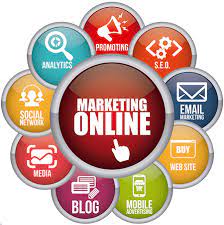
A digital marketing company helps businesses promote their products or services through online channels. Depending on its expertise, it may offer services such as:

  • Search engine optimisation (SEO): Improving a website’s content and technical setup to help it appear in relevant search results.
  • Paid advertising: Planning and managing adverts on search engines, social media and other platforms.
  • Content marketing: Creating useful articles, guides, videos and other content to inform and engage potential customers.
  • Social media marketing: Developing a presence on social platforms and publishing content suited to each audience.
  • Email marketing: Sending relevant updates and offers to subscribers, with their permission.
  • Website design and development: Building or improving websites so they are clear, accessible and easy to use.
  • Analytics and reporting: Measuring campaign performance and using the findings to guide future activity.

Some companies provide a broad range of services, while others specialise in particular areas. The best fit will depend on what your business needs help with.

Why work with a digital marketing company?

Online marketing involves more than posting regularly or placing adverts. It requires a clear strategy, consistent execution and ongoing review. An experienced company can help bring these elements together and make better use of your time and resources.

A digital marketing partner may also offer access to specialist skills, tools and experience that are difficult to build in-house. It can help identify opportunities, test different approaches and adapt campaigns as customer behaviour or platforms change.

However, digital marketing is not an instant fix. Results often take time, particularly for activities such as SEO and content marketing. A responsible company should set realistic expectations and explain how progress will be assessed.

How to choose the right company

Before contacting potential providers, consider what you want to achieve. Your aims might include increasing relevant website visits, generating enquiries, improving online sales or building awareness of your brand. Clear goals make it easier to compare proposals and judge results.

When assessing a company, consider the following:

  • Relevant experience: Look for examples of work that relate to your industry, audience or objectives.
  • A clear process: The company should explain how it will learn about your business, plan activity and report on progress.
  • Transparent costs: Make sure you understand what is included, what is charged separately and whether there are minimum contract terms.
  • Realistic claims: Be cautious of guaranteed rankings, instant results or promises that sound too good to be true.
  • Good communication: Choose a team that listens, explains its recommendations clearly and gives you a suitable point of contact.
  • Ownership and access: Confirm that your business retains access to its website, advertising accounts, analytics and other digital assets.

Set goals and measure what matters

Effective marketing starts with measurable objectives. Instead of focusing only on likes or website visits, identify the actions that matter to your business. These could include completed purchases, qualified enquiries, bookings or newsletter sign-ups.

A digital marketing company should agree suitable measures with you and report on them regularly. Reports are most useful when they explain what the figures mean, what has changed and what the next steps will be. This makes it easier to understand how marketing activity contributes to your business goals.

Build a productive partnership

A successful relationship works both ways. The company brings marketing knowledge and delivery, while you provide insight into your customers, products and business priorities. Sharing accurate information and giving timely feedback helps the work stay relevant.

It is also worth reviewing the partnership periodically. As your business develops, your target audience, budget and priorities may change. Regular conversations can ensure that your marketing strategy continues to support your plans.

Finding the right online digital marketing company

An online digital marketing company can help your business reach the right people, make better use of digital channels and understand what is working. The most suitable partner will take time to understand your goals, recommend an approach that fits your needs and communicate openly about progress.

Start with clear objectives, ask practical questions and look for a company that values transparency and long-term improvement. With the right strategy and a strong working relationship, digital marketing can become a valuable part of your business’s growth.


Maximising Business Success: The Six Key Advantages of an Online Digital Marketing Company

  1. Reaches customers online
  2. Targets specific audiences
  3. Measures campaign performance
  4. Builds brand awareness
  5. Supports business growth
  6. Offers specialist expertise


Seven Drawbacks of Hiring an Online Digital Marketing Company

  1. Costs can add up quickly.
  2. Results may take time.
  3. Quality varies between providers.
  4. Communication can be inconsistent.
  5. Some strategies may not suit your business.
  6. Reporting can be difficult to understand.
  7. You may become reliant on an external team.

Reaches customers online

An online digital marketing company helps your business reach customers where they already spend time: online. Through channels such as search engines, social media, email and digital advertising, it can put your products or services in front of people who are likely to be interested. This makes it easier to connect with potential customers beyond your local area, build brand awareness and guide people towards your website or a purchase.

Targets specific audiences

An online digital marketing company can help your business reach specific audiences by using factors such as location, interests, search behaviour and demographics to shape campaigns. This means your message is more likely to reach people who are interested in your products or services, helping you make better use of your marketing budget and attract more relevant visitors, enquiries and customers.

Measures campaign performance

An online digital marketing company can measure campaign performance using data such as website visits, enquiries, sales and engagement. Regular reporting shows which channels and messages are working, where improvements may be needed and how marketing activity is contributing to your business goals. This helps you make informed decisions and focus your budget on the approaches that deliver the strongest results.

Builds brand awareness

An online digital marketing company can help build brand awareness by making your business more visible to the people most likely to be interested in what you offer. Through a consistent mix of search, social media, content and online advertising, it can share your brand’s message across relevant channels and help potential customers recognise and remember your business.

Supports business growth

An online digital marketing company can support business growth by helping you reach more of the right people and turn their interest into enquiries or sales. Through targeted campaigns, engaging content and ongoing performance analysis, it can help your business build visibility, attract potential customers and strengthen relationships with existing ones. As your goals evolve, marketing activity can be refined to make better use of your budget and support sustainable growth.

Offers specialist expertise

An online digital marketing company offers specialist expertise across areas such as SEO, paid advertising, content and analytics. Its team can bring up-to-date knowledge, proven methods and experience with a range of tools and platforms, helping your business make informed decisions and avoid costly trial and error. This expertise can be especially valuable when your in-house team has limited time or digital marketing experience.

Costs can add up quickly.

One drawback of working with an online digital marketing company is that costs can add up quickly. Fees for strategy, content creation, advertising, SEO and ongoing management may be charged separately, while paid campaigns also require an advertising budget. Before committing, ask for a clear breakdown of costs, check what is included and agree how results will be measured to make sure the investment fits your budget.

Results may take time.

One potential drawback of working with an online digital marketing company is that results may take time. Strategies such as search engine optimisation, content marketing and building an engaged social media audience often need consistent effort before they make a noticeable difference. Even paid campaigns can require testing and refinement to find the right audience and approach. Businesses should therefore set realistic expectations, agree clear measures of progress and allow enough time for a strategy to develop.

Quality varies between providers.

The quality of service can vary considerably between online digital marketing companies. Some offer experienced specialists, clear strategies and transparent reporting, while others may rely on generic campaigns or make promises they cannot keep. This can make it difficult to choose the right provider, particularly if you are unfamiliar with digital marketing. Before committing, check relevant case studies, ask how success will be measured and make sure the proposed services, costs and expected outcomes are clearly explained.

Communication can be inconsistent.

Communication can be inconsistent when working with an online digital marketing company, particularly if updates are infrequent or it is unclear who is responsible for responding to questions. This can make it harder to track progress, provide timely feedback and understand how campaigns are performing. Before committing, agree how often you will receive updates, who your main contact will be and how quickly you can expect a response.

Some strategies may not suit your business.

Not every digital marketing strategy will suit every business. An approach that works well for one company may miss the mark for another because of differences in audience, industry, budget or goals. For example, investing heavily in social media may bring little value if your customers are more likely to find you through search or personal recommendations. A digital marketing company should take time to understand your business before recommending a plan; otherwise, you could spend time and money on activity that delivers few meaningful results.

Reporting can be difficult to understand.

Reporting from an online digital marketing company can sometimes be difficult to understand, particularly when it is filled with technical terms, charts and figures without clear explanations. This can make it hard to see which activities are working, how campaigns are contributing to business goals, and what should happen next. A good marketing partner should present results in plain English, focus on relevant measures and explain their recommendations clearly.

You may become reliant on an external team.

Working with an online digital marketing company can leave your business reliant on an external team for skills, tools and knowledge. If the partnership ends or key staff change, campaigns may be disrupted and valuable insight can be difficult to retain. Reduce this risk by keeping access to your digital accounts, documenting strategies and results, and sharing knowledge with your in-house team.
web marketing company

How to Choose the Right Web Marketing Company for Your Business

What Does a Web Marketing Company Do?

A web marketing company helps businesses attract, engage and convert customers online. It can bring together digital strategy, creative work and performance analysis to help a business reach the right people and make better use of its online presence.

Whether you run a local shop, a growing service business or a national brand, the right approach depends on your goals, audience and budget. Understanding what a web marketing company can offer is a useful first step towards deciding which support your business needs.

Services offered by a web marketing company

Web marketing covers a range of activities. Some companies provide a complete service, while others specialise in particular channels. Common services include:

  • Search engine optimisation (SEO): Improving a website’s content, structure and technical performance so it can appear more prominently in relevant search results.
  • Paid advertising: Planning and managing campaigns on search engines, social media and other advertising platforms.
  • Content marketing: Creating useful articles, guides, videos and other content that answers customers’ questions and builds trust.
  • Social media marketing: Developing a suitable presence on social platforms and publishing content that supports business objectives.
  • Website design and development: Building or improving websites so they are clear, accessible and easy to use across different devices.
  • Email marketing: Creating relevant campaigns to inform subscribers, nurture prospects and encourage repeat business.
  • Analytics and reporting: Measuring activity and outcomes to understand what is working and where improvements may be needed.

Why work with a web marketing company?

Online marketing involves more than simply posting on social media or launching an advert. A coordinated strategy can help ensure that different channels support the same business goals. For example, useful website content can support SEO, provide material for social posts and help answer questions from potential customers.

A web marketing company may also bring specialist knowledge and tools that a business does not have in-house. This can save time and make it easier to plan, deliver and assess campaigns. The value depends on the quality of the work, the clarity of the strategy and how closely it is aligned with the business’s needs.

How to choose the right company

Before contacting potential partners, think about what you want to achieve. You might be looking to increase qualified enquiries, improve online sales, build awareness or make your website easier to use. Clear objectives make it easier to compare proposals and judge progress.

When evaluating a web marketing company, consider the following:

  • Relevant experience: Ask about work with businesses facing similar challenges. Look for clear examples rather than broad promises.
  • A considered strategy: A suitable partner should ask about your audience, offering and goals before recommending channels or tactics.
  • Transparent reporting: Find out what will be measured, how often results will be shared and what the figures mean for your business.
  • Clear communication: Agree who your main contact will be, how decisions will be made and how frequently you will speak.
  • Realistic expectations: Be cautious of guarantees about rankings, sales or results. Digital marketing outcomes depend on many factors and often take time.
  • Clear costs and ownership: Check what is included in the fee, how long the agreement lasts and who owns your website, data and advertising accounts.

Measuring success

Success should be measured against your objectives, not just the number of clicks or social media followers. Depending on the campaign, useful measures might include relevant website visits, enquiries, sales, conversion rates or the cost of gaining a new customer.

It is also important to consider the quality of results. A campaign that brings in fewer visitors may still be valuable if those visitors are more likely to become customers. Regular reviews can help a business and its marketing partner learn what is effective and adjust the plan accordingly.

Building a productive partnership

The strongest relationships are collaborative. A web marketing company brings digital expertise, while you bring detailed knowledge of your business, customers and industry. Sharing accurate information, agreeing priorities and providing timely feedback can help the work stay relevant and focused.

Choosing a web marketing company is not simply a matter of finding the longest list of services. It is about finding a partner who understands your objectives, communicates clearly and can explain how its work supports your business. With a well-planned approach and realistic measures of progress, online marketing can become a valuable part of long-term business growth.


8 Essential Tips for Building a Successful Web Marketing Company

  1. Define a clear niche and target audience.
  2. Build a fast, mobile-friendly website.
  3. Showcase results with concise case studies.
  4. Use SEO to attract relevant visitors.
  5. Create useful, engaging content regularly.
  6. Track leads and conversions carefully.
  7. Set clear goals and report progress.
  8. Keep client communication prompt and transparent.

Define a clear niche and target audience.

A web marketing company is more effective when it has a clearly defined niche and target audience. By focusing on a particular industry, type of business or marketing challenge, it can develop deeper expertise and offer services that better match clients’ needs. Understanding the ideal audience—including its goals, challenges and customers—also helps the company create more relevant campaigns, communicate its value clearly and stand out in a competitive market.

Build a fast, mobile-friendly website.

A fast, mobile-friendly website helps visitors find what they need without frustration, whether they’re browsing on a phone, tablet or computer. Make sure pages load quickly, text is easy to read and buttons are simple to tap. A smooth mobile experience can encourage people to stay longer, get in touch or make a purchase, while also supporting your visibility in search results. Regularly test your website on different devices and improve any pages that feel slow or difficult to use.

Showcase results with concise case studies.

Showcase your impact with concise case studies that explain the client’s challenge, the work you carried out and the results achieved. Include specific, relevant measures—such as increased enquiries, improved conversion rates or stronger search visibility—and add a brief client quote where possible. Clear evidence helps potential customers understand the value of your services and builds confidence in your web marketing company.

Use SEO to attract relevant visitors.

Use SEO to attract relevant visitors by making your website easy for search engines and people to understand. Research the phrases your potential customers use, then create useful, well-structured content that answers their questions and reflects your services. A web marketing company can also improve technical elements such as page speed, mobile usability and site structure. Focus on attracting visitors who are genuinely looking for what your business offers, rather than chasing traffic for its own sake.

Create useful, engaging content regularly.

Create useful, engaging content regularly to give your audience a reason to return to your website and interact with your business. Share clear, relevant information that answers customers’ questions, solves common problems or offers a fresh perspective. A web marketing company can help plan a consistent schedule and adapt content for channels such as your website, email and social media. Focus on quality and usefulness rather than publishing for the sake of it, and review performance to learn what resonates with your audience.

Track leads and conversions carefully.

Track leads and conversions carefully to understand which parts of your web marketing are bringing genuine business results. Record key actions such as enquiries, bookings, purchases and newsletter sign-ups, and note which channels or campaigns led to them. Reviewing this information regularly can help your web marketing company identify what is working, improve underperforming activity and focus your budget on the approaches most likely to deliver value.

Set clear goals and report progress.

Set clear goals with your web marketing company from the outset, such as increasing qualified enquiries, growing online sales or improving website engagement. Agree how progress will be measured and how often results will be reviewed. Regular, straightforward reporting helps you see what is working, identify areas that need attention and make informed decisions about the next steps.

Keep client communication prompt and transparent.

Keep client communication prompt and transparent by responding to enquiries in a timely manner, sharing clear updates and being honest about progress, costs and any challenges. Regular, straightforward communication helps clients understand what is happening, make informed decisions and feel confident that their marketing is in good hands.

internet marketing agency near me

How to Choose the Right Internet Marketing Agency Near Me

Looking for an Internet Marketing Agency Near Me?

Searching for an “internet marketing agency near me” is a good first step towards finding support with your online growth. Whether you run a local shop, a growing service business or an established company, the right agency can help you reach more of the people who are looking for what you offer.

But choosing an agency involves more than finding one nearby. You’ll want a team that understands your goals, communicates clearly and can show how its work will contribute to your business.

What does an internet marketing agency do?

An internet marketing agency helps businesses attract and convert customers online. Depending on your needs, its services may include:

  • Search engine optimisation (SEO): improving your website’s visibility in search results.
  • Pay-per-click advertising (PPC): managing paid campaigns on platforms such as Google Ads.
  • Social media marketing: planning content and campaigns to connect with audiences on social platforms.
  • Content marketing: creating useful articles, landing pages and other content for your customers.
  • Website design and development: building or improving a website so it works well for visitors and supports your goals.
  • Email marketing: developing campaigns that help you build relationships with customers and encourage repeat business.
  • Analytics and reporting: measuring performance and using the results to guide future activity.

Some agencies offer a broad range of services, while others specialise in areas such as SEO or paid advertising. The best fit depends on what your business needs most.

Why work with a local agency?

A nearby agency may offer the opportunity to meet in person and develop a closer working relationship. It may also have experience working with businesses in your area and understand local audiences, competitors and search behaviour.

However, location is only one factor. Many agencies work effectively with clients across the UK through video calls and online project tools. Consider the agency’s expertise, communication style and approach alongside its location.

How to choose the right agency

Start with your goals

Be clear about what you want to achieve. You might be looking to increase relevant website traffic, generate more enquiries, improve online sales or raise awareness in a particular area. Clear goals make it easier to assess whether an agency’s recommendations are right for you.

Look for relevant experience

Ask whether the agency has worked with businesses facing similar challenges. Case studies and examples can help you understand its approach, but look beyond impressive-sounding claims. Ask what the agency did, how success was measured and what the results meant for the client.

Ask how results will be measured

A trustworthy agency should explain which measures matter and how often it will report on progress. Depending on your goals, useful measures could include qualified enquiries, sales, conversion rates or visibility for relevant searches. Website visits alone may not tell you whether marketing is helping your business.

Understand what is included

Before signing an agreement, check exactly what the proposed service covers. Ask about fees, timescales, reporting, account ownership and any additional costs. Make sure you understand who will do the work and how you’ll communicate with them.

Choose clear communication

Good marketing depends on collaboration. Look for a team that listens to your priorities, explains its recommendations in plain English and is realistic about what can be achieved. Be cautious of guaranteed rankings or promises of instant results, as outcomes depend on many factors and often take time.

Questions to ask before you get started

  • Which services do you recommend for my business, and why?
  • How will you tailor your approach to my audience and objectives?
  • Who will manage my account and carry out the work?
  • How will you report on progress?
  • What will you need from my team?
  • How long might it take to see meaningful results?
  • What happens if my priorities change?

Find an agency that fits your business

Searching for an internet marketing agency near you can help you build a shortlist, but the right choice is the agency that understands your business and can provide a clear, considered plan. Take time to compare expertise, communication and value before making a decision.

With the right support, your online marketing can become a more focused part of your business growth. Start with your goals, ask thoughtful questions and choose a team you can work with confidently.


Advantages of Choosing a Local Internet Marketing Agency: Harnessing Local Expertise and Building Stronger Connections

  1. Local market knowledge
  2. Face-to-face meetings
  3. Faster communication
  4. Tailored marketing strategies
  5. Support for local SEO
  6. Closer working relationships


Potential Drawbacks of Choosing a Local Internet Marketing Agency

  1. A nearby agency may charge higher fees.
  2. Local options may have limited specialist skills.
  3. Proximity doesn’t guarantee better results.
  4. Some agencies may lack experience in your sector.
  5. Small local teams may have limited capacity.
  6. Travel and meetings can add time and cost.
  7. Marketing results can take time to appear.

Local market knowledge

Local market knowledge is a valuable benefit of working with an internet marketing agency near you. A local team may have a better understanding of the area’s customers, competitors, events and regional search habits, helping shape campaigns that feel relevant to your audience. This insight can support more targeted messaging and help your business stand out in the local market.

Face-to-face meetings

Face-to-face meetings: Working with a nearby internet marketing agency makes it easier to meet in person, discuss your goals and build a strong working relationship. A face-to-face conversation can help you explain your business in detail, review ideas together and make sure everyone is clear on the next steps. While many projects can be managed online, having the option to meet locally can make collaboration feel more personal and straightforward.

Faster communication

Faster communication

Working with an internet marketing agency near you can make communication quicker and more straightforward. Being in a similar time zone makes it easier to arrange calls, get timely answers and resolve questions without long delays. If needed, you may also be able to meet face to face to discuss priorities, review campaign progress or make decisions together, helping projects keep moving smoothly.

Tailored marketing strategies

A local internet marketing agency can create tailored marketing strategies around your business goals, audience and local market. Rather than relying on a one-size-fits-all plan, the team can consider what makes your business distinctive, which channels are most relevant and how local customers search for your services. This helps ensure your marketing budget is focused on activities that suit your needs and can be adjusted as your business grows.

Support for local SEO

A nearby internet marketing agency can help your business improve its visibility in local search results. With knowledge of your area and audience, the team can support tasks such as optimising your Google Business Profile, targeting location-specific keywords and building consistent local listings. This can make it easier for nearby customers to find your business when they’re searching for relevant products or services.

Closer working relationships

Closer working relationships

Working with an internet marketing agency near you can make it easier to build a strong, collaborative relationship. Being in the same area may allow for face-to-face meetings, quicker conversations and a better understanding of your local market. Regular, straightforward communication helps the agency get to know your business, respond to changing priorities and shape its marketing support around your goals.

A nearby agency may charge higher fees.

A nearby internet marketing agency may charge higher fees than a provider based further afield, particularly if it has higher operating costs or strong demand for its services. Location alone does not guarantee better value, so compare quotes, check exactly what each package includes and consider the agency’s experience and likely contribution to your business goals. A remote agency could offer similar expertise at a lower cost, while still providing regular support online.

Local options may have limited specialist skills.

One drawback of choosing an internet marketing agency near you is that local options may have limited specialist skills. A nearby agency might offer a convenient, face-to-face service but lack experience in a particular area, such as technical SEO, paid social advertising or marketing automation. Before deciding, check that the team has the expertise your business needs, and consider agencies outside your area if they offer a stronger specialist fit.

Proximity doesn’t guarantee better results.

Choosing an internet marketing agency nearby can make meetings more convenient, but proximity doesn’t guarantee better results. What matters most is the agency’s expertise, understanding of your audience, quality of its strategy and ability to measure progress. A local provider may not be the right fit if its experience or services don’t match your goals, so compare its track record and approach with those of agencies further afield before making a decision.

Some agencies may lack experience in your sector.

A nearby internet marketing agency may not have experience in your sector, even if it understands the local market. This can mean it takes time to learn about your customers, competitors and industry-specific requirements, potentially slowing progress or leading to strategies that don’t quite fit. Before choosing an agency, ask about its experience with businesses like yours and how it would adapt its approach to your sector.

Small local teams may have limited capacity.

A potential drawback of choosing a nearby internet marketing agency is that a small local team may have limited capacity. If several clients need support at the same time, delivery can be slower, and the agency may have fewer specialists available for areas such as SEO, paid advertising or content creation. Before committing, ask who will work on your account, how the team manages busy periods and whether it has the resources to meet your needs as your business grows.

Travel and meetings can add time and cost.

Choosing an internet marketing agency near you can make face-to-face collaboration easier, but travel and in-person meetings may add time and cost for both sides. Regular trips can take time away from day-to-day work, while travel expenses may be reflected in the agency’s fees. Before committing, consider whether meetings need to be held in person or whether video calls and shared online tools could keep communication efficient and costs manageable.

Marketing results can take time to appear.

One potential drawback of working with an internet marketing agency near you is that results can take time to appear. Strategies such as SEO and content marketing often need several months to build momentum, while paid campaigns also require testing and refinement before they perform well. This means your business may not see an immediate increase in enquiries or sales, so it’s important to set realistic expectations, agree on clear progress measures and give the strategy time to develop.

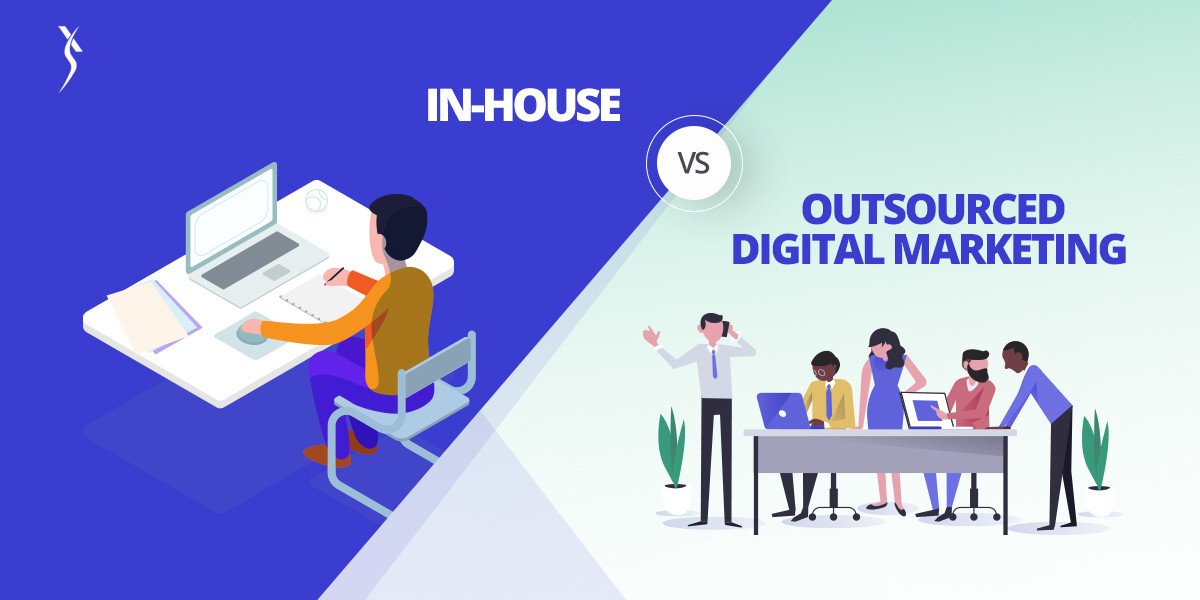
outsource digital marketing

Outsource Digital Marketing: A Practical Guide for Growing Businesses

Outsource Digital Marketing: A Practical Guide for Growing Businesses

Digital marketing can help a business reach new customers, build its reputation and grow sales. But managing it well takes time and a mix of skills, from content creation and search engine optimisation to paid advertising and analytics. For many businesses, outsourcing some or all of their digital marketing is a practical way to access that expertise without building a large in-house team.

Outsourcing is not simply handing over your marketing and hoping for the best. The strongest partnerships start with clear goals, open communication and a shared understanding of what success looks like.

What does it mean to outsource digital marketing?

Outsourcing digital marketing means working with an external agency, consultant or specialist to plan and deliver some or all of your online marketing activity. The arrangement can be flexible. You might bring in a specialist for one project, such as a website launch, or appoint a marketing partner to support ongoing campaigns.

Common services include:

  • Search engine optimisation (SEO)
  • Pay-per-click (PPC) and paid social campaigns
  • Social media strategy and management
  • Content strategy, copywriting and design
  • Email marketing and automation
  • Website design, development and conversion optimisation
  • Analytics, reporting and marketing strategy

Why outsource digital marketing?

Access specialist skills

Digital marketing covers a broad range of disciplines, and the platforms and best practices are constantly changing. An external team may bring together specialists with experience across several channels, giving your business access to skills that would be difficult or costly to recruit individually.

Make better use of your time

Planning campaigns, producing content and monitoring results can take up a significant amount of time. Outsourcing some of this work allows your team to focus on customers, products and other priorities, while marketing activity continues to move forward.

Scale support to suit your needs

Your requirements may change over time. You may need extra support for a product launch, seasonal campaign or period of rapid growth, then a lighter level of input afterwards. An outsourced arrangement can often be adjusted more easily than a permanent team.

Bring a fresh perspective

People close to a business can sometimes find it difficult to see its marketing from a customer’s point of view. An external partner can offer an independent perspective, identify opportunities and challenge assumptions constructively.

What should you keep in-house?

Outsourcing does not mean stepping away from marketing altogether. Your business still needs to provide direction, share knowledge and make decisions. Internal teams are often best placed to explain your products, customers, culture and commercial priorities.

A useful approach is to outsource specialist delivery while retaining ownership of the overall business strategy. Agree who is responsible for approvals, customer insight, budgets and reporting before work begins.

How to choose a digital marketing partner

Start with clear objectives

Before approaching agencies or consultants, decide what you want to achieve. For example, you might want to increase qualified enquiries, improve online sales, grow organic search traffic or strengthen customer retention. Clear objectives make it easier to assess whether a potential partner is right for you.

Look for relevant experience

Ask about their experience with businesses like yours, the services they provide and how they approach similar challenges. Case studies can be helpful, but look beyond headline results. Find out what work was carried out, over what period and how success was measured.

Understand how they measure results

Good reporting should connect marketing activity to your business goals. Depending on your objectives, useful measures might include qualified leads, conversion rates, revenue, customer acquisition cost or return on advertising spend. Be wary of relying on surface-level figures, such as impressions or follower counts, without understanding how they contribute to meaningful outcomes.

Check communication and responsibilities

Discuss how often you will meet, who your main contact will be and what information the partner will need from your team. Make sure you understand what is included in the fee, how additional work is approved and who owns assets such as website content, advertising accounts and creative files.

Common challenges to consider

Outsourcing can bring valuable expertise, but it is not an instant fix. Results may take time, particularly in areas such as SEO and content marketing. An external partner will also need accurate information and timely feedback from your business to do their work effectively.

To reduce the risk of misunderstandings, set expectations at the outset. Agree objectives, budgets, timelines, reporting arrangements and decision-making processes. Keep access to your own digital accounts and make sure important knowledge does not sit with one person or provider alone.

Is outsourcing right for your business?

Outsourcing digital marketing may suit businesses that need specialist expertise, want to increase capacity or are not ready to recruit a full in-house team. It can also work well alongside internal staff, with an external partner providing technical support or campaign delivery.

The right arrangement depends on your goals, budget and the skills you already have. Begin by identifying where your marketing needs the most support, then look for a partner who can explain their approach clearly and measure progress against outcomes that matter to your business.

Making outsourcing work

Successful outsourcing is built on collaboration. Share your business goals and customer knowledge, give your partner access to the information they need, and review performance regularly. With clear responsibilities and realistic expectations, an external marketing team can become a valuable extension of your business and help you make more of your digital opportunities.


Six Essential Tips for Successfully Outsourcing Digital Marketing

  1. Set clear goals before outsourcing.
  2. Choose an agency with relevant experience.
  3. Agree budgets, deliverables and timelines upfront.
  4. Keep ownership of your accounts and data.
  5. Schedule regular performance reviews.
  6. Make sure the agency understands your audience and brand.

Set clear goals before outsourcing.

Before outsourcing your digital marketing, set clear goals so you and your chosen partner understand what success looks like. Decide what you want to achieve, such as increasing qualified enquiries, growing online sales or improving website traffic, and agree how progress will be measured. Clear goals help shape the right strategy, focus the budget and make it easier to assess whether your marketing is delivering results.

Choose an agency with relevant experience.

Choose an agency with relevant experience in your industry, audience or type of campaign. They’re more likely to understand your challenges, recognise what resonates with your customers and recommend a practical approach. Ask for examples of similar work and how results were measured, so you can judge whether their experience matches your goals.

Agree budgets, deliverables and timelines upfront.

Agreeing budgets, deliverables and timelines upfront helps keep your outsourced digital marketing on track. Be clear about what work is included, when you expect it to be completed and how much you have allocated, including any additional costs such as advertising spend. Setting these expectations early helps prevent misunderstandings, makes progress easier to review and gives both sides a clear basis for managing changes along the way.

Keep ownership of your accounts and data.

Keep ownership of your digital marketing accounts and data, even when working with an external agency or freelancer. Set up platforms such as Google Analytics, Google Ads and social media accounts in your business’s name, and grant your partner the access they need to do their work. This keeps your records, audiences and campaign history under your control, makes it easier to review performance, and helps ensure a smooth transition if you change providers.

Schedule regular performance reviews.

Schedule regular performance reviews to check whether your outsourced digital marketing is delivering against the goals you agreed. Review key measures such as qualified leads, conversions, website traffic and campaign costs, and discuss what is working, what needs to change and why. Consistent check-ins help you and your marketing partner spot issues early, make informed decisions and keep activity aligned with your business priorities.

Make sure the agency understands your audience and brand.

Before outsourcing your digital marketing, make sure the agency takes time to understand your audience, your brand and what makes your business different. They should be clear about your customers’ needs, your tone of voice and the promises you make, so their campaigns feel consistent and relevant. Share useful customer insights and brand guidelines, and ask how the agency will apply them in its work. The better they understand your business, the more effectively they can create marketing that connects with the right people.

online marketing solutions

Online Marketing Solutions: A Practical Guide to Growing Your Business

Online Marketing Solutions: A Practical Guide to Growing Your Business

Online marketing helps businesses reach potential customers, build brand awareness and encourage sales through digital channels. From search engines and social media to email and paid advertising, there are many ways to connect with an audience. The best approach is not to use every channel at once, but to choose the right mix for your goals, customers and budget.

What are online marketing solutions?

Online marketing solutions are the strategies, services and tools businesses use to promote their products or services on the internet. They can include planning a digital strategy, creating content, improving a website, running advertising campaigns and measuring results.

Some businesses manage these activities in-house, while others work with a digital marketing agency or specialist. In either case, effective marketing starts with a clear understanding of who you want to reach and what you want them to do.

Key online marketing channels

Search engine optimisation

Search engine optimisation (SEO) helps improve a website’s visibility in unpaid search results. It can involve researching relevant search terms, creating useful content, improving page structure and making sure a website works well on mobile devices. SEO takes time, but can help attract people who are actively looking for information, products or services.

Pay-per-click advertising

Pay-per-click (PPC) advertising places paid adverts on search engines and other platforms. Businesses typically pay when someone clicks an advert. PPC can bring visitors to a website quickly and allows campaigns to be targeted by factors such as location, interests or search terms. Setting a clear budget and regularly reviewing performance helps keep campaigns focused.

Social media marketing

Social media gives businesses a way to share updates, showcase their work and communicate with customers. The most suitable platforms depend on the audience and the type of business. A consistent schedule, engaging content and genuine interaction are often more effective than simply posting frequently.

Content marketing

Content marketing involves creating and sharing useful material, such as articles, guides, videos or case studies. Good content can answer customer questions, demonstrate expertise and support other marketing activity. It should be created for a clear audience and offer genuine value rather than simply promoting a product.

Email marketing

Email marketing enables businesses to keep in touch with people who have chosen to hear from them. Newsletters, product updates and tailored offers can help build lasting customer relationships. Emails should be relevant, easy to read and sent in line with applicable privacy and marketing rules.

How to choose the right solution

Start by setting specific objectives. These might include increasing enquiries, growing online sales, raising awareness in a particular area or encouraging existing customers to return. Then consider your audience, available budget, internal skills and the time you can commit.

It is also important to understand how different channels work together. For example, an informative article may help attract visitors through search, while social media can help distribute it and email can share it with existing contacts. A joined-up plan makes it easier to deliver a consistent message.

Measure what matters

Tracking results helps show whether your marketing is working and where improvements may be needed. Useful measures could include relevant website visits, enquiries, sales, email sign-ups or the cost of acquiring a customer. The right measures depend on your objectives, so avoid focusing on numbers that do not connect to business outcomes.

Review performance regularly, test changes and use the findings to refine your approach. Online marketing is rarely a one-off task; customer behaviour, platforms and competition can all change over time.

Build a sustainable online marketing plan

Successful online marketing is built on a clear strategy, useful content and ongoing measurement. By choosing channels that suit your audience, setting realistic goals and improving your activity over time, your business can make better use of its digital presence and create stronger connections with customers.


Maximise Your Business Potential: 8 Advantages of Online Marketing Solutions

  1. Reach a wider audience online.
  2. Target customers by location and interests.
  3. Track campaign performance in real time.
  4. Adjust budgets to suit your business.
  5. Build brand awareness across digital channels.
  6. Generate leads and sales around the clock.
  7. Connect with customers through engaging content.
  8. Refine campaigns using measurable results.


Challenges of Online Marketing Solutions: Cost, Time, Competition, and Maintenance

  1. Can be costly to maintain.
  2. Results may take time.
  3. Competition is often intense.
  4. Requires regular monitoring.

Reach a wider audience online.

Online marketing solutions can help your business reach a wider audience than traditional methods alone. With a website, search engines, social media and digital advertising, you can connect with potential customers across the UK and beyond—not just people in your local area. You can also tailor your message to specific audiences, helping your business appear in front of people who are more likely to be interested in what you offer.

Target customers by location and interests.

Online marketing solutions make it possible to target customers by location and interests, helping businesses reach people who are more likely to be interested in their products or services. Campaigns can focus on a particular town, region or service area, while audience settings can reflect relevant interests and preferences. This helps make marketing more relevant, use budgets efficiently and connect with potential customers at the right time.

Track campaign performance in real time.

A key advantage of online marketing solutions is the ability to track campaign performance in real time. Businesses can monitor activity such as website visits, advert clicks, enquiries and sales as it happens, making it easier to see what is working and where improvements may be needed. This timely insight allows campaigns, budgets and messages to be adjusted quickly, helping businesses make informed decisions and use their marketing spend more effectively.

Adjust budgets to suit your business.

Online marketing solutions make it easier to adjust your budget to suit your business. You can start with a modest spend, focus on the channels most likely to reach your audience and increase investment as you see what works. Campaign budgets can also be reviewed and changed as your priorities, cash flow or business needs shift, helping you stay in control of your marketing costs.

Build brand awareness across digital channels.

Online marketing solutions can help your business build brand awareness across digital channels, from search engines and social media to email and online advertising. By sharing a consistent message and useful content where your audience spends time, you can make your brand more familiar, strengthen recognition and stay visible to potential customers as they research their options.

Generate leads and sales around the clock.

Online marketing solutions can help your business generate leads and sales around the clock. Your website, online shop and digital campaigns can reach potential customers even when your team is offline, making it easier for people to discover your services, explore your products and enquire or buy at a time that suits them.

Connect with customers through engaging content.

Online marketing solutions help businesses connect with customers through engaging, useful content that speaks to their interests and needs. Whether it’s an informative article, a helpful video or a social media post, relevant content can encourage people to interact with your brand, build trust and keep your business in mind when they’re ready to make a decision.

Refine campaigns using measurable results.

A key advantage of online marketing is the ability to refine campaigns using measurable results. Businesses can track performance indicators such as website visits, enquiries, sales and advertising costs to see what is working and where changes may be needed. By using this insight to adjust targeting, messaging and budgets, they can make more informed decisions and focus their efforts on the approaches that deliver the greatest value.

Can be costly to maintain.

Online marketing solutions can be costly to maintain, particularly when they involve ongoing advertising spend, specialist support, content creation and regular website updates. Costs may also rise as a business expands its campaigns or adopts new tools. Setting a realistic budget, reviewing performance regularly and focusing investment on the channels that deliver the most value can help keep spending under control.

Results may take time.

One drawback of online marketing is that results may take time. Strategies such as search engine optimisation and content marketing often need consistent effort before they improve visibility, attract visitors or generate enquiries. This means businesses may need patience and ongoing investment, rather than expecting immediate returns. Setting realistic expectations and tracking progress over time can help show whether the approach is moving in the right direction.

Competition is often intense.

One drawback of online marketing is the intense competition for people’s attention. Businesses often target the same audiences across search engines, social media and other digital channels, which can make it harder to stand out. This may drive up advertising costs and mean that gaining visibility takes sustained effort, strong content and a clear point of difference.

Requires regular monitoring.

Online marketing solutions require regular monitoring to remain effective. Campaign performance, customer behaviour and platform algorithms can change, so businesses need to review results, update content and adjust budgets or targeting. This takes time and ongoing attention, and without it, marketing activity may become less effective or spend money without delivering the desired results.

leading digital marketing agency

How to Choose a Leading Digital Marketing Agency for Your Business

What Makes a Leading Digital Marketing Agency?

Choosing a digital marketing agency is an important decision for any business looking to grow online. The right partner can help you reach the people who matter, strengthen your brand and turn digital activity into meaningful results. But what sets a leading digital marketing agency apart?

A strategy built around your business

Effective digital marketing starts with understanding your business: your goals, your audience and the challenges you face. Rather than relying on a one-size-fits-all package, a strong agency develops a strategy that reflects your priorities and gives every activity a clear purpose.

That means setting realistic objectives, choosing the right channels and agreeing how progress will be measured. Whether the focus is building awareness, generating enquiries or increasing online sales, the plan should connect your marketing activity to your wider business goals.

Joined-up digital expertise

Digital channels work best when they support one another. Search engine optimisation, paid advertising, content and social media can each play a valuable role, but disconnected campaigns may lead to inconsistent messaging and missed opportunities.

A leading digital marketing agency looks at the bigger picture. It considers how customers discover a brand, what information they need and what might encourage them to take the next step. This joined-up approach can create a clearer, more consistent experience across your website and marketing channels.

Clear communication and useful reporting

Good communication is essential to a successful agency relationship. You should know what work is being done, why it matters and how it is performing. Reports should do more than list figures: they should explain what the results mean and what could be improved next.

Transparency also means being realistic. Digital marketing takes time, and results can vary depending on factors such as competition, budget and the condition of your website. A trustworthy agency will set clear expectations and discuss both progress and challenges openly.

Continual improvement

The digital landscape changes constantly. Search behaviour evolves, platforms introduce new features and customer expectations shift. A leading agency keeps learning, tests ideas thoughtfully and adapts its recommendations as new information becomes available.

Rather than treating a campaign as a set-and-forget activity, the agency should review performance regularly. This helps identify what is working, where there is room to improve and how marketing investment can be used more effectively.

Finding the right agency for you

The best digital marketing agency is not necessarily the biggest or the one making the boldest promises. Look for a team that takes time to understand your business, explains its approach clearly and can show how its work will support your objectives.

Ask how success will be measured, who will manage your account and how often you will review progress. A strong working relationship is built on shared goals, honest conversations and a clear understanding of what happens next.

Choose a partner focused on progress

A leading digital marketing agency combines strategic thinking, practical expertise and clear communication. Most importantly, it focuses on helping your business make steady, measurable progress online.

When you find an agency that understands your ambitions and is prepared to work collaboratively, digital marketing can become a valuable part of your long-term growth.


Top 7 Strategies for Leading a Successful Digital Marketing Agency

  1. Set clear goals and priorities.
  2. Hire curious, adaptable people.
  3. Keep clients informed and involved.
  4. Use data to guide decisions.
  5. Encourage creativity and testing.
  6. Invest in ongoing training.
  7. Measure results and share learnings.

Set clear goals and priorities.

Set clear goals and priorities before choosing a leading digital marketing agency. Be specific about what you want to achieve, whether that is increasing brand awareness, generating more enquiries or improving online sales. Agree which goals matter most, how success will be measured and what timescales are realistic. This gives the agency a clear direction, helps focus your budget on the work with the greatest potential impact and makes it easier to assess progress together.

Hire curious, adaptable people.

A leading digital marketing agency hires curious, adaptable people who are keen to learn and comfortable responding to change. Digital platforms, customer behaviour and marketing techniques evolve constantly, so a team that asks questions, explores new ideas and learns from results is better placed to spot opportunities and solve problems. Adaptability also helps the agency tailor its approach to each client, rather than relying on the same formula for every brief.

Keep clients informed and involved.

A leading digital marketing agency keeps clients informed and involved at every stage of a campaign. Regular updates, clear reporting and open conversations help clients understand what work is being done, how it is performing and what the next steps are. By inviting feedback and involving clients in key decisions, an agency can keep its strategy aligned with changing business goals and build a stronger, more collaborative partnership.

Use data to guide decisions.

A leading digital marketing agency uses data to guide decisions, not guesswork. By tracking relevant measures such as website visits, enquiries, conversions and campaign costs, it can see what is working and where improvements are needed. The agency should interpret these insights in the context of your business goals, then use them to refine campaigns, focus investment and make informed recommendations. Regular, clear reporting helps everyone understand progress and decide on the next steps.

Encourage creativity and testing.

Encourage creativity and testing by giving your digital marketing team room to explore fresh ideas while measuring what works. A leading agency doesn’t rely on assumptions or repeat the same approach indefinitely; it tests different messages, creative formats and channels, then uses the results to refine campaigns. This balance of imagination and evidence can uncover new ways to engage your audience, improve performance and make better use of your marketing budget.

Invest in ongoing training.

Investing in ongoing training helps a leading digital marketing agency keep its skills and knowledge up to date as platforms, technologies and customer behaviour change. By making time for professional development, its team can apply current best practice, explore new opportunities and make informed recommendations. This benefits clients through more relevant strategies and a stronger ability to adapt when the digital landscape shifts.

Measure results and share learnings.

A leading digital marketing agency measures results against clear objectives and shares what it learns along the way. Regular, easy-to-understand reporting shows which activities are working, where there is room to improve and how performance compares with your goals. By using these insights to refine campaigns and explain the next steps, an agency helps your business make informed decisions and get more value from its marketing investment.

local internet marketing

Unlocking the Potential of Local Internet Marketing Strategies

The Power of Local Internet Marketing

The Power of Local Internet Marketing

In today’s digital age, local internet marketing has become a crucial strategy for businesses looking to connect with their target audience in specific geographic locations. By focusing on localised online tactics, businesses can effectively reach potential customers in their area and drive foot traffic to physical stores or increase online sales.

Benefits of Local Internet Marketing

Targeted Reach: Local internet marketing allows businesses to target consumers based on their location, increasing the relevance of marketing messages and promotions.

Increased Visibility: By optimising online content for local search terms and using platforms like Google My Business, businesses can improve their visibility in local search results.

Cost-Effective: Compared to traditional advertising methods, local internet marketing can be more cost-effective and offer a higher return on investment due to its targeted approach.

Strategies for Local Internet Marketing

Local SEO: Optimise your website and online content for local keywords and phrases to improve your ranking in local search results.

Google My Business: Create and optimise your Google My Business profile with accurate business information, photos, and customer reviews to enhance your online presence locally.

Local Content Marketing: Produce relevant and engaging content that resonates with your local audience to drive engagement and build brand loyalty.

The Future of Local Internet Marketing

As technology continues to advance, the importance of local internet marketing will only grow. Businesses that invest in targeted digital strategies tailored to their specific locations will have a competitive edge in reaching and engaging with their local customer base.

Contact us today to learn how we can help you harness the power of local internet marketing for your business.


7 Essential Tips for Effective Local Internet Marketing

  1. Optimise your website for local keywords and phrases.
  2. Create and maintain a Google My Business listing.
  3. Engage with local customers on social media platforms.
  4. Encourage satisfied customers to leave positive reviews online.
  5. Collaborate with other local businesses for cross-promotion opportunities.
  6. Attend or sponsor local events to increase visibility in the community.
  7. Utilise geo-targeted advertising to reach potential customers in your area.

Optimise your website for local keywords and phrases.

To maximise your impact in local internet marketing, it is essential to optimise your website for local keywords and phrases. By incorporating relevant terms that reflect the specific location of your target audience, you can significantly improve your website’s visibility in local search results. This strategic approach not only enhances your chances of being discovered by local customers but also increases the effectiveness of your online marketing efforts in reaching the right audience at the right time.

Create and maintain a Google My Business listing.

Creating and maintaining a Google My Business listing is a vital tip for local internet marketing success. By ensuring that your business information is accurate and up-to-date on this platform, you can improve your visibility in local search results and provide potential customers with essential details about your products or services. Regularly updating your Google My Business listing with photos, reviews, and promotions can help you attract more local customers and build trust in your brand within the community.

Engage with local customers on social media platforms.

Engaging with local customers on social media platforms is a valuable tip for effective local internet marketing. By actively interacting with your community on platforms such as Facebook, Instagram, and Twitter, you can build relationships, increase brand awareness, and drive traffic to your business. Responding to comments, sharing local events or news, and running targeted ads can help you connect with your audience on a more personal level and establish a strong online presence within your local market.

Encourage satisfied customers to leave positive reviews online.

Encouraging satisfied customers to leave positive reviews online is a powerful strategy in local internet marketing. Positive reviews not only enhance your online reputation but also influence potential customers’ purchasing decisions. By actively seeking feedback from happy customers and guiding them to share their experiences on platforms like Google My Business or review websites, businesses can build trust, credibility, and visibility within their local community. This word-of-mouth marketing approach can significantly impact brand perception and attract new customers looking for reliable products or services backed by genuine testimonials.

Collaborate with other local businesses for cross-promotion opportunities.

Collaborating with other local businesses for cross-promotion opportunities is a strategic tip in local internet marketing. By partnering with complementary businesses in the same area, you can expand your reach and tap into each other’s customer bases. Cross-promotion allows you to leverage each other’s online platforms and promotional channels to increase visibility and attract new customers. This collaborative approach not only strengthens relationships within the local business community but also creates a win-win situation where all parties involved benefit from the shared exposure and mutual support.

Attend or sponsor local events to increase visibility in the community.

Attending or sponsoring local events is a valuable tip for enhancing visibility in the community through local internet marketing. By actively participating in or supporting events that resonate with the target audience, businesses can establish a strong presence and build relationships with potential customers. This not only boosts brand awareness locally but also provides opportunities to showcase products or services in a meaningful way, fostering community engagement and loyalty. Additionally, leveraging social media and online platforms to share event highlights can further amplify visibility and reinforce the business’s connection with the local community.

Utilise geo-targeted advertising to reach potential customers in your area.

By utilising geo-targeted advertising in your local internet marketing strategy, you can effectively reach potential customers in your specific area. This targeted approach allows you to tailor your advertising messages and promotions to resonate with the local audience, increasing the likelihood of engagement and conversion. By focusing on reaching customers in your geographical location, you can maximise the impact of your marketing efforts and drive more relevant traffic to your business, whether online or offline.

ecommerce digital marketing agency

Empowering Your Online Business: The Expertise of an Ecommerce Digital Marketing Agency

The Role of an Ecommerce Digital Marketing Agency in Boosting Online Sales

The Role of an Ecommerce Digital Marketing Agency in Boosting Online Sales

In today’s digital age, having a strong online presence is crucial for the success of any ecommerce business. With the increasing competition in the online marketplace, it is essential for ecommerce businesses to effectively market their products and services to reach their target audience and drive sales.

This is where an ecommerce digital marketing agency plays a vital role. These agencies specialise in developing and implementing digital marketing strategies tailored specifically for ecommerce businesses. By leveraging various online channels and tactics, they help ecommerce businesses increase their visibility, attract more traffic to their websites, and ultimately boost online sales.

Key Services Offered by Ecommerce Digital Marketing Agencies:

  • Search Engine Optimization (SEO): Ecommerce SEO focuses on improving the visibility of online stores in search engine results pages (SERPs) to drive organic traffic and increase conversions.
  • Pay-Per-Click (PPC) Advertising: PPC campaigns help ecommerce businesses reach their target audience through paid advertising on search engines and social media platforms.
  • Social Media Marketing: Social media platforms are powerful tools for engaging with customers, building brand awareness, and driving traffic to ecommerce websites.
  • Email Marketing: Email campaigns can be used to nurture leads, promote products, and encourage repeat purchases from existing customers.
  • Content Marketing: High-quality content such as blog posts, videos, and infographics can attract and engage potential customers while showcasing the expertise of ecommerce businesses.

By utilising these digital marketing strategies effectively, an ecommerce digital marketing agency can help businesses optimise their online presence, improve customer engagement, and drive revenue growth. With their expertise and experience in the ever-evolving digital landscape, these agencies play a crucial role in helping ecommerce businesses stay competitive and achieve success in the online marketplace.


Unlocking Ecommerce Success: The Advantages of Partnering with a Digital Marketing Agency

  1. Specialised expertise in digital marketing strategies tailored for ecommerce businesses.
  2. Ability to increase online visibility and attract targeted traffic to ecommerce websites.
  3. Experience in utilising various online channels such as SEO, PPC, and social media marketing.
  4. Help in improving customer engagement and driving conversions for ecommerce businesses.
  5. Assistance in navigating the competitive online marketplace to achieve business growth.
  6. Professional guidance on leveraging technology and data analytics for effective digital marketing campaigns.


Challenges Faced by Small Ecommerce Businesses When Partnering with Digital Marketing Agencies

  1. Costly service fees that may strain the budget of small ecommerce businesses.
  2. Potential lack of direct control over marketing strategies and campaigns outsourced to the agency.
  3. Risk of misalignment between the agency’s approach and the ecommerce business’s brand identity or values.
  4. Difficulty in finding a reliable agency with proven expertise and track record in ecommerce digital marketing.
  5. Possible communication challenges due to differences in understanding industry-specific terminology and jargon.
  6. Limited flexibility in making immediate changes or adjustments to marketing tactics without going through the agency.

Specialised expertise in digital marketing strategies tailored for ecommerce businesses.

An ecommerce digital marketing agency offers a significant advantage with its specialised expertise in developing and implementing digital marketing strategies specifically tailored for ecommerce businesses. By understanding the unique challenges and opportunities within the online retail sector, these agencies can create targeted campaigns that effectively reach and engage the target audience, ultimately driving increased traffic, conversions, and sales for ecommerce clients. Their in-depth knowledge of ecommerce platforms, consumer behaviour online, and industry trends allows them to craft strategies that maximise ROI and deliver measurable results in the competitive digital landscape.

Ability to increase online visibility and attract targeted traffic to ecommerce websites.

An ecommerce digital marketing agency excels in enhancing online visibility and attracting targeted traffic to ecommerce websites. By deploying strategic tactics such as search engine optimisation (SEO), pay-per-click (PPC) advertising, and social media marketing, these agencies can significantly boost a business’s online presence. Through targeted campaigns and engaging content, they help drive relevant traffic to ecommerce websites, increasing the chances of converting visitors into customers. This ability to attract the right audience to online stores is instrumental in maximising sales and revenue for ecommerce businesses in the competitive digital landscape.

Experience in utilising various online channels such as SEO, PPC, and social media marketing.

An ecommerce digital marketing agency with extensive experience in utilising various online channels such as SEO, PPC, and social media marketing brings a wealth of expertise to the table. By leveraging these key digital marketing strategies effectively, the agency can help ecommerce businesses enhance their online visibility, attract targeted traffic, and engage with their audience across multiple platforms. This comprehensive approach enables businesses to reach a wider audience, drive conversions, and ultimately boost their online sales performance.

Help in improving customer engagement and driving conversions for ecommerce businesses.

An ecommerce digital marketing agency excels in enhancing customer engagement and driving conversions for ecommerce businesses. By implementing targeted strategies across various digital channels, these agencies help businesses effectively connect with their target audience, build relationships, and create personalised experiences that resonate with customers. Through engaging content, interactive campaigns, and data-driven insights, ecommerce digital marketing agencies play a pivotal role in increasing customer satisfaction, loyalty, and ultimately driving conversions that lead to sustainable growth for online businesses.

Assistance in navigating the competitive online marketplace to achieve business growth.

An ecommerce digital marketing agency offers invaluable assistance in navigating the fiercely competitive online marketplace, enabling businesses to stand out and achieve sustainable growth. By leveraging strategic digital marketing tactics tailored to the unique needs of each client, these agencies help businesses effectively reach their target audience, drive traffic to their websites, and ultimately increase sales. With their expertise in understanding market trends and consumer behaviour, ecommerce digital marketing agencies play a crucial role in guiding businesses towards success in the dynamic and challenging online landscape.

Professional guidance on leveraging technology and data analytics for effective digital marketing campaigns.

An ecommerce digital marketing agency offers invaluable professional guidance on leveraging technology and data analytics to enhance the effectiveness of digital marketing campaigns. By harnessing the power of cutting-edge tools and data-driven insights, these agencies can help businesses make informed decisions, target the right audience with precision, and optimise their online strategies for maximum impact. With their expertise in utilising technology and data analytics, ecommerce digital marketing agencies empower businesses to stay ahead of the curve in the dynamic digital landscape and achieve tangible results in their online marketing efforts.

Costly service fees that may strain the budget of small ecommerce businesses.

One significant drawback of utilising the services of an ecommerce digital marketing agency is the potentially high service fees involved, which could place a strain on the budget of small ecommerce businesses. These agencies often charge for their specialised expertise and tailored services, making it challenging for smaller enterprises with limited financial resources to afford comprehensive digital marketing solutions. The cost factor can act as a barrier for small businesses looking to enhance their online presence and compete effectively in the digital marketplace, highlighting a notable con of engaging with ecommerce digital marketing agencies.

Potential lack of direct control over marketing strategies and campaigns outsourced to the agency.

One significant drawback of partnering with an ecommerce digital marketing agency is the potential lack of direct control over the marketing strategies and campaigns that are outsourced to the agency. Entrusting critical aspects of marketing to a third-party agency can sometimes result in a disconnect between the business’s vision and the execution of marketing initiatives. This lack of direct oversight may lead to challenges in aligning strategies with the brand’s values and objectives, potentially impacting the overall effectiveness and coherence of the marketing efforts. Businesses must carefully consider this con and establish clear communication channels and expectations with the agency to mitigate any potential issues related to control and alignment.

Risk of misalignment between the agency’s approach and the ecommerce business’s brand identity or values.

One significant drawback of partnering with an ecommerce digital marketing agency is the potential risk of misalignment between the agency’s approach and the ecommerce business’s brand identity or values. This misalignment can lead to inconsistencies in messaging, design, or overall brand representation, which may confuse customers and weaken the brand’s credibility. It is crucial for ecommerce businesses to carefully vet potential agencies to ensure that their strategies and tactics align with the business’s core values and brand image to maintain a cohesive and authentic online presence.

Difficulty in finding a reliable agency with proven expertise and track record in ecommerce digital marketing.

One significant challenge faced by businesses seeking to partner with an ecommerce digital marketing agency is the difficulty in finding a reliable agency with proven expertise and a track record in ecommerce digital marketing. With the increasing number of agencies claiming to offer digital marketing services, distinguishing between those with genuine experience and those lacking the necessary skills can be a daunting task. This lack of clarity can lead to businesses making uninformed decisions, potentially resulting in ineffective strategies and wasted resources. Therefore, thorough research and due diligence are essential to ensure that businesses select an agency that can truly deliver results and drive success in the competitive ecommerce landscape.

Possible communication challenges due to differences in understanding industry-specific terminology and jargon.

Communication challenges may arise within an ecommerce digital marketing agency due to differences in understanding industry-specific terminology and jargon. When team members, clients, or partners come from diverse backgrounds or industries, there is a risk of misinterpretation or confusion caused by the use of specialised vocabulary. This can hinder effective communication and collaboration, potentially leading to misunderstandings in strategy implementation or project execution. Overcoming these challenges requires clear communication practices, active listening, and the willingness to clarify terms and concepts to ensure a shared understanding among all stakeholders involved in the digital marketing process.

Limited flexibility in making immediate changes or adjustments to marketing tactics without going through the agency.

One significant drawback of working with an ecommerce digital marketing agency is the limited flexibility in making immediate changes or adjustments to marketing tactics without going through the agency. This lack of direct control can result in delays when quick modifications are needed to respond to market trends or unforeseen circumstances. Businesses may find themselves dependent on the agency’s availability and processes, which can hinder their ability to swiftly adapt their digital marketing strategies in a fast-paced online environment.

local online marketing

Unlocking Success: The Impact of Local Online Marketing Strategies

The Power of Local Online Marketing

The Power of Local Online Marketing

In today’s digital age, local online marketing has become a crucial strategy for businesses looking to reach their target audience effectively. By focusing on localised online campaigns, businesses can connect with potential customers in their area and drive foot traffic to their physical stores or increase online sales.

Benefits of Local Online Marketing

Targeted Reach: Local online marketing allows businesses to target specific geographical areas where their potential customers are located. This targeted approach ensures that marketing efforts reach the right audience who are more likely to convert into customers.

Increased Visibility: By optimising online content for local search, businesses can improve their visibility in search engine results when users are looking for products or services in their area. This increased visibility can lead to higher website traffic and more leads.

Builds Trust: Engaging with the local community through online marketing helps build trust and credibility for the business. Customers are more likely to trust and support businesses that have a strong local presence and actively participate in community events or initiatives.

Effective Strategies for Local Online Marketing

Local SEO: Optimising website content with local keywords, creating Google My Business listings, and obtaining positive reviews from local customers can significantly improve a business’s visibility in local search results.

Social Media Marketing: Leveraging social media platforms to engage with the local community, share relevant content, promote special offers or events, and interact with customers can help boost brand awareness locally.

Email Marketing: Segmenting email lists based on location and sending targeted campaigns with personalised content relevant to the local audience can drive engagement and conversions.

In Conclusion

Local online marketing presents a valuable opportunity for businesses to connect with their target audience on a more personal level and drive growth within their local market. By implementing effective strategies tailored to the local community, businesses can enhance brand visibility, build customer relationships, and ultimately achieve greater success in today’s competitive digital landscape.


Essential FAQs on Local Online Marketing for Businesses in the UK

  1. What is local online marketing?
  2. Why is local online marketing important for businesses?
  3. How can businesses benefit from local online marketing?
  4. What are the key strategies for effective local online marketing?
  5. How does local SEO impact a business’s online visibility?
  6. What role does social media play in local online marketing?
  7. How can businesses leverage email marketing for local targeting?
  8. What are the common challenges faced in implementing a successful local online marketing campaign?
  9. How can businesses measure the effectiveness of their local online marketing efforts?

What is local online marketing?

Local online marketing refers to the strategic use of digital channels and techniques to promote a business’s products or services to a specific geographical area. It involves targeting potential customers within a defined local region through online platforms such as search engines, social media, and email. By focusing on localised campaigns, businesses can increase their visibility in local search results, engage with the community, and drive foot traffic to physical stores or boost online sales. Local online marketing aims to connect businesses with their target audience in the vicinity, building trust and loyalty within the local community while achieving tangible results in terms of brand awareness and customer acquisition.

Why is local online marketing important for businesses?

Local online marketing is essential for businesses because it enables them to target and connect with their local customer base effectively. By focusing on localised online campaigns, businesses can reach potential customers in their area who are more likely to engage with their products or services. This targeted approach not only increases brand visibility within the local community but also helps build trust and credibility among local consumers. Additionally, by optimising online content for local search and utilising platforms like Google My Business, businesses can improve their chances of appearing in relevant search results, driving more traffic to their websites and ultimately boosting sales and conversions. In today’s competitive digital landscape, leveraging local online marketing strategies is key to standing out from the crowd and achieving sustainable business growth.

How can businesses benefit from local online marketing?

Businesses can benefit significantly from local online marketing in several ways. By focusing on targeted geographical areas, businesses can reach their specific local audience more effectively, increasing the chances of converting leads into customers. Local online marketing helps businesses enhance their visibility in local search results, making it easier for potential customers to find them when searching for products or services in their area. Moreover, by engaging with the local community through online channels, businesses can build trust, credibility, and stronger relationships with their target audience, leading to increased brand loyalty and long-term success within their local market.

What are the key strategies for effective local online marketing?

When it comes to effective local online marketing, implementing key strategies is essential for businesses to successfully reach their target audience in specific geographical areas. Some of the key strategies include optimising website content with local keywords to improve search engine visibility, creating and maintaining Google My Business listings for enhanced local search presence, actively engaging with the local community through social media marketing to build trust and brand awareness, and leveraging email marketing campaigns tailored to the local audience for increased engagement and conversions. By combining these strategies strategically, businesses can maximise their impact in the local market and drive growth through targeted online marketing efforts.

How does local SEO impact a business’s online visibility?

Local SEO plays a pivotal role in enhancing a business’s online visibility by optimising its digital presence to target specific geographical areas. By incorporating local keywords, creating and maintaining Google My Business listings, and acquiring positive reviews from local customers, businesses can significantly improve their rankings in local search results. This targeted approach ensures that when potential customers search for products or services within their vicinity, the business appears prominently in search engine results, increasing its visibility and attracting more relevant traffic. Ultimately, local SEO helps businesses connect with their local audience effectively and establish a strong online presence within their community.

What role does social media play in local online marketing?

Social media plays a pivotal role in local online marketing by providing businesses with a powerful platform to engage with their local community, build brand awareness, and drive customer interactions. Through social media channels, businesses can share relevant content, promote local events or offers, and establish a direct line of communication with their target audience. By leveraging the reach and targeting capabilities of social media platforms, businesses can effectively reach local customers, drive website traffic, and foster relationships that lead to increased brand loyalty and conversions within their local market.

How can businesses leverage email marketing for local targeting?

Businesses can leverage email marketing for local targeting by segmenting their email lists based on geographical location and tailoring the content of their emails to suit the specific needs and interests of local customers. By personalising emails with relevant information such as local events, promotions, or store openings, businesses can create a more engaging and targeted communication strategy that resonates with their local audience. Additionally, including location-specific calls-to-action and offers can drive higher engagement and conversions among local subscribers. Email marketing provides businesses with a powerful tool to connect with their local customer base on a more personal level and strengthen relationships within the community.

What are the common challenges faced in implementing a successful local online marketing campaign?

Implementing a successful local online marketing campaign comes with its own set of challenges. One common challenge is ensuring accurate targeting to reach the right audience within a specific geographical area. Without precise targeting, businesses may struggle to attract local customers effectively. Another challenge is maintaining consistent online visibility across various platforms and channels, as managing multiple online profiles and listings can be time-consuming. Additionally, measuring the effectiveness of local online marketing efforts and tracking key performance indicators to determine ROI can pose a challenge for businesses looking to assess the impact of their campaigns accurately. Overcoming these challenges requires strategic planning, continuous monitoring, and adapting to changes in the digital landscape to maximise the success of local online marketing initiatives.

How can businesses measure the effectiveness of their local online marketing efforts?

Businesses can measure the effectiveness of their local online marketing efforts through various key performance indicators (KPIs) such as website traffic from local searches, conversion rates for local leads, online reviews and ratings, foot traffic to physical stores from online promotions, and engagement on social media platforms within the local community. By tracking these metrics and analysing the data regularly, businesses can gain valuable insights into the impact of their local online marketing strategies and make informed decisions to optimise their campaigns for better results and increased ROI.