
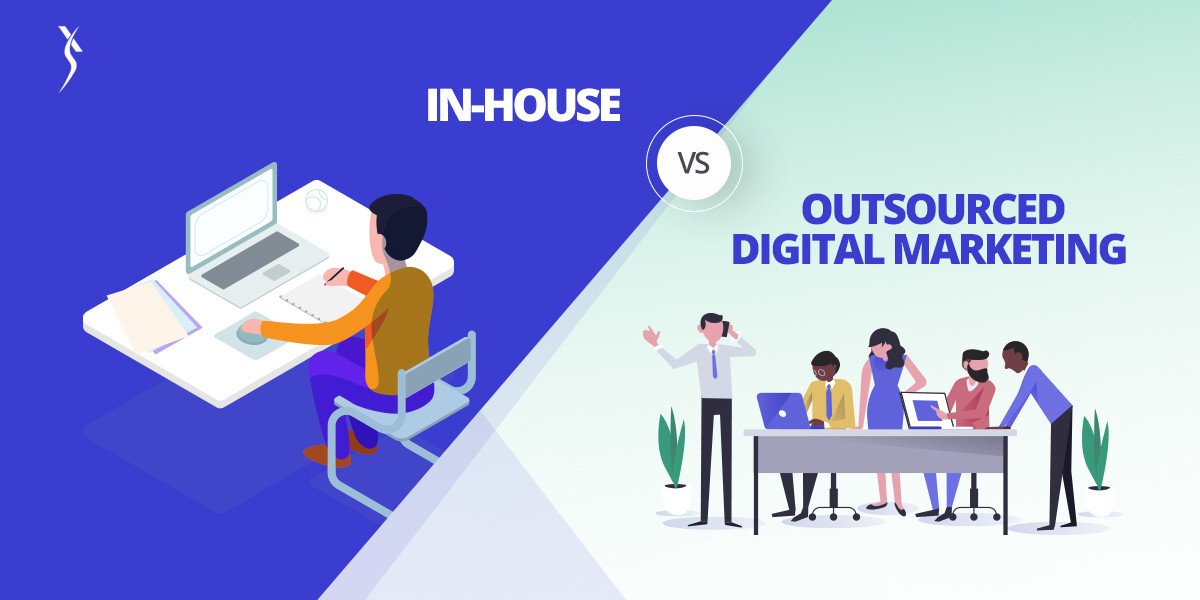
Outsource Digital Marketing: A Practical Guide for Growing Businesses
Digital marketing can help a business reach new customers, build its reputation and grow sales. But managing it well takes time and a mix of skills, from content creation and search engine optimisation to paid advertising and analytics. For many businesses, outsourcing some or all of their digital marketing is a practical way to access that expertise without building a large in-house team.
Outsourcing is not simply handing over your marketing and hoping for the best. The strongest partnerships start with clear goals, open communication and a shared understanding of what success looks like.
What does it mean to outsource digital marketing?
Outsourcing digital marketing means working with an external agency, consultant or specialist to plan and deliver some or all of your online marketing activity. The arrangement can be flexible. You might bring in a specialist for one project, such as a website launch, or appoint a marketing partner to support ongoing campaigns.
Common services include:
- Search engine optimisation (SEO)
- Pay-per-click (PPC) and paid social campaigns
- Social media strategy and management
- Content strategy, copywriting and design
- Email marketing and automation
- Website design, development and conversion optimisation
- Analytics, reporting and marketing strategy
Why outsource digital marketing?
Access specialist skills
Digital marketing covers a broad range of disciplines, and the platforms and best practices are constantly changing. An external team may bring together specialists with experience across several channels, giving your business access to skills that would be difficult or costly to recruit individually.
Make better use of your time
Planning campaigns, producing content and monitoring results can take up a significant amount of time. Outsourcing some of this work allows your team to focus on customers, products and other priorities, while marketing activity continues to move forward.
Scale support to suit your needs
Your requirements may change over time. You may need extra support for a product launch, seasonal campaign or period of rapid growth, then a lighter level of input afterwards. An outsourced arrangement can often be adjusted more easily than a permanent team.
Bring a fresh perspective
People close to a business can sometimes find it difficult to see its marketing from a customer’s point of view. An external partner can offer an independent perspective, identify opportunities and challenge assumptions constructively.
What should you keep in-house?
Outsourcing does not mean stepping away from marketing altogether. Your business still needs to provide direction, share knowledge and make decisions. Internal teams are often best placed to explain your products, customers, culture and commercial priorities.
A useful approach is to outsource specialist delivery while retaining ownership of the overall business strategy. Agree who is responsible for approvals, customer insight, budgets and reporting before work begins.
How to choose a digital marketing partner
Start with clear objectives
Before approaching agencies or consultants, decide what you want to achieve. For example, you might want to increase qualified enquiries, improve online sales, grow organic search traffic or strengthen customer retention. Clear objectives make it easier to assess whether a potential partner is right for you.
Look for relevant experience
Ask about their experience with businesses like yours, the services they provide and how they approach similar challenges. Case studies can be helpful, but look beyond headline results. Find out what work was carried out, over what period and how success was measured.
Understand how they measure results
Good reporting should connect marketing activity to your business goals. Depending on your objectives, useful measures might include qualified leads, conversion rates, revenue, customer acquisition cost or return on advertising spend. Be wary of relying on surface-level figures, such as impressions or follower counts, without understanding how they contribute to meaningful outcomes.
Check communication and responsibilities
Discuss how often you will meet, who your main contact will be and what information the partner will need from your team. Make sure you understand what is included in the fee, how additional work is approved and who owns assets such as website content, advertising accounts and creative files.
Common challenges to consider
Outsourcing can bring valuable expertise, but it is not an instant fix. Results may take time, particularly in areas such as SEO and content marketing. An external partner will also need accurate information and timely feedback from your business to do their work effectively.
To reduce the risk of misunderstandings, set expectations at the outset. Agree objectives, budgets, timelines, reporting arrangements and decision-making processes. Keep access to your own digital accounts and make sure important knowledge does not sit with one person or provider alone.
Is outsourcing right for your business?
Outsourcing digital marketing may suit businesses that need specialist expertise, want to increase capacity or are not ready to recruit a full in-house team. It can also work well alongside internal staff, with an external partner providing technical support or campaign delivery.
The right arrangement depends on your goals, budget and the skills you already have. Begin by identifying where your marketing needs the most support, then look for a partner who can explain their approach clearly and measure progress against outcomes that matter to your business.
Making outsourcing work
Successful outsourcing is built on collaboration. Share your business goals and customer knowledge, give your partner access to the information they need, and review performance regularly. With clear responsibilities and realistic expectations, an external marketing team can become a valuable extension of your business and help you make more of your digital opportunities.
Six Essential Tips for Successfully Outsourcing Digital Marketing
- Set clear goals before outsourcing.
- Choose an agency with relevant experience.
- Agree budgets, deliverables and timelines upfront.
- Keep ownership of your accounts and data.
- Schedule regular performance reviews.
- Make sure the agency understands your audience and brand.
Set clear goals before outsourcing.
Before outsourcing your digital marketing, set clear goals so you and your chosen partner understand what success looks like. Decide what you want to achieve, such as increasing qualified enquiries, growing online sales or improving website traffic, and agree how progress will be measured. Clear goals help shape the right strategy, focus the budget and make it easier to assess whether your marketing is delivering results.
Choose an agency with relevant experience.
Choose an agency with relevant experience in your industry, audience or type of campaign. They’re more likely to understand your challenges, recognise what resonates with your customers and recommend a practical approach. Ask for examples of similar work and how results were measured, so you can judge whether their experience matches your goals.
Agree budgets, deliverables and timelines upfront.
Agreeing budgets, deliverables and timelines upfront helps keep your outsourced digital marketing on track. Be clear about what work is included, when you expect it to be completed and how much you have allocated, including any additional costs such as advertising spend. Setting these expectations early helps prevent misunderstandings, makes progress easier to review and gives both sides a clear basis for managing changes along the way.
Keep ownership of your accounts and data.
Keep ownership of your digital marketing accounts and data, even when working with an external agency or freelancer. Set up platforms such as Google Analytics, Google Ads and social media accounts in your business’s name, and grant your partner the access they need to do their work. This keeps your records, audiences and campaign history under your control, makes it easier to review performance, and helps ensure a smooth transition if you change providers.
Schedule regular performance reviews.
Schedule regular performance reviews to check whether your outsourced digital marketing is delivering against the goals you agreed. Review key measures such as qualified leads, conversions, website traffic and campaign costs, and discuss what is working, what needs to change and why. Consistent check-ins help you and your marketing partner spot issues early, make informed decisions and keep activity aligned with your business priorities.
Make sure the agency understands your audience and brand.
Before outsourcing your digital marketing, make sure the agency takes time to understand your audience, your brand and what makes your business different. They should be clear about your customers’ needs, your tone of voice and the promises you make, so their campaigns feel consistent and relevant. Share useful customer insights and brand guidelines, and ask how the agency will apply them in its work. The better they understand your business, the more effectively they can create marketing that connects with the right people.